Table of Contents
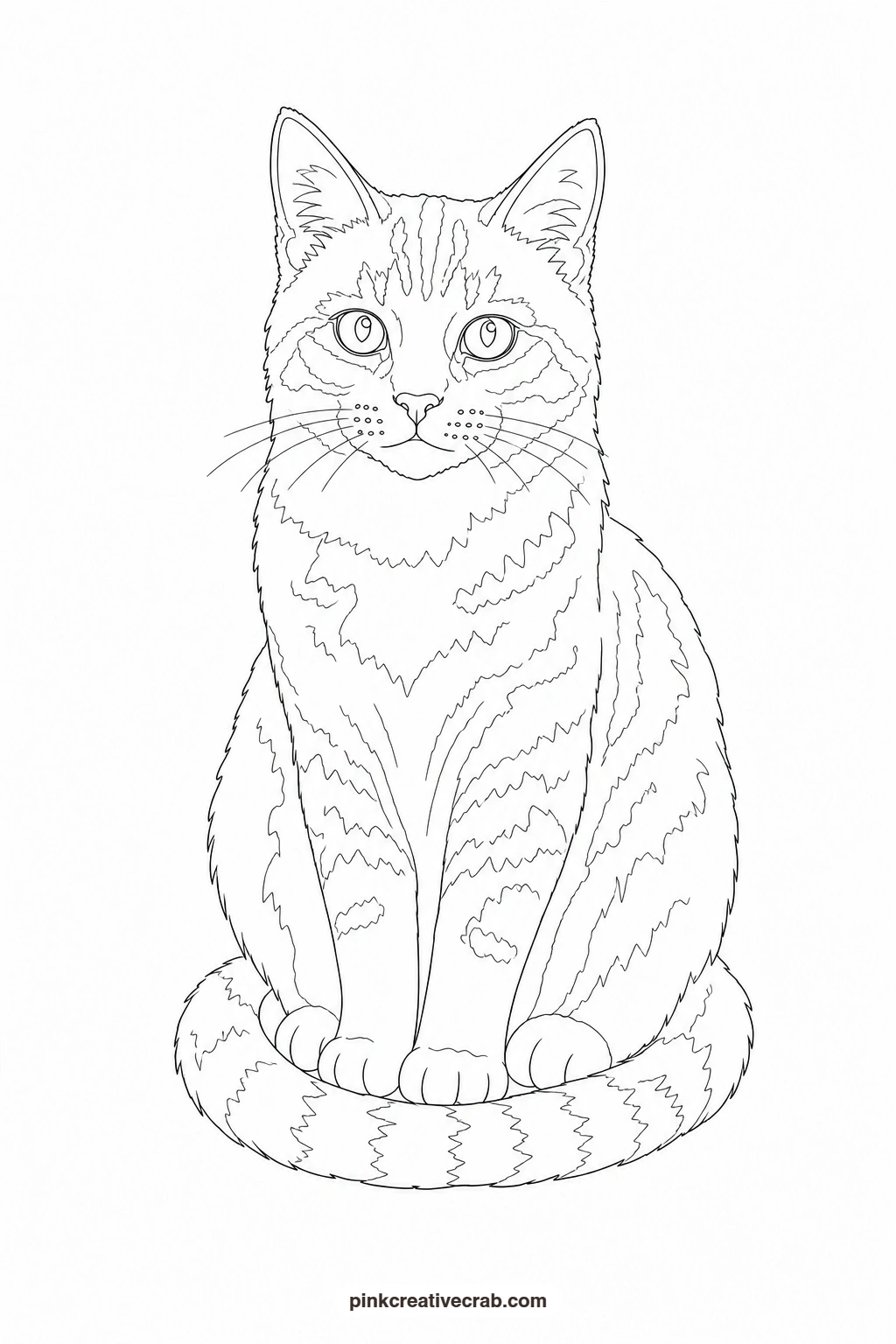
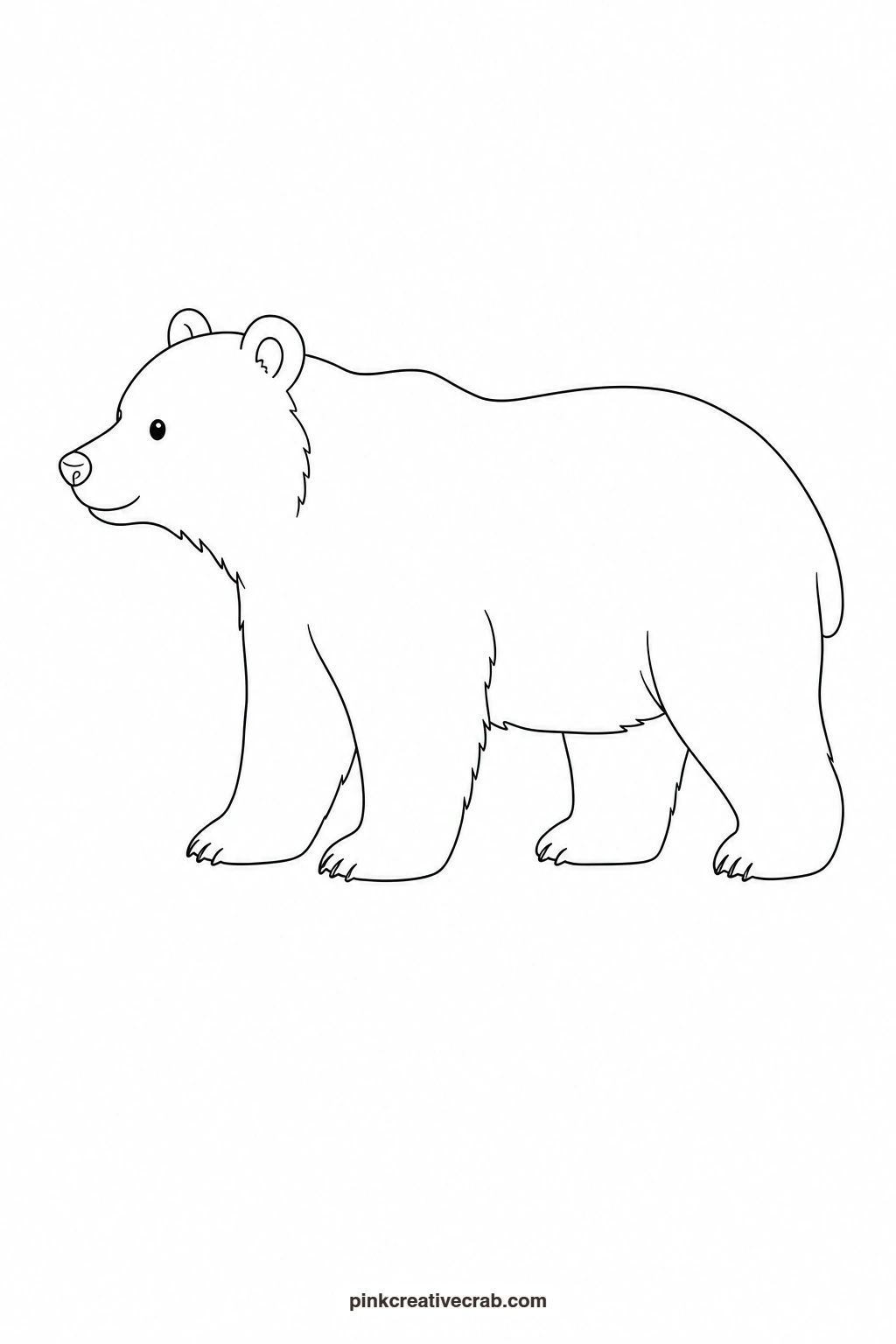
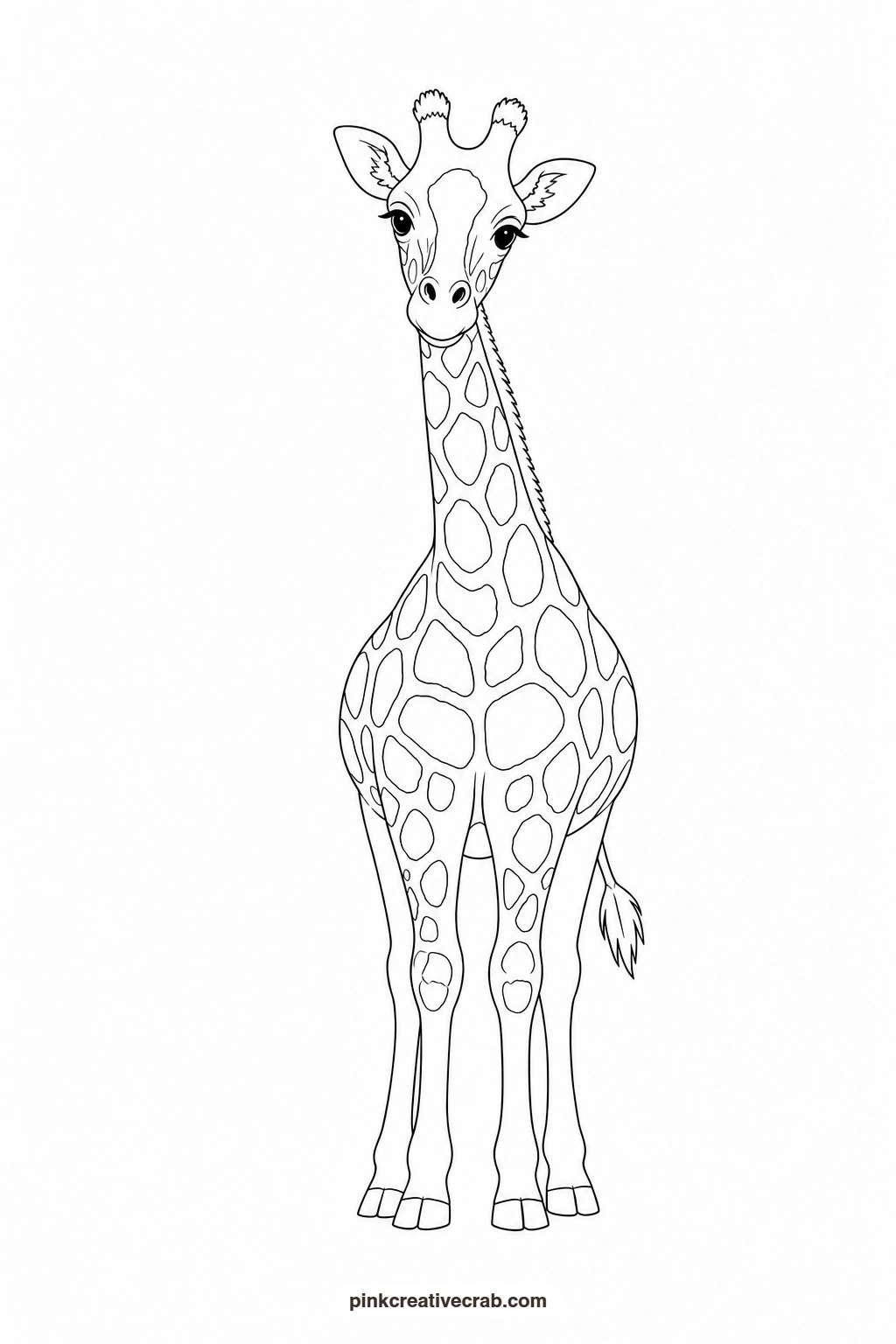
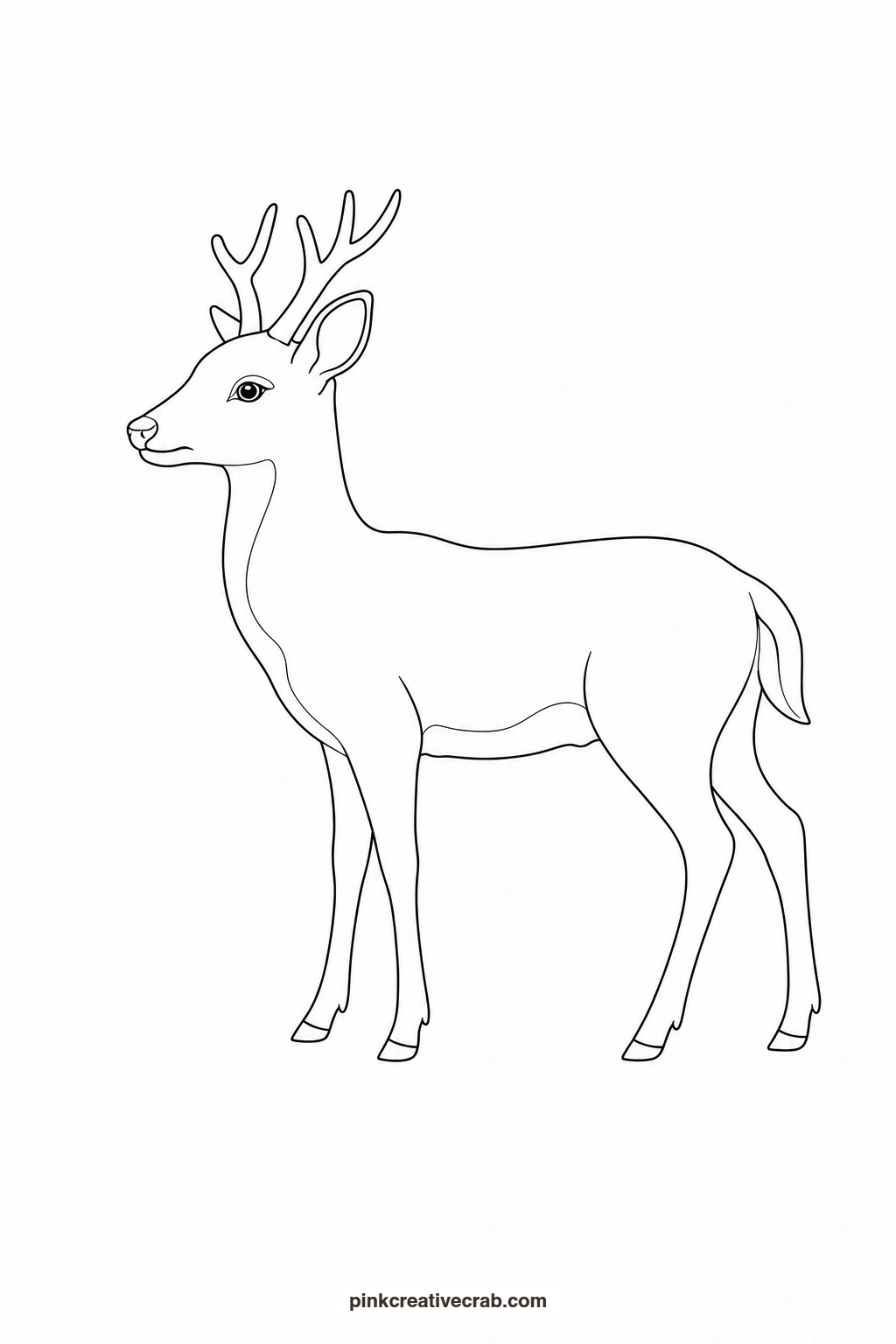
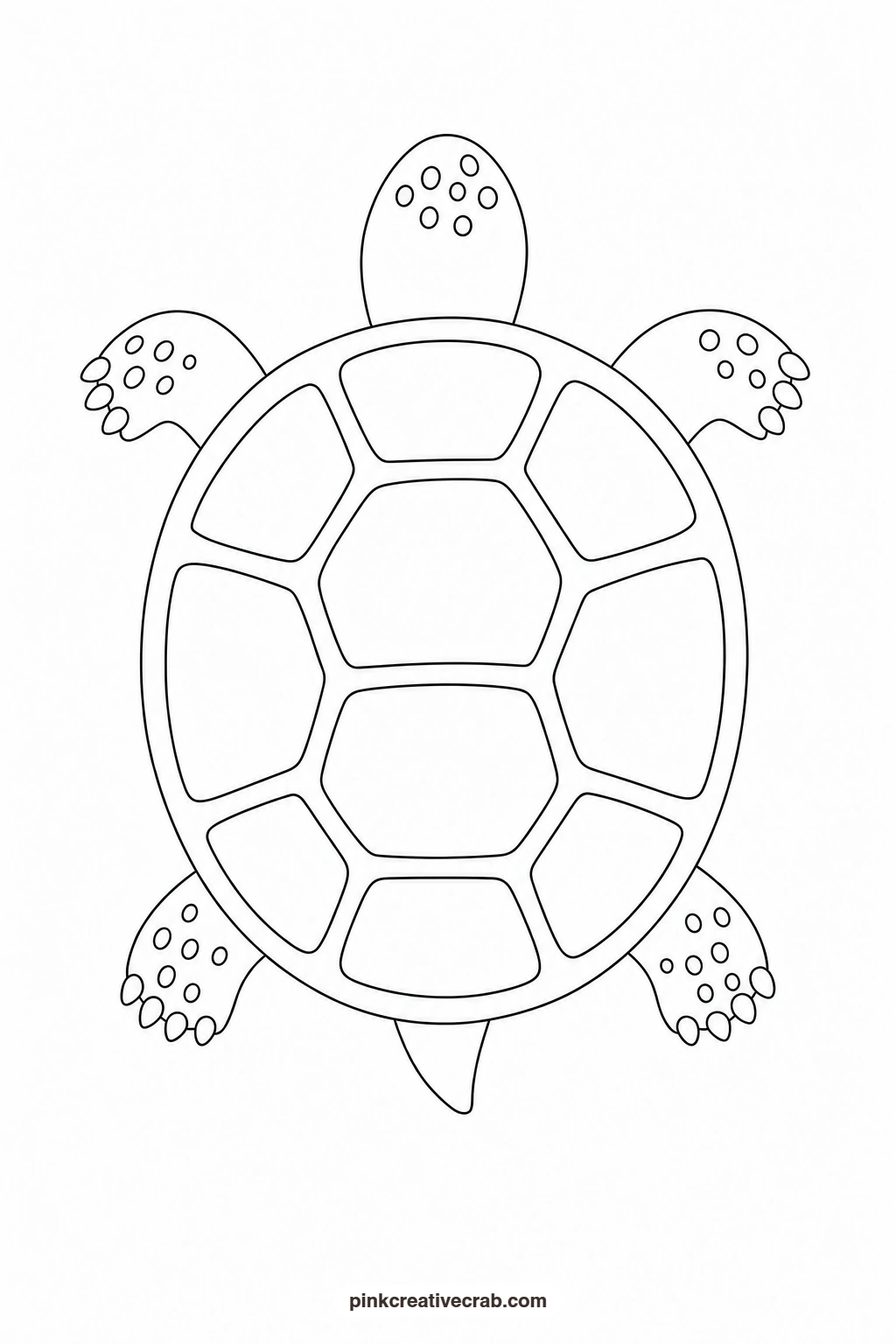
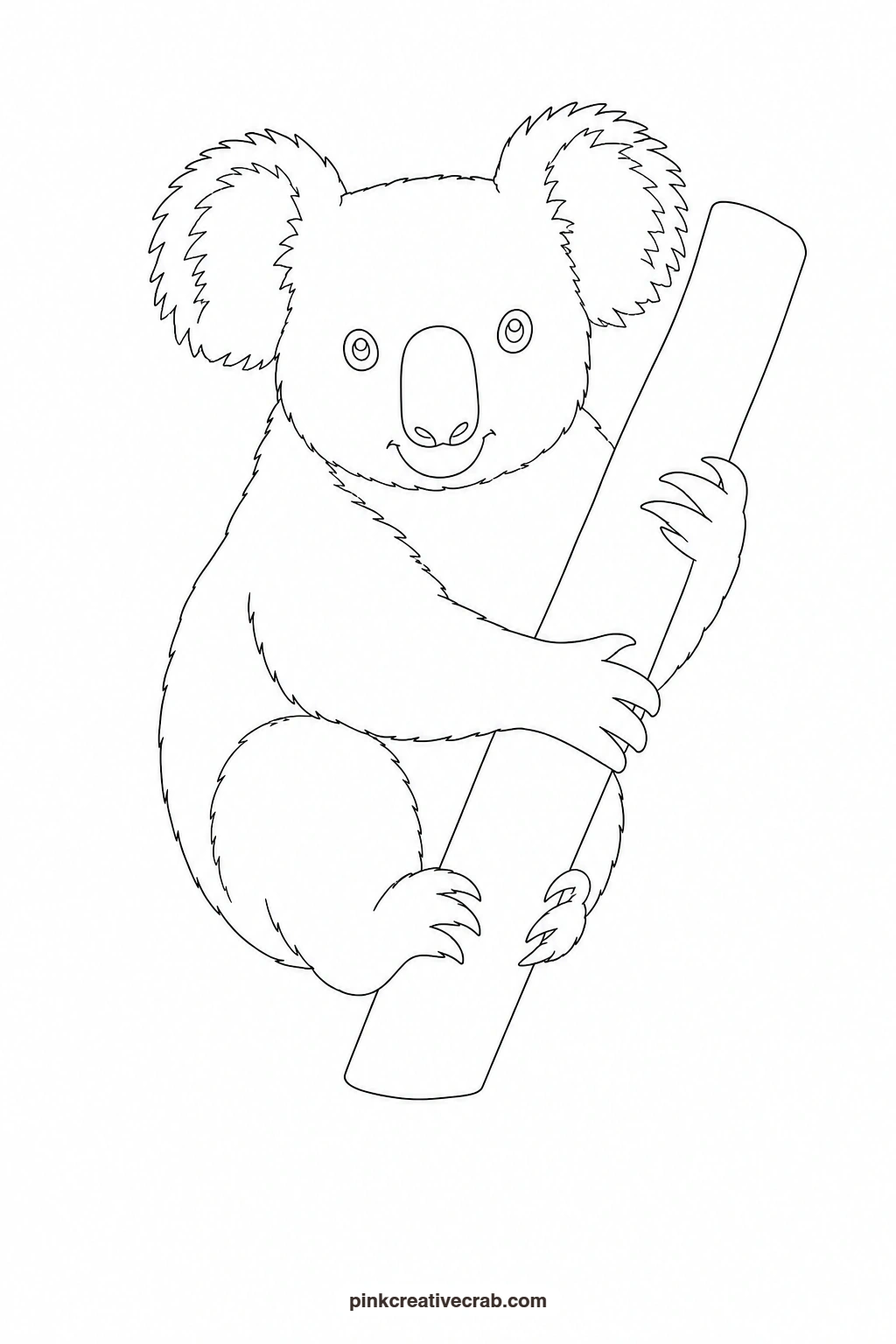
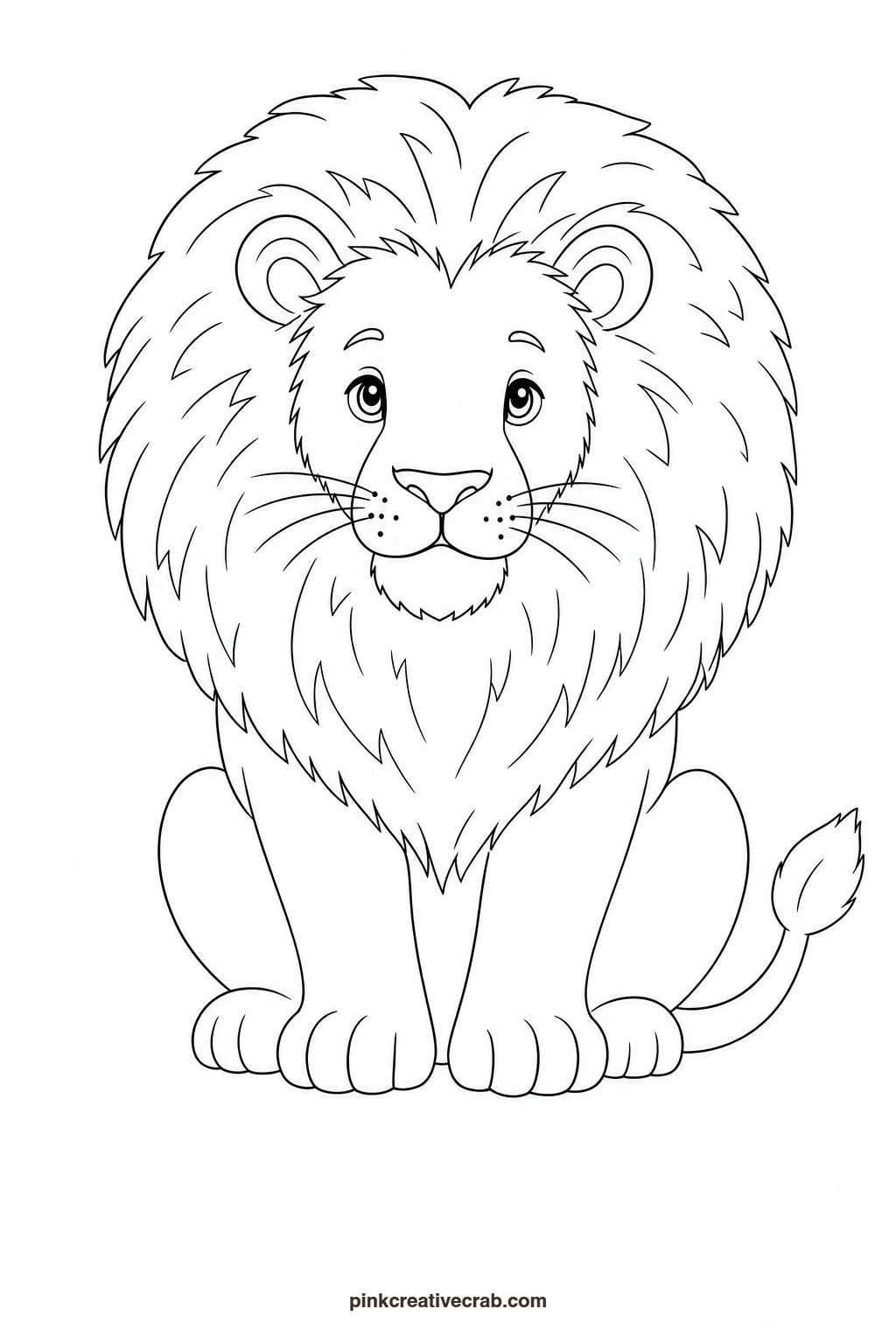
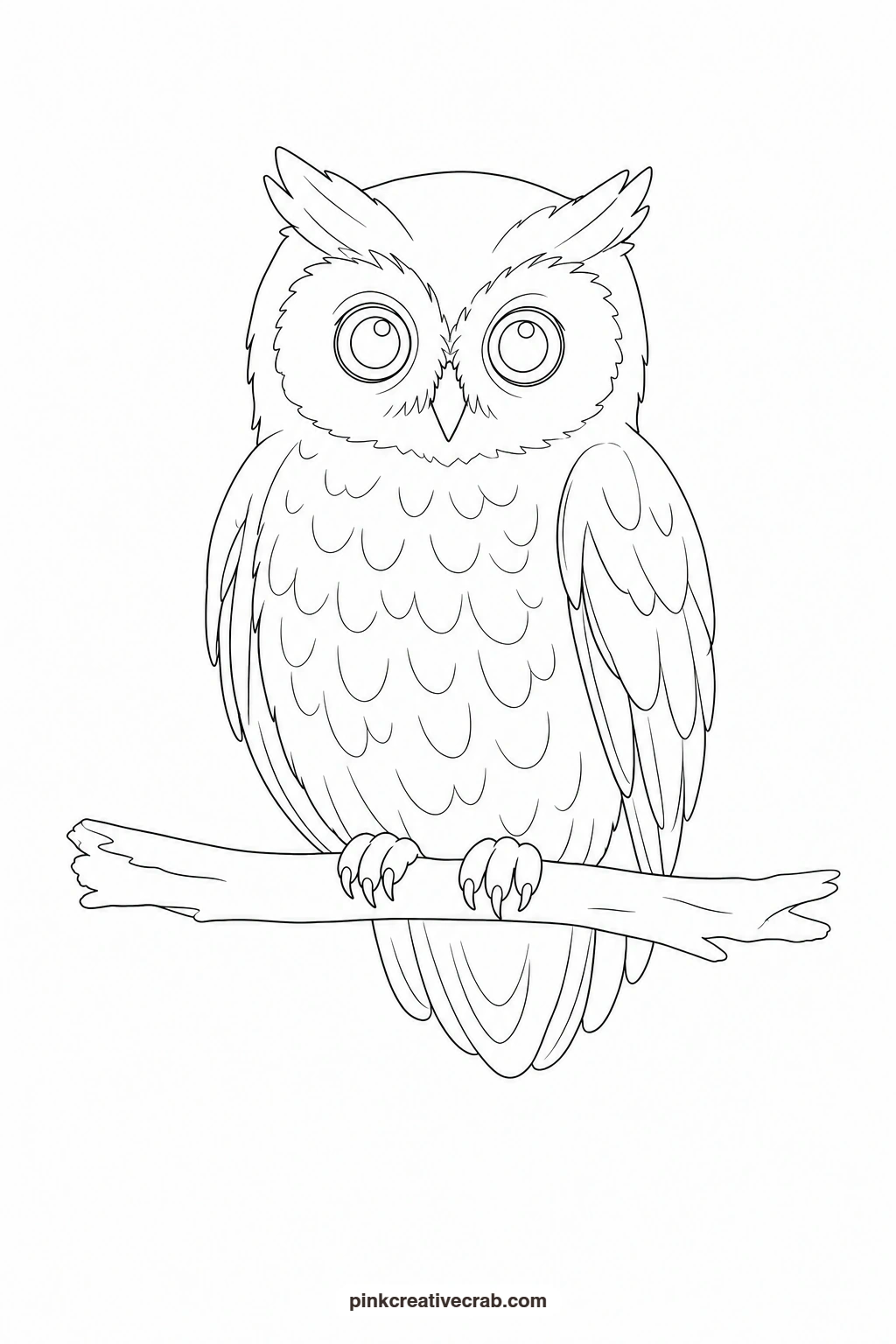
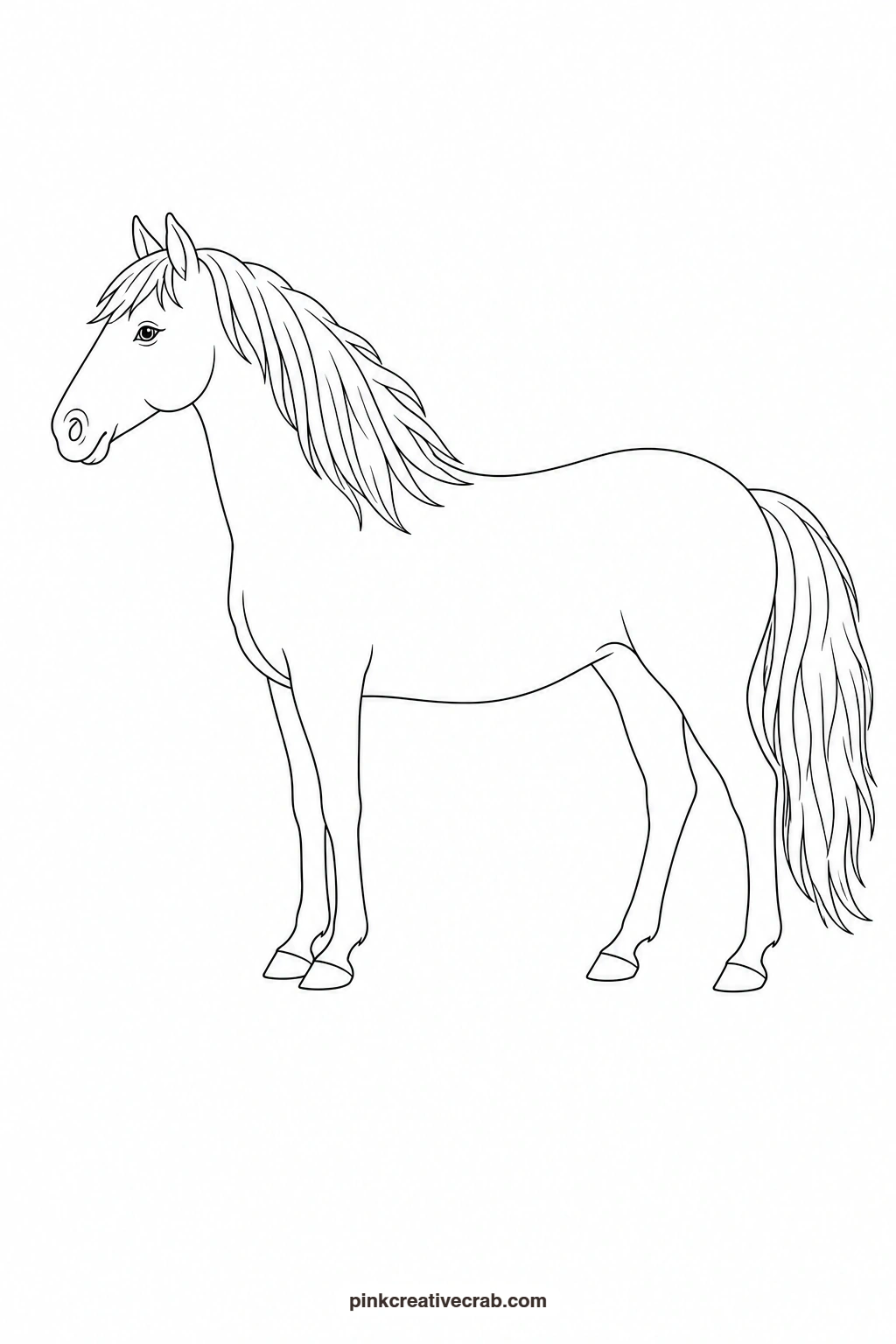
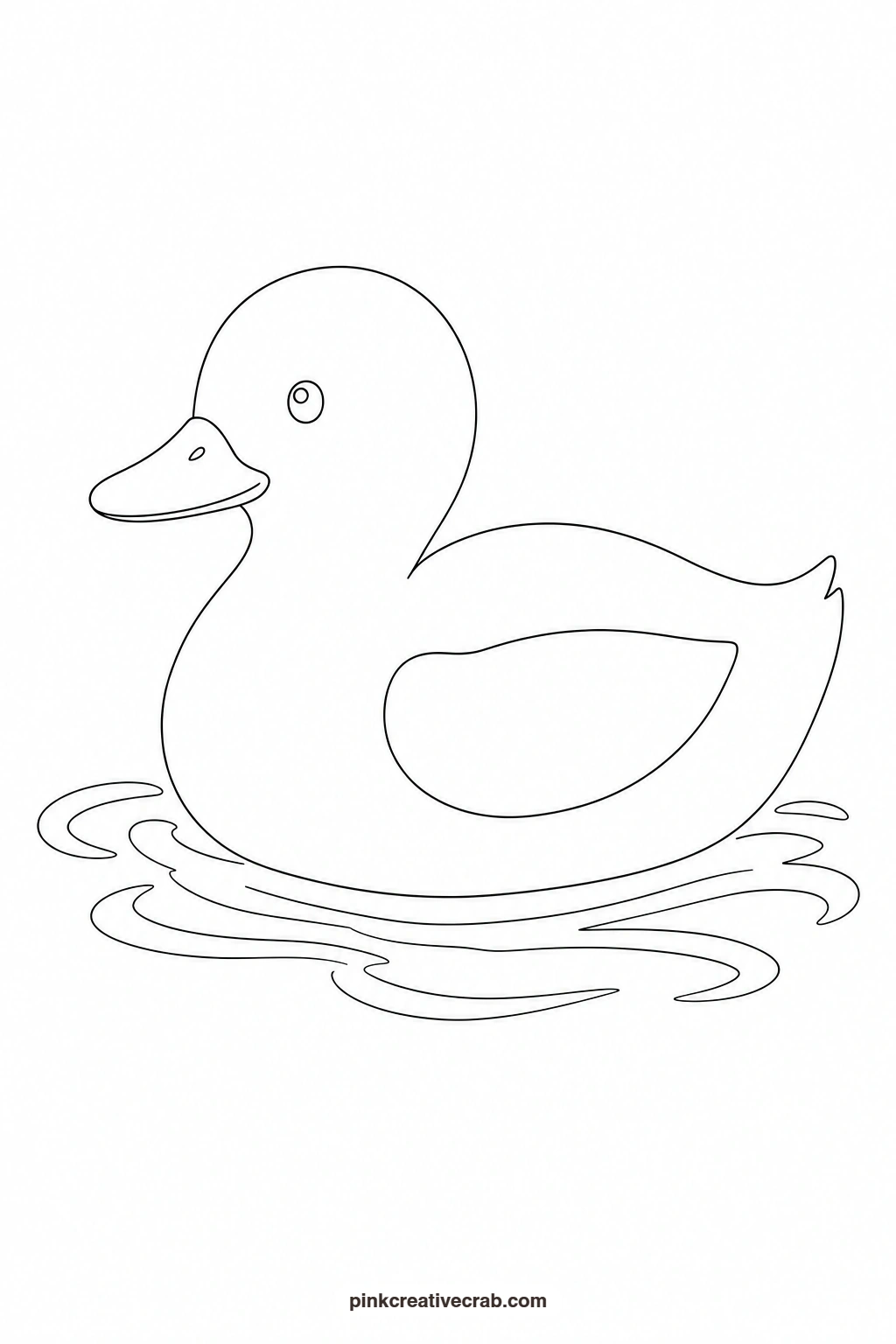
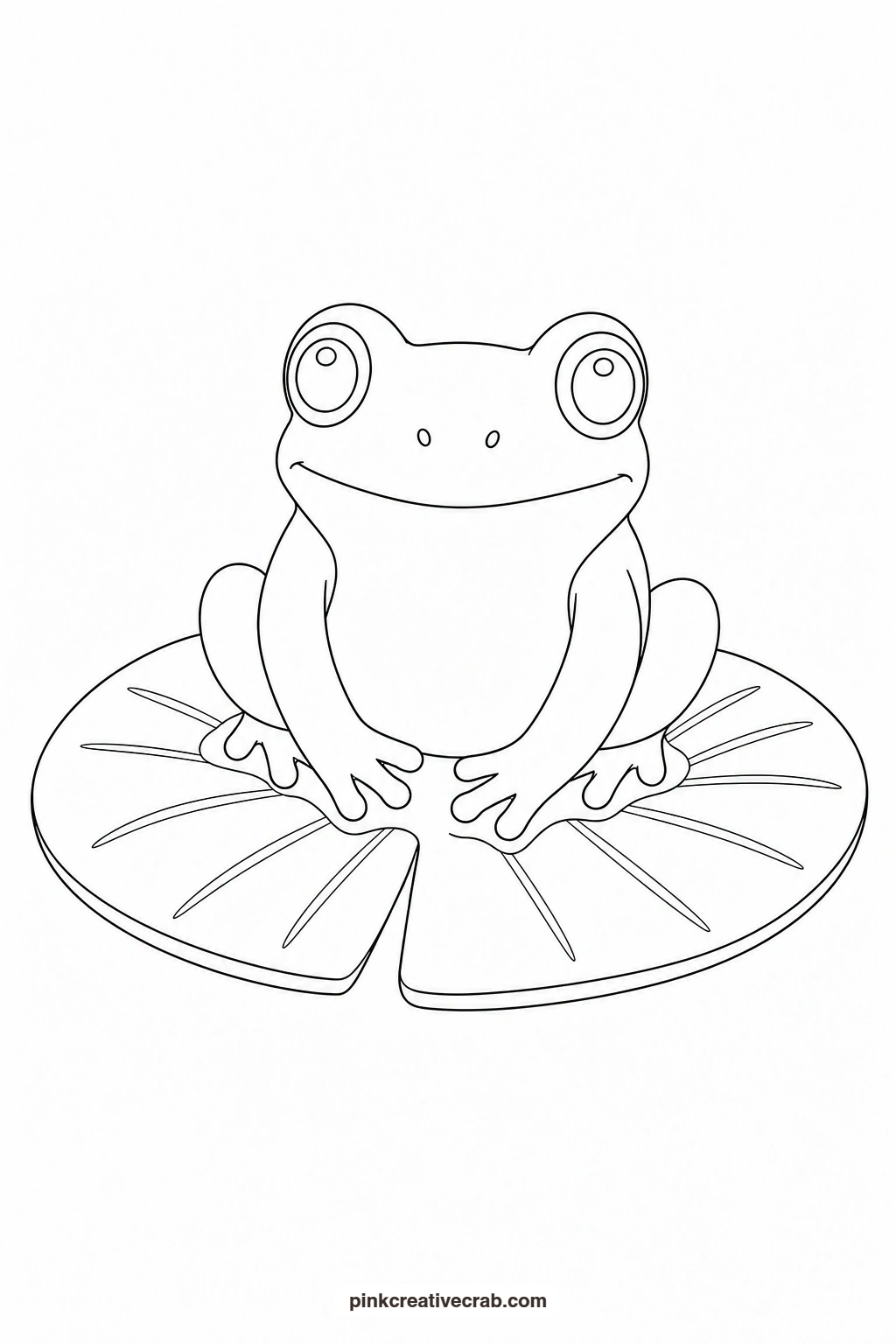
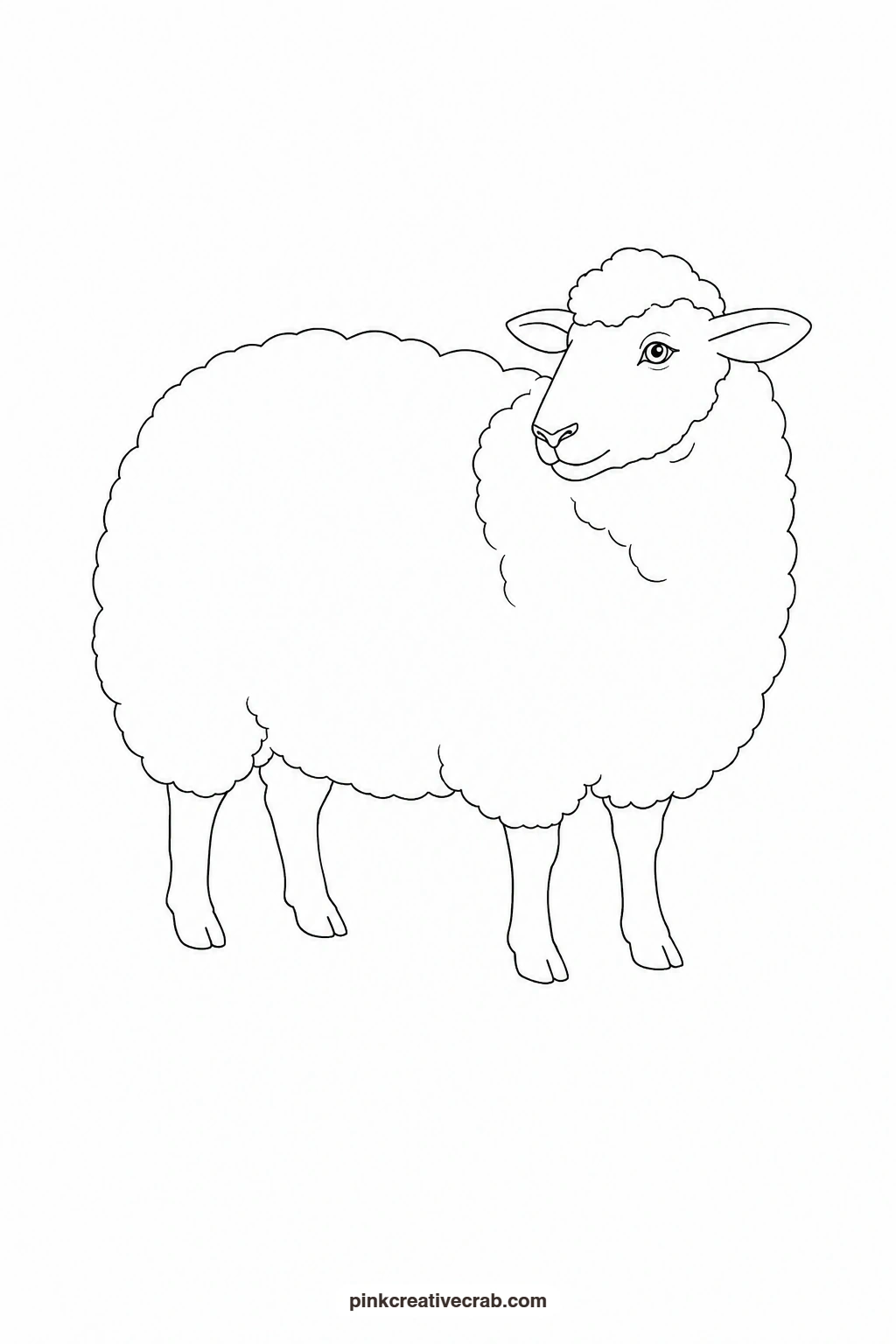
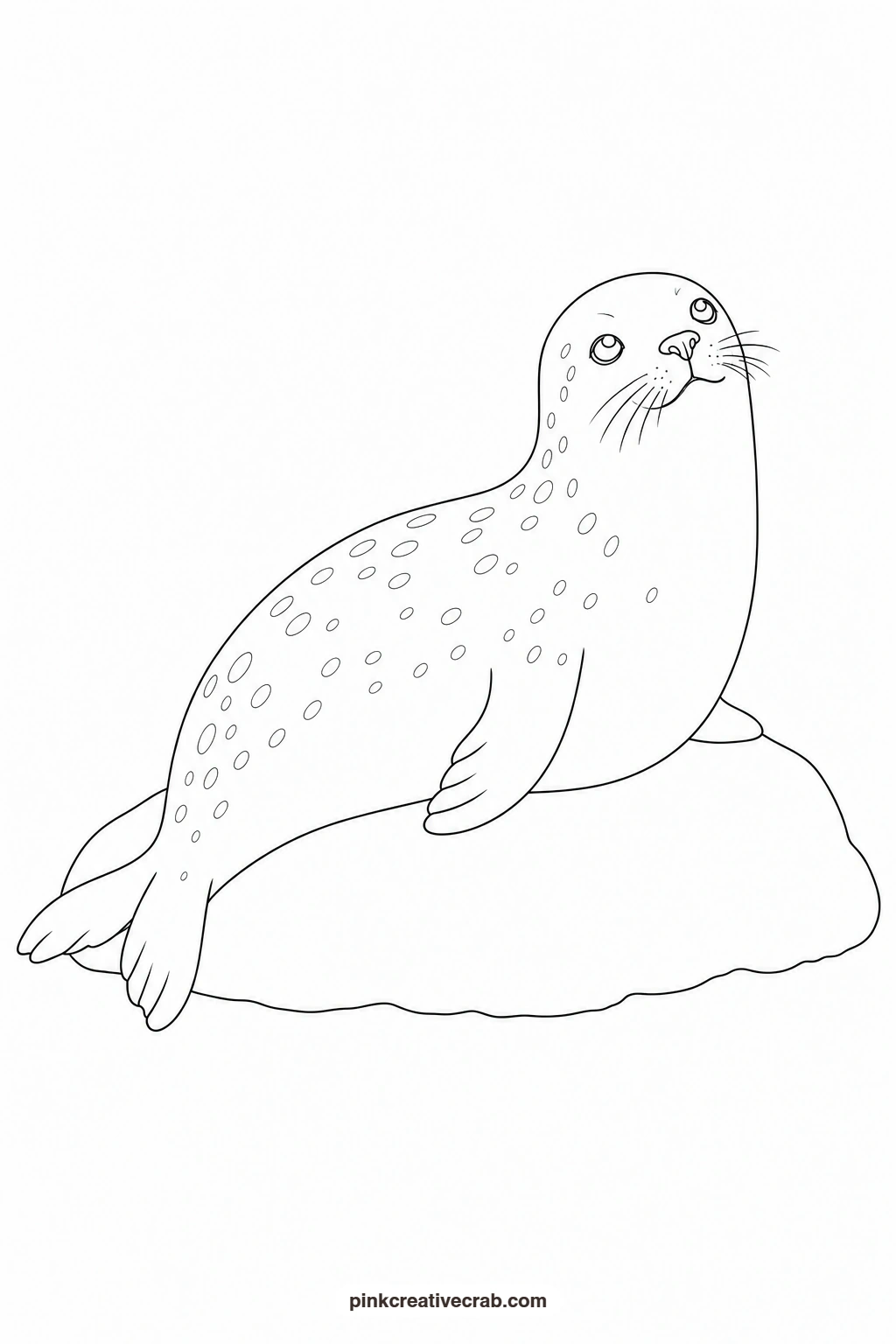
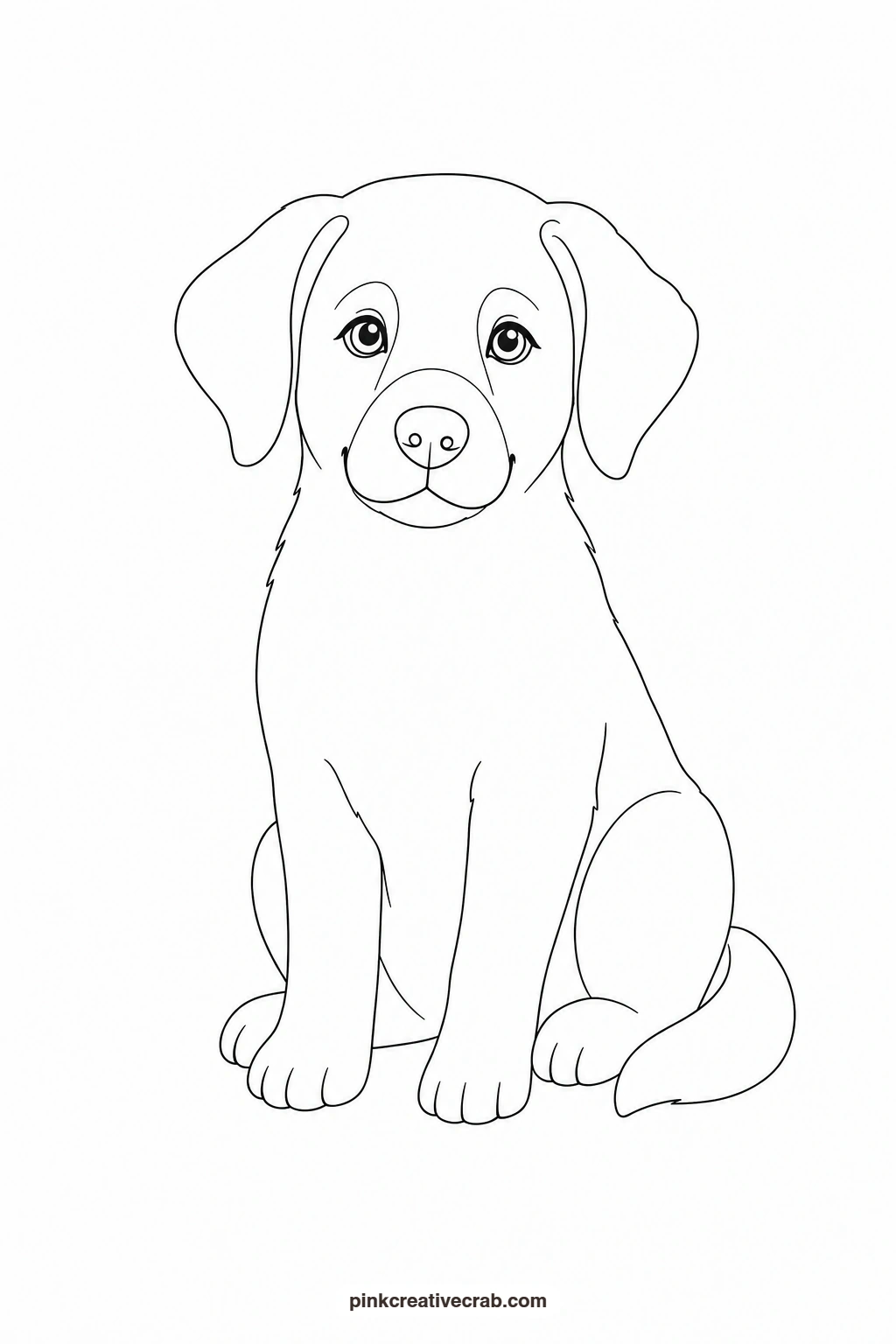
These watercolor animals give you sixteen different subjects to paint without ever picking up a pencil to sketch one. Each template comes as a pair: a finished painted example to work from, and a clean black and white outline built from a few big simple shapes, easy to trace onto your own paper.
Print the outline at the size you want, then transfer it to good watercolor paper by taping both sheets to a sunny window or a light pad, or by slipping a sheet of graphite transfer paper underneath and tracing the lines. Once the outline is on your paper, prop the finished painting beside you and follow the colour notes for each one.
Using these images: free for personal projects such as printing, coloring, cards, journals and gifts. Handmade items that include them may be sold up to 30 pieces per design. More than that is commercial use and is not permitted, and neither is selling or sharing the images themselves or passing them off as your own. Please ask before any other use.
Sitting Cat
Start with a pale cream wash over the whole body and let it dry. Drop warm orange onto the back and the top of the head while the paper is just damp, so it feathers softly into the cream. Add a light grey wash under the chin and along the tail for shape, keep the paws cream, and finish with two small dots of dark grey or black for the eyes and a pink triangle for the nose.
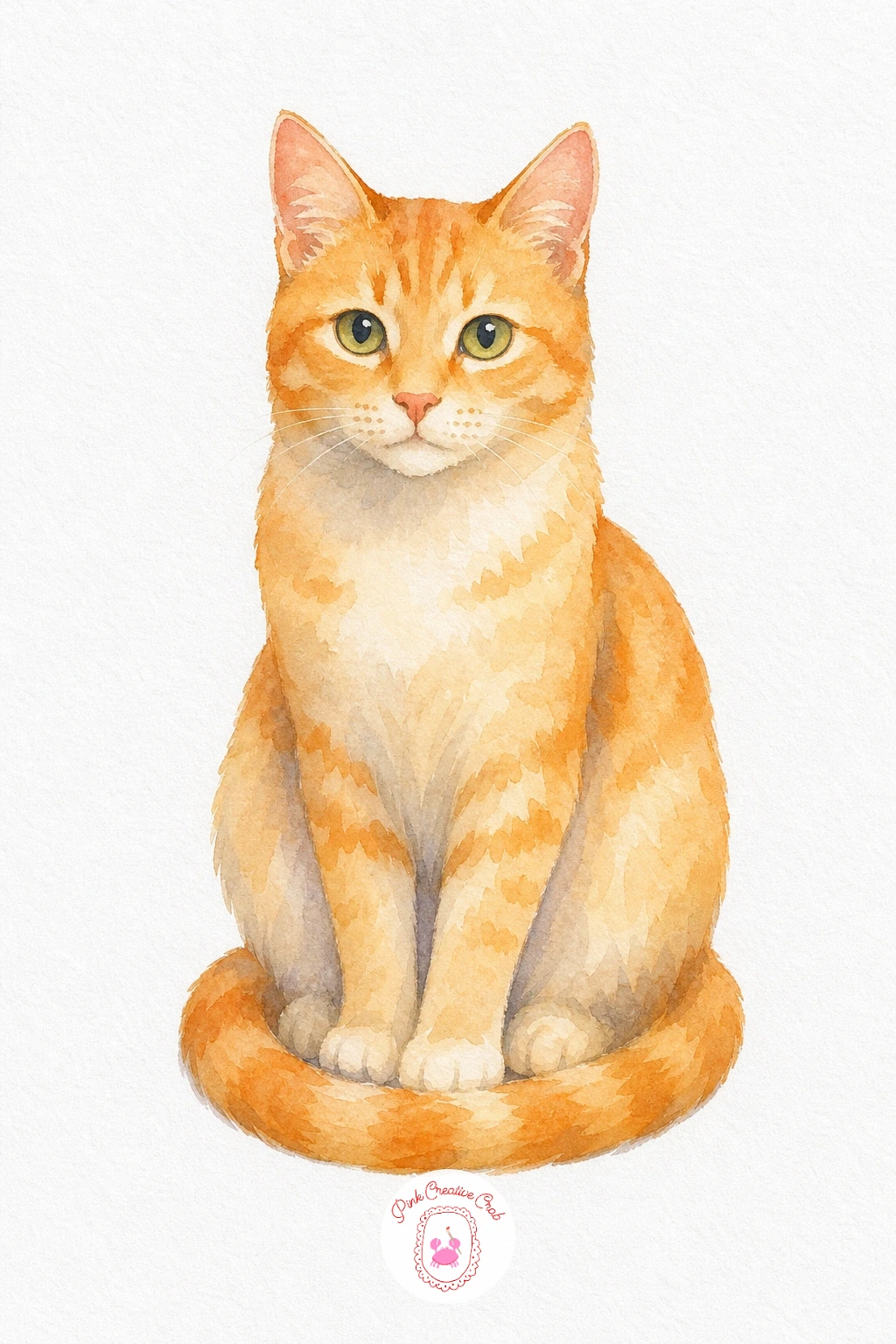
Palette: Cream,Yellow Ochre,Payne’s Grey,Pink Madder
Elephant
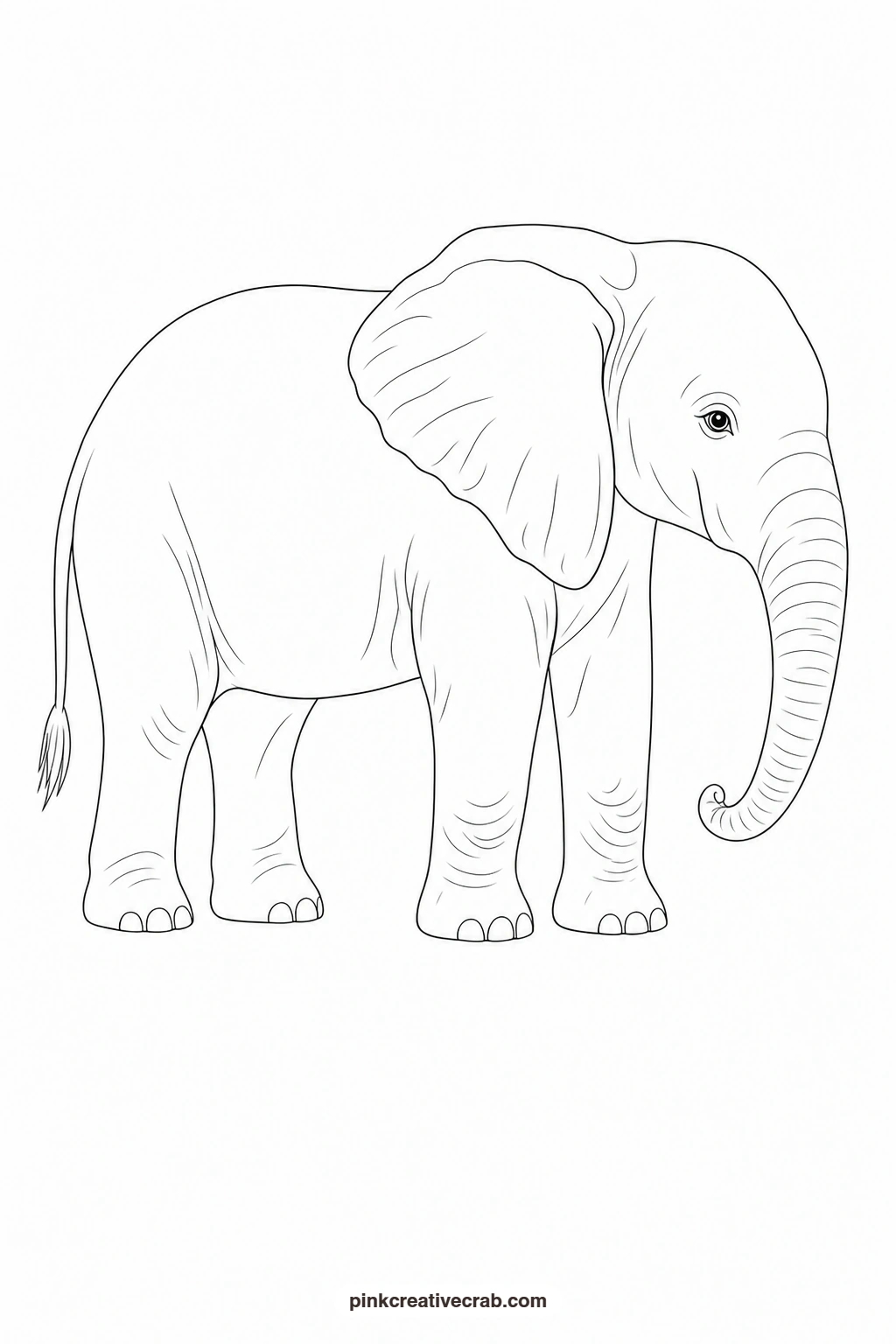
Wet the whole elephant shape first, then float a pale grey-blue wash over the body so it settles unevenly and looks soft rather than flat. While still damp, touch a slightly darker grey into the legs and the underside of the trunk to suggest weight. Let the ear dry separately and wash it with a pale pink so it reads as a different texture, then add short dark lines for toenails once everything is dry.
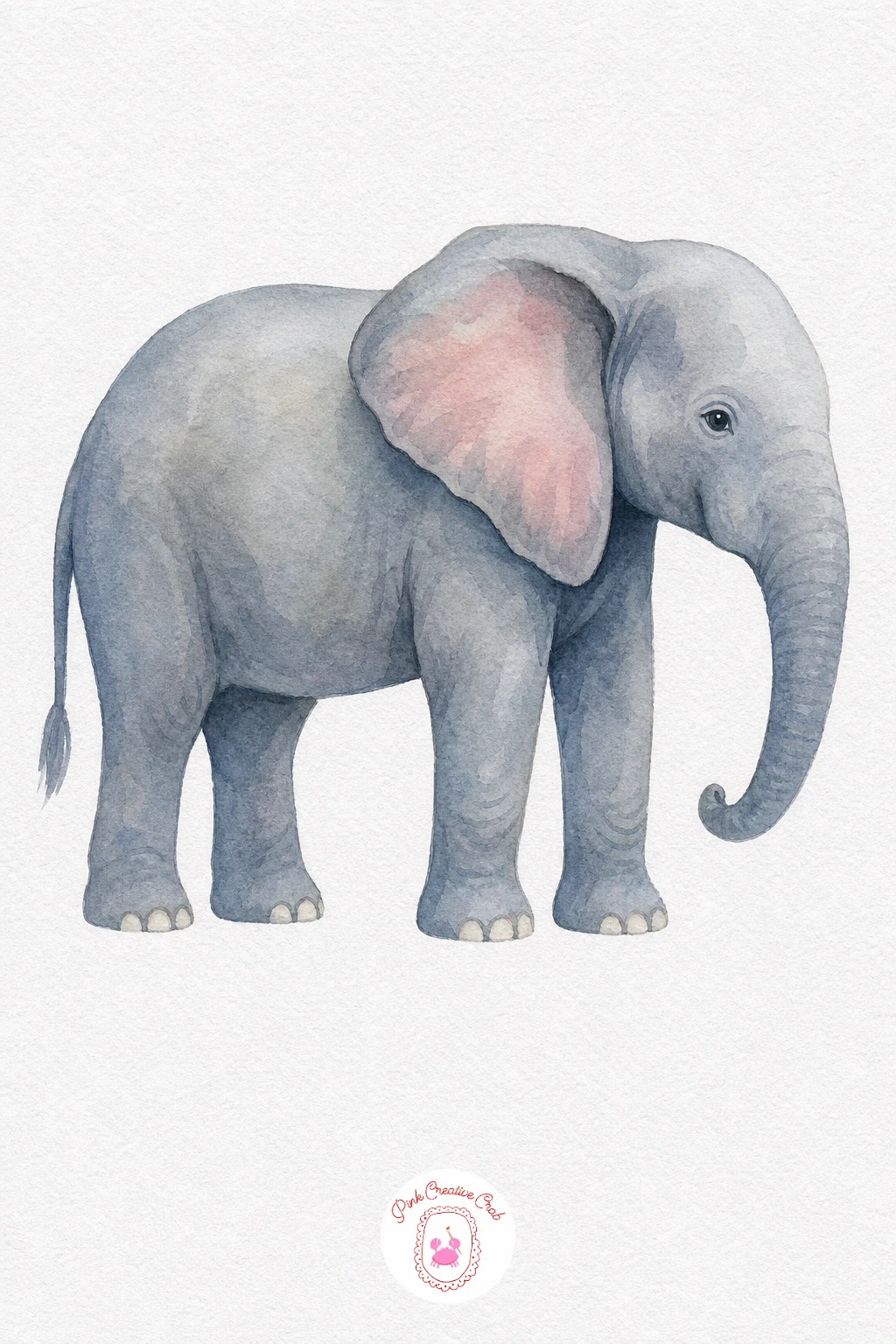
Palette: Payne’s Grey,Cerulean Blue,Pink Madder,Charcoal Grey
Whale
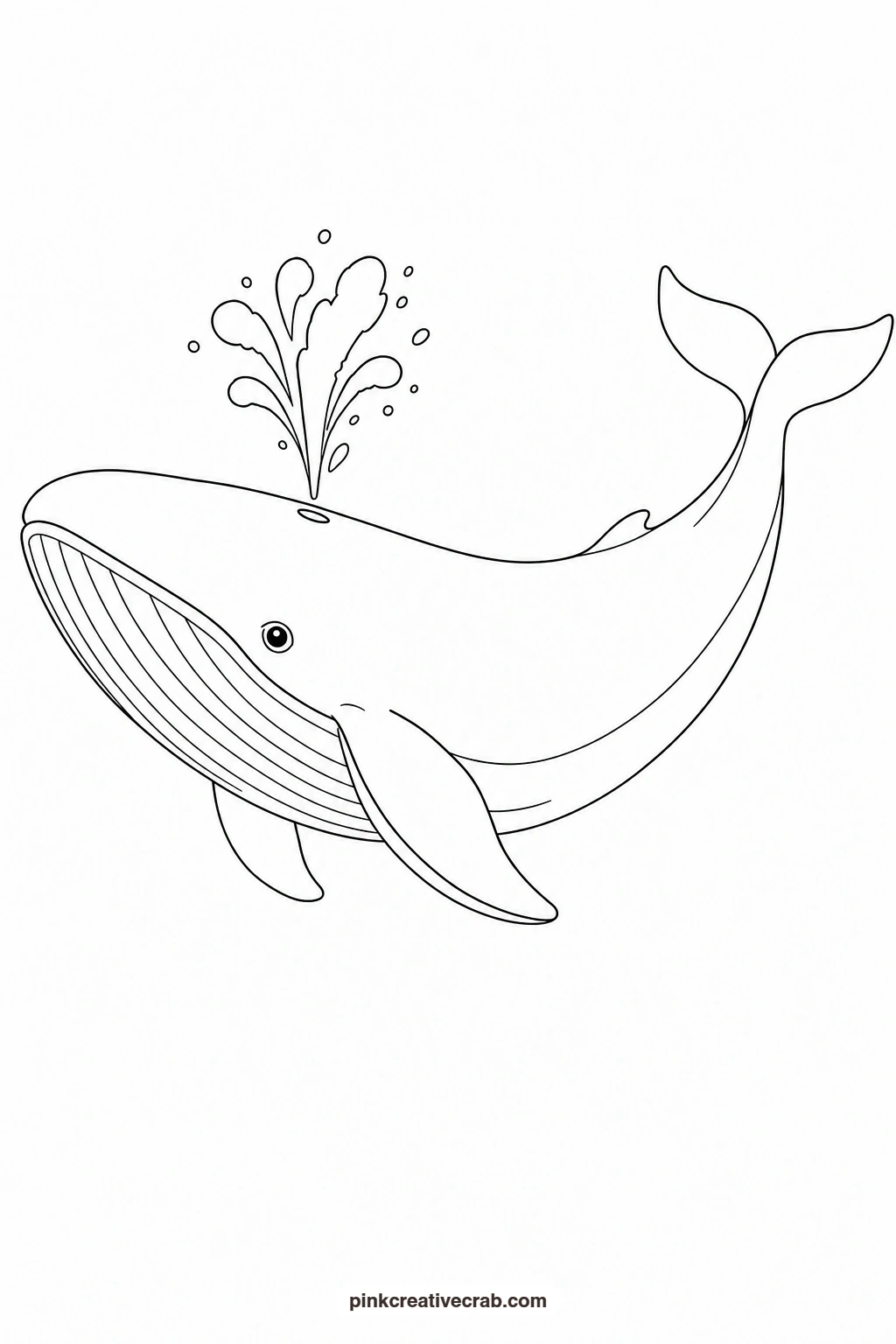
Lay a deep blue wash along the top of the whale’s back and let it fade into pale blue, almost white, along the belly by adding more water as you brush downward. Keep the fade smooth by working quickly while the paper is still wet. Paint the spout in a thin, pale grey-blue so it looks light and airy, and add one small dark eye near the front of the head as the finishing touch. If you enjoy marine subjects, the easy ocean watercolor animals collection has more sea life to try next.
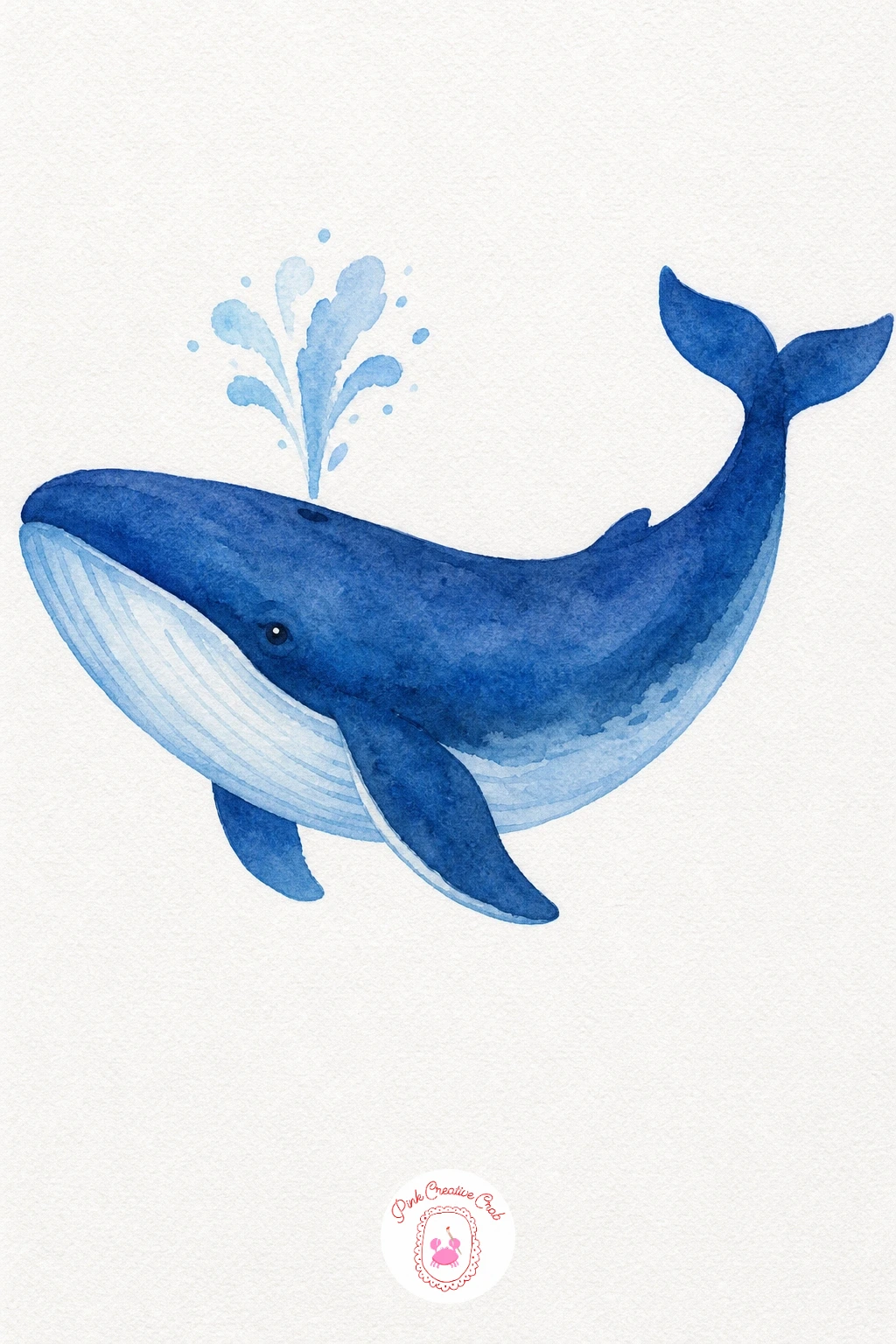
Palette: Prussian Blue,Cerulean Blue,Pale Blue,Payne’s Grey
Bear
Cover the whole bear in a mid brown wash first, then while it is still damp, drop a darker brown along the back and legs so the colour pools naturally into shadow. Leave the muzzle and belly paler by wetting those areas with clean water before adding only a thin wash of tan, which keeps them soft but distinct. Once dry, paint a small dark nose and two dot eyes to finish.
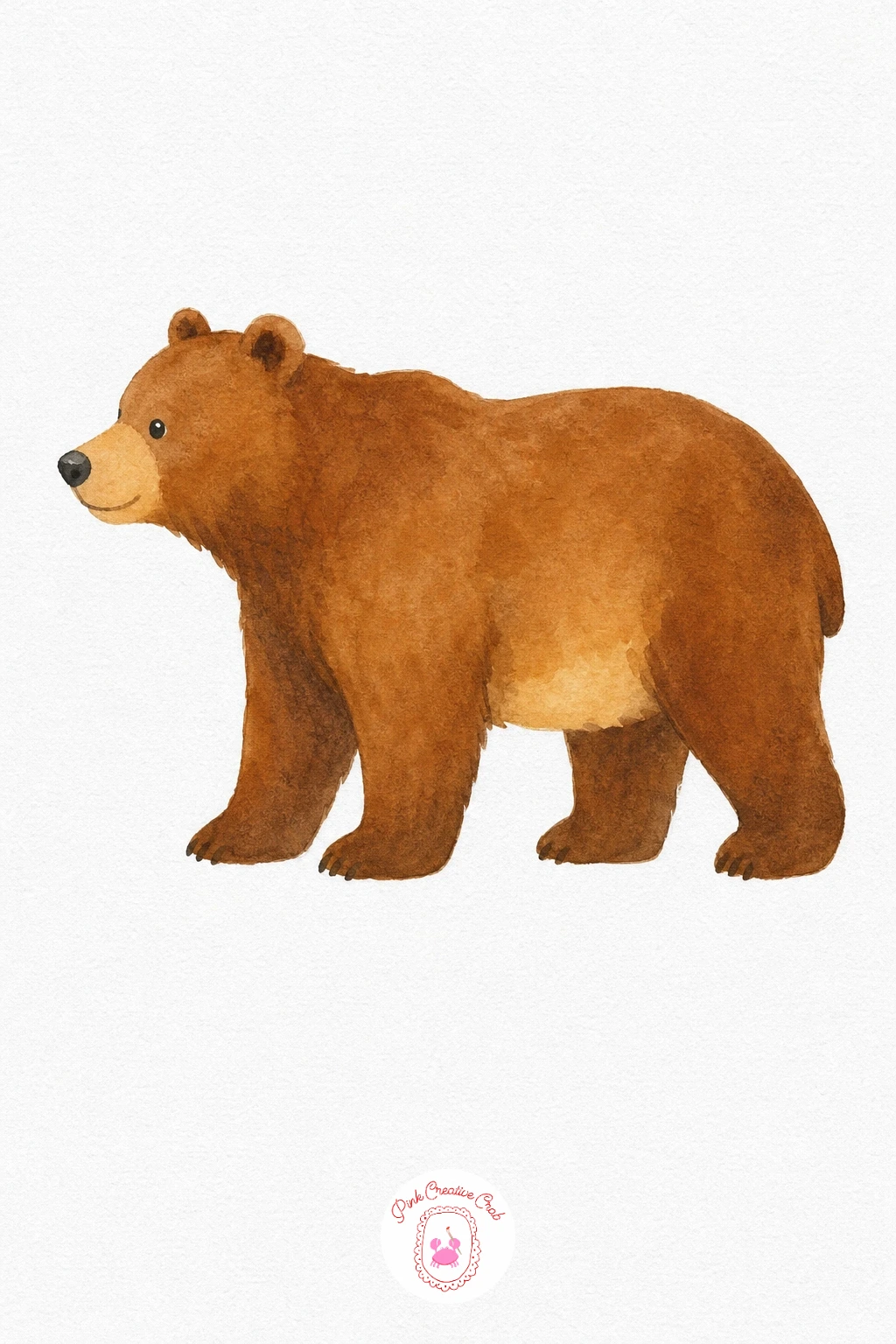
Palette: Burnt Sienna,Raw Umber,Yellow Ochre,Charcoal Grey
For a bolder look, try the same shape with the palette and painting ideas from wild watercolor animals, which leans into stronger contrast.
Giraffe
Wash the entire giraffe in pale yellow and let it dry fully before adding the patches, which keeps the shapes crisp instead of muddy. Paint the brown patches one at a time with a small round brush, leaving thin gaps of yellow between them so each patch stays separate. Keep the legs and the inside of the ears free of patches for contrast, and finish with two small dark eyes and short dark horn tips.
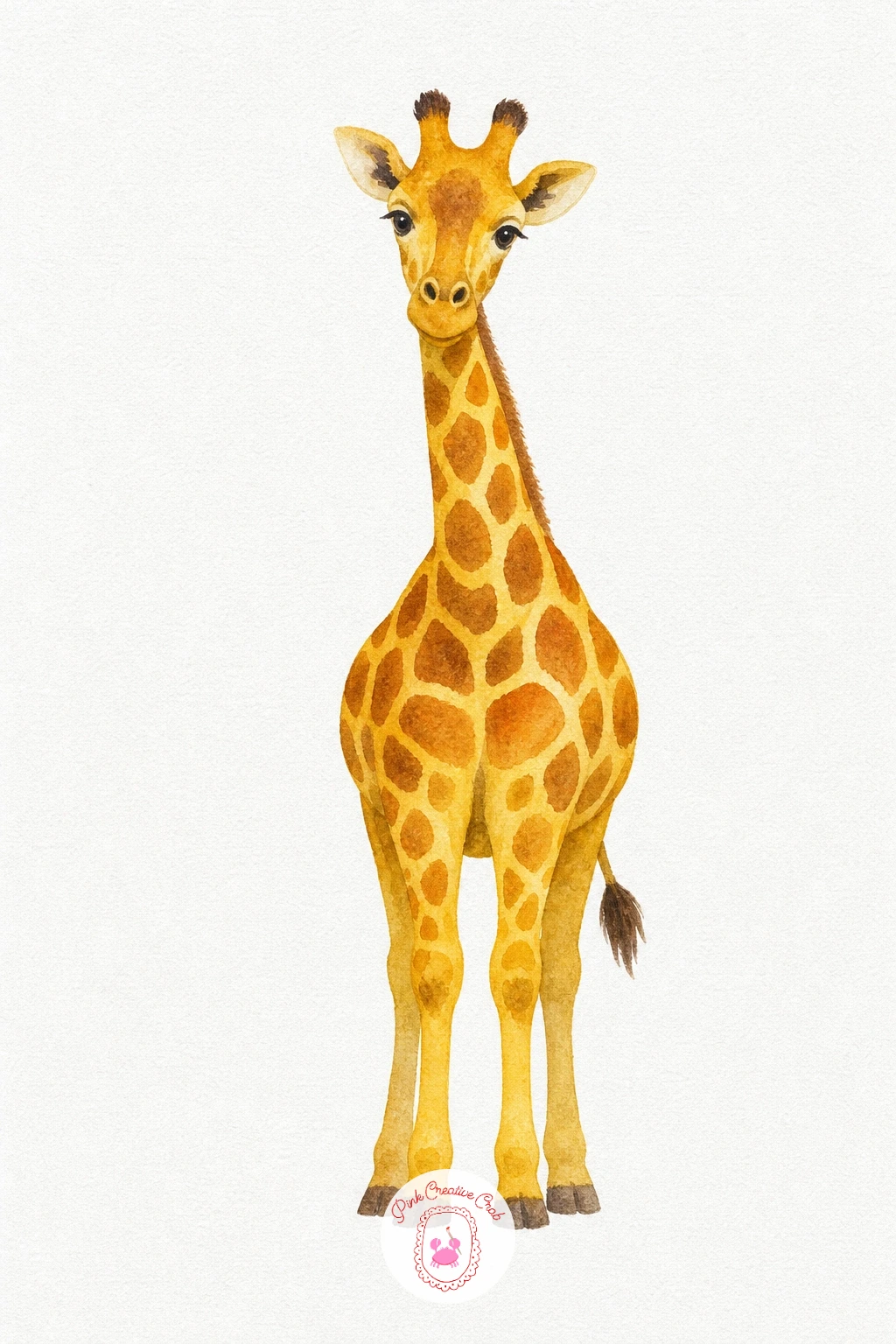
Palette: Yellow Ochre,Burnt Sienna,Raw Umber,Cream
Deer
Lay a warm reddish brown wash over the body and legs, keeping the brush fairly dry so the colour stays soft rather than heavy. Leave the belly, chin and inner ears unpainted at first, then add a thin cream wash once the rest is dry so the two tones sit clean next to each other. Paint the antlers in a pale grey-brown and add a few small white dots along the back with a gel pen for a classic fawn touch.
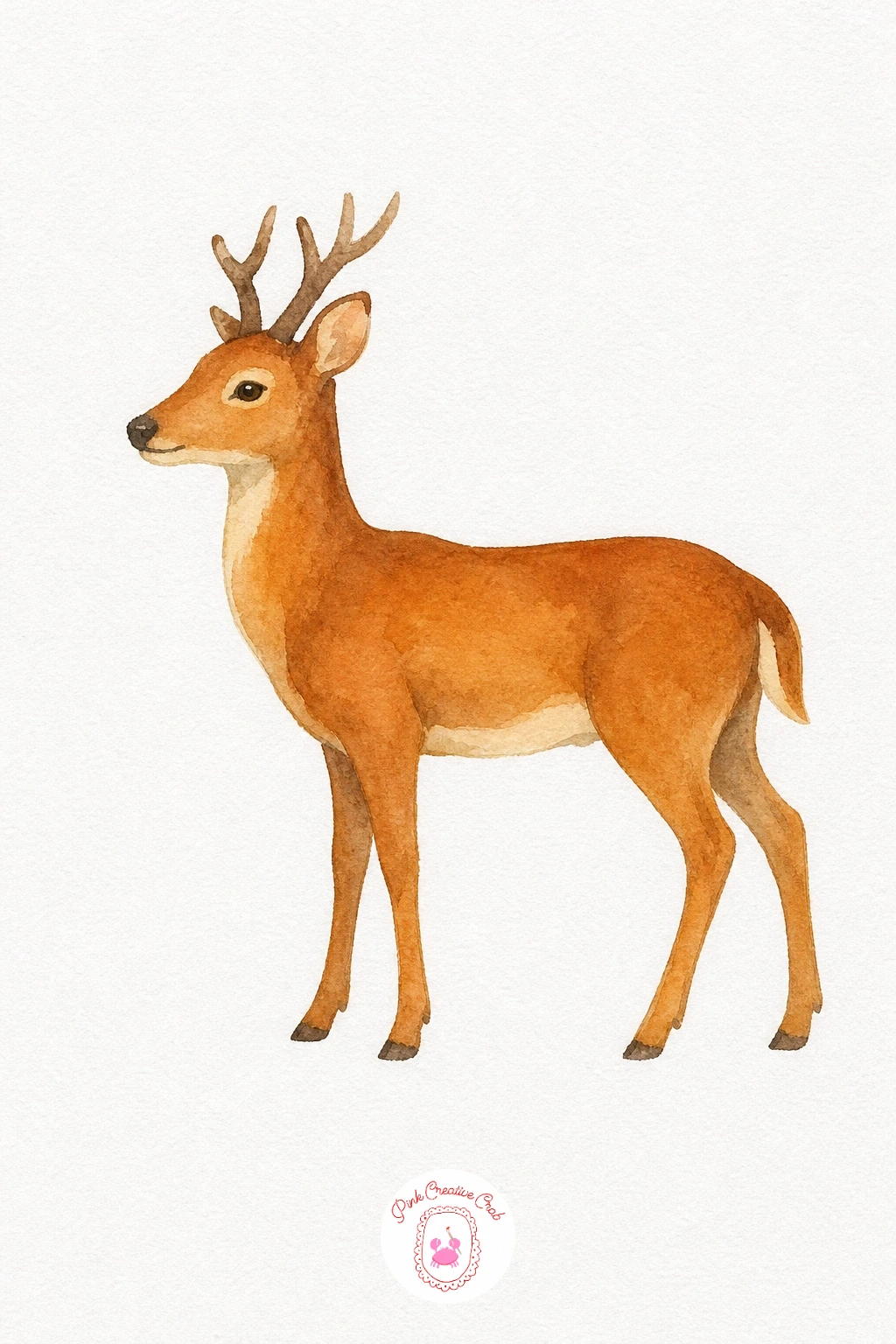
You Will Need
- white gel pen
Palette: Burnt Sienna,Raw Umber,Cream,Payne’s Grey
Turtle
Paint the shell first with a mid green wash, then once dry, add a darker green border around each large section of the shell so the pattern stays simple and bold rather than busy. Keep the head and legs a lighter yellow-green for contrast against the shell. A thin dark outline redrawn over the shell sections once everything is dry sharpens the whole shape and makes it look finished.
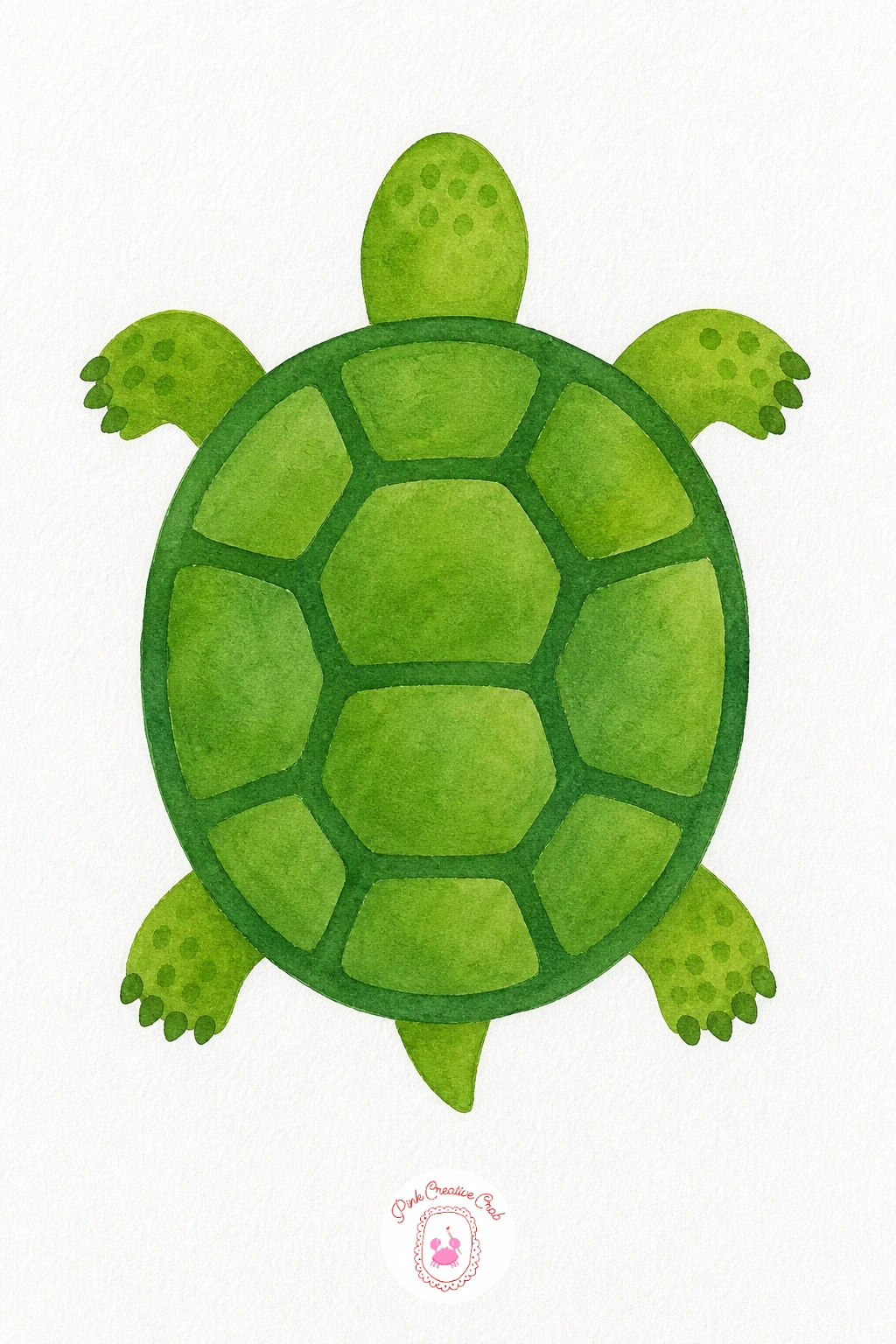
Palette: Sap Green,Hooker’s Green,Yellow Green,Charcoal Grey
Koala
Wash the body in a pale grey and let it dry, then add a slightly darker grey around the edges of the ears and down the back to give a soft rounded feel. Paint the chest and the inside of the ears in cream, keeping the edges soft by blending while damp. The nose is the one strong dark shape on the whole painting, so paint it large and solid in near-black to anchor the face.
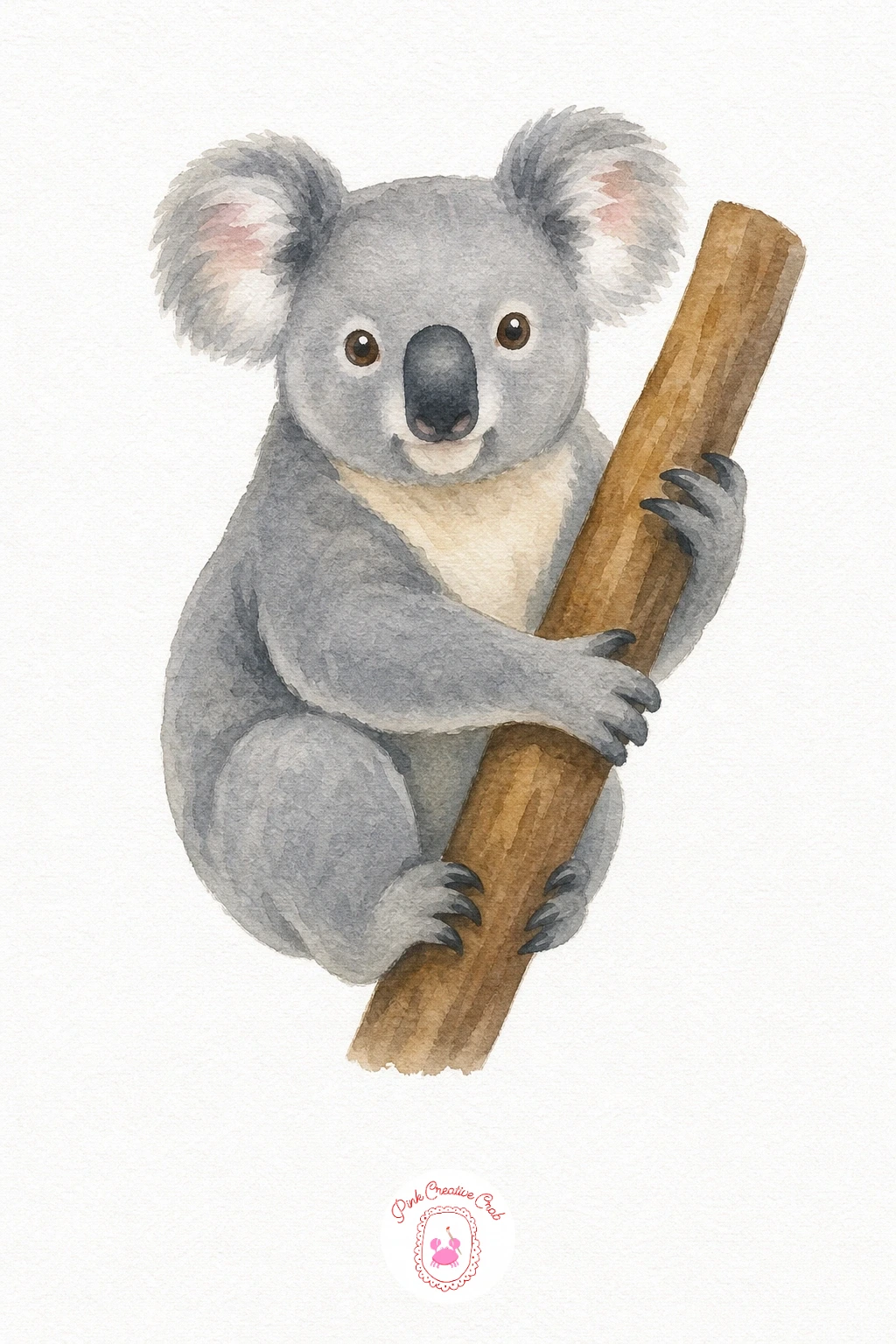
Palette: Payne’s Grey,Charcoal Grey,Cream,Raw Umber
Lion
Paint the face first in a pale gold wash and let it dry completely before starting the mane, so the two areas stay crisp against each other. Build the mane in loose overlapping strokes of orange and brown, working from the outer edge inward so it darkens slightly toward the face. Keep the strokes loose and varied rather than even, since that is what makes a mane look soft instead of stiff, then add dark eyes and a small triangle nose.
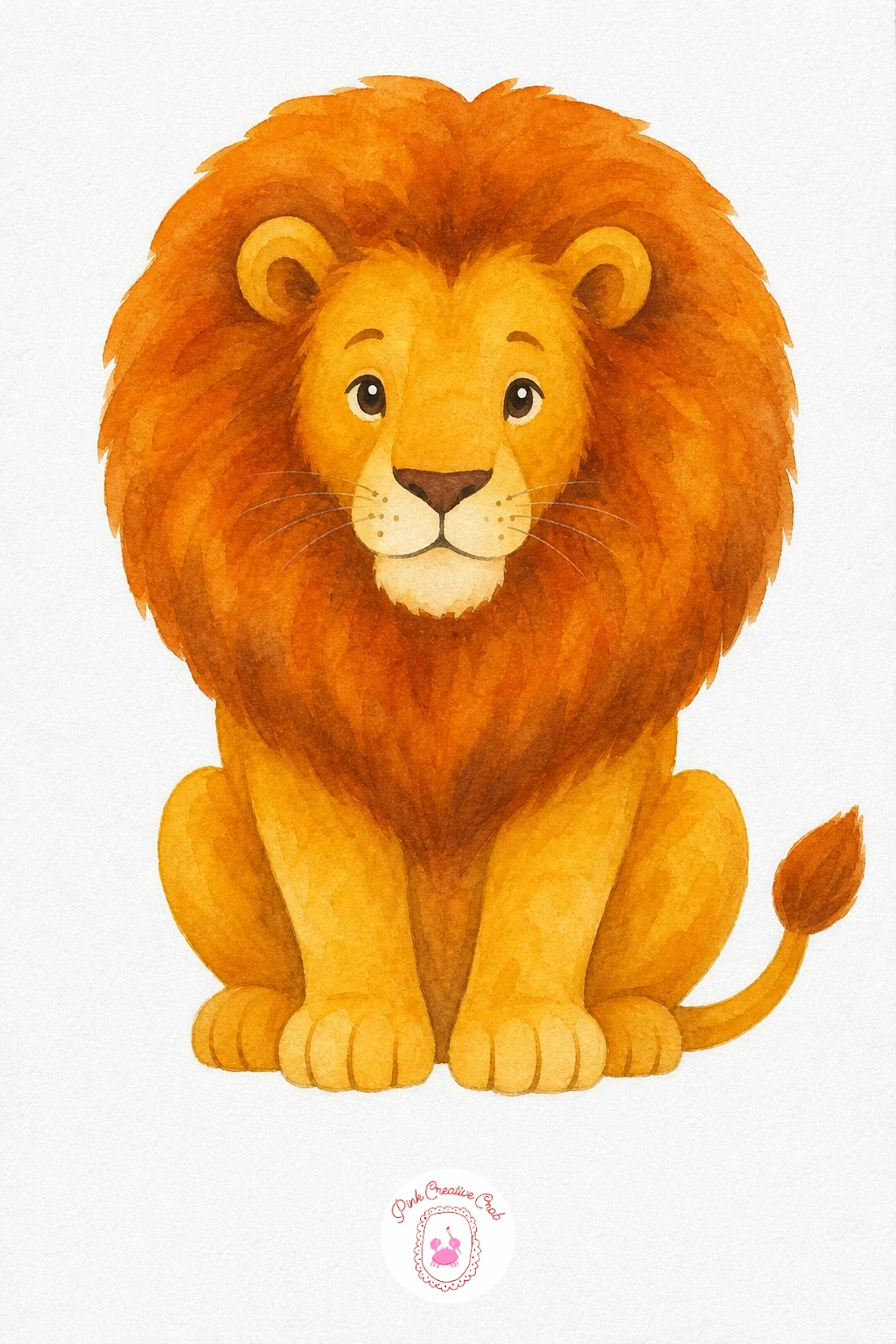
Palette: Yellow Ochre,Burnt Orange,Burnt Sienna,Raw Umber
Owl
Wash the chest in a warm orange and the wings and head in soft brown, letting the two colours meet and blend slightly at the edges while still wet. Once dry, paint a pale cream ring around each large eye to make them stand out, then fill the centre of each eye with dark brown or black, leaving a tiny white highlight dot unpainted. Finish with a small triangular orange beak between the eyes.
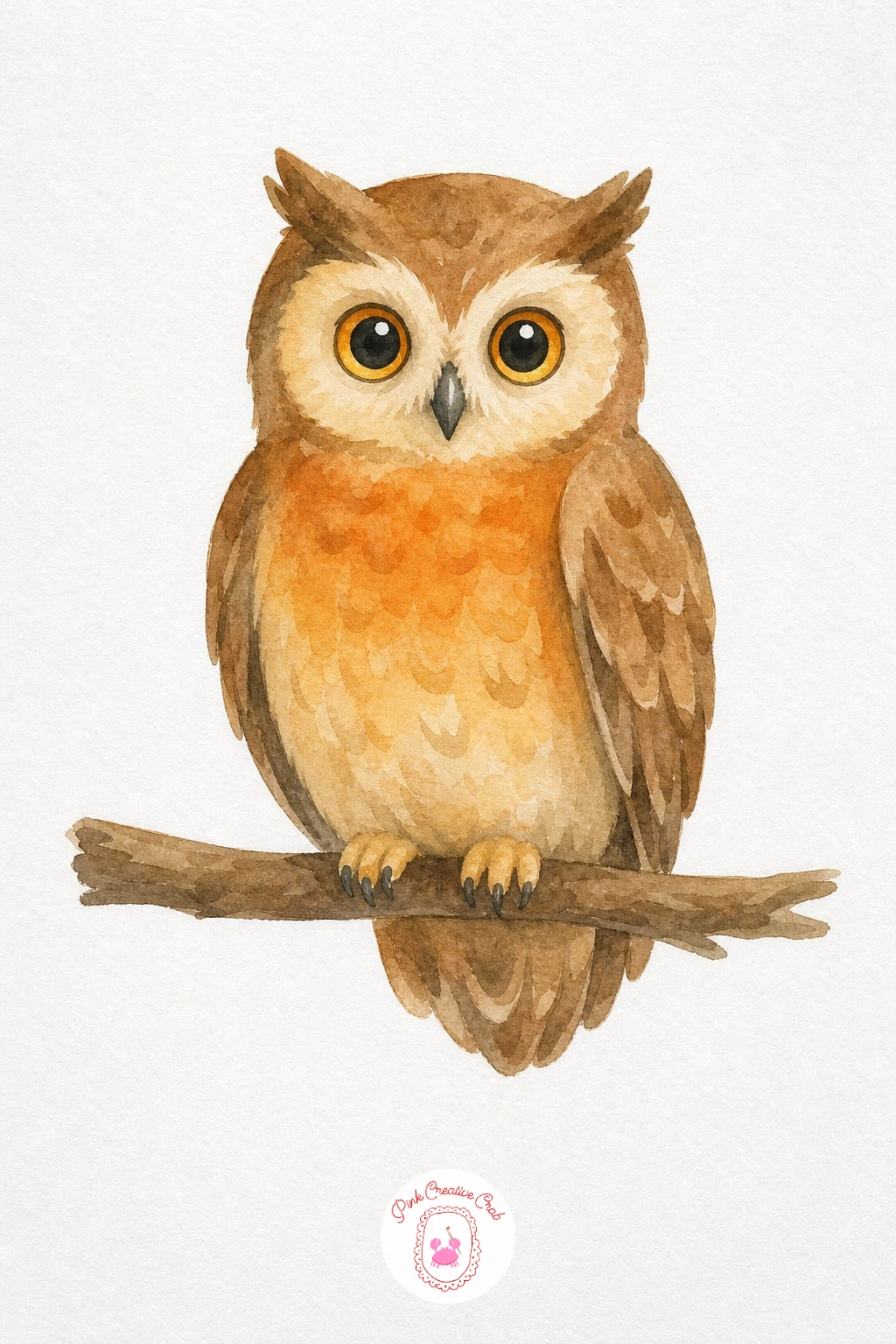
Palette: Burnt Orange,Raw Umber,Cream,Charcoal Grey
Horse
Wash the body in warm chestnut brown and leave the mane and tail unpainted until this layer dries fully. Paint the mane and tail in a darker brown using loose flowing strokes that follow the direction the hair would fall, which gives movement without any real detail work. Add black to the lower legs for simple socks and a dark line for the hoofs, then finish with one dark eye.
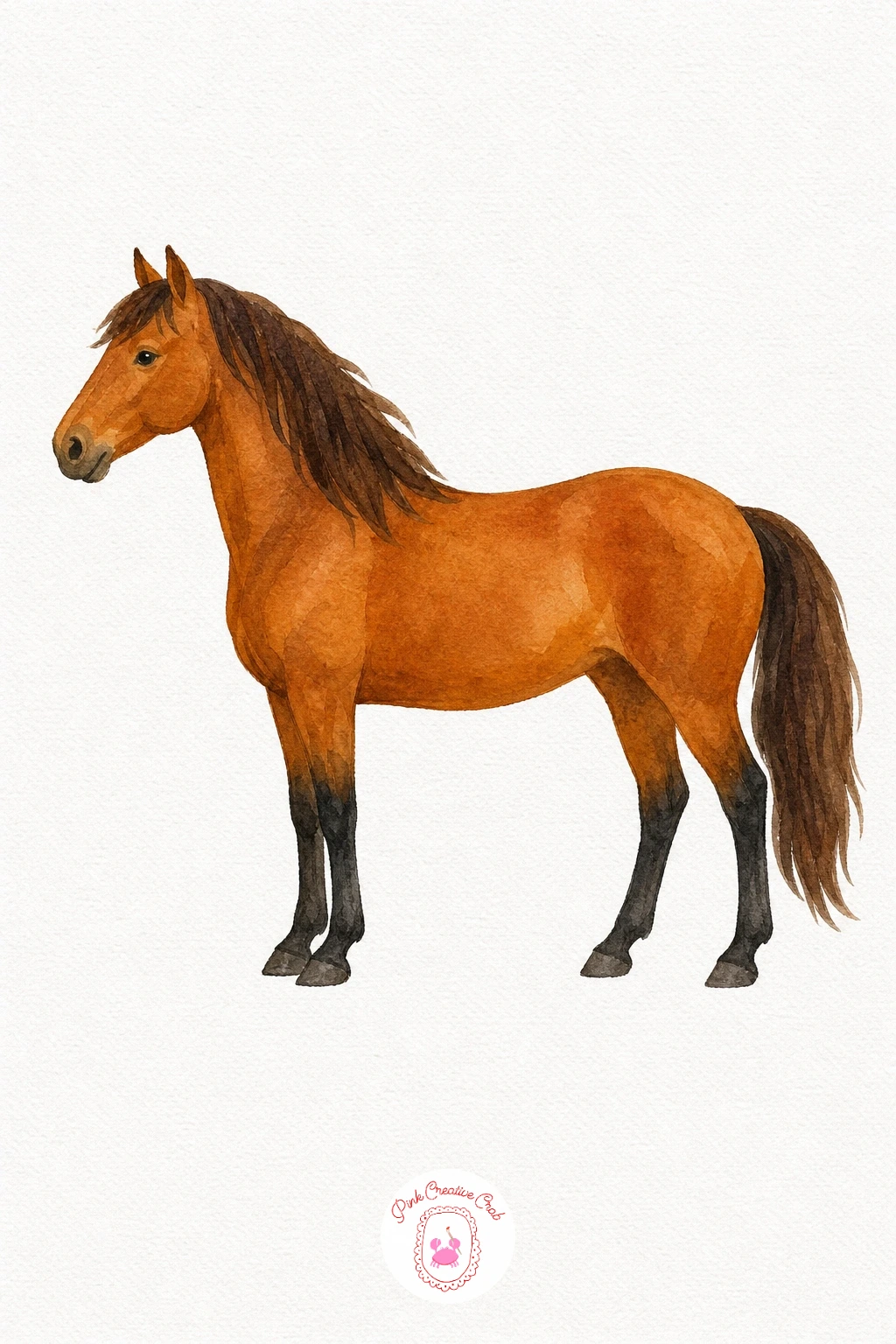
Palette: Burnt Sienna,Raw Umber,Charcoal Grey,Cream
Duck
Paint the head first in a blended green-blue wash, letting the two colours shift into each other while wet for that classic duck sheen. Once dry, wash the body in soft pale yellow and leave a thin white ring around the neck where the two colours meet. Keep the water beneath as just two or three loose curved blue lines rather than a full wash, which keeps the duck as the clear focus of the page.
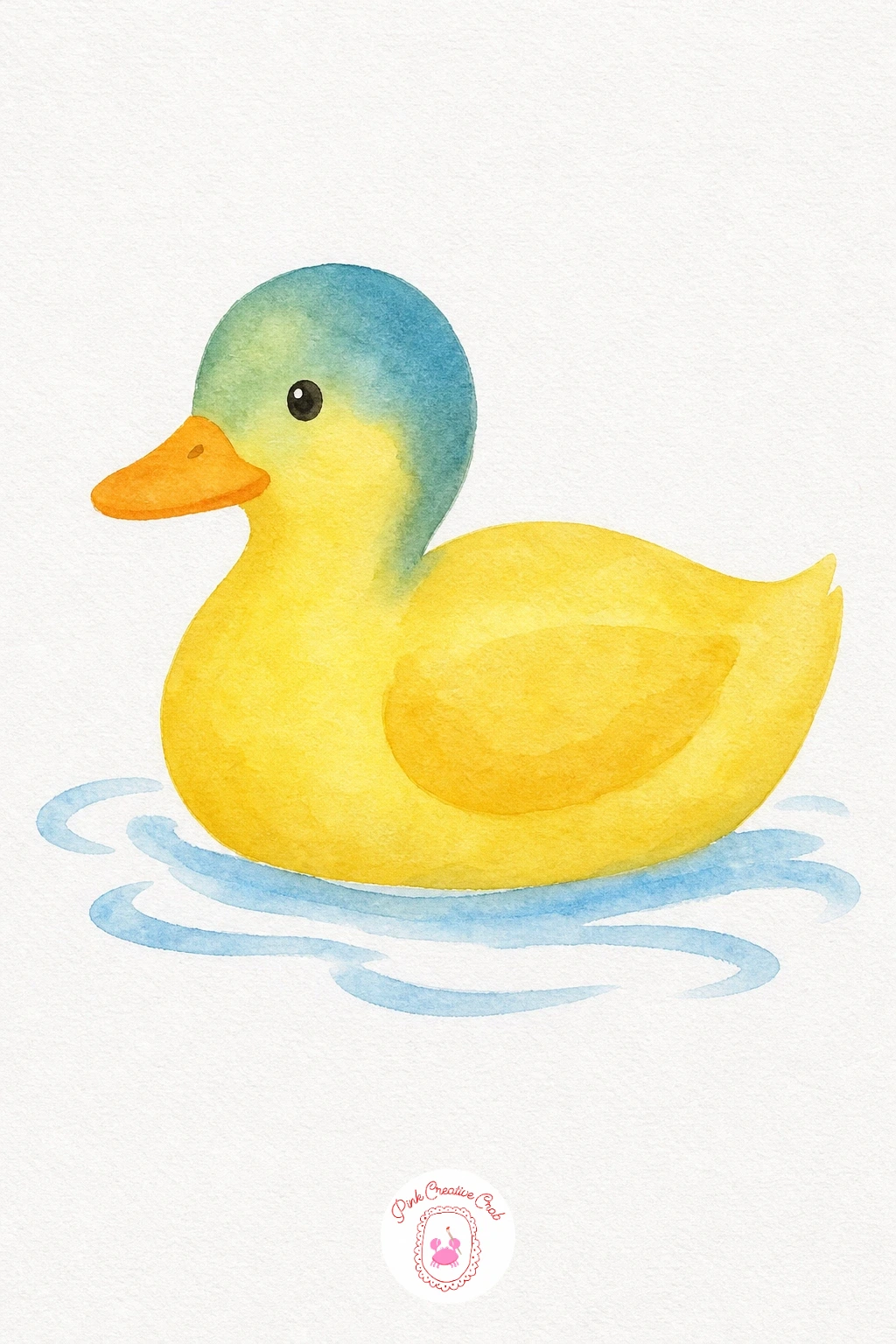
Palette: Hooker’s Green,Cerulean Blue,Cream,Burnt Orange
Frog
Wash the frog’s back and legs in bright green, then leave the belly area dry and fill it later with pale cream so the two tones stay clean and separate. Paint the lily pad underneath in a slightly darker green so it reads as its own shape rather than blending into the frog. The eyes sit high on the head, so paint them as two solid dark circles with a tiny unpainted highlight dot in each.
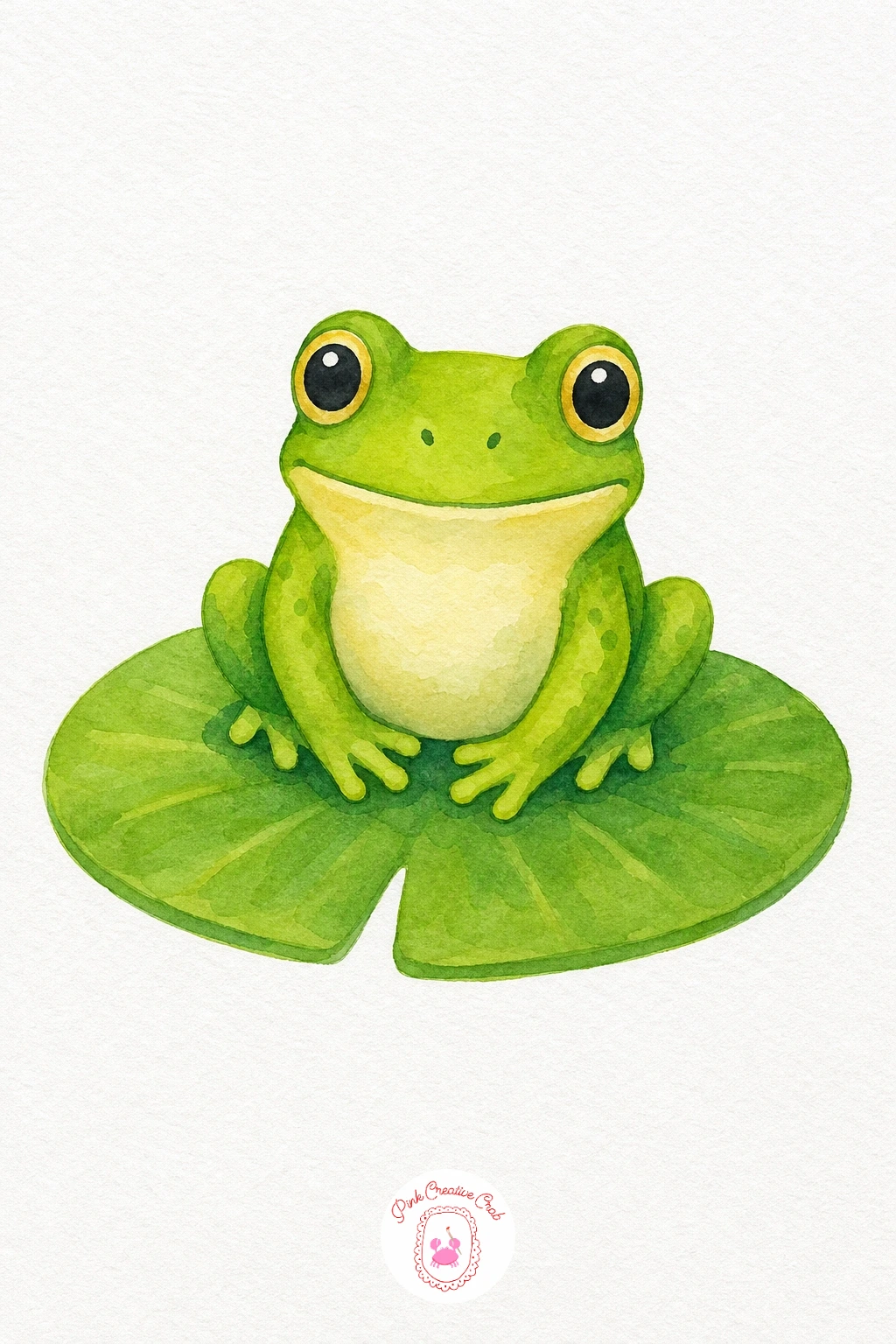
Palette: Sap Green,Hooker’s Green,Cream,Charcoal Grey
Sheep
Leave the body mostly white or wash it very lightly in warm cream, then use a dry brush loaded with pale grey to dab texture lightly around the edges of the wool so it looks fluffy rather than flat. Paint the face, ears and lower legs in a solid dark charcoal, which gives the whole piece its strongest contrast and makes the fluffy body read clearly against it. Keep the dabbing loose and uneven for the most convincing wool texture.
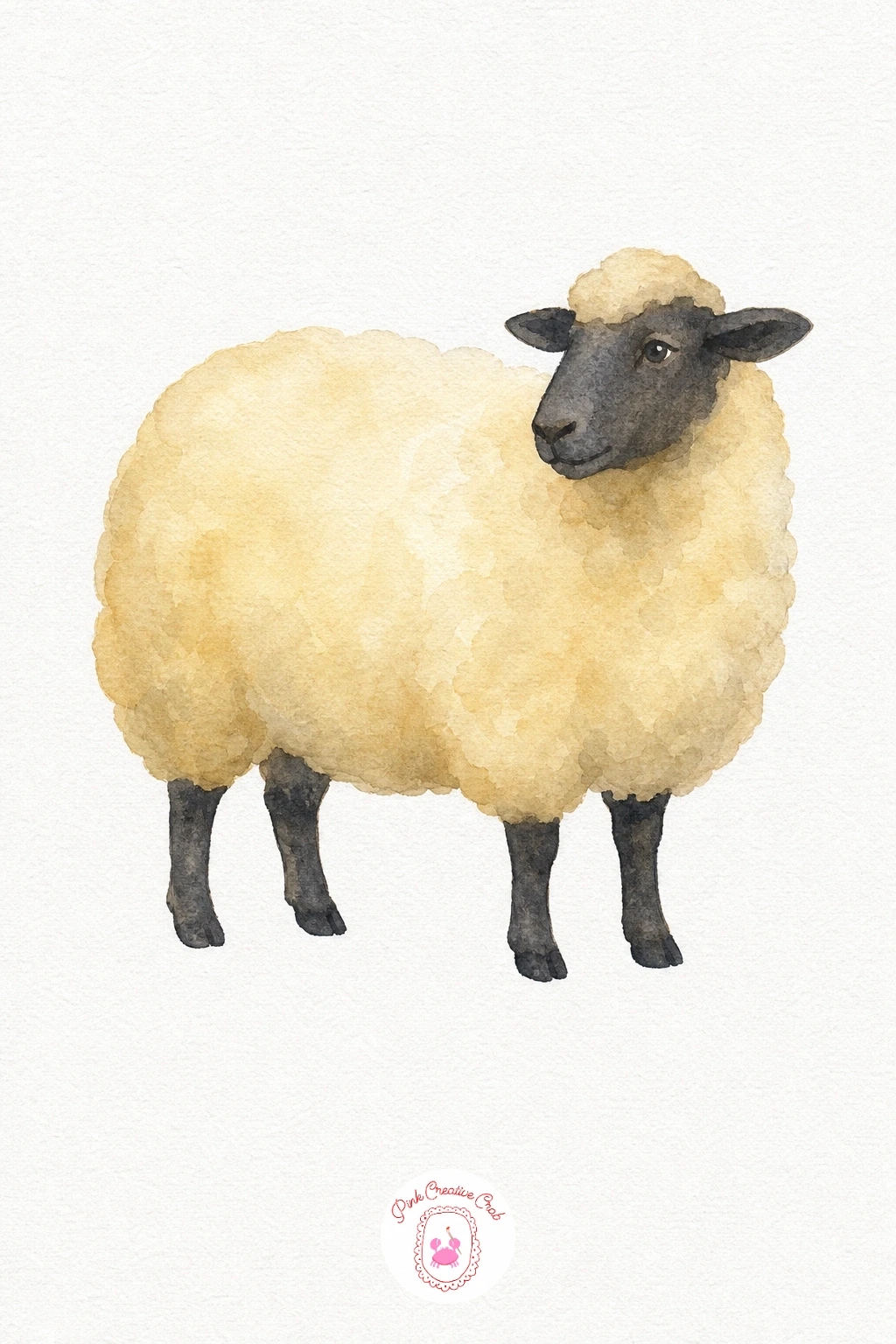
Palette: Cream,Payne’s Grey,Charcoal Grey,Raw Umber
A dry, slightly splayed brush works better than a wet one for the wool dabbing, since it leaves broken little marks instead of a solid patch.
Seal
Wash the seal’s body in a soft grey-blue, keeping the belly paler by adding extra water as you brush toward the underside. Once dry, dot in a scatter of darker grey spots across the back and head with the tip of a small round brush, spacing them unevenly so they look natural. Paint the rock beneath in a plain warm grey, and finish the seal with one dark eye and a small dark nose.
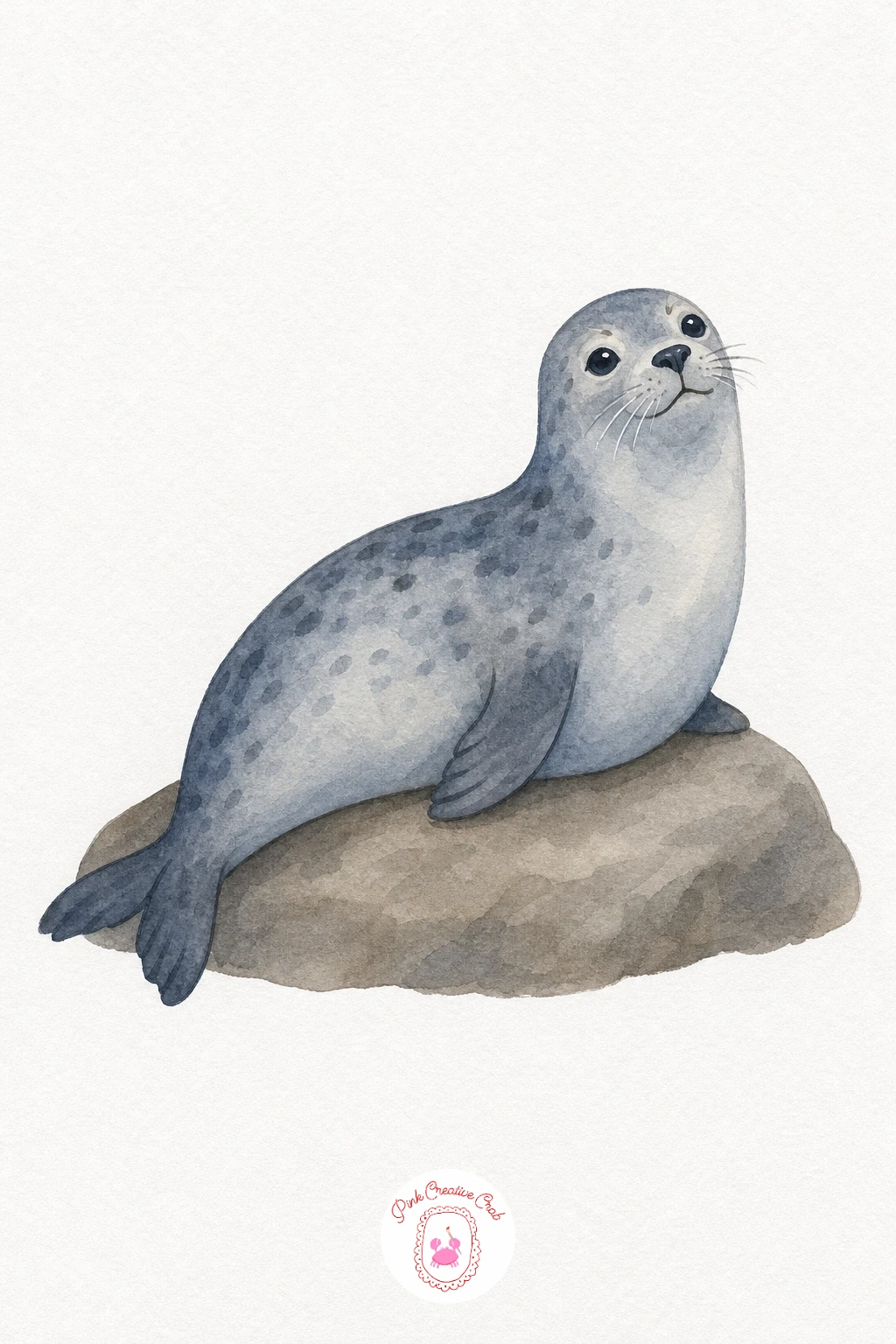
Palette: Payne’s Grey,Charcoal Grey,Raw Umber,Cream
Dog
Wash the body in warm golden brown and let the ears pick up a slightly deeper tone while still damp, so they sit forward visually. Leave the muzzle and chest unpainted at first, then fill them with pale cream once the rest is dry so the colours stay crisp rather than blending into mud. Add a small dark nose, two round dark eyes and a thin pink tongue peeking out for a cheerful, finished look.
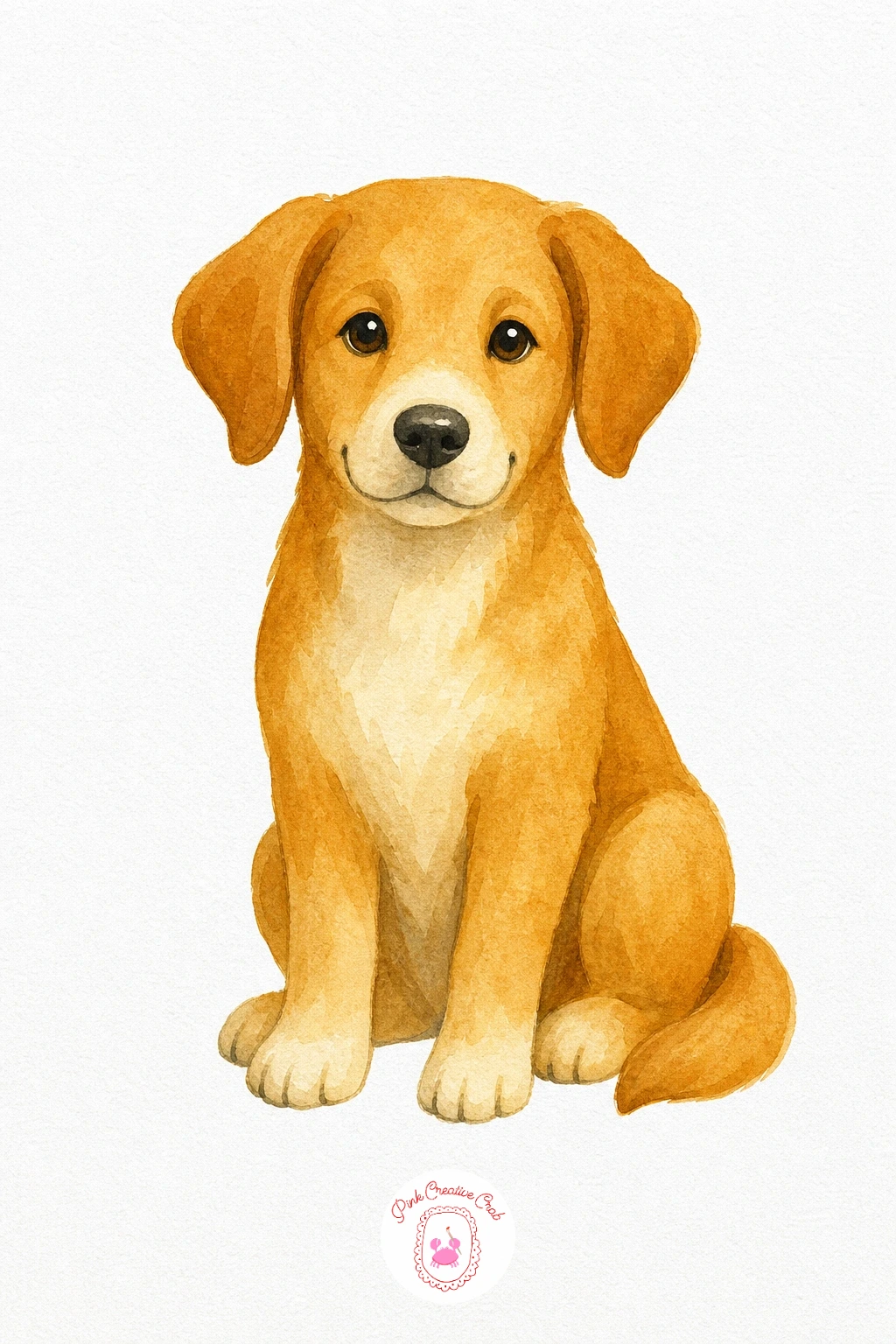
Palette: Yellow Ochre,Burnt Sienna,Cream,Pink Madder
What to Do Next
Pick one animal that catches your eye, print its outline, and trace it onto watercolor paper tonight so it is ready to paint tomorrow.
Frequently Asked Questions
What size should I print these outlines?
Print at standard letter or A4 size for a comfortable painting surface, or enlarge slightly on a home printer if you want more room to work with fine brush strokes.
What paper should I use for the painted version?
Use a cold press watercolor paper at least 140lb, since it handles repeated wet washes without buckling or tearing the way plain printer paper does.
How do I transfer the outline onto watercolor paper?
Tape the printed outline and your watercolor paper together over a sunny window or light pad and trace the lines, or slide graphite transfer paper between the two sheets and trace over the lines with a pencil.
Can I use coloured pencils or markers instead of paint?
Yes, the outlines work just as well with coloured pencils or markers, and the colour notes for each animal still guide where each shade goes, just without the wet blending.
What if I make a mistake while tracing the outline?
Trace lightly in pencil first so mistakes erase easily, and remember the outline only needs to guide your paint, not match the original exactly.
Have any thoughts?
Share your reaction or leave a quick response — we’d love to hear what you think!
-
 0
-
0
-
0
-
0
-
0
-
0


