⭐ Key Takeaways
✦ Simple shapes like circles and ovals are the secret foundation of almost every cute cat doodle — master those first and everything else follows naturally.
✦ Adding tiny expressive details like closed eyes, blush marks, or a curled tail instantly gives your doodle personality without requiring advanced drawing skills.
✦ Consistency matters more than perfection — sketching cute cat doodles regularly for even five minutes a day builds confidence and muscle memory faster than you’d expect.
Cute cat doodles are honestly one of the best places to start your drawing journey — they’re simple, satisfying, and wildly fun to make. Whether you’ve never picked up a pen before or you’re just looking for a low-pressure creative outlet, cats are the perfect doodle subject. Their round faces, pointy ears, and expressive eyes can be broken down into the most basic shapes imaginable.
Additionally, you don’t need fancy supplies or special talent to get started. A simple pen and a piece of paper are truly all you need. Throughout this list, you’ll find 14 charming ideas that range from a bouncy playful cat to a dreamy sleeping one — each designed to make you feel capable and excited to draw. So grab your sketchbook, take a breath, and let’s make something adorable together.
Table of Contents
- Playful Cat Mid-Pounce
- Stretching Cat Morning Pose
- Sleepy Cat Curled Up
- Tiny Sitting Kitten
- Fluffy Cat With Bow
- Wide-Eyed Curious Cat Doodle
- Chubby Round Cat Face
- Cat Peeking Over an Edge
- Happy Cat Waving Paw
- Cute Cat Doodle With Stars
- Grumpy Little Cat Expression
- Cat Sitting Inside a Cup
- Tiny Cat Wearing a Hat
- Blissful Cat Eyes Closed
Playful Cat Mid-Pounce
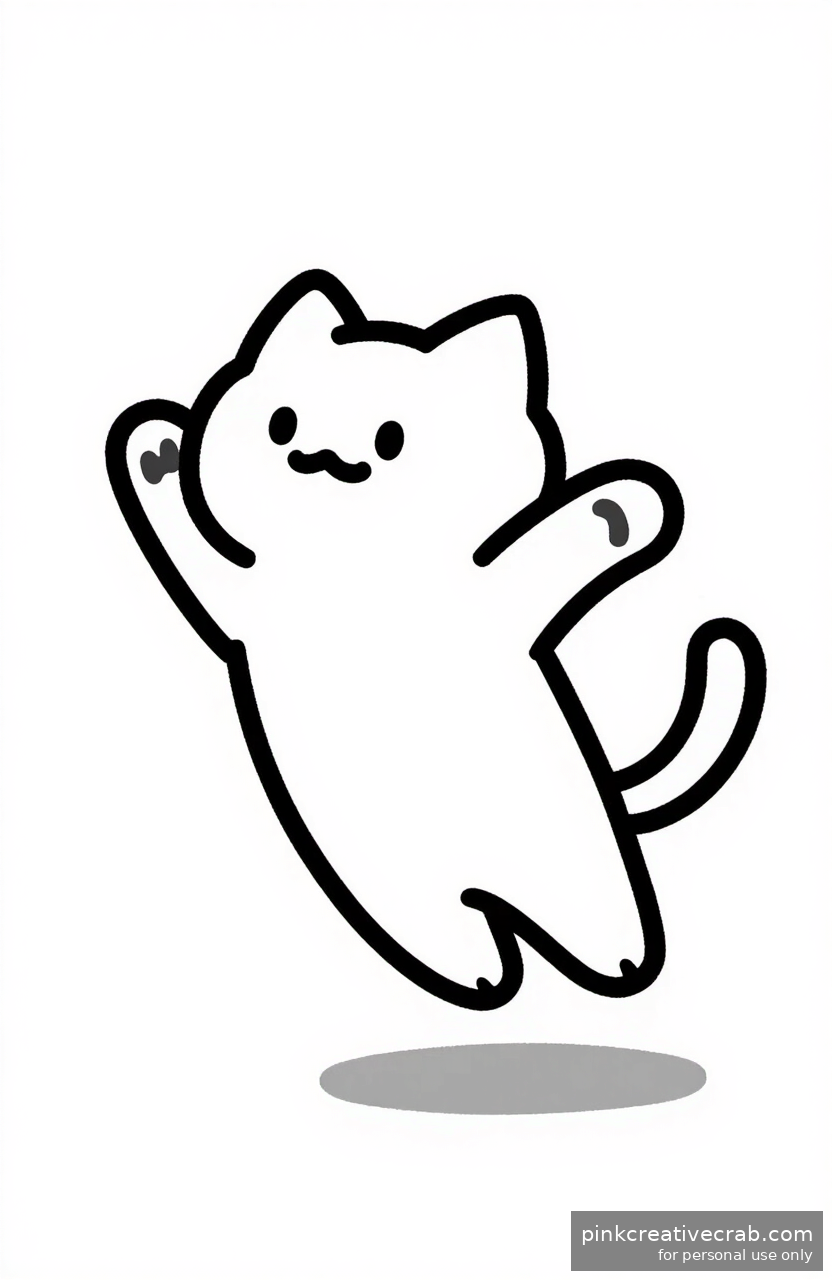
Drawing a cat mid-pounce is such a fun way to capture energy and movement! Start with a simple oval for the body, then add four lines for the legs — two stretched forward and two pushing off the ground. Don’t worry about making it perfect. Even a wiggly, lopsided pounce looks adorable as a doodle.
To add personality, give your cat wide circle eyes and tiny curved whiskers. A swishy curved tail behind the body instantly suggests motion. Additionally, a few small lines around the paws suggest speed without any real effort. You’re basically drawing action with just a few strokes — how cool is that?
For smooth, confident lines as a beginner, a good fineliner pen makes a huge difference. Try starting with a black fineliner pen set for doodling to keep your marks clean and expressive. Meanwhile, if you want to explore more drawing basics, the Art Fundamentals: Complete Guide to Drawing & Painting Basics is a wonderful companion resource.
Stretching Cat Morning Pose
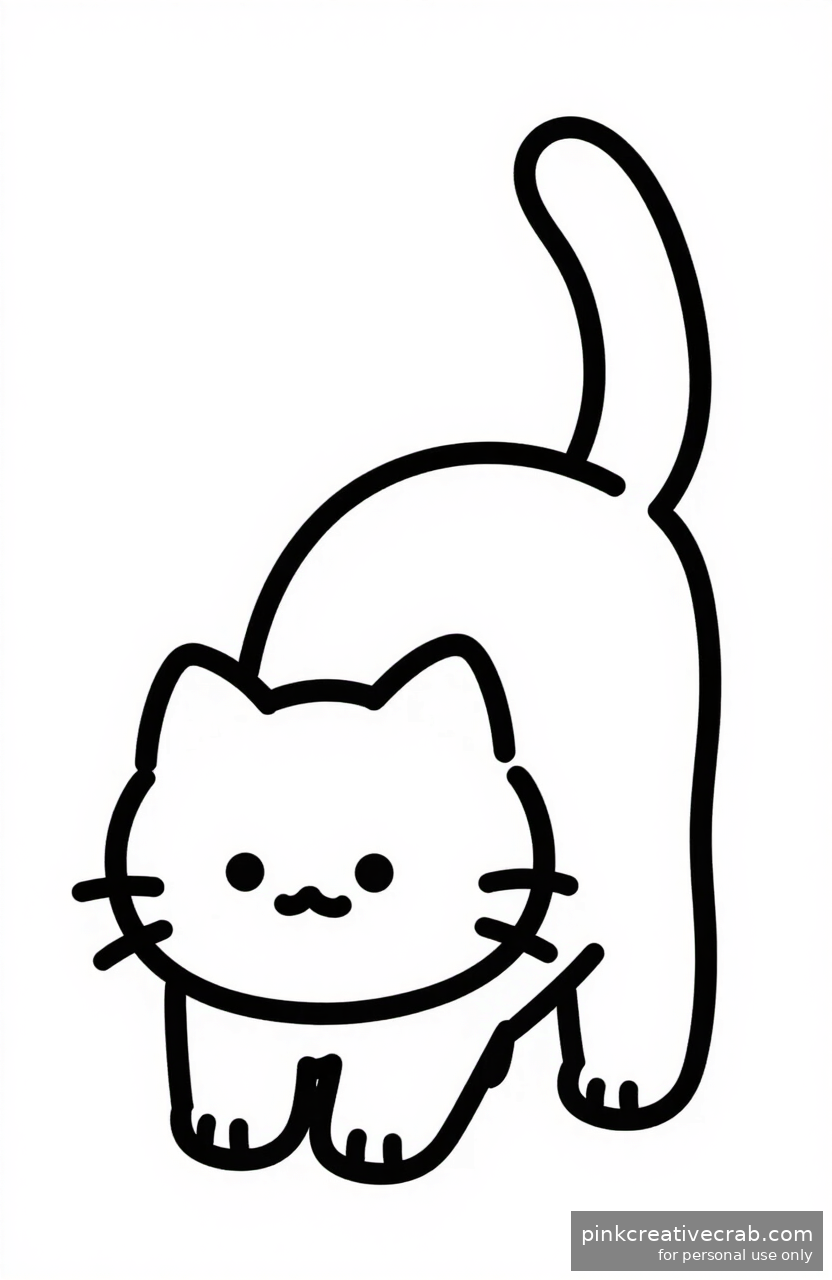
Cats stretch in the most satisfying ways, and capturing that long, lazy morning stretch is easier than you think! Start with a gentle arch for the back — almost like a soft hill shape. Then add two front legs stretched far forward and two back legs pushed out behind. That single curved spine line does most of the storytelling work.
Add a tiny tucked head close to the ground with sleepy half-closed eyes. Small pointed ears and a few whisker lines instantly make it feel like a real cat. Additionally, a little yawning mouth open in an oval shape adds so much charm. Simple shapes, big personality — that’s the magic of doodling!
Sketchbooks with smooth paper are perfect for this kind of loose, flowing pose. A smooth sketchbook for beginners gives your pen a lovely glide. However, if you’re curious about trying different pencil techniques for sketching first, the Pencil Drawing: Complete Beginner to Advanced Guide has everything you need.
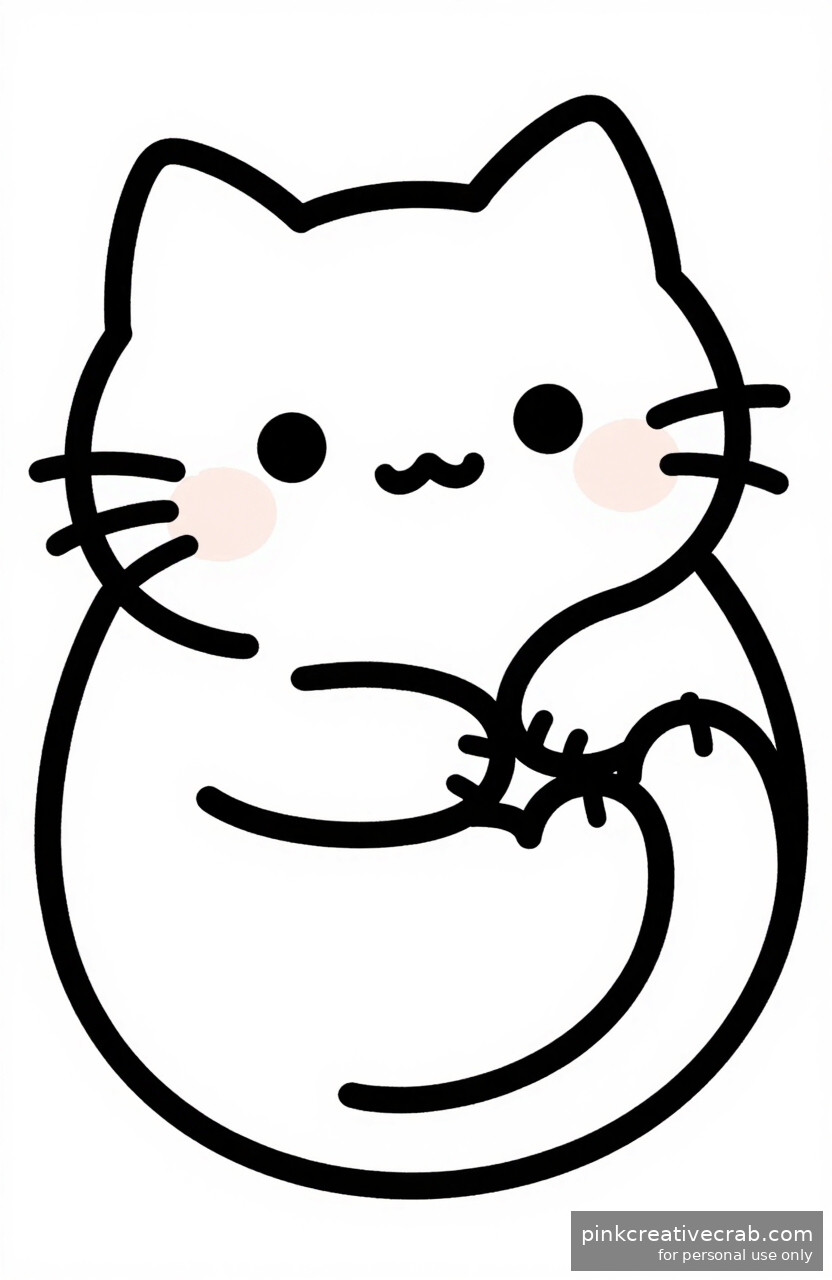
Sleepy Cat Curled Up
A curled-up sleeping cat might be the most beginner-friendly doodle ever. Start with one big round spiral shape — that’s basically the whole body! Add a little head tucked in at one side with closed crescent-moon eyes. Those tiny curved lines for eyes are what make this instantly recognizable and completely heartwarming.
Then tuck a curved tail wrapping around the outside of the body. A few small zigzag lines suggest fluffy fur without any complicated technique. Meanwhile, adding a simple zzz floating nearby makes the whole scene tell a story in seconds. You’re creating a narrative with the simplest marks — that’s real artistry!
Thick, creamy paper helps ink sit beautifully when you’re building up those soft, rounded shapes. Try a dotted journal or doodle pad as a cozy home for your sleeping cat collection. Additionally, if you’d love to add watercolor washes over your ink doodles later, the Watercolor Painting: The Ultimate Beginner to Advanced Guide is such a helpful next step.
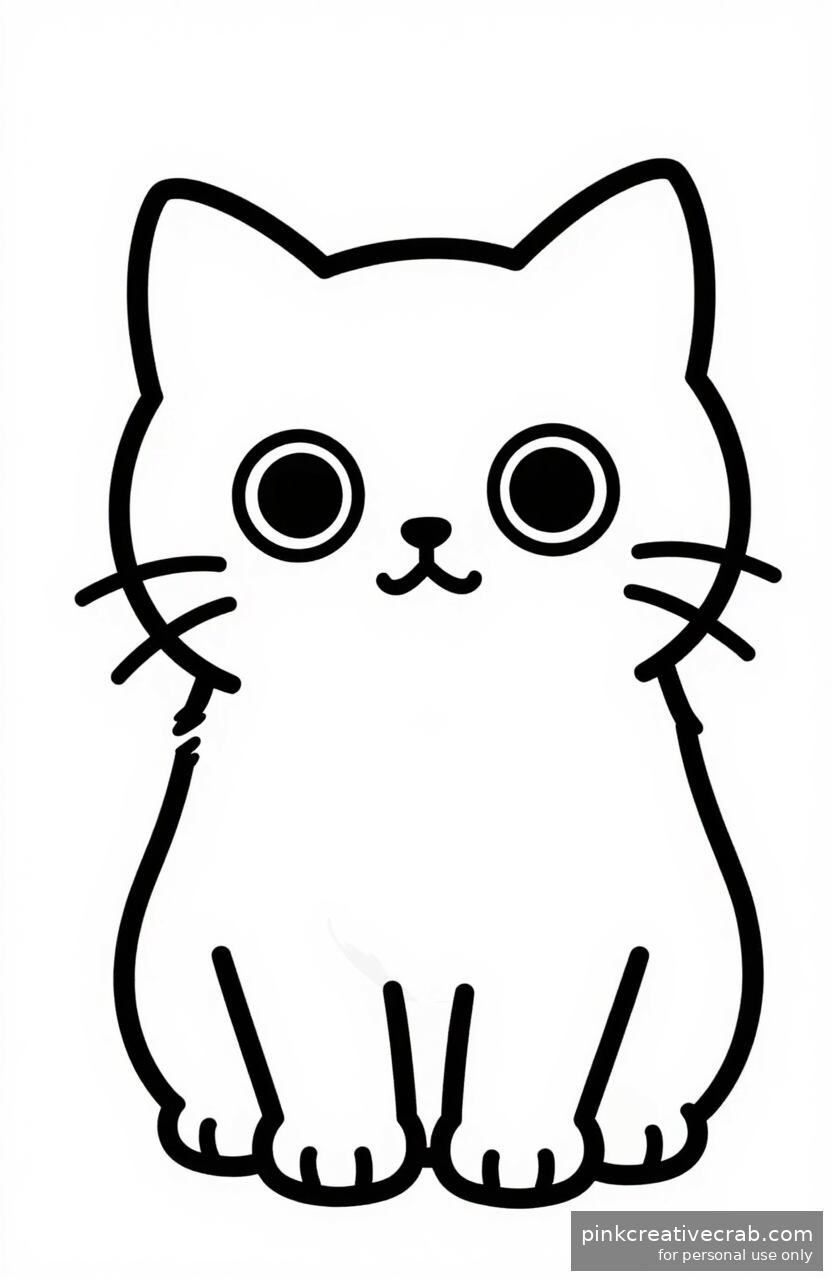
Tiny Sitting Kitten
There is something irresistibly sweet about a tiny sitting kitten doodle. Begin with a small circle for the head — make it slightly bigger than you think you need. Then add a rounded teardrop shape below for the little body. Kittens have oversized heads compared to their bodies, so leaning into that exaggeration actually makes your doodle look more accurate!
Next, draw two small oval front paws sitting neatly at the bottom of the body. Large round eyes placed low on the face create that classic baby-animal cuteness. Additionally, two tall triangular ears on top of the head finish the silhouette perfectly. Tiny details like a small heart-shaped nose tie everything together beautifully.
Having a variety of nib sizes helps you switch between bold outlines and delicate detail work. A micron pen set for illustration is a fantastic beginner investment. For even more ways to build your drawing skills, the Drawing Techniques Encyclopedia: 50+ Essential Methods is packed with approachable ideas to explore.
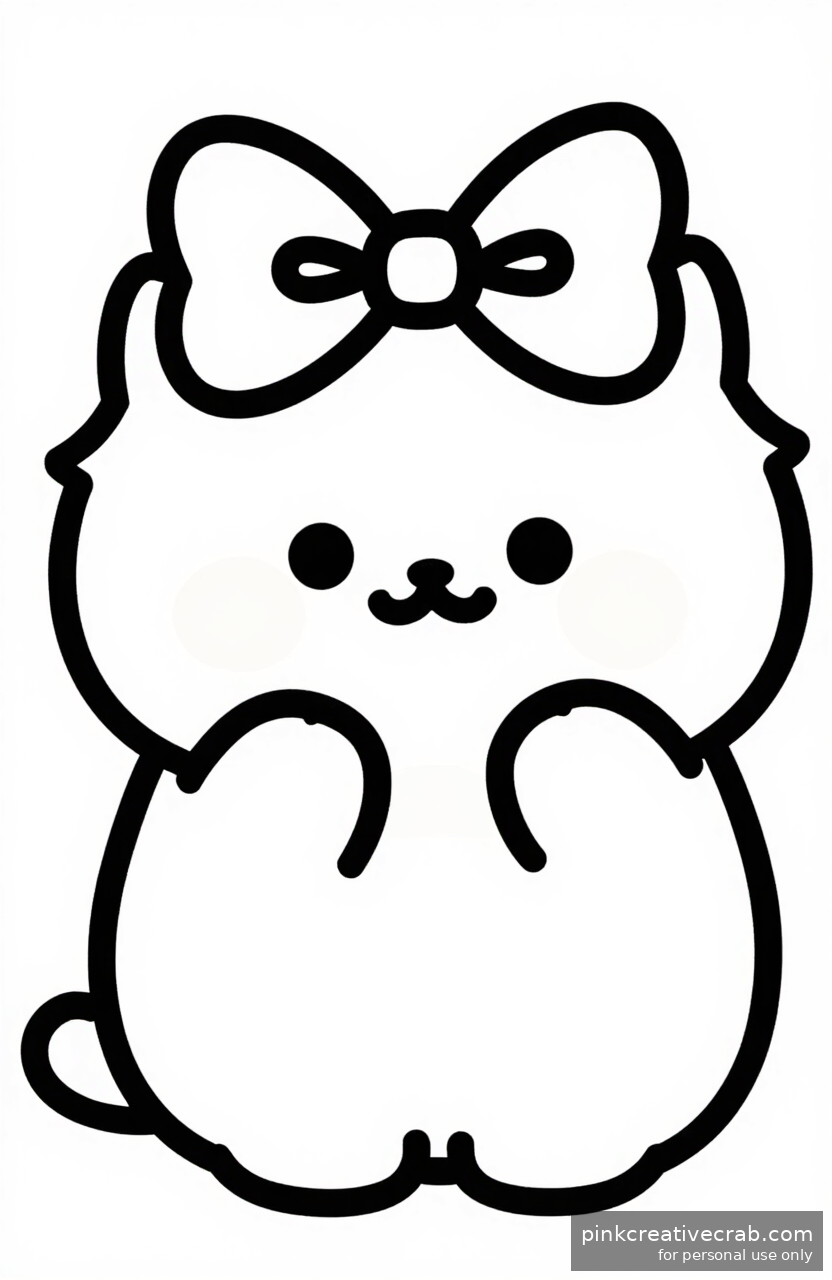
Fluffy Cat With Bow
Adding a bow to your cat doodle instantly turns it into something gift-worthy and completely adorable. Start with your basic cat shape — a round head and soft oval body. Then add the fluffiness by drawing the outline with short, jagged zigzag strokes instead of a smooth line. It’s such a small change but makes an enormous difference in how fluffy your cat looks!
Place a simple ribbon bow between the ears or around the neck. A bow is just two triangle shapes facing each other with a tiny circle in the middle — honestly very easy. Meanwhile, giving your fluffy cat a sweet, content expression with curved eyes and rosy cheek circles makes it feel like a greeting card character.
Doodling on kraft paper or cute notecard sets gives this design instant gift potential. Try a kraft paper notecard set for doodling for a charming, handmade look. However, if you’re thinking about expanding into junk journaling with your cat doodles, the Junk Journaling: The Complete Beginner to Advanced Handbook is absolutely worth a read.
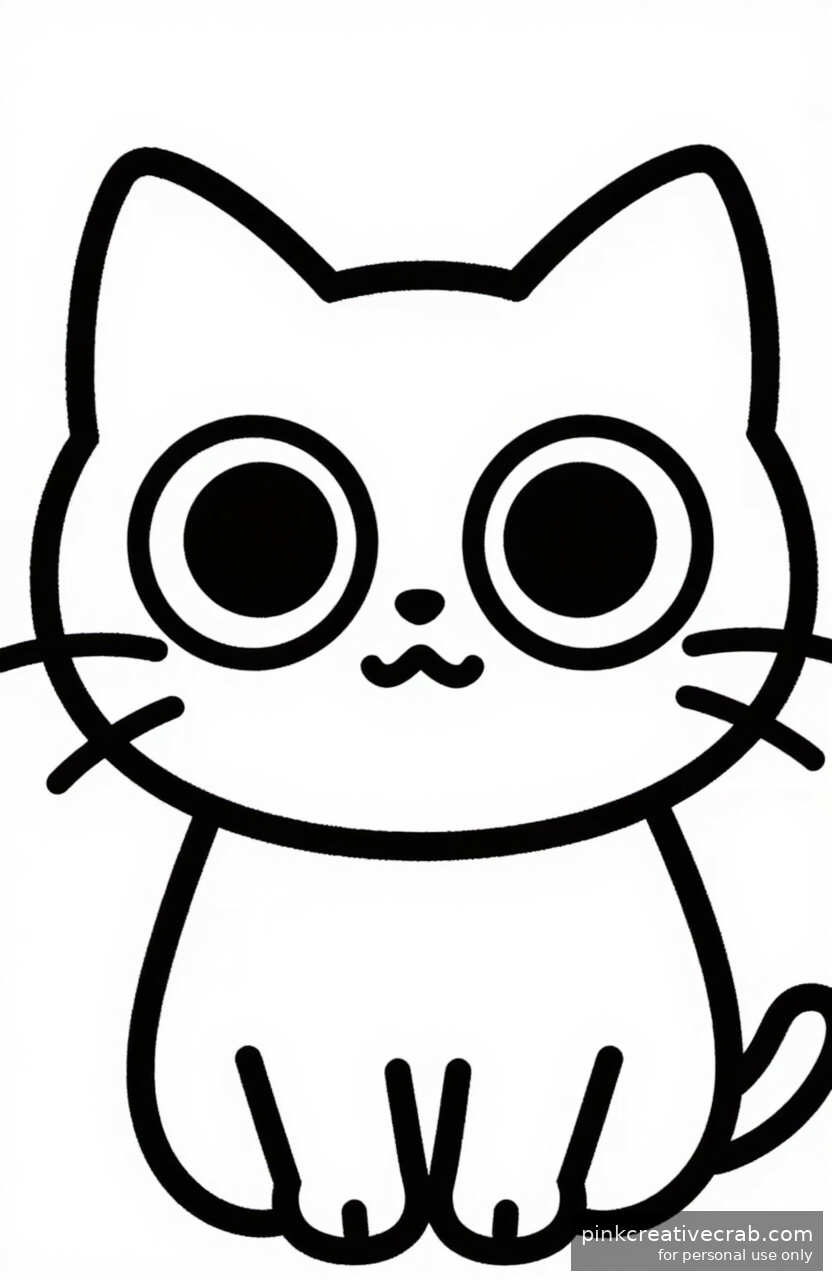
Wide-Eyed Curious Cat Doodle
Wide eyes are the secret weapon of expressive cat doodles, and this design leans all the way into that! Start with a medium round head. Then draw two enormous circle eyes that take up a generous portion of the face — much bigger than feels natural. Trust the process! Oversized eyes are what give cartoon cats that irresistible, wide-awake curiosity.
Add tiny oval pupils inside each eye and a few lines radiating outward to suggest sparkling alertness. Erect pointy ears and a slightly open mouth complete the surprised, curious expression. Additionally, a question mark doodled floating beside the cat’s head takes the storytelling to a whole new charming level without any extra effort.
A good eraser is your best friend when experimenting with large expressive eyes until they feel balanced. A kneaded eraser and sketch pencil set gives you freedom to adjust without stress. Meanwhile, if you want to understand more about pencil grades and tools, the Pencil Drawing: Complete Beginner to Advanced Guide explains everything clearly and kindly.
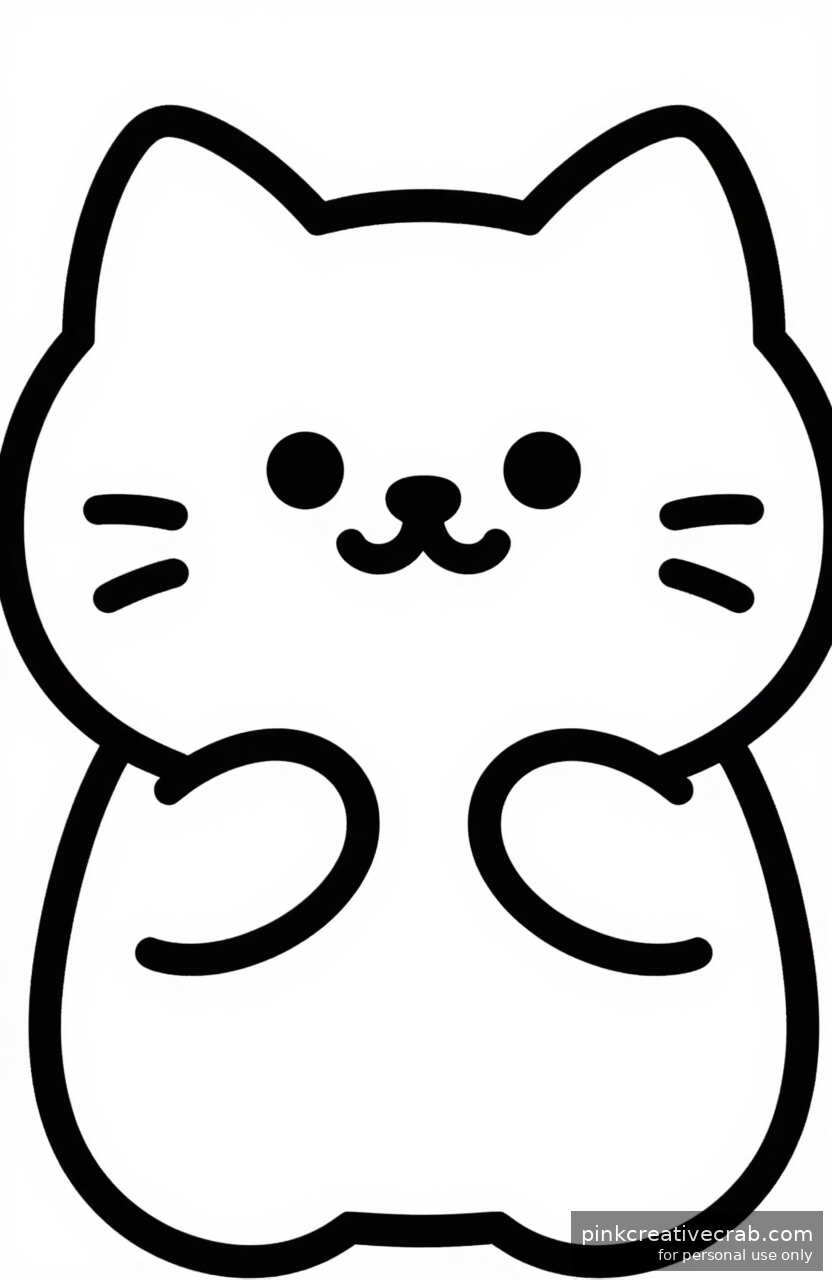
Chubby Round Cat Face
A chubby round cat face is basically a circle with personality, and that makes it one of the most satisfying beginner doodles to practice. Draw a large circle — the rounder and puffier the better. Then place two small triangular ears right on top. The exaggerated roundness is the whole point here, so don’t hold back!
Inside the circle, add two simple dot eyes placed slightly apart, a tiny triangle nose, and a curved W-shaped mouth for a gentle smile. Chubby cheek circles on either side of the nose add that irresistible pudgy charm. Additionally, a few short whisker lines extending from each cheek bring the whole face to life with almost no effort.
Practicing this face repeatedly in a small pocket sketchbook helps you develop a consistent, confident style. A small pocket sketchbook for daily drawing is perfect for cat face warm-up sketches. As a result, you’ll be amazed how quickly your lines improve — and for more foundational drawing knowledge to support your progress, the Art Fundamentals: Complete Guide to Drawing & Painting Basics is a truly encouraging resource.
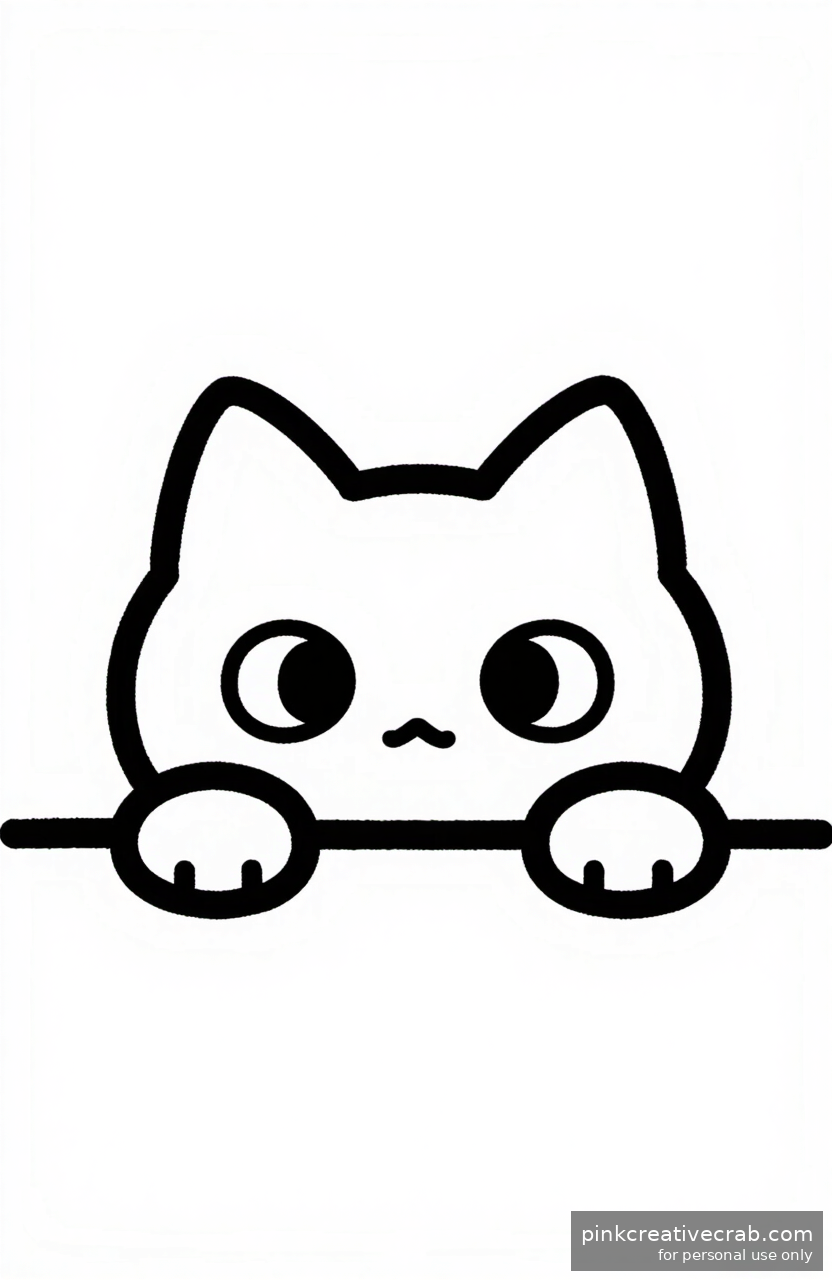
Cat Peeking Over an Edge
This is one of the most satisfying little doodles you can draw! Start with a simple curved line for the top of the head. Then add two pointy ears peeking up, followed by a tiny pair of eyes just below the line. That’s it — your cat is already hiding and looking adorable.
The fun part is how much personality you can pack into just a few lines. Wide eyes make the cat look curious. Half-closed eyes give a sneaky vibe. Additionally, a tiny nose and whiskers complete the whole face beautifully. You really can’t go wrong here.
This style pairs wonderfully with a good sketchbook and a reliable pen. For smooth, clean lines every time, try a set of fine line drawing pens. They make doodling feel effortless and fun!
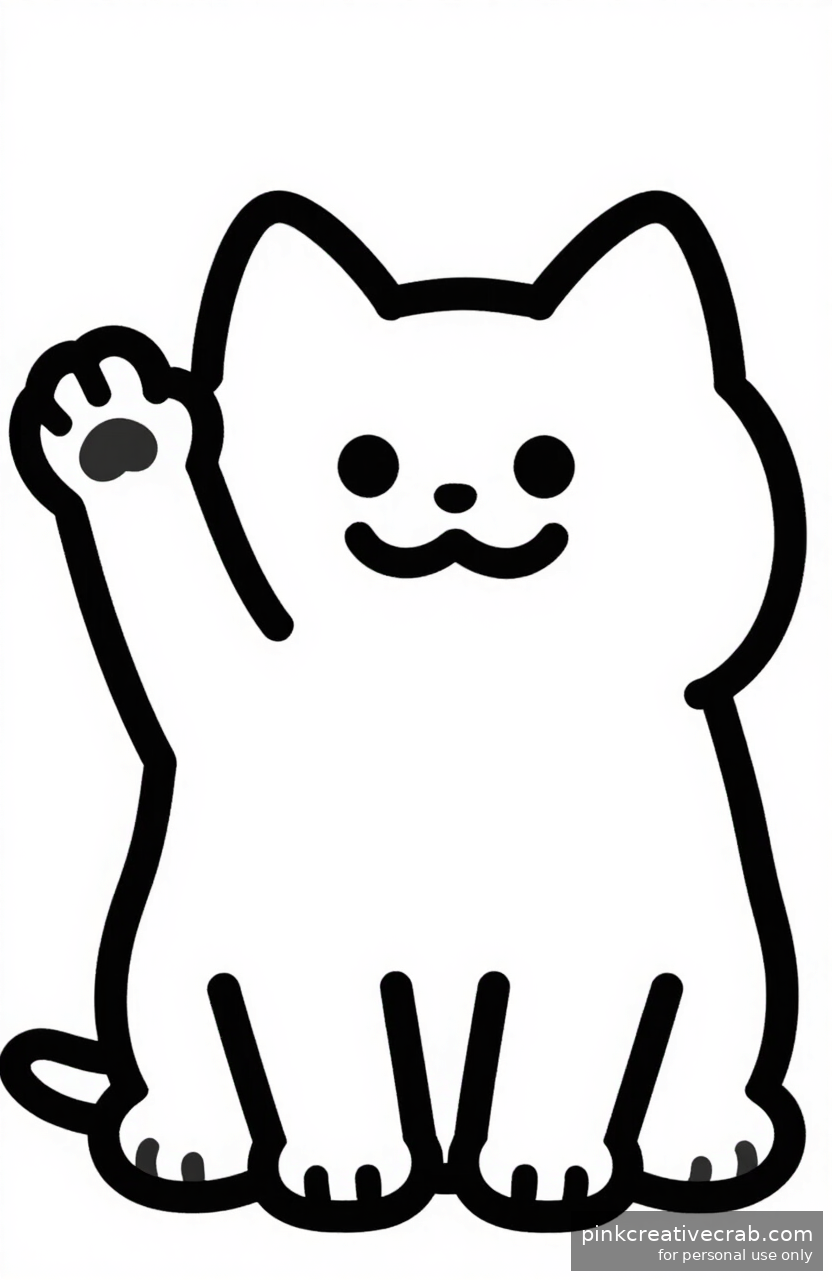
Happy Cat Waving Paw
A waving cat is pure joy to draw, and beginners absolutely love this one. Start with a simple round or oval body, then sketch two stubby little arms. Raise one arm slightly higher with a tiny curved paw at the end. That single raised paw instantly says hello in the cutest way.
However, the real magic happens in the face. A big smile, rosy cheeks, and bright round eyes make this cat feel genuinely cheerful. Meanwhile, adding small details like stripes or a little bow tie can make your doodle feel extra special. Every tiny choice you make adds personality.
Practicing expressive characters like this is a wonderful way to build confidence. For more foundational tips, check out this helpful Pencil Drawing: Complete Beginner to Advanced Guide. Also, a smooth doodle sketchbook makes all the difference!
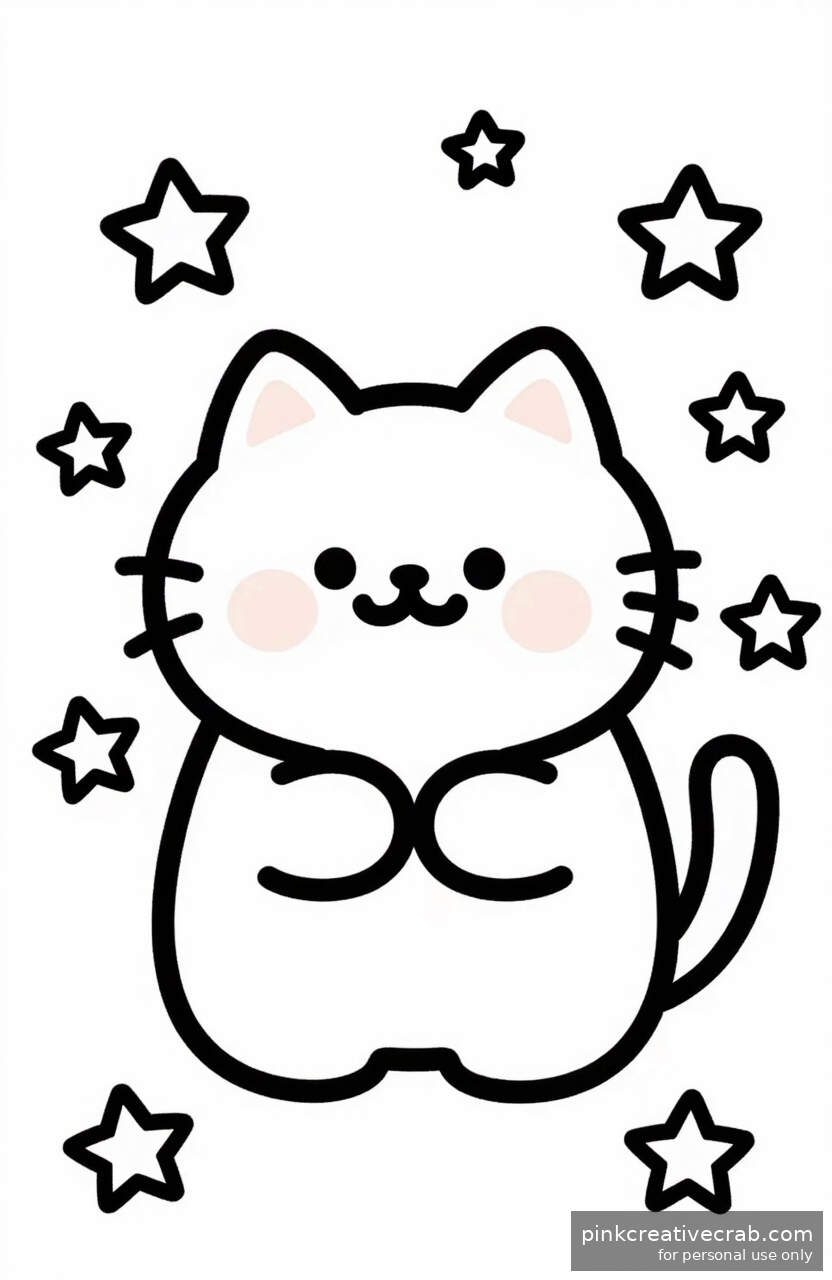
Cute Cat Doodle With Stars
Stars and cats are a dreamy combination, and this doodle captures that magical feeling perfectly. Draw a simple sitting cat in the center, then scatter little four-pointed or five-pointed stars all around it. Some stars can be big, others tiny. That variation adds so much visual charm without any extra effort.
Additionally, you can have stars sitting on the cat’s head, floating beside its ears, or trailing from a wagging tail. The composition feels whimsical and full of wonder. Therefore, don’t overthink placement — scattered and playful always works better than perfectly symmetrical here.
This kind of decorative doodling is a great gateway into exploring different drawing techniques. For inspiration and new ideas, the Drawing Techniques Encyclopedia: 50+ Essential Methods is a fantastic resource. A set of star stencils for doodling can also help beginners feel more confident!
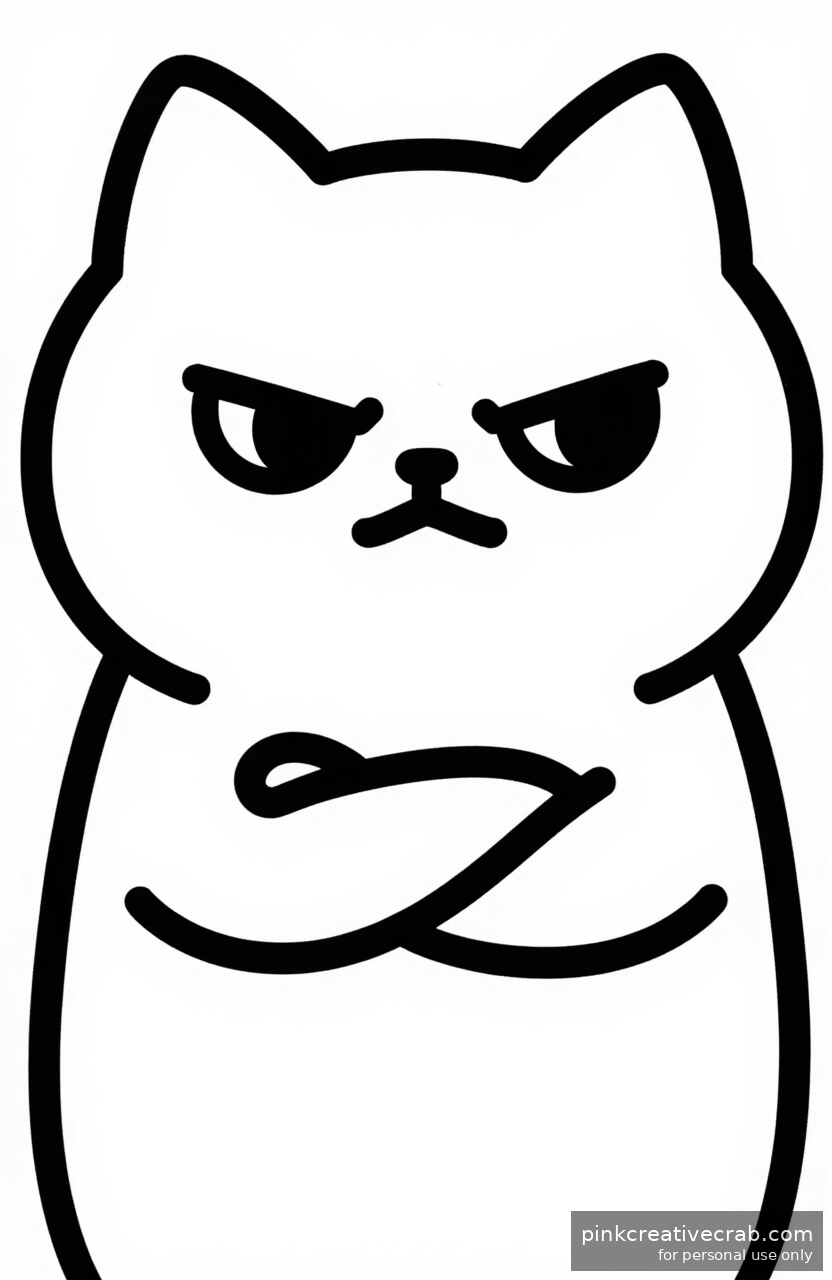
Grumpy Little Cat Expression
Grumpy cats are arguably the most fun cats to doodle. The secret is all in the eyebrows! Draw two short, angled lines above the eyes pointing downward toward the center. Suddenly your cat looks deeply unimpressed, and it is absolutely hilarious. A small flat mouth or downturned line completes the look beautifully.
However, grumpy doesn’t have to mean complicated. Keep the body simple and round. As a result, all the attention naturally falls on that wonderfully disgruntled little face. You can even add a tiny coffee mug in front of the cat to tell a whole story with minimal effort.
Expressive faces like these are a brilliant way to practice emotion through simple lines. For beginners wanting to understand the basics more deeply, the Art Fundamentals: Complete Guide to Drawing & Painting Basics is incredibly useful. Meanwhile, grab some micron pens for expressive doodling to really nail those tiny facial lines!
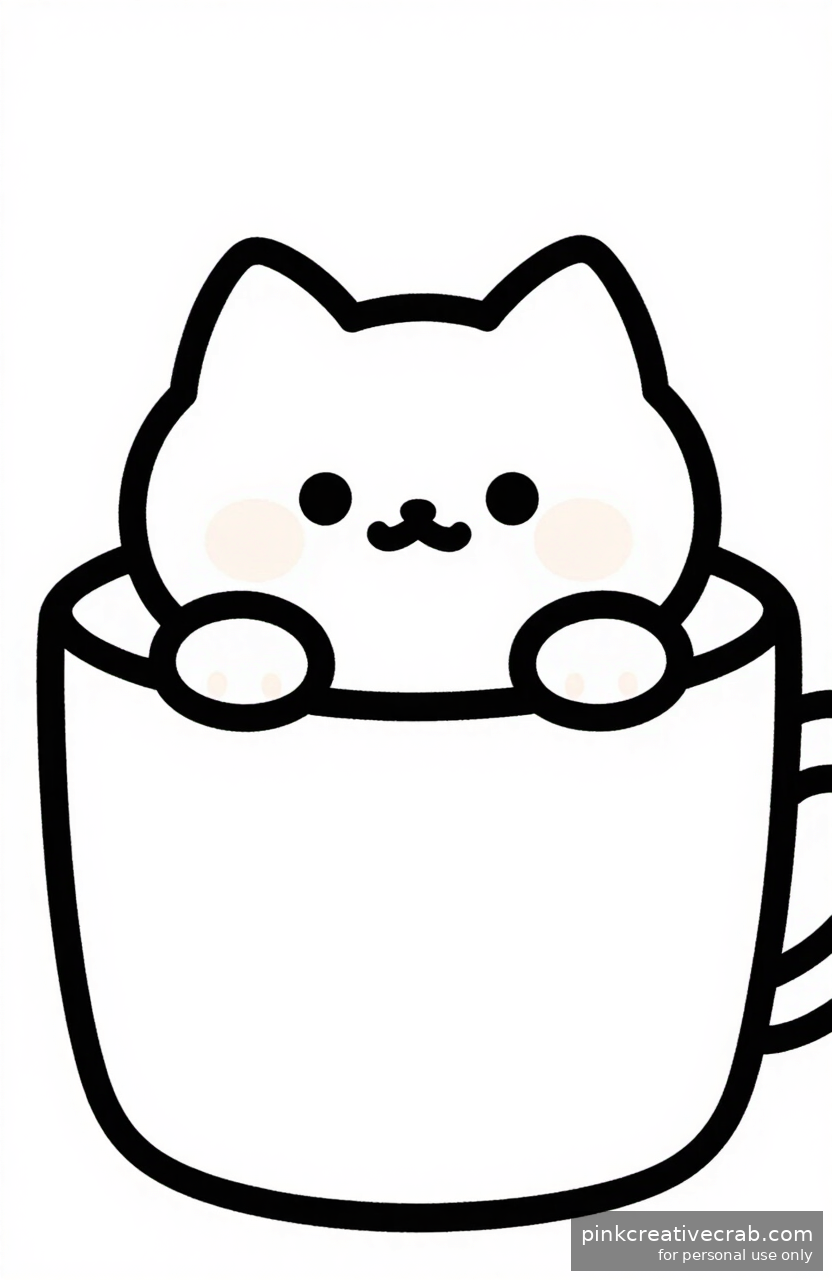
Cat Sitting Inside a Cup
Is there anything cuter than a tiny cat snuggled inside a mug? Draw a simple cup shape first — a rounded rectangle with a handle on the side. Then draw your cat peeking out from the top, with just the head, paws, and maybe a curled tail draped over the rim. It feels cozy and instantly lovable.
The cup itself is a wonderful canvas for tiny details. For example, add polka dots, small flowers, or a simple stripe pattern to decorate the mug. Meanwhile, your cat inside can look sleepy, curious, or even hold the rim with little paws. Each variation tells a completely different story.
This doodle is perfect for greeting cards, journal pages, or notebook covers. Speaking of journals, if you love decorating pages, the Junk Journaling: The Complete Beginner to Advanced Handbook is full of wonderful ideas. Also try fine tip black pens for journaling for crisp clean results!
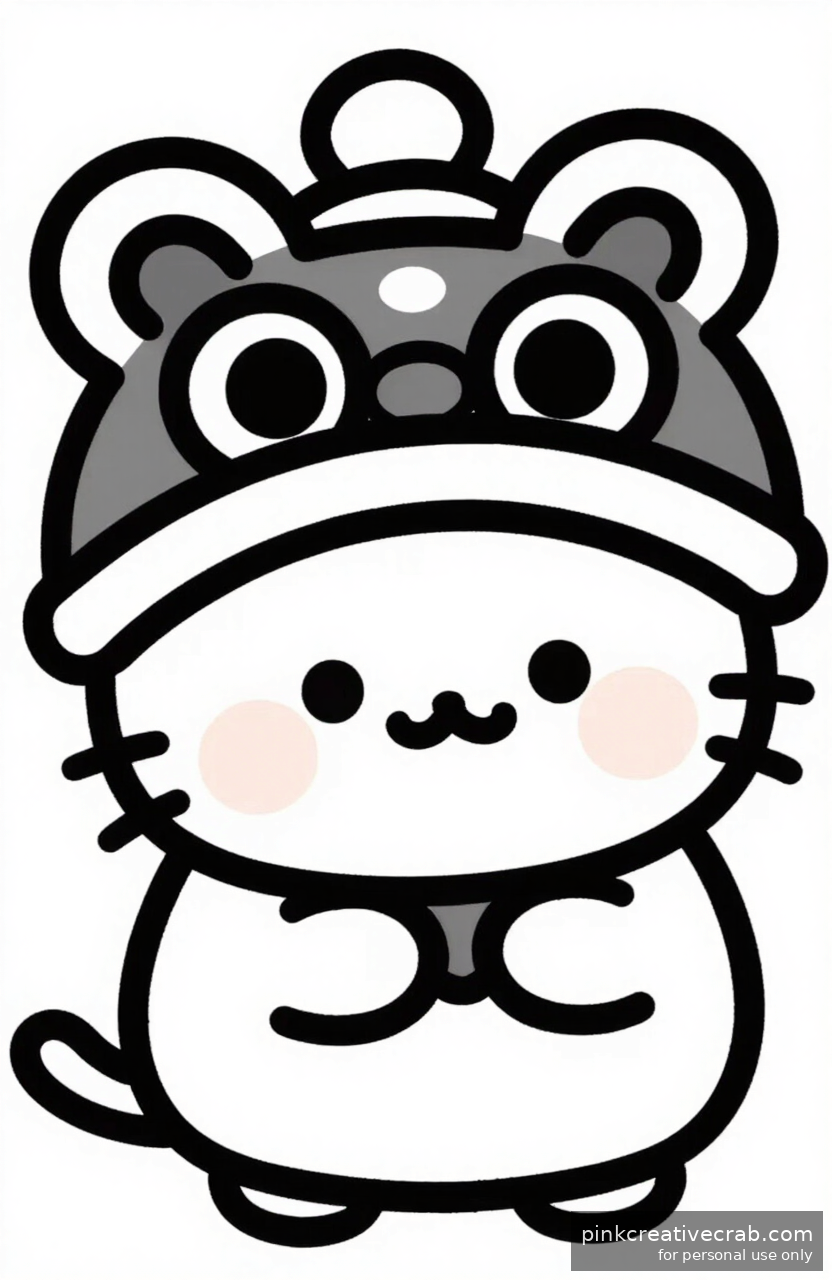
Tiny Cat Wearing a Hat
Putting a hat on a cat is basically instant cuteness — and the good news is it’s wonderfully easy to draw. Start with your basic cat shape, then simply place a hat right on top of the head. A little witch hat, a tiny top hat, or even a floppy sun hat all work brilliantly. The contrast between the cat’s round face and the angular hat is visually adorable.
However, the hat doesn’t need to be perfect. Slightly wobbly lines actually add to the charm of a doodle style. Therefore, relax your hand and let the lines flow naturally. Adding a small flower, star, or ribbon to the hat gives it an extra playful touch that makes the whole drawing sing.
Accessorized animal characters like this are so popular in bullet journaling and planner decorating. For smooth, confident line work, investing in good tools really helps — a set of drawing pens for cute doodle art is a great place to start!
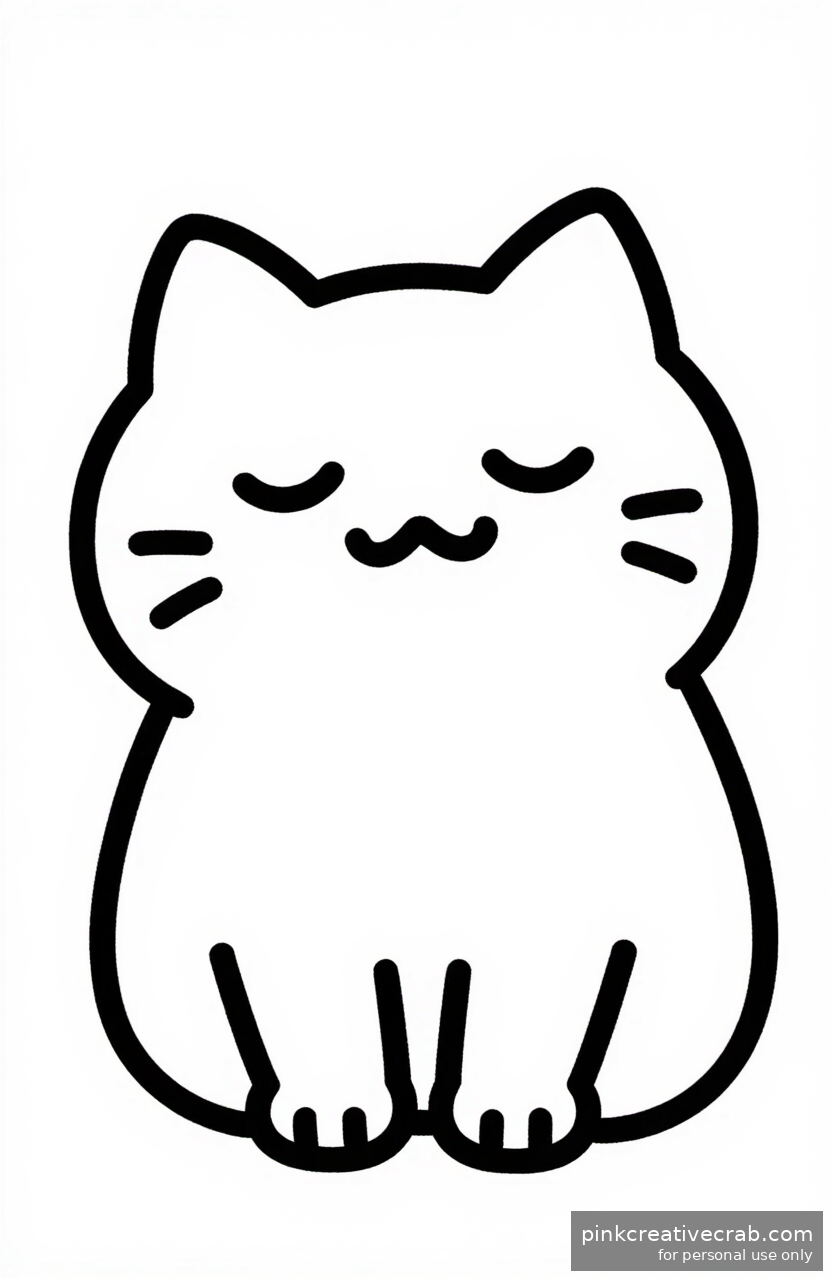
Blissful Cat Eyes Closed
There is something deeply peaceful about drawing a cat with eyes gently closed. Two small curved lines — like little upside-down smiles — instantly create that serene, content expression. Add a soft smile and relaxed paws, and your cat looks like it’s having the best nap of its life. It’s a truly calming doodle to create.
Additionally, this expression pairs beautifully with cozy surroundings. For example, draw a tiny pillow beneath the cat, or surround it with small floating hearts and stars. Meanwhile, soft curved lines throughout the whole drawing reinforce that dreamy, restful mood. Everything about this doodle should feel gentle and slow.
Blissful cat doodles are lovely for mindful drawing practice or relaxing art sessions. If you want to explore more meditative art styles, the Watercolor Painting: The Ultimate Beginner to Advanced Guide offers wonderful calming techniques. For your doodling sessions, a quality softcover drawing journal makes the experience feel extra special!
Final Thoughts
You’ve just explored 14 genuinely delightful cute cat doodles, and hopefully at least a few of them made you think, “I can totally draw that.” That feeling right there? That’s the whole point. Every single one of these ideas is designed to be approachable, forgiving, and fun — because drawing should feel like a treat, not a chore.
Meanwhile, don’t worry if your first attempt looks a little wobbly or imperfect. Wobbly lines have charm! Therefore, keep going, keep sketching, and give yourself credit for showing up and trying. Each doodle you finish — no matter how it turns out — is a small win worth celebrating.
Additionally, the more you practice these simple cat shapes, the more your own unique style will start to emerge naturally. Before long, you’ll be adding your own little details, experimenting with expressions, and filling entire pages with your own adorable cat characters. Trust the process, enjoy every squiggle, and remember — the best doodle is simply the one you actually draw.
Frequently Asked Questions
What supplies do I need to start drawing cute cat doodles?
Honestly, all you need is a basic pen or pencil and any piece of paper. However, if you’d like to upgrade slightly, a fine-liner like a Staedtler Pigment Liner and a smooth sketchbook make the experience even more enjoyable. Therefore, don’t wait for perfect supplies — start with whatever you have right now.
How do I make my cat doodles look cuter and more expressive?
The secret is in the small details! Additionally, features like tiny blush circles on the cheeks, half-moon closed eyes, or a little curved smile instantly add warmth and personality. For example, swapping a straight mouth for a soft upward curve transforms a plain face into something genuinely adorable. Simple additions go a very long way.
Are cute cat doodles good practice for beginner artists?
Absolutely — they’re one of the best beginner exercises available. Cat doodles rely on basic shapes like circles, ovals, and triangles, which therefore build foundational drawing confidence quickly. Additionally, because cats are forgiving subjects with lots of style variations, beginners can experiment freely without feeling pressured to achieve perfect realism.
How long does it take to draw a simple cat doodle?
Most simple cute cat doodles take only three to ten minutes to complete, which makes them perfect for busy schedules. However, adding extra details like patterns, shading, or backgrounds will naturally extend that time. Meanwhile, even a quick five-minute daily doodle session builds real skill over time, so consistency matters far more than duration.
Can I use these cat doodle ideas in bullet journals or planners?
Yes, and they look absolutely wonderful there! Cute cat doodles are a favorite among bullet journal enthusiasts because they’re compact, quick to draw, and instantly charming. For example, a tiny curled-up sleeping cat fits perfectly in a corner of a weekly spread. Additionally, simple doodles like these add personality to any planner page without overwhelming the layout.
Have any thoughts?
Share your reaction or leave a quick response — we’d love to hear what you think!
-
 0
0 -
0
-
0
-
0
-
0
-
0


