Table of Contents
A cookbook junk journal gives family recipes a home that feels warmer than a card box and sturdier than a loose stack of index cards. This kit has 24 scene pages built around a dish or kitchen memory, 5 seamless background papers for pockets and covers, and 5 lined writing pages for the recipes themselves and the notes that go with them.
Print everything on heavyweight matte paper, at least 24 lb or cardstock if the printer takes it, so paint and tea stains do not bleed through. Set the printer to its best or photo quality and let each sheet dry flat for a minute before handling, then trim to the journal size with scissors or a paper trimmer.
Using these images: free for personal projects such as printing, coloring, cards, journals and gifts. Handmade items that include them may be sold up to 30 pieces per design. More than that is commercial use and is not permitted, and neither is selling or sharing the images themselves or passing them off as your own. Please ask before any other use.
Baking Day Pages
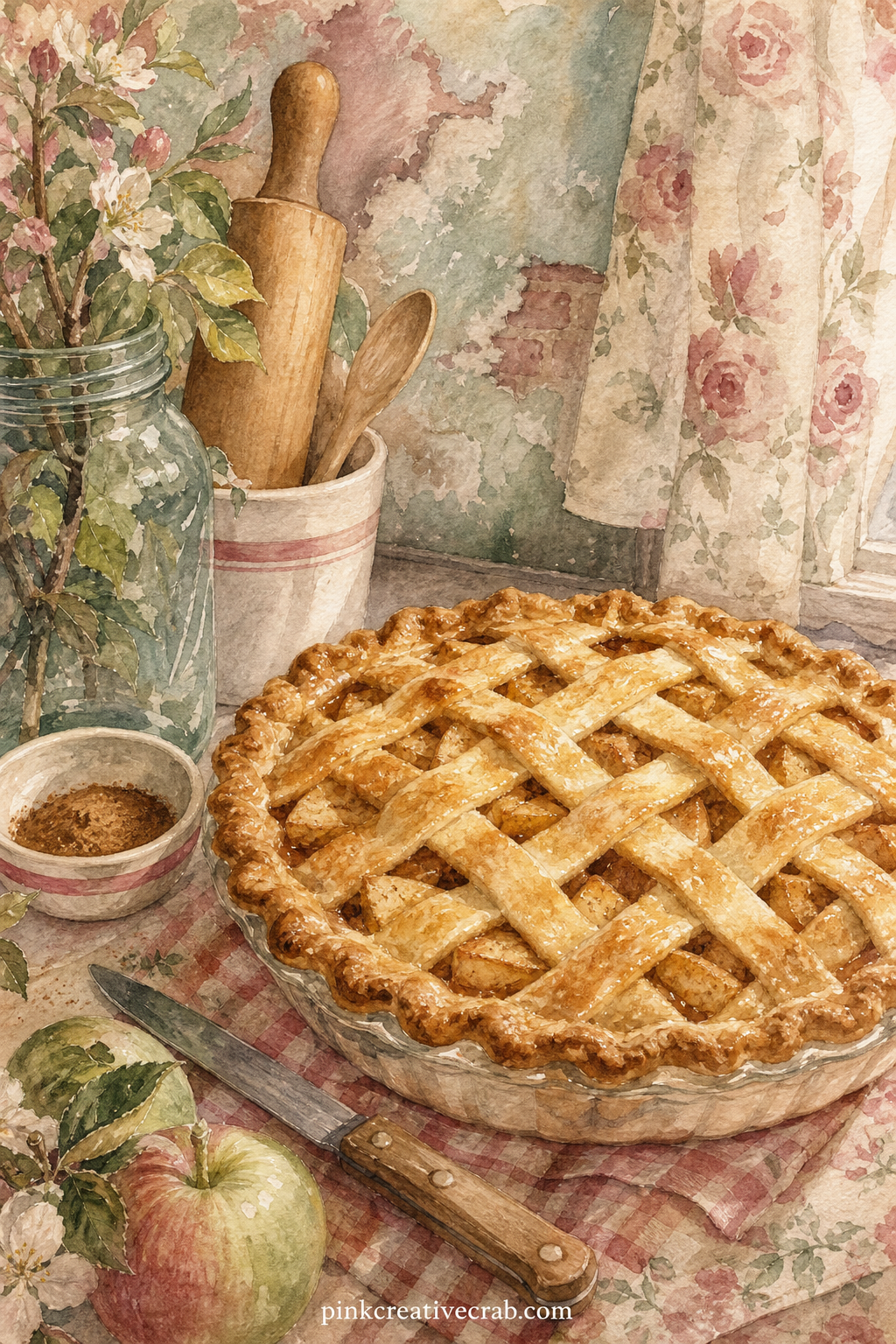
Center this page on a tea-stained recipe card tucked beside the pie, the handwriting slightly faded the way an old card gets after decades on a shelf.
Leave a small gap under the card where a real photocopy of a grandmother’s actual recipe can be glued in later. The tea-stained look on the printed card means a genuine stained original will sit right at home next to it.
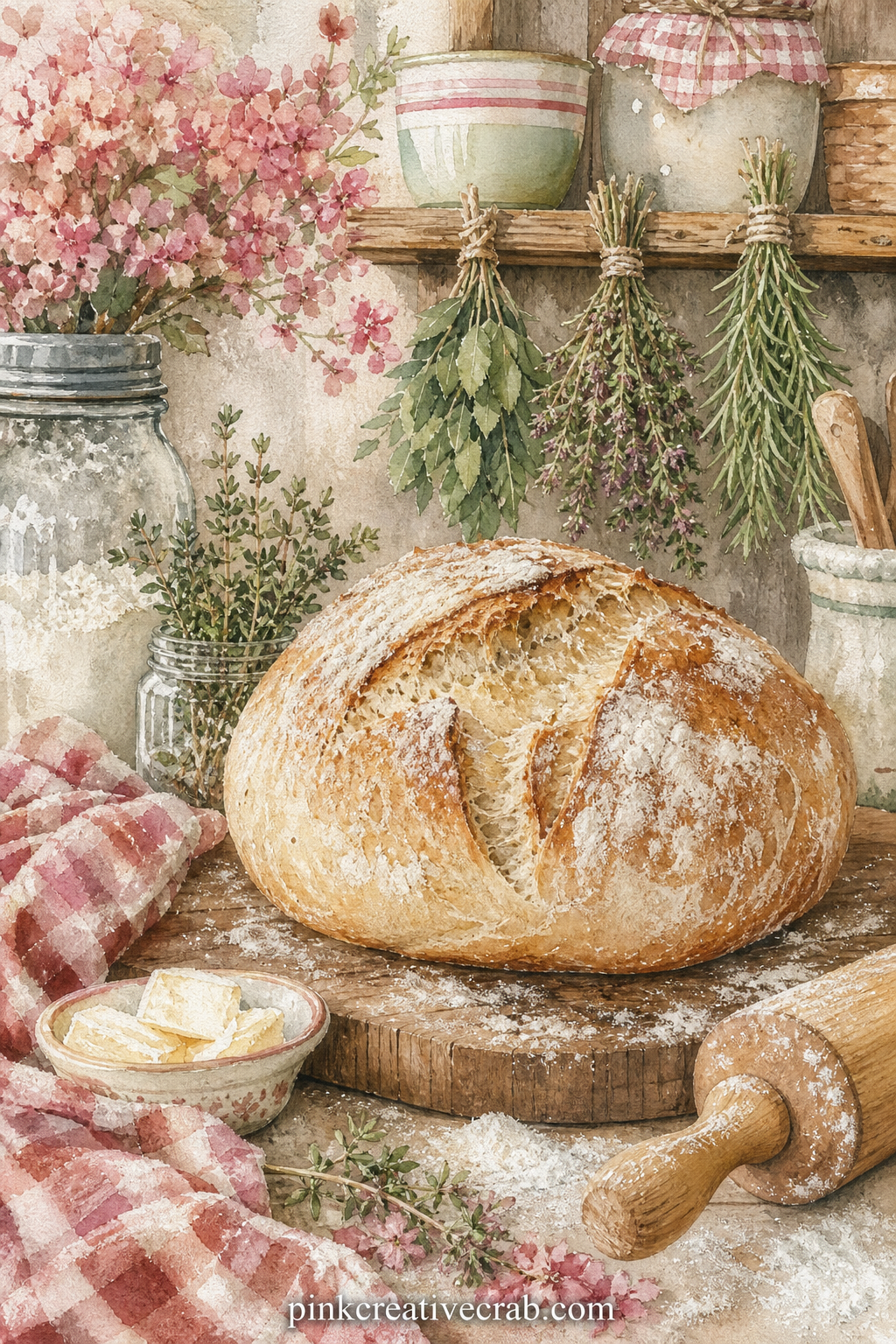
Pair this page with the Flour Sack Pattern background: use a strip of that background as a torn border along the bottom edge, so the loaf looks like it is resting on real sacking.
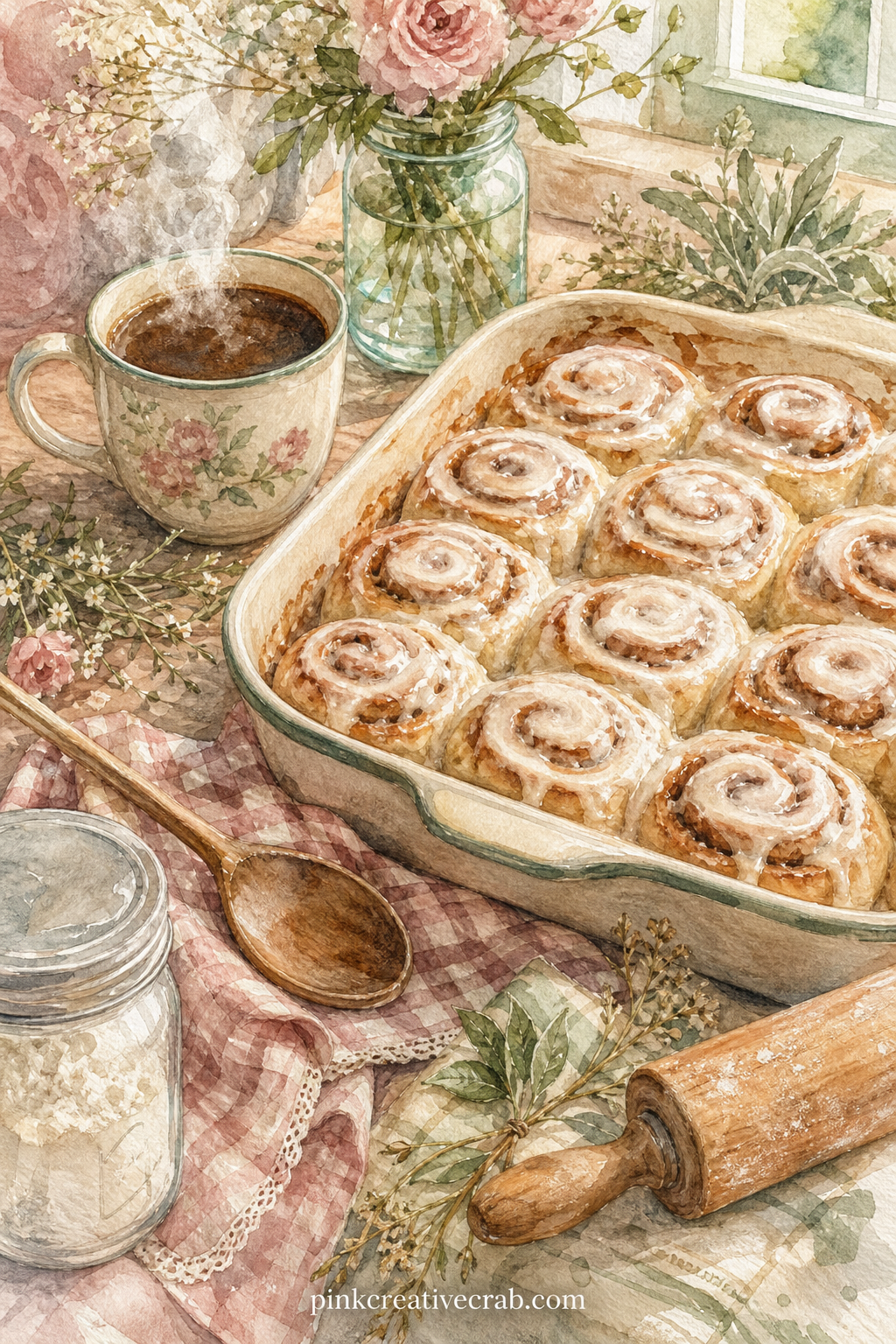
The usual mistake on a sweet page like this is crowding it with every pastry in the kitchen; keep the rolls as the only food and let the coffee cup and napkin do the supporting work instead.
A single pan of rolls reads as a whole Sunday morning, where six different treats read as clutter and the eye never settles.
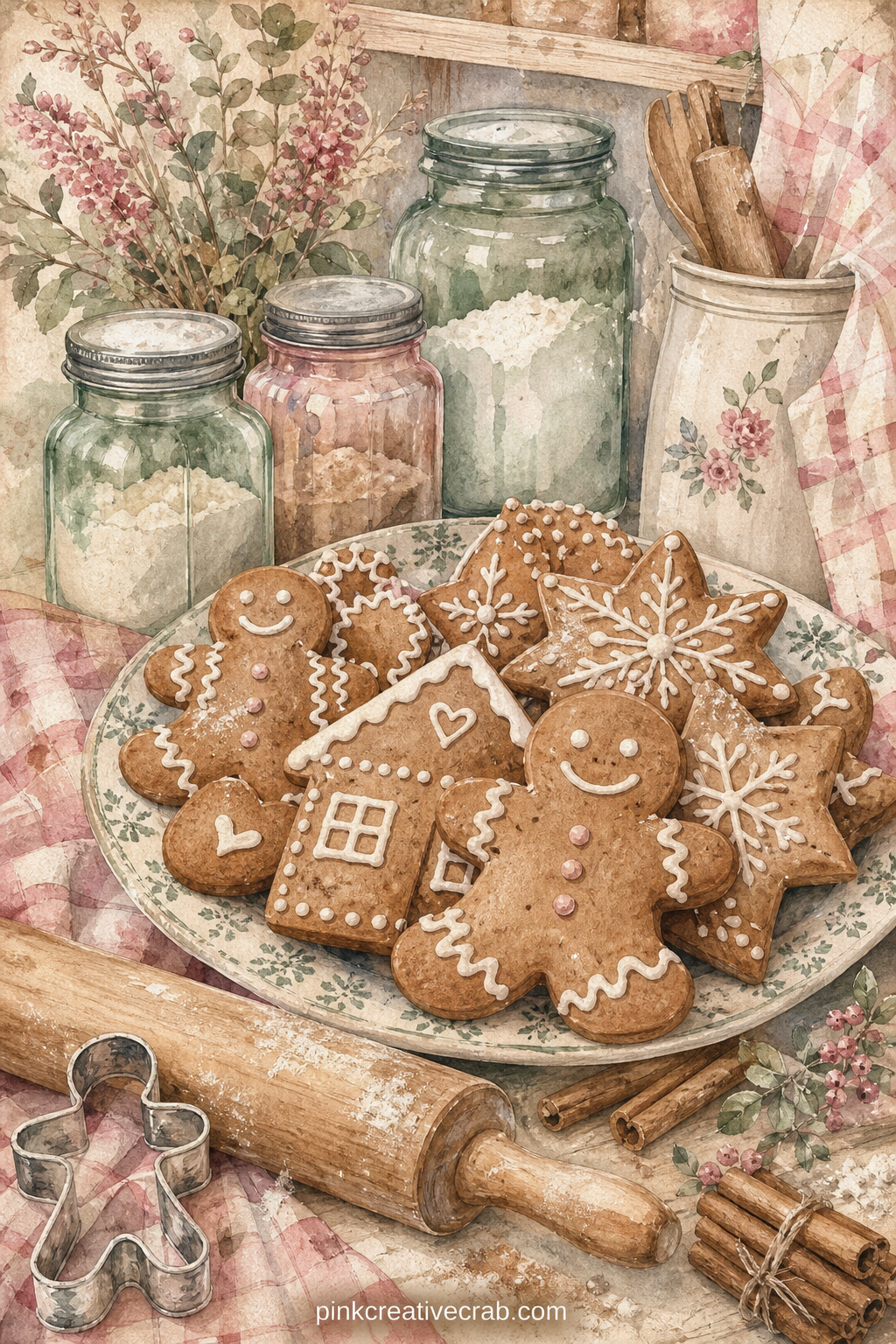
Cut a small window flap over the cookies so a real photo of a family baking day can peek through when the flap lifts.
Stovetop and Simmer Pages
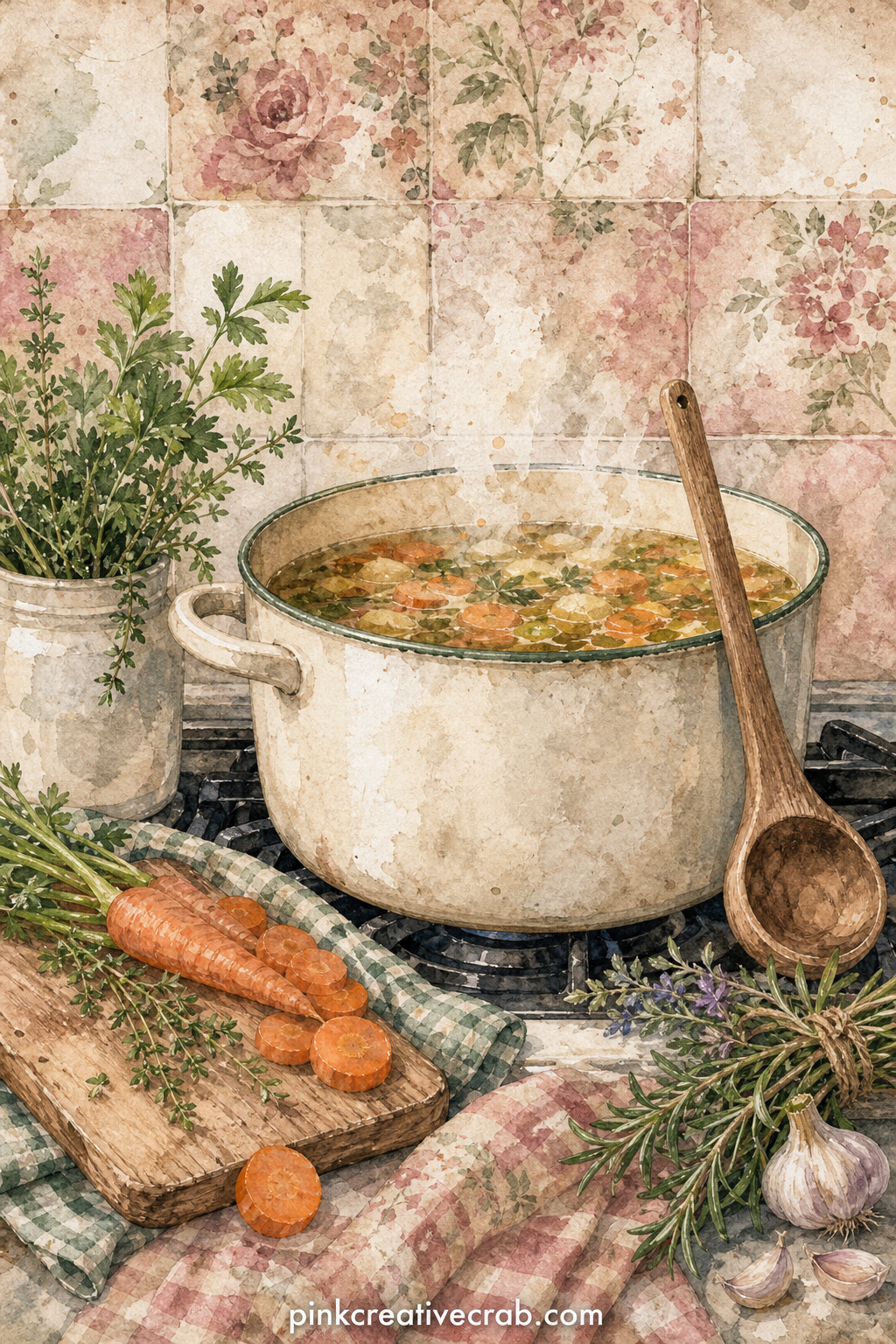
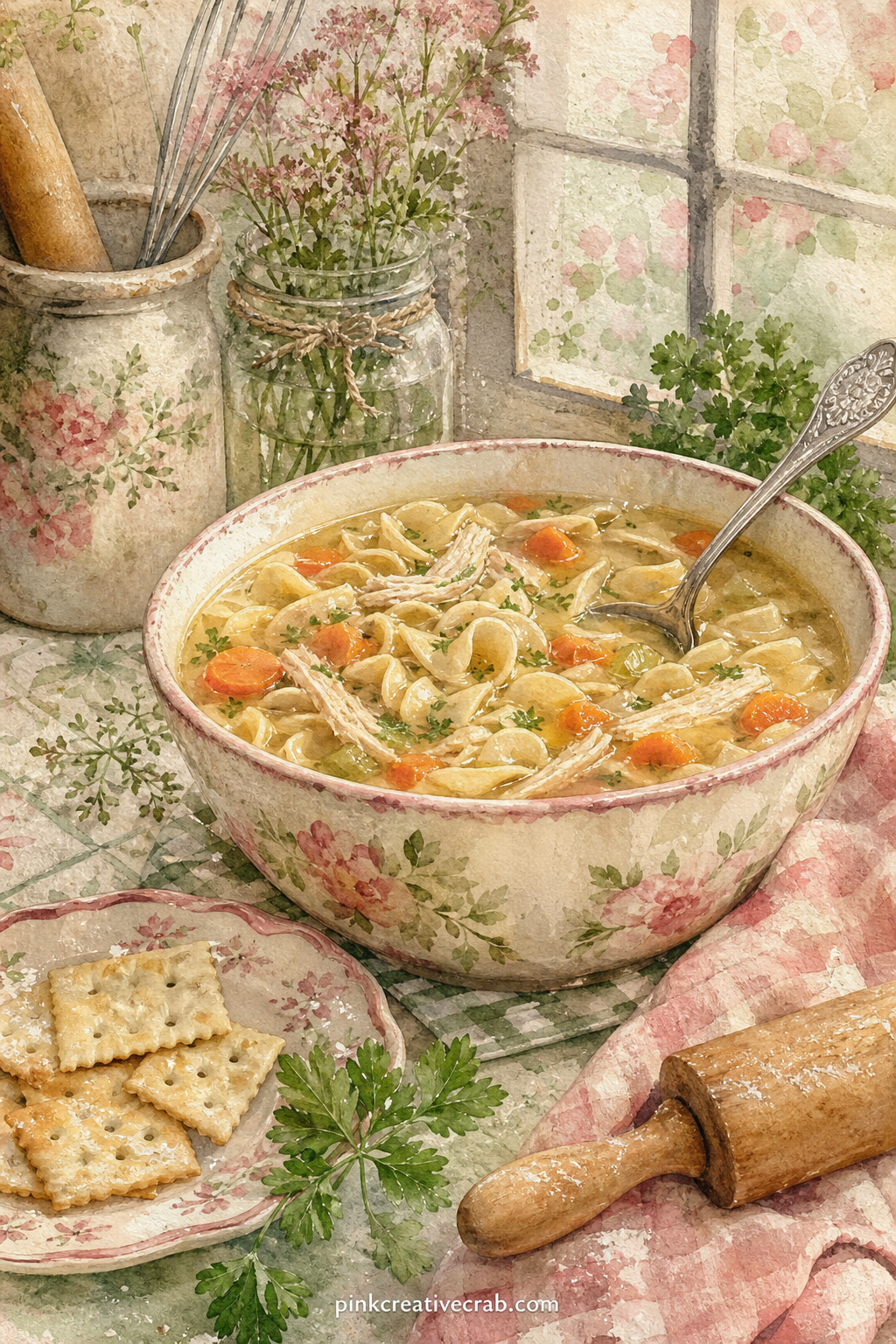
Glue a small fabric pocket to the left side of this page, cut from scrap gingham or linen, and tuck the handwritten soup recipe inside it rather than writing directly on the page.
The pocket keeps the recipe removable for the actual day of cooking, so the page itself stays clean and the card can travel to the stove and back.
Write a short question at the top of this page for the entry: who carved the roast at the family table, and whose job was it to call everyone in to eat.
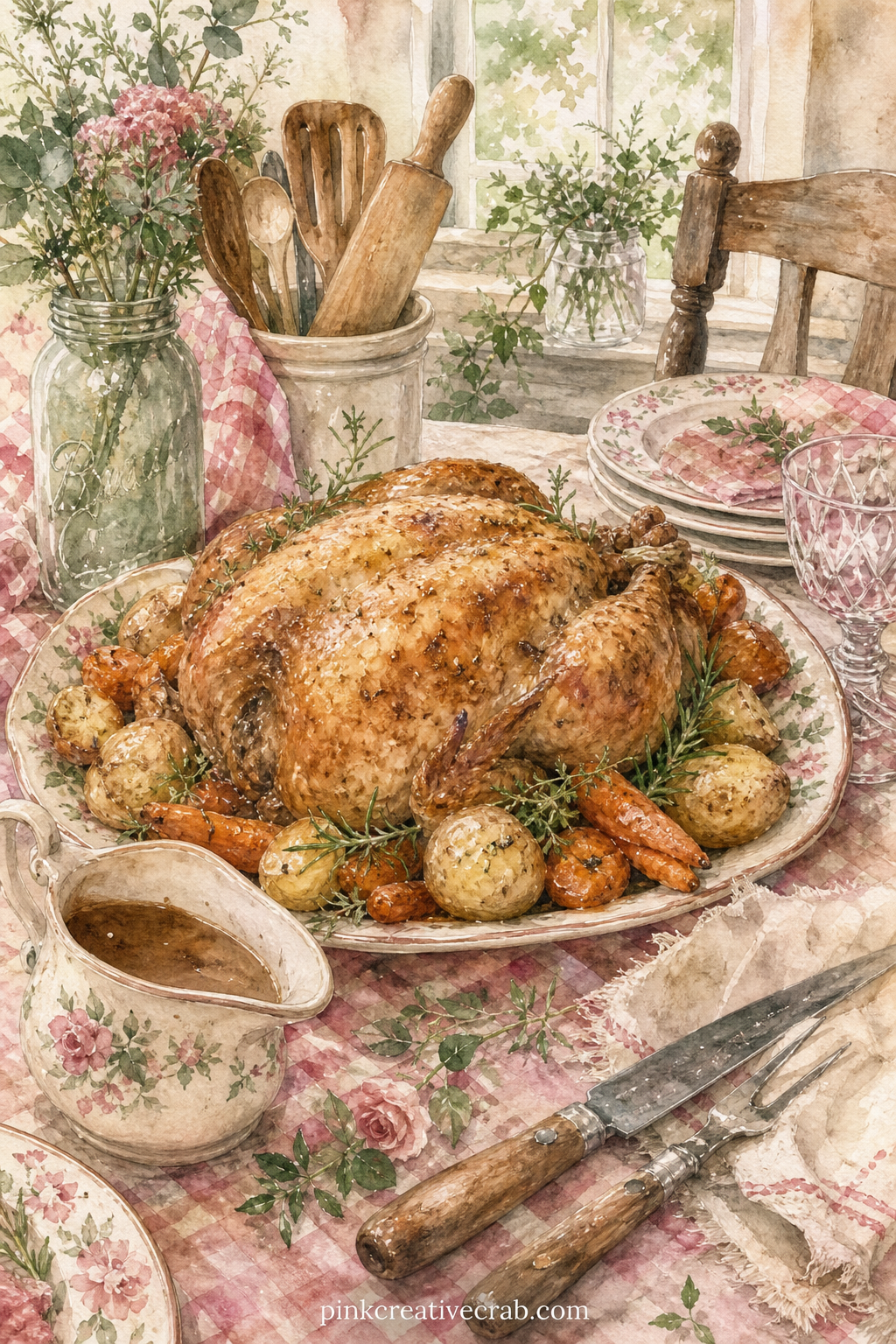
Place this page in a spread facing the Soup Pot and Ladle page so the two simmering dishes sit across from each other, with a shared border of steam lines drawn lightly between them.
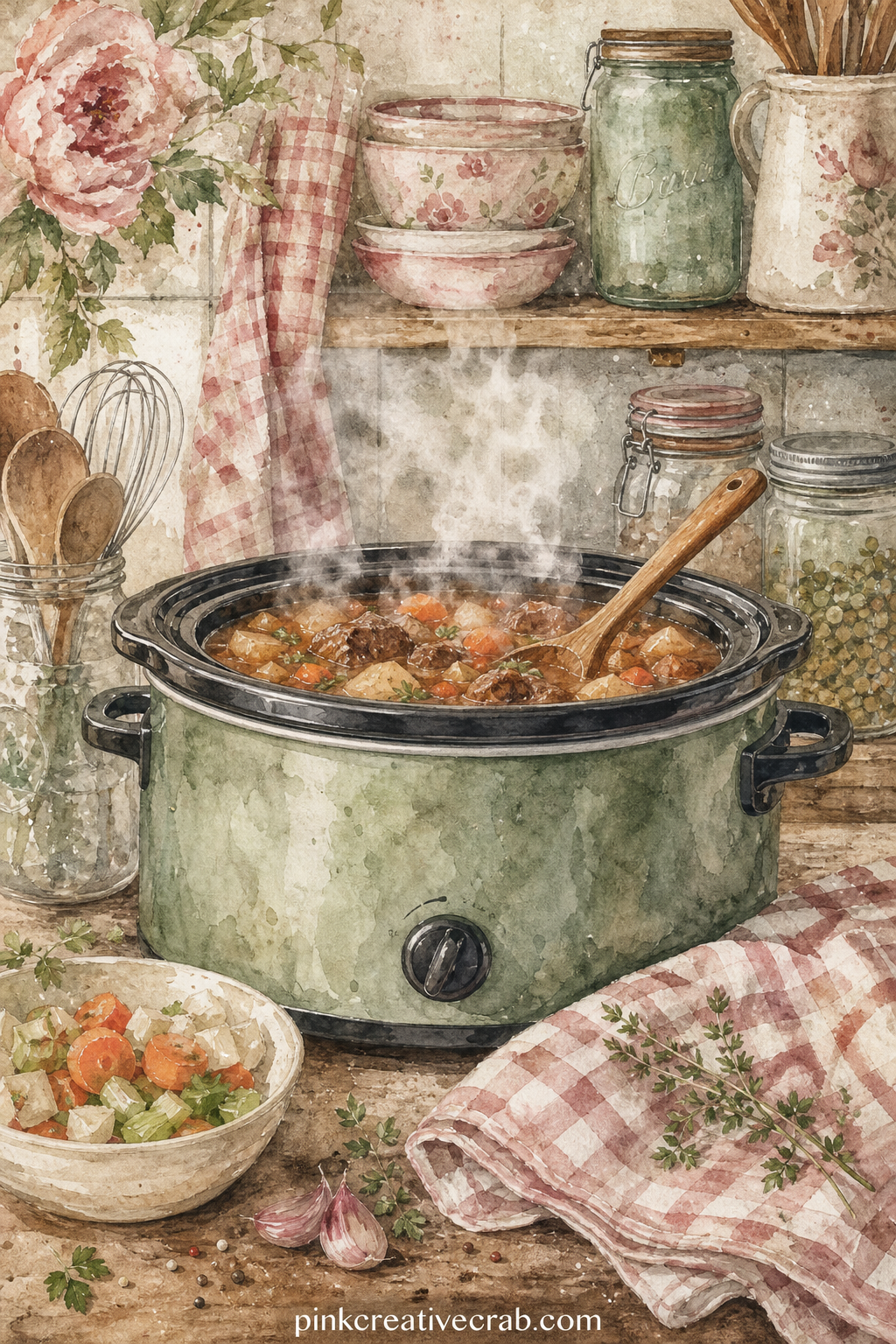
The five minute version of this page skips the full painted stew and keeps only the slow cooker itself with a single wooden spoon beside it, then writes the recipe directly underneath in a few lines.
A quick page like this still earns its place in the journal, since not every recipe memory needs a full illustrated spread to feel complete.
Morning Kitchen Pages
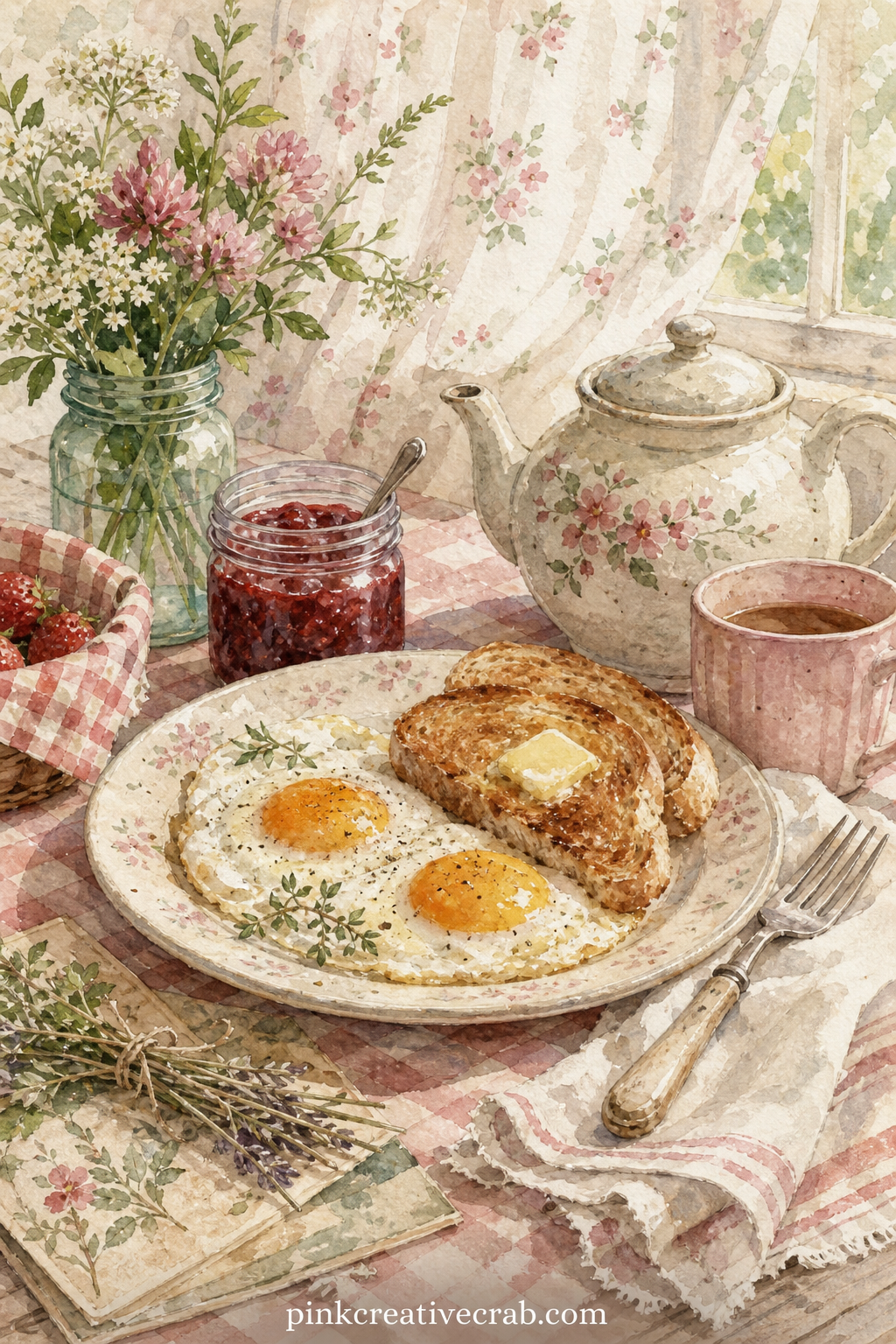
This page suits a gift journal made for a daughter or son leaving home for the first time, since it holds the small daily breakfast rituals that get missed most once a kitchen changes.
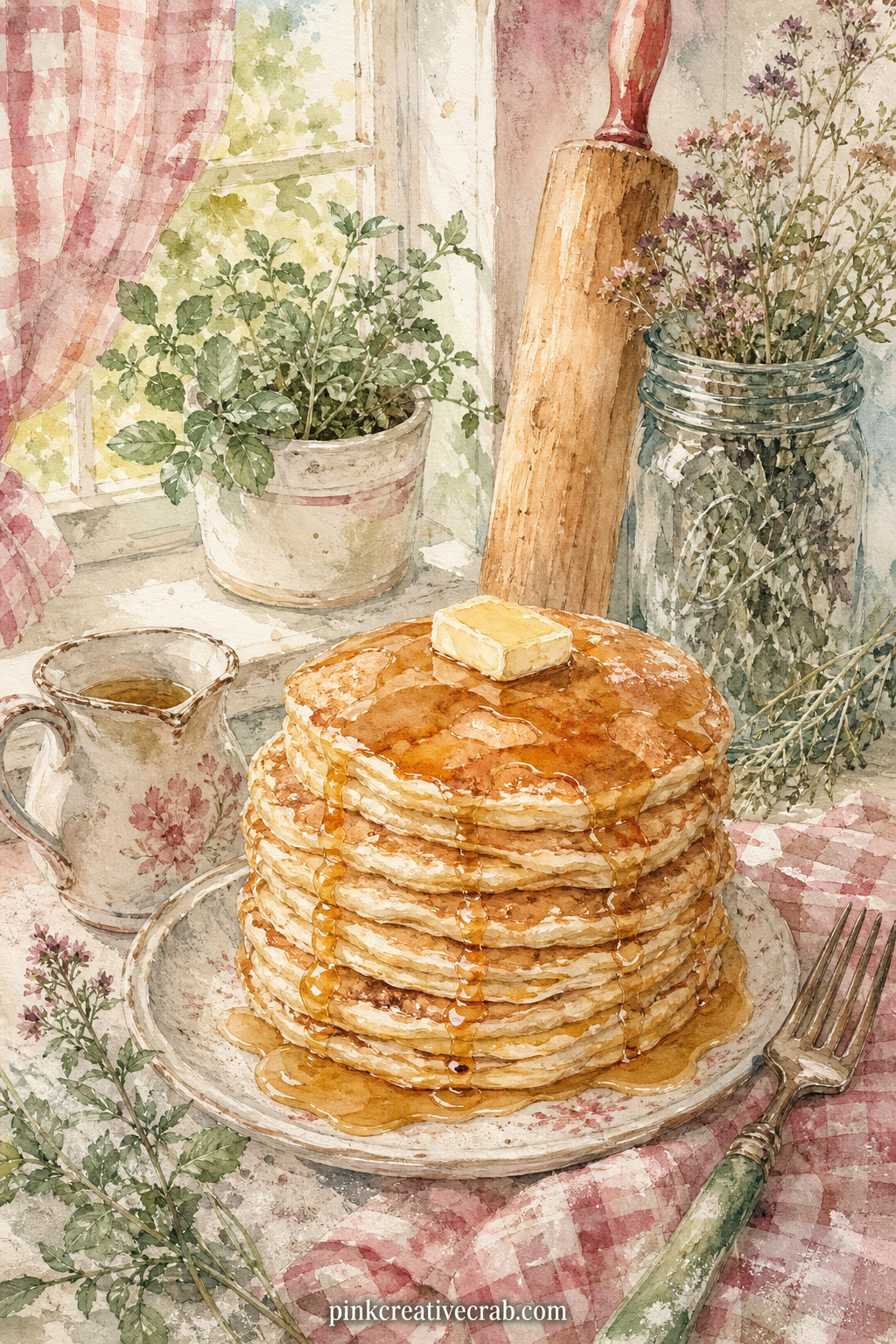
Tear the right edge of this page unevenly by hand before gluing it in, so it looks like a page pulled quickly from a well-used cookbook rather than cut clean with scissors.
A torn edge like this works best on pages meant to feel lived-in, and a pancake page earns that treatment more than a formal dinner page would.
Write a gift list of favorite breakfast foods along the bottom margin of this page, left as a space for someone else to fill in their own morning order.
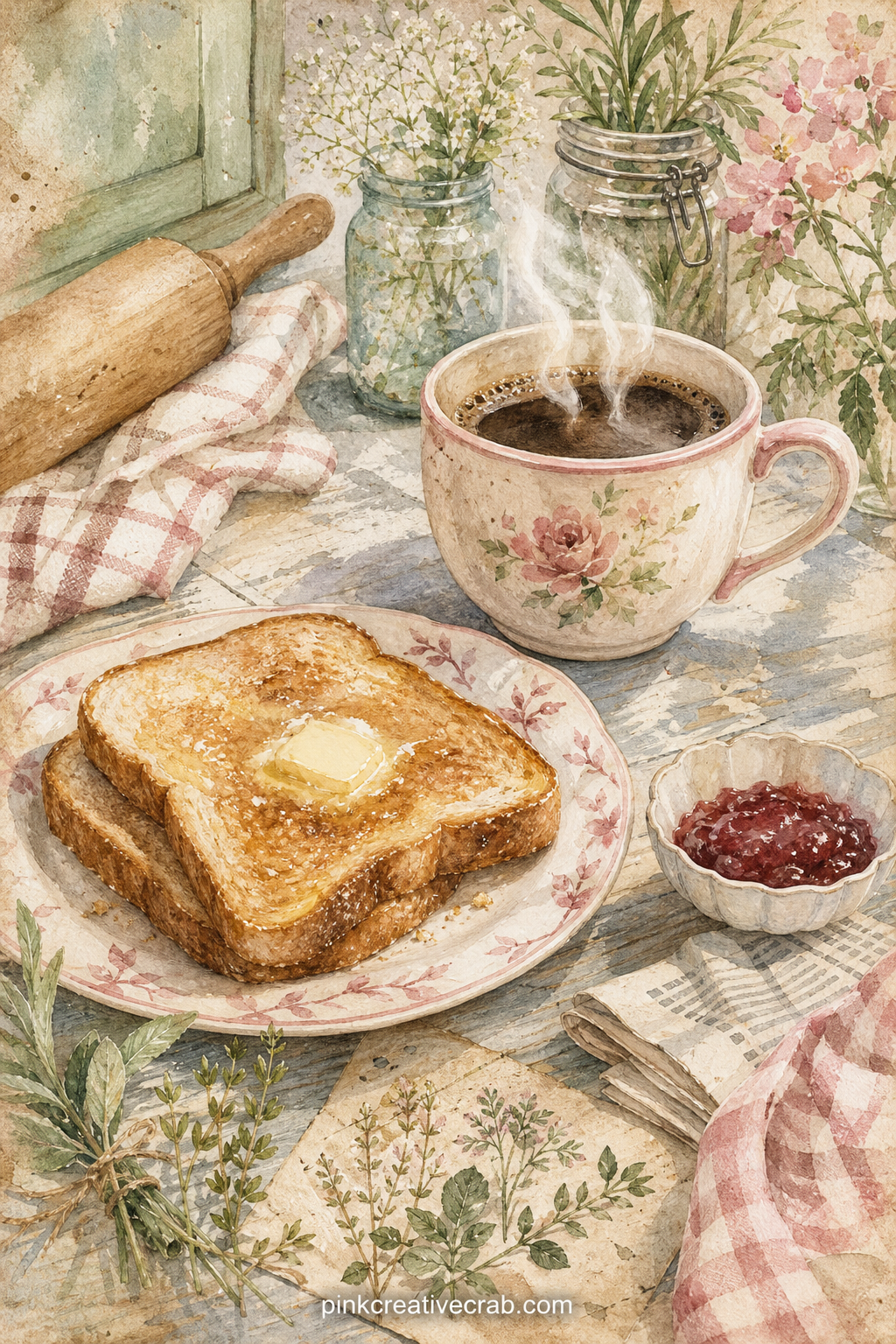
Garden to Table Pages
Tuck a dried pressed herb or a small seed packet into this page, flattened under a layer of wax paper and glued only along the top edge so it lies flat but can still be lifted.
A real sprig from the garden adds texture no painted page can match, and it ties this recipe directly back to whoever grew the vegetables in the first place.
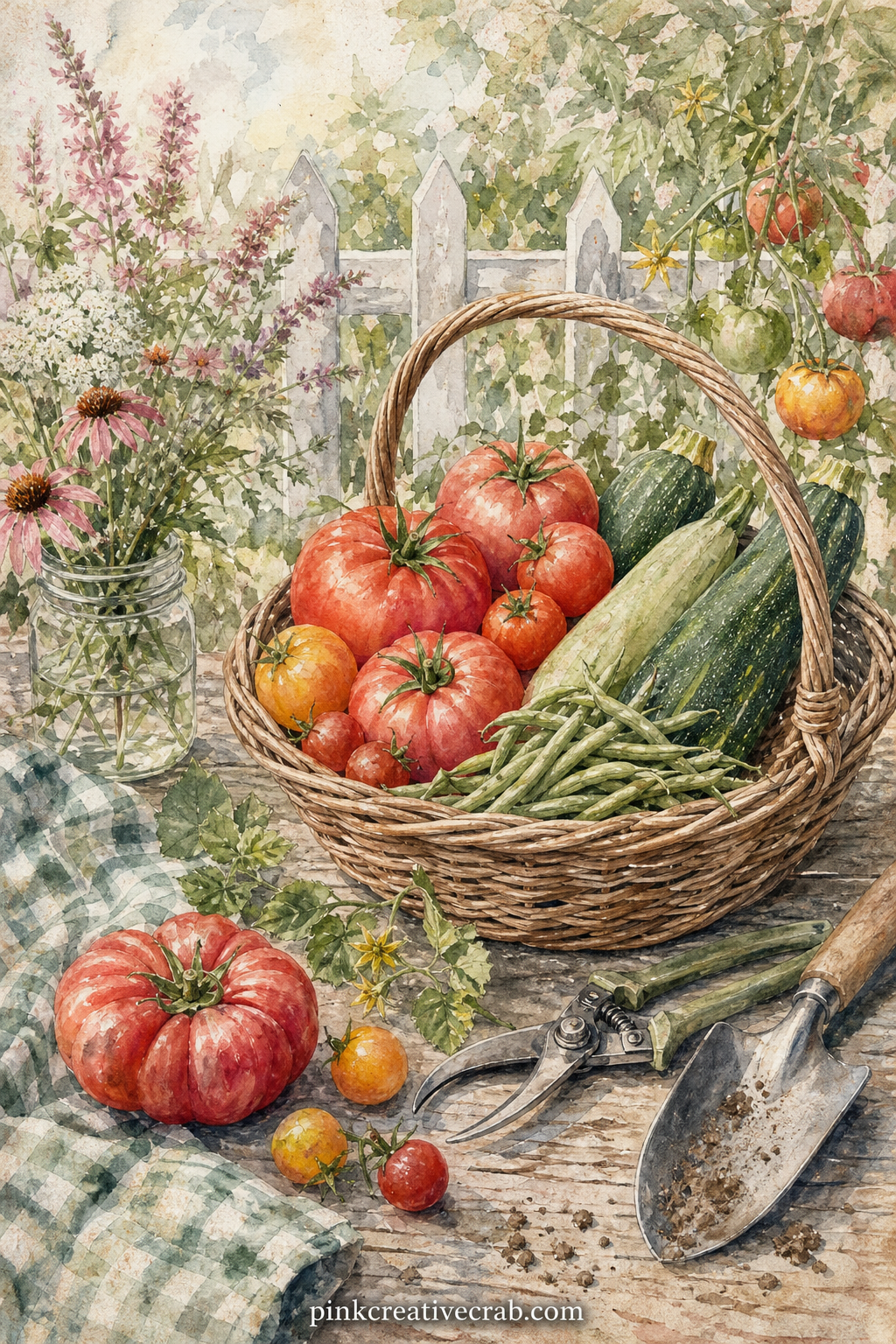
Pair this page with the Mason Jar Pattern background, using a strip of it as a shelf liner drawn along the bottom of the page under the jars.
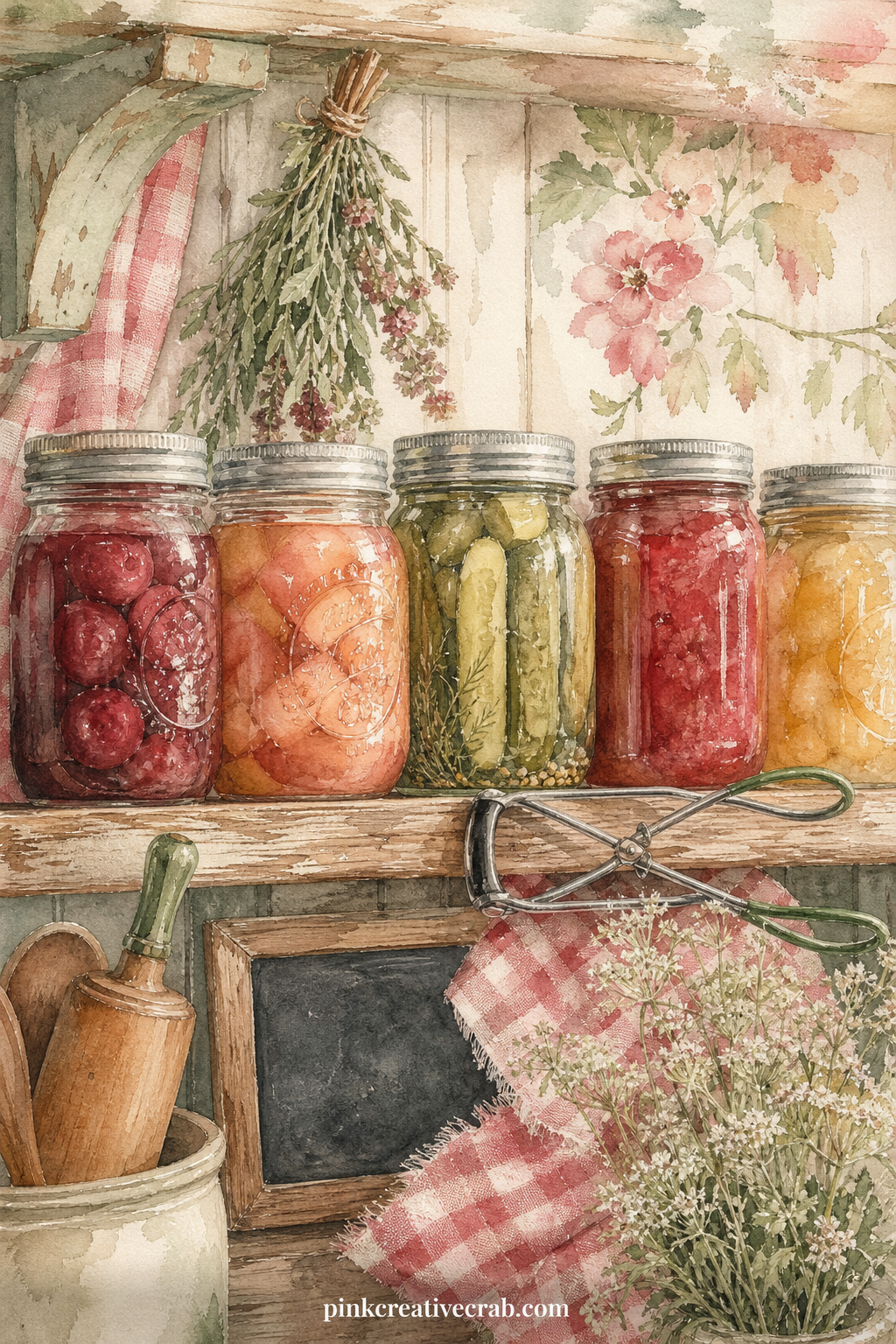
Place a small basil leaf or any flat dried herb between two sheets of wax paper before pressing it under books for a week, then glue it onto this page once it has fully dried.
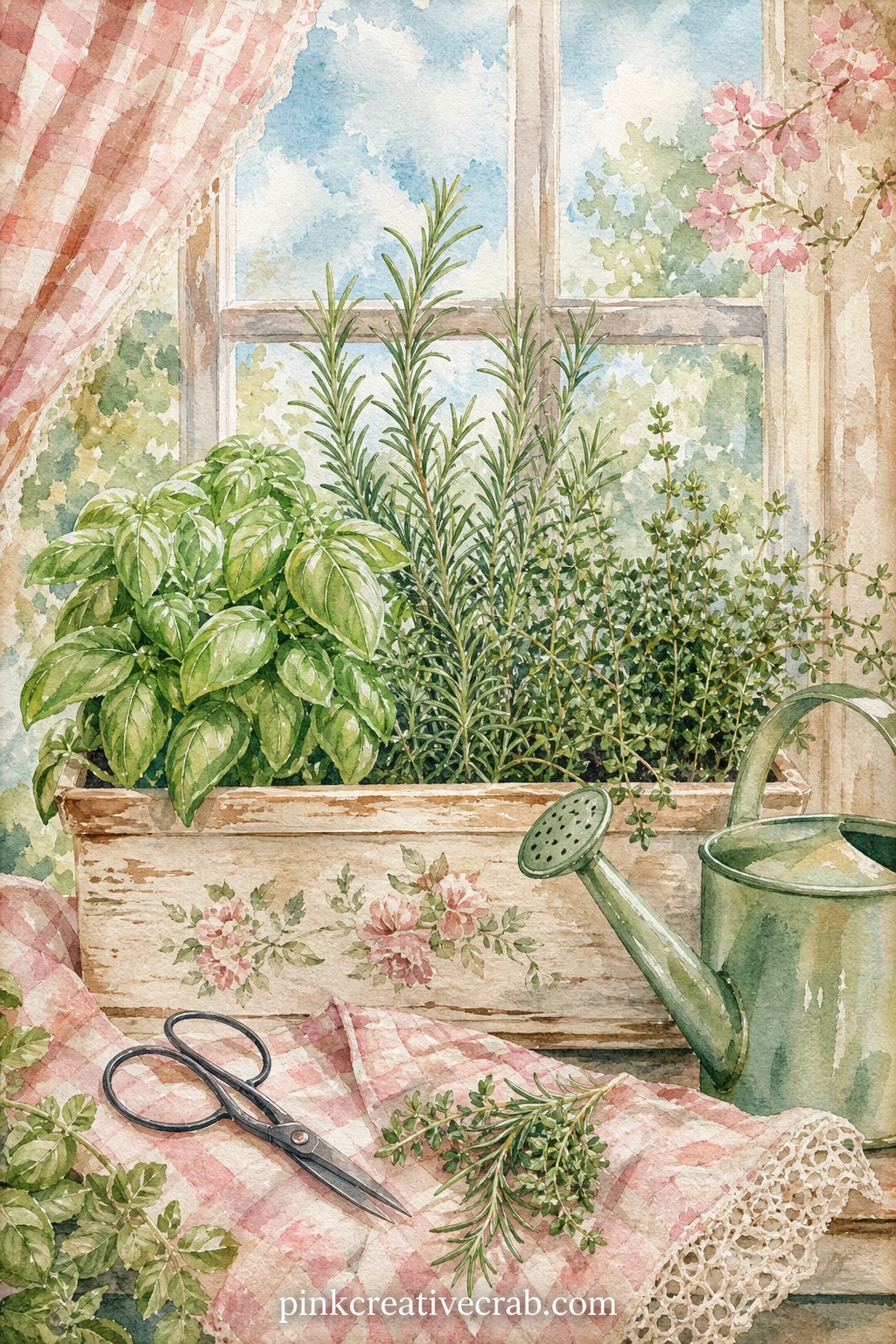
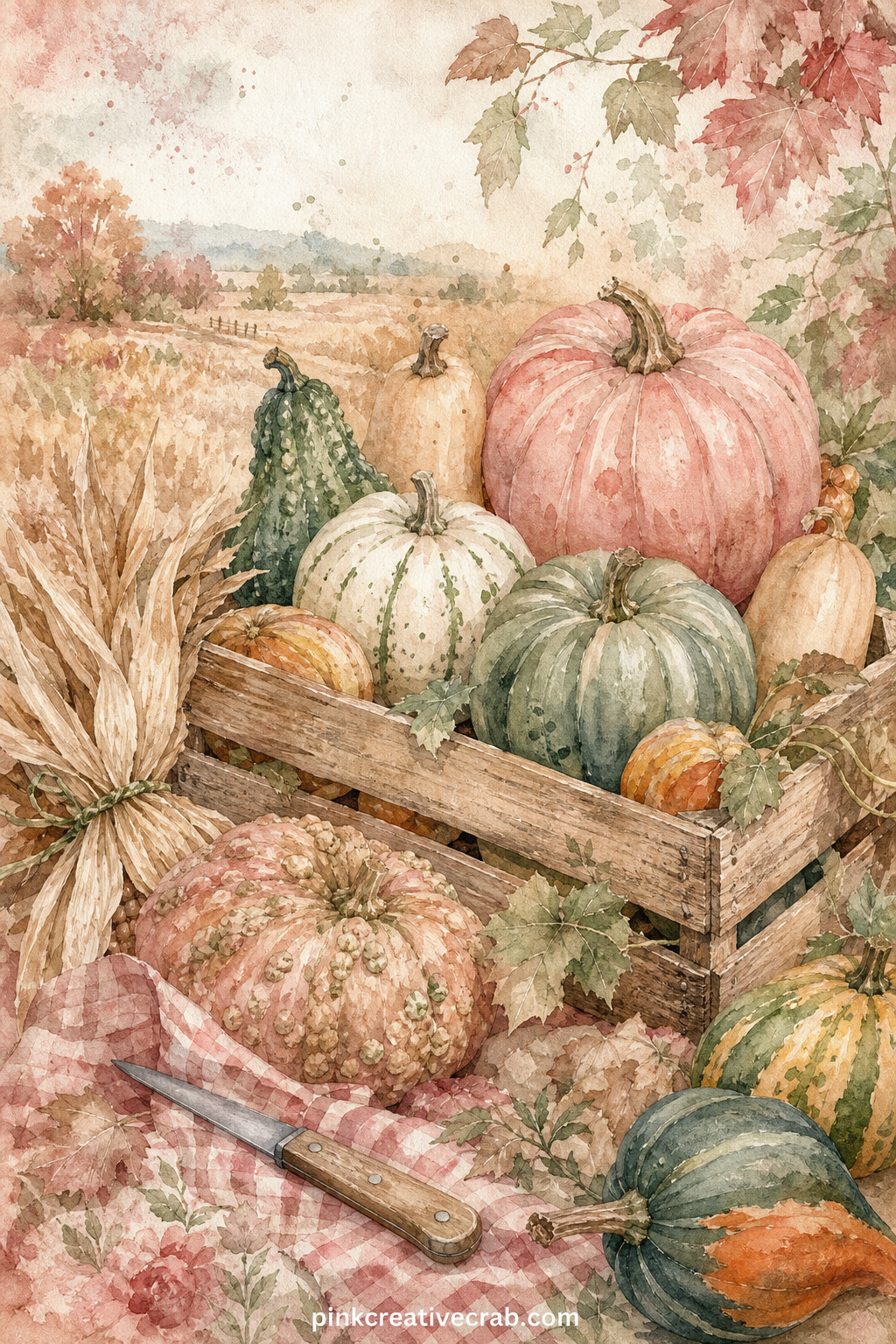
The usual mistake on a harvest page is painting every vegetable from the garden at once; choose one squash variety as the star and let two or three other vegetables sit quietly behind it instead.
Holiday and Celebration Pages
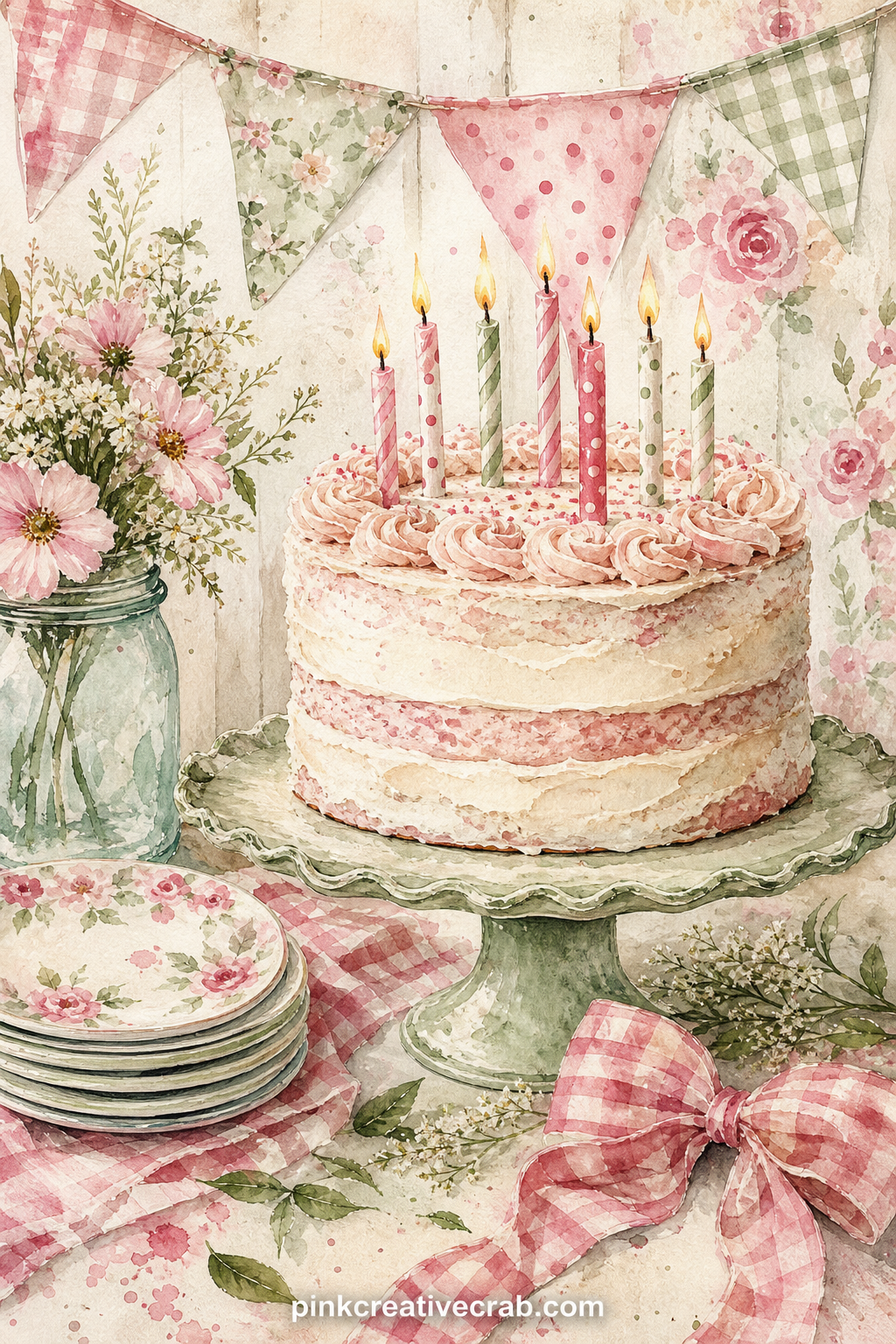
This page suits a gift journal made for a grandchild, since birthday cake memories tend to carry the clearest detail: who blew out the candles, who always asked for the same flavor.
Leave extra space below the cake for several years of birthday notes stacked one under another, rather than a single entry.
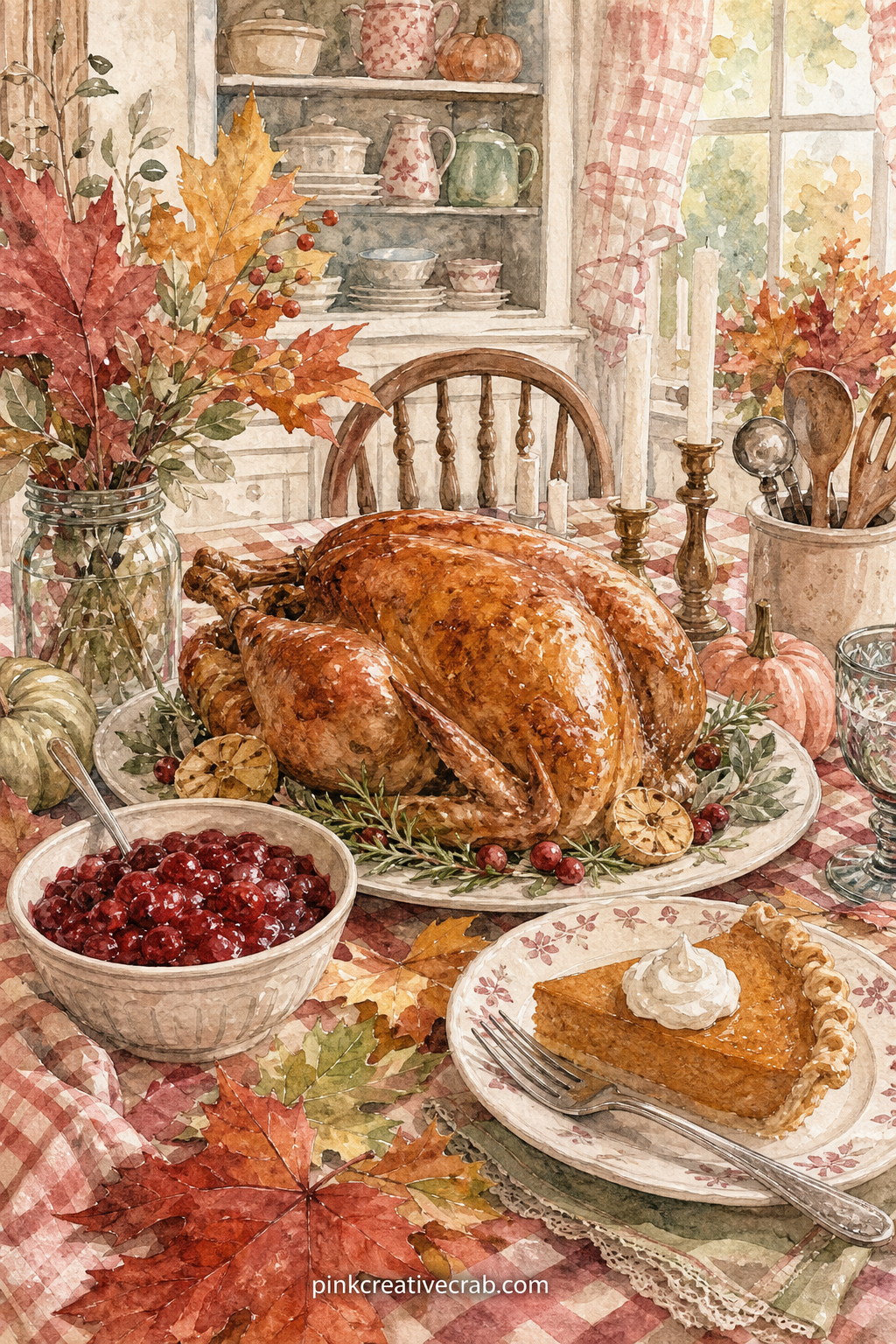
Fold this page in half down the middle so it opens like a small booklet, with the table setting on the outside and the full turkey dinner recipe written on the inside.
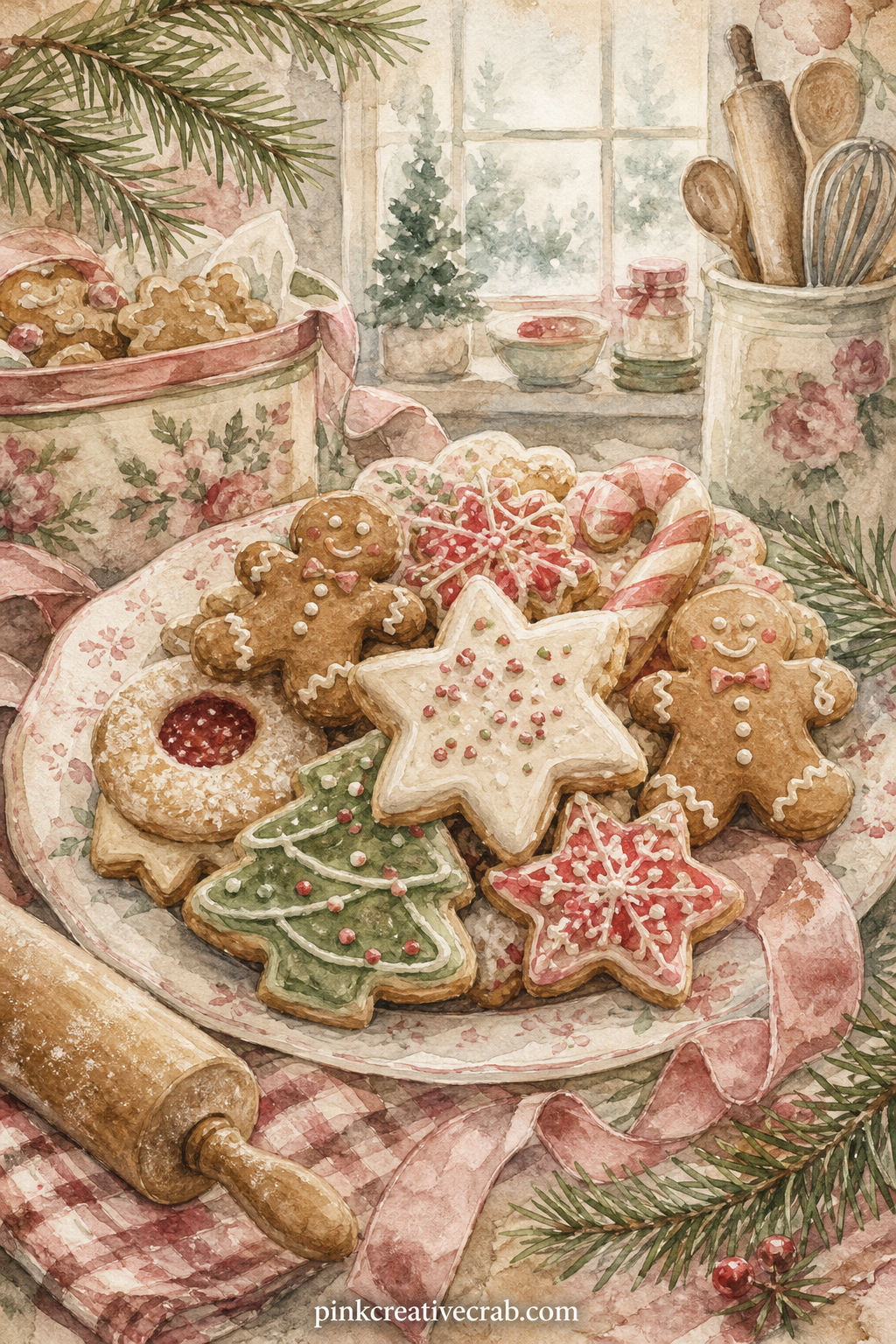
Write a short prompt on this page asking which cookie recipe got passed down the longest in the family, and from whom it was first learned.
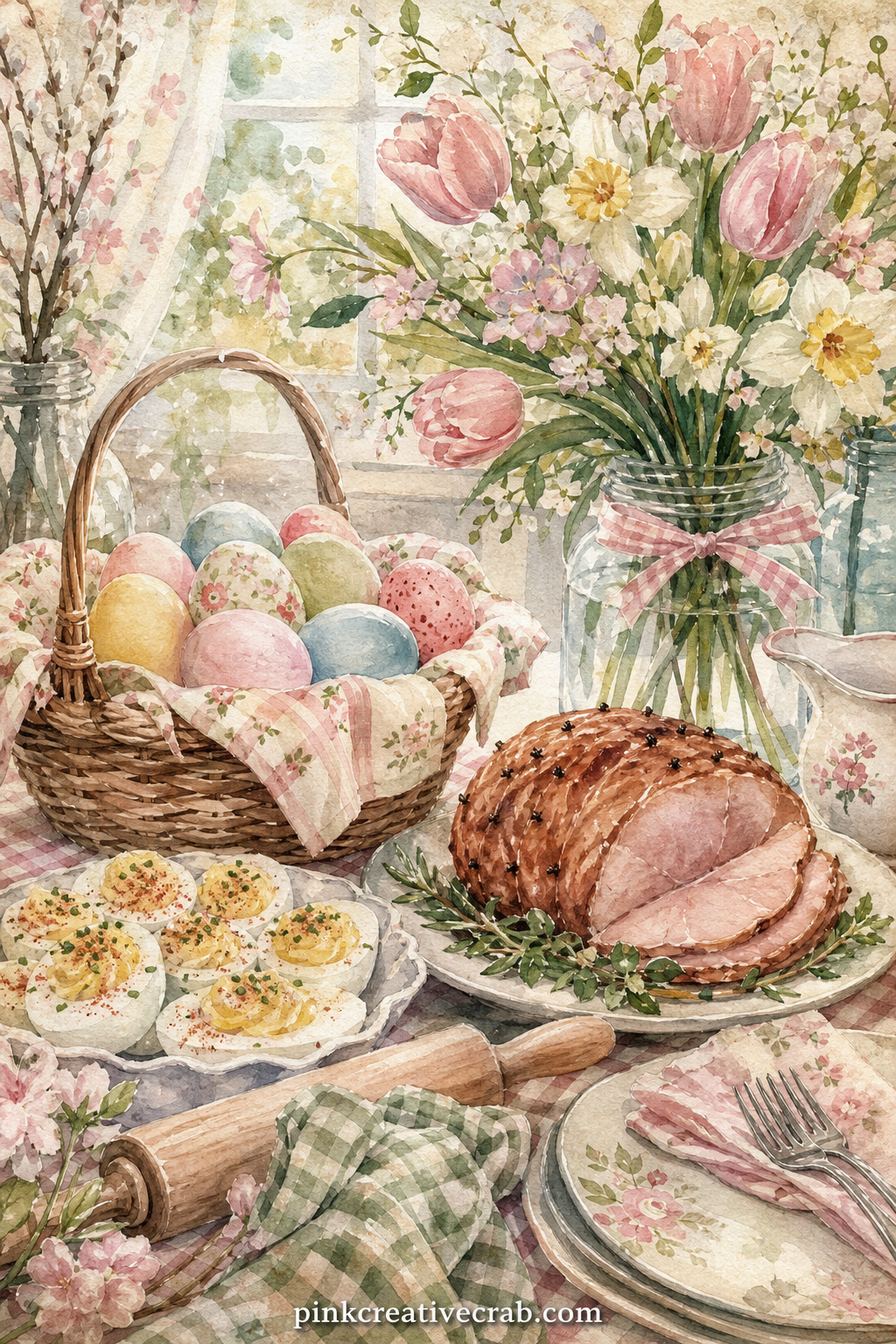
A quick five minute version of this page uses only a basket of colored eggs and a small vase of flowers, skipping the full table setting and still reading clearly as a spring holiday page.
Keepsake and Memory Pages
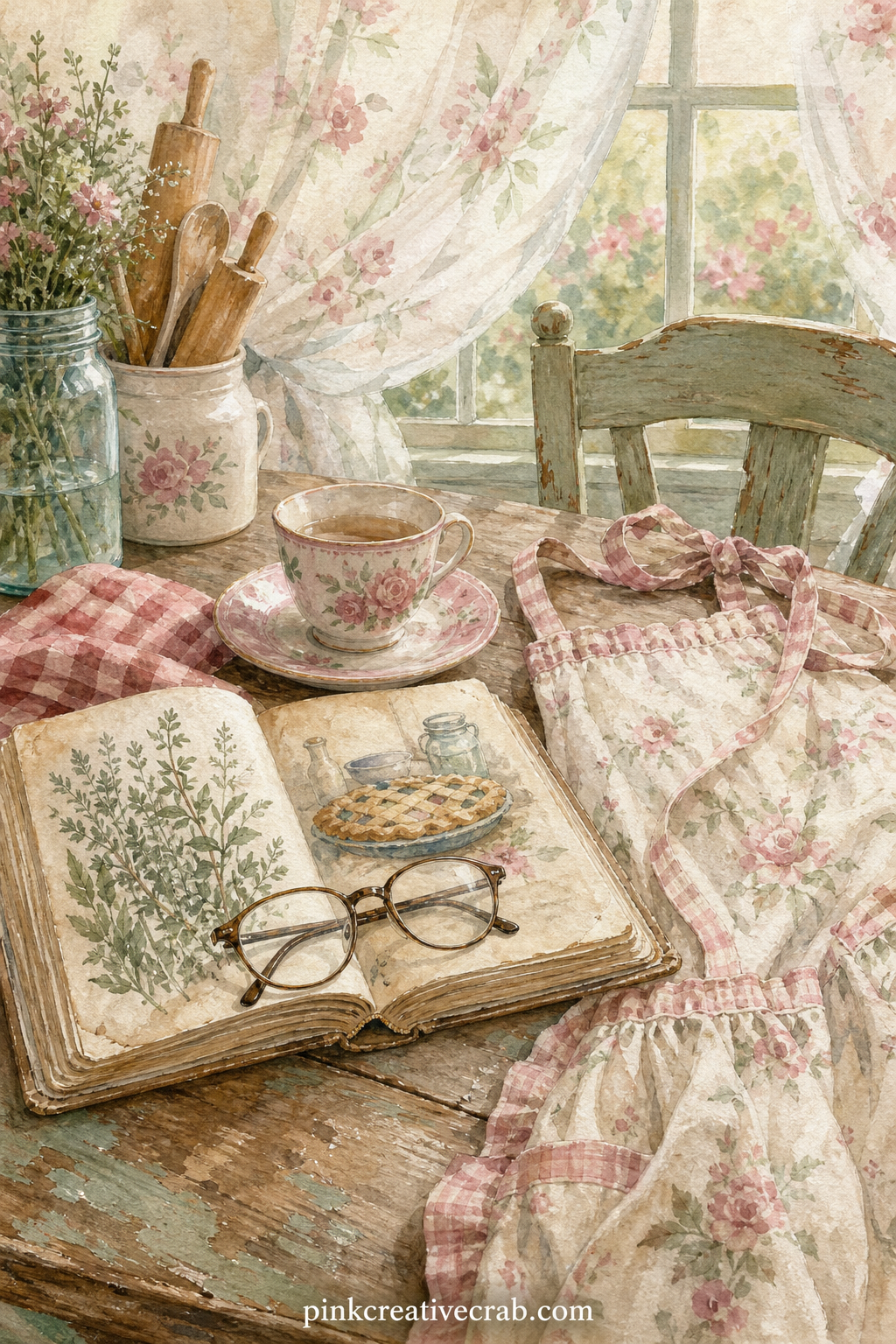
Center this page on an empty kitchen table rather than a dish, with a single teacup and a folded apron left on it as if someone just stepped away.
Leave the space above it blank for a short written memory rather than a recipe, since not every page in a cookbook journal needs a dish attached to it.
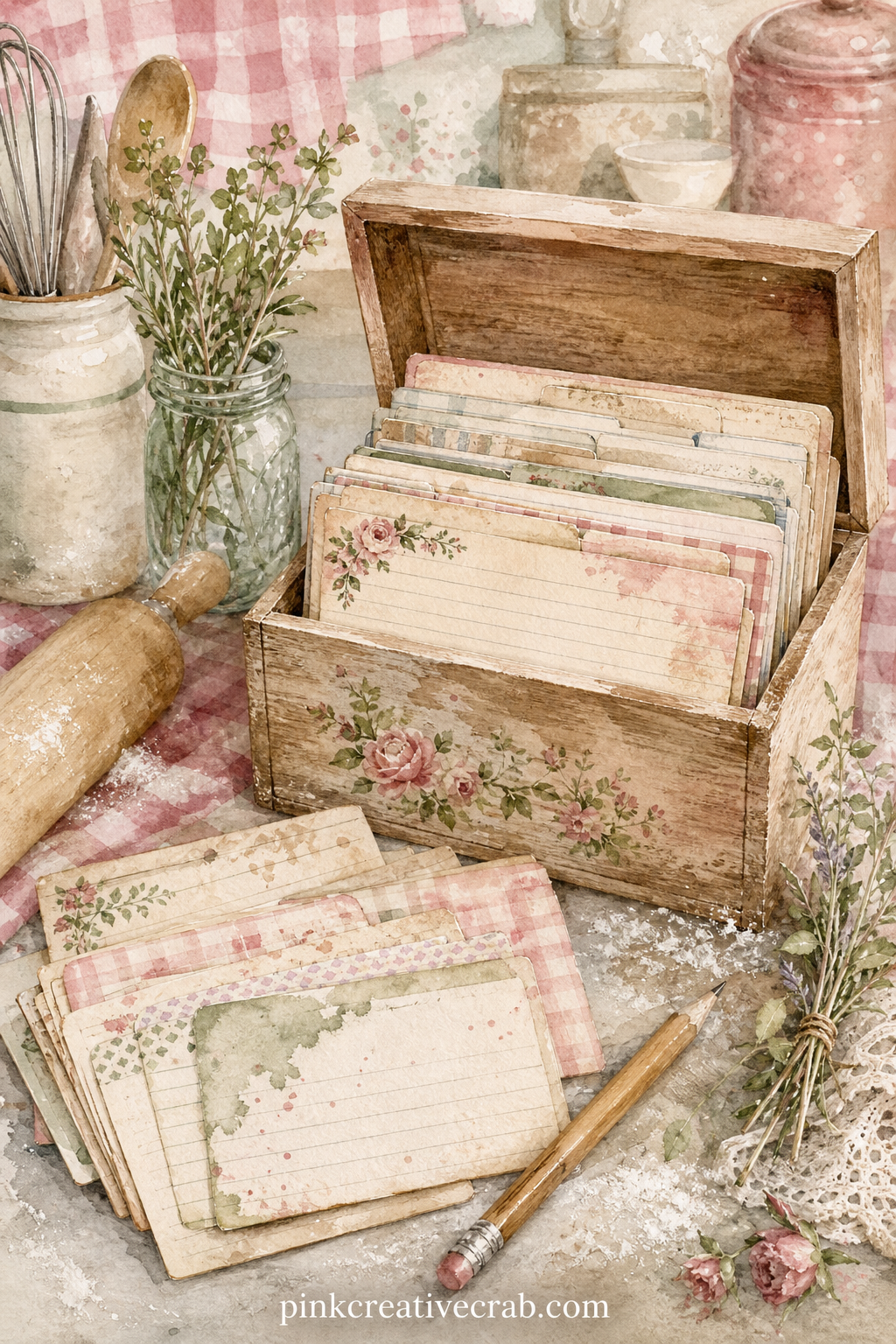
Glue a small paper flap shaped like an index card drawer front over part of this page, so lifting it reveals a short written note about whose recipe box it came from.
Write a short prompt at the top for the entry: what one piece of kitchen advice should pass on to whoever reads this journal next.
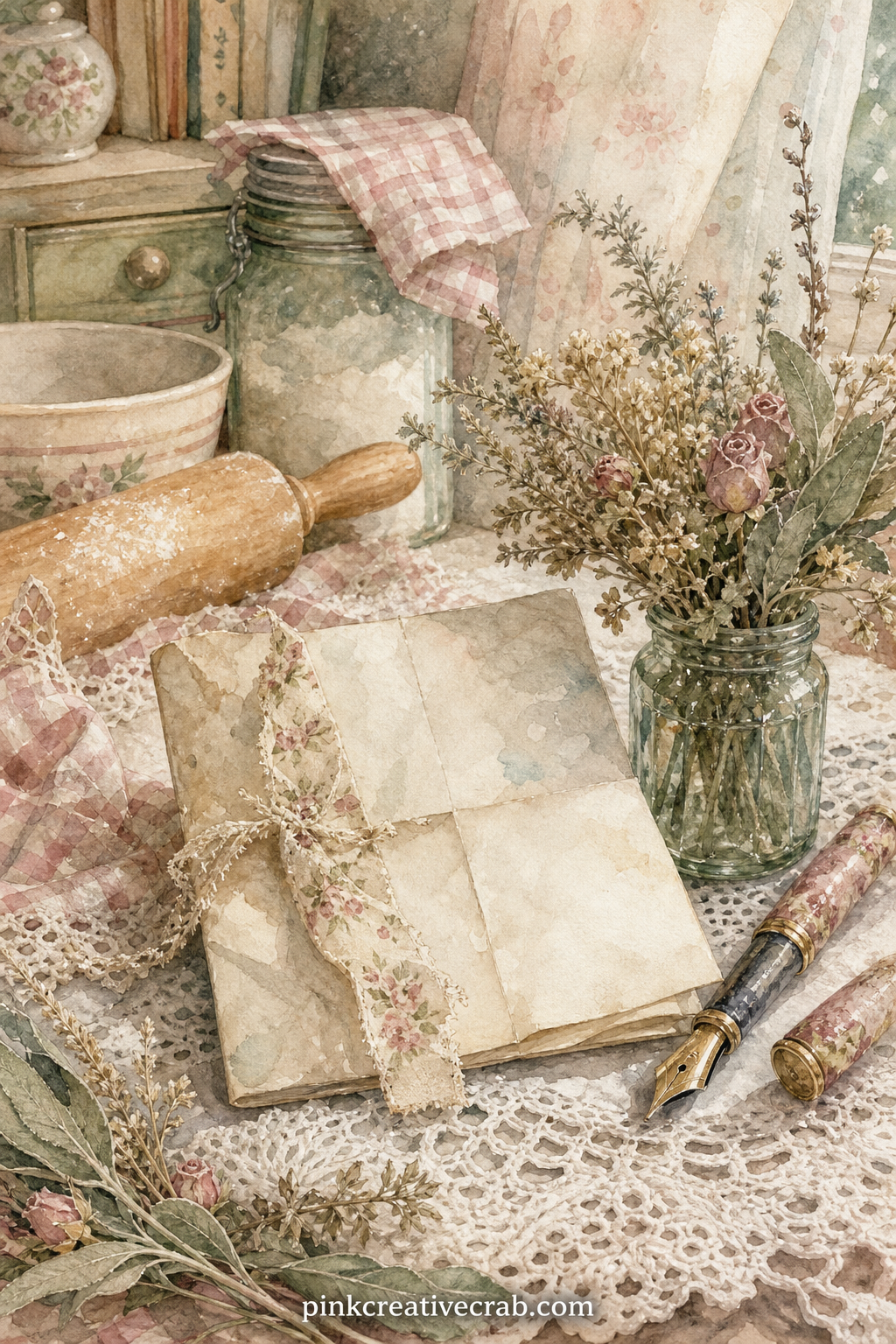
Leave most of the lower page open and plain beneath the painted border, since a letter like this needs room to run longer than a single recipe would.
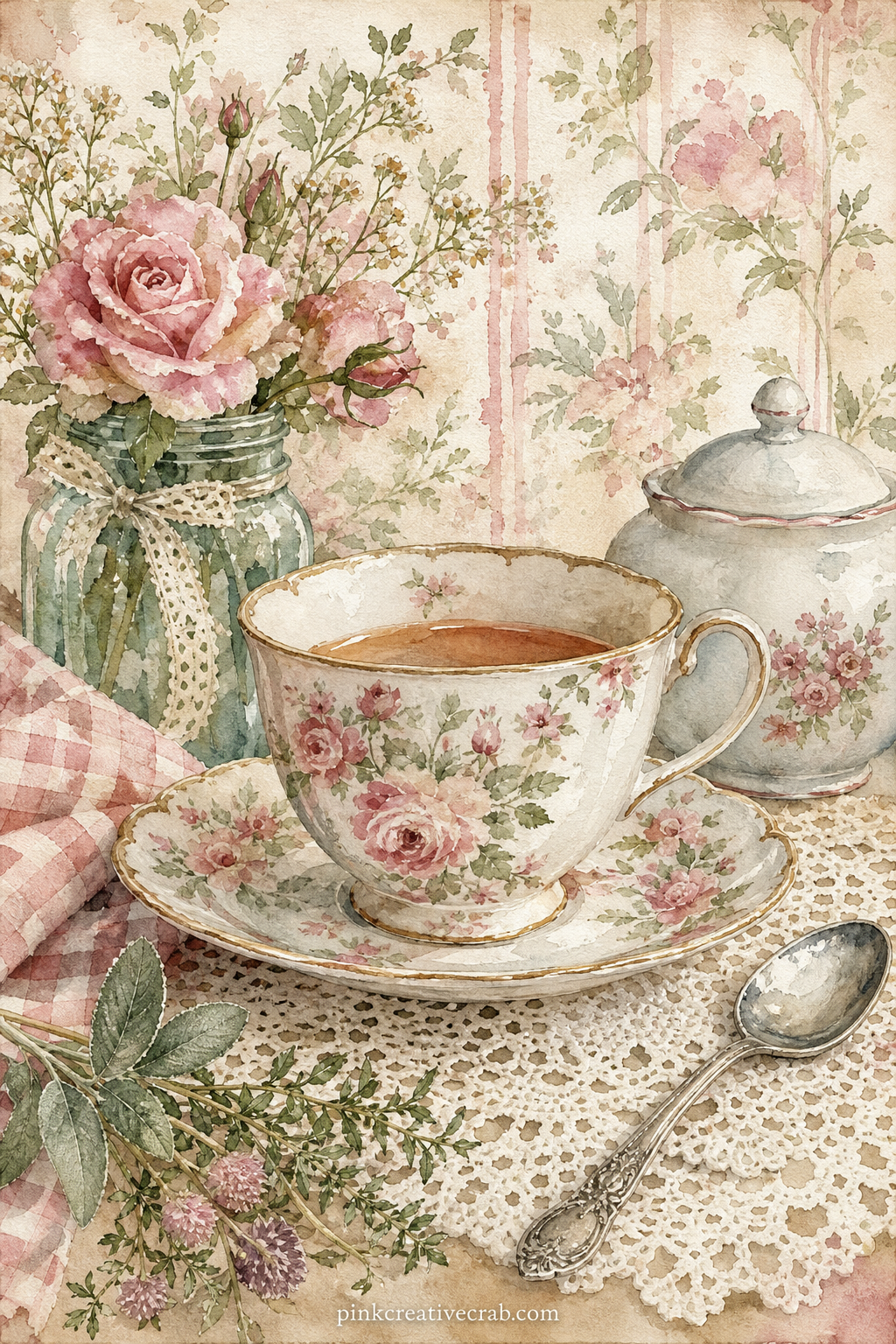
Tea-stain the edges of this page by brushing on cooled tea and letting it dry before printing nearby pages, so the stain matches the teacup theme already painted on it.
The usual mistake with a technique page is writing out every step in tiny cramped text; keep only three or four key steps here and let a separate lined page hold the full method.
Background Papers
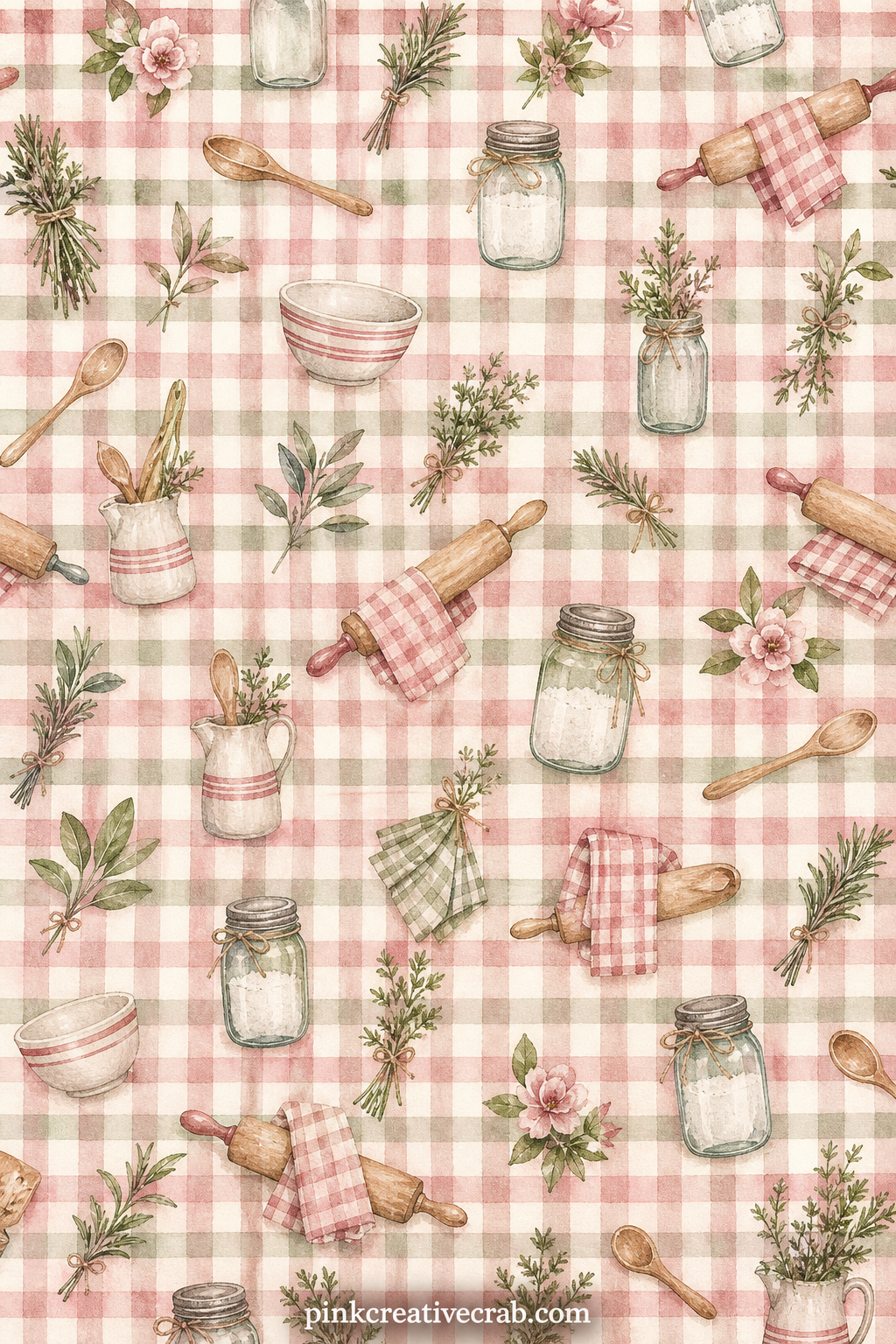
Pair this page with the Gingham Kitchen Pattern background, folding a corner of that background into a small triangle pocket glued to hold a real grocery list or receipt.
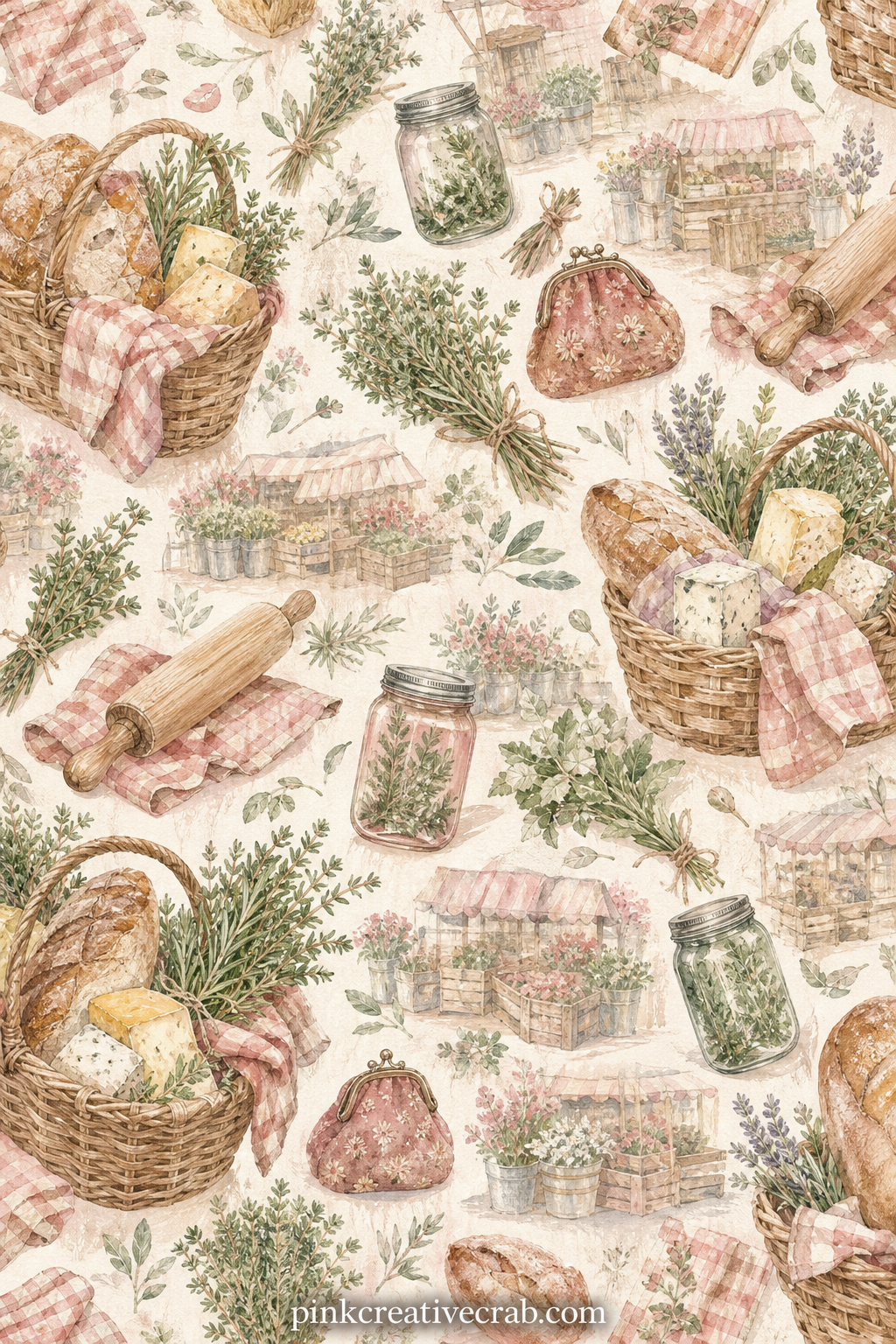
Rows of small painted mason jars with lids repeat edge to edge in the kit’s dusty rose and sage palette. Use it under a canning photo, as a pocket lining for the Canning Jars page, or as a journal cover.
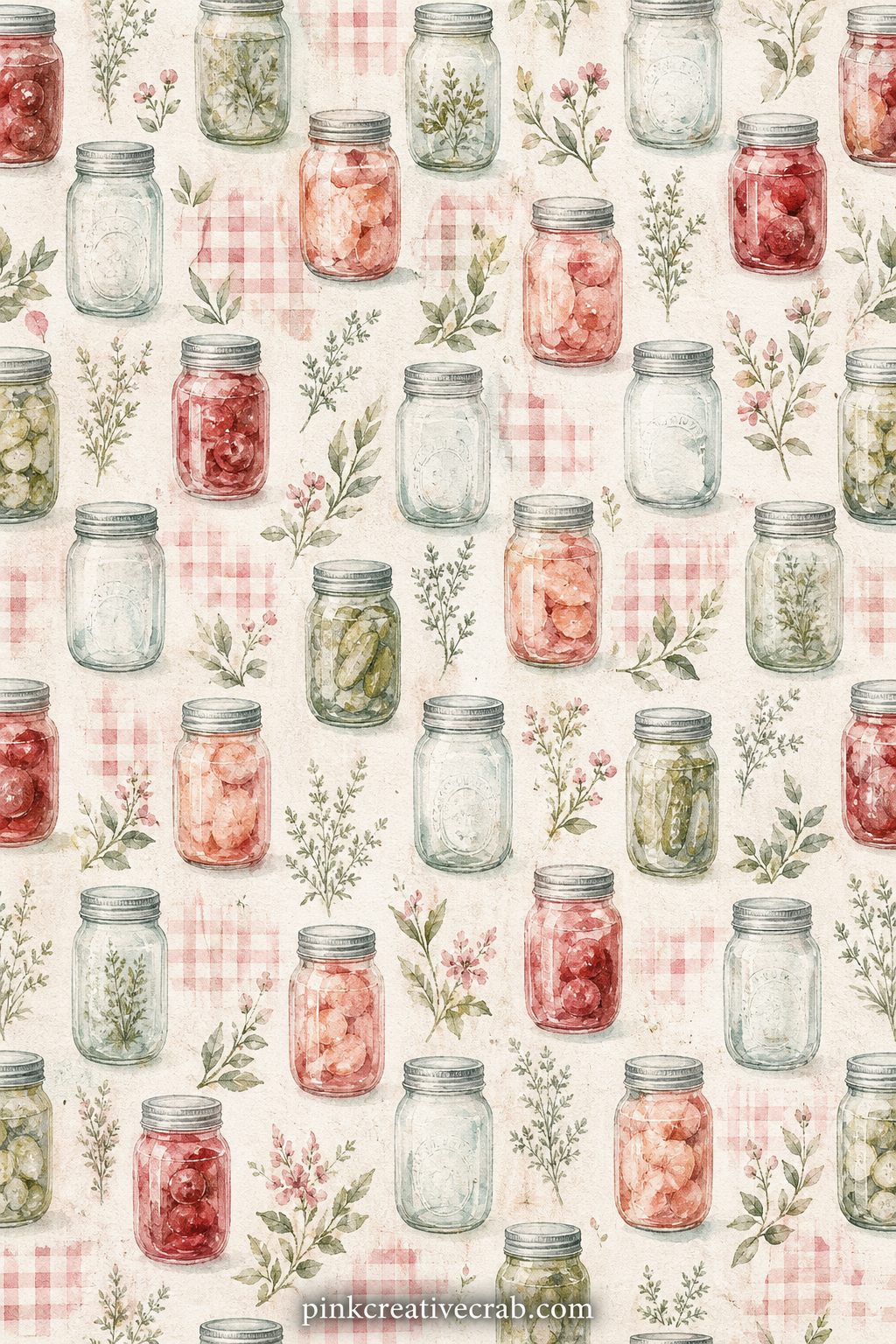
A soft woven gingham check in cream and dusty rose covers the sheet corner to corner. It works well behind a recipe photo, folded into a small pocket, or trimmed as a border strip for any scene page.
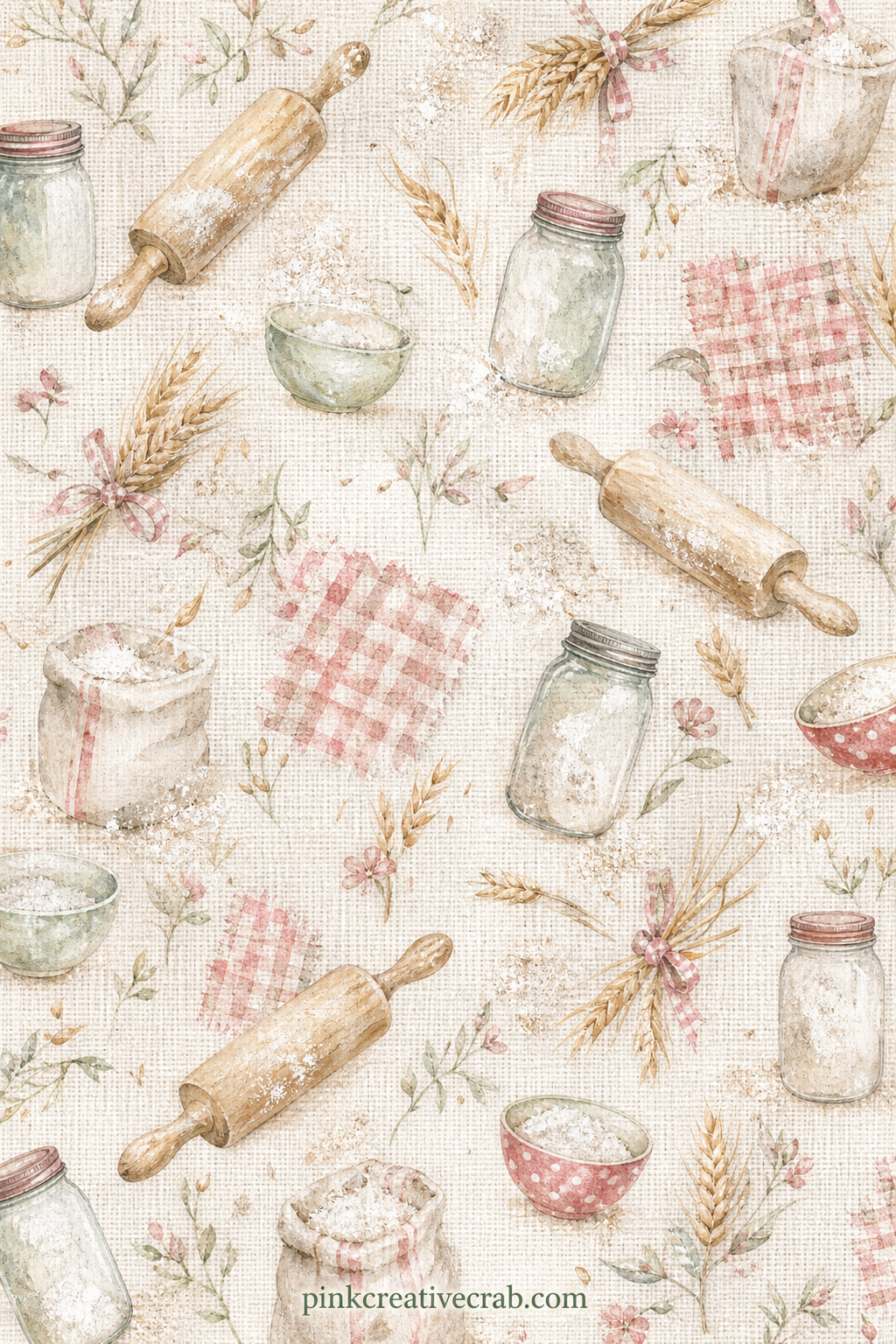
A soft linen-weave texture with faint flour dust and a few scattered wheat sprigs repeats across the page. Use it under bread photos, as a wrap for a recipe pocket, or as the cover of the whole journal.
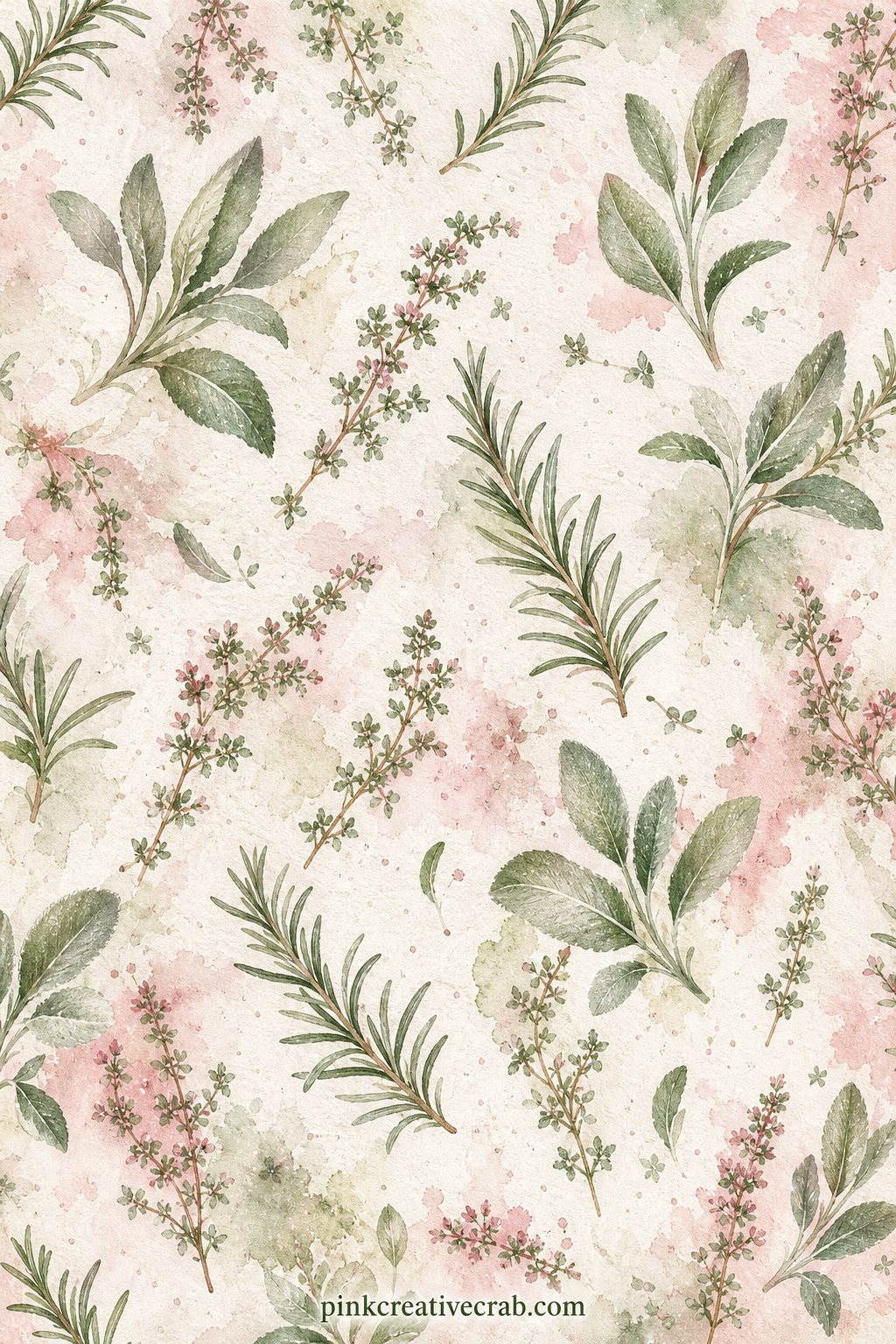
Small sprigs of rosemary, thyme and sage scatter loosely across the page in a repeating pattern. This suits a pocket lining for the Herb Window Box page, a divider between sections, or a journal back cover.
Lined Writing Pages
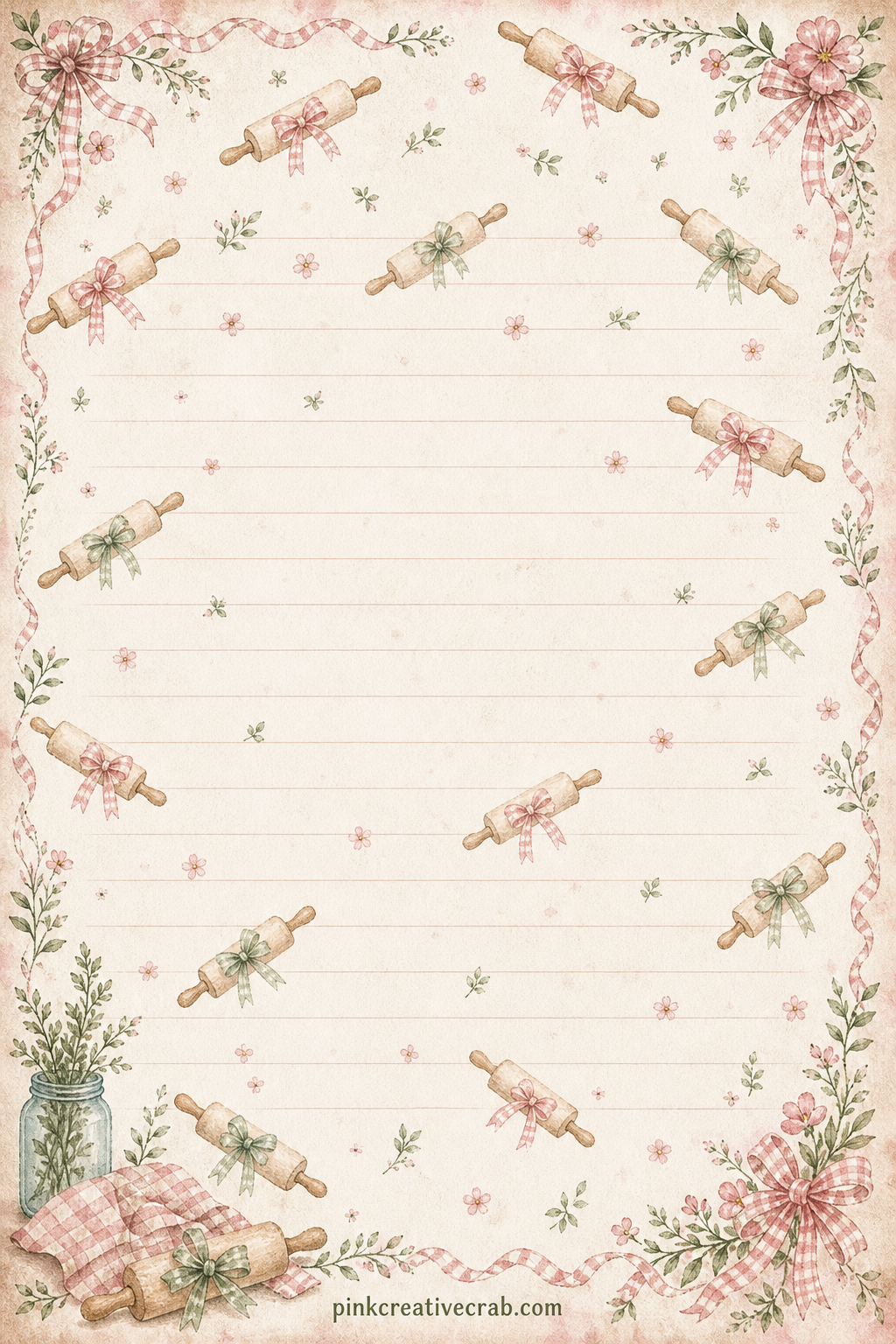
Small rolling pins tied with ribbon repeat in a soft all-over pattern across the sheet. Use it behind a baking photo, as a pocket for the Pie Crust page, or as a divider page between journal sections.
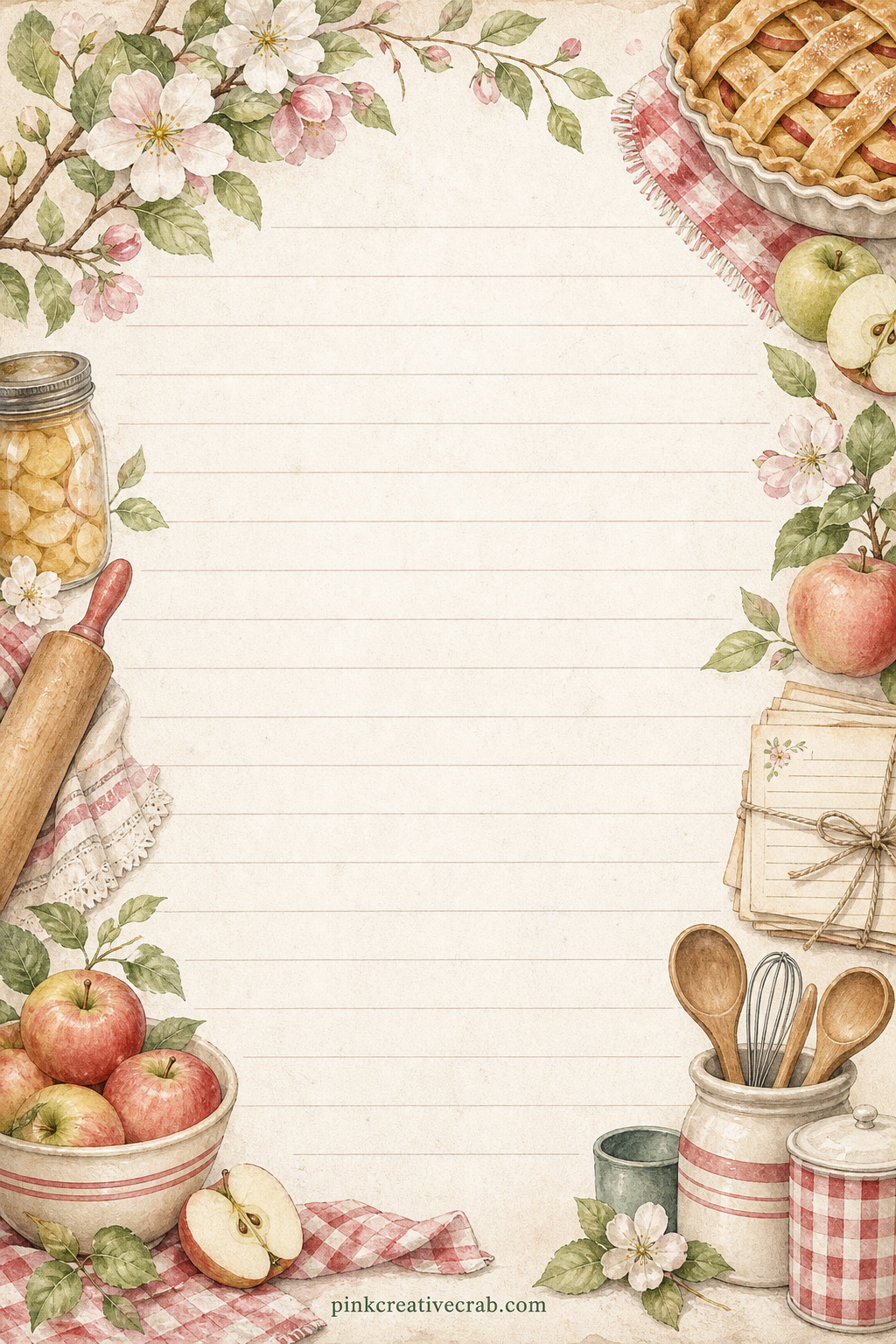
A corner spray of apple blossoms borders ruled lines in the middle of the page. Use it to write out the full pie recipe, a note on whose kitchen it came from, or the first time it was baked.
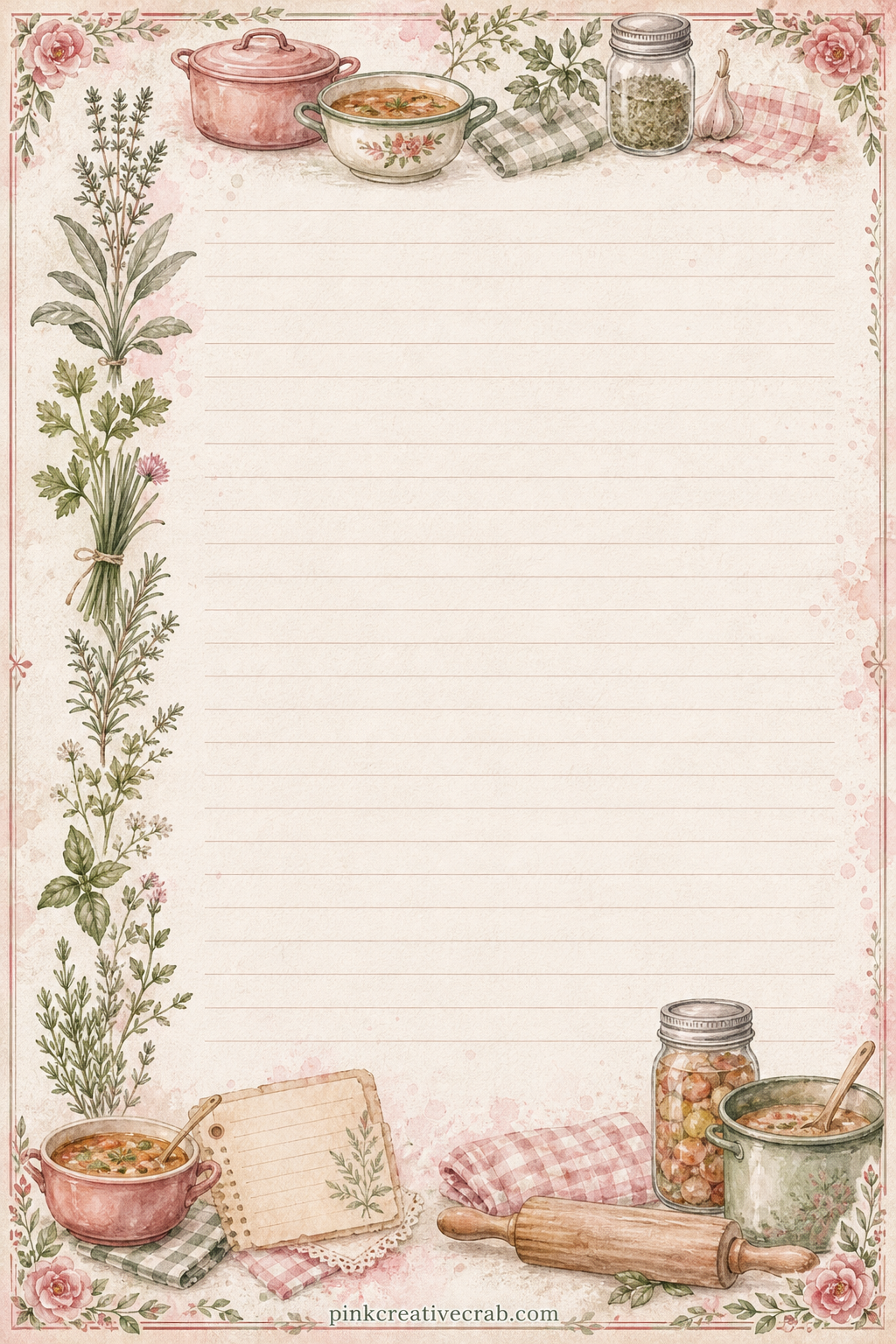
A thin band of herb sprigs runs down the left side of this lined page. Fill it with a soup recipe, a winter menu plan, or a note about which bowl always went to which family member.
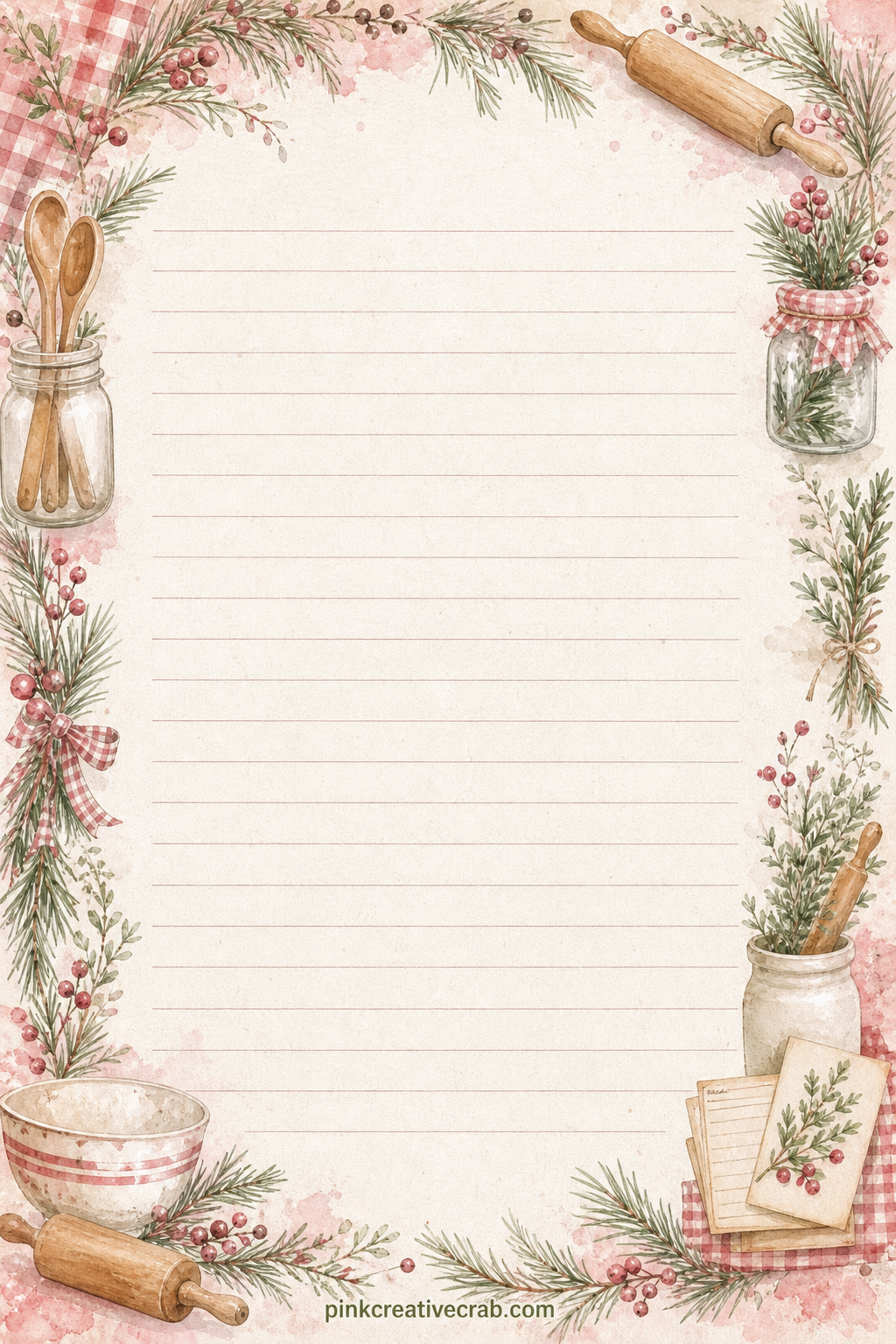
A frame of tiny pine sprigs and berries borders the ruled lines on this page. Use it for a full holiday menu, a gift list for the cook in the family, or a letter to next year about what to change.
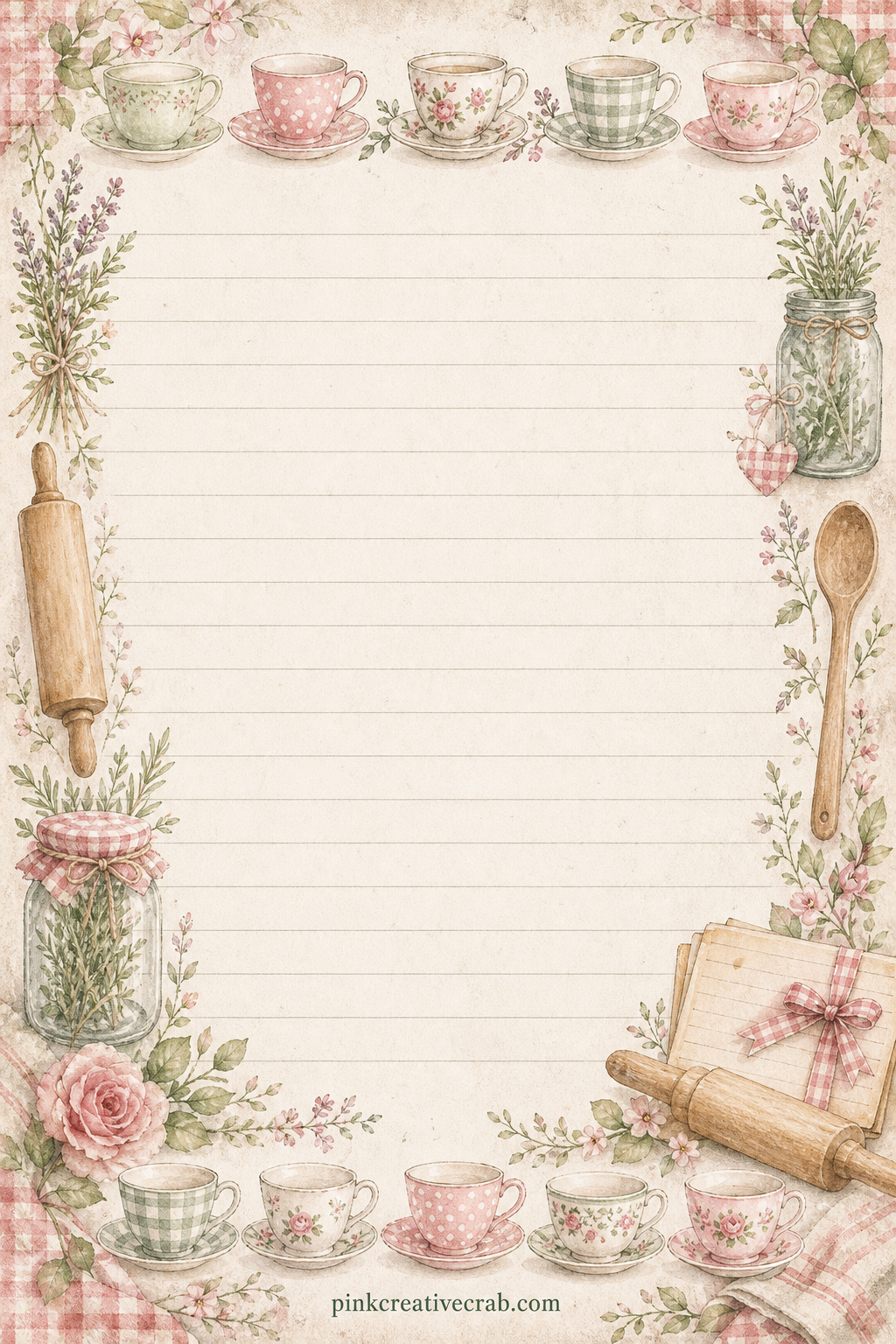
Delicate teacups and saucers border the top and bottom of this lined page. Write a kitchen memory here, a short biography of the cook who inspired the journal, or a list of her favorite sayings.
What to Do Next
Print the full set, trim it down, and start with whichever dish holds the strongest memory, then let the rest of the kitchen stories fill in around it one page at a time.
Frequently Asked Questions
What paper works best for a cookbook junk journal kit like this one?
Heavyweight matte cardstock, at least 24 lb or a true cardstock weight, holds up best to glue, tape and the occasional tea stain. Plain printer paper tends to wrinkle or let ink show through once pages are handled and assembled into a journal.
What printer settings give the best results for these pages?
Choose the highest quality or photo setting available and match the paper type to cardstock or heavyweight matte in the printer menu. This keeps the soft watercolor washes smooth and prevents banding or faded color across the full page.
What size should the pages be trimmed to?
Standard letter size, 8.5 by 11 inches, works for most home-bound journals and fits easily into a three ring binder or disc system. For a smaller handheld journal, trim each page down to half letter or A5 after printing.
Can real recipe cards and photos be glued onto these pages?
Yes, that is the whole point of the design. Leave space on scene pages for a photocopy or original card, and use an acid free glue stick so old paper does not yellow or warp over time.
What do I use to color or finish the printed pages?
The pages print in full color already, so no coloring is needed. A fine tip pen works well for handwritten notes, and small fabric scraps or washi tape finish off the pockets and borders nicely.
Have any thoughts?
Share your reaction or leave a quick response — we’d love to hear what you think!
-
 0
0 -
0
-
0
-
0
-
0
-
0


