⭐ Key Takeaways
✦ Starting with simple single-stem flowers like a lavender sprig or single sunflower builds foundational line confidence faster than complex scenes.
✦ Adding small details like a tied bow or calligraphy text transforms a basic flower sketch into a finished, frameable piece without extra skill.
✦ Repeating the same botanical subject in different styles across sketchbook pages is one of the most effective ways beginners build their own artistic voice.
These flower sketchbook ideas are exactly what your sketchbook has been waiting for — no experience needed, just a pencil and a little curiosity. Whether you have been staring at a blank page for weeks or you just picked up your first sketchbook yesterday, this list was made with you in mind. Each idea is gentle, achievable, and genuinely fun to try.
Additionally, botanical sketching is one of the most forgiving art styles out there. However intimidating flowers might look in real life, breaking them into simple shapes makes everything so much easier. Therefore, every idea below starts from that same friendly place — simple, joyful, and absolutely brimming with springtime charm. Grab your pencil, open to a fresh page, and let’s fill that sketchbook together.
Table of Contents
- This Lavender Sprig Is Almost Too Pretty to Be This Easy
- Meet the Black-Eyed Susan of Your Cottagecore Sketching Dreams
- How a Few Loose Strokes Become a Stunning Orange Cosmos Daisy
- Nobody Will Believe You Drew This Purple Berry Branch as a Beginner
- The Dreamy Red Berry Branch That Belongs on Your Sketchbook Wall
- Peony Bloom Sketches So Gorgeous You Will Want to Fill Every Page
- Why the Echinacea Coneflower Is the Most Satisfying Thing to Sketch Today
- Wildflower Magic: Sketching a Yellow Wildflower Cluster Has Never Felt This Good
- The Small Yellow Daisy Bouquet Tied With a Bow That Will Make You Look Like a Pro
- Effortless and Enchanting — the Purple Ball-Tip Branch You Need in Your Sketchbook
- Cozy Lavender Bluebell Clusters Are the Flower Sketchbook Ideas You Did Not Know You Needed
- Everyone Will Think You Traced This Single Sunflower It Looks So Perfect
- Scribbling Calligraphy Flores Into Your Botanical Pages Is Pure Sketchbook Joy
- Irresistible Green Leaves and Stems That Turn Any Flower Sketch Into a Full Scene
- Tiny Red Buds Are the Secret Detail That Makes Every Sketchbook Page Look Complete
- These Flower Sketchbook Ideas Prove You Do Not Need Fancy Skills to Make Beautiful Art
- Magical and Minimal — Sketching a Single Wildflower Sprig in Under 10 Minutes
- The Dreamy Botanical Cluster Sketch That Feels Like a Walk Through a Spring Garden
- Stunning Berry Branch Combos That Transform a Blank Page Into Something Frame-Worthy
- 3 Simple Flower Sketchbook Ideas That Beginners Always Fall in Love With Immediately
- Your Most Beautiful Sketchbook Page Yet Starts With One Tiny Blossom
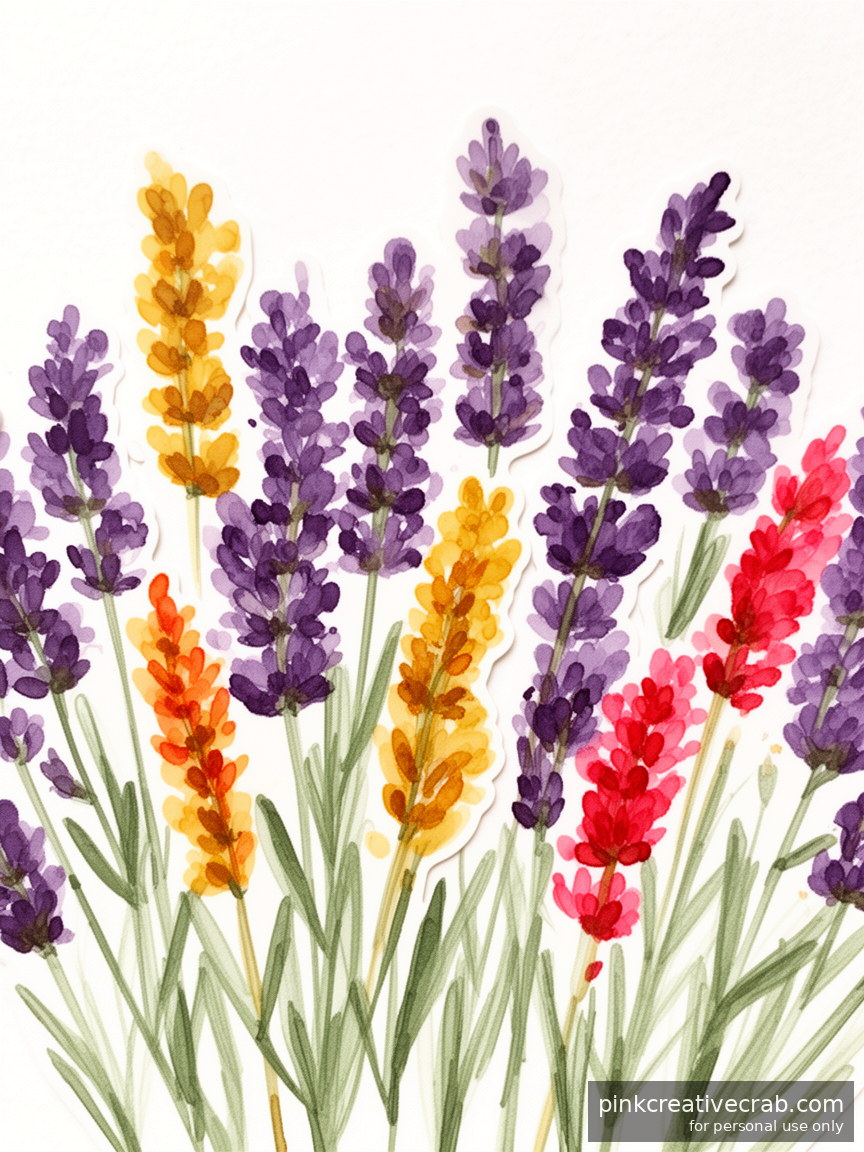
This Lavender Sprig Is Almost Too Pretty to Be This Easy
Lavender is honestly one of the best flowers to start with. The stems are simple, the tiny blooms repeat in a gentle rhythm, and there’s no pressure to get every petal perfect. Even a wobbly line looks charming here.
Start by drawing a long, slightly curved stem. Then add small oval clusters along the top, staggering them loosely as you go up. Additionally, a few small leaf shapes along the stem make the whole thing feel full and alive. You truly cannot mess this up.
For the softest shading, try blending a light purple with a warm gray on the tips of each cluster. The result feels almost dreamy. Therefore, grab a set of watercolor pencils for beginners and let this little lavender sprig be your very first win.
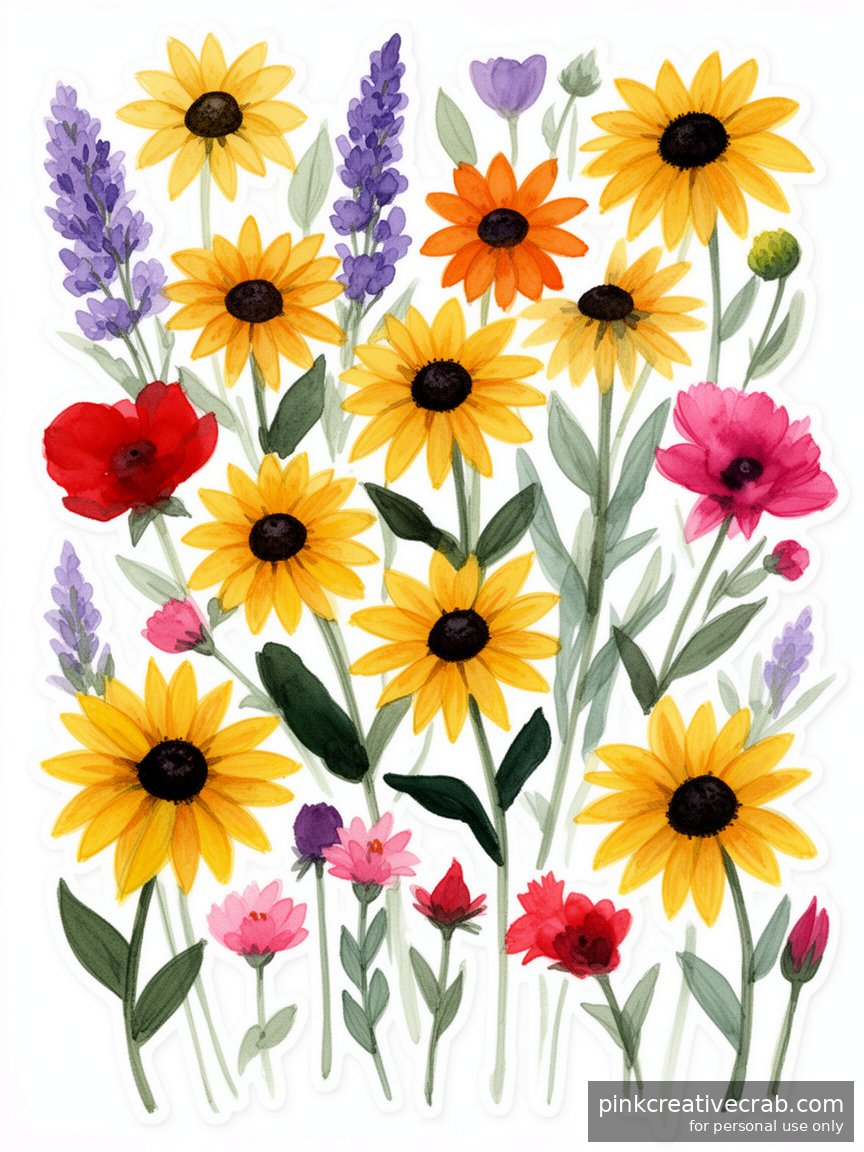
Meet the Black-Eyed Susan of Your Cottagecore Sketching Dreams
Black-eyed Susans are cheerful, bold, and surprisingly beginner-friendly. Those golden yellow petals radiate outward from a dark center like sunshine itself, and the whole shape is easy to map out with simple oval strokes. You are going to love how quickly this comes together.
Begin with a small dark circle in the center. From there, pull out long, slightly pointed petals all around it. Meanwhile, varying the petal length just a tiny bit adds life and movement without any extra effort. A few leaves at the base ground the whole sketch beautifully.
Shading the center with short, dense marks gives it wonderful texture. Additionally, pressing harder on the outer edges of each petal creates natural depth. For this one, a set of sketching pencils for beginners will give you all the range you need to make this beauty shine.
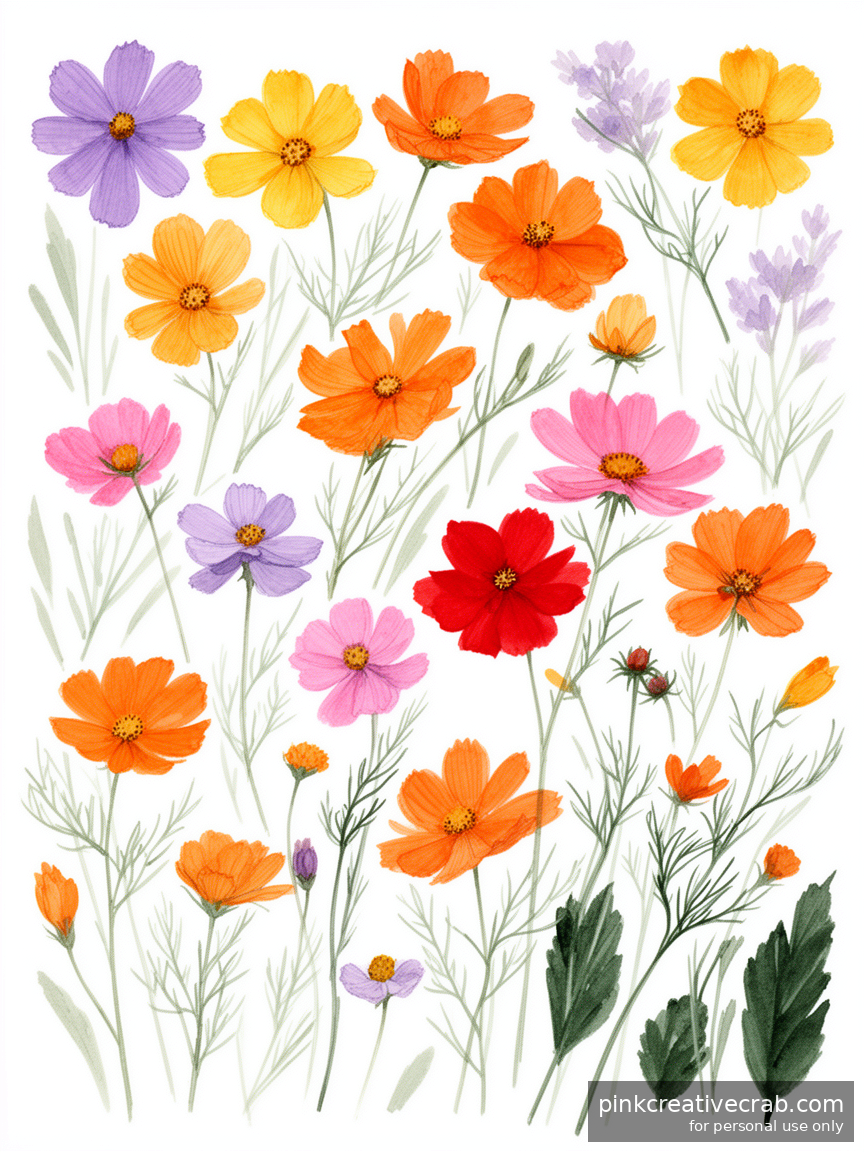
How a Few Loose Strokes Become a Stunning Orange Cosmos Daisy
Cosmos daisies are wonderfully forgiving flowers to sketch. Their petals are light and airy, and loose, imperfect lines actually make them look more natural. Therefore, this is a perfect subject for anyone who worries their hand is not steady enough.
Sketch a small circular center first. Then let your pencil dance outward with long, gently curved petals. However, do not overthink the spacing — uneven gaps between petals make the flower feel like it is swaying in a breeze. Add a thin, slightly curved stem and a couple of simple leaves.
For color, an orange cosmos looks absolutely stunning with just a touch of hot pink blended toward the center. As a result, the whole sketch comes alive with very little effort. Try using blending stumps and colored pencils to achieve that soft, petal-like gradient beautifully.
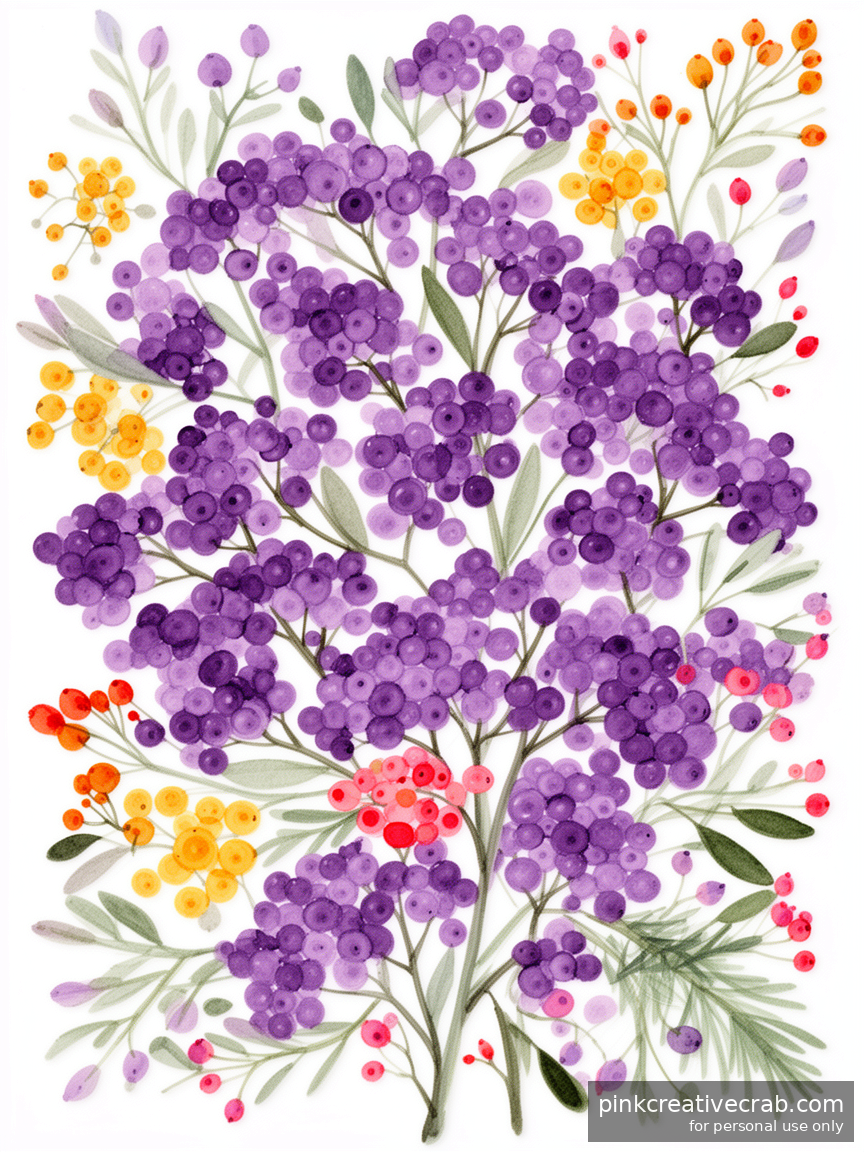
Nobody Will Believe You Drew This Purple Berry Branch as a Beginner
Berry branches look impressive, but here is a little secret — they are just circles on sticks. Small clusters of round berries sit along thin branching stems, and the whole thing comes together faster than you would ever expect. You are going to feel so proud of this one.
Start with a main curved branch. From there, add smaller offshoots going in different directions. Additionally, draw small circular berries clustered at the tips, varying the cluster sizes for a natural feel. A few tiny oval leaves here and there complete the look perfectly.
Shading each berry with a small highlight circle makes them look three-dimensional and lush. Meanwhile, darkening the spaces between berries adds depth without any complicated technique. Grab some fine liner pens for sketching to outline your berries and really make those gorgeous purple clusters pop off the page.
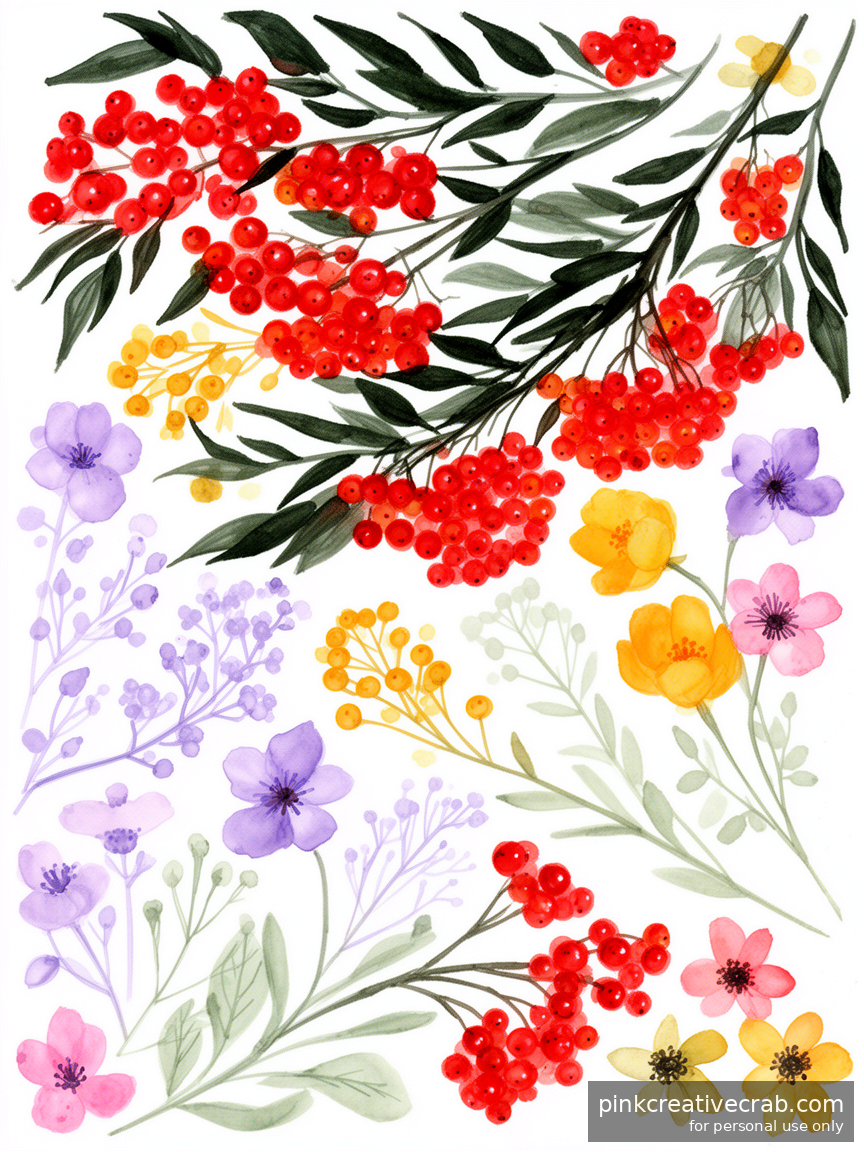
The Dreamy Red Berry Branch That Belongs on Your Sketchbook Wall
There is something deeply satisfying about a red berry branch sketch. The bold color, the delicate branching pattern, the little round berries — all of it comes together into something that genuinely looks like art you would frame. And yes, you can absolutely draw this as a beginner.
Begin with a flowing main stem that curves slightly to one side. Then branch out with smaller stems in a natural, organic way. For example, think of how a real tree branches — never perfectly symmetrical, always a little wild. Add berries in small tight clusters, varying how many are in each group.
Red berries look incredible with just a tiny white highlight on each one. Additionally, deep forest green leaves alongside the red create a stunning contrast that makes the whole sketch pop. Use a sketchbook with thick pages so your colors stay vibrant and your page stays flat and beautiful.
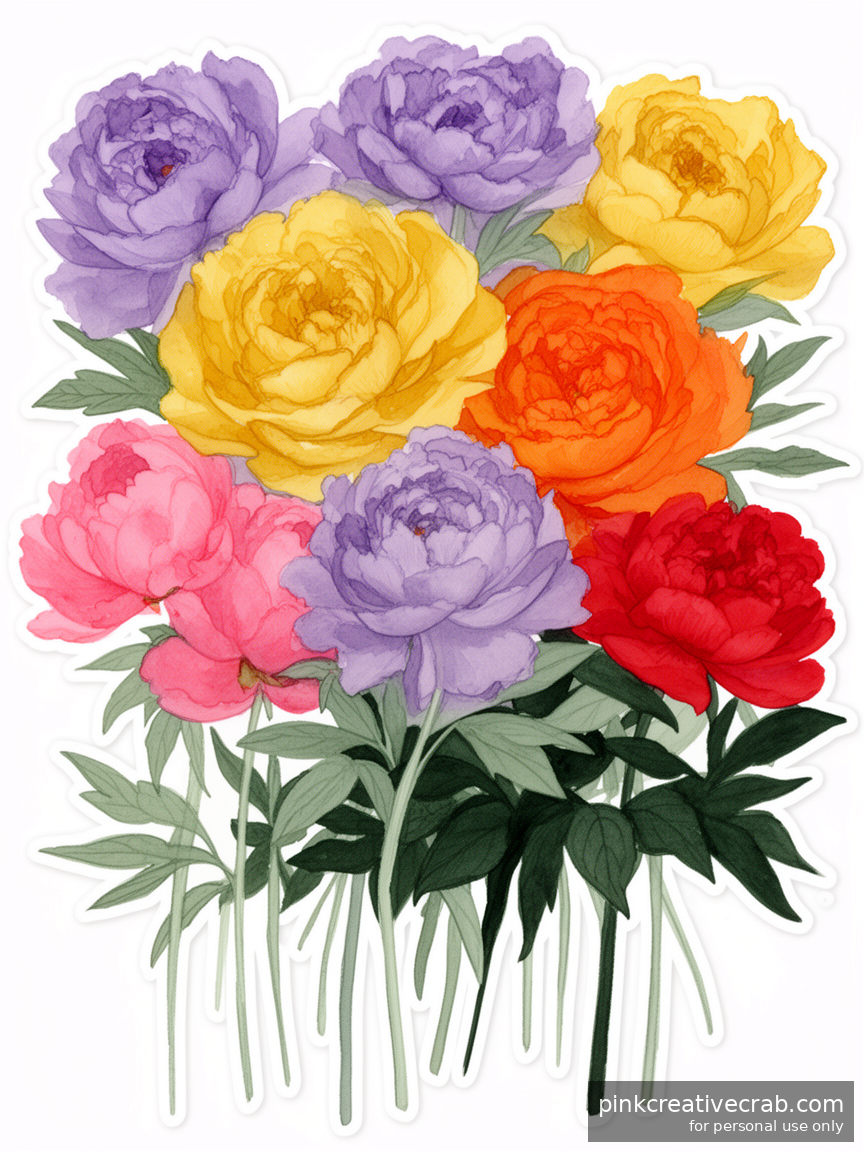
Peony Bloom Sketches So Gorgeous You Will Want to Fill Every Page
Peonies look complicated, but they are really just layers of curved petals hugging each other. Once you break it down that way, the whole thing becomes approachable and honestly really fun to draw. You might end up sketching three or four before you even realize it.
Start from the center and work outward. Draw small curved petals tightly together in the middle, then let each outer layer get a little bigger and more relaxed. However, do not aim for perfection — slightly ruffled, uneven petals are exactly what makes a peony look so lush and romantic.
Hot pink peonies are an absolute dream to color, especially when you blend toward a soft lavender on the outer petals. As a result, you get this gorgeous dimensional quality that looks truly professional. For blending magic, a set of pastel pencils for beginners will help you create those soft, romantic transitions every peony deserves.
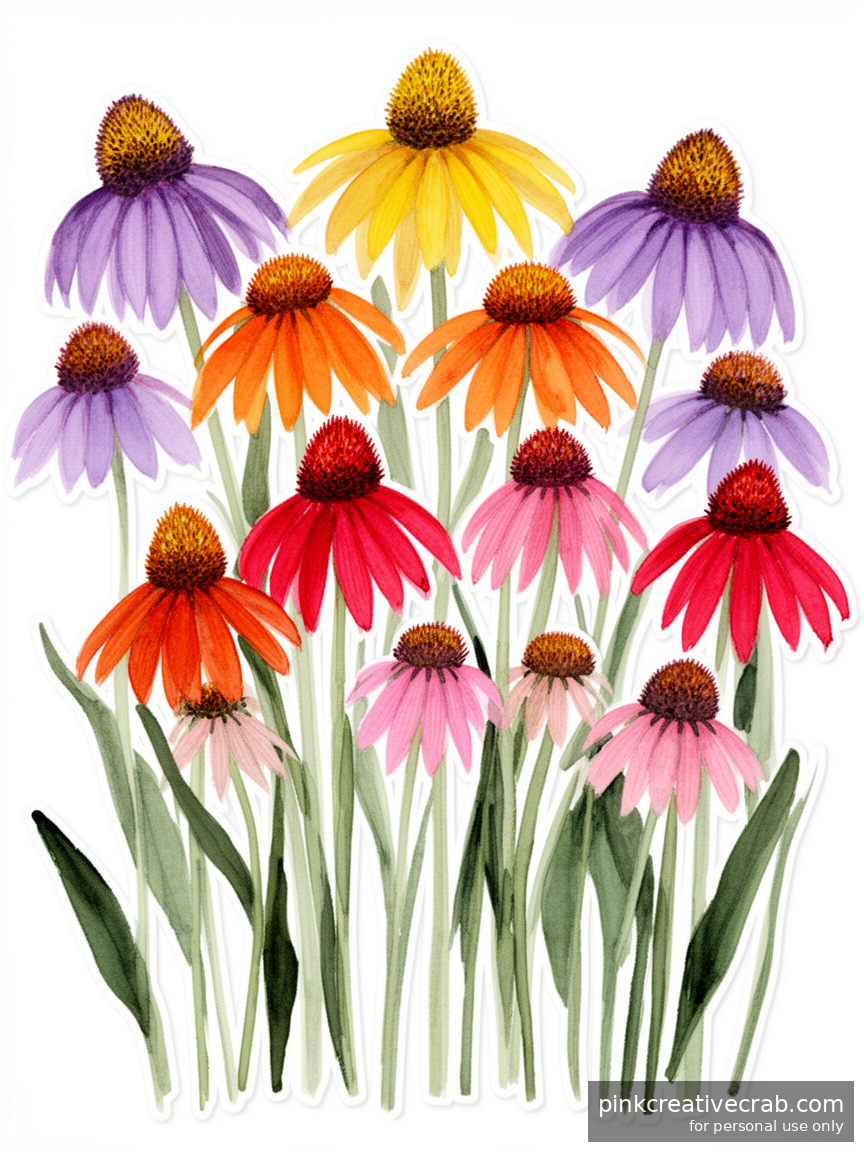
Why the Echinacea Coneflower Is the Most Satisfying Thing to Sketch Today
Echinacea coneflowers have this wonderfully bold, spiky center that is incredibly fun to draw. The drooping petals that fall away from the cone give the whole flower so much personality. Therefore, this is one of those subjects that looks impressive while being genuinely relaxing to sketch.
Draw the domed center cone first — it is almost like a little pincushion. From there, add long petals that droop downward and outward, like they are stretching after a long nap. Additionally, the slightly rough texture of the cone center can be suggested with just short, radiating pencil marks.
Hot pink petals against a golden yellow highlight on the cone create the most beautiful contrast. Meanwhile, sage green stems and leaves anchor the composition and make the flower colors really sing. For texture work, a set of drawing pencils in multiple grades gives you the control to capture every satisfying detail of this stunning wildflower.
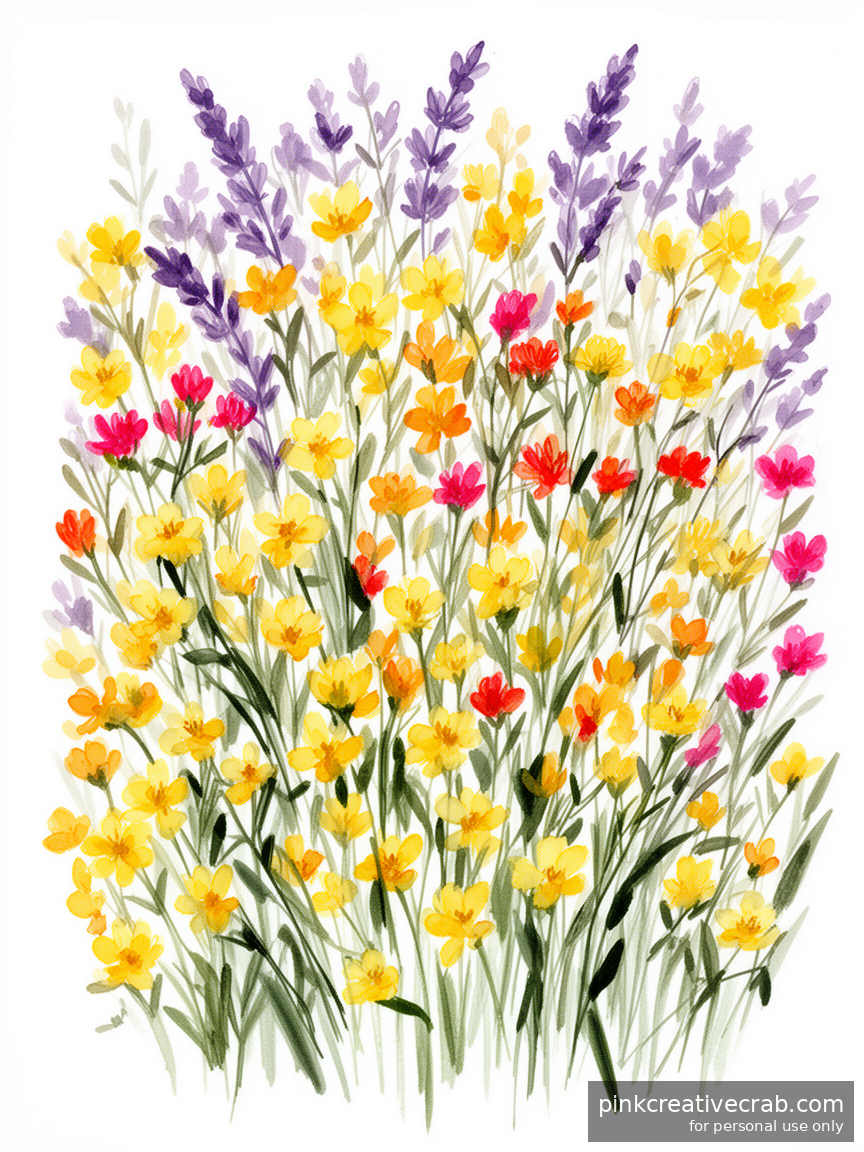
Wildflower Magic: Sketching a Yellow Wildflower Cluster Has Never Felt This Good
Wildflowers are honestly one of the best starting points for beginners. They are naturally irregular, which means every little wobbly line actually adds to the charm. Additionally, clusters let you practice repetition without pressure — no single bloom has to be perfect.
Start with a loose central stem, then branch outward with smaller ones. Each tiny flower head is just a few petals around a simple circle. However, the real magic happens when you layer them together — suddenly it looks lush and full and totally intentional.
You will be amazed how quickly this comes together. Meanwhile, keep your strokes light and playful. A great tool to try is a quality fine liner for those delicate details — check out these fine liner pens for sketching to get started.
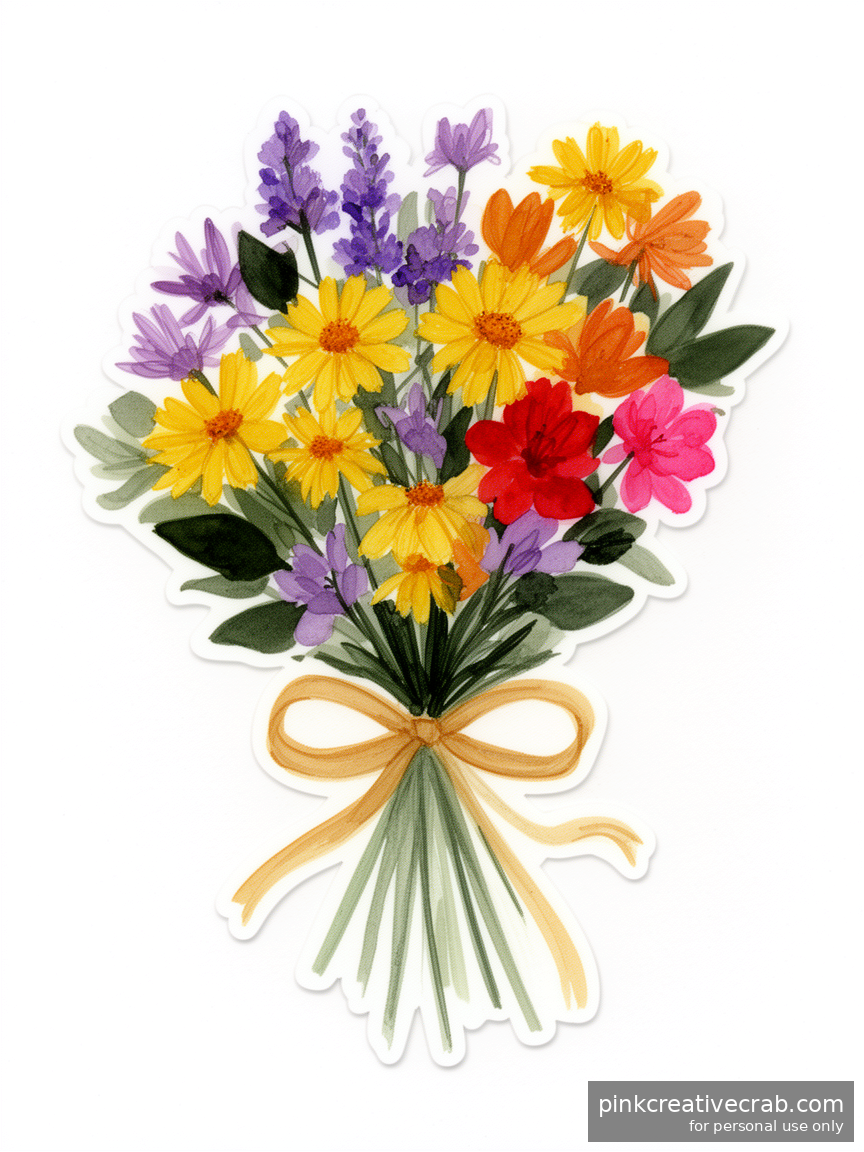
The Small Yellow Daisy Bouquet Tied With a Bow That Will Make You Look Like a Pro
There is something about a tied bouquet that instantly elevates a sketch from simple to stunning. The bow at the bottom does most of the heavy lifting — it frames the flowers and gives the whole composition a finished, intentional look. As a result, even a handful of basic daisy shapes suddenly feels like a real illustration.
Start by sketching three to five daisy heads clustered together. Daisies are wonderfully forgiving — oval petals around a round center is truly all you need. Meanwhile, let the stems gather and cross naturally below before tying them with a relaxed ribbon bow.
The bow is easier than it looks, I promise! Therefore, do not skip it — it is the detail that makes people say wow. For smooth, confident linework on those ribbon curves, try some beginner sketching pencils and pens.
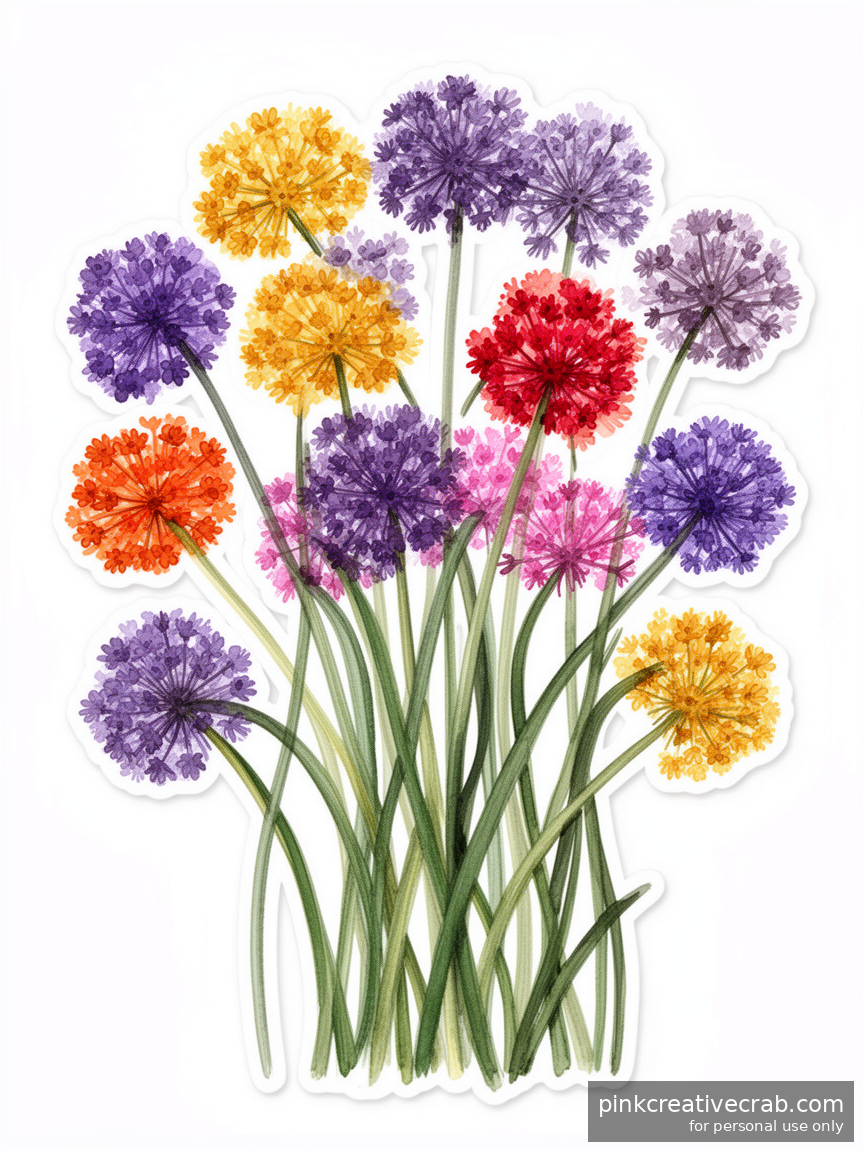
Effortless and Enchanting — the Purple Ball-Tip Branch You Need in Your Sketchbook
Have you ever seen those dreamy botanical branches with round little flower clusters at the tips? They look incredibly sophisticated, but here is the secret — they are made of circles and lines. For example, allium-style ball-tip branches are basically just small dots grouped into a sphere shape on a long elegant stem.
Start by drawing a graceful curving branch. Then add smaller offshoots at different angles. Additionally, at the end of each offshoot, lightly sketch a round cluster of tiny dots or circles — this creates that beautiful ball-tip effect that looks straight out of a fancy botanical journal.
However, do not overthink the dot clusters. Loose and organic always wins over rigid and stiff. To get that gorgeous variation in line weight on your stems, consider grabbing a set of botanical illustration pens.
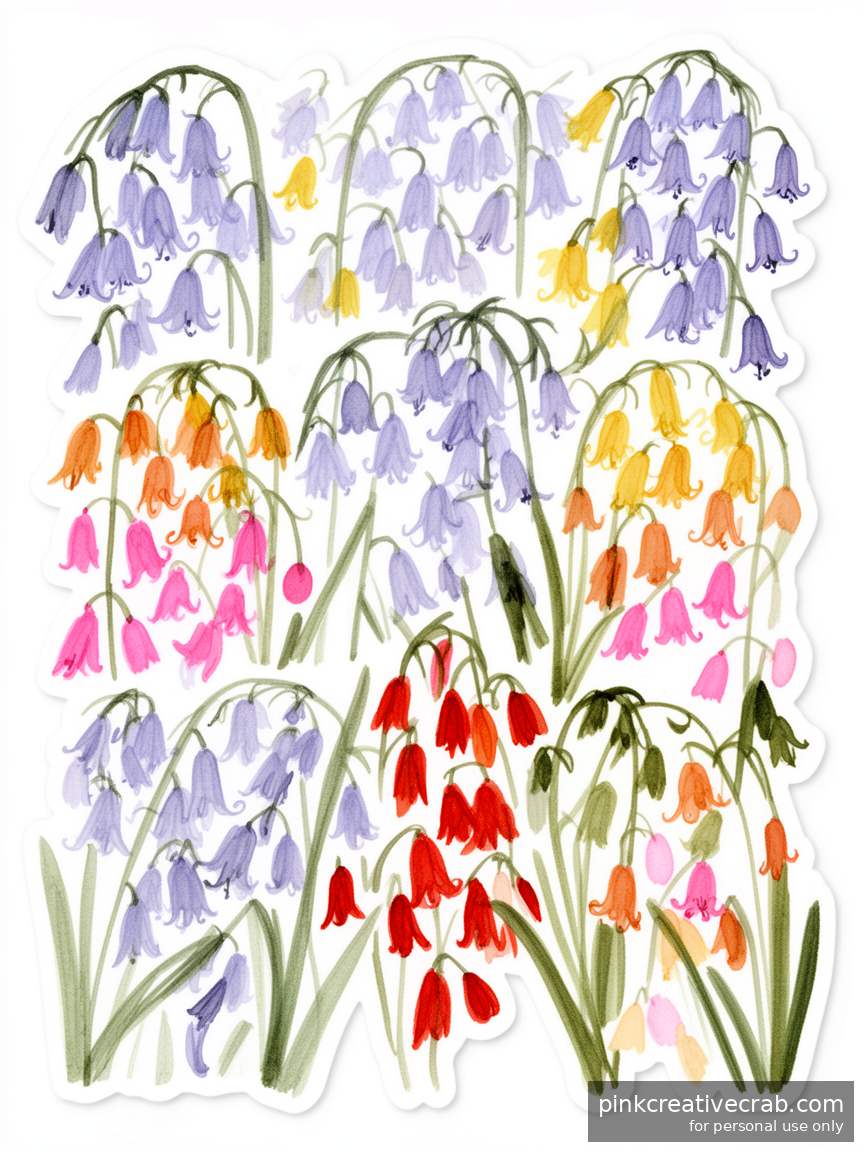
Cozy Lavender Bluebell Clusters Are the Flower Sketchbook Ideas You Did Not Know You Needed
Bluebells have this quiet, cozy energy that makes them so satisfying to sketch. Each little bell-shaped flower droops gently from its stem like it is having a peaceful nap. Therefore, the whole illustration ends up feeling soft and calming — which is exactly the vibe we want in a sketchbook page.
Drawing them is simpler than you think. Each individual bell is just a slightly flared tube shape with a few gentle lines inside. Meanwhile, arrange several of them cascading down a central arching stem to create that signature bluebell droop. Layer two or three stems together for a full cluster.
Additionally, tiny leaf shapes tucked between the bells complete the scene beautifully. This is a sketch that genuinely soothes your nervous system as you draw it. For smooth shading on those delicate bell shapes, try these blending stumps and sketch pencils.
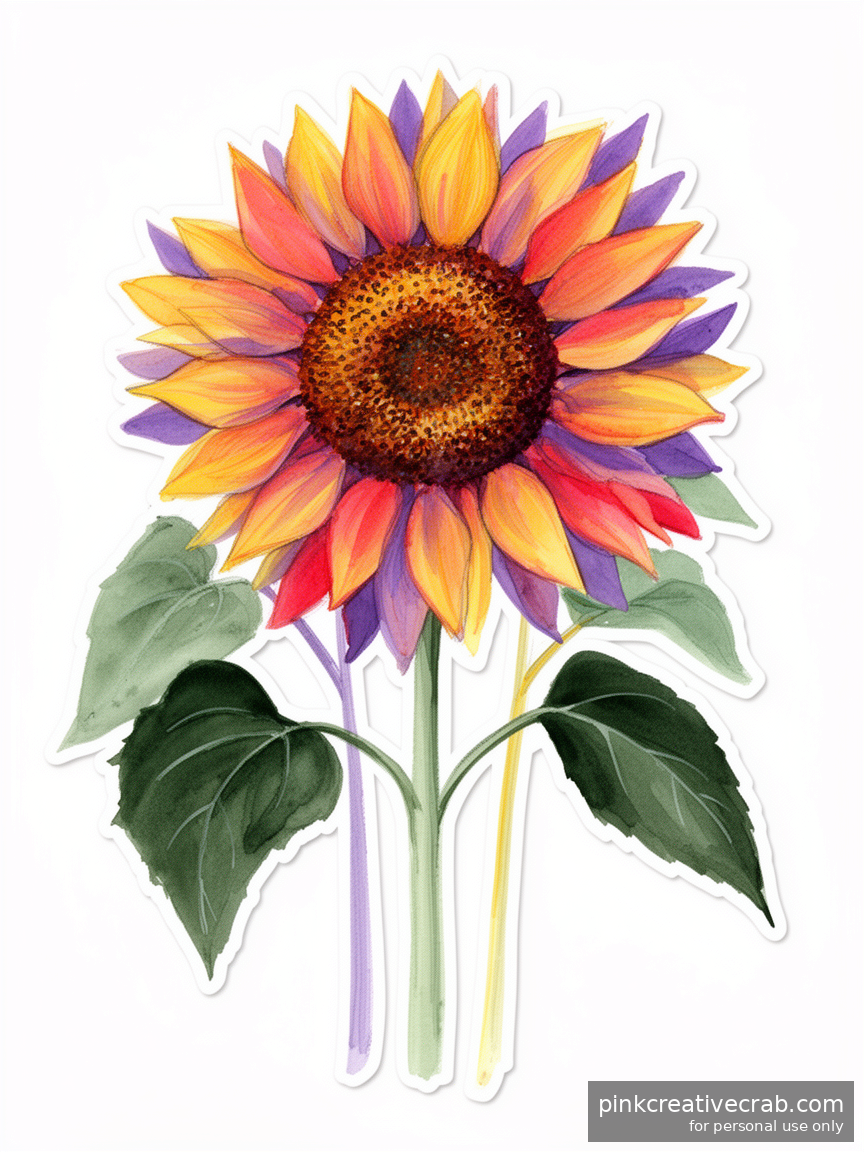
Everyone Will Think You Traced This Single Sunflower It Looks So Perfect
A single large sunflower is one of those sketches that looks incredibly impressive but is actually very structured and beginner-friendly. The secret is working in layers. First, draw a circle for the center. Then add petals all the way around — each one is simply a long oval shape pointing outward. As a result, the symmetry builds itself.
However, do not stress about making every petal identical. Real sunflowers are slightly uneven, and that is what makes them beautiful. Additionally, adding a second layer of petals behind the first gives gorgeous depth. A few curved lines in the center disc adds texture without any special skill required.
Meanwhile, a couple of broad jagged leaves at the base finish the composition perfectly. You will honestly surprise yourself with how good this looks. For that confident line quality on the petals, check out these drawing pens for beginners.
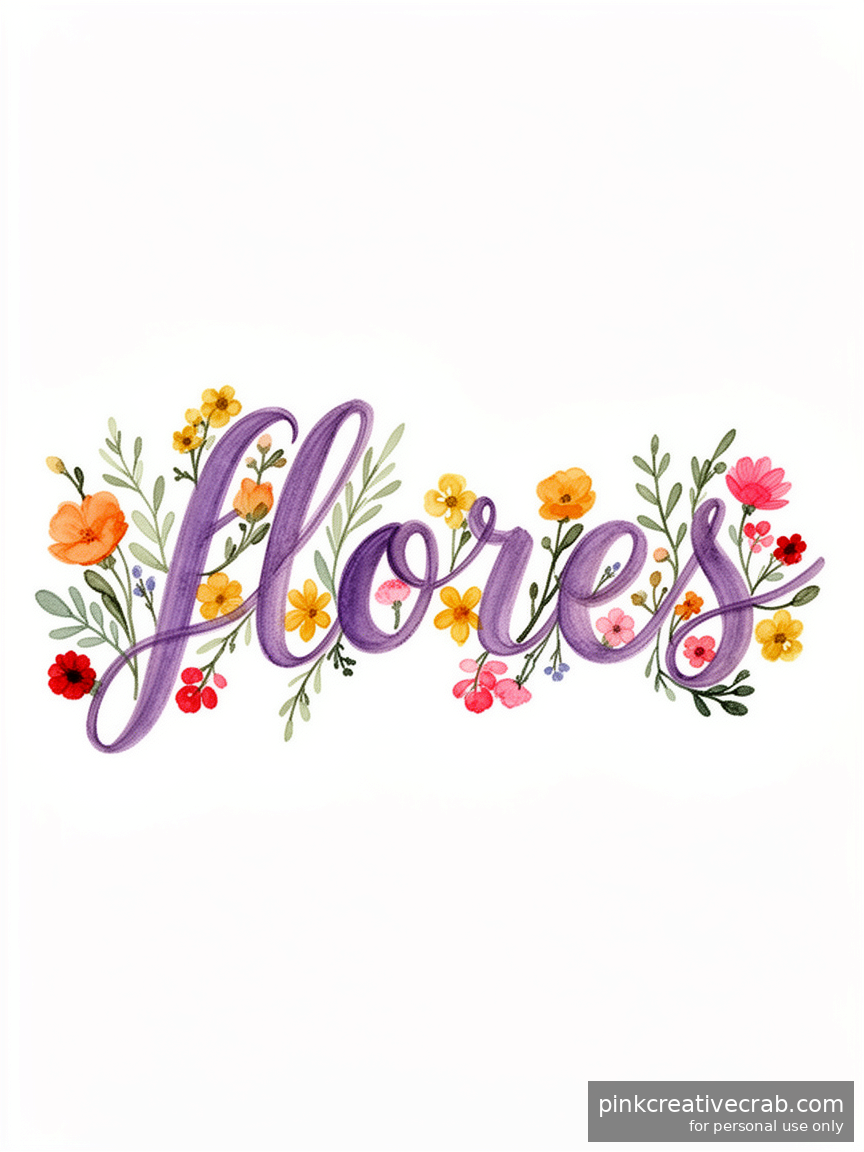
Scribbling Calligraphy Flores Into Your Botanical Pages Is Pure Sketchbook Joy
Mixing calligraphy lettering with botanical sketches is one of the most joyful things you can do in a sketchbook. Imagine the word flores written in a flowing script, with tiny flowers and leaves growing right out of the letters. For example, a leaf might curl off the tail of an F, or a tiny blossom might nestle inside the loop of an e.
You absolutely do not need to be a calligrapher for this. Simple brush-style lettering with slightly thicker downstrokes is all it takes. Meanwhile, the botanical elements do the decorative heavy lifting. Start with your word lightly in pencil, then add the floral details before going over everything in ink.
Additionally, this style is wonderfully forgiving because the flowers hide any wobbly letters beautifully. Therefore, it is a total win for beginners. Grab a set of brush pens for lettering and illustration to make this extra magical.
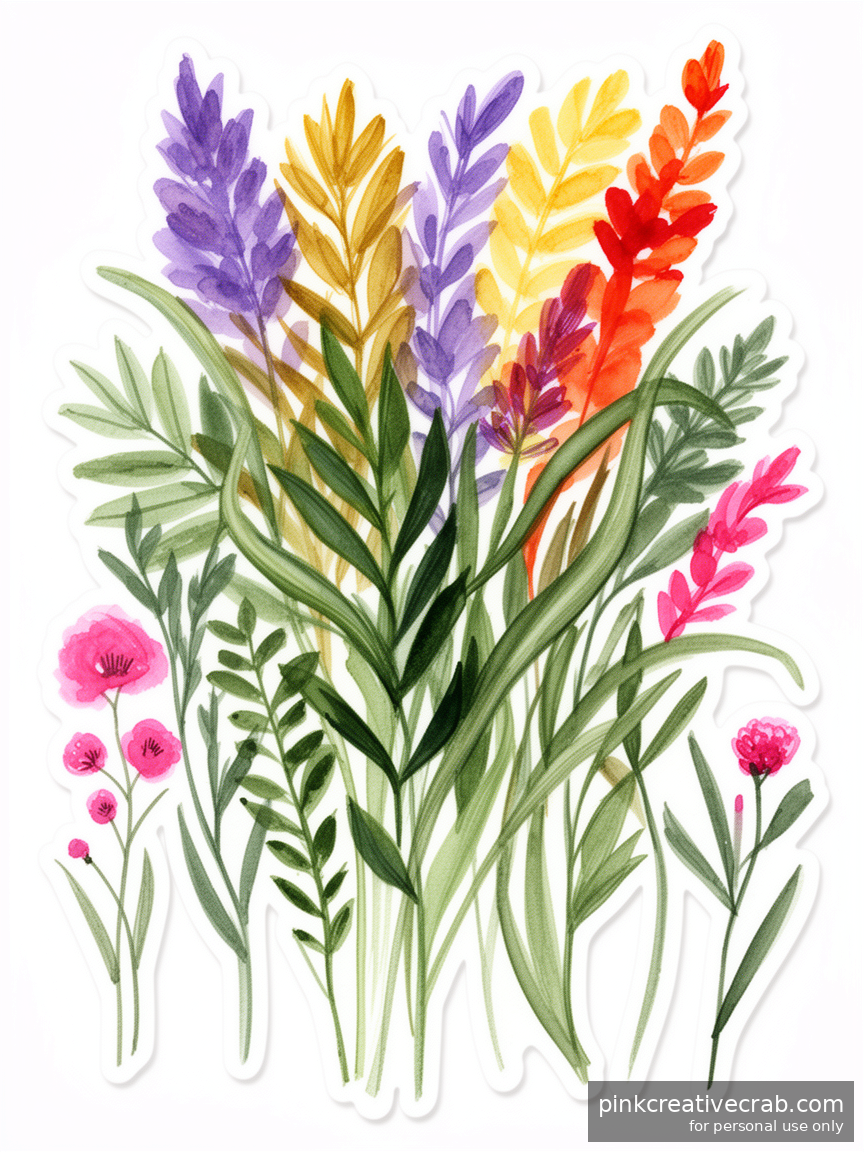
Irresistible Green Leaves and Stems That Turn Any Flower Sketch Into a Full Scene
Here is something beginners often overlook — leaves and stems are the secret ingredient that makes flower sketches look complete and lush. Without them, even a beautiful flower can look a little lonely on the page. However, add some flowing stems and layered leaves, and suddenly your sketch transforms into a full botanical scene.
There are so many leaf shapes to explore. For example, long pointed leaves, rounded ones with scalloped edges, and simple oval shapes all create different moods. Additionally, varying the size of your leaves adds natural depth. Stems that gently curve rather than go perfectly straight look far more lifelike and relaxed.
Meanwhile, try overlapping leaves at different angles for a really lush layered effect. This single skill will level up every flower sketch you ever do. For practicing those smooth confident leaf outlines, these sketchbook drawing pencils for beginners are absolutely worth having.
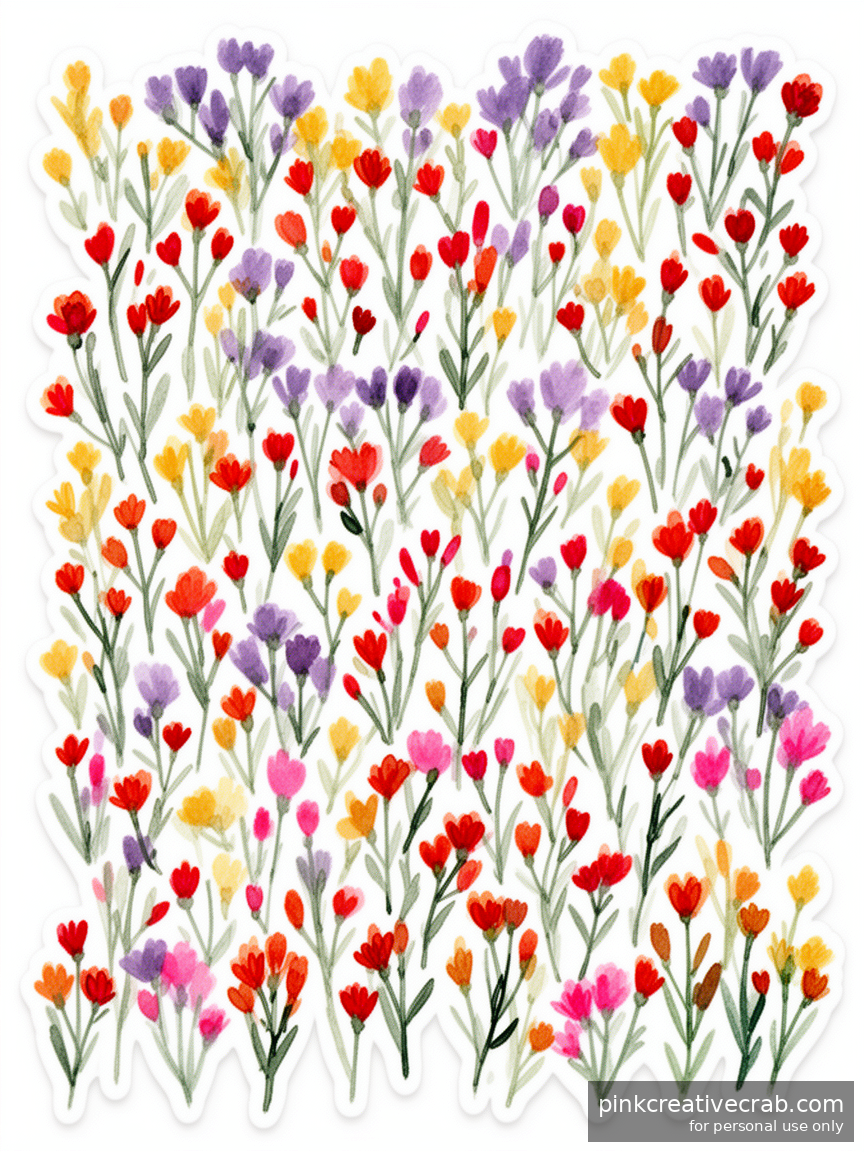
Tiny Red Buds Are the Secret Detail That Makes Every Sketchbook Page Look Complete
Have you ever finished a sketch and felt like something was just… missing? Tiny red buds are the answer. These little details are incredibly easy to draw — just a small teardrop shape or a rounded dot on a thin stem. Additionally, they take only seconds to add, yet they completely transform a page.
Scatter a few buds around your main flower, tuck them between leaves, or let them trail off the edge of the page. The result feels intentional and lush. Meanwhile, you’re building a habit of layering — one of the most valuable skills in botanical sketching. Every professional artist uses this trick, and now you do too.
For smooth, expressive lines on your bud details, a good fineliner makes all the difference. Try the Sakura Pigma Micron Fineliner Set — it’s a beginner favorite for a reason!
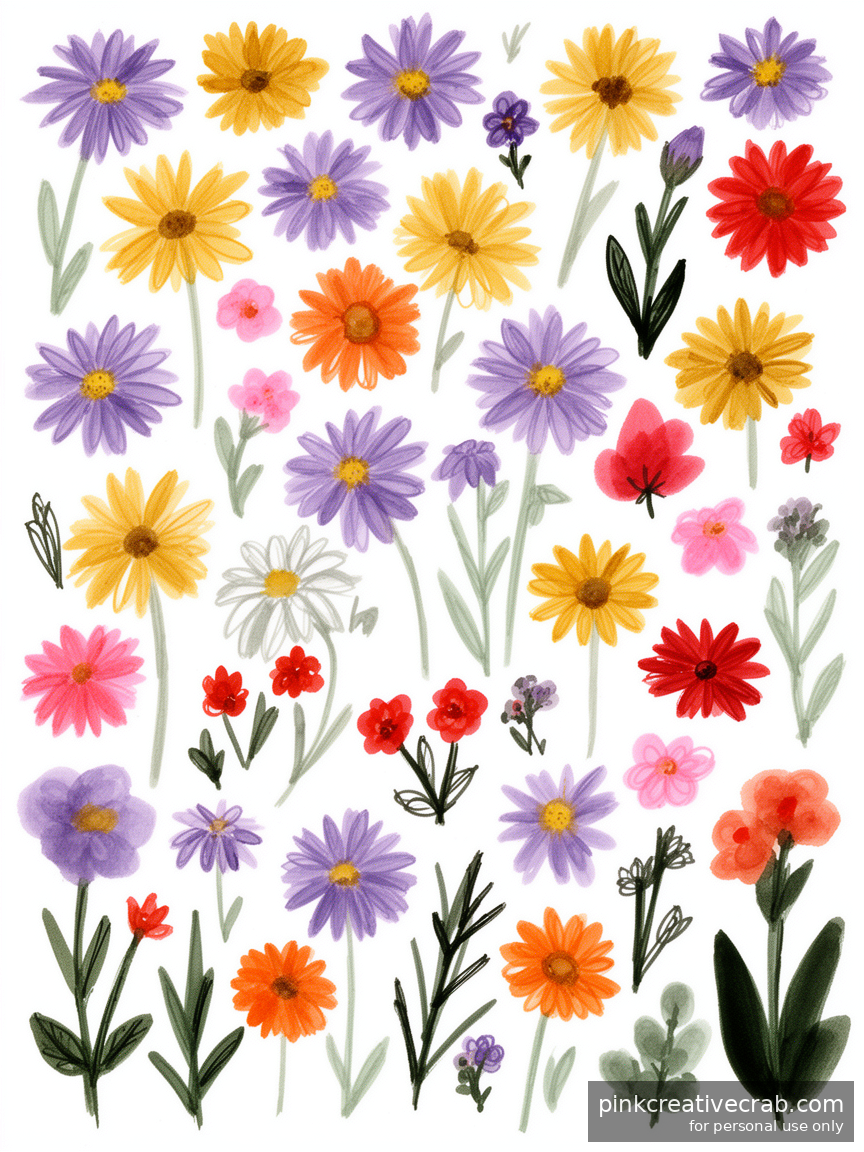
These Flower Sketchbook Ideas Prove You Do Not Need Fancy Skills to Make Beautiful Art
Good news — beautiful art has nothing to do with being “talented.” It’s about showing up, trying, and letting go of perfection. Simple flower sketches with wobbly lines and imperfect petals can look absolutely charming. In fact, that handmade quality is exactly what makes sketchbook art so lovable and personal.
Therefore, give yourself full permission to draw loosely. Try sketching a daisy using only circles and ovals. Add a few leaves with single curved strokes. Additionally, don’t erase — embrace the lines and keep moving forward. Each page you complete is proof of your growing confidence.
Having the right sketchbook makes this process so much more enjoyable. A spiral sketchbook for beginners with smooth, thick pages gives your pencil and pen room to glide freely without bleed-through worries.
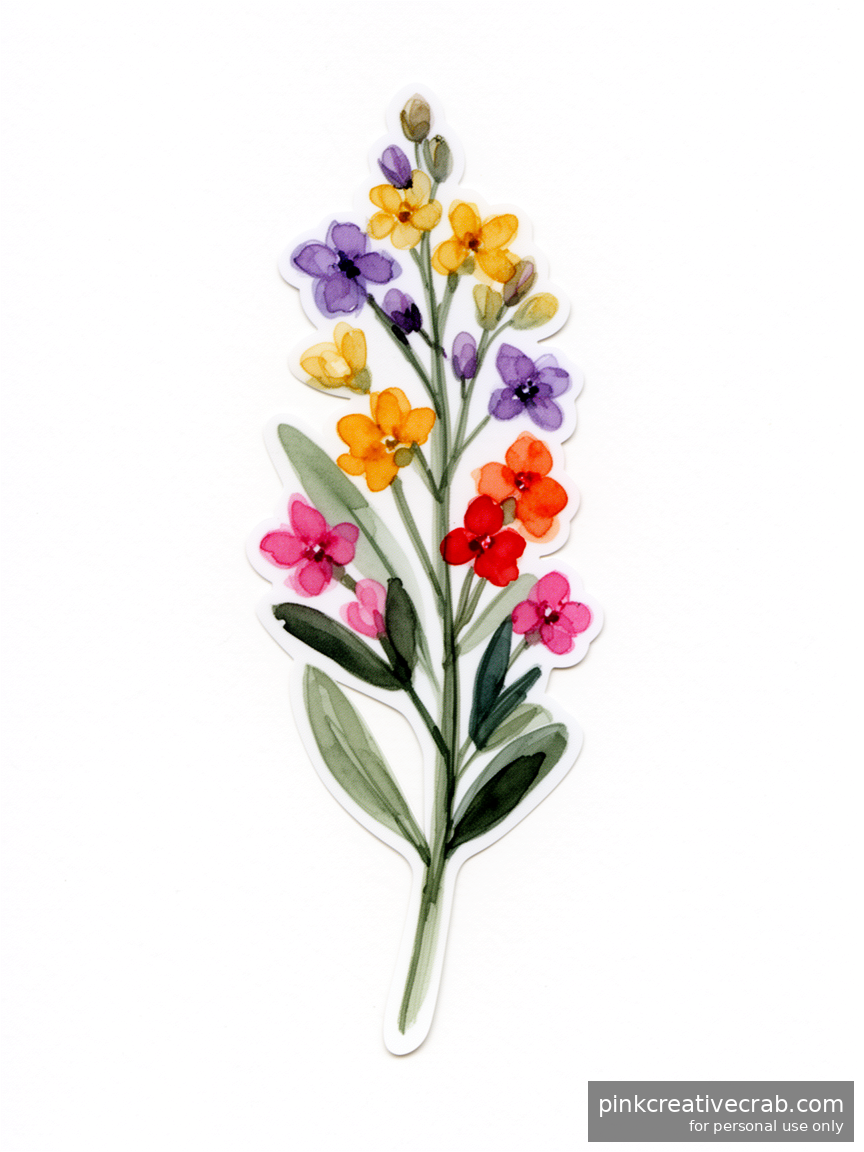
Magical and Minimal — Sketching a Single Wildflower Sprig in Under 10 Minutes
Sometimes less truly is more. A single wildflower sprig — just one stem, a few tiny blooms, and two or three leaves — can create the most stunning sketchbook page imaginable. The white space around it becomes part of the art. Additionally, minimal sketches feel intentional, calm, and almost meditative to create.
Start with a gently curving central stem. Then add small star-shaped flowers or rounded petals branching off naturally. However, don’t overthink the placement — wildflowers grow freely, so your sketch should feel that way too. A quick wash of color or even a single colored pencil accent makes it feel complete in minutes.
For beautiful minimal botanicals, watercolor pencils are absolutely magical. Check out Faber-Castell Watercolor Pencils — they’re easy to use and create the softest, dreamiest results for beginners.
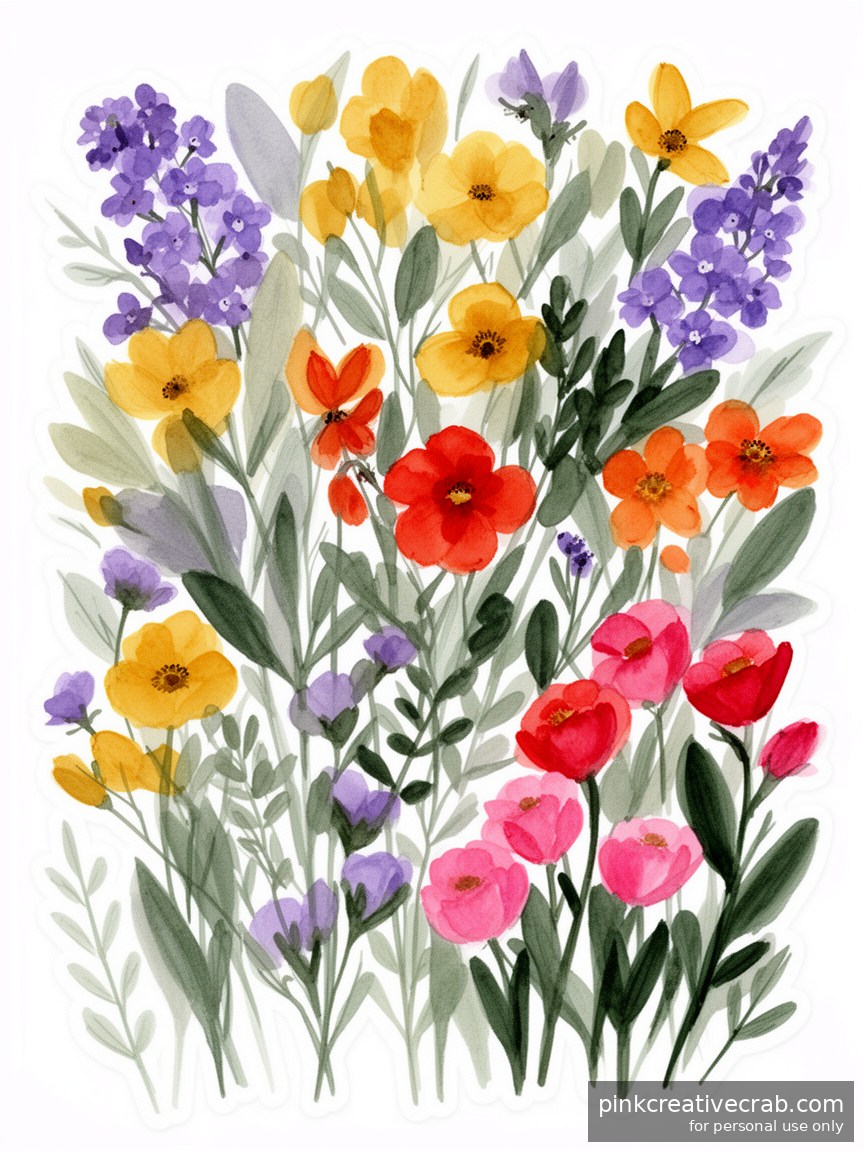
The Dreamy Botanical Cluster Sketch That Feels Like a Walk Through a Spring Garden
Imagine pressing your favorite spring walk between the pages of a sketchbook. That’s exactly what a botanical cluster sketch captures. Grouping different flowers — maybe a tulip, a sprig of tiny blossoms, and some rounded leaves — creates a lush, garden-gathered feeling. Meanwhile, the variety keeps things interesting and gives you lots of fun details to practice.
Begin with your largest flower as the anchor in the center. Then layer smaller blooms and foliage around it, overlapping slightly for depth. As a result, the cluster feels full and intentional rather than scattered. Don’t worry about botanical accuracy — your creative instincts will guide you beautifully.
Watercolors bring botanical clusters to vivid, glowing life. A beginner watercolor pan set gives you a lovely range of spring colors to experiment with, making each petal and leaf feel fresh and alive.
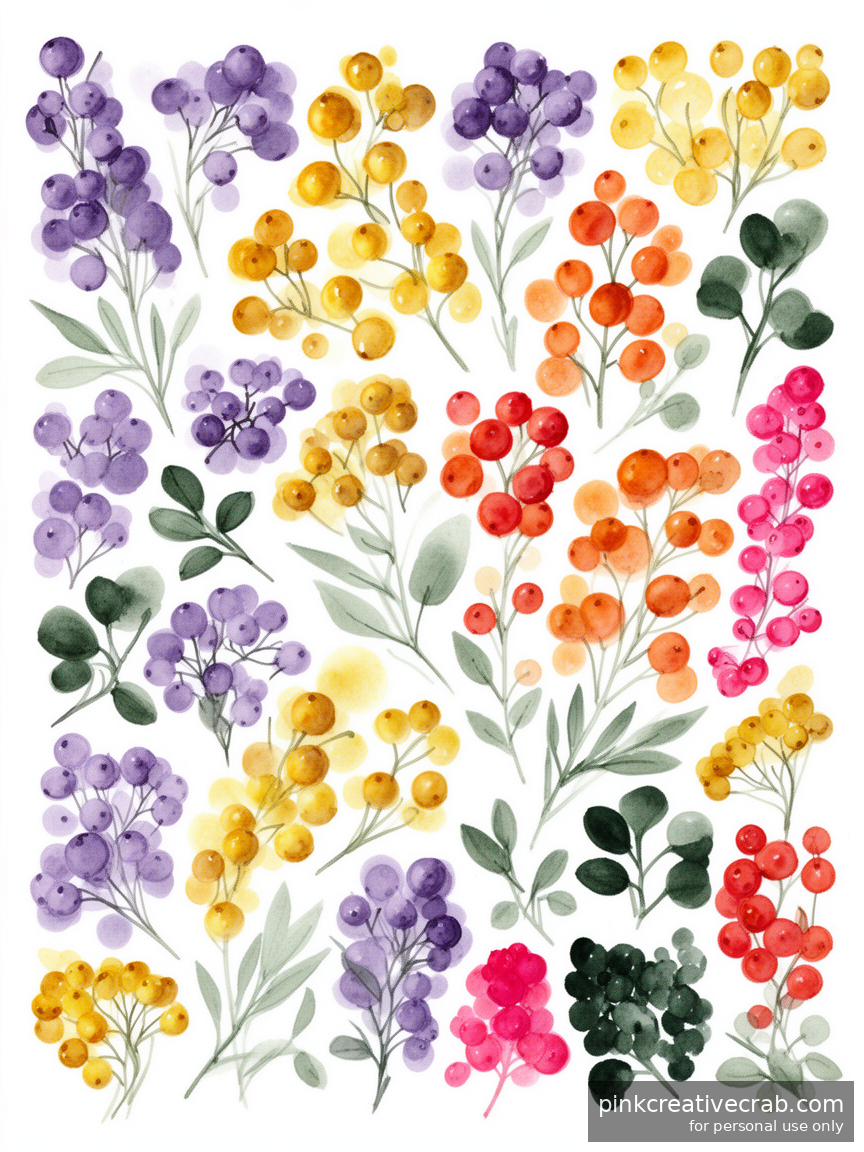
Stunning Berry Branch Combos That Transform a Blank Page Into Something Frame-Worthy
Berry branches are one of the most underrated sketchbook subjects — and they’re surprisingly beginner-friendly! Small rounded berries are basically just circles, and branches are simply curved lines. However, the combination of berries, leaves, and a gently arching branch creates something that looks genuinely sophisticated and beautiful.
Try pairing deep red berries with sage green leaves on a warm white page. Additionally, experiment with hot pink berries for a more whimsical, playful look. Clusters of three or five berries feel naturally balanced. As a result, your page gains rhythm and visual flow without any complex drawing skills required.
For rich, saturated berry colors, colored ink pens are a wonderful tool to explore. The Staedtler Triplus Fineliner Color Pen Set offers gorgeous jewel tones that make berries and branches pop beautifully off the page.
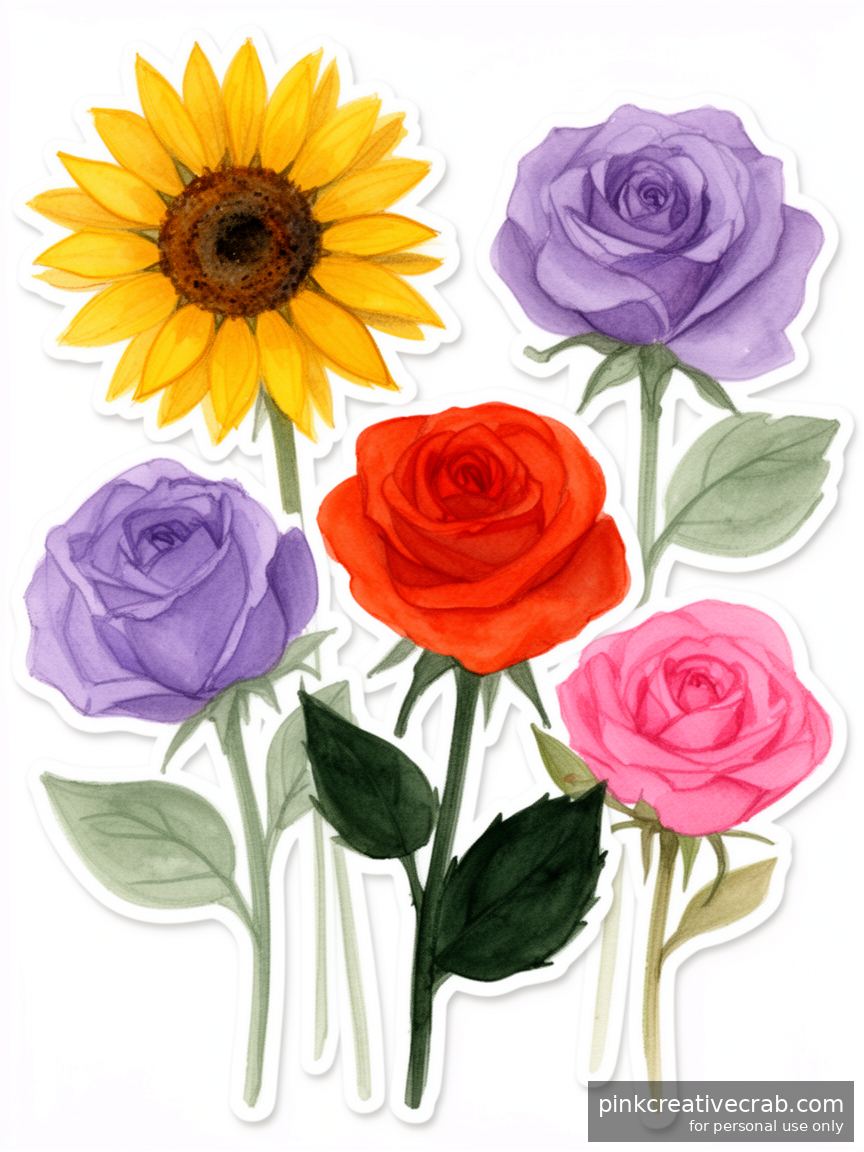
3 Simple Flower Sketchbook Ideas That Beginners Always Fall in Love With Immediately
Ready to fall in love with your sketchbook? These three ideas are tried-and-true beginner favorites. First, draw a loose sunflower — big oval petals around a dotted center. Second, sketch a simple five-petal blossom, the kind you probably doodled in grade school. Third, try a layered rose made from just a swirl and curved outer petals. Therefore, each one builds your confidence while creating genuinely pretty results.
The magic of these flowers is their forgiving nature. Uneven petals add character. Wobbly lines feel handmade and warm. Additionally, once you’ve drawn each one a few times, you’ll feel a real sense of growth — and that feeling is so motivating. Celebrate every single page you finish!
A great beginner drawing pencil set helps you build these foundational skills comfortably. Try the Staedtler Mars Lumograph Pencil Set for smooth, consistent lines that feel wonderful from your very first sketch.
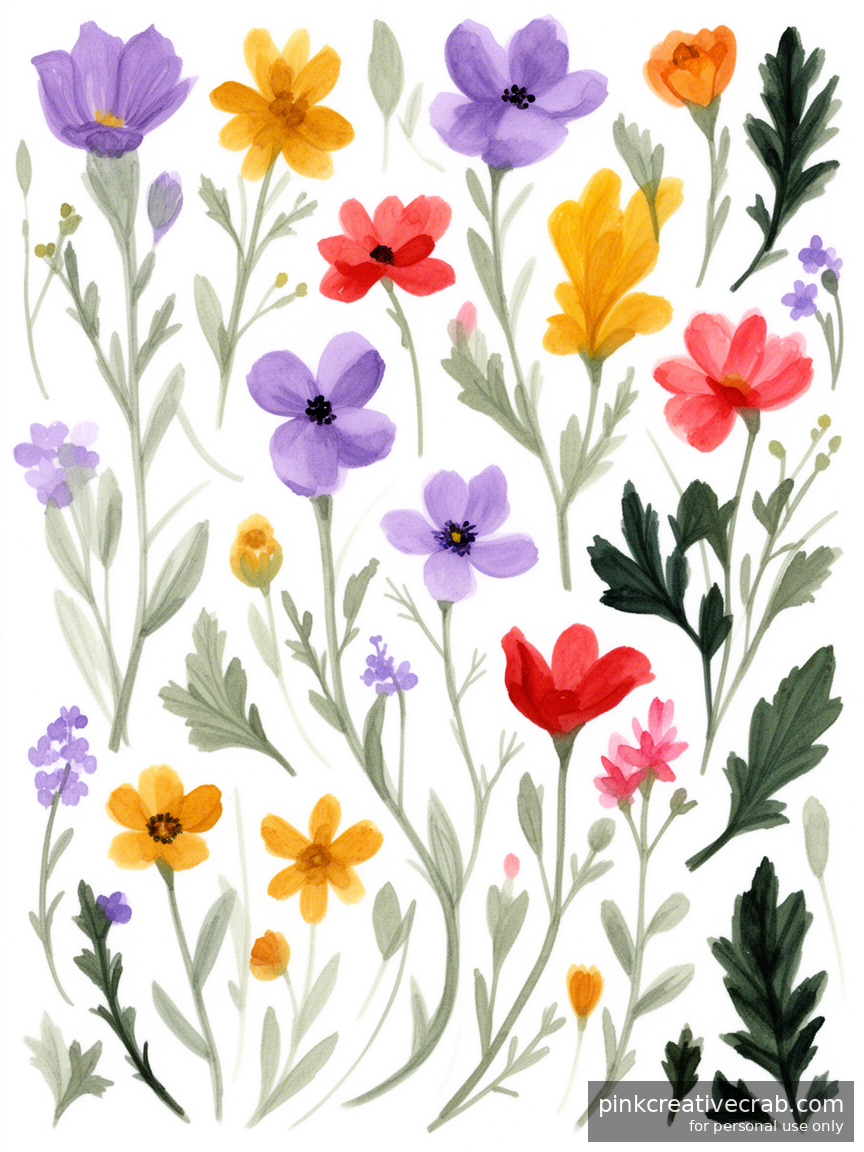
Your Most Beautiful Sketchbook Page Yet Starts With One Tiny Blossom
Every stunning sketchbook page begins with a single mark. Specifically, one tiny blossom — five small petals, a simple center dot — is all you need to start something wonderful. From there, you can add another bloom, then a leaf, then a trailing stem. However, you never have to go further than that one little flower if it feels right. Sometimes small is perfectly complete.
That first tiny blossom gives you a visual anchor. Everything else grows organically around it, the way real flowers grow in a meadow. Additionally, working small removes pressure — there’s no intimidating blank page when you’re just focusing on one sweet little flower at a time. Before you know it, you’ve created something genuinely beautiful.
For the most satisfying tiny flower sketches, a fine-tipped brush pen feels incredibly rewarding to use. Explore the Pentel Fude Touch Brush Sign Pen Set — the flexible tip makes delicate petals feel effortless and joyful.
Final Thoughts
You have just discovered 21 flower sketchbook ideas that prove botanical art is meant for everyone — yes, including you. Starting small is not a weakness; it is actually the smartest thing a beginner can do. Therefore, pick just one idea from this list today, open to a fresh page, and let yourself enjoy the process without any pressure.
Additionally, remember that every artist you admire once sat exactly where you are sitting now, sketching wobbly petals and wondering if they were doing it right. However imperfect your first lavender sprig looks, it is still a win worth celebrating. For example, even a simple stem with two leaves is proof that your hand and your eye are learning to work together — and that is genuinely something special.
Meanwhile, your sketchbook does not have to be a gallery. It gets to be a playground. So keep filling those pages with wildflowers, berry branches, and daisy bouquets tied with bows. As a result, you will look back one day at that very first wobbly blossom and feel incredibly proud of how far you have come. Now go sketch something beautiful — you absolutely can.
Frequently Asked Questions
What supplies do I need to start trying flower sketchbook ideas as a beginner?
You really only need a basic sketchbook and a pencil to get started. However, adding a fine-tip pen for outlining can make your botanicals look extra polished. Additionally, colored pencils or watercolor pencils are a lovely next step. For example, the Staedtler Triplus Fineliners are beginner-friendly and beloved by sketchbook artists everywhere.
How do I sketch flowers if I have never drawn anything before?
Start by breaking every flower into simple shapes — circles, ovals, and gentle curves. Therefore, a daisy becomes a circle center surrounded by oval petals, which is very manageable. Additionally, practicing single subjects like a lavender sprig or a small stem builds confidence quickly. Most importantly, there is no wrong way to fill your sketchbook, so enjoy every wobbly line along the way.
Which flower sketchbook ideas are the easiest for absolute beginners?
Single-stem subjects are your best friends at the start. For example, a lone sunflower, a simple lavender sprig, or tiny red buds on a stem are all wonderfully forgiving. Additionally, green leaves and stems make great warm-up exercises before tackling fuller blooms. However, even a peony can be simplified into layered curved lines, so do not be afraid to try anything on this list.
How often should I practice botanical sketching to improve?
Even five to ten minutes a day makes a meaningful difference over time. Therefore, keeping your sketchbook somewhere visible — on your desk or nightstand — acts as a gentle daily reminder. Additionally, committing to just one flower sketchbook idea per week builds a beautiful body of work without feeling overwhelming. As a result, consistency always beats occasional marathon sessions when it comes to building real skill.
Can I use these flower sketchbook ideas with watercolor too?
Absolutely, and it is a wonderful combination. However, make sure your sketchbook paper is thick enough to handle moisture — at least 90lb or 140gsm is ideal. Additionally, sketching your botanicals lightly in pencil first and then layering watercolor on top is a technique beloved by beginners and professionals alike. For example, a simple cosmos daisy looks breathtaking with just a loose wash of orange watercolor added.
Have any thoughts?
Share your reaction or leave a quick response — we’d love to hear what you think!
-
 0
0 -
0
-
0
-
0
-
0
-
0


