

An acrylic painting sunset is one of those magical subjects that never gets old, no matter how many times you return to it. There is something deeply satisfying about chasing that golden hour glow across a canvas — and with acrylics, you have every tool you need to capture it beautifully.
Whether you are pushing your blending skills to new heights or experimenting with bold palette knife work, sunsets reward every level of creative risk-taking. Additionally, the forgiving nature of acrylics means you can rework, layer, and refine until that sky feels exactly right. So grab your brushes, squeeze out those warm cadmiums and deep violets, and let’s celebrate what makes sunset painting so endlessly compelling.
Key Takeaways
Layering transparent glazes over dried opaque paint creates luminous, glowing sunset skies that feel almost three-dimensional on the canvas.
Understanding color temperature shifts — warm oranges near the horizon transitioning to cool violets overhead — is the single most powerful tool for realistic sunset depth.
Reflections on water, wet sand, or glass surfaces can instantly elevate a sunset composition from good to genuinely breathtaking with just a few confident strokes.
Table of Contents
- Golden Hour Over Open Water
- Painting a Desert Sunset with Palette Knife Texture
- Blazing Horizon: A Fiery Acrylic Sunset Scene
- Misty Mountain Silhouettes at Dusk
- Wet-on-Wet Gradient Skies at Twilight
- Coastal Cliffs Bathed in Evening Light
- Capturing a Stormy Sunset Glow
- Acrylic Painting Sunset Over a Lavender Field
- Lone Tree Against a Burning Orange Sky
- Layered Glazing Techniques for Luminous Sunsets
- Reflections of Dusk on Still Lake Water
- Urban Skyline Sunset in Warm Acrylics
- Dreamy Pastel Sunset in Soft Pink and Lilac
- Painting Loose Clouds in a Golden Evening Sky
- Dramatic Venetian Sunset Over Canal Waters
- Sunlit Savanna at the End of the Day
- Moody Indigo and Amber Twilight Scene
- A Bold Acrylic Painting Sunset with Impasto Strokes
- Sailboat Silhouette in a Crimson Harbour Dusk
- Sunrise Versus Sunset: Exploring Color Contrast in Acrylics
- Swirling Expressionist Sunset Sky
- Rolling Hills Fading Into Evening Haze
- Acrylic Painting Sunset Over a Snowy Winter Landscape
- Atmospheric Perspective in a Layered Dusk Panorama
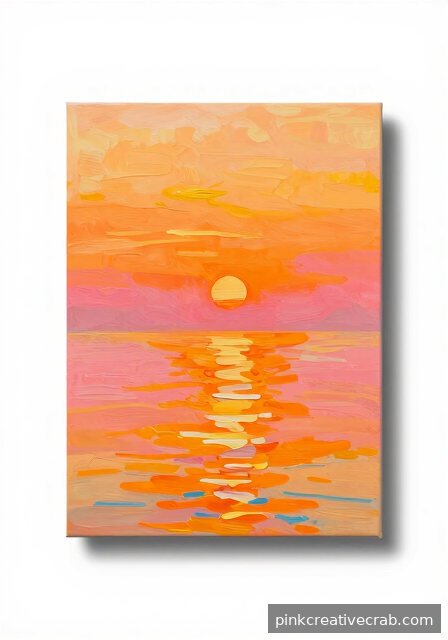
Golden Hour Over Open Water
Golden hour is truly magical, and capturing it over open water with acrylics is one of the most rewarding painting experiences you can have. Because acrylics dry quickly, you can layer warm oranges and soft pinks without waiting forever between strokes. Additionally, the reflective quality of water gives you a beautiful opportunity to mirror those glowing sky colors below the horizon line, doubling the warmth of your composition.
Start by blocking in your sky with a mix of cadmium yellow, burnt orange, and a touch of magenta near the top. Meanwhile, keep your horizon line loose and bright — that’s where the magic lives. For the water, simply repeat those same colors in slightly darker, horizontal strokes. Transition words matter in painting too: think of each color as leading naturally into the next, just like a conversation.
To get the most out of this technique, quality brushes make a real difference. Try soft fan brushes for blending to create those gorgeous, seamless sky gradients every golden hour deserves.
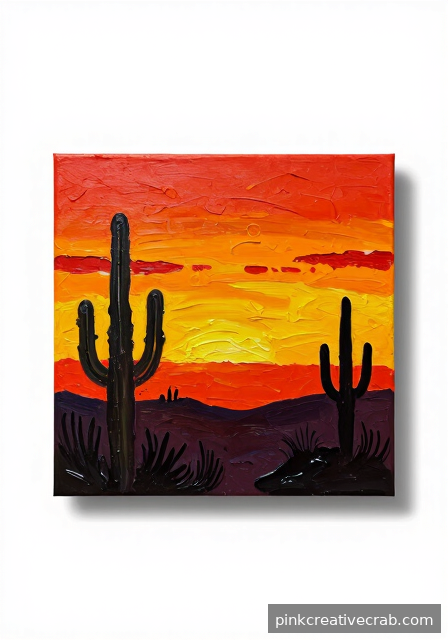
Painting a Desert Sunset with Palette Knife Texture
Desert sunsets are bold, dramatic, and absolutely perfect for palette knife work. Because the landscape is stark and wide, you have so much freedom to focus on that explosive sky above. Additionally, palette knives let you build up thick, juicy layers of paint that capture the raw intensity of a desert horizon in a way brushes simply cannot. Even beginners feel like pros when that paint glides off the knife!
Start with a warm terracotta base for your desert floor, then work upward with fierce oranges, deep reds, and glowing yellows. However, don’t overblend — those rough, textured edges from the knife are exactly what makes this style sing. Layer colors while they’re still wet for natural mixing, and use the knife’s edge to scratch in cactus silhouettes or distant rock formations for dramatic effect.
For this technique, a versatile palette knife set is truly essential. Check out palette knife set for acrylic painting to find options that give you great control and beautiful textured results.
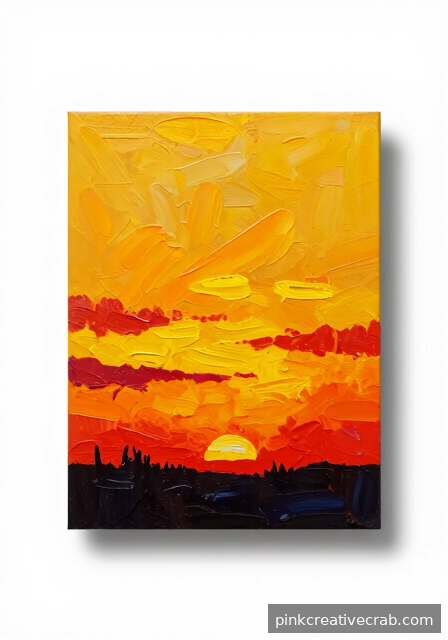
Blazing Horizon: A Fiery Acrylic Sunset Scene
A blazing, fiery sunset is one of the most exciting subjects you can tackle with acrylics — and honestly, it’s more achievable than you might think! Because acrylics are so forgiving, you can rework colors and push them until that sky practically glows off the canvas. Start confidently with your brightest yellows at the horizon, then build outward into deep oranges, burning reds, and finally a rich violet or navy at the very top. That contrast is what creates real drama.
Transition between colors softly by lightly feathering wet paint with a dry brush. However, don’t be afraid of bold, visible brushstrokes — they add incredible energy to a fiery scene. Meanwhile, a dark foreground silhouette, whether trees, buildings, or hills, anchors the composition and makes those bright sky colors pop even more. Small details like this make a huge difference.
Getting your colors right is everything in a scene like this, so consider picking up acrylic paint set warm colors sunset with rich, vibrant pigments that really deliver that blazing effect.
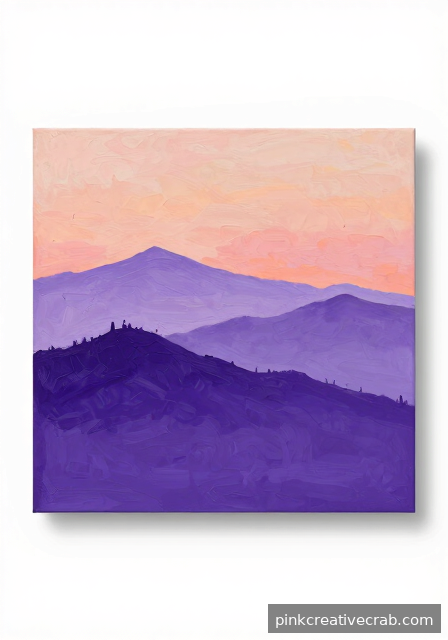
Misty Mountain Silhouettes at Dusk
Misty mountain silhouettes at dusk have a quiet, almost dreamlike beauty that acrylics capture wonderfully. Because you’re working with atmospheric perspective, colors naturally shift from warm peachy tones near the horizon to cool purples and deep blues higher in the sky. Additionally, layering transparent washes of color over dried base layers creates that soft, hazy glow that makes distant mountains look like they’re floating in light. It’s genuinely a joy to paint.
Work from light to dark, starting with your lightest sky colors first. Then, add each mountain layer slightly darker and cooler than the one before it, pulling the viewer’s eye naturally into the distance. For the mist effect, dilute your acrylics with a little water and apply gentle horizontal strokes across the mountain bases. However, less is truly more here — restraint creates atmosphere.
For smooth, misty blending, a good medium really helps. Try acrylic glazing medium blending to extend your paint’s working time and create those beautifully soft, layered atmospheric effects.
Wet-on-Wet Gradient Skies at Twilight
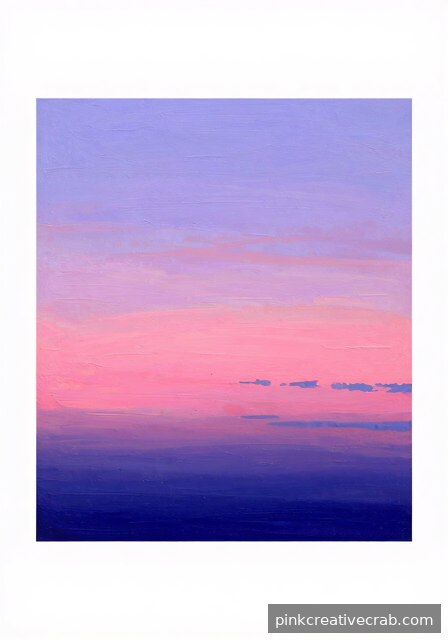
Wet-on-wet painting is a technique that feels almost like watercolor, and it produces the most breathtaking gradient skies at twilight. Because you’re working into wet paint, colors blend softly and organically in ways that are genuinely hard to achieve with dry layering. Additionally, twilight’s signature palette — think dusky rose, warm lavender, deep teal, and indigo — responds beautifully to this soft blending approach. Don’t worry about perfection; the happy accidents are often the best parts!
To try this technique, apply a thin layer of acrylic medium or water to your canvas first. Then, quickly drop in your colors from light to dark while everything stays workable. Use a wide, soft brush and gentle sweeping strokes to encourage natural blending. However, avoid overworking the area — too much brushing muddies those gorgeous colors. Patience and a light touch are your best friends here.
For the smoothest results, a stay-wet palette for acrylic painting keeps your paints fresh and workable much longer, giving you extra time to blend those perfect twilight gradients.
Coastal Cliffs Bathed in Evening Light
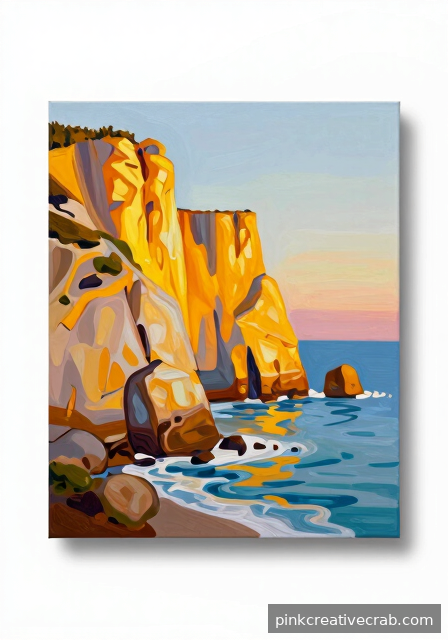
Coastal cliffs at evening carry such dramatic, golden warmth, and acrylics are perfectly suited to capturing that rich, side-lit quality of fading daylight. Because the light hits the cliff faces from a low angle, you get beautiful contrasts between warm sunlit surfaces and cool, shadowed rock faces. Additionally, the ocean below picks up those same golden tones, tying the whole composition together in the most satisfying way. This is a scene that rewards careful observation.
Start by mapping out your composition simply with a light pencil sketch or thin paint wash. Then, block in your main areas — sky, cliffs, and water — before adding detail. For cliff textures, dry brushing works wonderfully: load a little paint on a stiff brush and drag it lightly across the surface. However, keep your shadows cool and your highlights warm for that convincing evening light effect. That temperature contrast is everything.
For reference and deeper painting skills, exploring acrylic painting brushes set texture with a variety of bristle types will help you tackle both smooth water and rough cliff surfaces with confidence.
Capturing a Stormy Sunset Glow
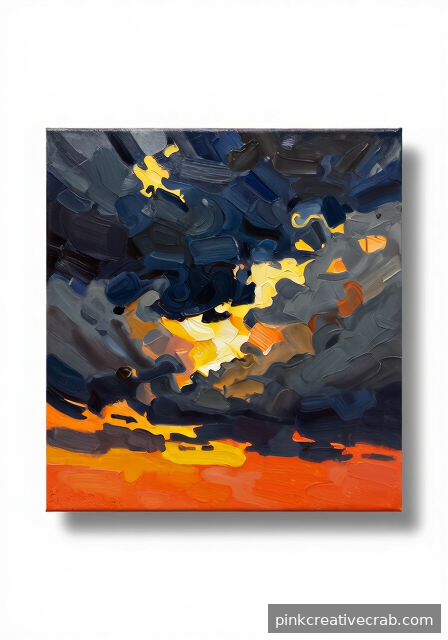
A stormy sunset is nature at its most theatrical, and capturing that brooding, electric atmosphere with acrylics is an incredibly exciting challenge. Because storm clouds interact with fading sunlight in such complex ways, you get these incredible bursts of amber and gold piercing through dark, tumbling greys. Additionally, that contrast between threatening darkness and glowing warmth creates real emotional drama on the canvas. This subject genuinely makes people stop and look.
Begin with a mid-tone grey sky as your base, then add warmth around the horizon where the sun breaks through. Use bold, sweeping brushstrokes to suggest moving cloud formations — they don’t need to be precise, just energetic. Meanwhile, darker cloud edges done with deep indigo or burnt umber add weight and tension to the upper sky. For the glow effect, dab pure cadmium yellow or white along the brightest areas while the paint is still slightly tacky.
To handle this dramatic range of values confidently, a solid understanding of color relationships really helps. Our Color Mixing Guide: Everything You Need to Know is a fantastic resource, and pairing it with heavy body acrylic paint set gives you the rich pigmentation stormy skies absolutely demand.
Acrylic Painting Sunset Over a Lavender Field
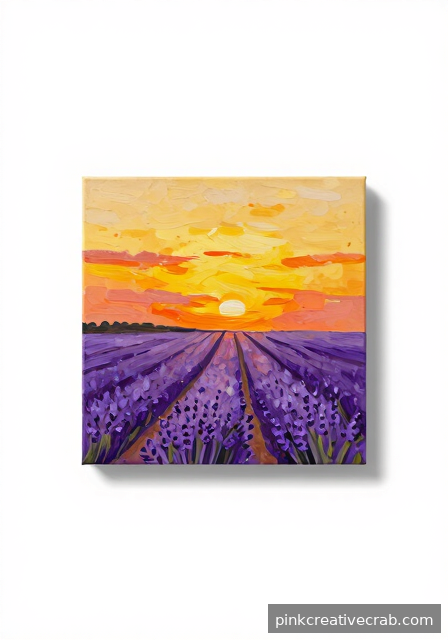
Painting a sunset over a lavender field is one of those magical subjects that looks incredibly impressive but is totally within your reach. The key is working in layers, starting with a warm sky gradient and letting it dry before adding your field. Because acrylics dry quickly, you can build up those beautiful purples and pinks without muddy colors ruining your work.
Additionally, the contrast between the warm sky and the cool lavender rows creates natural visual harmony. Start with broad strokes for the sky, then use a small fan brush to suggest rows of lavender with quick, feathery marks. You don’t need perfect rows — loose and gestural looks even more beautiful here.
For this painting, having a good set of soft body acrylics in warm and cool tones makes everything easier. Try a soft body acrylic paint set with a strong purple and cadmium orange in your palette. You’ll love the results!
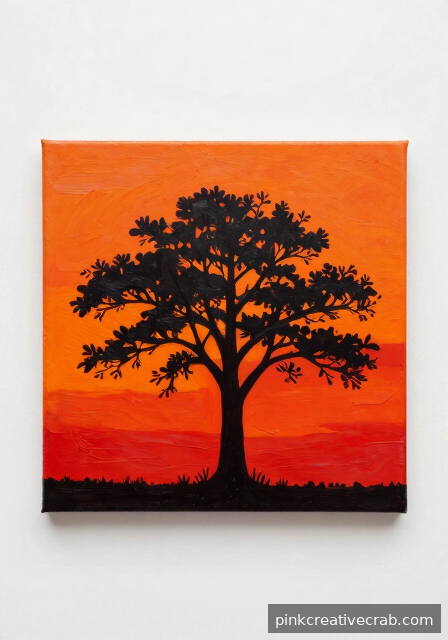
Lone Tree Against a Burning Orange Sky
There is something deeply powerful about a single silhouetted tree standing against a fiery sunset. This composition is a classic for good reason — the stark contrast between a dark tree and a burning orange sky creates instant drama. Fortunately, it’s also one of the most beginner-friendly advanced techniques you can practice with acrylics.
Start by painting your sky first using warm oranges, reds, and yellows, blending them softly while wet. Once dry, mix a deep black or dark brown and carefully paint your tree silhouette on top. Because acrylics are opaque, your dark paint covers the sky cleanly, giving you that crisp, striking outline. Branches can be added with a thin liner brush for beautiful detail.
Having the right brushes makes this project so much more enjoyable. A quality acrylic painting brush set including a liner or rigger brush will help you achieve those delicate branch details with confidence.
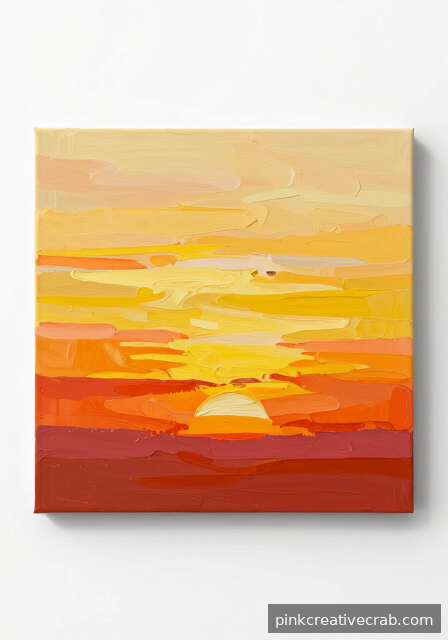
Layered Glazing Techniques for Luminous Sunsets
Glazing is one of those techniques that truly transforms an acrylic sunset painting from flat to absolutely glowing. Essentially, glazing means applying thin, transparent layers of color over a dry base, allowing light to bounce through each layer. As a result, your sunset builds up a depth and luminosity that solid color simply cannot achieve.
To create a glaze, mix your acrylic paint with a glazing medium until it becomes almost transparent. Apply this over your dry base colors in warm tones — golden yellows, soft oranges, and rose pinks work beautifully. However, patience is everything here. Let each layer dry completely before adding the next, and you’ll be amazed how the colors begin to glow from within.
For more color-mixing confidence alongside this technique, check out this helpful resource on Color Mixing Guide: Everything You Need to Know. Additionally, picking up a bottle of acrylic glazing medium will make practicing this technique so much easier and more rewarding.
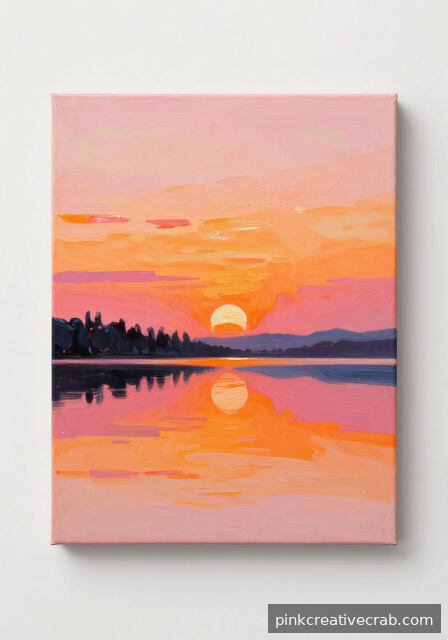
Reflections of Dusk on Still Lake Water
Painting water reflections at dusk is one of those subjects that looks incredibly difficult but becomes surprisingly manageable once you understand a few simple tricks. Still water essentially mirrors the sky above it, so your color palette is already decided for you. However, reflections are slightly darker and less saturated than the sky itself — that small difference makes everything look realistic.
Begin by completing your sunset sky, then flip those colors vertically onto the water area below. Use horizontal strokes rather than curved ones, because still water reflects in perfectly flat bands of color. Adding a few soft ripple lines with a darker tone breaks up the reflection just enough to suggest gentle movement without losing that peaceful, mirror-like quality.
For those wanting to deepen their understanding of painting fundamentals alongside this project, Art Fundamentals: Complete Guide to Drawing & Painting Basics is a wonderful companion resource. Meanwhile, a quality palette knife and acrylic painting set helps create beautiful textured ripple effects on your water.
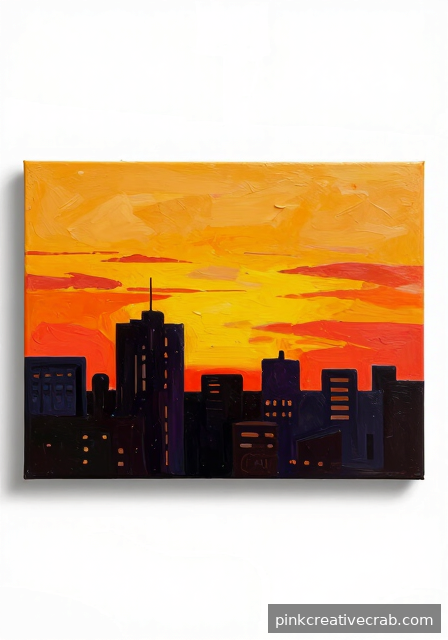
Urban Skyline Sunset in Warm Acrylics
Combining a city skyline with a dramatic sunset background creates one of the most visually striking paintings you can make with acrylics. The buildings become bold geometric silhouettes, and meanwhile the warm gradient sky does all the expressive emotional work behind them. Because acrylics handle both precise edges and soft blending beautifully, this subject is a perfect match for the medium.
Start with your sky gradient first, blending warm oranges into deep purples and blues near the horizon. Once completely dry, map out your skyline shapes in pencil lightly, then fill them with a rich dark color — think navy, deep plum, or black. The geometric shapes of buildings are actually very forgiving to paint, so don’t stress about perfection. Windows can be suggested with tiny dots of warm yellow or white.
For anyone curious about how acrylics compare with other mediums for this type of bold, graphic work, Acrylic vs Watercolor vs Oil vs Gouache: Which Medium Should You Choose? is a fantastic read. Also consider picking up acrylic paint for canvas urban art for rich, opaque coverage on your cityscape.
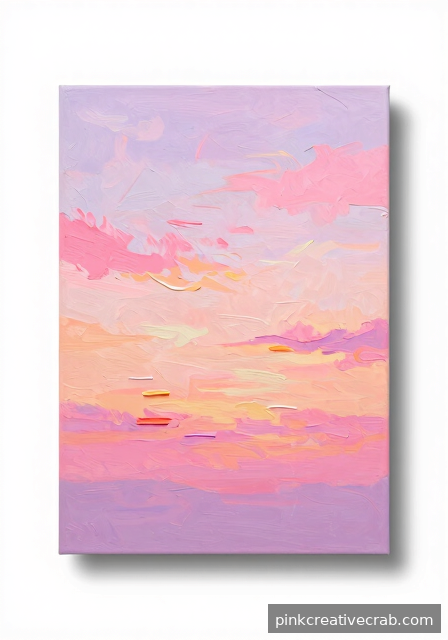
Dreamy Pastel Sunset in Soft Pink and Lilac
Not every sunset needs to be bold and fiery — sometimes the softest, dreamiest color palettes create the most breathtaking paintings. A pastel sunset using soft pinks, lilacs, peach, and creamy whites feels romantic and serene, and it’s wonderfully fun to paint. Additionally, working with pastel tones teaches you so much about color mixing and tinting, because you’re constantly balancing delicate shades without letting them go muddy.
The secret to keeping pastel acrylics soft and clean is adding titanium white gradually rather than all at once. Mix your base colors first, then slowly introduce white to lift the tone. However, mixing too many colors together clouds the freshness of pastels, so keep your palette simple and your brushes clean between strokes.
For anyone who loves soft, dreamy color work and wants to explore another beautiful medium alongside acrylics, the Watercolor Painting: The Ultimate Beginner to Advanced Guide is a truly inspiring resource. For your pastel sunset project, a set of pastel acrylic paints for canvas will give you those gorgeous soft tones right from the tube.
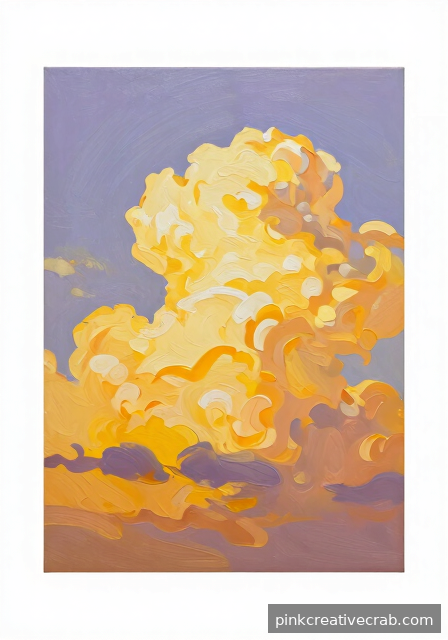
Painting Loose Clouds in a Golden Evening Sky
Clouds are one of those elements that beginners often approach with too much caution, when actually the looser and more relaxed your brushwork, the better they look. In a golden evening sky, clouds catch warm light on their upper edges and carry soft purple-grey shadows underneath. Because of this natural light behavior, understanding a tiny bit of cloud structure makes your whole painting feel wonderfully believable.
Work wet-into-wet for the softest cloud edges — load a damp brush with warm white or cream and gently work it into a still-wet sky. For harder-edged clouds, simply wait until your sky dries and layer the cloud shapes on top. Using a round brush and circular scrubbing motions builds up fluffy cloud texture quickly and naturally. Don’t overthink it — happy accidents often become the best clouds!
Understanding how to observe and render shapes confidently is a huge help with cloud painting. Therefore, browsing the Drawing Techniques Encyclopedia: 50+ Essential Methods can sharpen your observational skills beautifully. For your sky painting sessions, a set of round acrylic brushes for clouds and sky will quickly become your favorite tools.
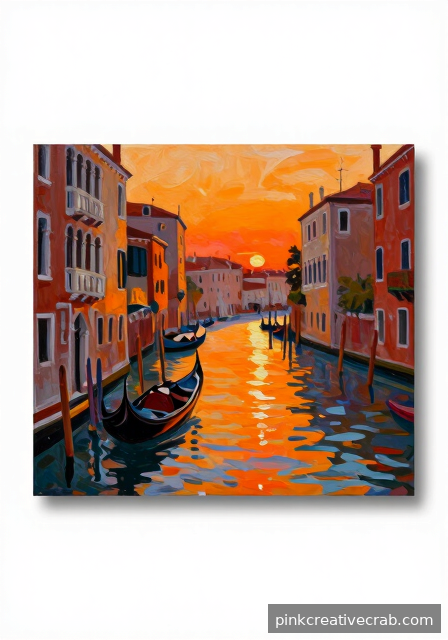
Dramatic Venetian Sunset Over Canal Waters
Venice is one of the most magical subjects you can paint, and a sunset over the canals makes it even more breathtaking. Begin by laying down a warm gradient sky using cadmium orange, alizarin crimson, and touches of violet. Because the architecture creates such strong vertical lines, blocking in the buildings first as silhouettes gives your composition instant structure and drama.
Reflections are where this painting truly comes alive. However, many beginners feel intimidated by water reflections. The secret is simply to mirror your sky colors in loose, horizontal strokes. Allow the edges to blur slightly for a believable shimmer effect. Meanwhile, keeping your gondola and bridge silhouettes crisp adds wonderful contrast.
For a project like this, quality brushes make a noticeable difference. Consider investing in a set of acrylic painting brushes for detail and blending so you can handle both the sweeping sky and those delicate architectural edges with confidence.
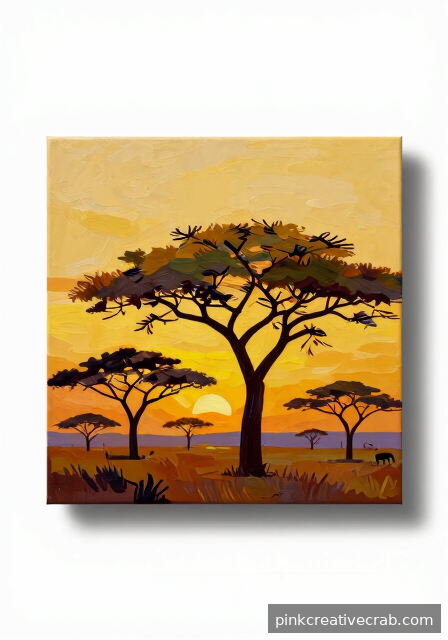
Sunlit Savanna at the End of the Day
There is something deeply peaceful about a savanna at golden hour. The wide open sky, the scattered acacia trees, and the warm amber light stretching across flat grasslands create a composition full of mood and atmosphere. Start with a large, sweeping sky wash blending cadmium yellow, burnt orange, and soft pink from the horizon upward into a deeper cobalt or violet tone.
The silhouetted foreground is genuinely one of the most fun parts. Because the grass and trees appear so dark against that blazing sky, even beginners can achieve stunning results quickly. Additionally, adding subtle warm highlights along the tree edges suggests the last rays of sunlight kissing the canopy beautifully.
Getting your color gradients smooth and natural is the key challenge here. Therefore, understanding color relationships before you begin will save you so much frustration. For deeper guidance on mixing those gorgeous sunset tones, the Color Mixing Guide: Everything You Need to Know is an incredible resource. Pick up a good set of acrylic paints for landscape painting and enjoy every stroke.
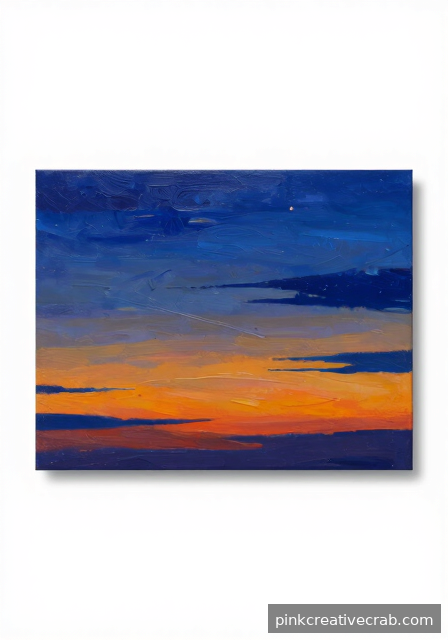
Moody Indigo and Amber Twilight Scene
Not every sunset needs to be blazing orange and red. In fact, some of the most stunning acrylic sunset paintings use deep indigo and cool violet tones balanced against warm amber accents. This creates a moody, almost cinematic atmosphere that feels both dramatic and serene. Begin by mixing your indigo and ultramarine blue tones for the upper sky, then gradually introduce raw sienna and burnt amber as you approach the horizon.
The contrast between warm and cool here is the real star. However, achieving that smooth transition takes a little patience. Working wet on wet with a large flat brush allows the colors to mingle naturally without muddy results. Additionally, consider dropping in a single bright warm light source near the horizon to anchor the entire composition.
Because this painting relies heavily on understanding warm and cool color relationships, brushing up on color theory is genuinely worthwhile. Try exploring acrylic painting canvas boards and palette knives to experiment with both blending and textural approaches in this beautiful moody scene.
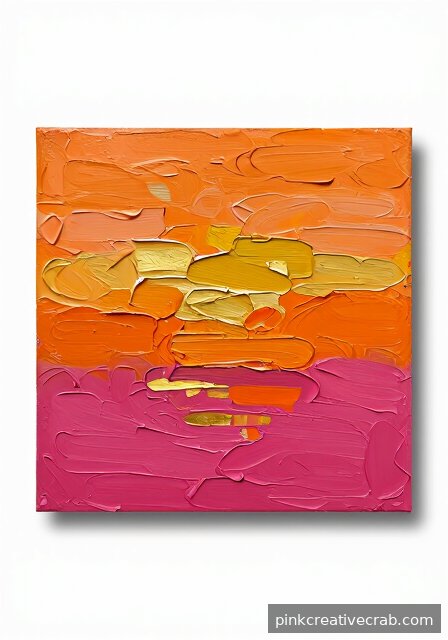
A Bold Acrylic Painting Sunset with Impasto Strokes
If you love texture and expressive brushwork, then an impasto sunset painting is going to make your heart sing. Impasto simply means applying thick, juicy paint that stands off the canvas surface. As a result, every stroke catches light differently, giving your sunset a tactile, almost sculptural quality. Layer generous amounts of cadmium orange, magenta, and golden yellow right from the tube without thinning.
The wonderful thing about this technique is that happy accidents become beautiful textures. Therefore, embrace unexpected color blends where strokes overlap. Meanwhile, using a palette knife alongside your brushes adds even more interesting surface variation. Shorter, bolder strokes near the horizon create energy, while longer sweeping marks in the upper sky suggest movement.
Impasto painting does use considerably more paint than traditional methods. However, the results are absolutely worth it. Understanding how acrylic paint behaves differently from other mediums is helpful too. The Acrylic vs Watercolor vs Oil vs Gouache: Which Medium Should You Choose? guide explains this brilliantly. Stock up with heavy body acrylic paint impasto medium for the best results.
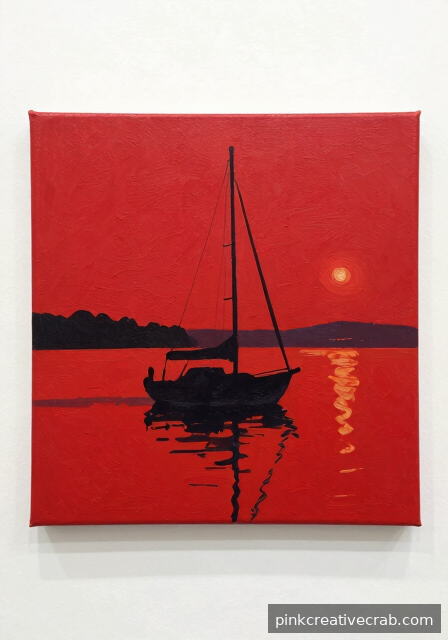
Sailboat Silhouette in a Crimson Harbour Dusk
There is something so timeless and romantic about a sailboat resting on still harbour waters as the sun dips below the horizon. This painting idea is also wonderfully forgiving for beginners because the boat itself becomes a simple dark silhouette. Start by creating a rich crimson and orange sky, blending upward into deeper burgundy and soft violet tones at the very top.
Once your sky is established, the harbour water mirrors those same warm tones with gentle horizontal strokes. Additionally, adding small ripple lines using a fine brush creates immediate visual realism. The sailboat mast rising into that blazing sky becomes a beautiful compositional anchor. Because silhouettes require no complex detail, your focus stays on perfecting that gorgeous sky instead.
For painting crisp mast lines and delicate rigging details, a good liner brush is truly your best friend. Meanwhile, steady practice with fine detail work pays off across all your paintings. Browse acrylic liner brushes for fine detail painting to find the right tool for those satisfying finishing touches that make silhouette paintings look polished and professional.
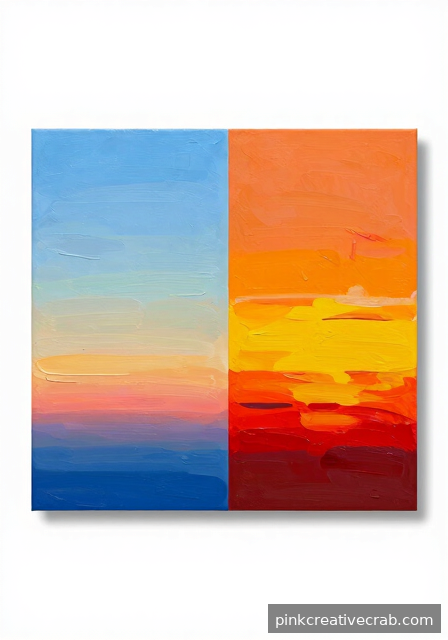
Sunrise Versus Sunset: Exploring Color Contrast in Acrylics
Did you know that sunrises and sunsets actually have subtly different color personalities? Sunrises tend toward cooler, softer pinks and lavenders, while sunsets burn with deeper oranges, reds, and purples. Exploring both in acrylic side by side is a genuinely eye-opening painting exercise that sharpens your color awareness tremendously. Therefore, consider creating a diptych where each panel tells a different part of the day’s story.
For your sunrise panel, lean into soft rose, peach, and cool yellow tones that feel fresh and quiet. However, your sunset panel can be bolder and more saturated, pushing those warm crimson and golden tones to their full intensity. Additionally, keeping both compositions similar in structure helps the color contrast speak clearly without distraction.
This kind of comparative exercise builds real painting skills fast. Because understanding color relationships is so fundamental, pairing this project with the Color Mixing Guide: Everything You Need to Know will genuinely accelerate your progress. Additionally, grab some acrylic paint sets with canvas panels for practice so you have everything ready for your beautiful diptych experiment.
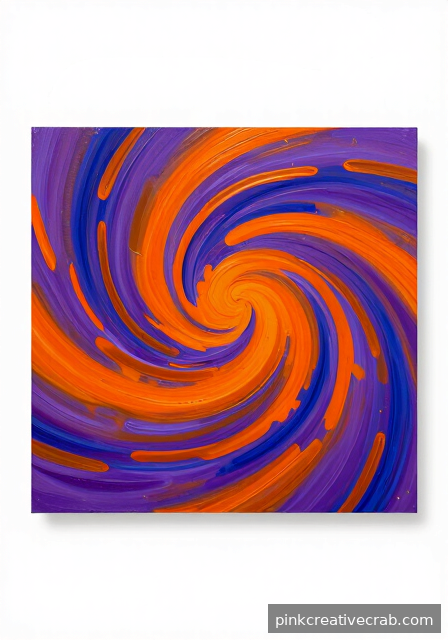
Swirling Expressionist Sunset Sky
Inspired by the energy of Van Gogh, a swirling expressionist sunset invites you to let go of realism and paint pure emotion instead. Rather than blending smoothly, you build the sky from hundreds of energetic curved brushstrokes in vivid orange, deep cobalt, violet, and warm gold. As a result, the sky feels alive and in motion, almost breathing with dramatic movement and feeling.
This approach is wonderfully freeing because perfection is completely beside the point. However, some basic understanding of color harmony keeps your swirling palette from becoming muddy. For example, alternating warm and cool tones within your strokes creates vibration and visual excitement. Meanwhile, a dark swirling foreground of rolling hills or rooftops grounds the composition beautifully against that dynamic sky.
If you are newer to expressive techniques, building a solid foundation in art fundamentals makes this style even more rewarding. The Art Fundamentals: Complete Guide to Drawing & Painting Basics is a fantastic starting point. Additionally, stocking up on acrylic paints bright colors expressionist painting ensures you have all those vivid hues ready to swirl across your canvas.
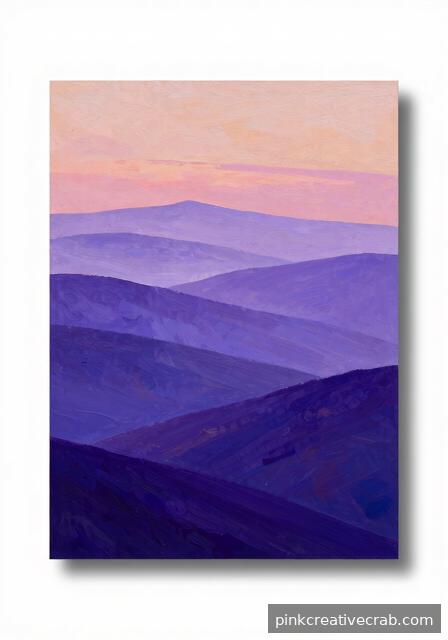
Rolling Hills Fading Into Evening Haze
Rolling hills at dusk are absolutely magical to paint with acrylics, and the good news is they are more forgiving than you might think. Because acrylics blend beautifully while still wet, you can create those soft, dreamy layers of haze with gentle strokes. Additionally, the way distant hills naturally lose color and detail makes atmospheric perspective feel almost automatic as you work.
Start with your lightest, warmest tones near the horizon, then gradually add cooler, deeper purples and blues as each hill comes forward. However, resist the urge to overblend — sometimes those happy accidents create the most gorgeous misty effects. Therefore, keep a light touch and trust the process. Your Color Mixing Guide: Everything You Need to Know will be invaluable here for mixing those subtle twilight hues.
For silky smooth gradients across your hills, soft synthetic brushes make all the difference. Try a set like acrylic fan brushes for blending to achieve those gorgeous fading hill effects effortlessly.
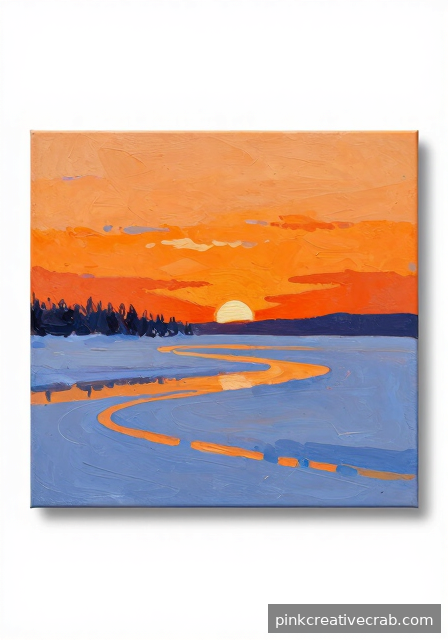
Acrylic Painting Sunset Over a Snowy Winter Landscape
Painting a winter sunset with acrylics is one of those experiences that feels truly rewarding — the contrast between warm glowing skies and cool blue snow creates such a stunning visual story. Because snow reflects surrounding colors so beautifully, your sky hues of orange, pink, and lavender will naturally echo across the snowy ground. As a result, the whole painting feels harmonious and alive without much extra effort on your part.
Meanwhile, the trick is keeping your snow shadows cool and your highlights almost pure white with just a whisper of warm yellow. Layering thin glazes of color over dried snow areas helps capture that magical reflected light. Additionally, if you want to explore how different mediums handle snow scenes, check out Acrylic vs Watercolor vs Oil vs Gouache: Which Medium Should You Choose? for some great inspiration.
Having quality palette knives alongside your brushes makes creating textured snow surfaces so much easier and more fun. Consider grabbing a set of palette knives for acrylic painting texture to add beautiful dimension to your winter scene.
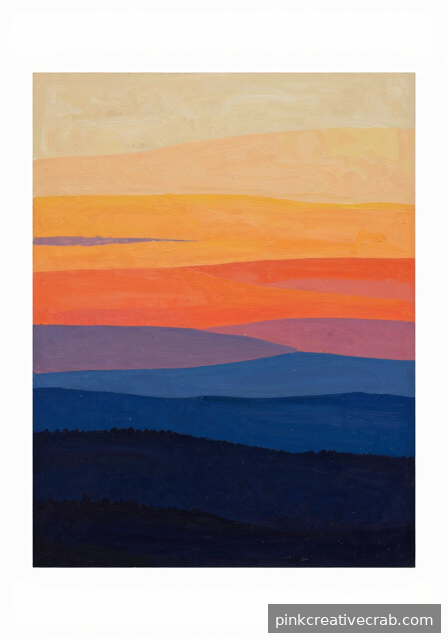
Atmospheric Perspective in a Layered Dusk Panorama
Atmospheric perspective is honestly one of the most exciting techniques to master, and a layered dusk panorama is the perfect playground for it. Essentially, objects farther away appear lighter, cooler, and less detailed — and acrylics make recreating this effect wonderfully approachable. Therefore, by simply shifting your color temperature and value from background to foreground, your painting will suddenly feel like it stretches for miles.
Begin by blocking in pale, warm sky tones at the horizon, then build richer, darker layers as you move forward in the scene. However, always let each layer dry fully before adding the next — thankfully acrylics dry fast, so this is rarely a long wait! Additionally, understanding foundational concepts really helps, so the Art Fundamentals: Complete Guide to Drawing & Painting Basics is a wonderful companion resource as you practice.
Using a quality set of flat and filbert brushes gives you excellent control over layering and edge softening. A set of acrylic paint brushes for layering techniques will support your atmospheric perspective work beautifully from the very first brushstroke.
Final Thoughts
There is genuinely no ceiling to how far you can take an acrylic painting sunset — and that is one of the most exciting things about this subject. Every canvas is a fresh invitation to experiment with color, light, and mood. Therefore, whether you choose to paint a serene coastal dusk or a wild, storm-lit sky, trust that your growing skills are more than up to the challenge.
Additionally, keep in mind that even the most accomplished artists repaint sections, adjust colors, and sometimes completely rethink a composition midway through. That process is not failure — it is simply how great paintings get made. So celebrate every small breakthrough, every perfectly blended gradient, and every bold brushstroke that surprises you in the best way.
Now pick the idea that made your heart beat a little faster and start mixing those colors. Your best sunset painting is absolutely waiting to happen, and we cannot wait to see where the golden light takes you next.
Frequently Asked Questions
What are the best acrylic colors to use for a sunset painting?
For a stunning acrylic painting sunset, consider starting with Cadmium Yellow, Cadmium Orange, Quinacridone Magenta, and Dioxazine Purple. Additionally, Titanium White helps soften transitions beautifully. Mixing these thoughtfully creates that characteristic warm-to-cool gradient. However, always test your mixes on a spare piece of paper before committing them to your canvas.
How do I blend acrylics smoothly for a sunset sky without streaks?
Smooth blending in acrylics requires working quickly, because the paint dries fast. Therefore, many artists use a slow-dry medium to extend working time. Additionally, keeping your brush slightly damp and using feathery, overlapping strokes helps enormously. Working wet-into-wet on small sections at a time, rather than the entire canvas at once, produces far more seamless results.
Can I use a palette knife for acrylic sunset paintings?
Absolutely — palette knives are wonderful for creating bold, textured sunset skies. For example, loading the knife with thick, undiluted paint and dragging it horizontally mimics the look of streaked clouds beautifully. However, the technique requires confidence and a light touch. Additionally, combining palette knife work with soft brush blending in the same piece creates exciting visual contrast.
How do I paint realistic water reflections in a sunset scene?
Realistic reflections mirror your sky colors vertically downward, however they are slightly darker and more muted than the sky itself. Therefore, mix your sky colors with a touch of their complementary color to dull them subtly. Additionally, horizontal broken strokes suggest rippling water movement convincingly. Short, confident strokes work far better here than overworked, blended areas that lose their energy.
What canvas size works best for an acrylic painting sunset?
Sunset scenes genuinely benefit from a wider format, because panoramic compositions capture the sweeping sky naturally. Therefore, a 16×20 inch or 12×36 inch elongated canvas works beautifully for advanced painters. However, smaller formats like 8×10 inch canvases are excellent for focused practice studies. Additionally, working on toned canvas rather than stark white makes warm sunset colors appear far more vibrant from the first brushstroke.
Have any thoughts?
Share your reaction or leave a quick response — we’d love to hear what you think!
-
 0
0 -
0
-
0
-
0
-
0
-
0


