✨ Key Insights
- Many intermediate painters struggle with muddy skies — the fix is to mix your sky colors on the palette first and apply them wet-into-wet while the canvas is still damp, working from the horizon up to avoid overblending.
- Getting convincing depth in landscapes is easier when you apply the atmospheric perspective rule: distant elements should be lighter, cooler, and less detailed than foreground ones — a simple shift in value and temperature makes a huge difference.
- Layering is the secret weapon of acrylic landscape painters. Because acrylics dry fast, you can build up glazes of transparent color quickly to create luminous light effects without waiting days like you would with oils.
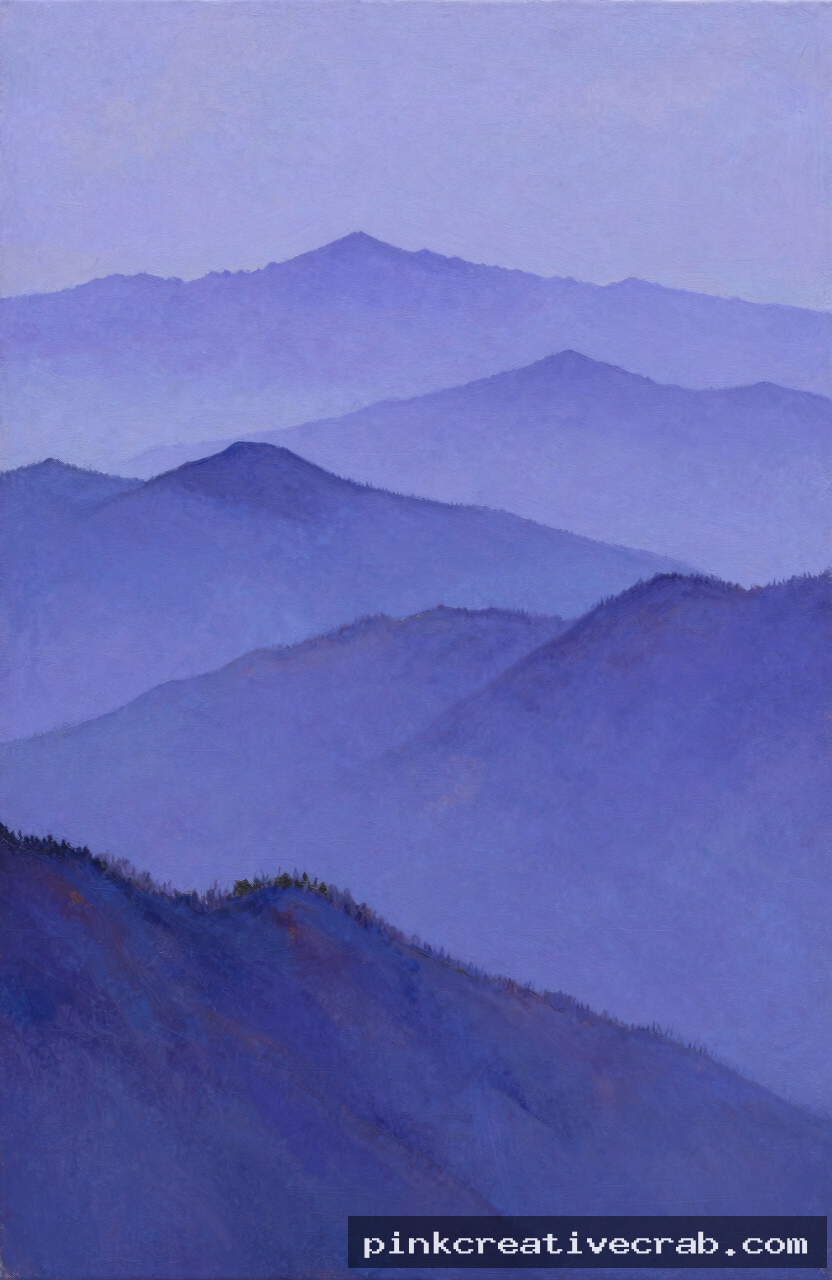
Acrylic landscape paintings let you capture the mood of a misty mountain, a golden meadow, or a stormy coastline — all from the comfort of your own studio, and faster than almost any other painting medium. If you have been wanting to move beyond still-life subjects or simple color studies, landscapes are the perfect next step. They teach you everything at once: color mixing, atmospheric perspective, layering, and compositional balance. The great news is that acrylics are uniquely forgiving for this genre. Dry too dark? Paint right over it. Smudged your horizon line? Fix it in minutes. That flexibility makes acrylics the ideal medium for exploring big, expressive outdoor scenes without the pressure of getting everything perfect on the first pass. In this post, we have gathered 16 acrylic landscape painting ideas that range from serene and soft to bold and dramatic. Each one comes with practical technique tips so you can get started right away, no matter where you are on your creative journey. Whether you prefer loose impressionistic work or something more structured, there is an idea here that will inspire your next painting session. Grab your brushes, set up your palette, and let us dive in.
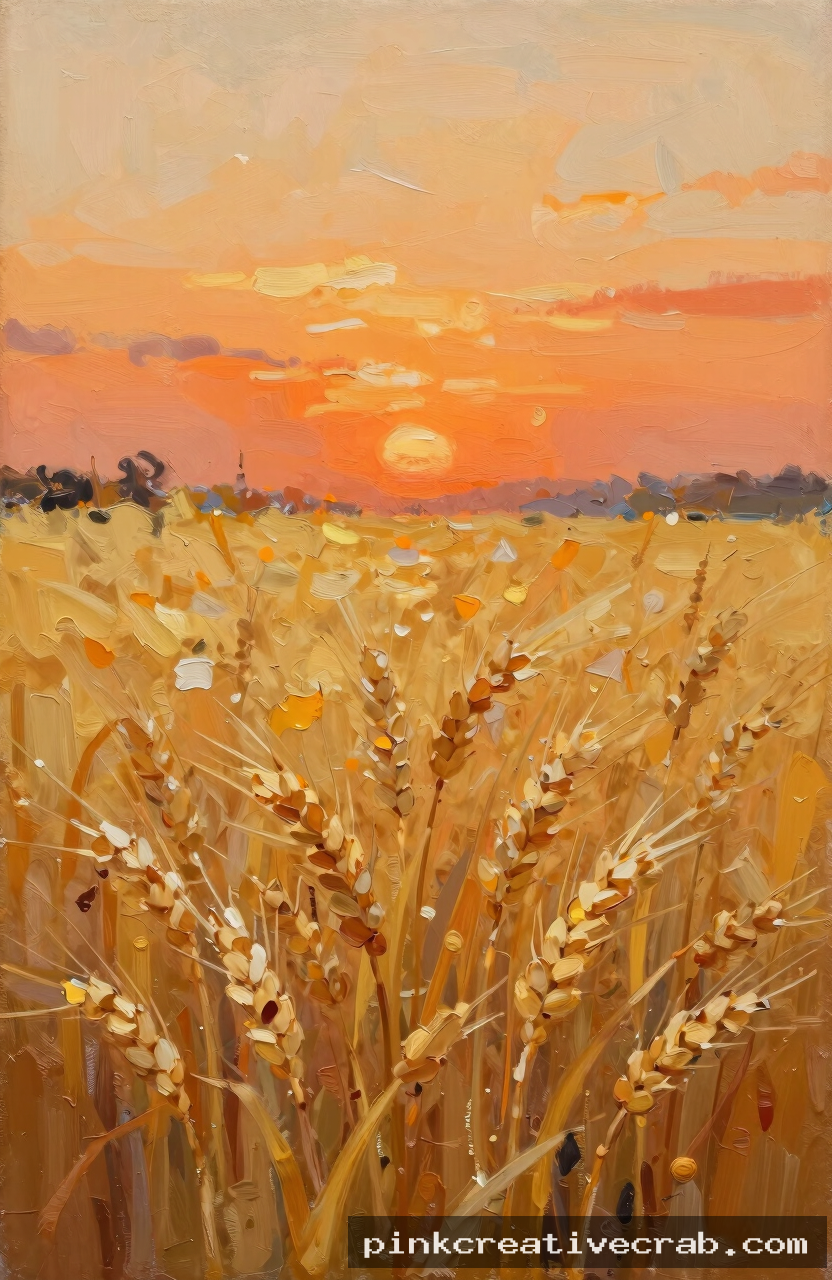
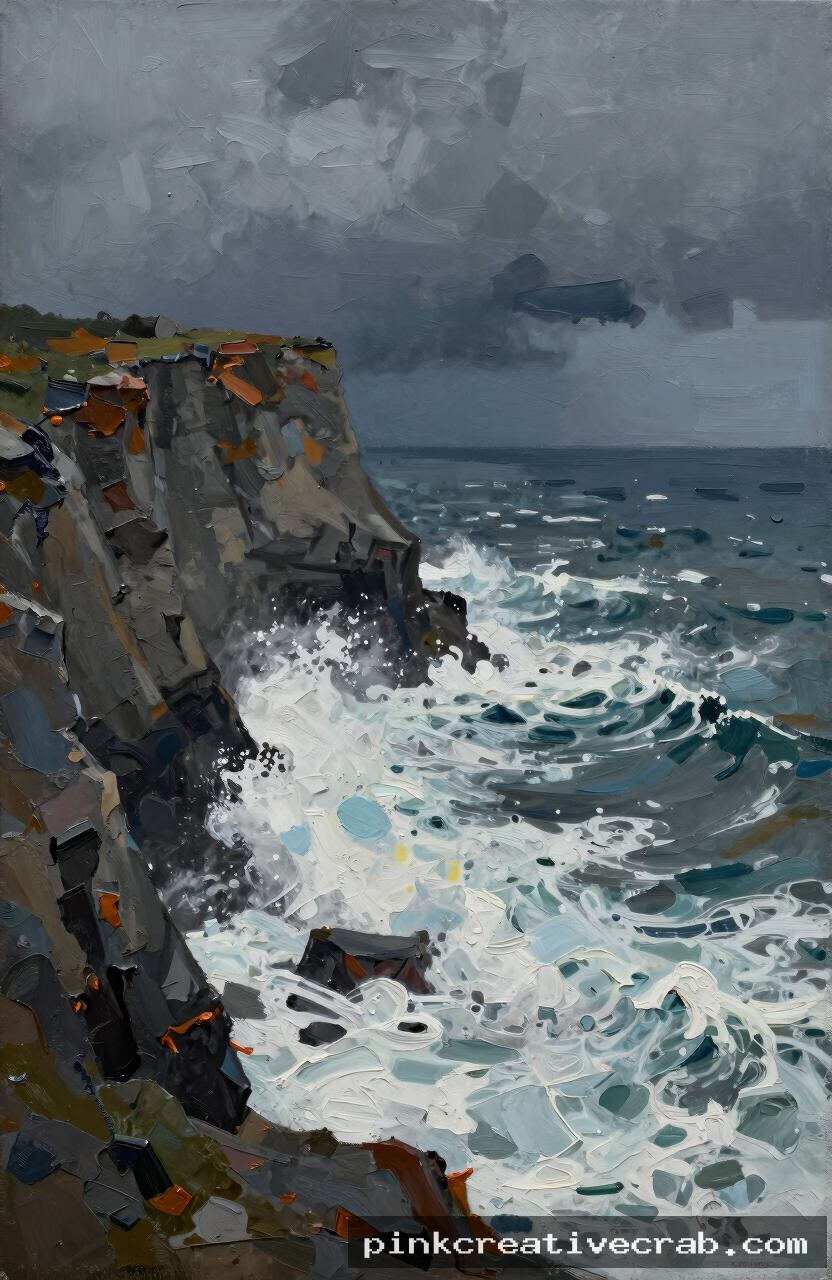
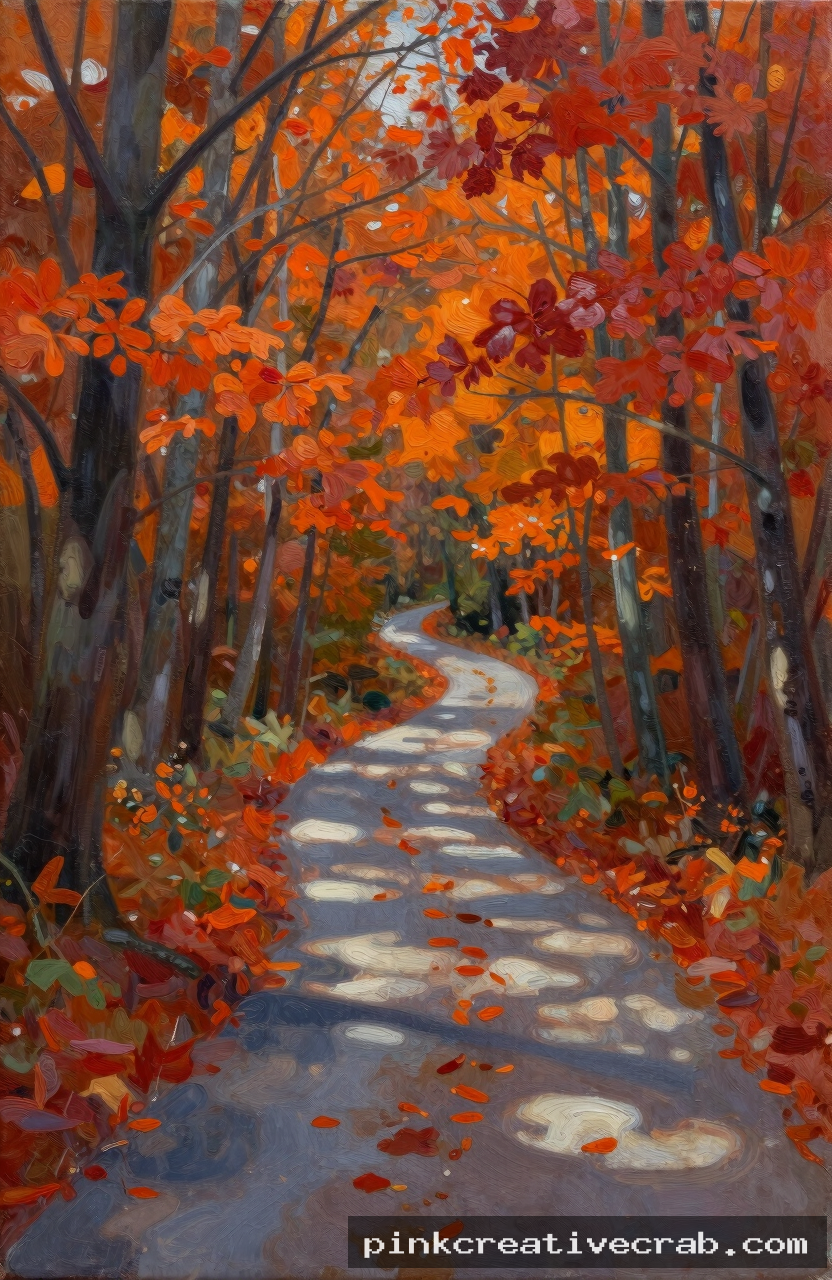
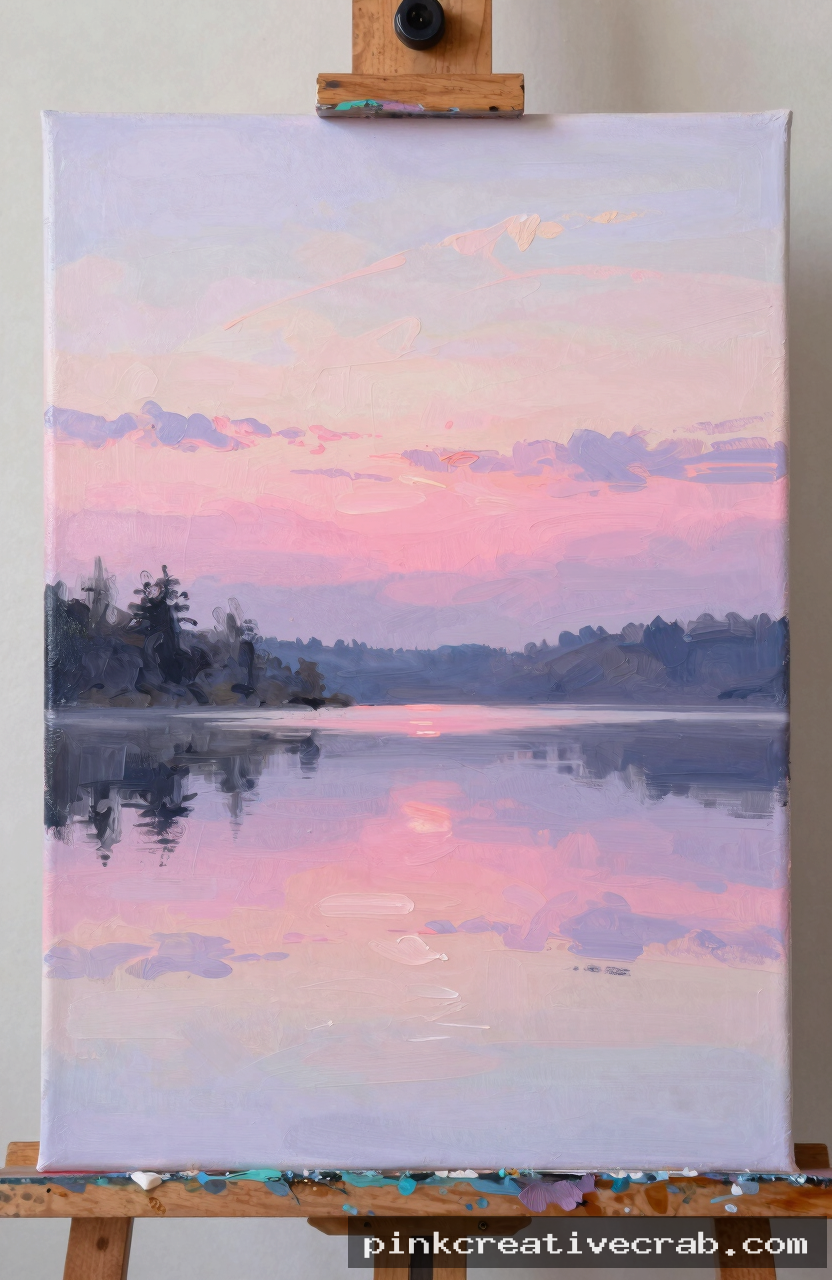
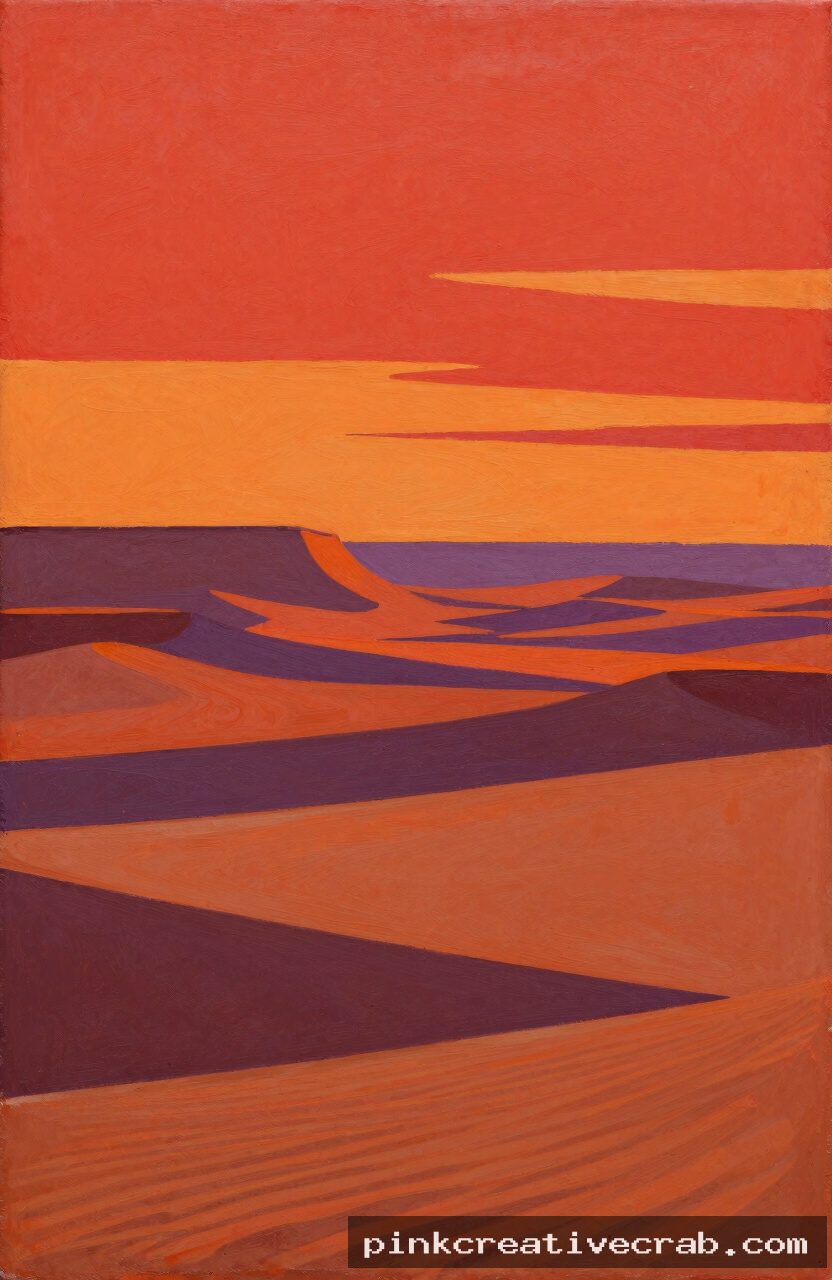
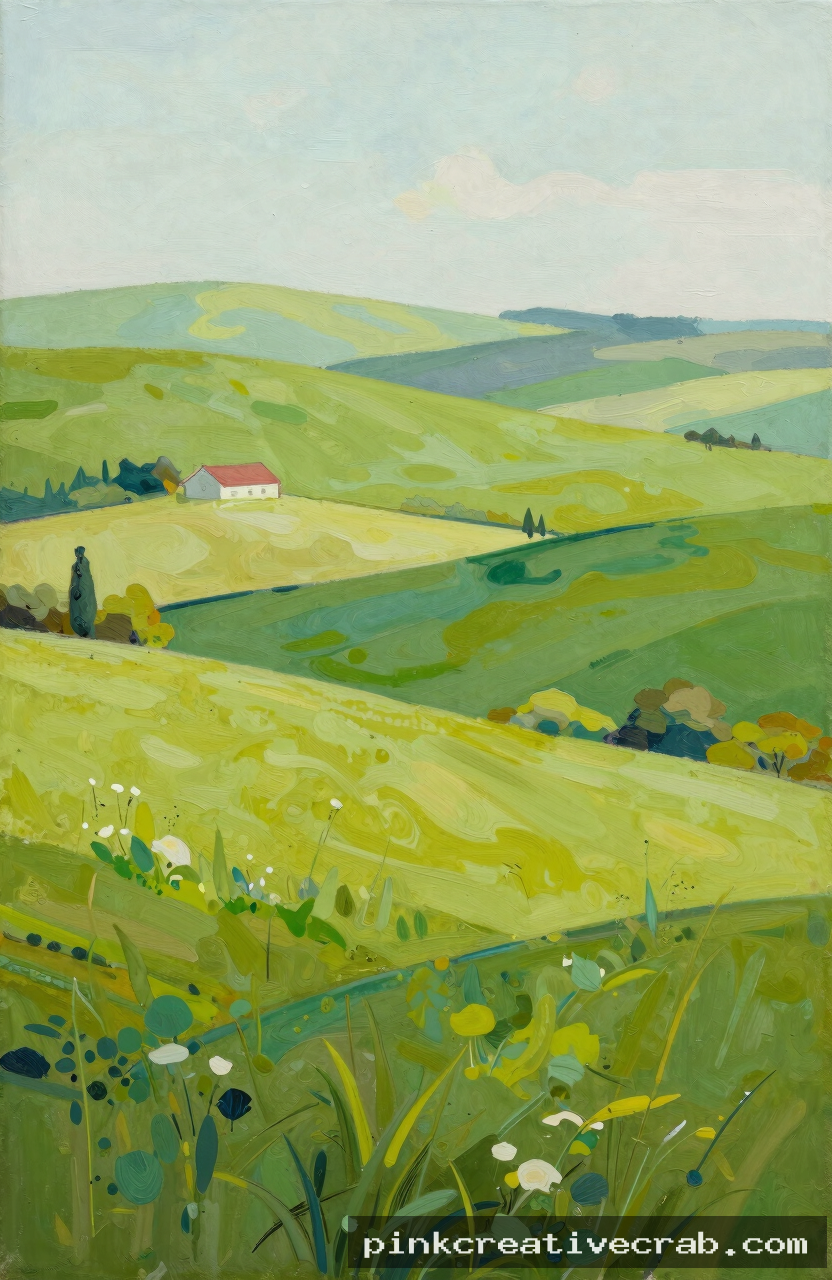
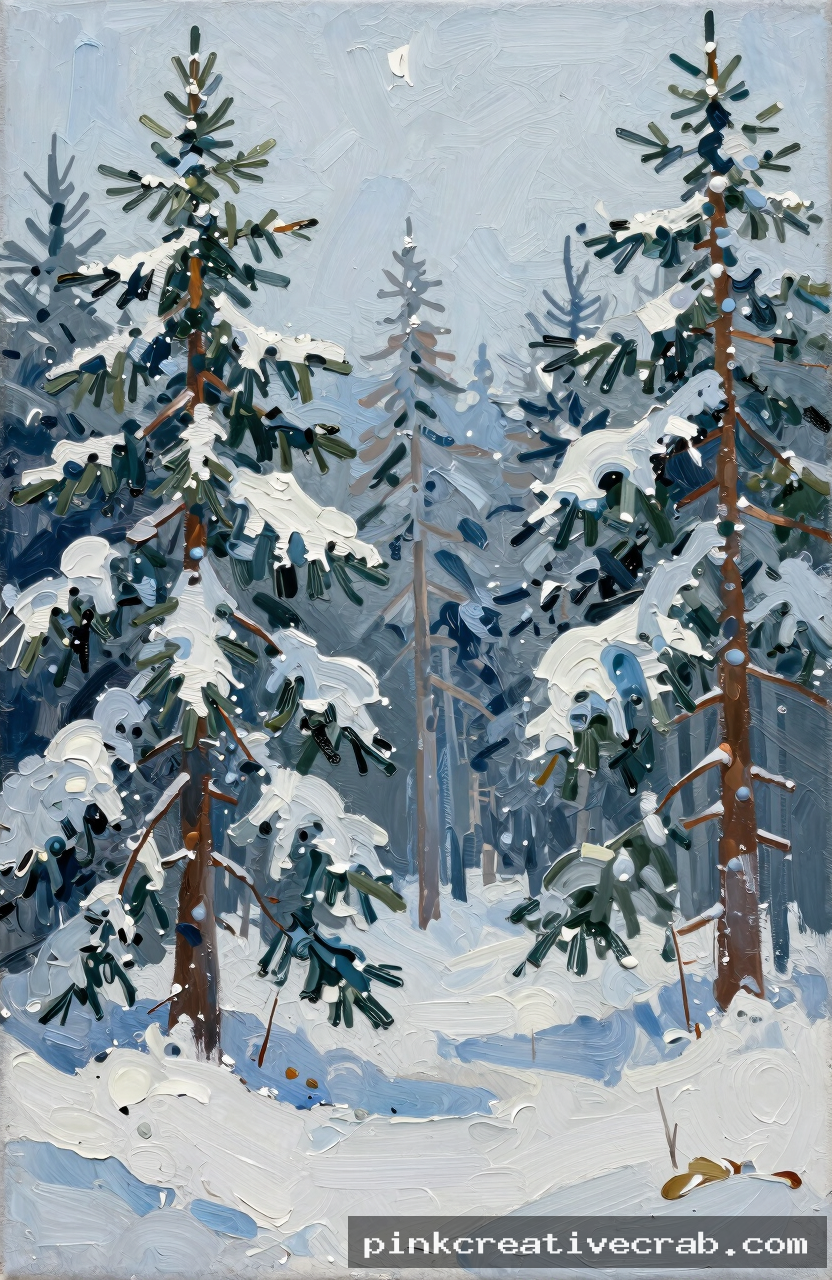
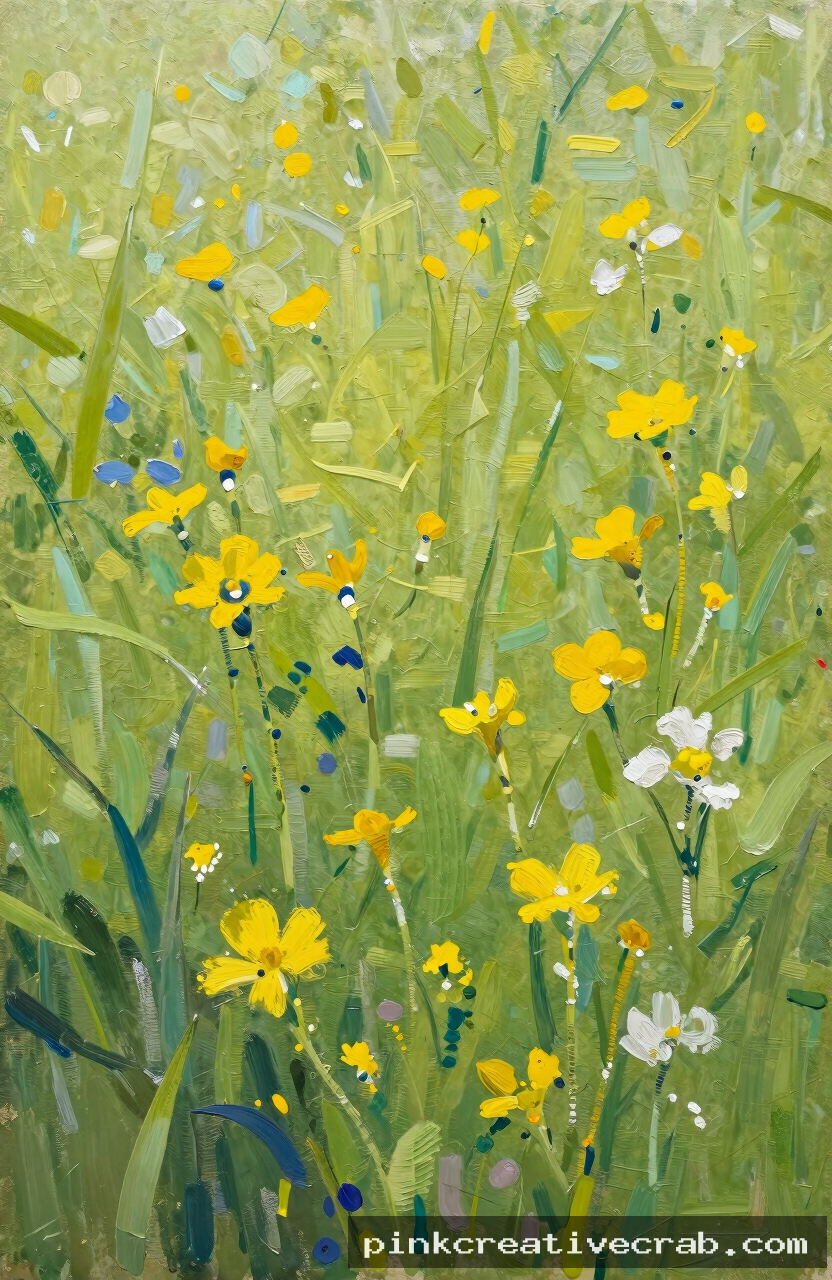
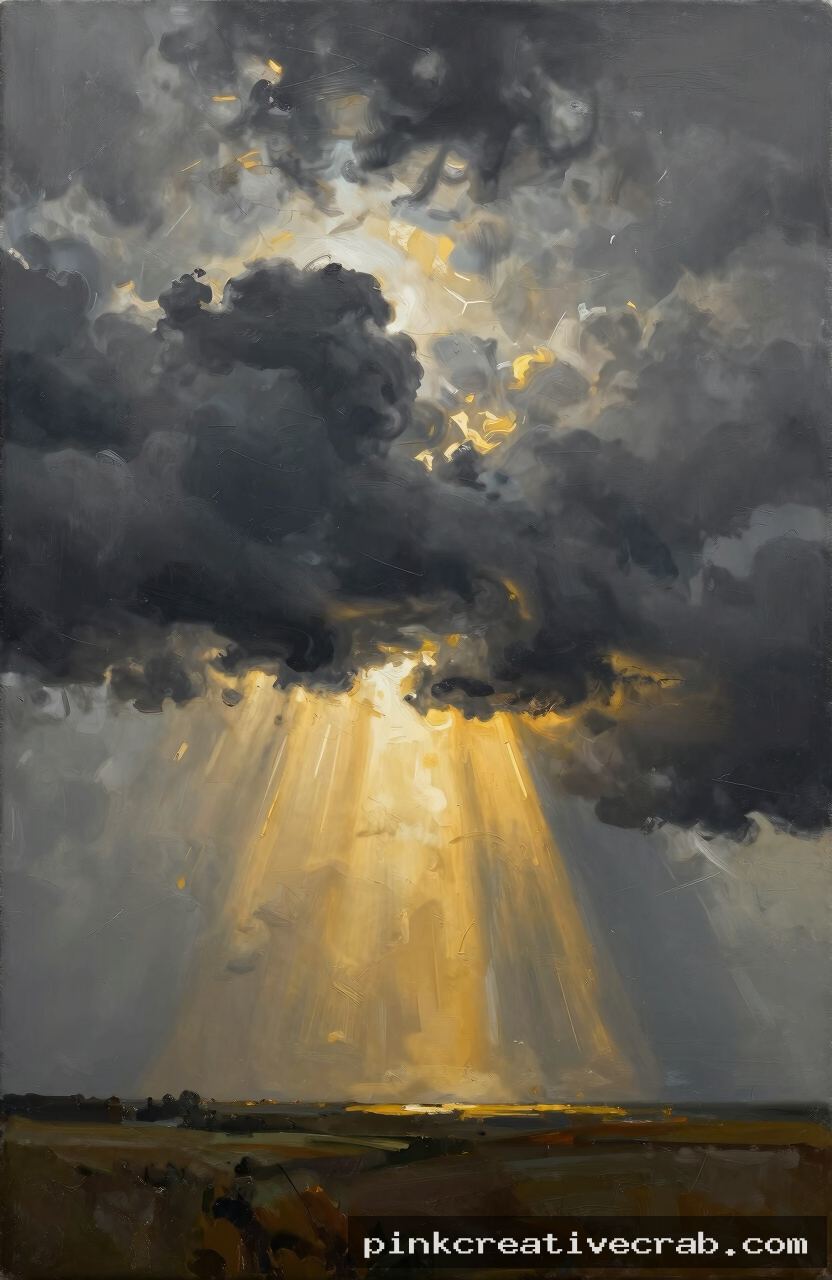
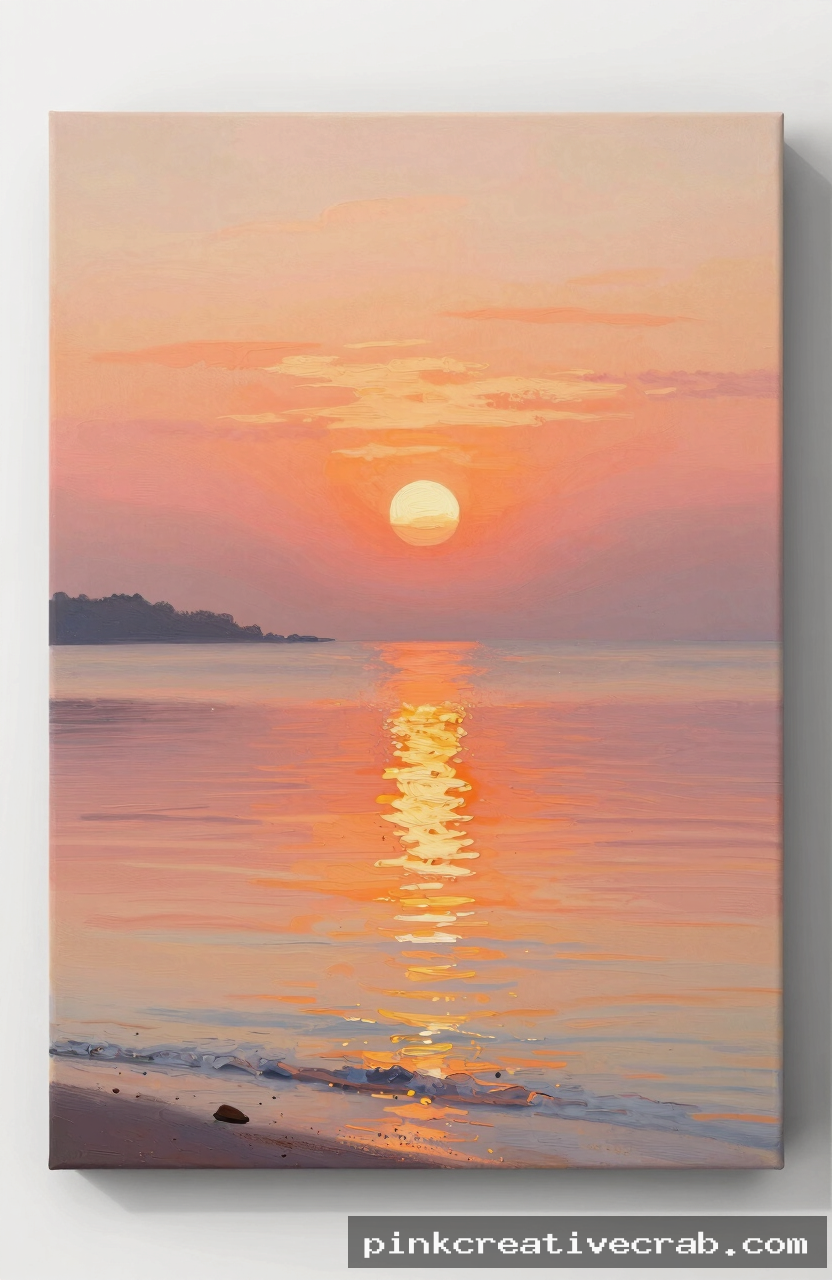
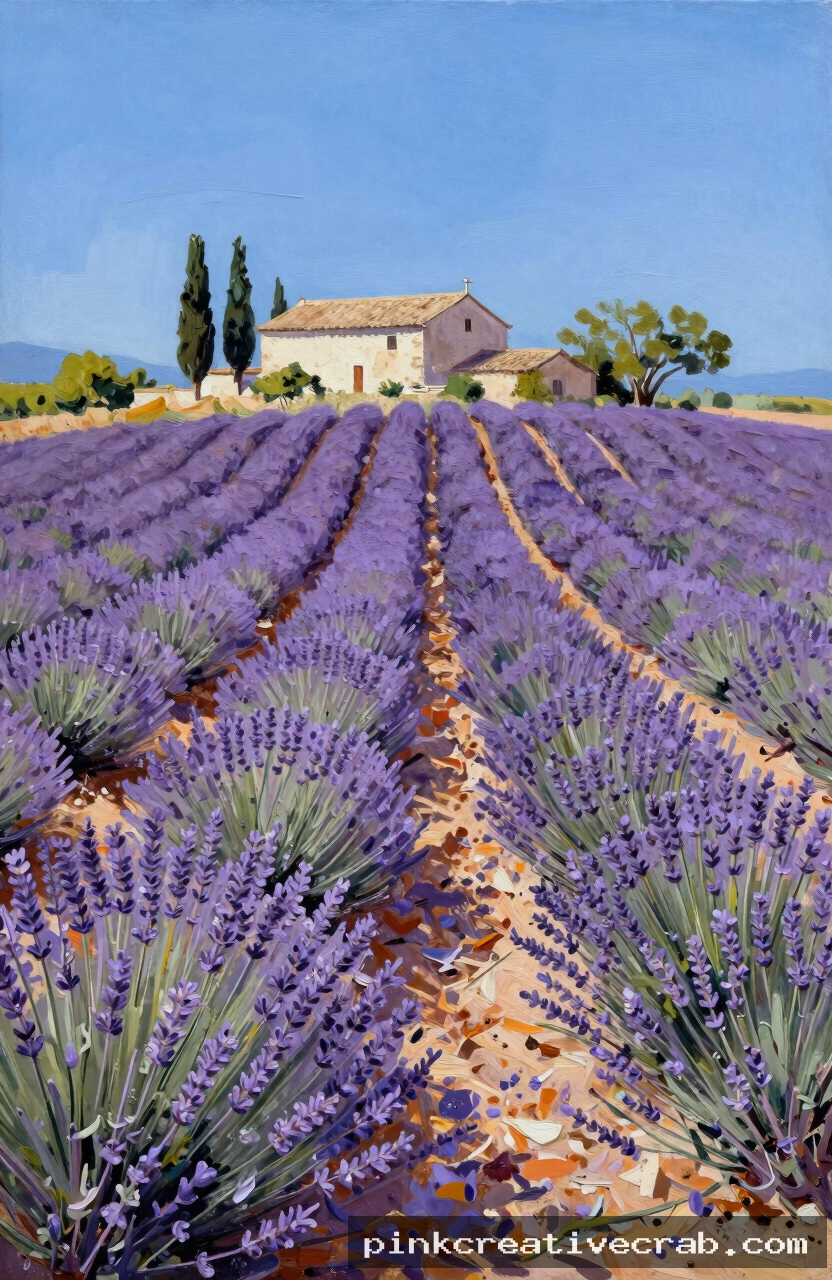
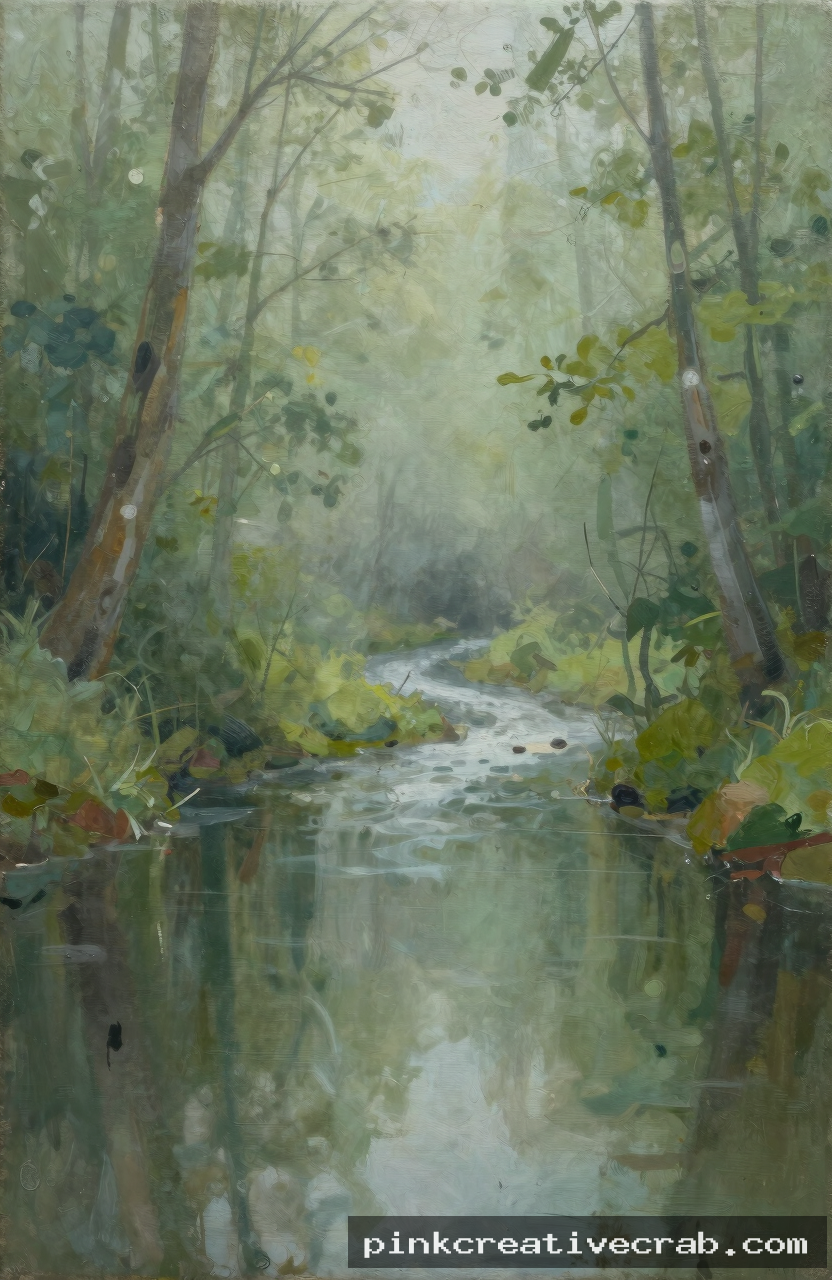
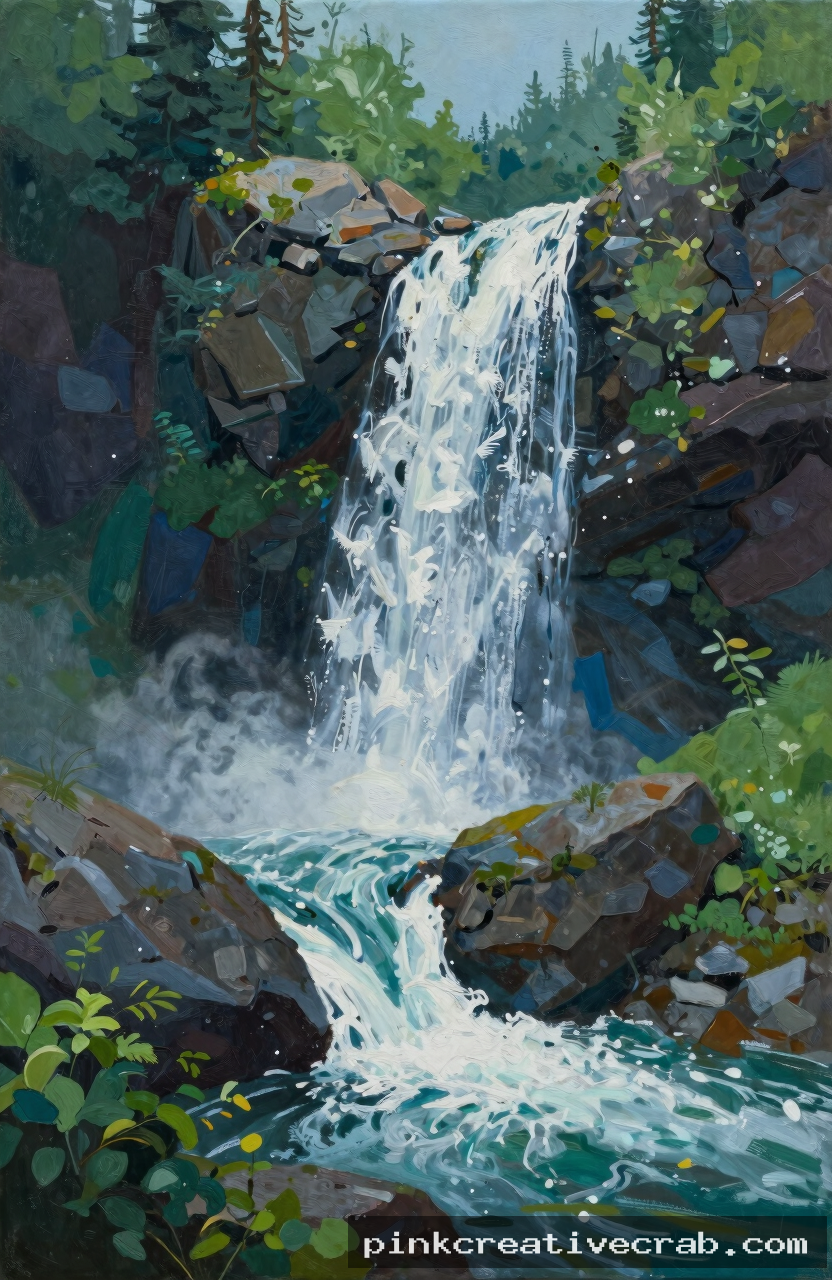
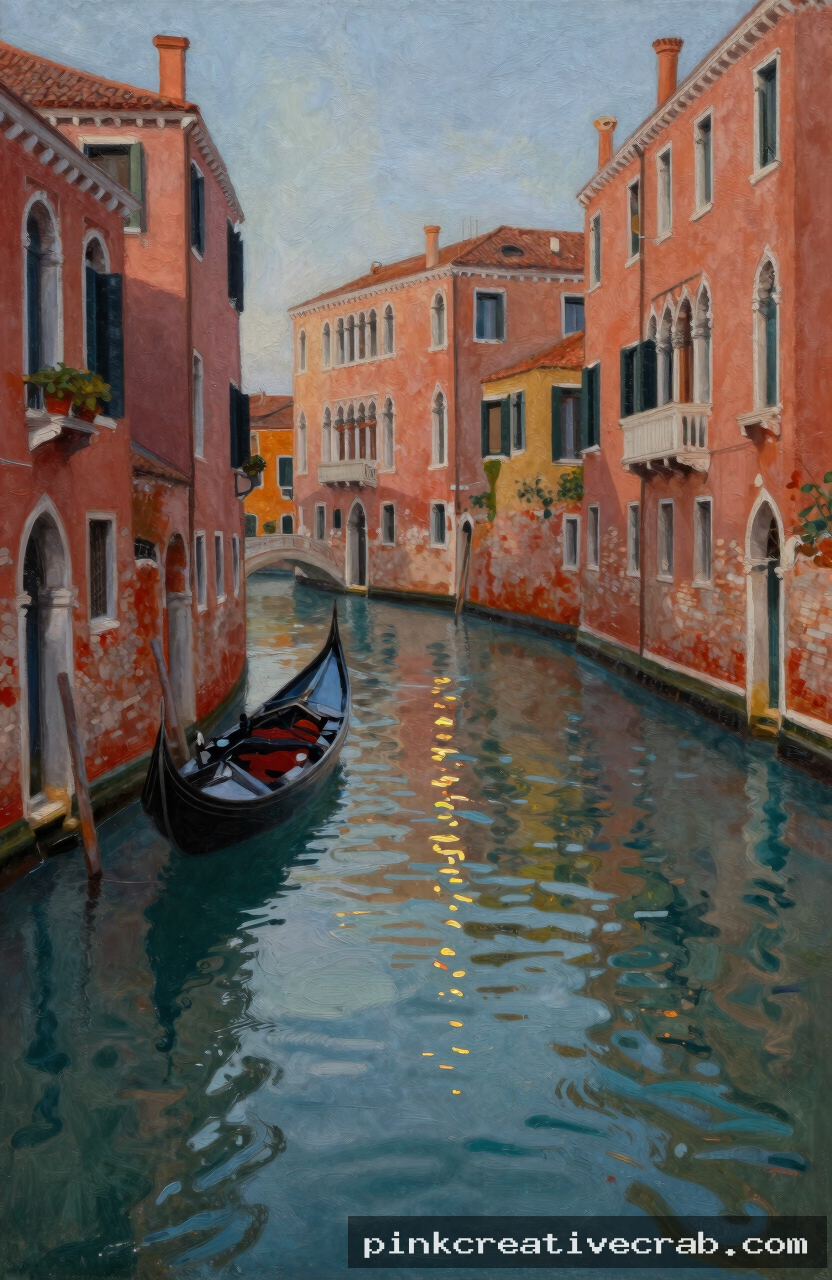
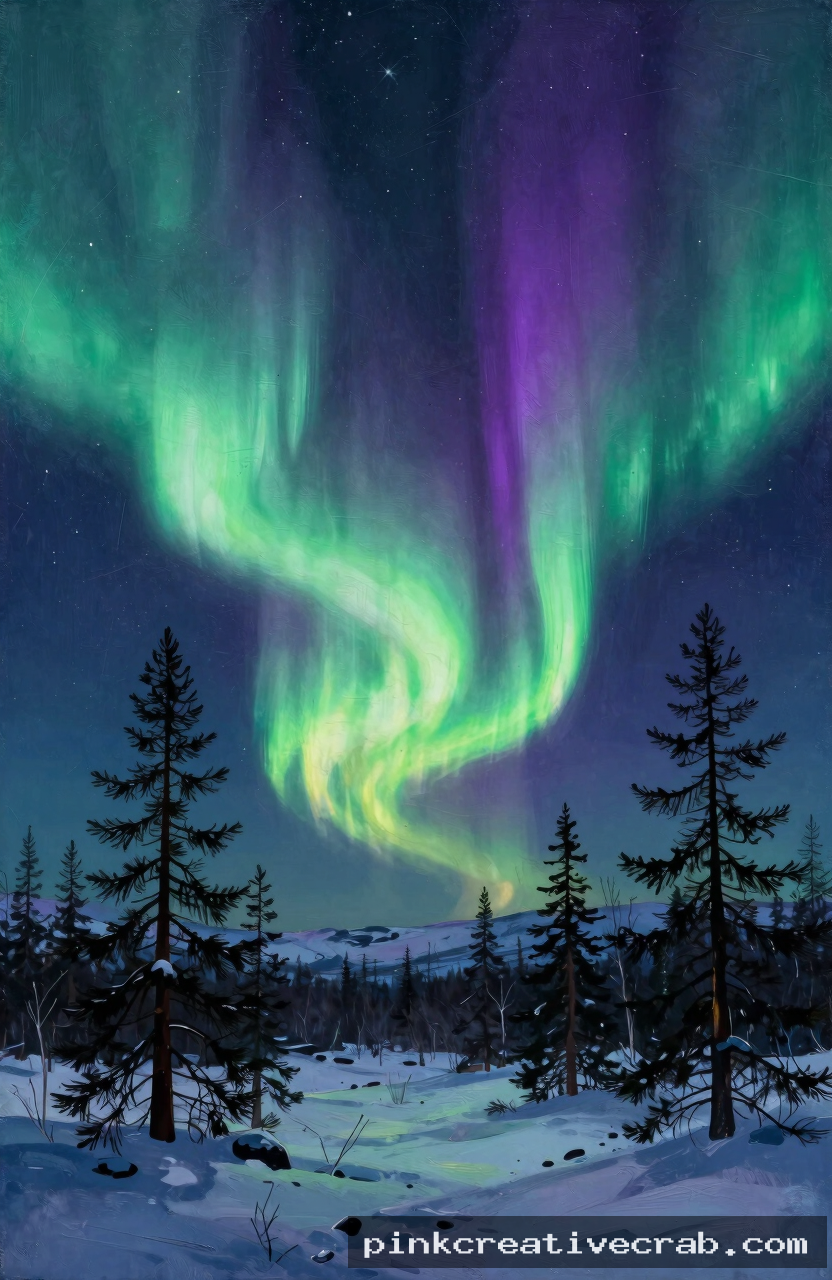
1. Golden Hour Wheat Field
Mix cadmium yellow, raw sienna, and a touch of burnt orange to capture that warm late-afternoon glow. Paint the sky first in broad horizontal strokes, then use a dry-brush technique for the wheat stalks to create texture. Layer darker values at the base of the field and lighter highlights at the tips. A flat acrylic brush set works beautifully for sweeping grass strokes.
Frequently Asked Questions
What colors do I need for acrylic landscape painting?
A solid landscape palette includes titanium white, ultramarine blue, phthalo blue, cadmium yellow, yellow ochre, burnt sienna, raw umber, alizarin crimson, and Payne’s grey. These nine colors mix into virtually every sky, foliage, earth, and water tone you will encounter. For more guidance, check out the Color Mixing Guide: Everything You Need to Know.
How do I stop my acrylic landscape colors from going muddy?
Muddy color usually happens from overblending on the canvas or not cleaning your brush between colors. Mix each value and hue deliberately on your palette before applying it. Use a separate brush for warm and cool tones, and resist the urge to keep stroking once paint is placed. Less is often more when building fresh, clean landscape color.
Should I paint the sky or the land first in an acrylic landscape?
Almost always paint the sky first. The sky sets the light temperature and mood for the entire painting. Once your sky is established, you can mix landscape colors that harmonize with it. Start with the furthest elements and work forward — sky, distant hills, middle ground, then foreground — to build convincing depth naturally.
How do I paint realistic trees in acrylics?
Start with the dark mid-tone for the main mass, then add lighter highlights on top using a dabbing motion with a sponge or stippling brush. Never outline the entire tree shape. Vary your greens with yellow for sunlit areas and add red or brown for shadow zones. Keep distant trees softer and smaller than foreground ones to reinforce perspective.
Is acrylic or oil better for landscape painting?
Both mediums are excellent for landscapes but work differently. Acrylics dry fast, allowing quick layering and easy corrections, which many beginners and intermediate painters love. Oils stay wet longer, making blending easier but requiring patience. For a detailed comparison, read Acrylic vs Watercolor vs Oil vs Gouache: Which Medium Should You Choose?.
What canvas size is best for beginner landscape paintings?
An 11×14 inch or 12×16 inch canvas is ideal for intermediate landscape work — large enough to explore composition and detail without being overwhelming. Smaller surfaces like 8×10 are great for quick studies and color experiments. Canvas panels are more affordable than stretched canvases and work brilliantly for practice sessions where you want to try several approaches.
How do I create the illusion of depth in a flat landscape?
Atmospheric perspective is your main tool: make distant objects lighter, cooler in color, and less detailed than objects in the foreground. Overlapping shapes, a clear foreground-midground-background structure, and converging lines like roads or fences all strengthen depth. Check the Drawing Techniques Encyclopedia: 50+ Essential Methods for more perspective principles that apply directly to painting.
Have any thoughts?
Share your reaction or leave a quick response — we’d love to hear what you think!
-
 0
0 -
0
-
0
-
0
-
0
-
0


