⭐ Key Takeaways
✦ Warm earth tones like burnt sienna, yellow ochre, and cadmium orange are your best friends for capturing that unmistakable autumn glow in oil painting.
✦ Beginners benefit most from starting with simple compositions — a single tree, a pile of leaves, or a foggy path — before building toward more complex autumn scenes.
✦ Oil paint’s slow drying time is actually a huge advantage for beginners, giving you plenty of room to blend those gorgeous soft autumn color transitions without rushing.
Autumn oil painting is honestly one of the most magical ways to spend a cozy afternoon with a brush in your hand. There is something about those warm reds, burnt oranges, and golden yellows that just feels made for oil paint. The way the colors blend together, rich and buttery, capturing the feeling of fallen leaves and crisp cool air — it is truly special.
If you are a beginner, do not let the words “oil painting” intimidate you for even a second. Additionally, autumn scenes are actually wonderfully forgiving subjects — all those overlapping leaves and dappled light mean there is no single “right” answer. Therefore, whether you have never touched a canvas before or you have dabbled a little and want to grow, these 24 ideas are here to cheer you on every single step of the way. You are going to surprise yourself with what you can create.
Table of Contents
- This Golden Forest Path Is Almost Too Pretty to Be This Easy
- Why a Single Maple Tree Is the Most Satisfying Autumn Oil Painting You Will Ever Try
- Cozy Pumpkin Patch Vibes That Belong on Every Beginner’s Canvas
- Everyone Will Think You Studied for Years When They See This Misty Hillside
- Meet the Falling Leaves Scene of Your Cottagecore Dreams
- How a Few Lazy Brushstrokes Become a Stunning Amber Sunset
- The Dreamy Apple Orchard That Will Make You Fall in Love With Oil Paint
- Rustic Barn in October Fog — Gorgeous and Shockingly Simple
- You Have Never Seen a Puddle Reflection Look This Breathtaking in Autumn Colors
- Sunlight Through Orange Leaves Is the Coziest Thing You Will Paint All Season
- The Secret to a Perfect Autumn Sky Full of Drama (Beginners, This One’s for You)
- Irresistible Acorn and Leaf Still Life That Takes Under Two Hours
- How That Winding Country Road Becomes Your Most Magical Autumn Oil Painting Yet
- Effortless Birch Trees Wrapped in Gold That Look Incredibly Professional
- 5 Brushstrokes Is All It Takes to Paint This Stunning Harvest Moon
- Smoky Purple Mountains Peeking Through Fall Foliage — Dreamy and Doable
- That Cozy Lakeside Cabin Scene You Have Been Picturing In Your Head
- Sunflower Field at Dusk Is the Warm Hug Your Wall Has Been Waiting For
- This Blurry Impressionist Leaf Pile Is Secretly the Easiest Win in Oil Paint
- A Bright Red Door Surrounded by Autumn Ivy Will Make Your Heart Sing
- Nothing Feels More Satisfying Than Nailing This Soft Foggy Meadow at Sunrise
- Twisted Oak Tree Against a Burnt Orange Sky — Spooky, Stunning, and Totally Achievable
- Rainy Autumn Street With Yellow Umbrellas That Looks Like a Scene From a Film
- Crispy Leaf Close-Up So Detailed and Rich It Practically Smells Like October
This Golden Forest Path Is Almost Too Pretty to Be This Easy
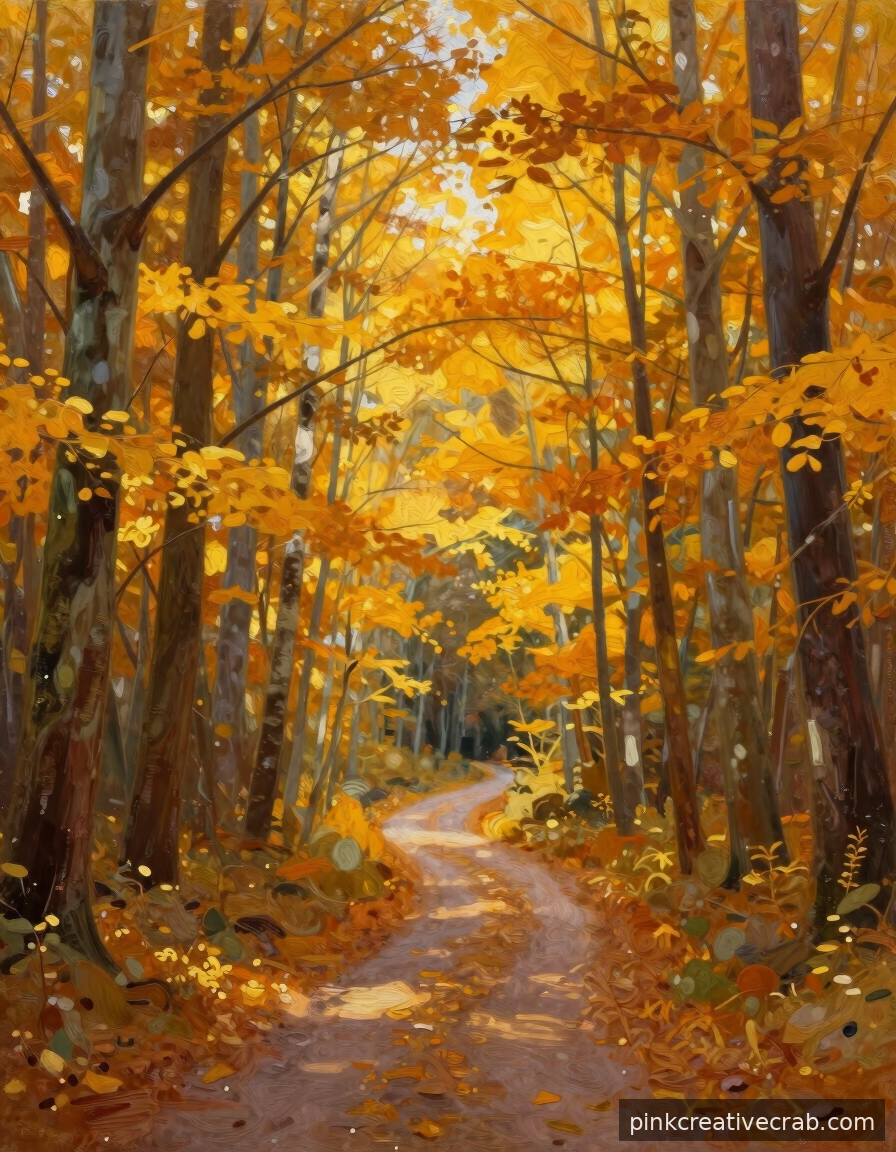
A winding forest path surrounded by golden autumn trees sounds intimidating, but honestly? It’s one of the friendliest subjects you can pick as a beginner. The loose, leafy shapes mean small mistakes simply disappear into the texture. Additionally, the warm yellows and oranges are incredibly forgiving colors to mix and blend.
Start by blocking in your background trees with a warm buttery yellow. Then layer in deeper oranges and burnt sienna toward the edges. The path itself is just a few simple curved strokes of light tan fading into shadow. Meanwhile, don’t stress about perfect detail — loose and painterly is exactly what makes autumn scenes so magical.
For smooth blending on your path, a good set of soft fan brushes makes a huge difference. Try these oil painting fan brushes to get that dreamy, feathered effect with almost zero effort.
Why a Single Maple Tree Is the Most Satisfying Autumn Oil Painting You Will Ever Try
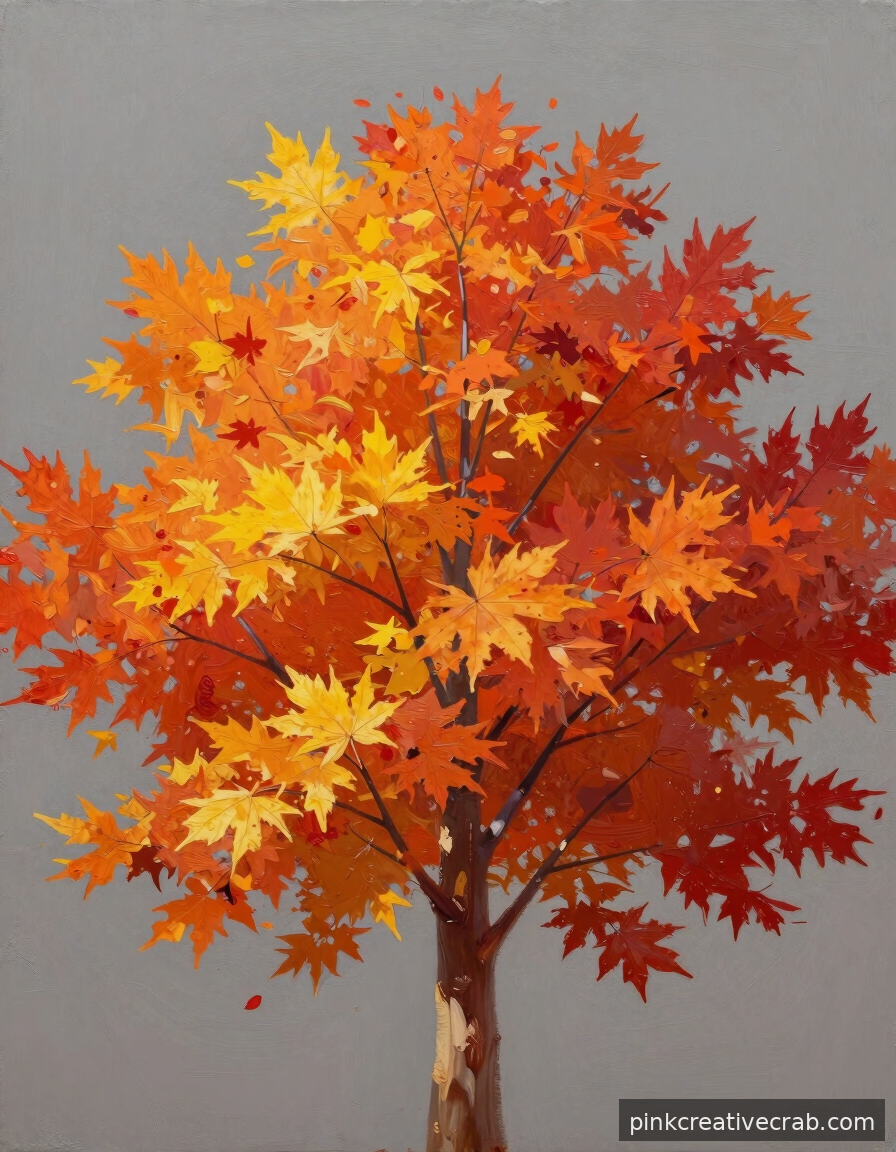
One tree. That’s all you need. A single fiery maple in full autumn glory is honestly one of the most satisfying paintings a beginner can complete. Because the subject is simple, you get to focus entirely on color and texture — two things that make oil painting so rewarding. Therefore, less really is more here.
Start with a deep blue-grey sky to make those warm reds and oranges absolutely pop. Then build the canopy in loose, dabbed strokes using cadmium red, orange, and yellow ochre. The trunk takes just a few confident dark brown lines. However, resist the urge to overwork it — stepping back and seeing it come together is pure magic.
For color mixing confidence, check out the Color Mixing Guide: Everything You Need to Know before you start. Also, grab a quality palette knife set for oil painting to create gorgeous leaf texture effortlessly.
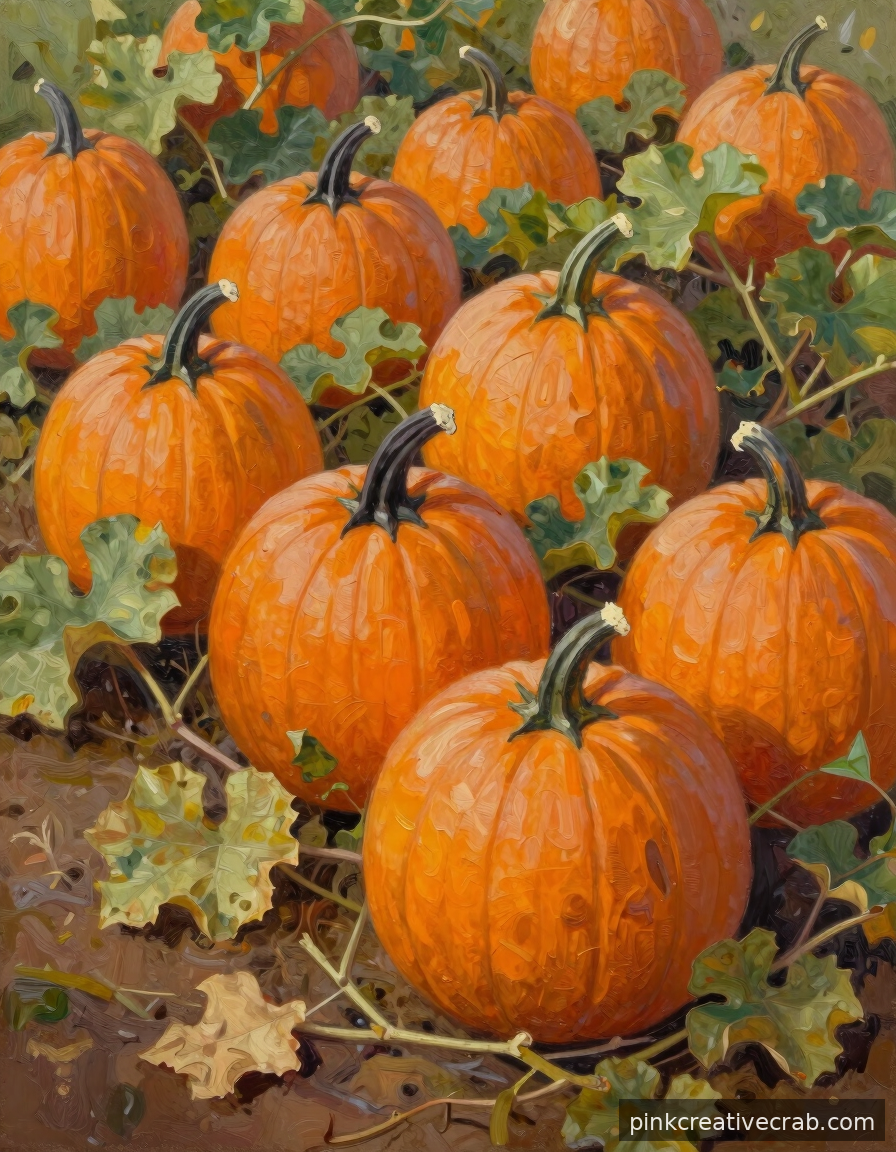
Cozy Pumpkin Patch Vibes That Belong on Every Beginner’s Canvas
Pumpkins are basically nature’s gift to beginner painters. Their rounded shapes are simple, their colors are warm and rich, and a whole patch of them together creates an instantly cozy, inviting scene. Additionally, small imperfections in each pumpkin actually make them look more charmingly handmade. You truly cannot mess this one up.
Begin by painting a warm earthy background of deep green and brown to suggest the patch. Then block in your pumpkins as simple oval shapes in burnt orange and cadmium yellow. Layer on shadows and highlights next — this is where they suddenly start looking delightfully three-dimensional. Meanwhile, adding a few loose vine shapes ties everything together beautifully.
If you’re just getting started with painting supplies, the Art Supplies Glossary: 200+ Terms Every Artist Should Know is a fantastic reference. For the actual painting, try a beginner oil painting set with canvas panels to keep things simple and affordable.
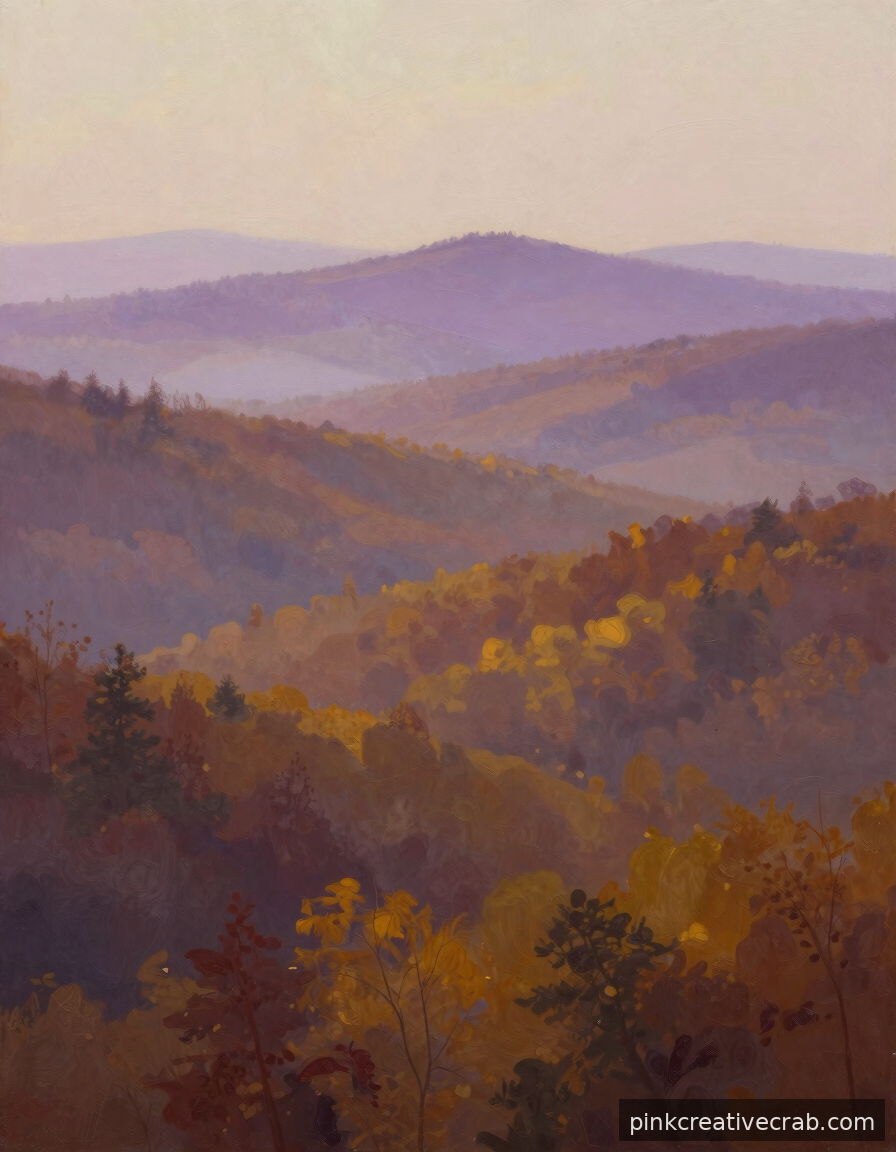
Everyone Will Think You Studied for Years When They See This Misty Hillside
Here’s a little secret — misty landscapes actually hide beginner brushwork beautifully. The soft, hazy atmosphere means edges blur naturally, colors blend seamlessly, and nothing needs to be perfectly sharp. As a result, this moody autumn hillside looks incredibly sophisticated while being genuinely easy to paint. How great is that?
Layer your background hills in soft muted purples and greys first, letting them fade into a pale sky. Work forward through the composition, adding warmer russets and golden ochres as the hillside comes closer. Therefore, depth appears almost automatically just from your color choices. A few loose dark tree silhouettes in the foreground complete the whole dreamy atmosphere.
Understanding basic composition will seriously elevate this painting, so the Art Fundamentals: Complete Guide to Drawing & Painting Basics is worth a quick read first. Also, soft blending brushes for oil painting landscapes will make achieving that gorgeous misty effect incredibly easy.
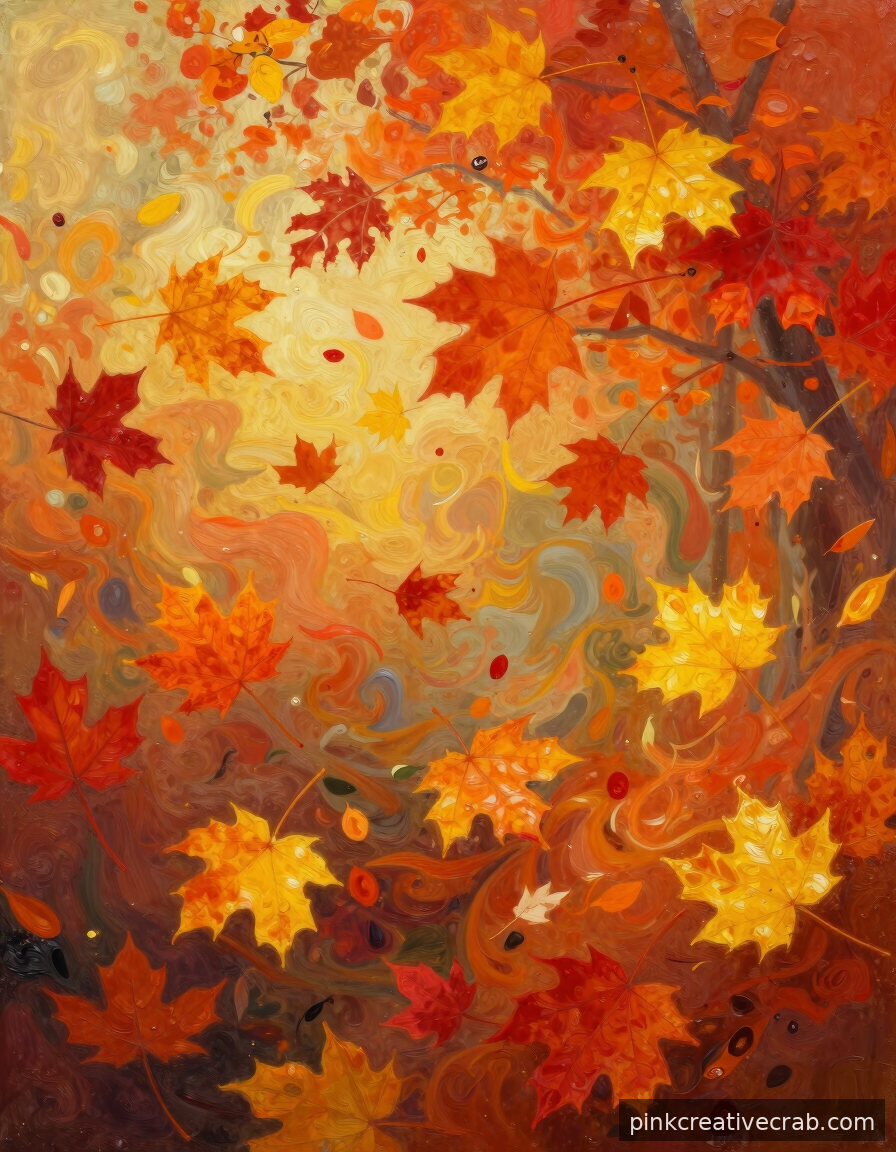
Meet the Falling Leaves Scene of Your Cottagecore Dreams
Imagine a gentle swirl of colorful autumn leaves tumbling through crisp air — warm reds, burnt oranges, soft yellows dancing freely. This falling leaves composition is endlessly charming and wonderfully forgiving for beginners. Because each leaf is a small individual shape, wobbly edges actually add to the whimsical, organic feeling of the whole piece.
Start with a soft, neutral background — think a muted sage green or warm beige — so your leaves truly shine. Then paint each leaf individually using small, confident strokes of cadmium orange, crimson, and golden yellow. Additionally, varying the sizes and angles of your leaves instantly creates a convincing sense of movement and depth. A few leaves catching light with a pale yellow highlight tie everything together.
For even more creative inspiration beyond painting, the Junk Journaling: The Complete Beginner to Advanced Handbook is a lovely companion hobby. Meanwhile, pick up some small detail brushes for oil painting to give each little leaf its own personality.
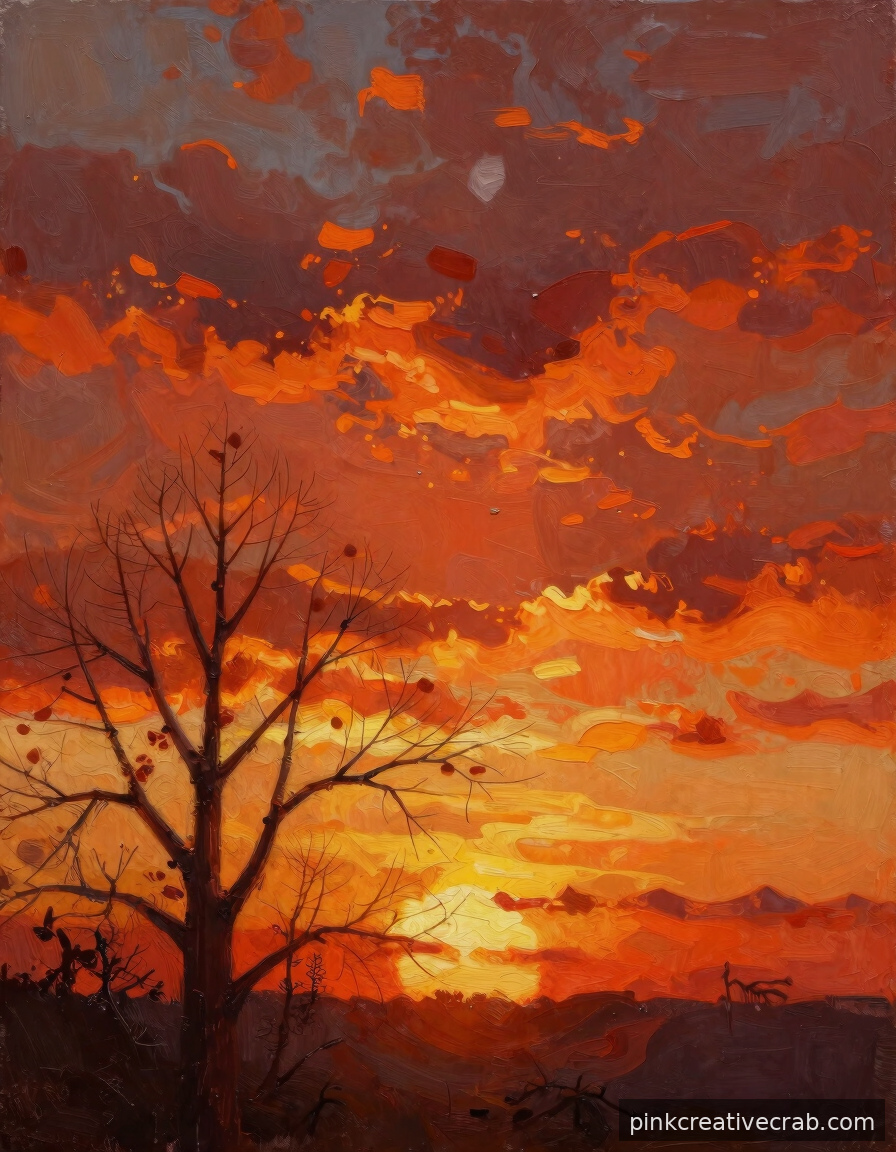
How a Few Lazy Brushstrokes Become a Stunning Amber Sunset
Good news — an autumn sunset is basically permission to paint as loosely and boldly as you want. The whole point is gorgeous, blazing color sweeping dramatically across the sky. Therefore, rushed brushstrokes and imperfect blending don’t just work here — they actively make the painting look more alive and expressive. Beginners absolutely thrive with this subject.
Start at the horizon with deep cadmium orange and work upward through warm amber into a rich crimson. Meanwhile, let the colors blend wet-into-wet on the canvas for that natural gradient glow. Silhouetting a few bare autumn tree branches against the sky at the very end takes your sunset from lovely to breathtaking. However, keep those silhouettes simple — loose and gestural is perfect.
If you’re curious how oil compares to other mediums for vibrant color work, check out Acrylic vs Watercolor vs Oil vs Gouache: Which Medium Should You Choose? for a helpful breakdown. Also, oil paint sets with warm autumn colors will set you up perfectly for this project.
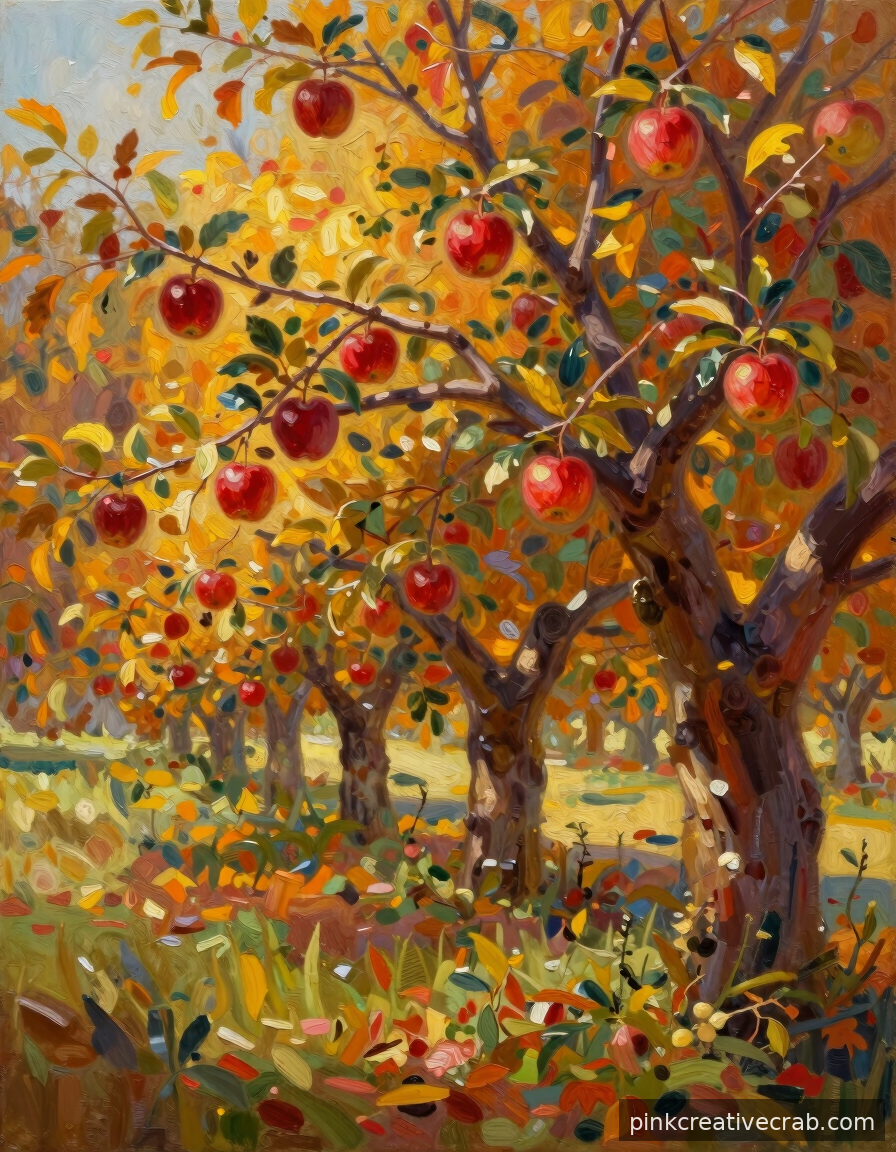
The Dreamy Apple Orchard That Will Make You Fall in Love With Oil Paint
An apple orchard in autumn is honestly one of the most magical scenes imaginable — gnarled old trees heavy with red fruit, golden light filtering through leaves, soft grass carpeted with fallen apples. The great news is that each element here is surprisingly approachable for beginners. Additionally, oil paint’s slow drying time gives you plenty of opportunity to blend and adjust everything at your own relaxed pace.
Begin by painting the warm dappled sky peeking through the canopy in soft yellows and pale blues. Then block in your tree shapes with muted greens and ochres before dotting in those satisfying little red apples. As a result, the painting builds up joyfully layer by layer, and every new addition makes the whole scene feel more lush and complete. Fallen apples in the grass at the bottom add a delightful finishing touch.
For a solid foundation in painting skills before you start, the Art Fundamentals: Complete Guide to Drawing & Painting Basics is genuinely brilliant for beginners. Furthermore, grab some stretched canvas panels for oil painting beginners so you’re ready to jump in straight away.
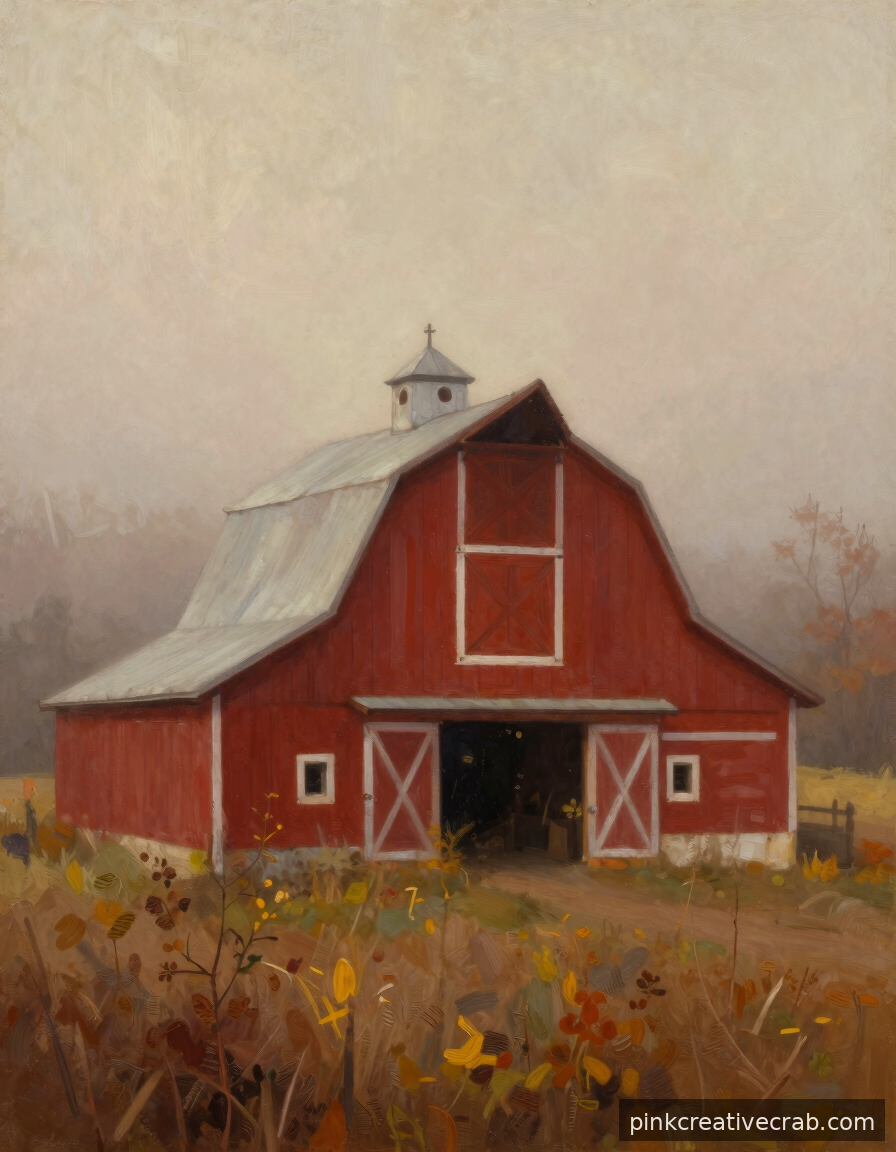
Rustic Barn in October Fog — Gorgeous and Shockingly Simple
A foggy barn scene sounds intimidating, but honestly? It is one of the friendliest subjects for beginners. Fog is forgiving because soft edges hide mistakes beautifully. You will mix a warm grey base, block in your barn shape, and let everything blur together naturally. Additionally, the limited color palette means less stress about mixing dozens of shades.
Start with a muted ochre and burnt sienna for the barn walls. Meanwhile, your foggy background gets a simple blend of titanium white and a tiny touch of blue-grey. Short, confident brushstrokes build texture on the wooden planks. Even rough marks read as weathered wood, so celebrate every imperfect stroke!
For smooth blending and that dreamy foggy atmosphere, soft fan brushes are your best friend. Check out these oil painting fan brushes for beginners to get started confidently.
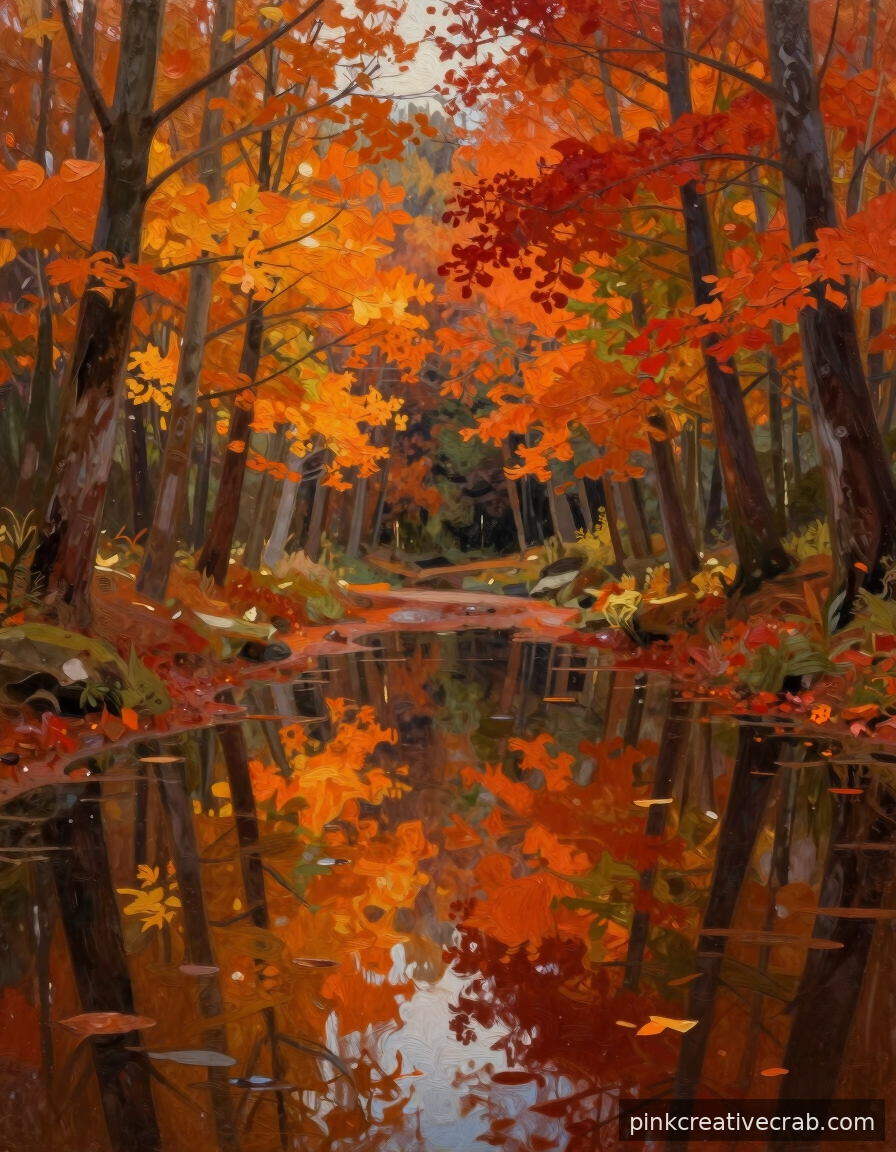
You Have Never Seen a Puddle Reflection Look This Breathtaking in Autumn Colors
Puddle reflections sound fancy, but they are actually a beginner superpower. The trick is painting the reflection slightly darker and less detailed than the scene above. Therefore, any wobbly lines you paint actually look correct — water naturally distorts everything. How great is that for nervous beginners?
Start by painting your autumn treeline above first using burnt orange, cadmium yellow, and deep red. Then flip those same colors downward beneath a horizon line for the reflection. However, add a thin horizontal drag of a palette knife or flat brush across the wet reflection paint. This one simple move creates convincing rippled water instantly.
Getting your colors right is everything with reflections. Understanding color relationships will transform your painting confidence enormously, so explore this helpful Color Mixing Guide: Everything You Need to Know. For supplies, grab these oil painting palette knives to create gorgeous water effects.
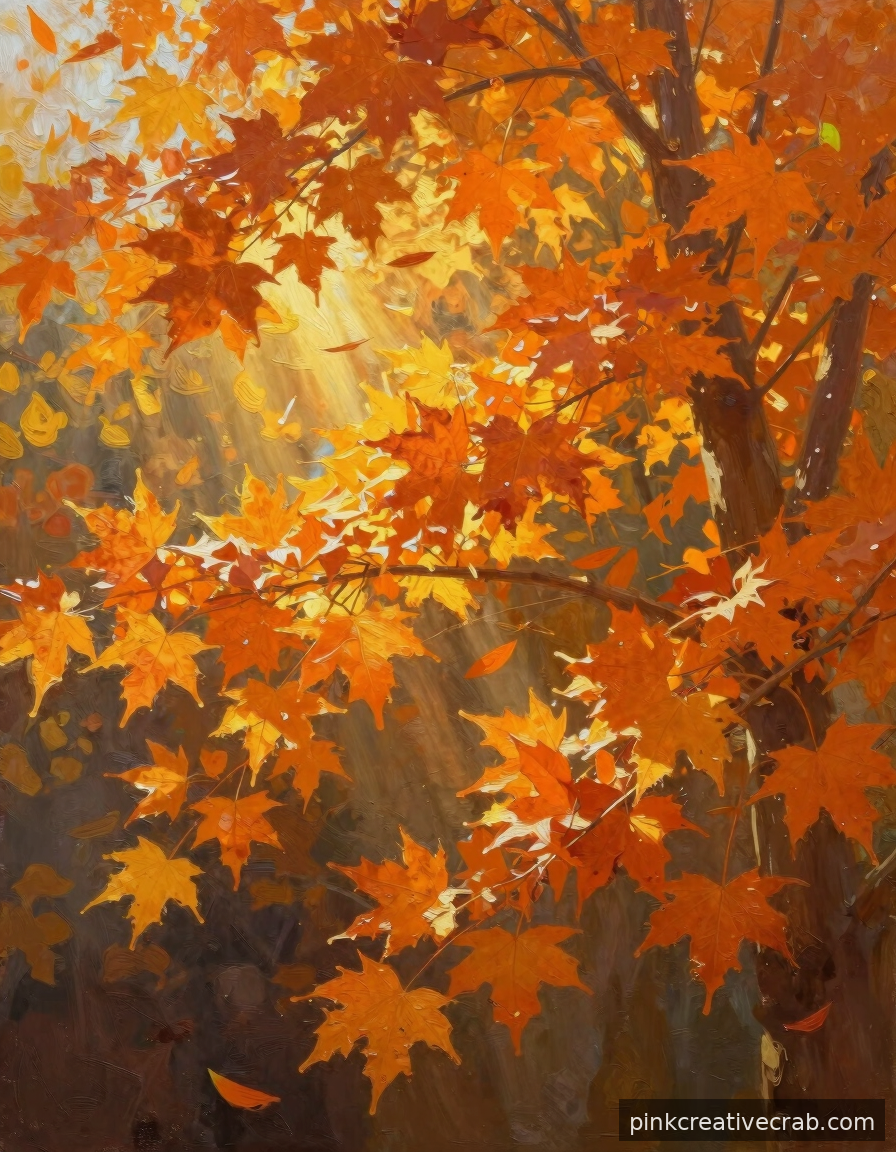
Sunlight Through Orange Leaves Is the Coziest Thing You Will Paint All Season
Painting light through leaves feels magical, and beginners can absolutely nail this effect. The secret is working dark to light. Start with a deep forest green and brown background first. Then, layer warm yellows and oranges on top where sunlight hits the leaves. As a result, the contrast creates that glowing, backlit look almost automatically.
Use a small round brush to dab individual leaf shapes loosely. Perfect leaf outlines are not necessary here — impressionistic dots and strokes actually read more convincingly as sunlit foliage. Meanwhile, a few strategic touches of pure cadmium yellow at the brightest spots will make your painting absolutely sing with warmth.
For this subject, having a reliable range of warm yellows and oranges matters hugely. Additionally, beginners who feel unsure about oil paints overall might enjoy reading Acrylic vs Watercolor vs Oil vs Gouache: Which Medium Should You Choose? before investing. Stock up with a great autumn oil paint set warm tones to get glowing results.
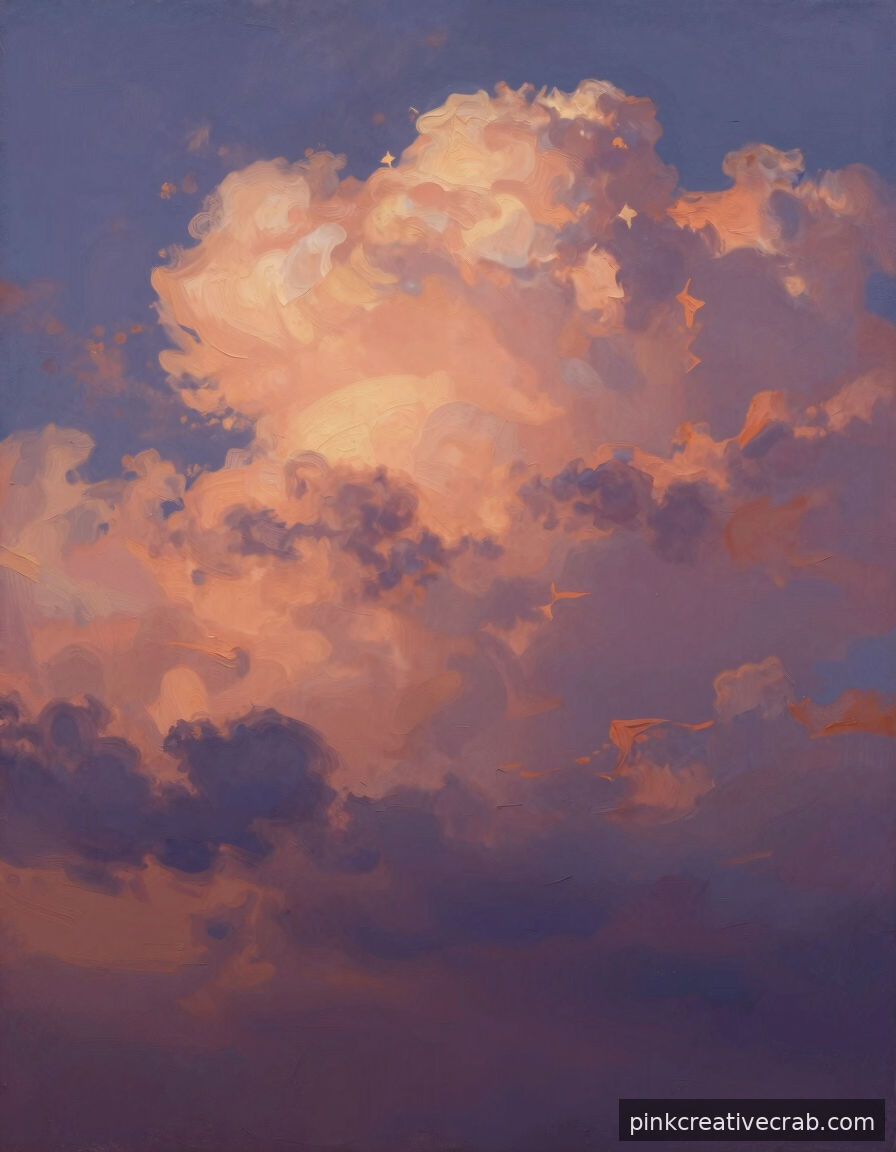
The Secret to a Perfect Autumn Sky Full of Drama (Beginners, This One’s for You)
A dramatic autumn sky is not as hard as it looks — pinky promise. The key is wet-on-wet blending while your paint is still soft. Mix a moody combination of purple-grey, soft peach, and pale gold across your canvas. However, do not overblend or the colors will turn muddy. Quick, light passes with a clean dry brush are all you need.
Add your clouds with titanium white mixed with just a whisper of burnt sienna. Therefore, they feel warm and glowing rather than cold and stark. Pull the brush in curved, confident sweeps and resist touching the wet paint again. Leaving areas alone is genuinely one of the most powerful beginner moves in oil painting.
Building strong fundamentals makes everything easier, including those gorgeous skies. For example, brushing up on core skills through Art Fundamentals: Complete Guide to Drawing & Painting Basics is incredibly helpful. For perfectly smooth sky blending, try these soft bristle oil painting brushes.
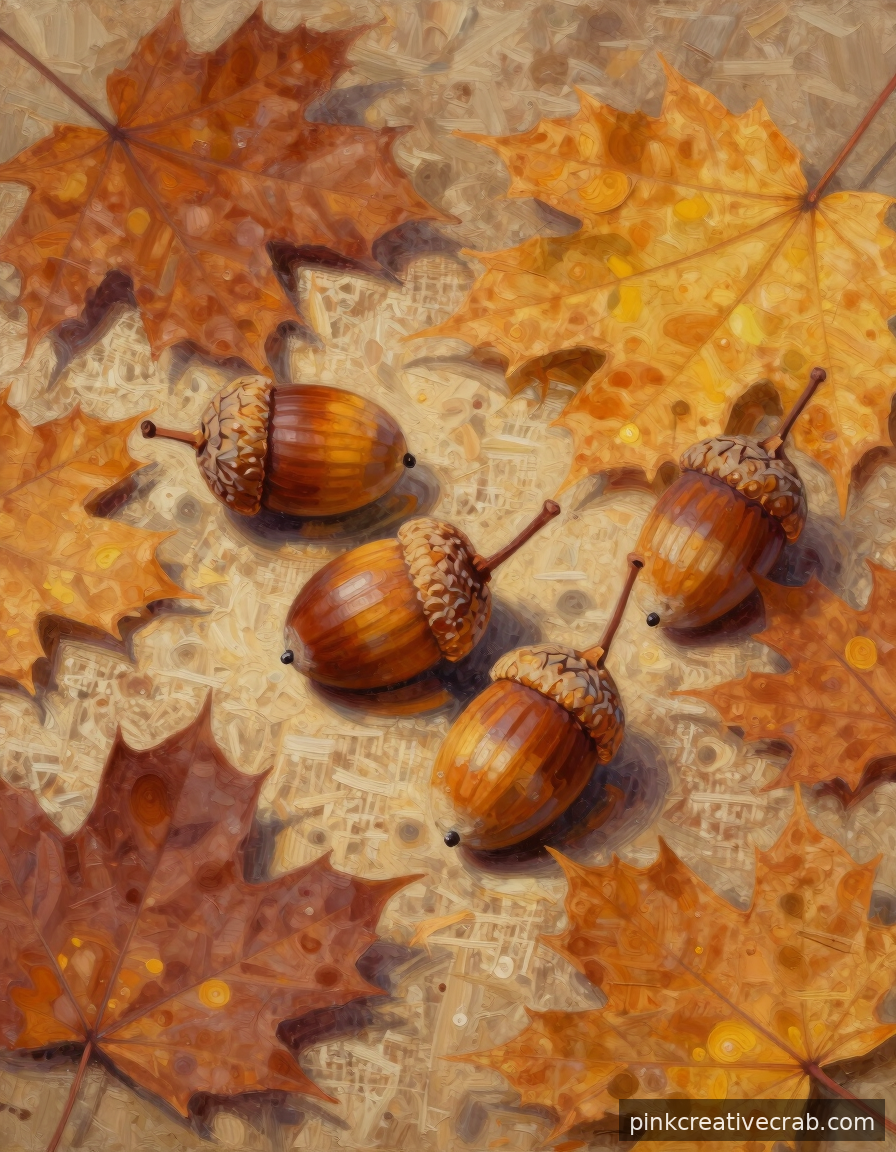
Irresistible Acorn and Leaf Still Life That Takes Under Two Hours
Still life paintings are the ultimate beginner-friendly subject because your reference sits perfectly still. An acorn and leaf arrangement is especially wonderful — the small scale means you finish quickly and feel amazing. Set up three or four objects on a warm cloth, adjust your lamp, and you are ready. Additionally, autumn objects have such rich natural color that mixing beautiful tones happens almost effortlessly.
Paint your background first in a deep, warm brown or rust tone. Then block in each object as simple shapes before adding detail. However, resist jumping to tiny highlights too soon. Building forms gradually with mid-tones first makes those final bright highlights pop dramatically and look incredibly professional.
For practicing drawing your still life composition before painting, the Pencil Drawing: Complete Beginner to Advanced Guide is a fantastic resource. Meanwhile, grab a quality small oil painting canvas panel pack so you can practice multiple compositions without pressure.
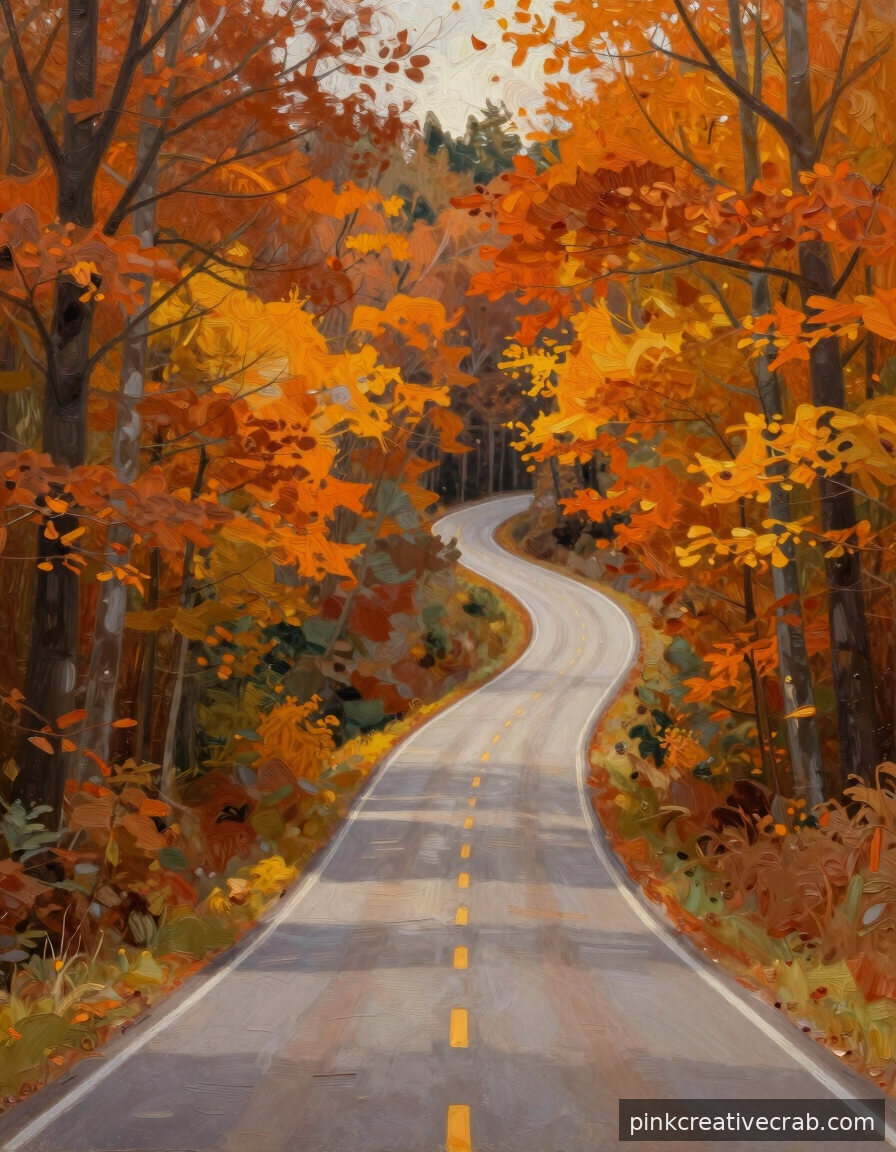
How That Winding Country Road Becomes Your Most Magical Autumn Oil Painting Yet
A winding road leading into autumn color is pure painting magic. The winding path creates natural perspective, guiding the viewer’s eye deep into the scene. Beginners love this subject because simple perspective lines do most of the compositional work for you. Therefore, even a rough sketch gives you a strong, satisfying foundation immediately.
Start by painting the road as a warm golden-beige strip narrowing toward the horizon. Then build up trees on both sides using deep russet, burnt orange, and yellow ochre. Meanwhile, let some tree colors overlap the road edges slightly — this softness makes the scene feel alive and real rather than stiff or overly careful.
Choosing the right colors for your autumn palette is genuinely exciting. For example, experimenting with color relationships transforms an ordinary painting into something extraordinary, so the Color Mixing Guide: Everything You Need to Know is worth bookmarking. Additionally, these oil painting starter kits with autumn colors make the perfect beginner investment.
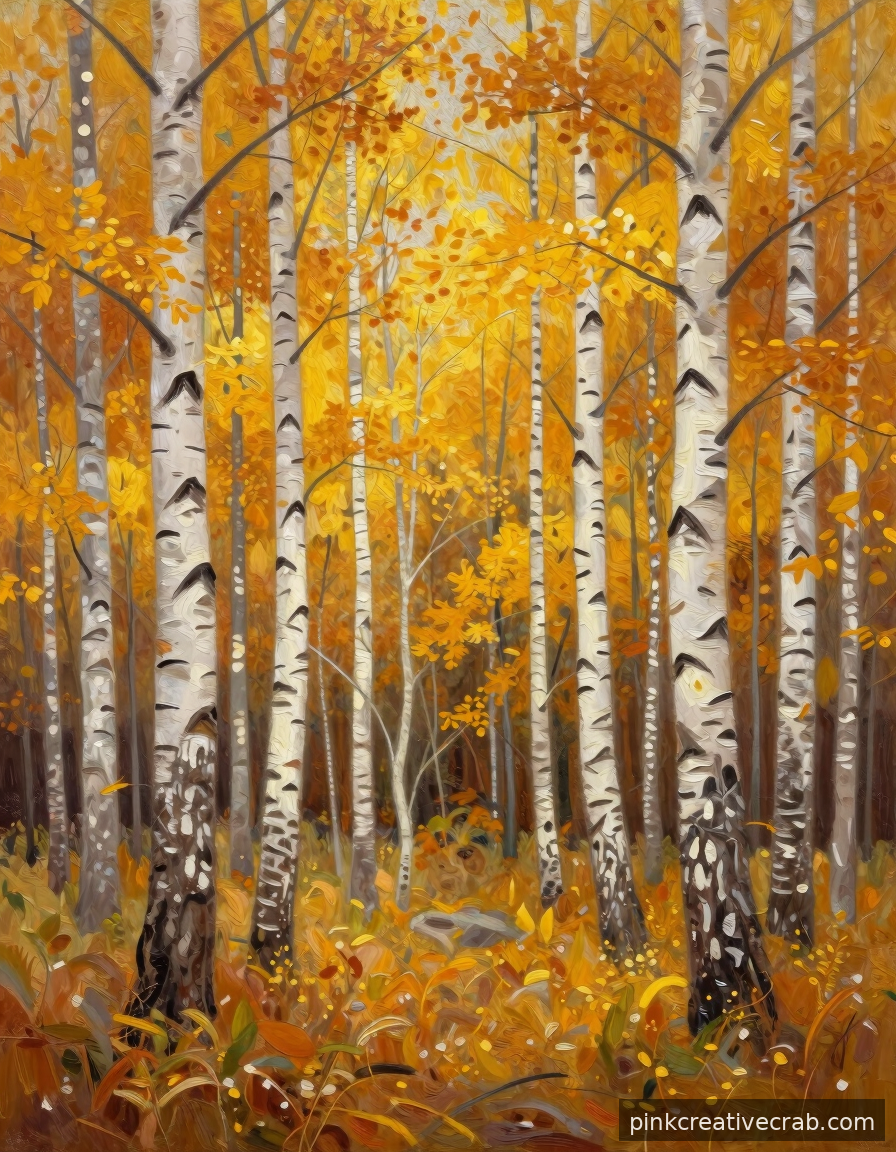
Effortless Birch Trees Wrapped in Gold That Look Incredibly Professional
Birch trees are one of the most rewarding subjects a beginner can choose. Their white trunks create stunning contrast against autumn gold foliage, and the results always look impressive. However, the best news is that birch bark texture is simply a few dark horizontal dashes painted loosely over a white base. You genuinely cannot get this wrong.
Paint your golden background foliage first using broad sweeping strokes of yellow, orange, and warm green. Then let it dry slightly before painting the white trunks vertically over the top. As a result, the background color peeks through naturally, giving your birches beautiful depth and realism without any complicated technique required.
For anyone wanting to build their drawing confidence before tackling this composition, exploring the Drawing Techniques Encyclopedia: 50+ Essential Methods is a wonderful idea. Meanwhile, stock your studio with these gorgeous oil paints for birch tree painting and get those beautiful trunks glowing.
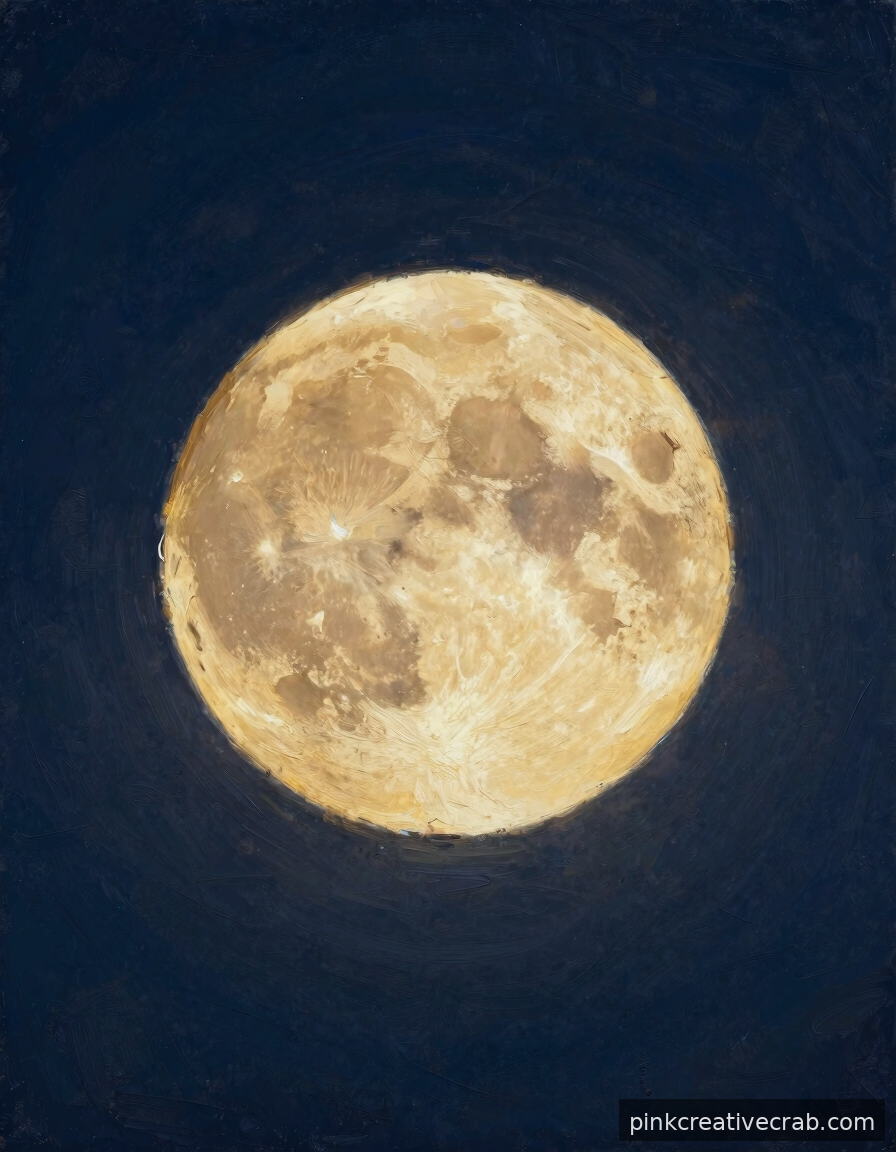
5 Brushstrokes Is All It Takes to Paint This Stunning Harvest Moon
Five brushstrokes. That is genuinely all you need to create a glowing harvest moon that looks like you spent hours on it. The trick is working with a warm golden yellow base, then layering soft oranges and creamy whites while the paint is still wet. Beginners love this one because the simplicity is the whole point.
Additionally, the dark background does most of the heavy lifting for you. A deep navy or charcoal sky makes that moon pop automatically. Therefore, even if your circle is not perfectly round, the contrast creates drama that feels intentional. Small imperfections actually add character here.
For smooth blending around your moon’s edges, a soft fan brush makes everything easier and more forgiving. Try the Winsor & Newton Monarch Fan Brush to get started. Meanwhile, if you want to deepen your understanding of color relationships, the Color Mixing Guide: Everything You Need to Know is an incredible resource worth bookmarking.
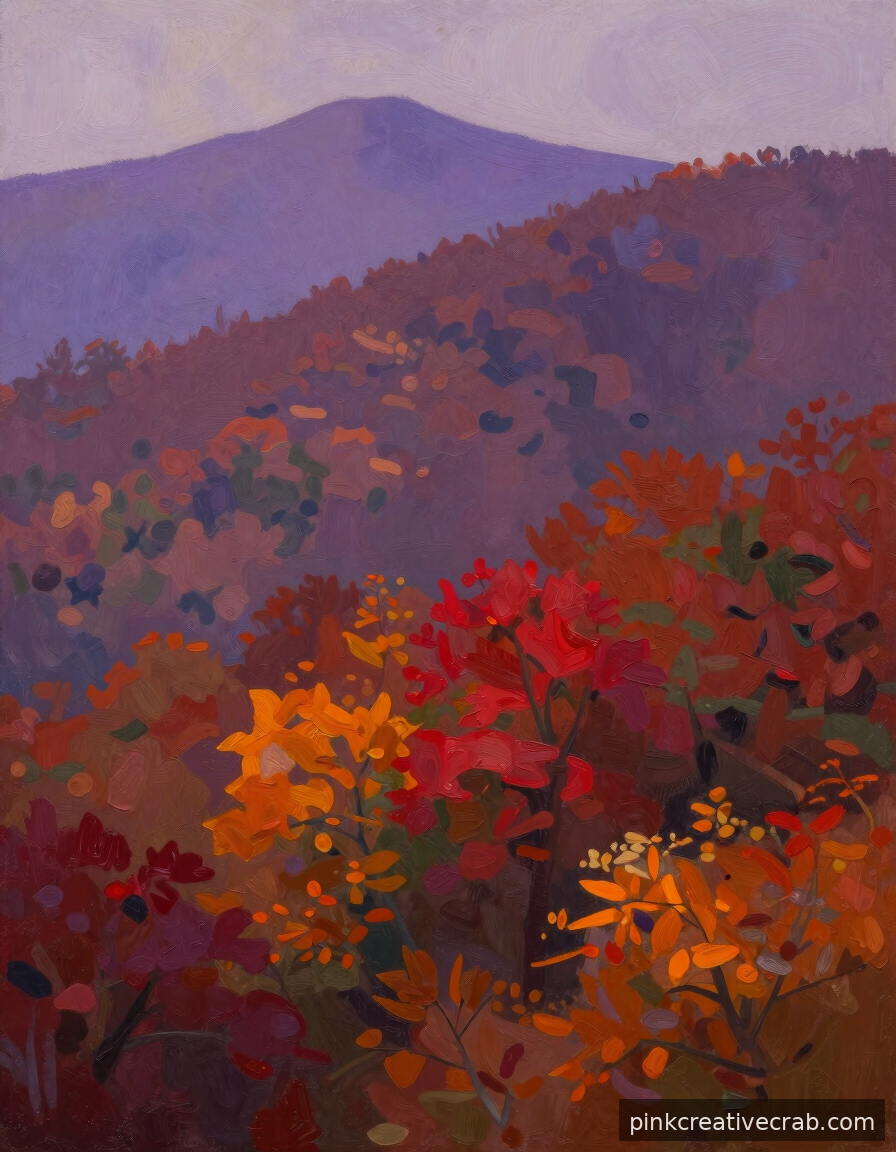
Smoky Purple Mountains Peeking Through Fall Foliage — Dreamy and Doable
Purple mountains sound intimidating, but here is the exciting secret — they are mostly just gray-blue with a tiny touch of purple mixed in. Autumn foliage in the foreground does all the colorful work while your mountains stay soft and atmospheric in the distance. The contrast between warm leaves and cool peaks is naturally stunning.
Layering is your best friend with this composition. Start with your misty mountain shapes first, then build the orange and red foliage over the lower portion. As a result, the depth happens almost automatically. Additionally, keeping your mountain edges slightly blurry gives that dreamy smoky effect everyone loves without any advanced technique required.
Getting your purple-gray mountain tones just right is much easier with a quality starter palette. Check out the oil paint set for beginners on Amazon to find great options. However, if you are still deciding whether oil is the right medium for you, the Acrylic vs Watercolor vs Oil vs Gouache: Which Medium Should You Choose? guide breaks everything down beautifully.
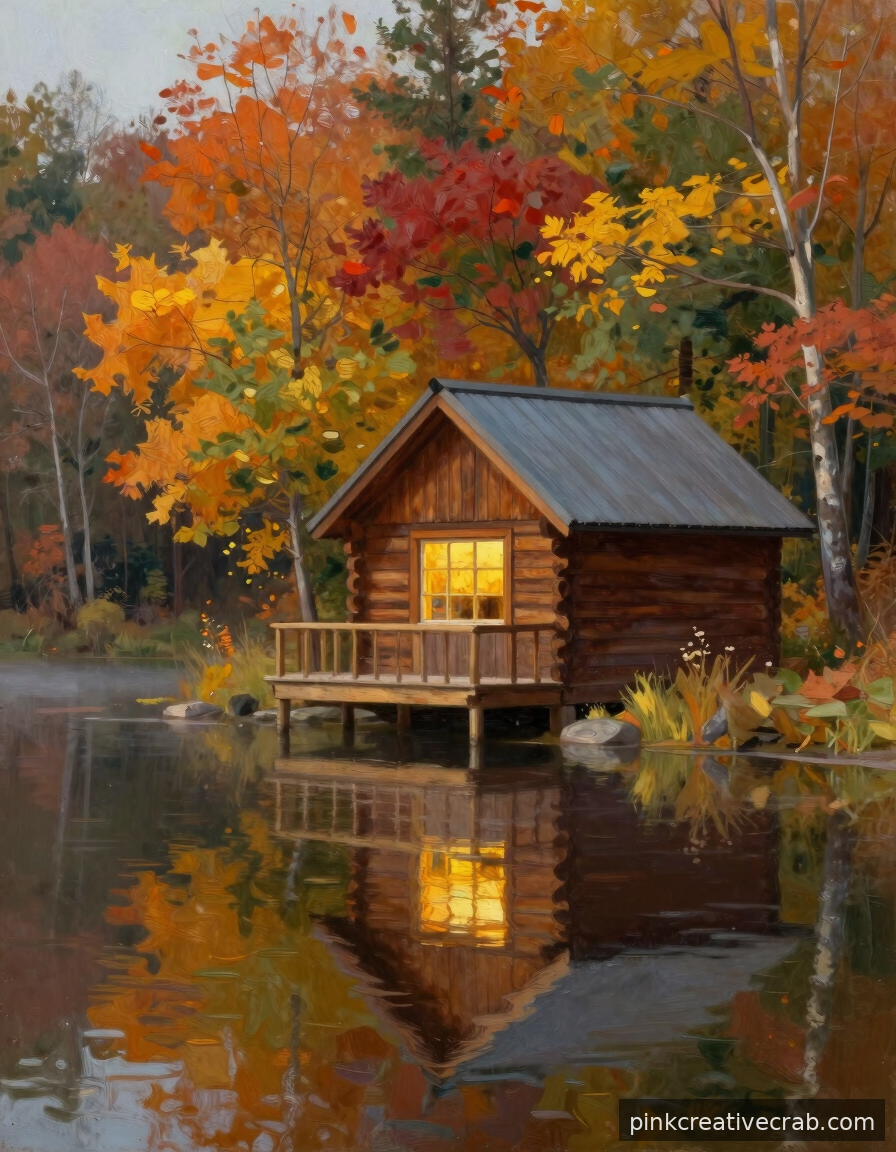
That Cozy Lakeside Cabin Scene You Have Been Picturing In Your Head
You know that warm, tucked-away cabin scene you keep imagining? The one with golden light glowing from the windows and autumn trees reflecting in still water? Great news — you can absolutely paint that, and it is more beginner-friendly than it looks. The key is starting with your sky, then working forward layer by layer.
Reflections in water sound tricky, but they are simply loose, slightly blurry versions of what sits above. Therefore, once you paint your cabin and trees, you just repeat softer, longer strokes below the waterline. Meanwhile, keeping the water area loosely painted actually looks more realistic than overworking it. Embrace the happy accidents.
For this scene, having a small detail brush for cabin windows plus a wider brush for water reflections makes a huge difference. A beginner oil painting brush set usually covers both needs perfectly. Additionally, if you want to strengthen your overall painting foundation first, the Art Fundamentals: Complete Guide to Drawing & Painting Basics is wonderfully encouraging for new artists.
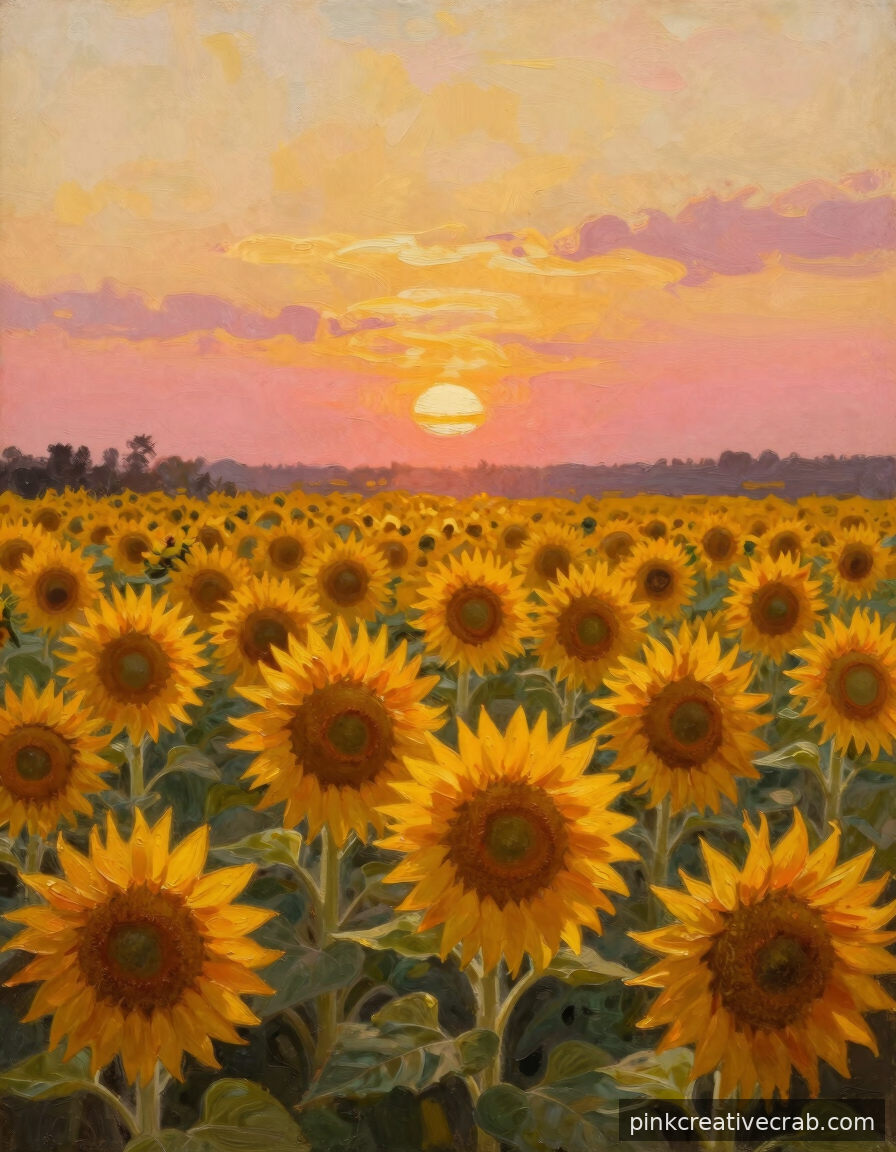
Sunflower Field at Dusk Is the Warm Hug Your Wall Has Been Waiting For
Sunflowers at dusk hit differently. The warm amber sky behind deep golden petals creates this incredible glow that feels like a hug you can hang on your wall. For beginners, sunflowers are genuinely forgiving subjects — each petal does not need to be identical, and that natural variation is exactly what makes them feel alive and real.
Start by painting your sunset sky first using warm oranges, soft pinks, and golden yellows blended together while wet. Then, working forward into your composition, block in your sunflower shapes with bold confident strokes. However, do not overthink the details. Loose, expressive petals painted quickly actually look more vibrant than carefully outlined ones.
Dark centers give your sunflowers instant depth and realism with almost zero effort. A touch of burnt sienna mixed with dark brown works beautifully for this. For quality pigments that make those warm sunset colors truly glow, try a warm tone oil paint set. Additionally, understanding how warm and cool colors interact will transform your paintings — the Color Mixing Guide: Everything You Need to Know explains it all in simple, friendly terms.
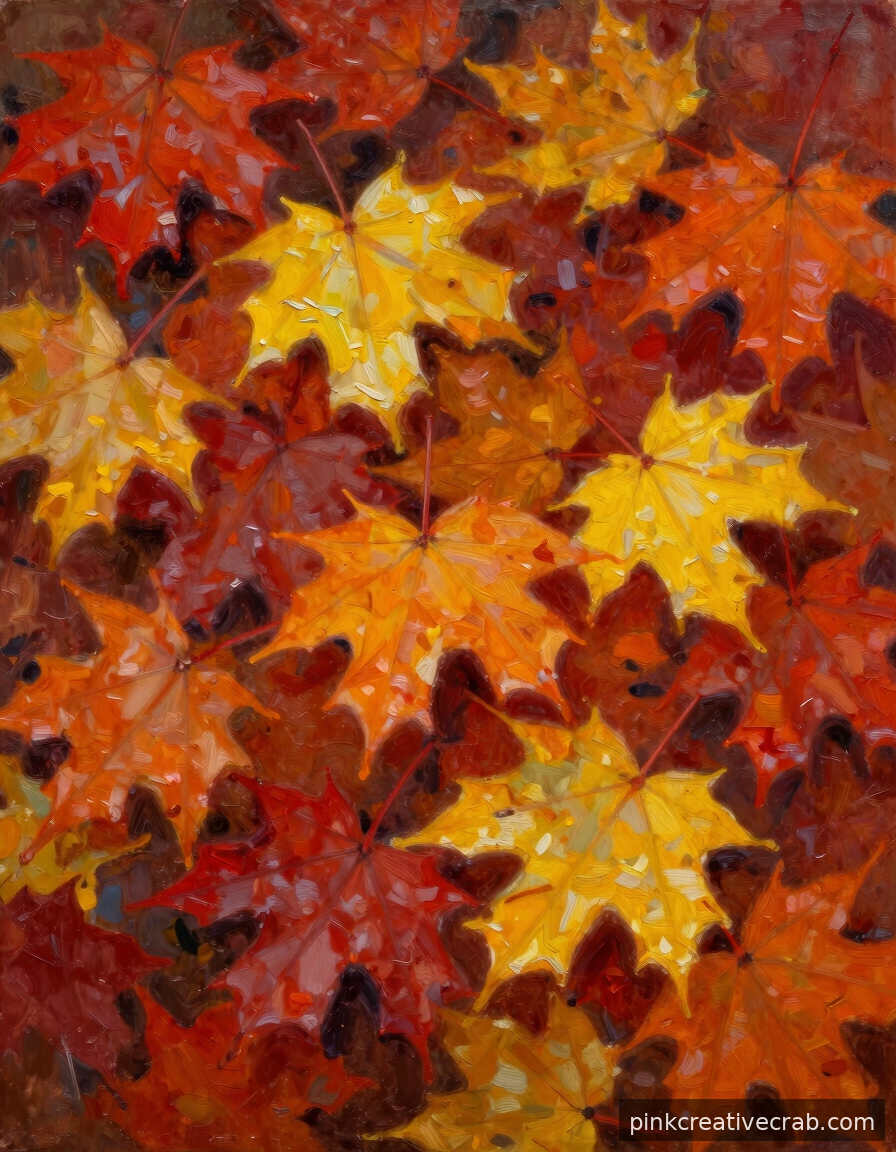
This Blurry Impressionist Leaf Pile Is Secretly the Easiest Win in Oil Paint
Here is a wonderful little secret about impressionist-style paintings — blurry and loose is the goal, not the mistake. A pile of autumn leaves painted with quick, dabbing brushstrokes in reds, oranges, yellows, and browns looks effortlessly beautiful. Therefore, every wobble and imperfect dab actually makes the painting better. This is genuinely one of the most beginner-friendly oil painting subjects you can choose.
The approach is delightfully simple. Load your brush with one color, dab it energetically across your canvas, then grab the next color and repeat. Meanwhile, letting colors mix slightly where they overlap creates natural-looking depth without any planning. Additionally, varying your brushstroke sizes — some small dabs, some longer sweeps — adds wonderful texture and movement.
A painting palette knife is also fantastic for creating leafy texture in this style, giving you two tools to play with. Check out a palette knife set for oil painting to add this fun tool to your kit. However, if you want to explore even more expressive techniques, the Drawing Techniques Encyclopedia: 50+ Essential Methods offers brilliant ideas that translate beautifully into painting.
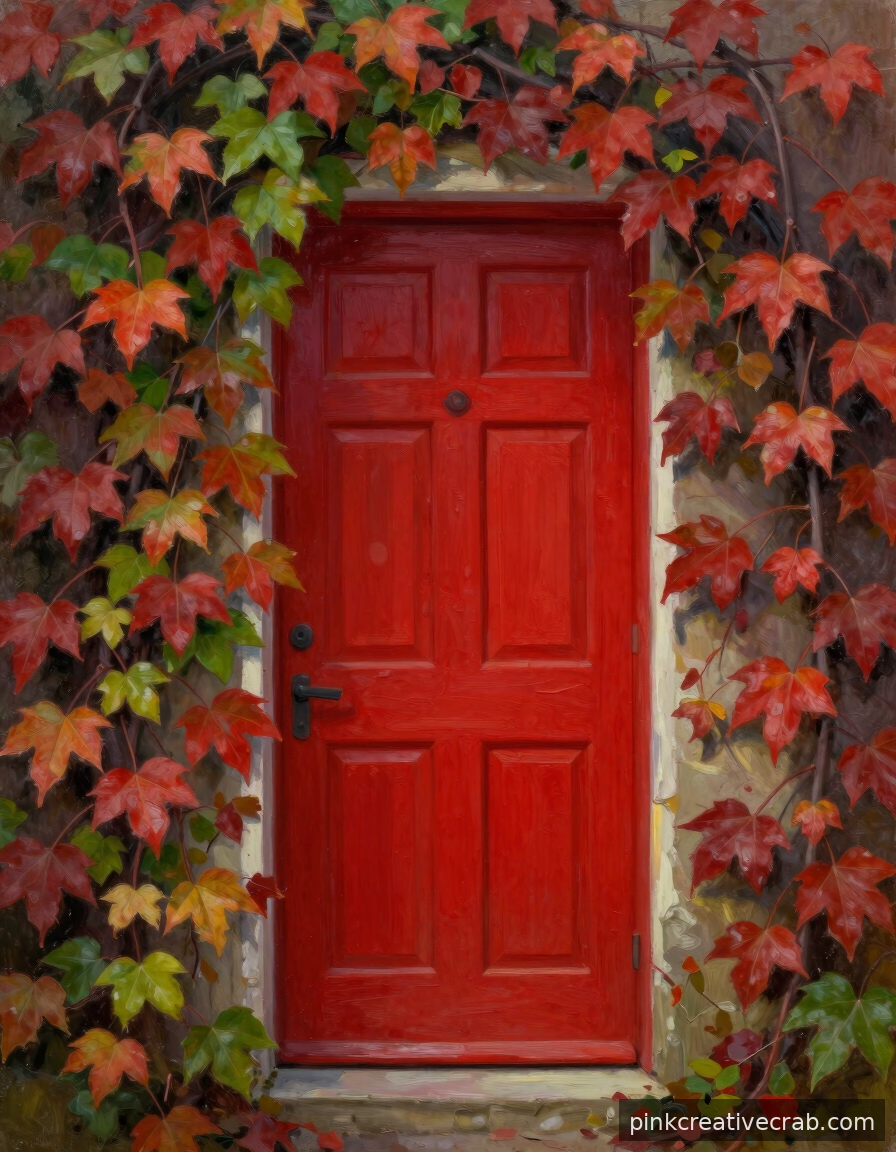
A Bright Red Door Surrounded by Autumn Ivy Will Make Your Heart Sing
There is something deeply satisfying about painting a bold red door against creeping autumn ivy. The strong geometric shape of the door gives beginners a clear anchor point, while the organic ivy surrounding it lets you be wonderfully loose and expressive. As a result, you get the best of both worlds — structure and freedom in one composition.
Start by blocking in your red door confidently. Do not worry about perfection; wood texture and slight color variation in the door actually make it look more realistic. Then, layer your ivy using small dabbing strokes in rich greens, burgundies, and warm yellows. Additionally, leaving small gaps between ivy clusters lets the wall or background peek through, creating natural depth.
For the crisp door edges where red meets ivy, a small flat brush gives you the most satisfying control. A detail flat brush for oil painting is a genuinely worthwhile beginner investment. Meanwhile, if you want to explore more about how to approach subjects with confidence, the Art Fundamentals: Complete Guide to Drawing & Painting Basics is an incredibly supportive starting point.
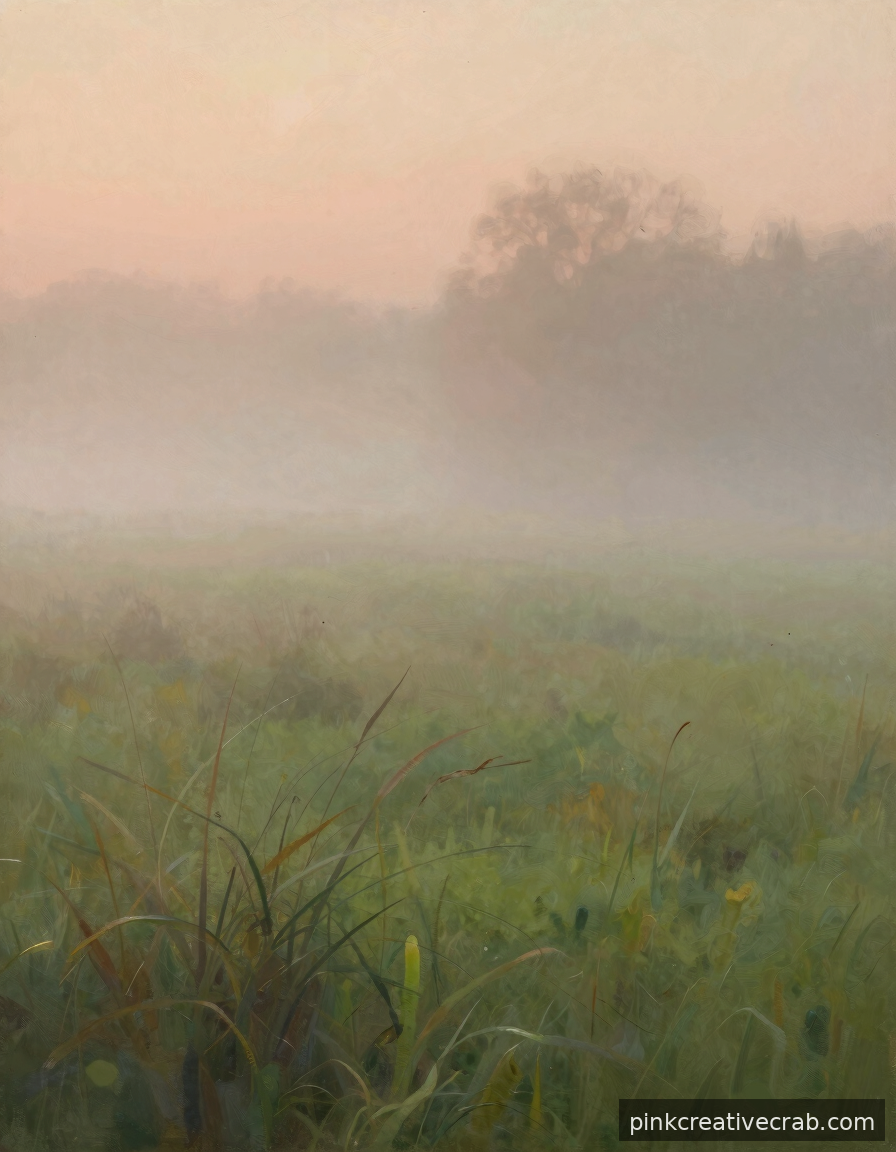
Nothing Feels More Satisfying Than Nailing This Soft Foggy Meadow at Sunrise
Foggy meadow paintings have this magical, dreamlike quality that looks incredibly difficult but is actually very forgiving for beginners. Fog essentially softens everything, meaning edges do not need to be sharp and details do not need to be precise. Therefore, the more soft and blended your painting looks, the more atmospheric and successful it becomes. How wonderful is that?
Begin with a soft warm sky using pale yellows and peachy pinks blended smoothly together. Then, working downward, gradually add soft greens and muted grays for your foggy meadow. Meanwhile, trees or tall grasses in the mid-ground can be painted as loose, slightly blurry silhouettes. Additionally, a dry fan brush dragged lightly across wet paint creates beautiful misty effects with almost no effort.
Keeping your colors muted and soft is essential for this foggy, peaceful mood — avoid anything too bright or saturated. A soft hair blending brush for oil painting will become your absolute best friend for this piece. For even more confidence building before you pick up your brush, the Watercolor Painting: The Ultimate Beginner to Advanced Guide teaches soft blending principles that transfer beautifully across all paint mediums.
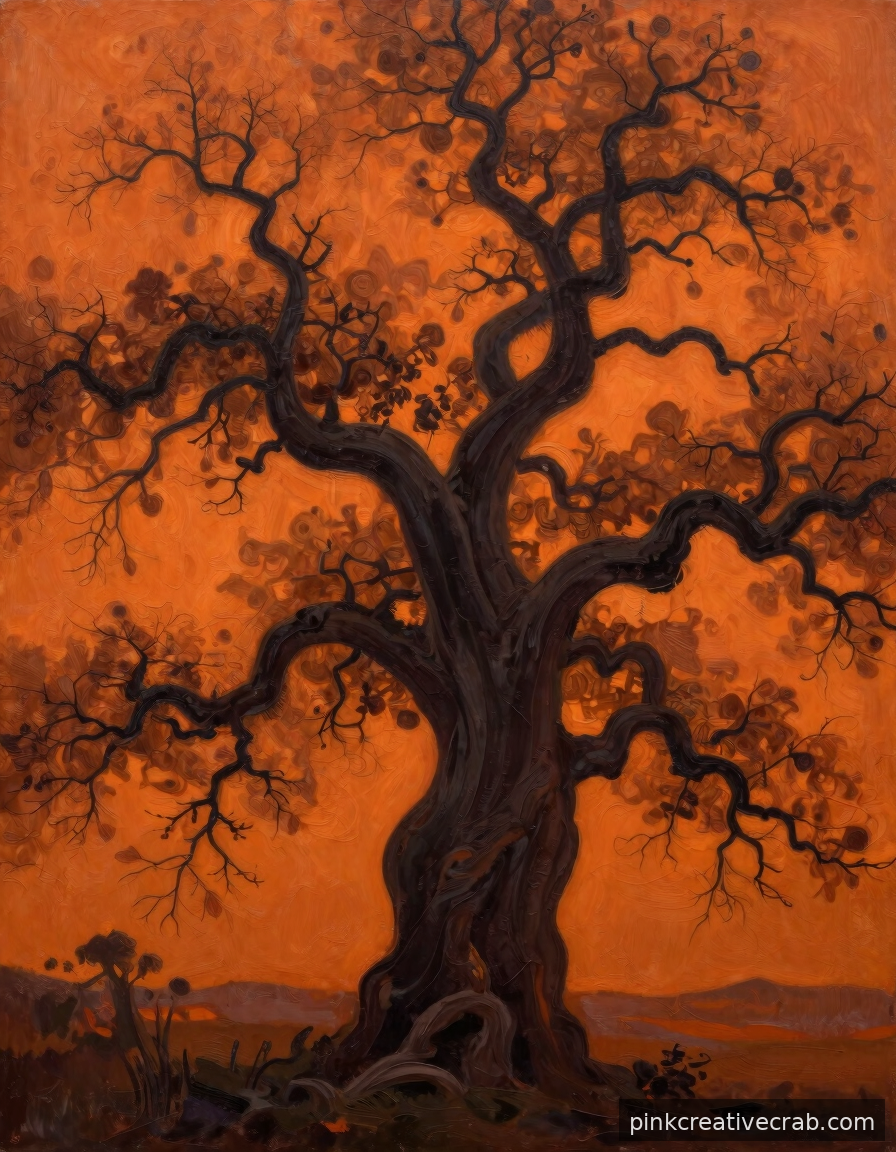
Twisted Oak Tree Against a Burnt Orange Sky — Spooky, Stunning, and Totally Achievable
A gnarly, windswept oak tree silhouetted against a blazing burnt orange sky sounds intimidating — but honestly, it’s one of the most forgiving subjects you can pick as a beginner. The dramatic contrast between the dark trunk and that glowing sky means small imperfections in your branches just add character. Additionally, silhouette-style painting lets you skip detailed bark texture entirely, which takes so much pressure off.
Start by blocking in your warm sky tones first — think deep oranges, golden yellows, and hints of smoky purple near the horizon. Then, once that layer is tacky, use a thin brush loaded with dark brown or near-black to drag in your twisted trunk and wild branches. Meanwhile, don’t worry about making every branch perfect. Jagged and imperfect actually looks more realistic here!
For this project, a good starter set makes all the difference. Try grabbing a beginner oil painting set with multiple brush sizes to give yourself the right tools without overspending.
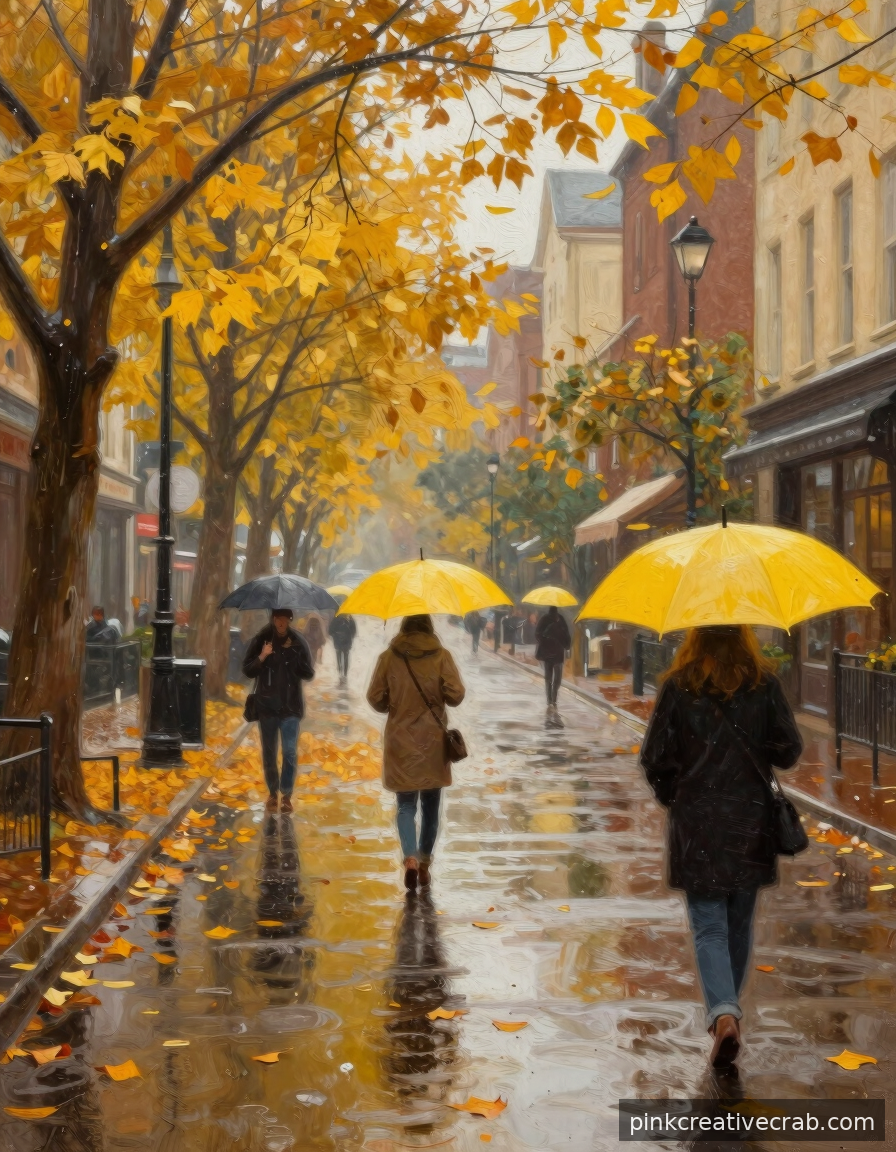
Rainy Autumn Street With Yellow Umbrellas That Looks Like a Scene From a Film
There is something absolutely magical about a wet autumn street reflecting golden leaves and glowing streetlights. Those pops of bright yellow umbrellas make this composition feel instantly cinematic, and the great news is that oil paint is practically made for capturing that moody, atmospheric glow. Even as a beginner, you can nail the wet-pavement reflections by simply repeating your colors in soft, blurry strokes below your figures.
However, perspective can feel tricky on a street scene. Therefore, start simple — just one vanishing point, a few blurry background figures, and focus your detail energy on those cheerful yellow umbrellas in the foreground. Soft edges everywhere else actually help sell the rainy mood beautifully. For extra inspiration on understanding composition and depth, check out the Art Fundamentals: Complete Guide to Drawing & Painting Basics.
Additionally, getting your autumn street colors just right is half the fun. A helpful color mixing guide for oil painters can walk you through creating those gorgeous muted grays and warm golden reflections with confidence.
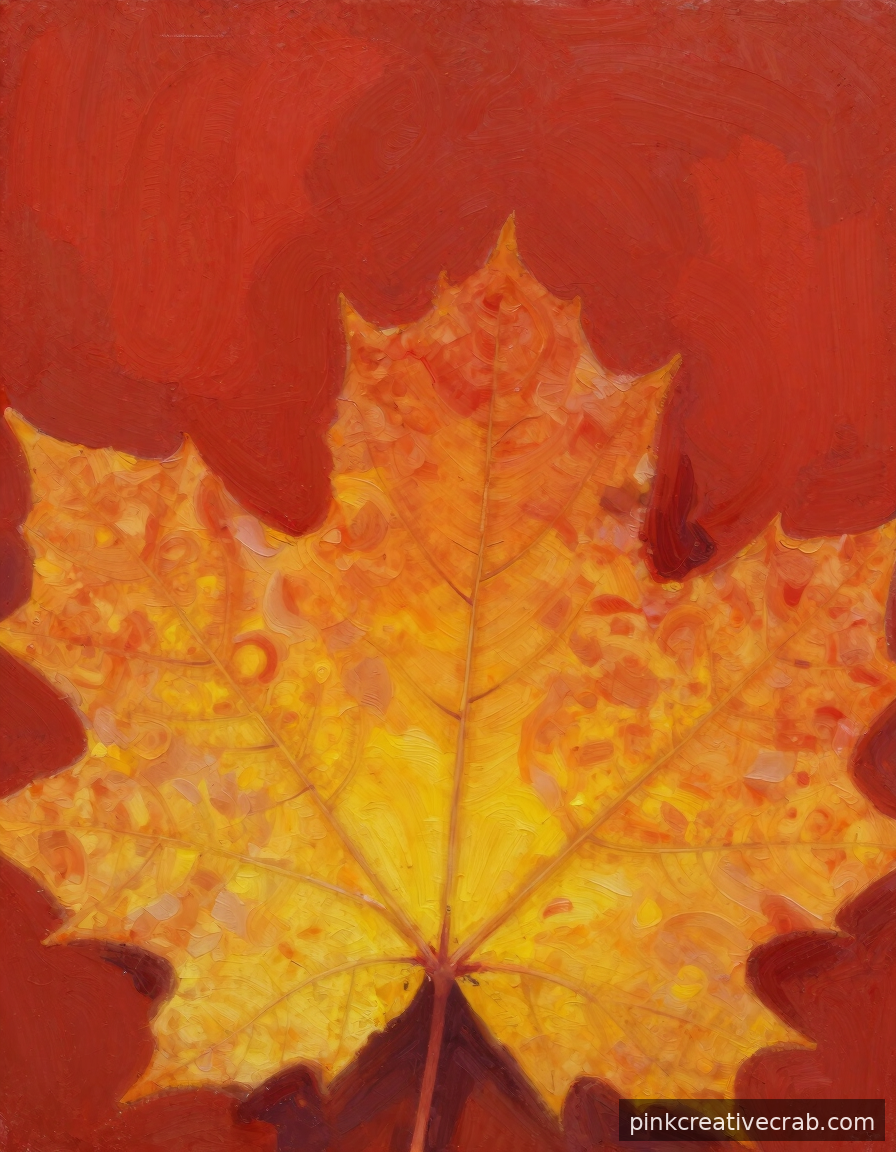
Crispy Leaf Close-Up So Detailed and Rich It Practically Smells Like October
Painting a single autumn leaf up close is one of those beginner projects that looks wildly impressive while actually teaching you so many fundamental skills at once. The intricate veining, the rich gradient of reds bleeding into oranges bleeding into yellows — it’s basically a master class in color blending right there on one small leaf. Best of all, there’s no complicated composition to worry about, so all your energy goes into those gorgeous, satisfying color transitions.
Start with your lightest yellows, then layer warmer oranges and deep reds wet-into-wet for that natural blended look oil paint does so beautifully. Meanwhile, use a fine liner brush to add veins on top once your base layer is partially dry. Those little details are what make viewers gasp. If you want to understand more about mixing those rich autumn tones, the Color Mixing Guide: Everything You Need to Know is genuinely fantastic.
For the crispest leaf details, a great set of fine detail oil painting brushes will make this project feel smooth and enjoyable from start to finish.
Final Thoughts
You have just discovered 24 incredible autumn oil painting ideas, and here is the most important thing to remember — every single one of them is within your reach. Beginners often underestimate just how forgiving and fun oil paint can be, especially when autumn’s rich, warm palette does so much of the heavy lifting for you. Therefore, pick the idea that made your heart flutter a little and start there.
Additionally, do not worry about making it perfect. However beautiful the final painting turns out, the real magic happens in the process — the smell of the paint, the way colors blend on the canvas, the quiet satisfaction of watching something beautiful come to life under your brush. For example, even a simple leaf study painted with love and attention will bring you more joy than you expect. Celebrate every little win along the way, because each one is proof that you are growing.
So grab your palette, squeeze out those warm autumn colors, and give yourself full permission to enjoy every messy, magical moment. Meanwhile, remember that every great painter you admire started exactly where you are standing right now — at the beginning, with a blank canvas and a hopeful brush. Your autumn oil painting adventure starts today, and honestly, we cannot wait to see what you create.
Frequently Asked Questions
What oil paints do I need to start an autumn oil painting as a beginner?
For autumn oil painting, beginners should focus on a core set of warm colors. Start with burnt sienna, yellow ochre, cadmium orange, cadmium red, titanium white, and ivory black. Additionally, a touch of sap green helps create depth in foliage. These colors are widely available and very affordable. For example, Winsor & Newton Winton oils are a popular beginner-friendly choice.
How long does it take for autumn oil paintings to dry?
Oil paint dries much more slowly than acrylics, which is actually a wonderful advantage for beginners. Typically, thin layers may feel touch-dry within a few days. However, full curing can take weeks or even months depending on thickness. Therefore, work in thin layers and enjoy the extra blending time — it makes capturing those gorgeous soft autumn color gradients so much easier and more forgiving.
Can I use a canvas board instead of stretched canvas for my first autumn oil painting?
Absolutely, and canvas boards are actually a brilliant choice for beginners! They are more affordable, easier to store, and just as enjoyable to paint on. Additionally, they handle oil paint beautifully when properly primed with gesso. Therefore, there is no need to invest in expensive stretched canvases right away. Start small, build your confidence, and upgrade your surfaces as your autumn oil painting skills grow naturally.
What brushes work best for painting autumn leaves in oil?
For autumn leaves, a mix of brush shapes will serve you really well. Fan brushes create wonderful leaf texture with almost no effort. Meanwhile, a small filbert brush is perfect for blending soft edges in foliage. Additionally, a flat brush helps you block in larger areas of color quickly. Therefore, starting with a basic beginner brush set that includes these shapes is a smart and affordable move for any new oil painter.
Do I need to use linseed oil or mediums when I paint autumn scenes in oil?
As a beginner, you do not need to overcomplicate your setup with lots of mediums. However, a small amount of linseed oil or odorless mineral spirits can make your paint flow more smoothly and blend more easily. For example, thinning your paint slightly for the first layers helps create a nice foundation. Additionally, keeping your medium use minimal early on means fewer variables to manage while you are still learning.
What is the easiest autumn oil painting subject for an absolute beginner?
A simple pile of autumn leaves or a single tree with colorful foliage are both fantastic starting points. Additionally, a pumpkin still life is wonderfully forgiving because its rounded shape is easy to model with light and shadow. Therefore, choose a subject with bold, simple shapes rather than intricate detail. For example, working from a clear reference photo also helps enormously when you are just starting your autumn oil painting journey.
Have any thoughts?
Share your reaction or leave a quick response — we’d love to hear what you think!
-
 0
0 -
0
-
0
-
0
-
0
-
0


