⭐ Key Takeaways
✦ Simple everyday objects like fruit, bottles, and flowers make the most satisfying still life subjects for beginners because their shapes and colors are forgiving and fun to explore.
✦ Building your still life oil painting skills one small canvas at a time is far more effective than jumping into complex scenes — small wins build real confidence fast.
✦ Lighting is your secret weapon in still life oil painting; even a single lamp can transform an ordinary apple into a dramatic, gallery-worthy composition.
Still life oil painting is one of the most rewarding places any beginner artist can start — and honestly, it might just become your new favorite thing to do on a quiet afternoon. There is something almost magical about turning a simple lemon or a little glass bottle into a glowing, textured painting you made with your own hands. You do not need fancy supplies or years of experience. All you need is a little curiosity and the willingness to try.
This list is here to cheer you on every single step of the way. Whether you have never picked up a brush before or you are just getting back into painting after a long break, these 18 ideas are designed to feel approachable, exciting, and totally doable. Additionally, each one is a chance to learn something new without feeling overwhelmed. So grab your paints, set up your little corner of creativity, and let’s dive in together!
Table of Contents
- This Lemon on a White Cloth Is Almost Too Pretty to Be This Easy
- Why a Single Red Apple Might Be the Most Satisfying Thing You Paint Today
- Your First Glass Bottle in Oil Paint Will Genuinely Surprise You
- Cozy Bread Loaf Still Life So Warm You Will Want to Paint It Twice
- The Secret to Gorgeous Onions in Still Life Oil Painting (Seriously, It Works)
- Everyone Will Think You Spent Weeks on This Simple Pear Painting
- Meet the Sunflower Still Life of Your Cottagecore Dreams
- 3 Cherries, One Canvas, Endless Satisfaction
- How a Few Loose Brushstrokes Become a Stunning Bowl of Oranges
- That Moody Wine Bottle Still Life Your Living Room Has Been Waiting For
- You Have Never Seen a Plain White Egg Look This Absolutely Beautiful
- The Dreamy Peach Painting That Belongs on Every Beginner’s Gallery Wall
- Irresistible Copper Pot Still Life That Makes You Look Like a Total Pro
- Spilling Strawberries onto Canvas Has Never Felt This Effortlessly Magical
- 5 Minutes to Set Up, a Lifetime to Treasure — Paint a Simple Garlic Clove
- Wildflowers in a Mason Jar Are the Gorgeous Still Life Beginners Deserve
- Painting a Vintage Teacup in Oils Is Even More Relaxing Than Drinking From One
- Dark Background, One Pumpkin, Maximum Drama — Beginner Still Life Gold
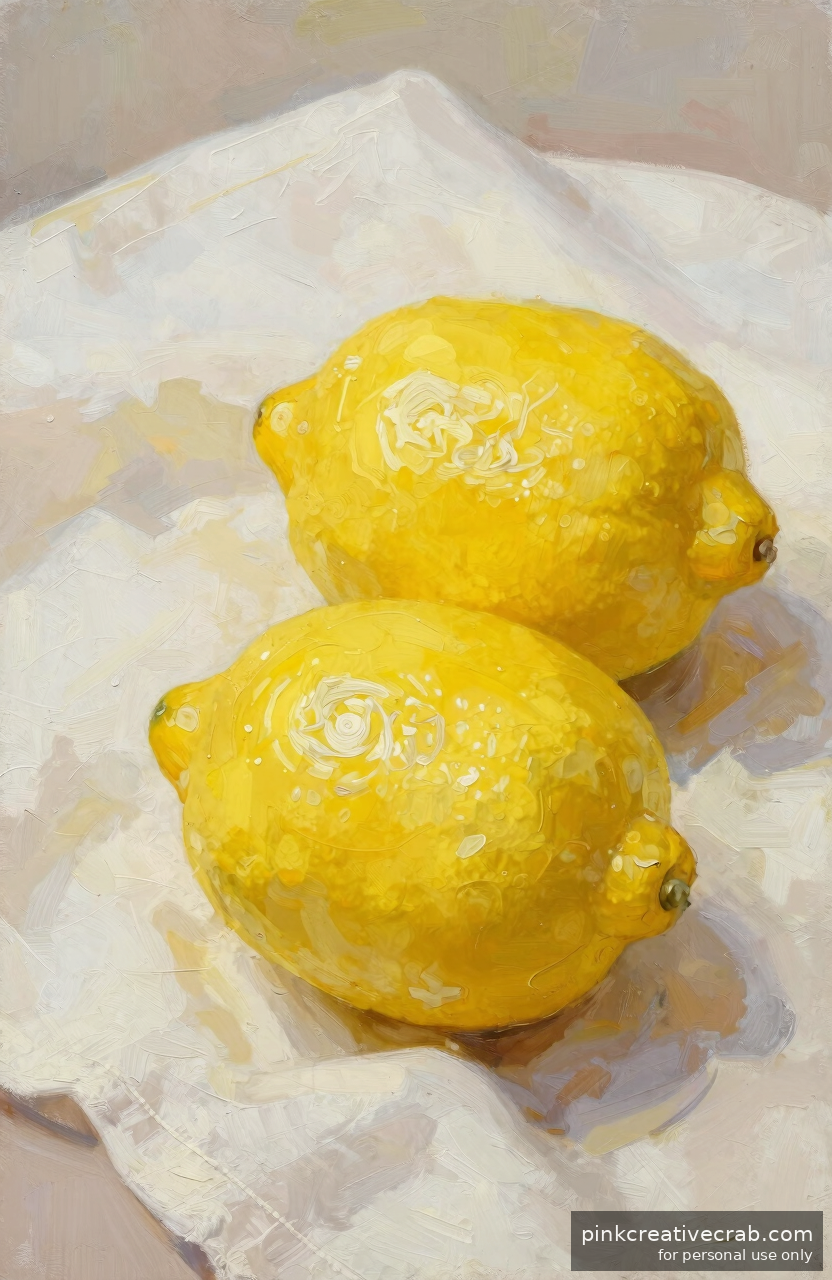
This Lemon on a White Cloth Is Almost Too Pretty to Be This Easy
A single lemon on a white cloth is honestly one of the best first projects you can choose. The shape is simple, the colors are cheerful, and there are no complicated details to stress about. Additionally, the contrast between that bright yellow and the soft white fabric gives your painting instant visual impact — even with beginner brushwork.
Start by laying down a soft warm shadow on your white cloth first. This gives your lemon somewhere to sit and feel grounded. Meanwhile, mix your yellows with tiny touches of green for the shadowed side — you will be amazed how realistic it looks. Celebrate every brushstroke because each one is teaching your hand something new.
For this project, keeping your palette simple is key. Check out the Color Mixing Guide: Everything You Need to Know to help you mix the most gorgeous lemon yellows. Grab a great starter set like beginner oil painting supplies to get going today.
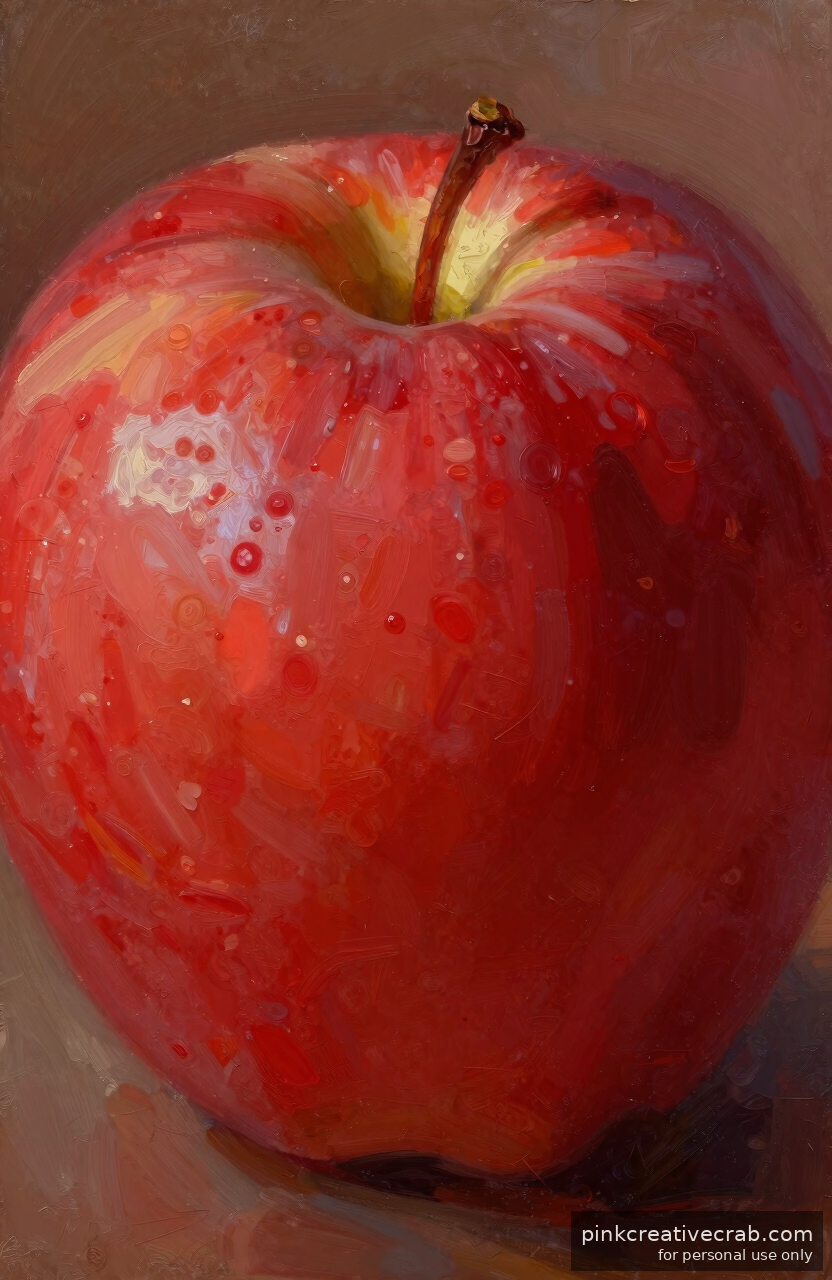
Why a Single Red Apple Might Be the Most Satisfying Thing You Paint Today
There is something incredibly satisfying about painting a red apple. It is round, it is familiar, and it absolutely glows when you get the light right. For beginners, that feeling of finishing a recognizable object is so rewarding — and honestly, a red apple delivers that feeling fast. Therefore, it makes a perfect first or second oil painting subject.
The trick is thinking about your apple in simple shapes first. Block in a mid-tone red, then add your darks on one side and your highlights on the other. Additionally, a tiny reflected light on the shadow side makes the whole thing look three-dimensional and impressive. Your friends will genuinely think you have been painting for years.
Before you start, it helps to understand your supplies and what each one does. The Art Supplies Glossary: 200+ Terms Every Artist Should Know is a wonderful free resource to bookmark. Meanwhile, pick up some oil paint set for beginners so you have the right reds ready to go.
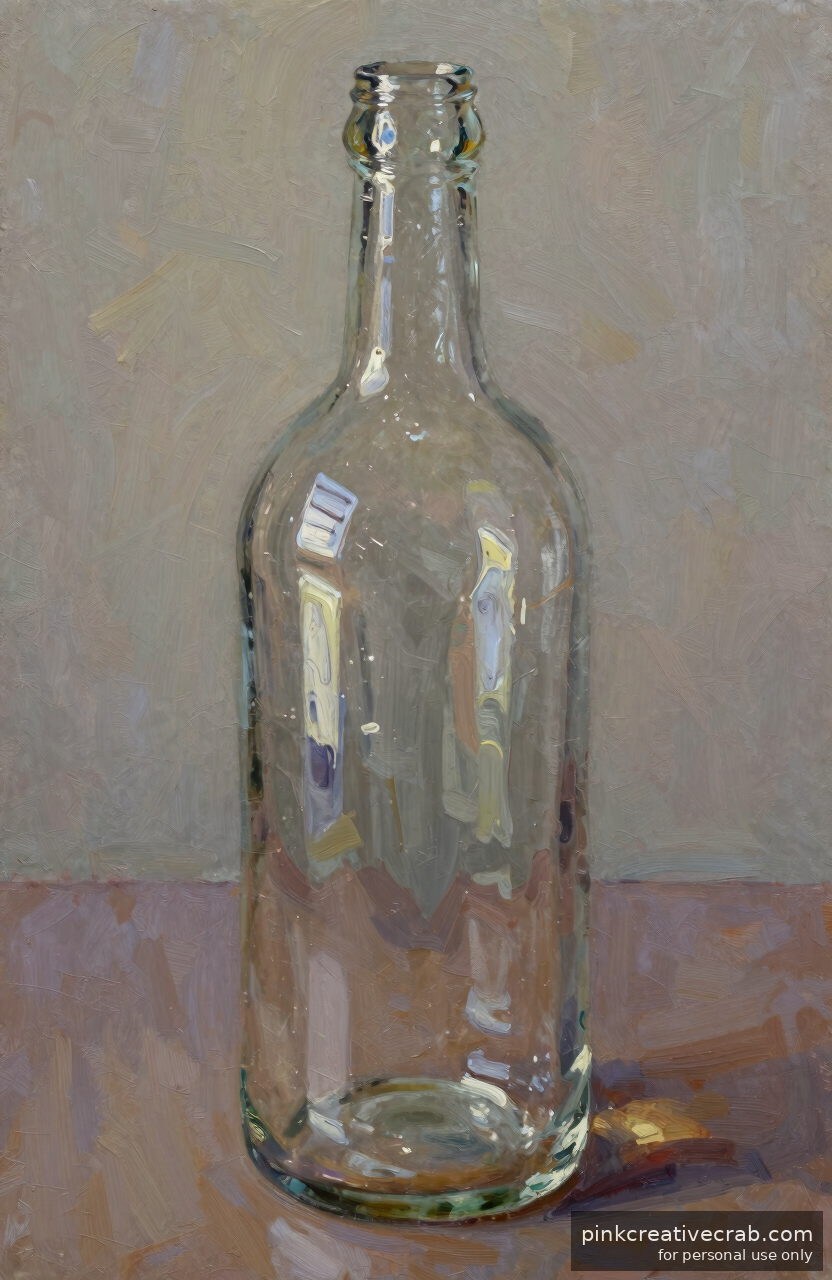
Your First Glass Bottle in Oil Paint Will Genuinely Surprise You
Glass sounds terrifying to paint — but here is the secret — you are not actually painting glass. Instead, you are painting the reflections, highlights, and shadows that live on the glass surface. Once you understand that, the whole thing clicks. Beginners are always amazed by how achievable a simple glass bottle really is with oil paint.
Start with a mid-tone background color and block in the basic bottle shape. Then, however, do not try to paint every reflection you see. Simplify. Pick two or three key highlights and keep your darkest darks crisp. As a result, the glass reads as glass almost like magic. Oil paint is especially great for this because you can blend edges while the paint is still wet.
If you are still deciding whether oil is the right medium for you, the Acrylic vs Watercolor vs Oil vs Gouache: Which Medium Should You Choose? guide lays it all out beautifully. For this project, grab some glass bottle still life oil painting supplies to get everything you need in one place.
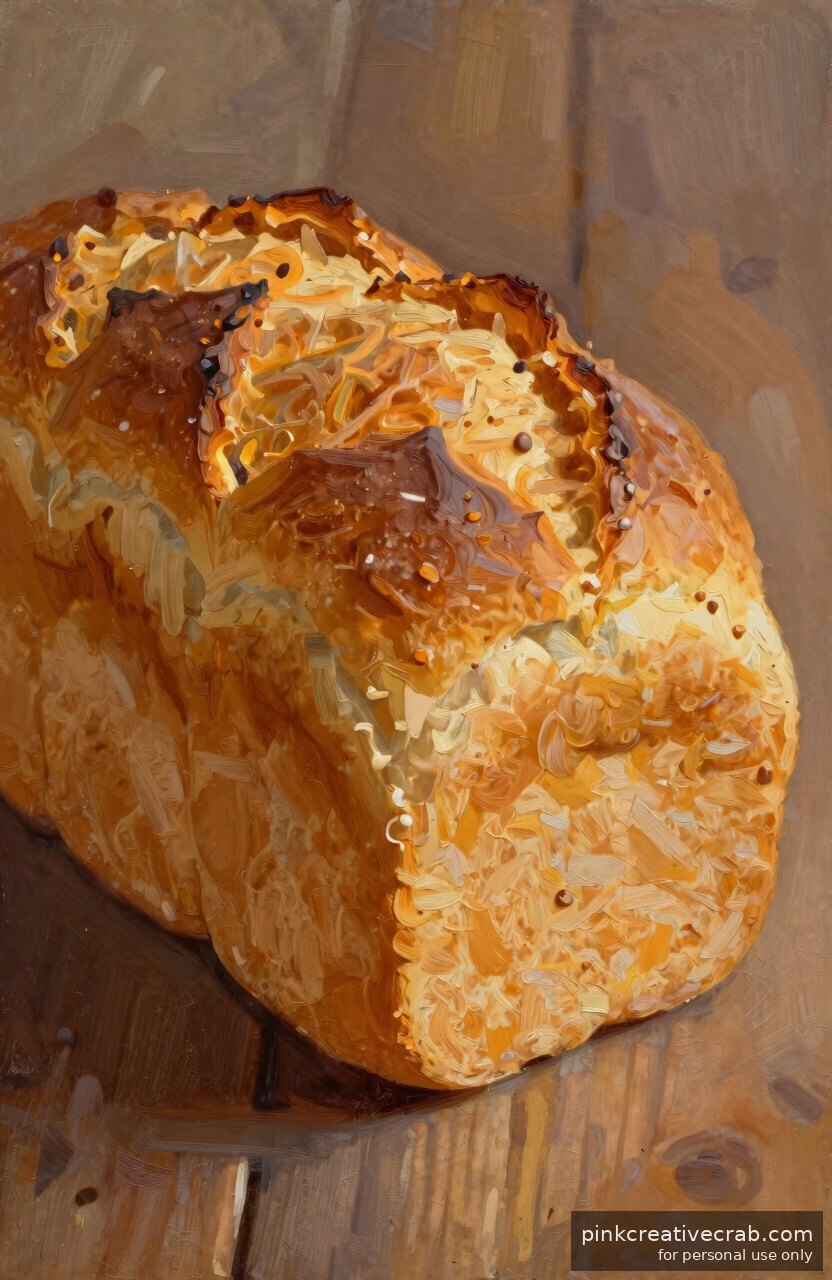
Cozy Bread Loaf Still Life So Warm You Will Want to Paint It Twice
Honestly, is there anything cozier than a freshly baked bread loaf? Painting one in oil feels like wrapping yourself in a warm blanket. The golden-brown tones, the soft floury surface, and the rustic texture all come together into something that feels genuinely homey and beautiful. Additionally, bread has wonderfully forgiving shapes — no perfect curves required.
For texture, use a dry brush technique to drag paint lightly across the surface. This creates that beautiful crusty look without needing any special skills. Meanwhile, warm ochres, burnt sienna, and raw umber are your best friends here. Layer them loosely and let the colors breathe. Every rough edge actually adds to the charm of this subject.
This is also a wonderful project for practicing your foundational art skills. The Art Fundamentals: Complete Guide to Drawing & Painting Basics will help you feel more confident before you pick up that brush. For your painting session, stock up on warm tone oil paints for beginners to nail those gorgeous bread colors.
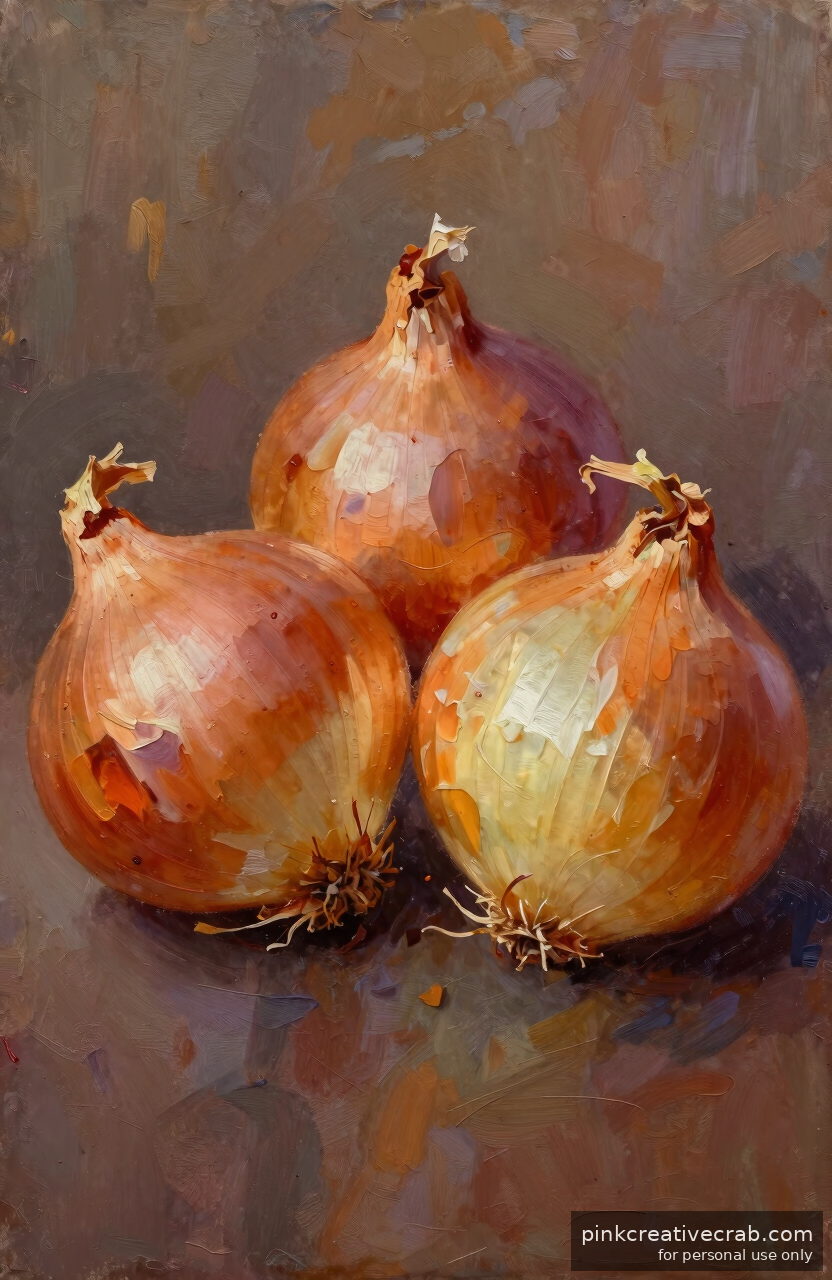
The Secret to Gorgeous Onions in Still Life Oil Painting (Seriously, It Works)
Onions are one of the most underrated still life subjects ever. The papery skin has this incredible range of purples, golds, and warm browns that practically paint themselves. Therefore, they are secretly one of the most color-rich subjects a beginner can choose. Plus their irregular shape means you do not have to stress about getting it perfectly round.
The real secret is layering thin glazes of color. Start with a warm ochre base and build up with deeper purple-browns in the shadows. However, keep your light source consistent — decide where your light is coming from and stick with it. As a result, even a messy-looking onion will feel cohesive and convincing. Those wispy dried skin edges are actually super fun to paint with a fine brush.
For color mixing tips that will make your onion skin colors pop, the Color Mixing Guide: Everything You Need to Know is absolutely worth reading. Additionally, grab some oil paint mediums and glazing supplies to make that layering technique even easier and more beautiful.
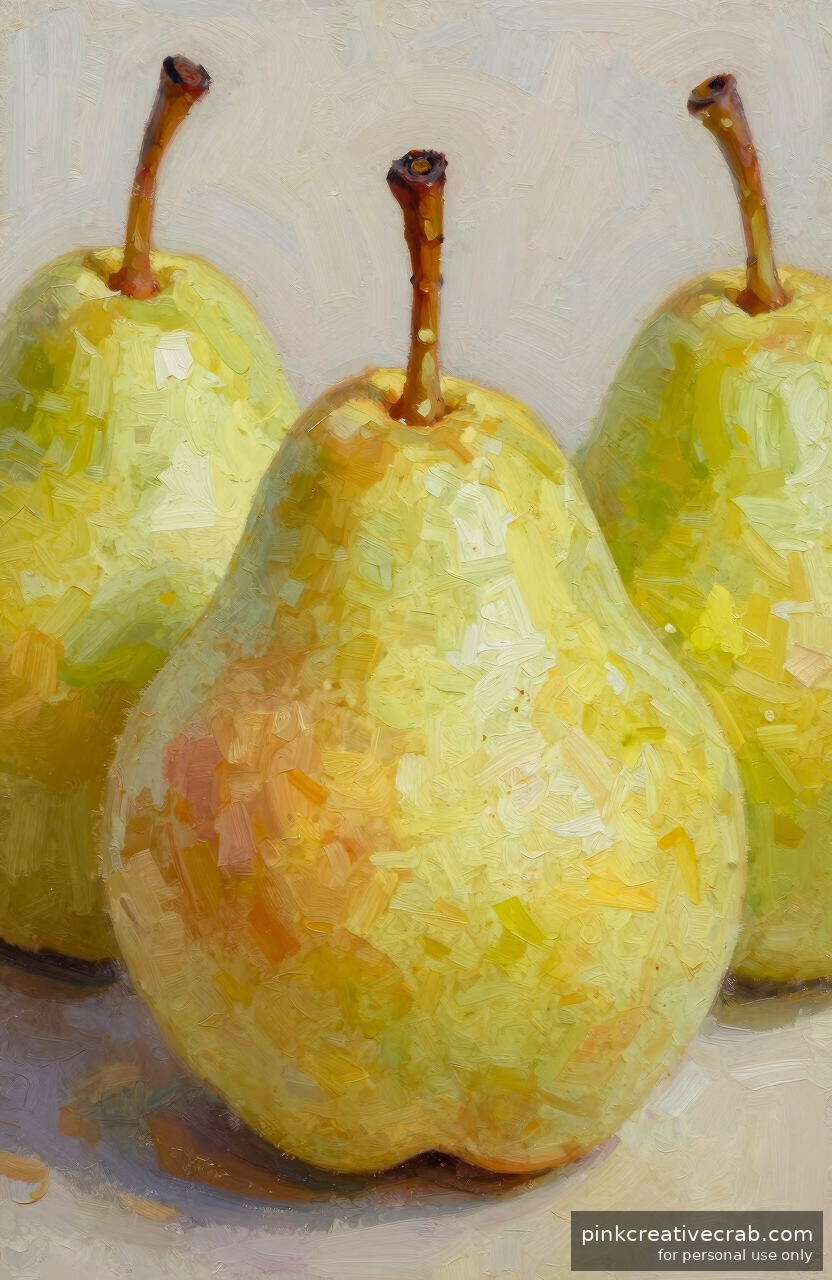
Everyone Will Think You Spent Weeks on This Simple Pear Painting
Pears are a beginner’s best kept secret. The shape is gentle and organic, which means small imperfections actually make it look more natural. Additionally, the color transitions on a ripe pear — from green to yellow to warm blush — give you a built-in lesson in color blending without it feeling overwhelming. This is one of those paintings that looks far more advanced than it actually is.
Start by sketching the basic pear shape lightly before you paint. Then block in your mid-tones first and work outward toward lights and darks. However, resist the urge to overblend — leaving a little variety in your brushstrokes gives the painting life and energy. Even a five-minute pear sketch in pencil beforehand makes a huge difference in your confidence.
If you want to strengthen your drawing skills before painting, the Pencil Drawing: Complete Beginner to Advanced Guide is such a helpful starting point. For your pear painting session, pick up some oil painting starter kit with brushes so you have everything ready to go.
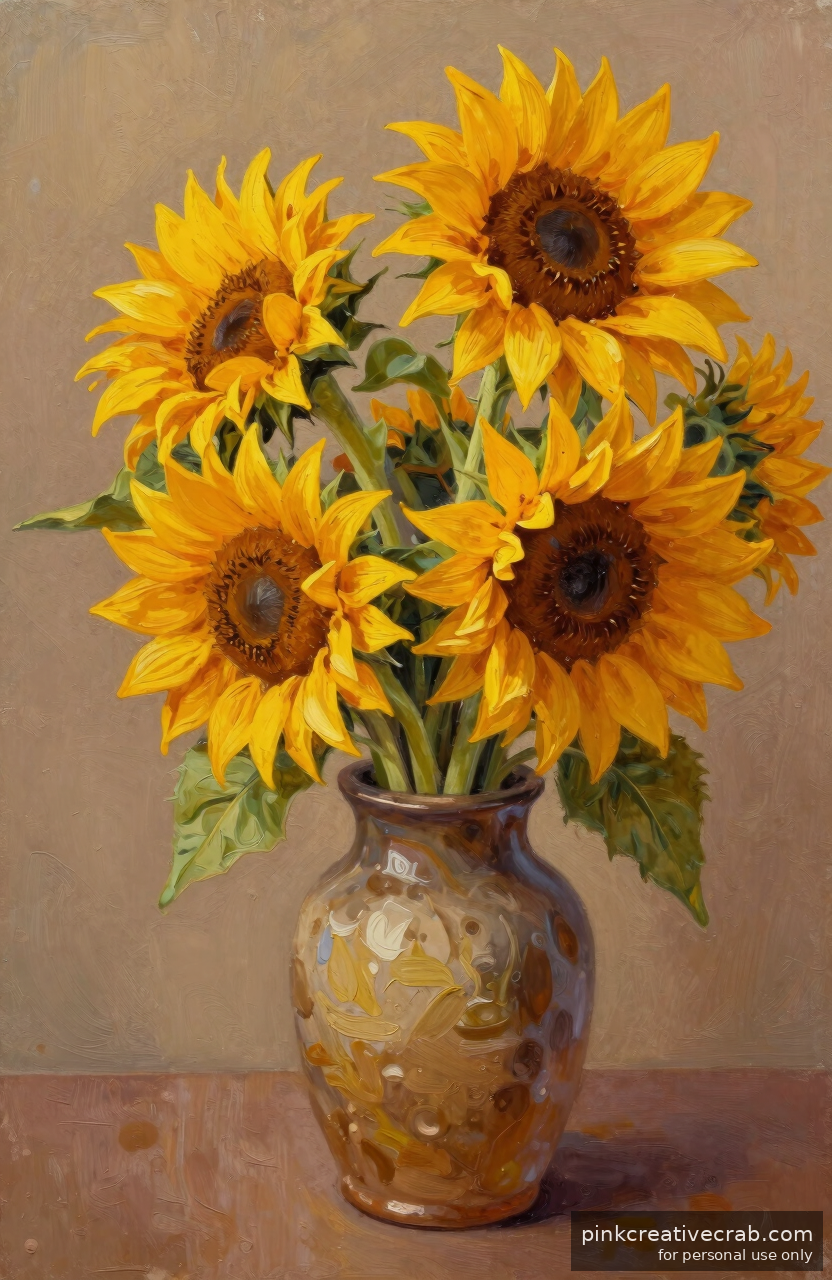
Meet the Sunflower Still Life of Your Cottagecore Dreams
Sunflowers and oil paint were simply made for each other. The bold yellows, the rich dark centers, and those loosely curved petals give you so much to play with — and they are genuinely forgiving when petals are not perfectly placed. Therefore, a sunflower still life feels expressive and free rather than rigid and stressful. It is the perfect mood for a beginner who wants to have fun while learning.
Start with your darkest values in the center and work outward with your yellows. Use confident, directional brushstrokes for the petals — do not fuss over them. Meanwhile, a warm earthy background color will make those yellows absolutely sing. Additionally, adding a simple vase or a piece of fabric underneath grounds the composition beautifully without adding much complexity.
For anyone who loves this kind of cozy, nature-inspired creative work, you might also enjoy exploring the Junk Journaling: The Complete Beginner to Advanced Handbook for even more creative outlet ideas. Ready to paint? Grab some sunflower still life oil painting supplies and let those petals fly.
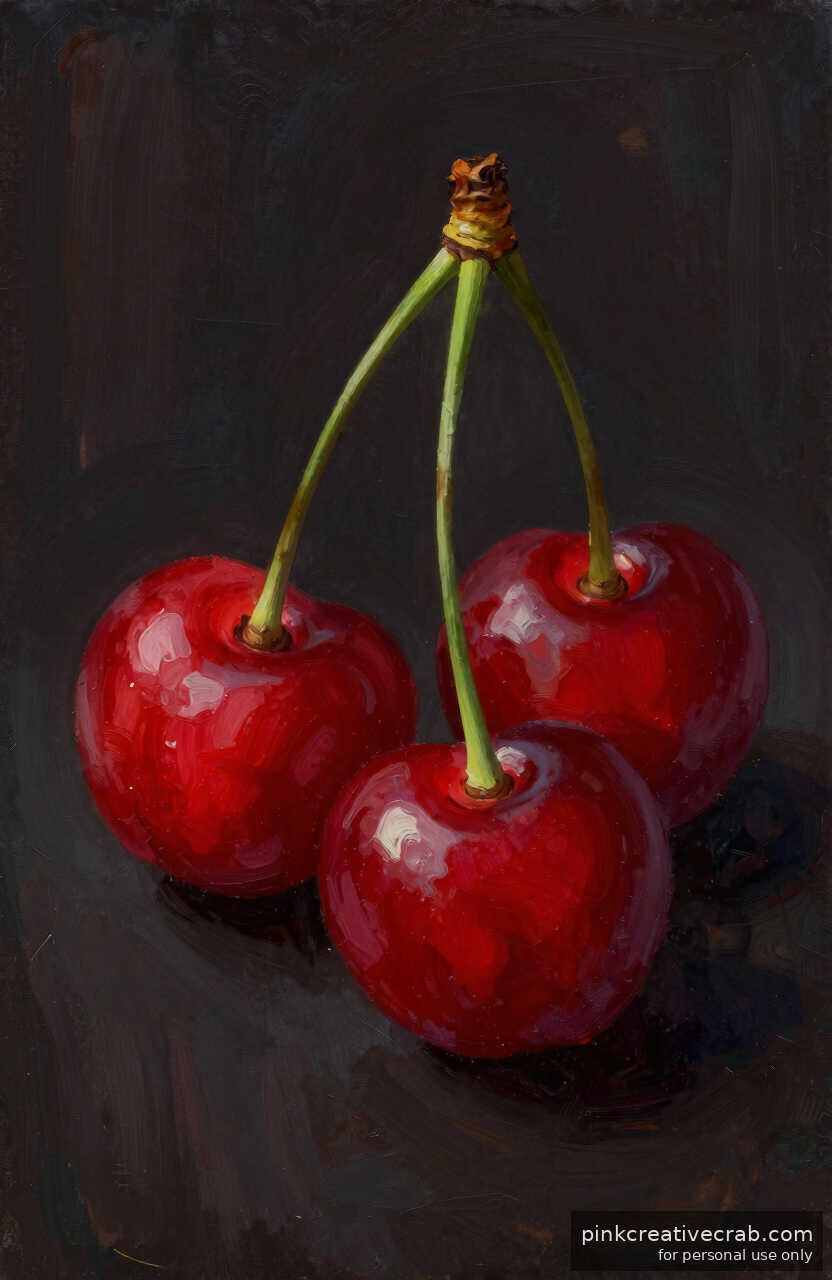
3 Cherries, One Canvas, Endless Satisfaction
Three little cherries might sound too simple, but honestly, that is exactly what makes this project so perfect for beginners. Small subjects mean less to worry about. You get to focus on the fun stuff — rich reds, soft shadows, and those gorgeous little stems that make the whole painting pop.
Additionally, cherries teach you so much without overwhelming you. You will practice mixing warm and cool reds, adding highlights with a tiny dot of white, and creating depth with shadow. Each cherry is basically a mini lesson in light. Meanwhile, the dark background makes your fruit look like it is glowing, which feels incredibly rewarding.
However, before you dive in, check out this helpful Color Mixing Guide to nail those juicy reds. For supplies, grab a set of beginner oil painting cherries still life kit to get started confidently. You are going to love this one!
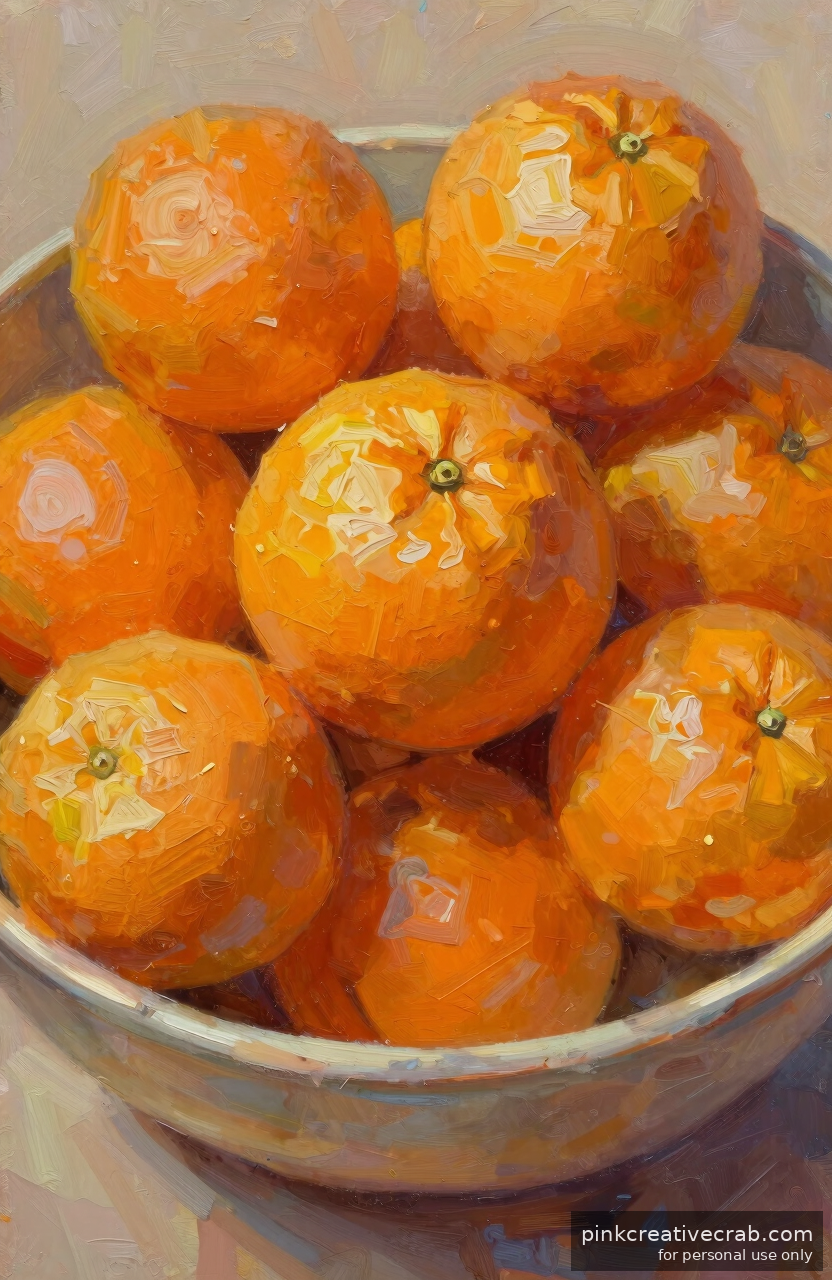
How a Few Loose Brushstrokes Become a Stunning Bowl of Oranges
Here is a little secret that experienced painters know — loose and imperfect brushstrokes are actually more beautiful than tight, overworked ones. A bowl of oranges is the most forgiving subject because the rough texture of orange skin practically invites expressive, free brushwork. Therefore, this is the perfect project if you tend to overthink things.
As a result, you will finish this painting feeling genuinely free. Start with a warm underpainting in burnt sienna, then layer your oranges with bold circular strokes. Additionally, do not forget the bowl itself — even a simple brown curve underneath grounds the whole composition beautifully.
For extra guidance on building your foundational skills, the Art Fundamentals Guide is an absolute treasure. Meanwhile, picking up some quality orange still life oil painting brushes will make those loose strokes feel effortless and so much more enjoyable. Trust the process here.
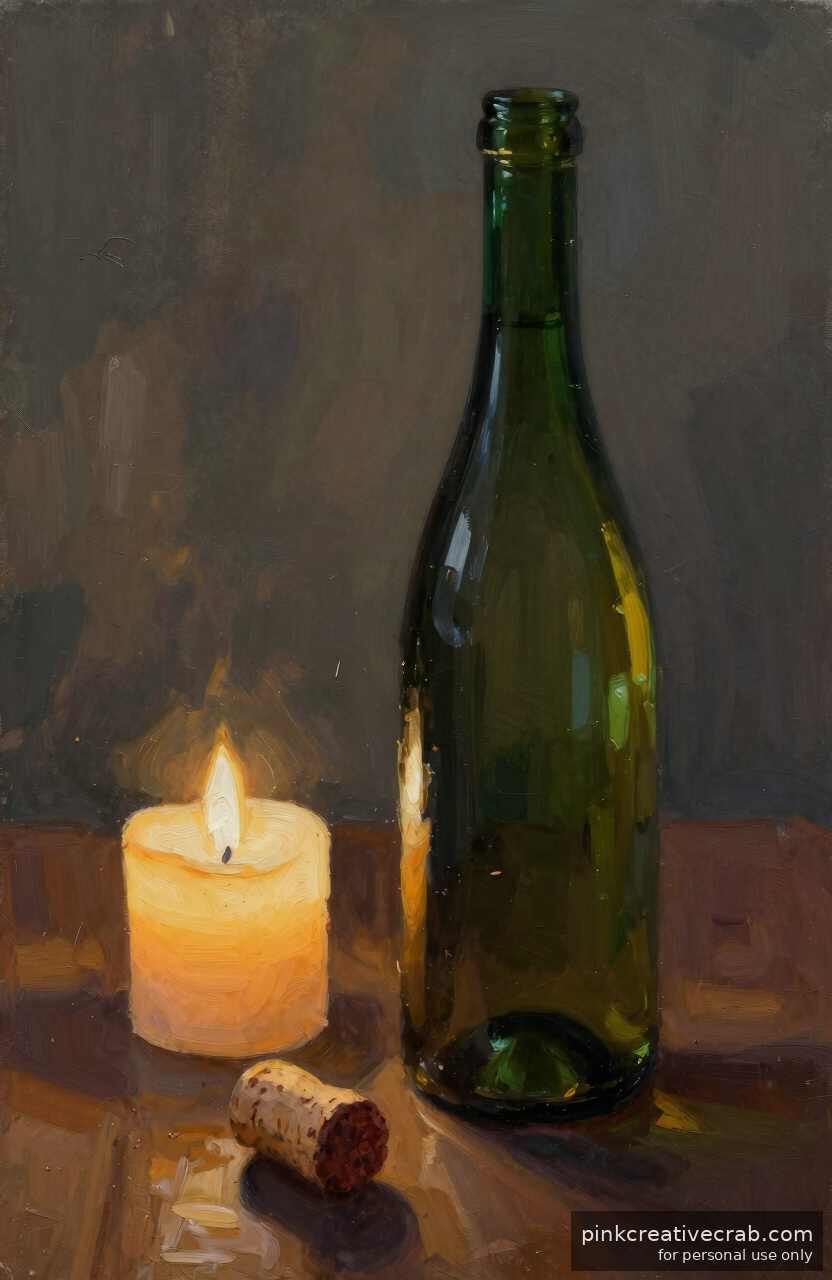
That Moody Wine Bottle Still Life Your Living Room Has Been Waiting For
Dark, dramatic, and honestly a little romantic — a moody wine bottle still life is the kind of painting that makes people stop and stare. The deep greens of the glass, the soft candlelight glow, and long shadows stretching across a wooden surface create an atmosphere that feels almost cinematic. However, do not let the drama intimidate you.
Beginner-friendly techniques like wet-on-wet blending work beautifully here. You layer dark tones first, then slowly pull in light. The bottle shape is just a rectangle with curved shoulders, so the drawing part is much easier than it looks. Additionally, a simple draped cloth or cork beside the bottle adds interest without adding stress.
Before starting, it helps to understand how different painting mediums behave — the Acrylic vs Watercolor vs Oil vs Gouache guide explains everything clearly. For supplies, a quality oil painting dark still life beginner set will set you up for moody, gorgeous results.
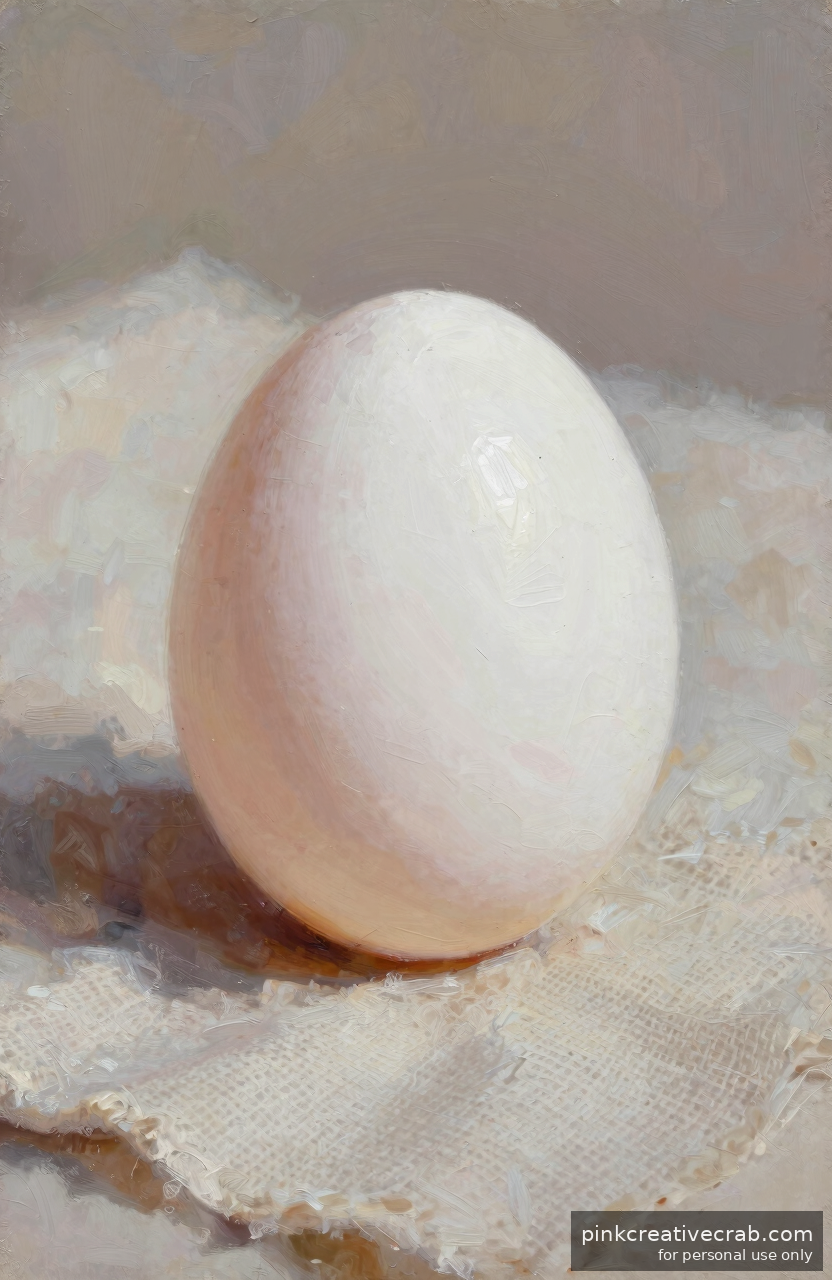
You Have Never Seen a Plain White Egg Look This Absolutely Beautiful
A single white egg sounds almost too boring to paint, right? However, experienced artists will tell you that painting white is one of the most magical challenges out there. White is never truly white — it is lavender in the shadows, warm cream in the light, and pale blue where it reflects the sky. Therefore, this tiny subject teaches you enormous things.
For beginners, an egg is honestly a gift. The oval shape is forgiving, the surface is smooth, and the whole painting fits on a small canvas. Additionally, painting just one subject means you can spend real time observing light and shadow without feeling rushed or overwhelmed.
Check out the Art Supplies Glossary to understand terms like tonal value and highlight before you begin — it makes a huge difference. Meanwhile, a small oil painting canvas panel set for beginners gives you the perfect surface for practicing this luminous little masterpiece.
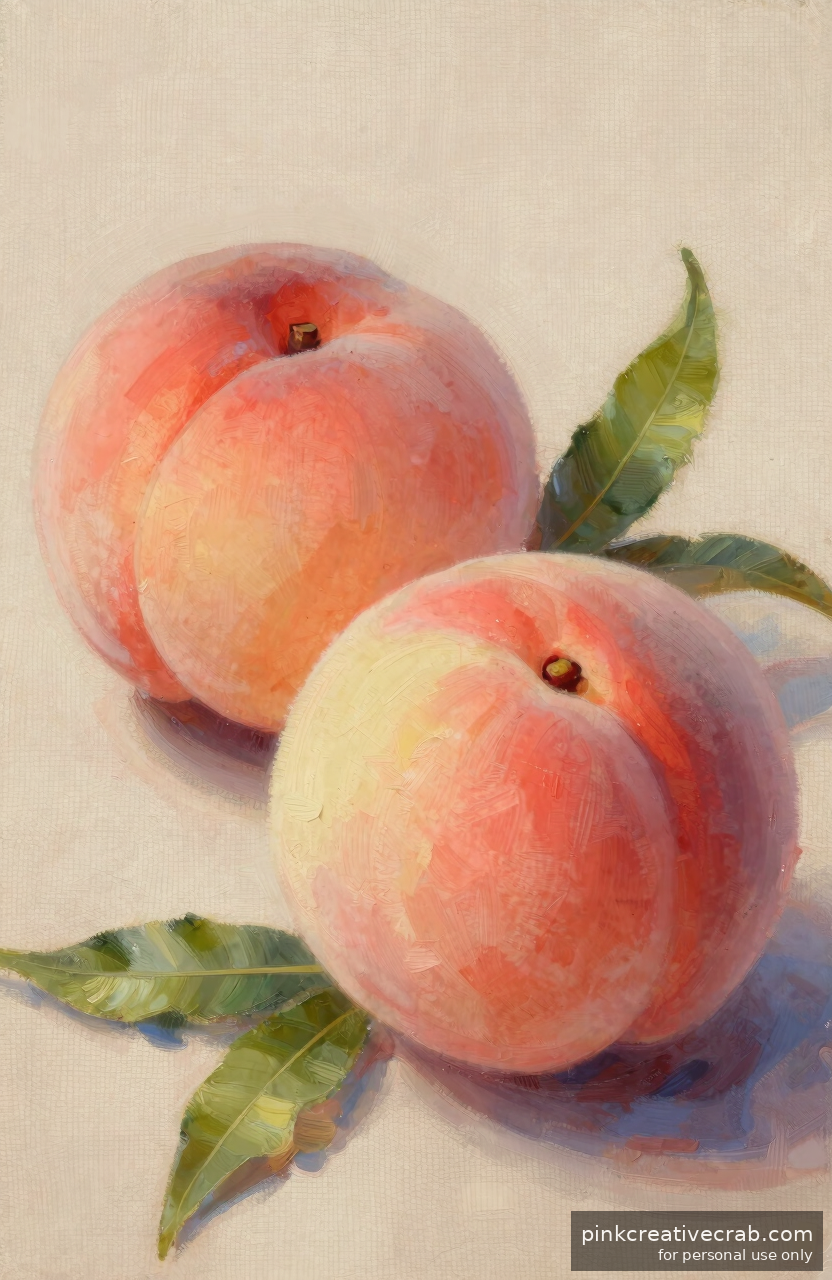
The Dreamy Peach Painting That Belongs on Every Beginner’s Gallery Wall
Peaches are basically made for oil painting. Their velvety blush skin, soft golden tones, and gentle blush-to-cream transitions blend so naturally with oil pigments that beginners often surprise themselves with how beautiful the results turn out. As a result, this is one of those projects that builds serious confidence fast.
Furthermore, the color mixing for peaches is genuinely fun. You are playing with warm oranges, soft pinks, yellows, and creamy whites all at once. Layering these colors wet-on-wet creates that dreamy, almost glowing quality that makes peach paintings look so luscious. Additionally, a simple leaf or two adds visual interest with very little extra effort.
To master your color mixing before picking up a brush, the Color Mixing Guide is an incredibly helpful resource. For everything you need to get started beautifully, consider grabbing a peach still life oil painting beginner set. This painting is going to look stunning on your wall!
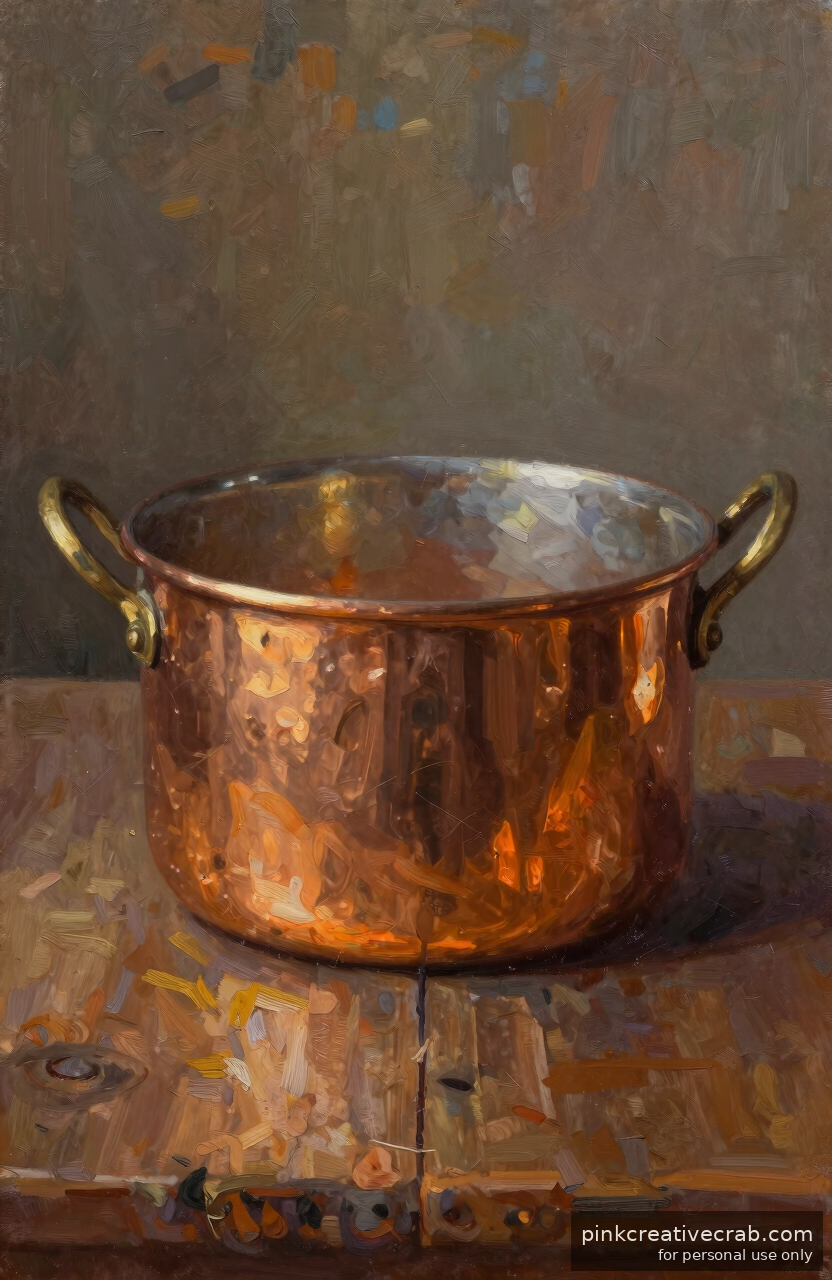
Irresistible Copper Pot Still Life That Makes You Look Like a Total Pro
Copper pots have been the star of still life paintings for centuries, and for very good reason. Those warm amber tones, the subtle reflections, and the satisfying roundness of the shape create a painting that looks impressively complex even when the technique is actually quite straightforward. However, do not just take our word for it — try it yourself.
The trick with copper is all about contrast. You build up warm browns and burnt oranges first, then add bright golden highlights and deep shadow edges. Additionally, painting the distorted reflection of a nearby fruit or cloth inside the copper surface adds a touch of magic that makes viewers lean in closer.
For drawing the basic forms accurately before painting, the Pencil Drawing Guide offers brilliant foundational techniques that transfer beautifully to oil painting. Meanwhile, a set of copper pot still life oil painting supplies will help you capture every warm, glowing detail with confidence.
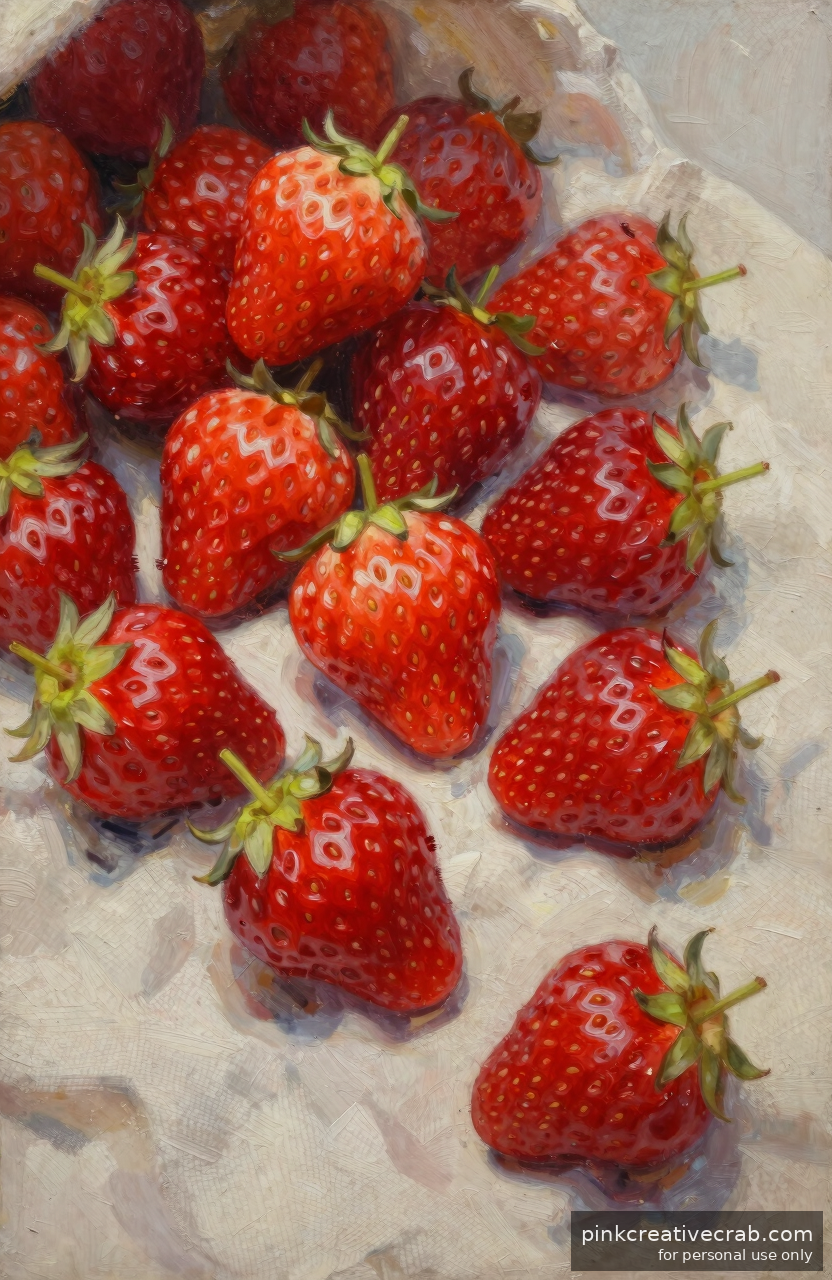
Spilling Strawberries onto Canvas Has Never Felt This Effortlessly Magical
Imagine a handful of bright red strawberries tumbling across a linen cloth, their tiny yellow seeds catching the light and their green leafy tops still perfectly perky. This painting is cheerful, playful, and completely achievable for beginners. Furthermore, strawberries are wonderfully forgiving because all those little seeds and texture details actually hide any imperfections beautifully.
The composition here is part of the fun. You get to arrange the berries yourself — some upright, one tipped over, maybe one sliced in half showing that gorgeous pink interior. Therefore, even the setup process feels creative and enjoyable. Additionally, the contrast between bright red fruit and a soft neutral background makes the colors absolutely sing.
If you are curious about exploring other mediums alongside oil painting, the Watercolor Painting Guide is a wonderful companion resource. For your strawberry project, a quality strawberry still life oil painting canvas set will give you everything you need for this joyful, colorful painting adventure!
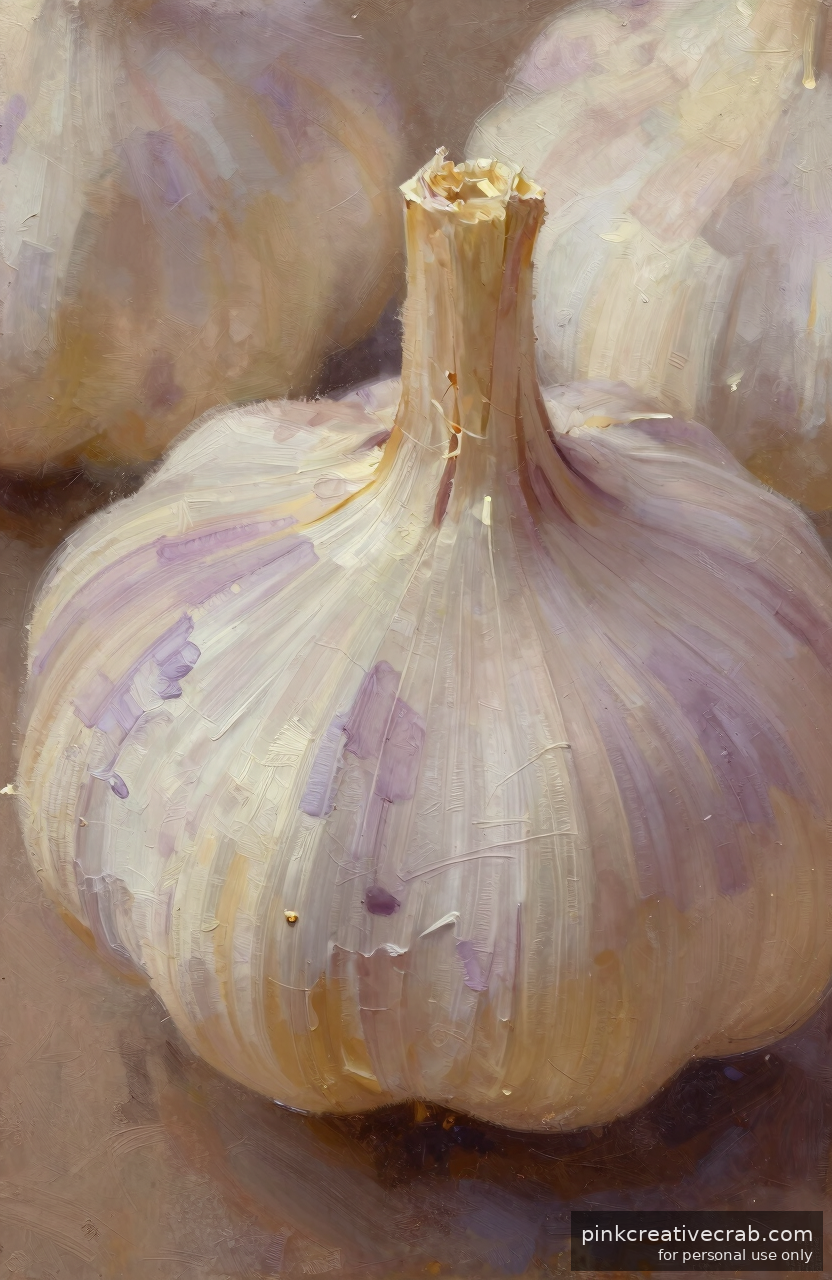
5 Minutes to Set Up, a Lifetime to Treasure — Paint a Simple Garlic Clove
Garlic might seem like an odd choice for your first still life, but trust me — it is absolutely perfect. The papery skin creates soft, natural color variations that are forgiving to paint. Additionally, the simple rounded shape means you only need basic brushstrokes to make it look convincing. You do not need anything fancy to get started!
Place a single garlic bulb on a wooden cutting board or a plain cloth and just look at it for a moment. Notice how light hits the curved top and fades toward the base. Those gentle shifts from cream to purple to golden brown are what make this subject so magical. Meanwhile, because garlic is small, you can practice a complete painting in under an hour. That is a huge win for any beginner.
For this project, grab a small canvas panel and a limited palette of yellow ochre, burnt sienna, and titanium white. Keep it simple and enjoy every brushstroke. Try these beginner-friendly oil painting supplies for still life to get going today.
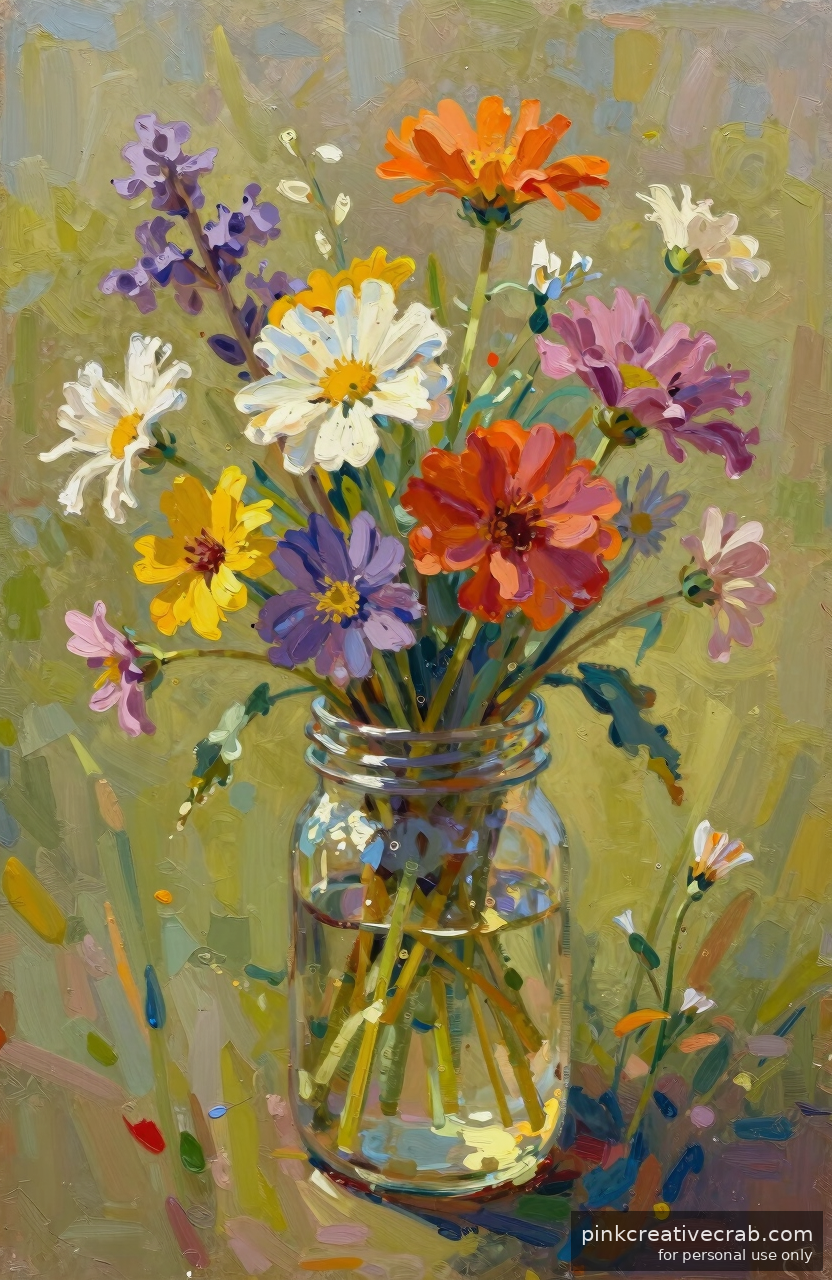
Wildflowers in a Mason Jar Are the Gorgeous Still Life Beginners Deserve
There is something instantly joyful about wildflowers stuffed into a mason jar, and painting them is just as delightful. The loose, imperfect arrangement actually works in your favor as a beginner. However, do not stress about painting every single petal — impressionistic dabs of color create a more lively, natural result anyway. Art is meant to feel freeing, not stressful!
Start by blocking in the big shapes first. The jar is essentially a simple cylinder, and the flowers are clusters of color sitting on top. Therefore, think in shapes rather than details, and you will be amazed how quickly a lovely composition comes together. For example, a few strokes of cadmium yellow next to some violet and white can instantly suggest a cheerful wildflower without any fussy detail work.
If you are still exploring which medium suits you best, the Acrylic vs Watercolor vs Oil vs Gouache guide is a fantastic resource. For this project, pick up some mason jar wildflower still life oil paints and dive right in.
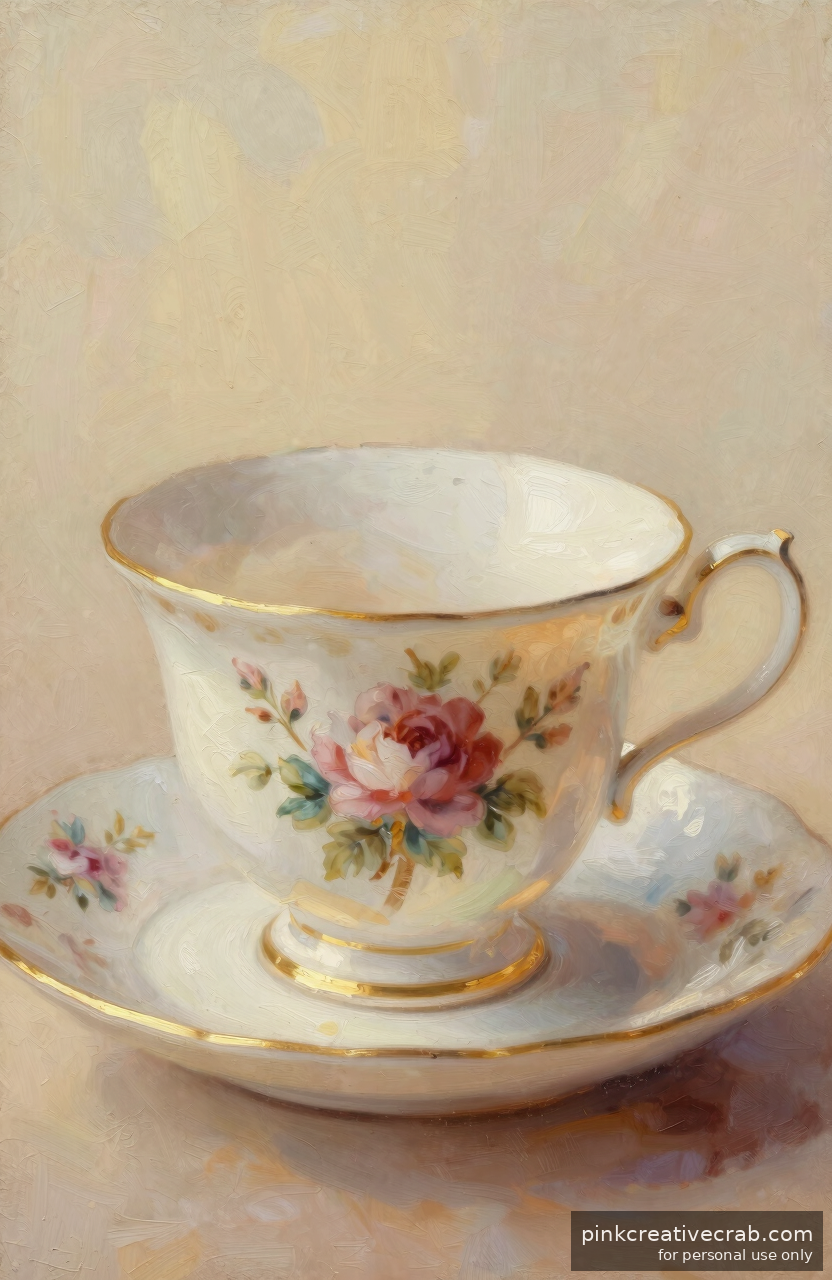
Painting a Vintage Teacup in Oils Is Even More Relaxing Than Drinking From One
A vintage teacup is one of those subjects that feels cozy the moment you look at it. The elegant curves, the tiny handle, the little painted flowers — each detail invites you to slow down and really observe. As a beginner, that quality of mindful looking is exactly what helps you grow faster as an artist. Additionally, teacups offer a beautiful mix of reflective surfaces and soft matte areas, so you naturally practice multiple techniques in one sitting.
Start with a simple underpainting in a warm burnt sienna to map out your shapes. From there, build up color in thin layers, which is the classic oil painting approach. However, do not rush the drying time between layers — that patience actually gives you permission to step back and appreciate your progress. Small victories like nailing the curve of a handle are worth celebrating!
To understand color relationships better before you begin, check out this helpful Color Mixing Guide. Then treat yourself to some quality vintage teacup still life oil painting brushes to make the whole experience even more enjoyable.
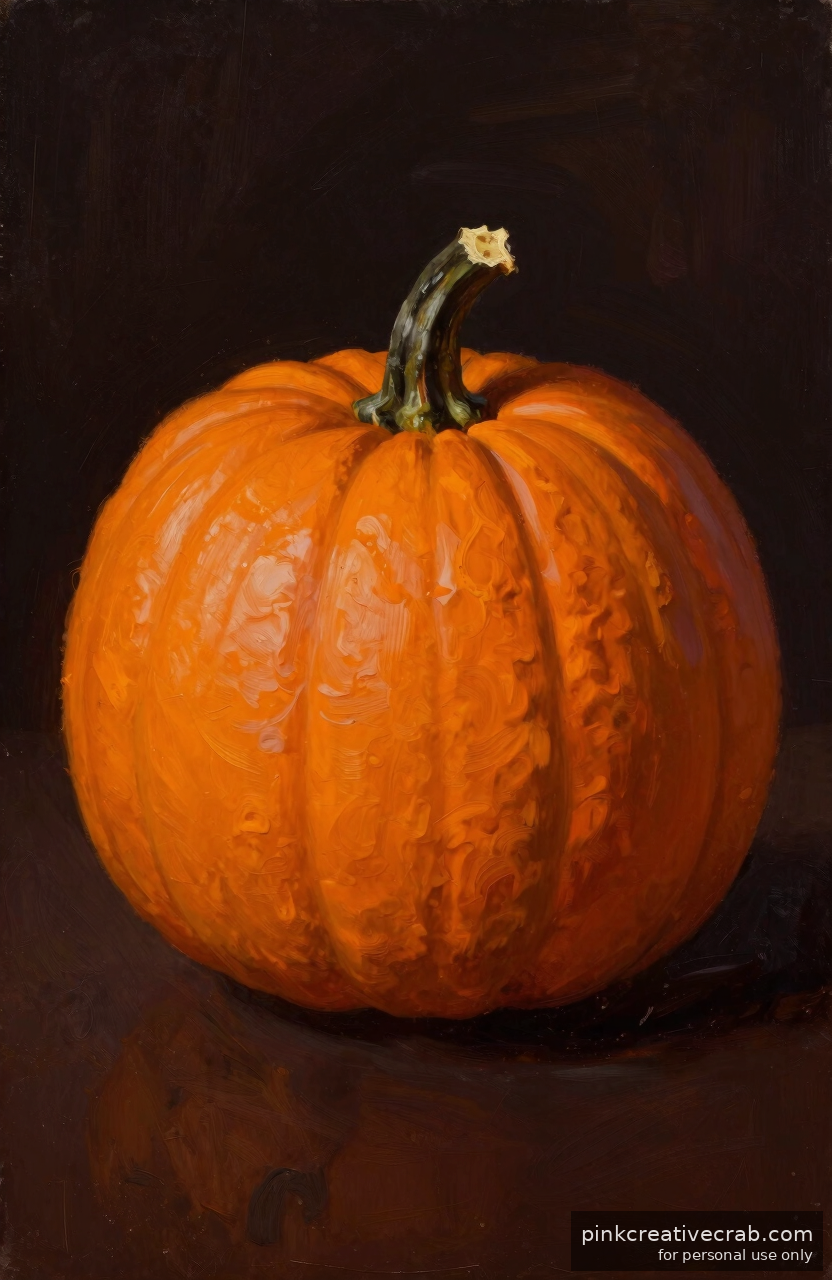
Dark Background, One Pumpkin, Maximum Drama — Beginner Still Life Gold
If you have ever looked at an Old Master painting and felt a little intimidated, here is a secret — that moody, dramatic look is surprisingly beginner-friendly to recreate. All you need is a single orange pumpkin placed against a dark brown or black background. The contrast does most of the heavy lifting for you. Therefore, even a simple paint job on the pumpkin itself will appear incredibly striking and impressive.
Start your background first using a mix of burnt umber and ivory black thinned with a little medium. Let it set slightly, then paint your pumpkin in bold strokes of cadmium orange and yellow ochre. Meanwhile, add a few highlights with titanium white to suggest that gorgeous glow catching the light. The dark-to-light contrast makes everything pop beautifully. You will honestly feel like a Renaissance artist!
For more help understanding foundational art skills that will support your painting journey, the Art Fundamentals guide is a wonderful companion resource. Stock up on everything you need with these beginner oil painting pumpkin still life supplies and get that dramatic masterpiece started.
Final Thoughts
You have just discovered 18 wonderful doorways into the world of still life oil painting, and the most important thing now is simply to walk through one of them. Pick the subject that makes your heart do a little jump. Set it up on your kitchen table, pour yourself something warm, and just begin. Remember, your first attempt does not need to be perfect — it just needs to exist.
Every single painting you finish, no matter how it turns out, is teaching you something valuable. Additionally, each brushstroke is building muscle memory, color intuition, and a creative confidence that grows quietly in the background. Therefore, do not compare your early work to artists who have been painting for decades. Compare it only to where you were yesterday, because that is the only progress that truly matters.
Still life oil painting has been the starting point for countless legendary artists throughout history, and now it is yours too. Celebrate every small win. Share your paintings with people who love you. Come back to this list whenever you need a fresh spark of inspiration. You are already an artist — you just need to keep showing up to the canvas.
Frequently Asked Questions
What supplies do I need to start still life oil painting as a beginner?
To begin still life oil painting, you really only need a few basics: a small set of oil paints, two or three brushes in different sizes, a canvas or canvas board, odorless mineral spirits, and linseed oil. Additionally, a simple palette and some paper towels will keep things tidy. You do not need to buy everything at once — start small and build your kit gradually as your confidence grows.
How long does a still life oil painting take to dry?
Oil paint dries much more slowly than acrylics, which is actually great news for beginners! Most still life oil painting layers will feel touch-dry within one to three days, however full curing can take weeks or even months depending on paint thickness. Therefore, working in thin layers helps speed things along. Meanwhile, this slow drying time gives you wonderful freedom to blend and correct as you go.
Is still life oil painting good for absolute beginners with no experience?
Absolutely — still life oil painting is one of the best starting points for complete beginners. Simple objects sit still, the lighting stays consistent, and you can work at your own pace without any pressure. Additionally, oil paint is wonderfully forgiving because you can easily wipe away mistakes while it is wet. For example, a single apple or a small bottle is all you need to learn color mixing, shading, and brushwork all at once.
What are the easiest subjects for a beginner still life oil painting?
Some of the most beginner-friendly subjects include single pieces of fruit like apples, lemons, or pears, as well as simple glass bottles, eggs, and onions. These objects have clear, readable shapes and do not require perfect detail to look convincing. Additionally, their surfaces offer great opportunities to practice light and shadow. Therefore, starting with one or two simple objects on a plain background is always a smart and encouraging approach.
Do I need to sketch before starting a still life oil painting?
Sketching first is genuinely helpful and highly recommended for beginners, however it is not a strict rule. A light pencil sketch or a thin paint sketch using a neutral color helps you map out proportions before committing. For example, blocking in basic shapes with thinned brown or burnt sienna paint is a technique many artists love. Additionally, this loose underpainting dries quickly and gives you a confident roadmap to follow as you build up color.
Have any thoughts?
Share your reaction or leave a quick response — we’d love to hear what you think!
-
 1
1 -
0
-
0
-
0
-
0
-
0


