✨ Key Insights
- Many beginners worry that acrylics dry too fast to blend — the good news is that starting with simple single-subject paintings means you rarely need complex blending, and you can always add a few drops of water to slow things down.
- If you feel like your paintings look ‘messy’ or unfinished, it usually comes down to not letting each layer dry fully before adding the next — acrylics dry in minutes, so patience between layers makes a huge difference.
- You do NOT need an expensive supply haul to start painting with acrylics — a basic set of six to eight colors, one flat brush, and one round brush on a stretched canvas is genuinely all you need to complete every idea in this list.
Acrylic painting is one of the most beginner-friendly ways to bring your creative ideas to life — and you can start today with just a few basic supplies and a whole lot of excitement. Unlike oil paints, acrylics dry quickly, clean up with water, and are wonderfully forgiving when you make a mistake (just let it dry and paint right over it!). Whether you have never picked up a brush before or you tried painting once years ago and felt stuck, this guide is here to show you just how approachable and joyful painting can be.
Inside, you will find 15 simple acrylic painting ideas that are perfect for absolute beginners. Each one focuses on a single, clear subject — no complicated scenes or tiny details required. We have included easy technique tips and product suggestions to help you feel set up for success before you even open your paint tubes. Think of these ideas as little creative adventures, not tests — every single one is designed to help you build confidence while having fun.
Ready to explore color, brushstrokes, and the pure joy of making art? Grab your supplies, put on some music, and let us dive in together. You might just surprise yourself with what you can create!
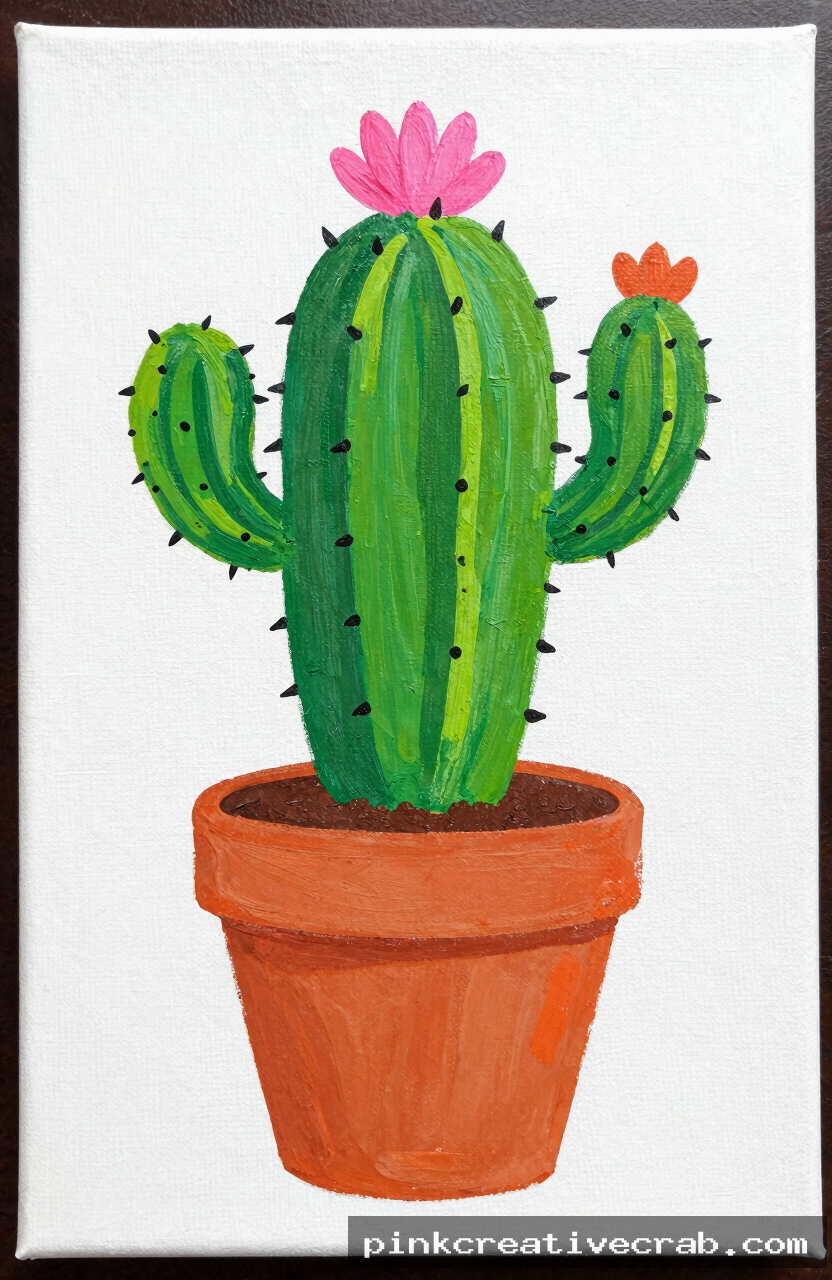
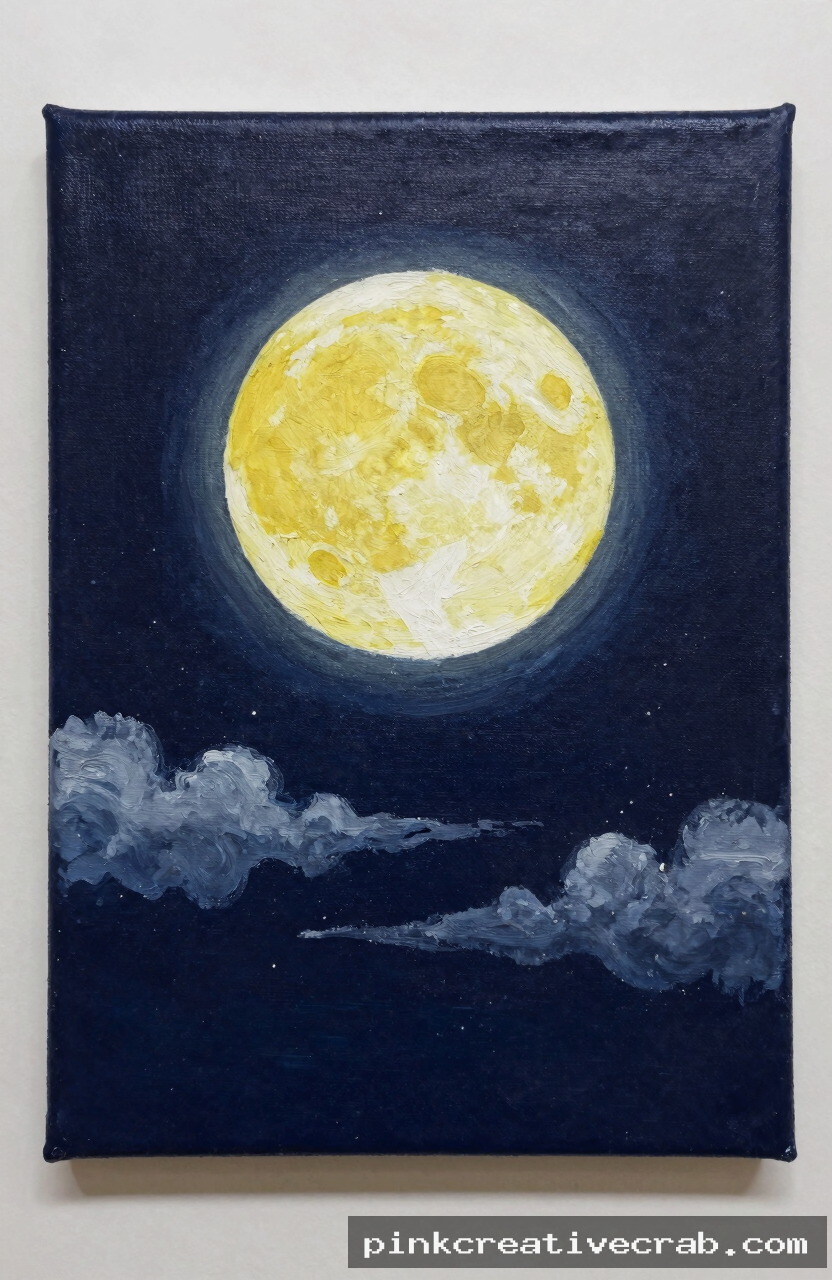
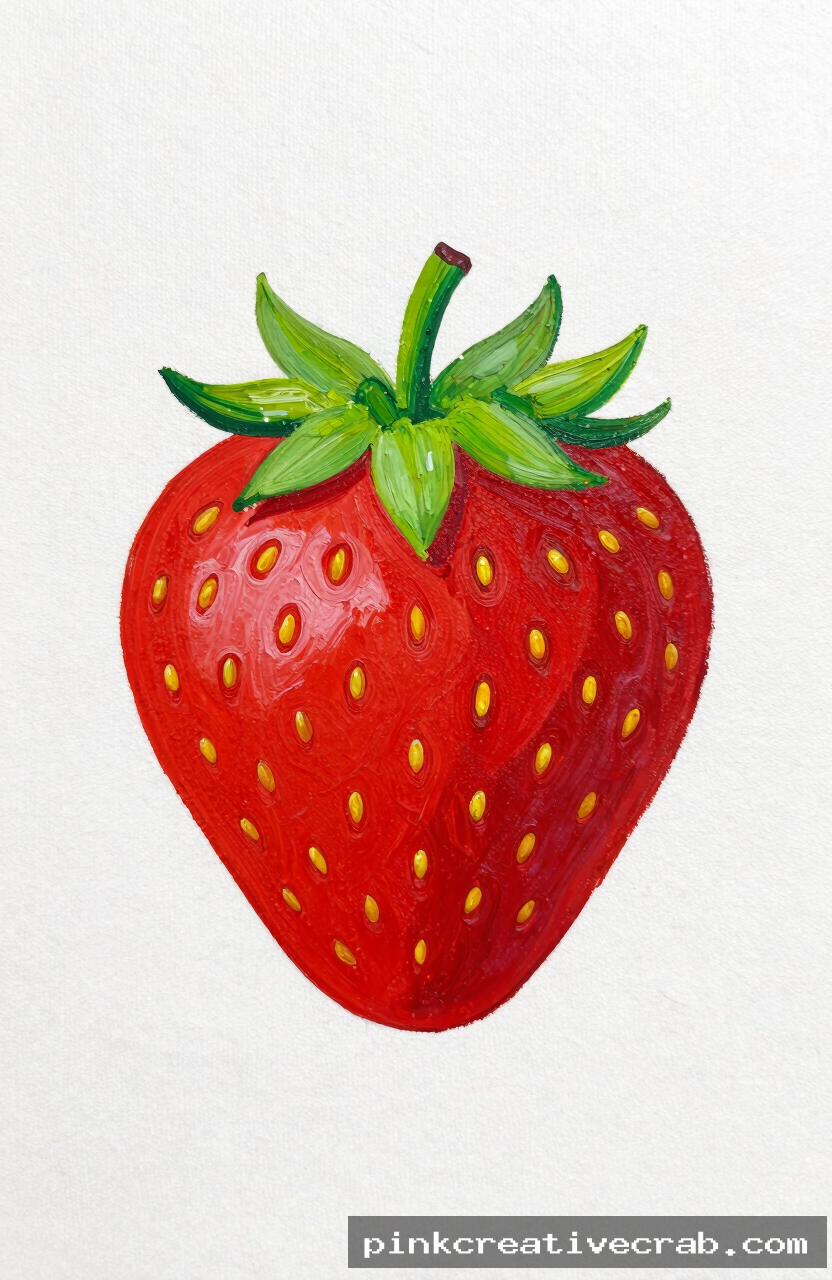
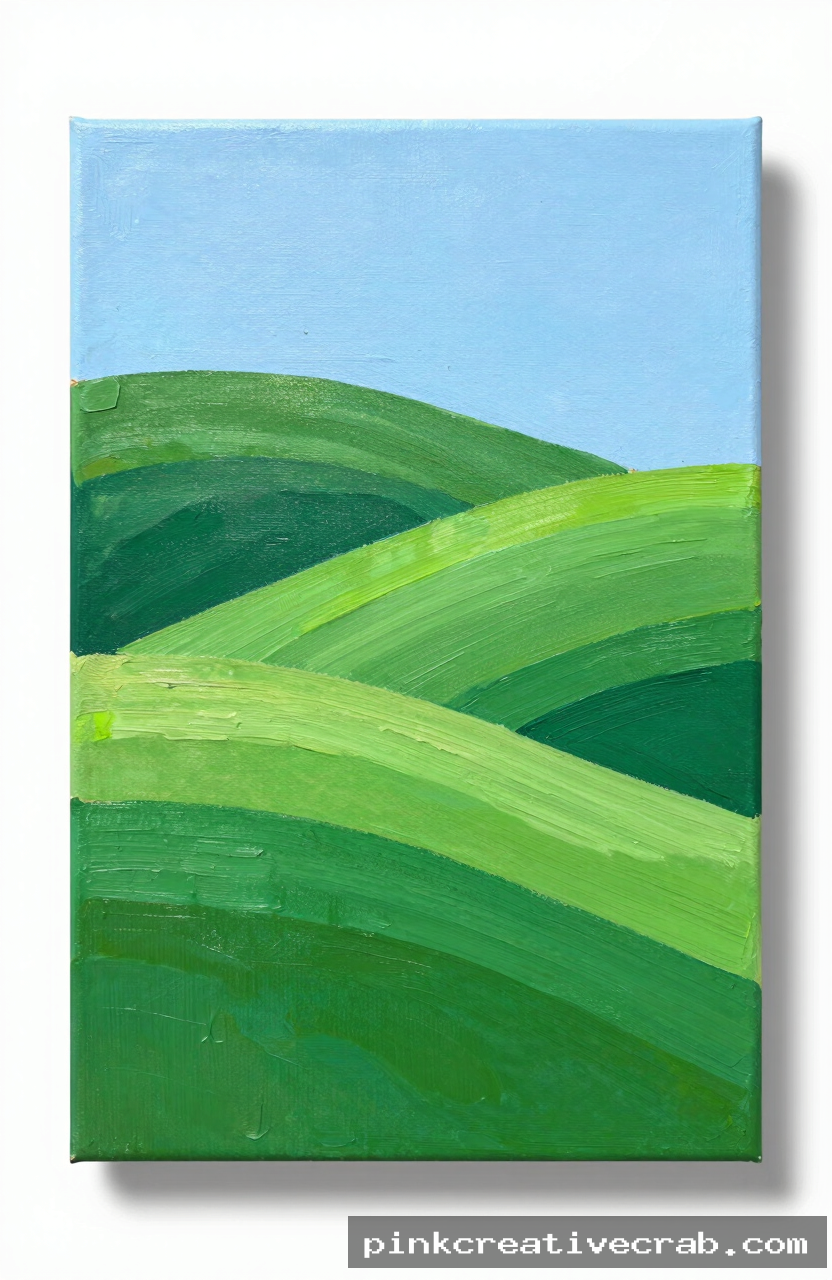
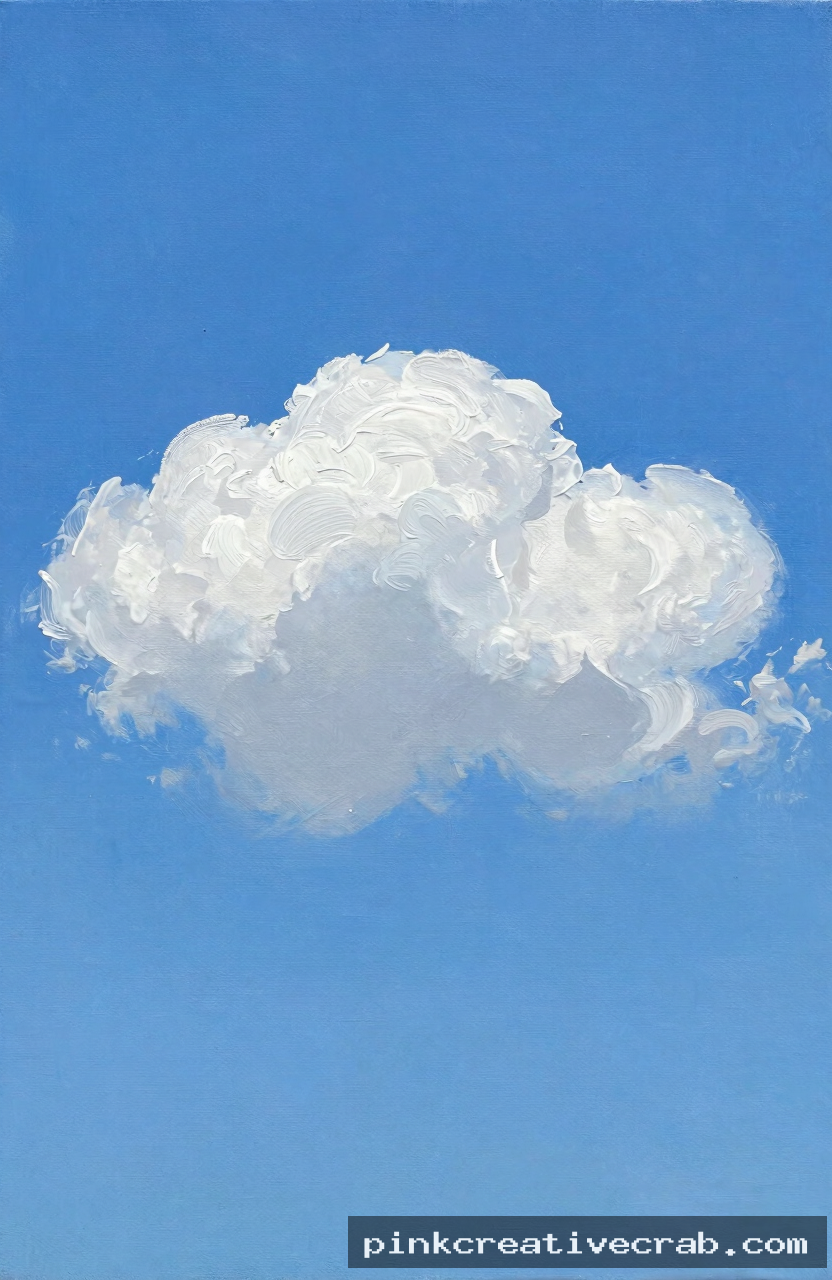
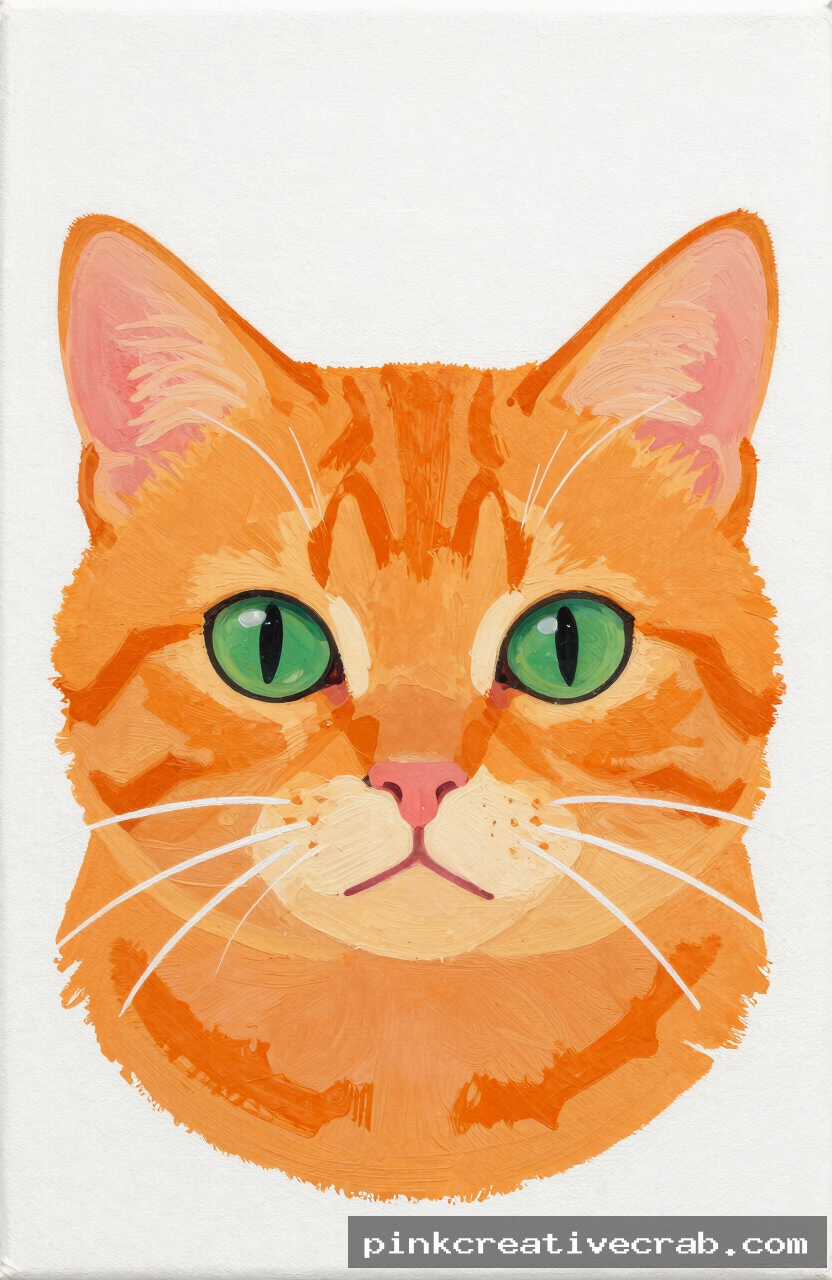
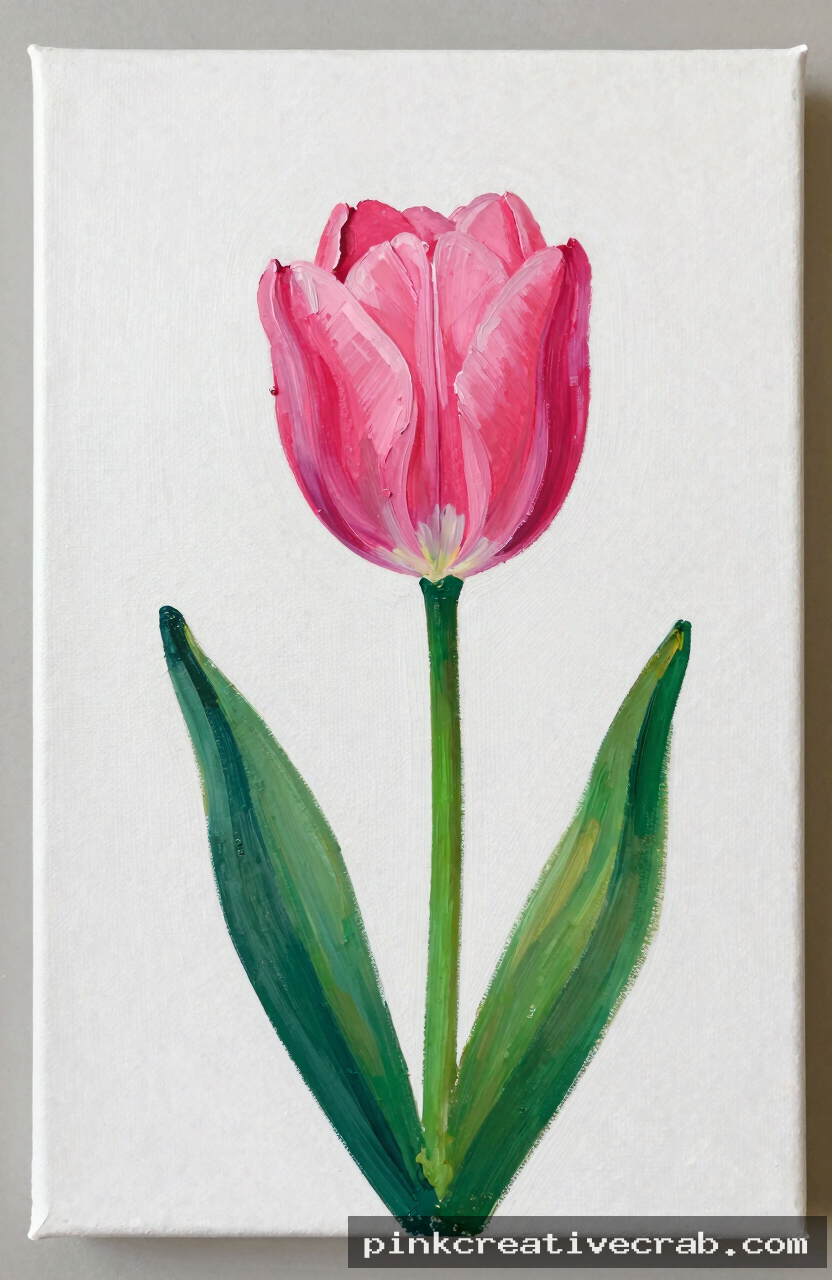
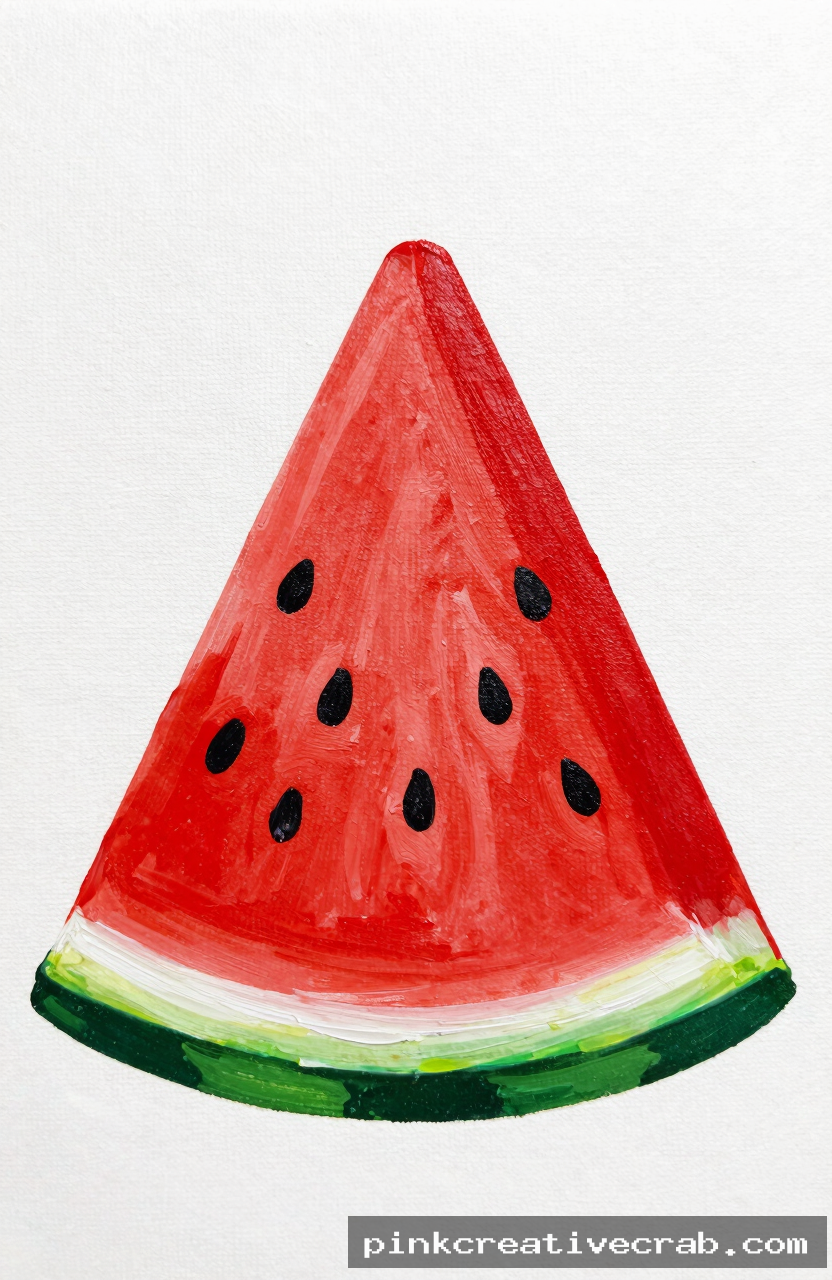
1. Sunshine Yellow Sunflower
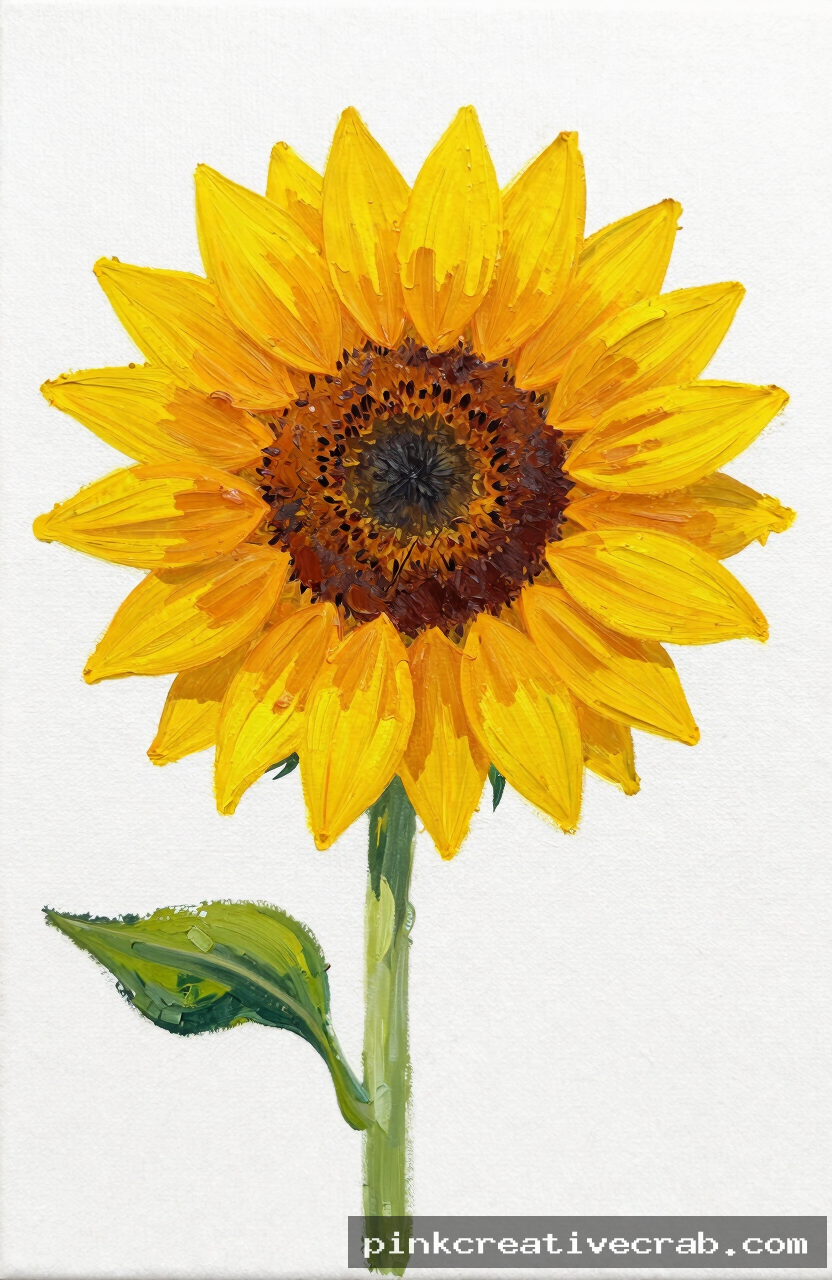
A single sunflower is one of the most cheerful and forgiving subjects for a first acrylic painting. Start by painting a dark brown circle in the center of your canvas, then add long yellow petal strokes radiating outward using a flat brush. Layer a few petals on top for depth. Finish with a simple green stem and two leaves. Try a beginner acrylic paint set to get all the colors you need.
Frequently Asked Questions
What supplies do I need to start acrylic painting as a complete beginner?
You really only need the basics to get started: a small set of acrylic paints (red, yellow, blue, white, and black will cover most subjects), one flat brush and one round brush, a canvas or canvas panel, a palette for mixing, and a cup of water. That is truly all you need to paint every idea in this list with confidence.
Why does my acrylic paint dry so fast and how do I slow it down?
Acrylics dry quickly because they are water-based and evaporate fast, especially in warm or dry rooms. To slow them down, add a tiny drop of water to your paint, work in smaller sections, or use a stay-wet palette that keeps your paint moist for hours. Painting in a cooler room also helps give you a little more working time.
Can I paint over mistakes in acrylics?
Absolutely — this is one of the best things about acrylics! Since they dry quickly and are opaque, you can simply let your mistake dry fully (usually just a few minutes) and then paint right over it with fresh paint. No scraping or waiting overnight required. This makes acrylics one of the most forgiving beginner mediums available.
Should I use a canvas or paper for beginner acrylic painting?
Canvas panels or stretched canvases are the most popular choice for acrylics because the surface holds paint beautifully and feels satisfying to work on. That said, thick acrylic paper or watercolor paper works perfectly well too and is more affordable for practice. Avoid regular printer paper as it will warp and absorb paint unevenly.
How is acrylic painting different from watercolor painting?
Acrylics are opaque and thick — you can paint light colors over dark ones, correct mistakes easily, and build up layers. Watercolors are transparent and delicate, relying on the white of the paper for light areas. Both are wonderful! If you are curious about watercolors too, check out the Watercolor Painting: The Ultimate Beginner to Advanced Guide for a full breakdown.
Do I need to mix my own colors or can I use paints straight from the tube?
You can absolutely use colors straight from the tube, especially as a beginner — that is a great way to start! But learning basic color mixing opens up a whole new world of possibilities and saves money on buying dozens of individual colors. For a gentle and friendly introduction to mixing, visit the Color Mixing Guide: Everything You Need to Know to get started.
How many coats of paint do I need for a good acrylic painting?
Most beginner paintings look great with just two layers — a base coat to establish your shapes and colors, and a second layer to clean up edges and add any finishing details. Letting each layer dry fully before adding the next is the most important habit to build. Some areas like skies may only need one coat, while darker colors might need two or three for full coverage.
Have any thoughts?
Share your reaction or leave a quick response — we’d love to hear what you think!
-
 0
0 -
0
-
0
-
0
-
0
-
0


