Table of Contents
These easter egg templates free printables give you twelve different egg designs, each built from a few big simple shapes so there is nothing tricky to draw. Print the outline, tape it to a sunny window or a light pad (or slide graphite transfer paper underneath), trace it onto your watercolor paper, then paint or colour it with the finished example sitting right beside you.
Every design here uses bold flat shapes on purpose, so even a first attempt at egg painting looks clean and finished. Pick one that matches your mood today, or work through all twelve and build yourself a little Easter set.
Using these images: free for personal projects such as printing, coloring, cards, journals and gifts. Handmade items that include them may be sold up to 30 pieces per design. More than that is commercial use and is not permitted, and neither is selling or sharing the images themselves or passing them off as your own. Please ask before any other use.
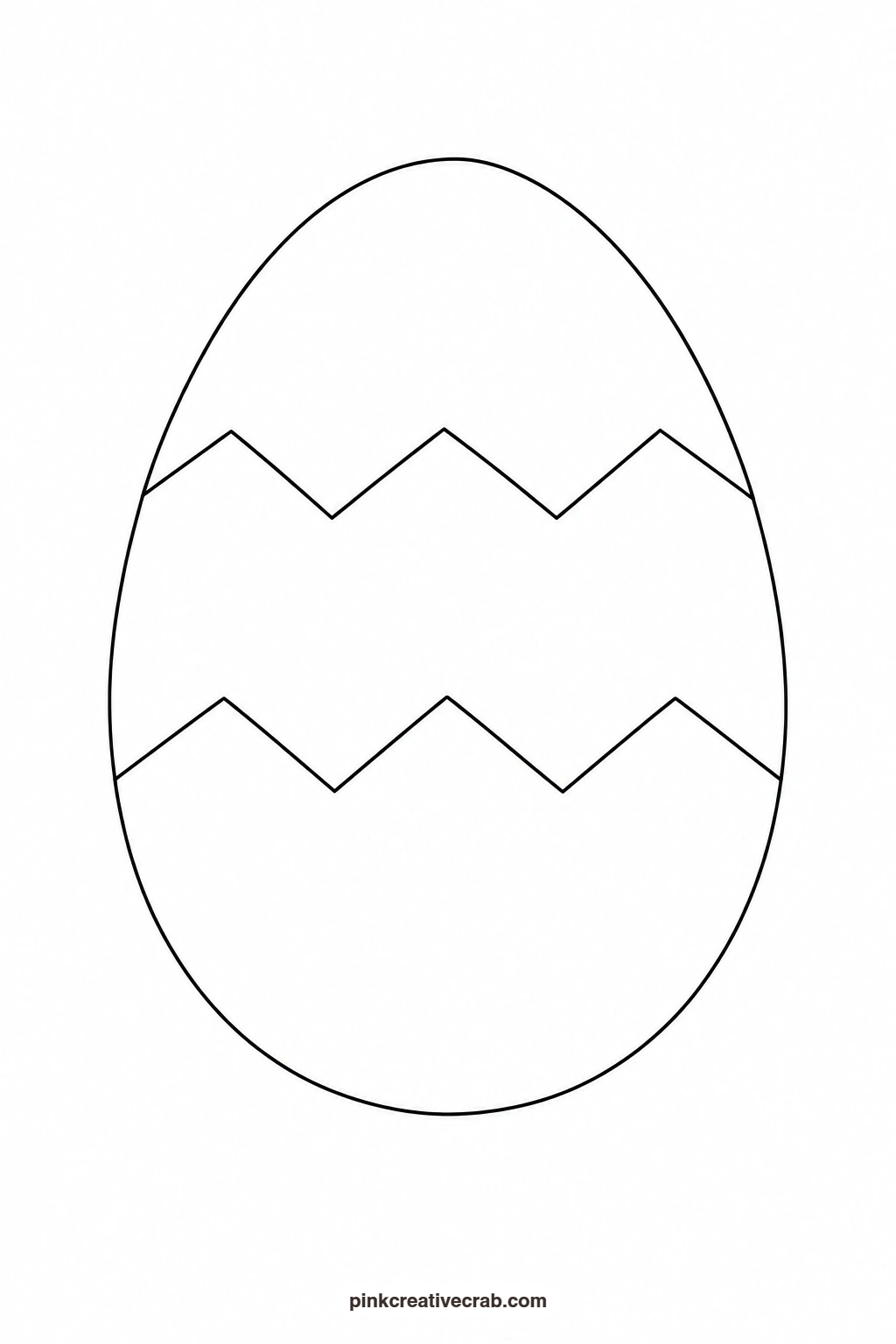
Zigzag Band Egg
Paint the egg’s background shape first in a pale wash, let it dry fully, then fill the three zigzag bands one at a time so the edges stay crisp. Use a strong colour in the middle band and softer tones above and below it, keeping each band a flat single wash. The finishing touch is a thin clean white gap left between every band, which makes the zigzags pop against each other.

Palette: Cadmium Yellow,Alizarin Crimson,Cerulean Blue
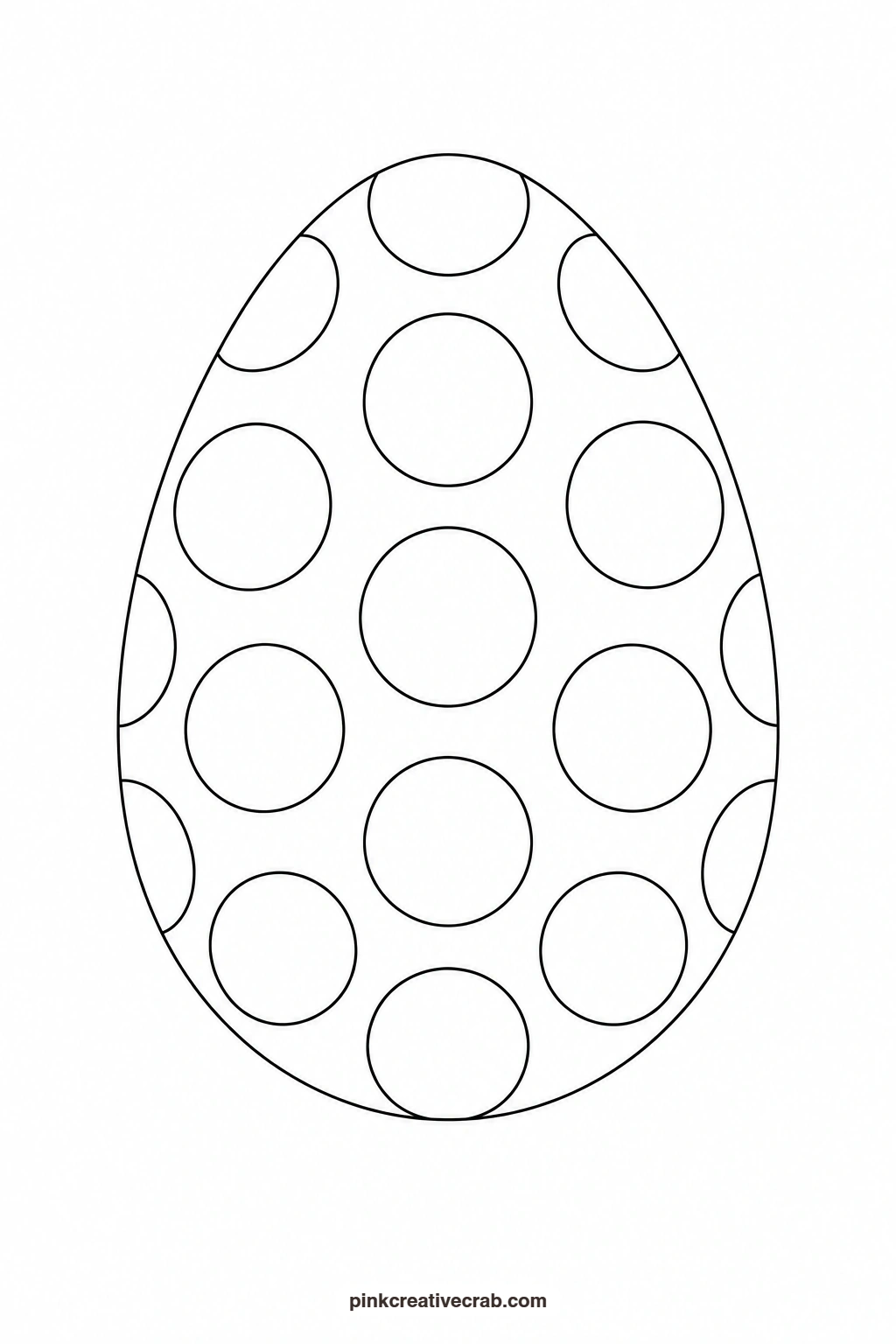
Polka Dot Egg
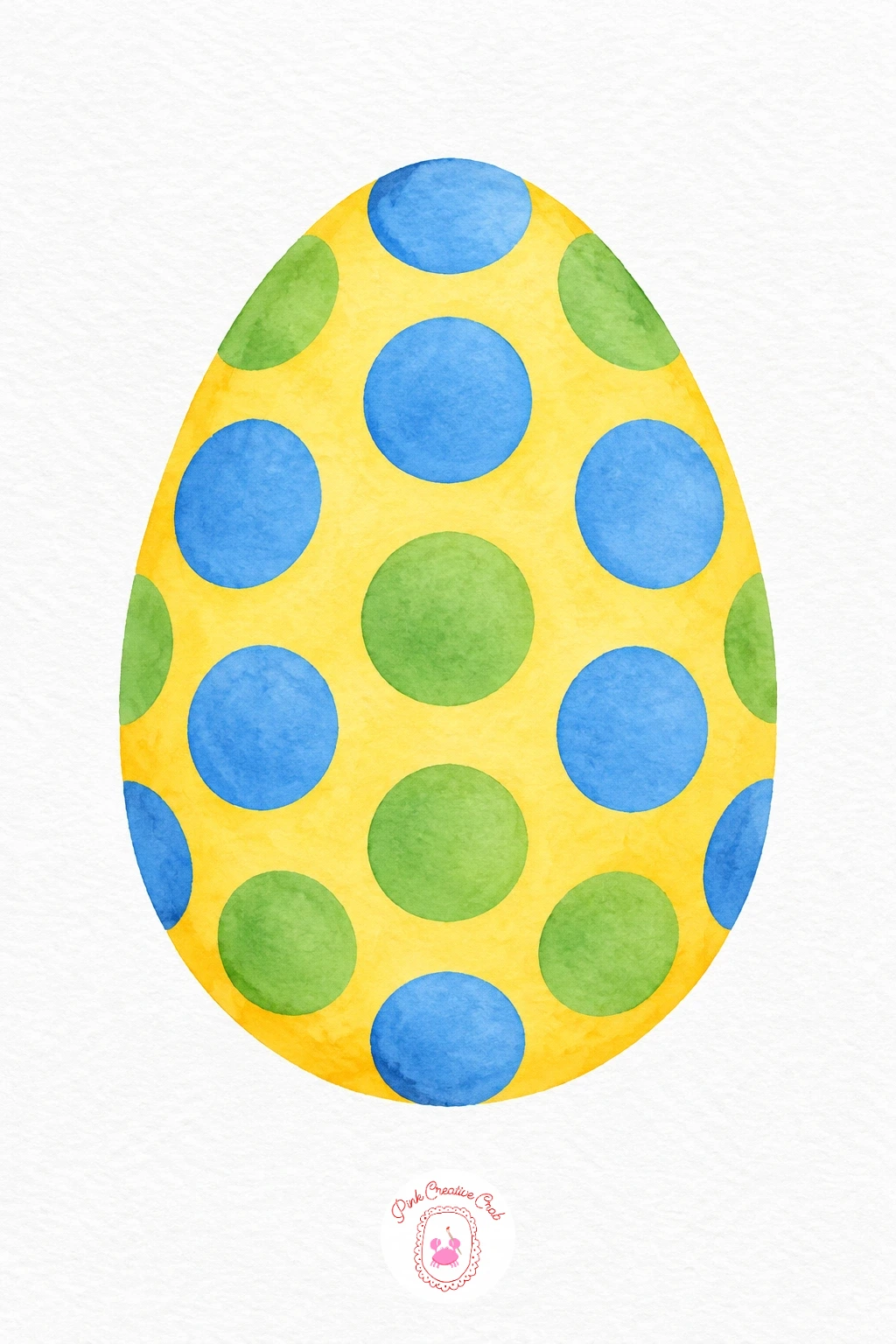
Wash the whole egg shape in a very pale colour first and let it dry, since this becomes the base peeking between dots. Paint the dots in two alternating colours, keeping each one a single flat circle of wet colour so it dries smooth. Space them generously rather than packing them in tight, which keeps the beginner-friendly bold look this design is built for.
You Will Need
- a small round object to trace the dots
Palette: Sap Green,Cadmium Orange,Titanium White
A coin or a bottle cap traced lightly in pencil before transferring keeps every dot the same size without any measuring.
Tulip Egg
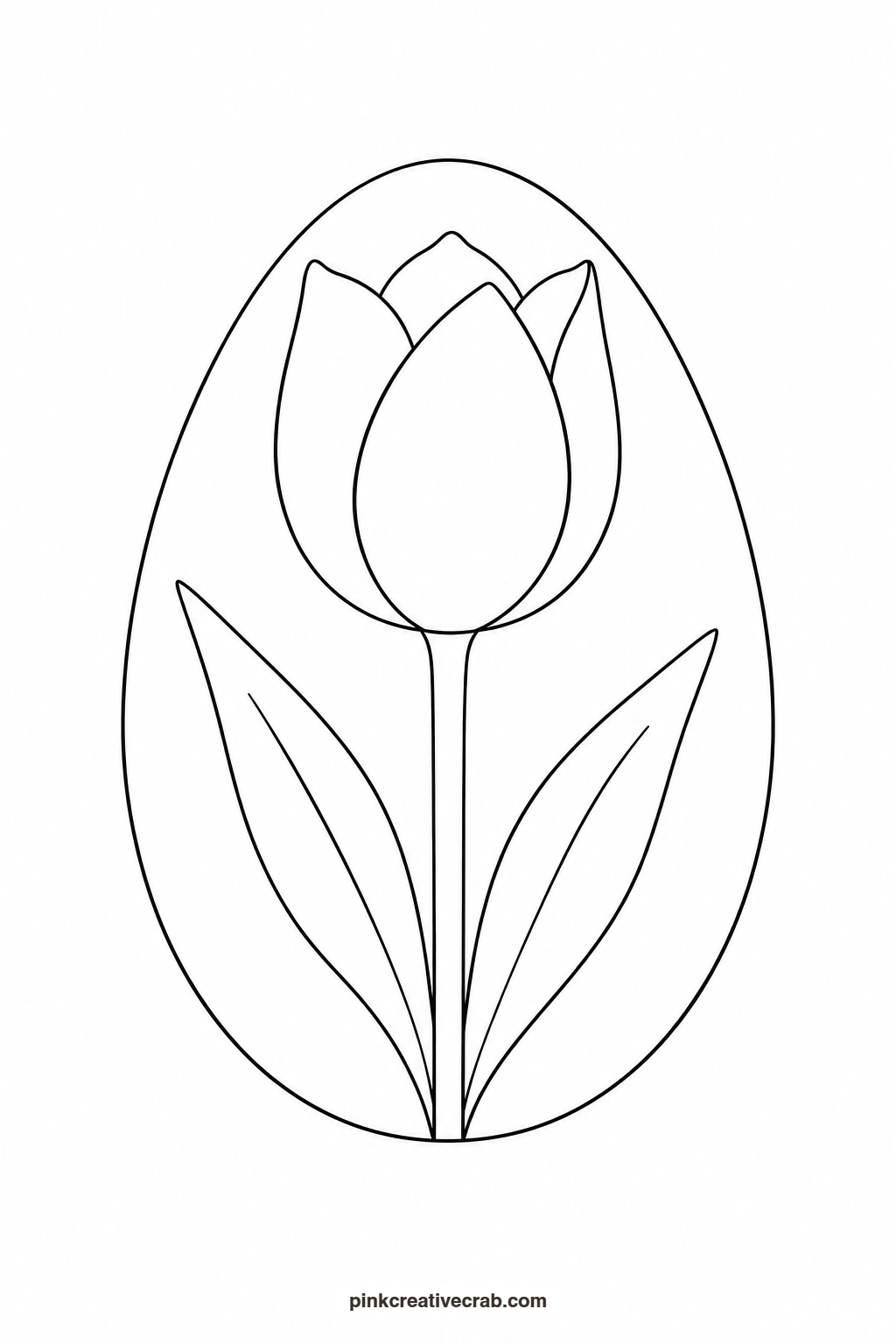
Lay a soft pale wash over the whole egg first, then paint the tulip once that layer is dry so the petals stay bright and separate. Work the petals wet into wet so the pink deepens slightly at the base of the flower, then add the stem and two leaves in one confident green stroke each. Keep the petal shapes big and closed, which is what makes this easter egg design easy to trace cleanly.
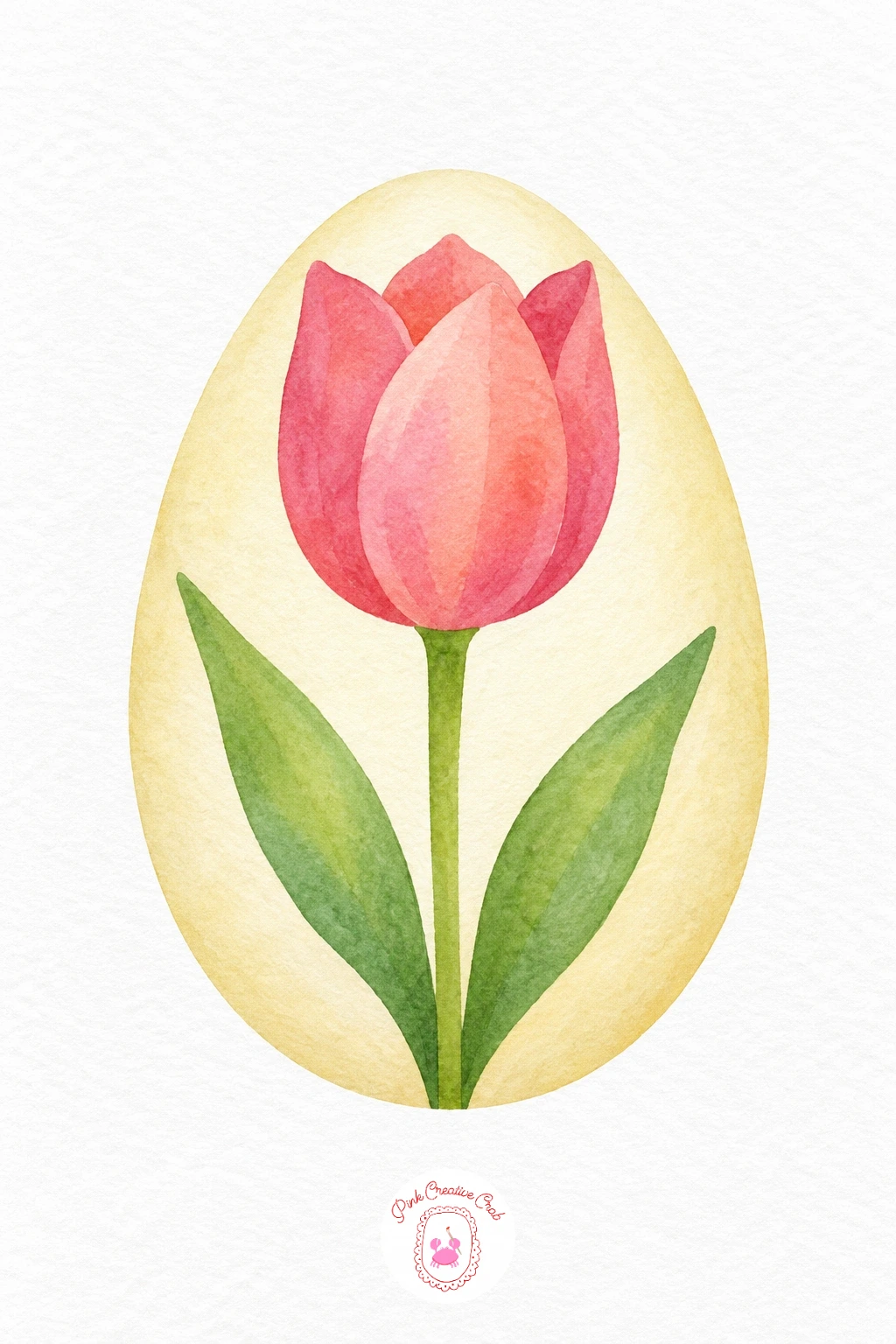
Palette: Quinacridone Pink,Sap Green,Naples Yellow
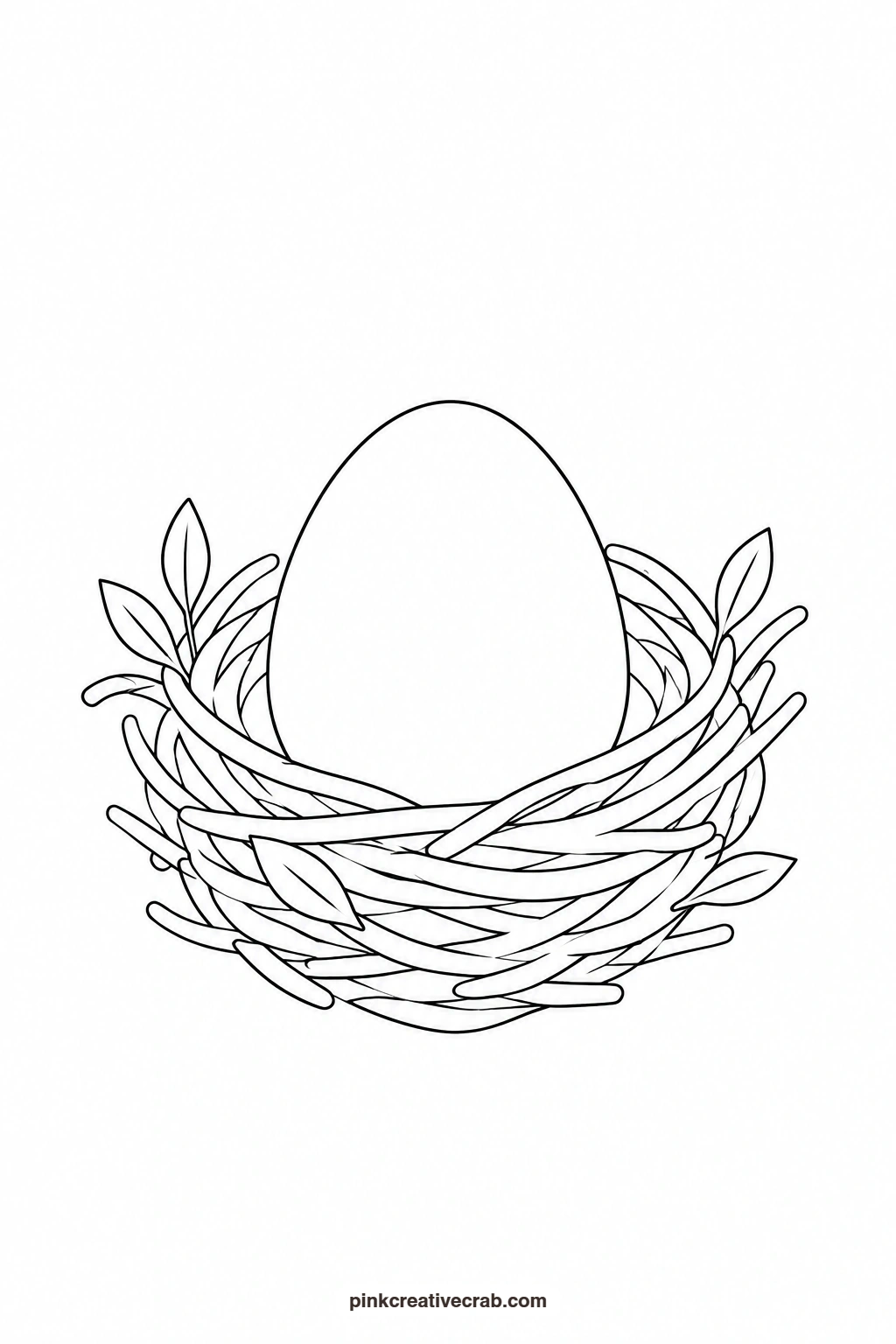
Egg in a Twig Nest
Paint the egg in one smooth pale wash and let it dry before starting the nest below it. Build the nest from loose curved strokes of brown, letting some lines cross and others stay separate so it reads as woven without any fiddly detail. A touch of darker brown dropped into the nest while it is still damp gives it just enough depth to look finished next to the smooth egg above.
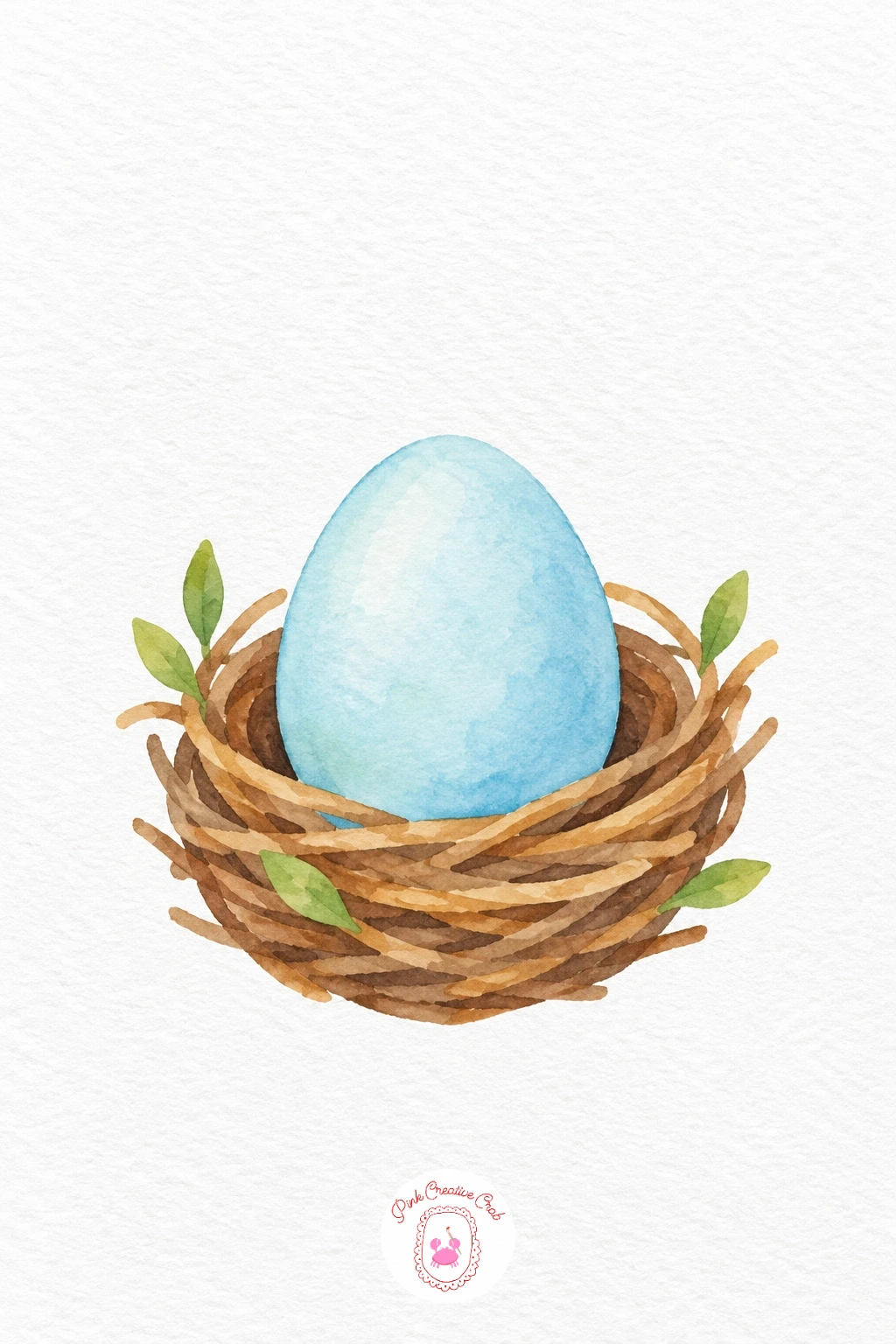
Palette: Burnt Sienna,Raw Umber,Pale Blue
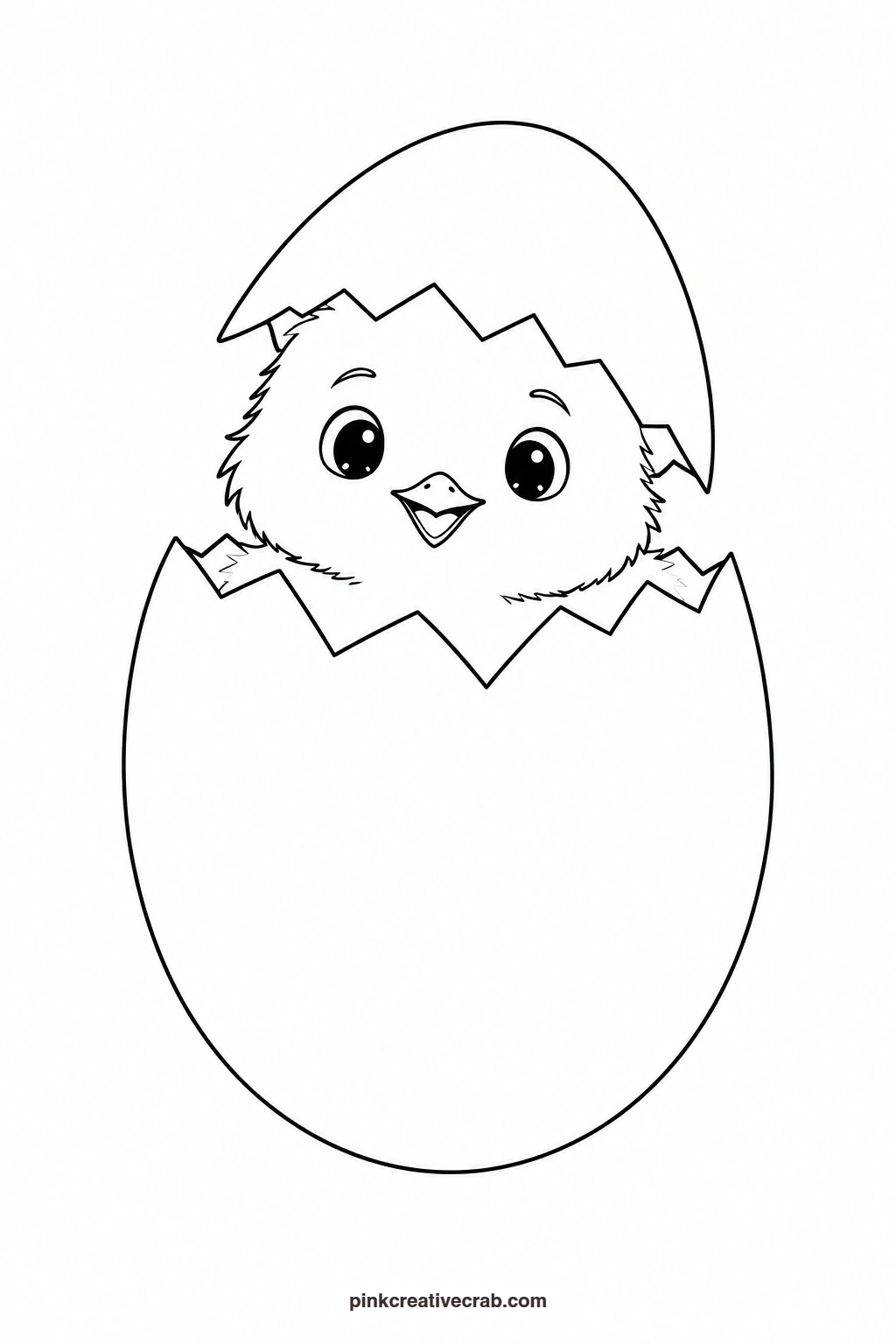
Cracked Egg with Chick
Paint the eggshell first in a pale flat wash, leaving the jagged crack line as clean white paper. Once dry, paint the chick’s round head and body in one warm yellow wash, then add a small orange beak and two simple dark eyes last. Keep the crack line thin and confident rather than fussy, since one clean break reads far better than several small ones.
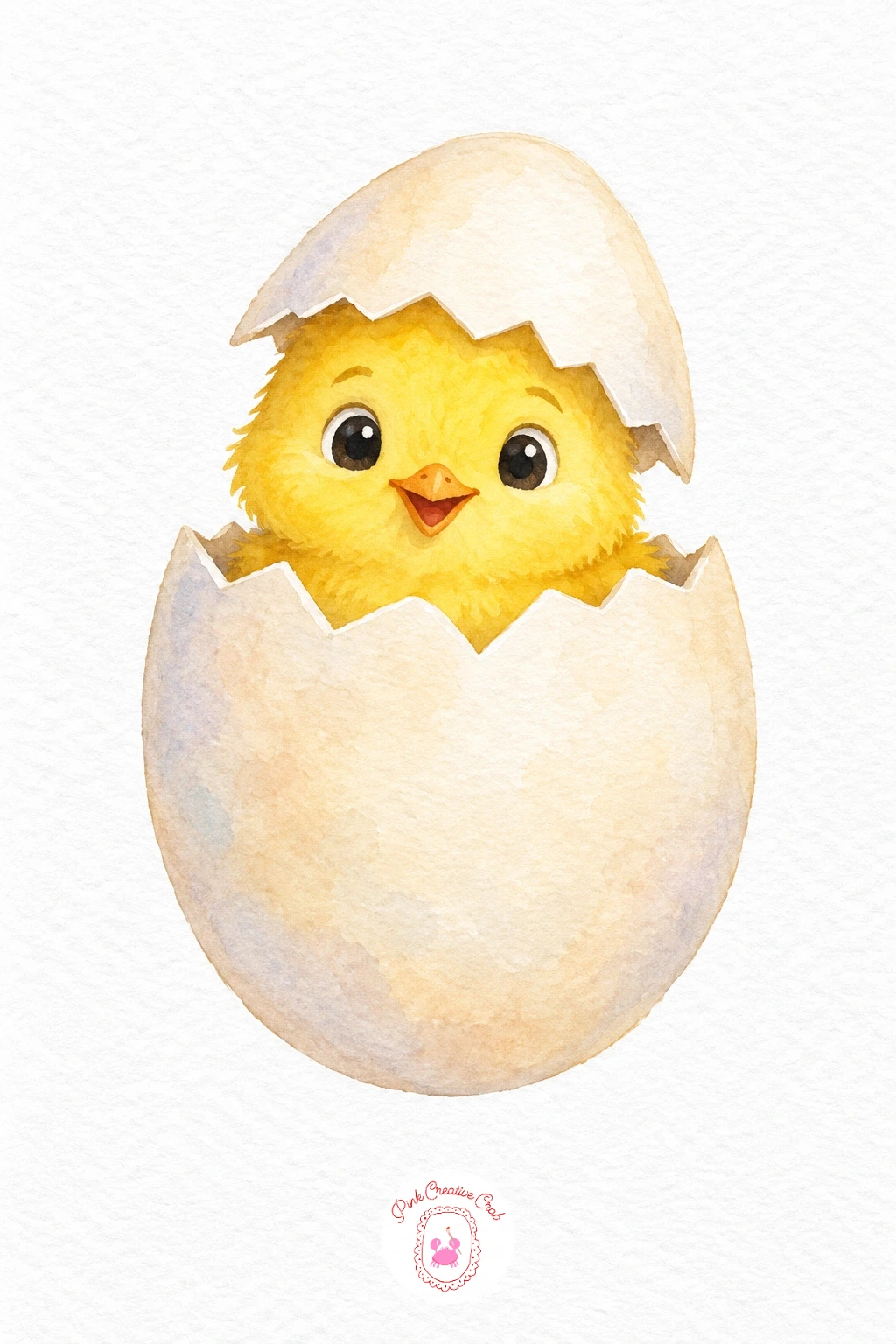
Palette: Cadmium Yellow,Cadmium Orange,Payne’s Grey
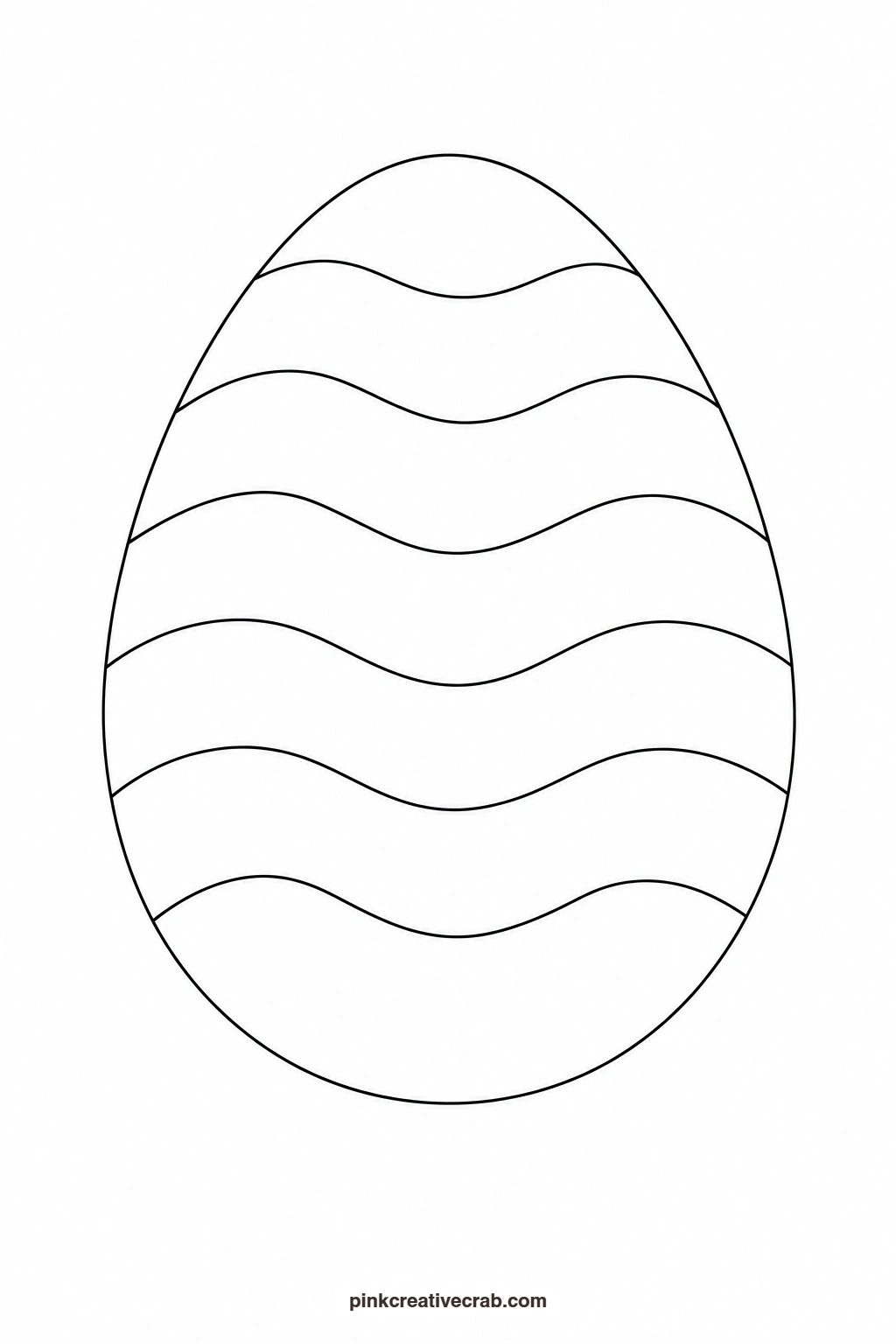
Wavy Stripe Egg
Paint each wavy stripe as one flat wash of colour, working top to bottom so you are not reaching back over wet paint. Let neighbouring stripes touch and blend very slightly at their edges while still damp, which gives the whole egg a gentle hand painted softness. Keep the palette to three colours at most so the waves stay calm rather than busy.
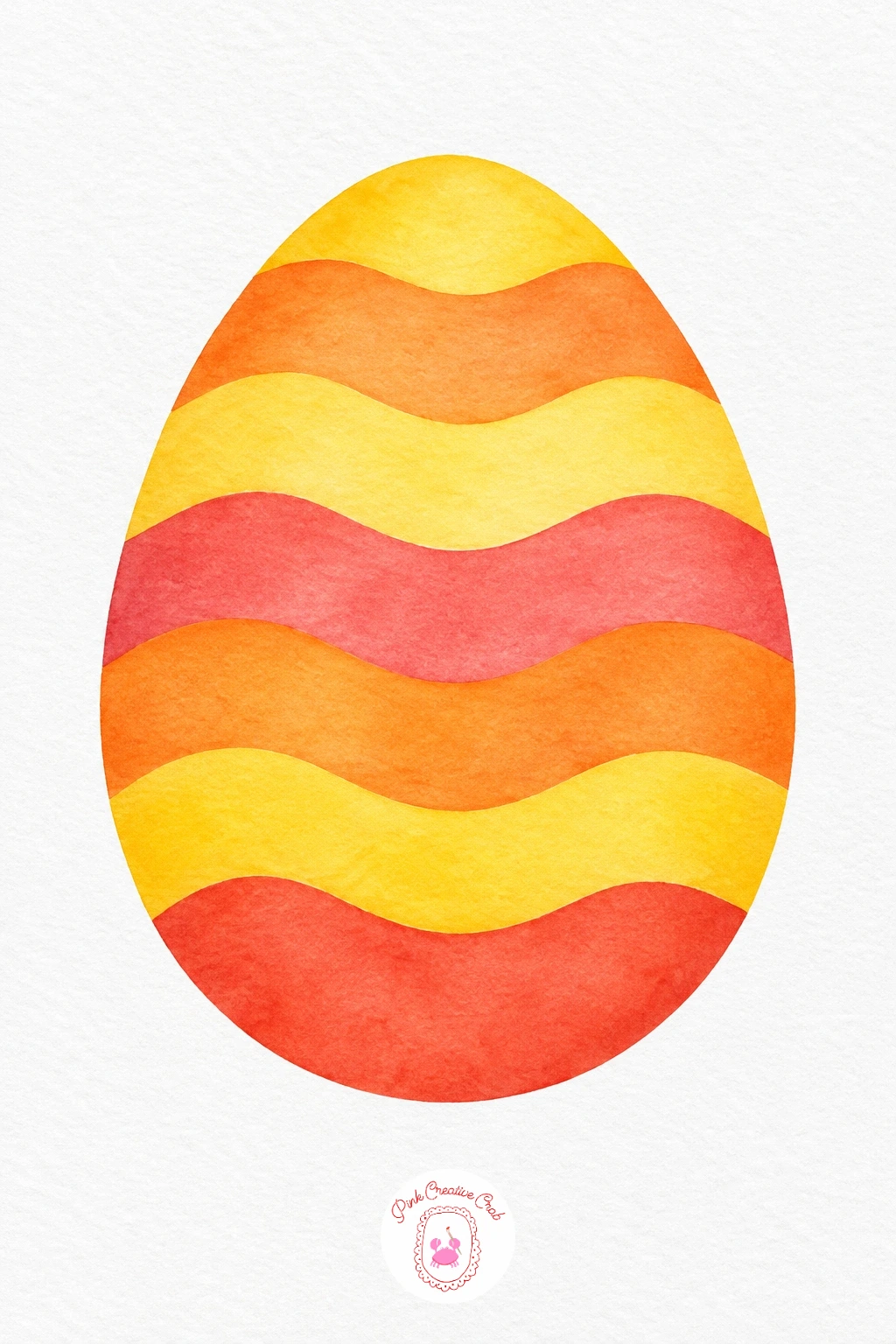
Palette: Alizarin Crimson,Cadmium Orange,Naples Yellow
If you enjoy loose blended bands like this, the colour-mixing approach used in these watercolor sunset templates works just as well here.
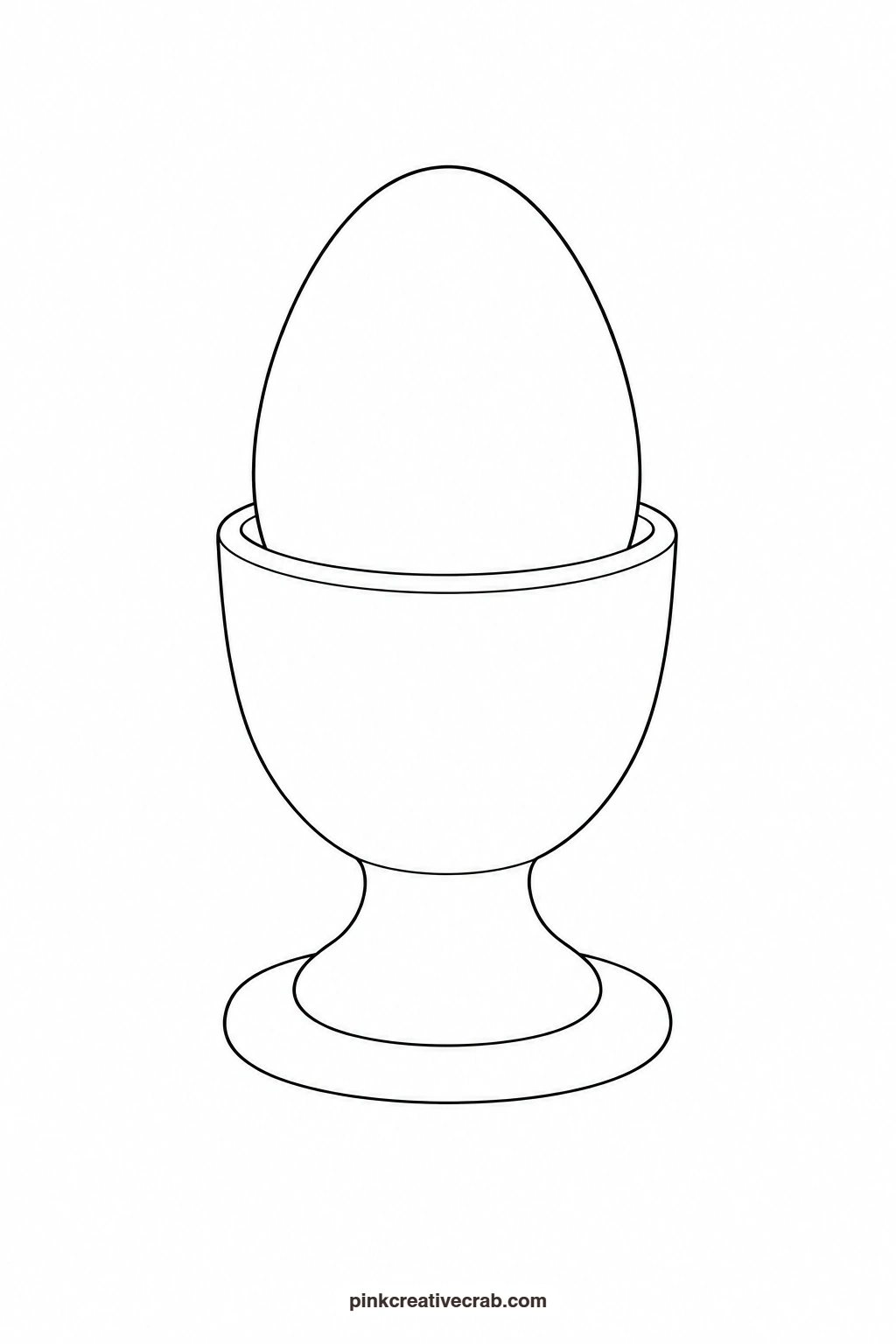
Egg in an Egg Cup
Paint the egg cup first in a flat solid colour and let it dry completely before adding the egg above it, so the two shapes stay cleanly separated. Wash the egg itself in a contrasting pastel, adding a touch more pigment at its lower curve so it looks gently rounded. A single thin line where the egg meets the rim of the cup is the only detail this design needs to look settled in place.

Palette: Cerulean Blue,Naples Yellow,Payne’s Grey
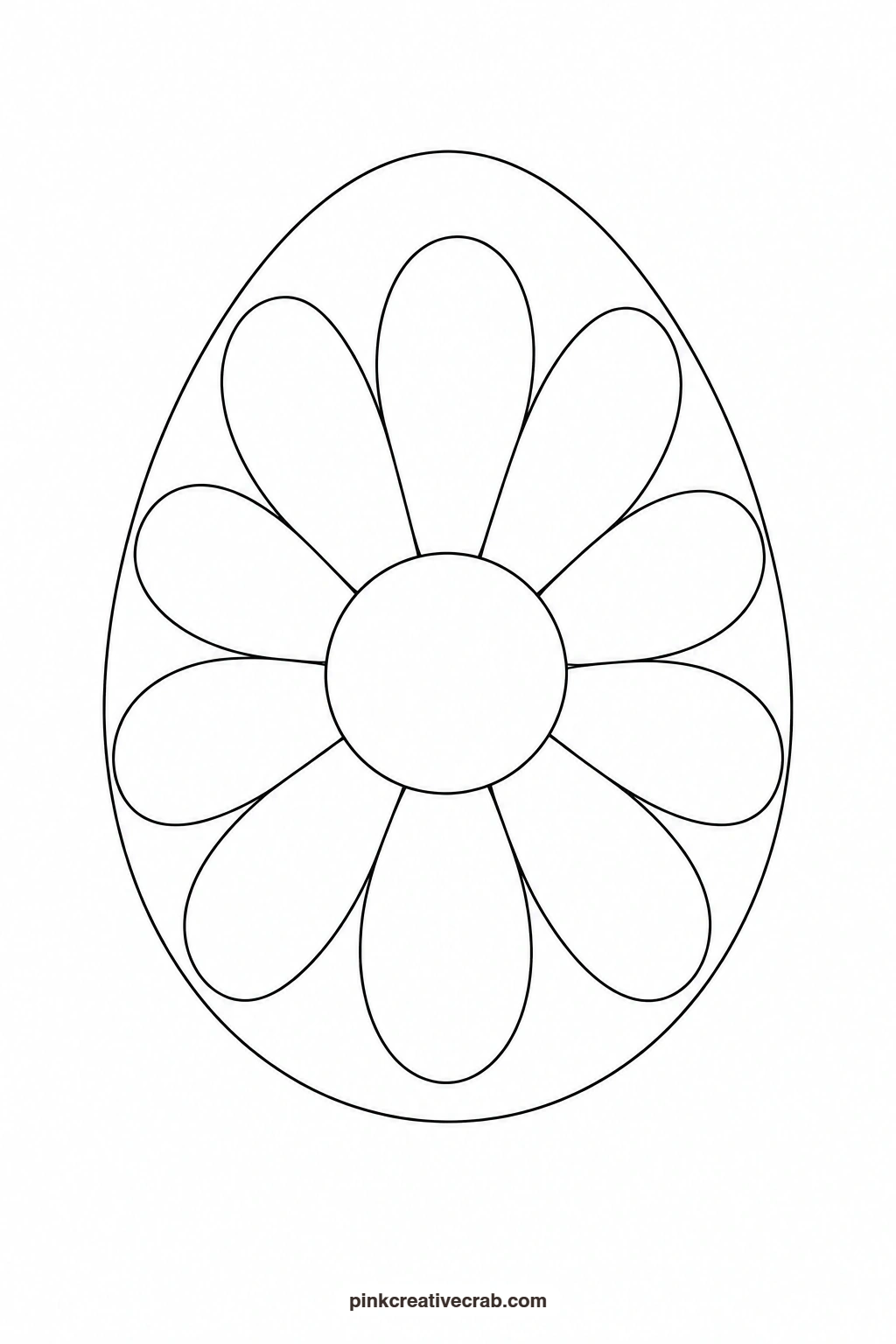
Big Daisy Egg
Wash the egg in the palest colour of the set and let it dry fully before starting the flower. Leave the daisy petals as plain white paper, outlining them only where they meet the egg’s background colour, then paint the round centre in a strong flat yellow. Drop a touch of orange into the wet yellow centre for a little natural variation, which is the one small move that makes this simple flower look complete.
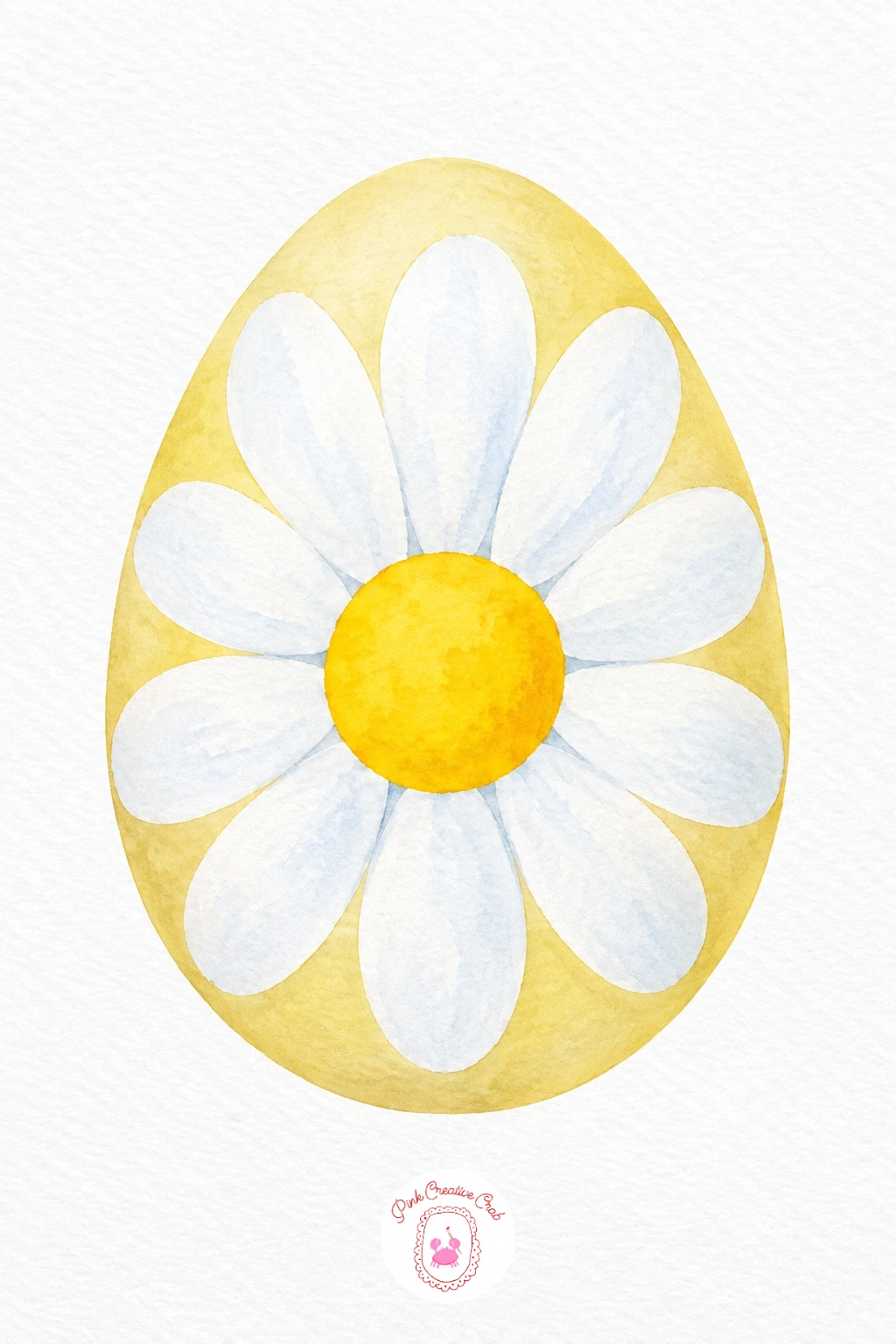
Palette: Cadmium Yellow,Cadmium Orange,Pale Blue
Half Eggshell with Sprout
Paint the half shell first in a pale flat wash, keeping the broken rim edge slightly uneven so it reads as a natural break rather than a straight cut. Once dry, paint the sprout in one confident green stroke upward from inside the shell, then add two simple rounded leaves either side. A thin dark line along the shell’s broken edge gives it just enough weight to sit convincingly on the page.
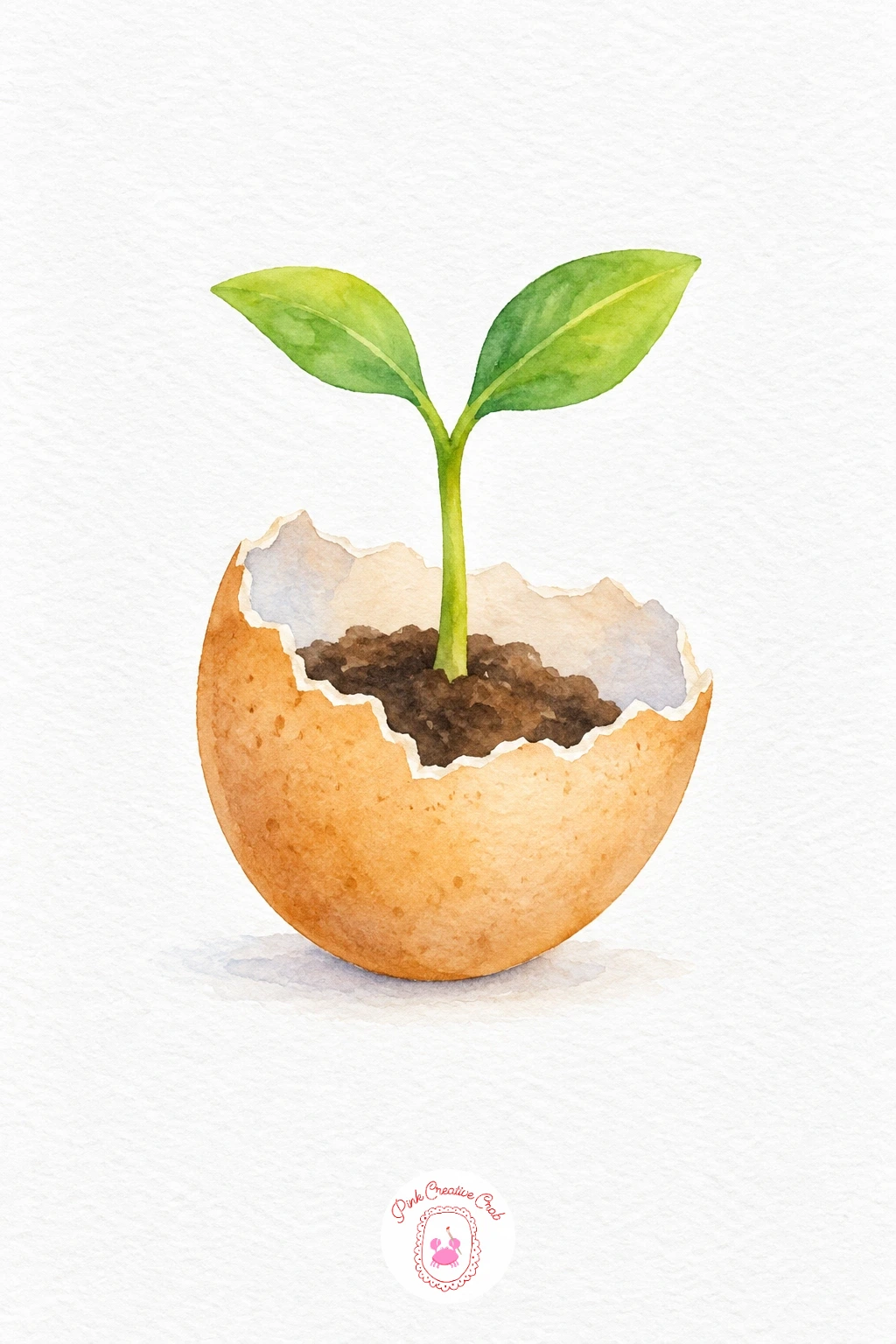
Palette: Sap Green,Raw Umber,Naples Yellow
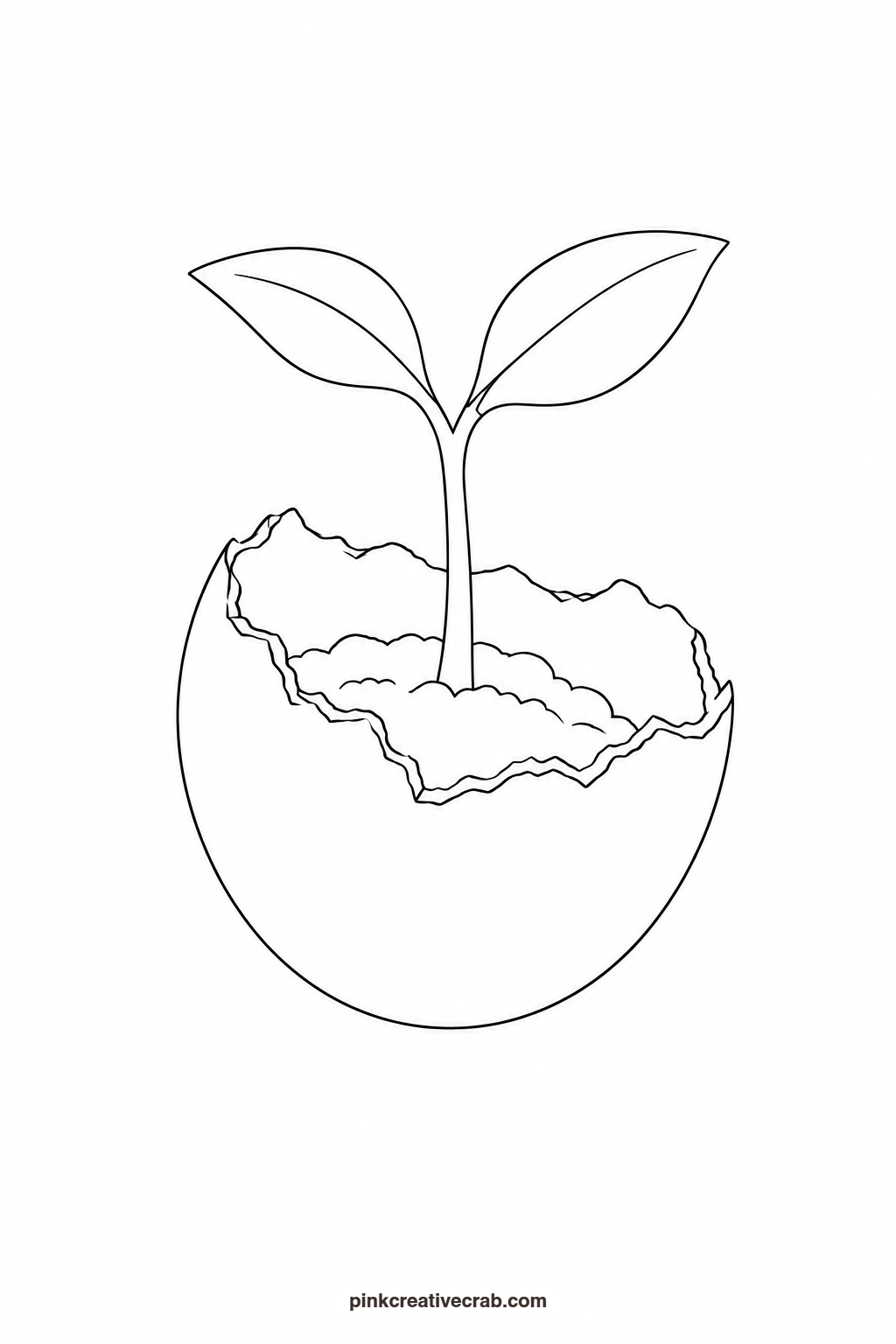
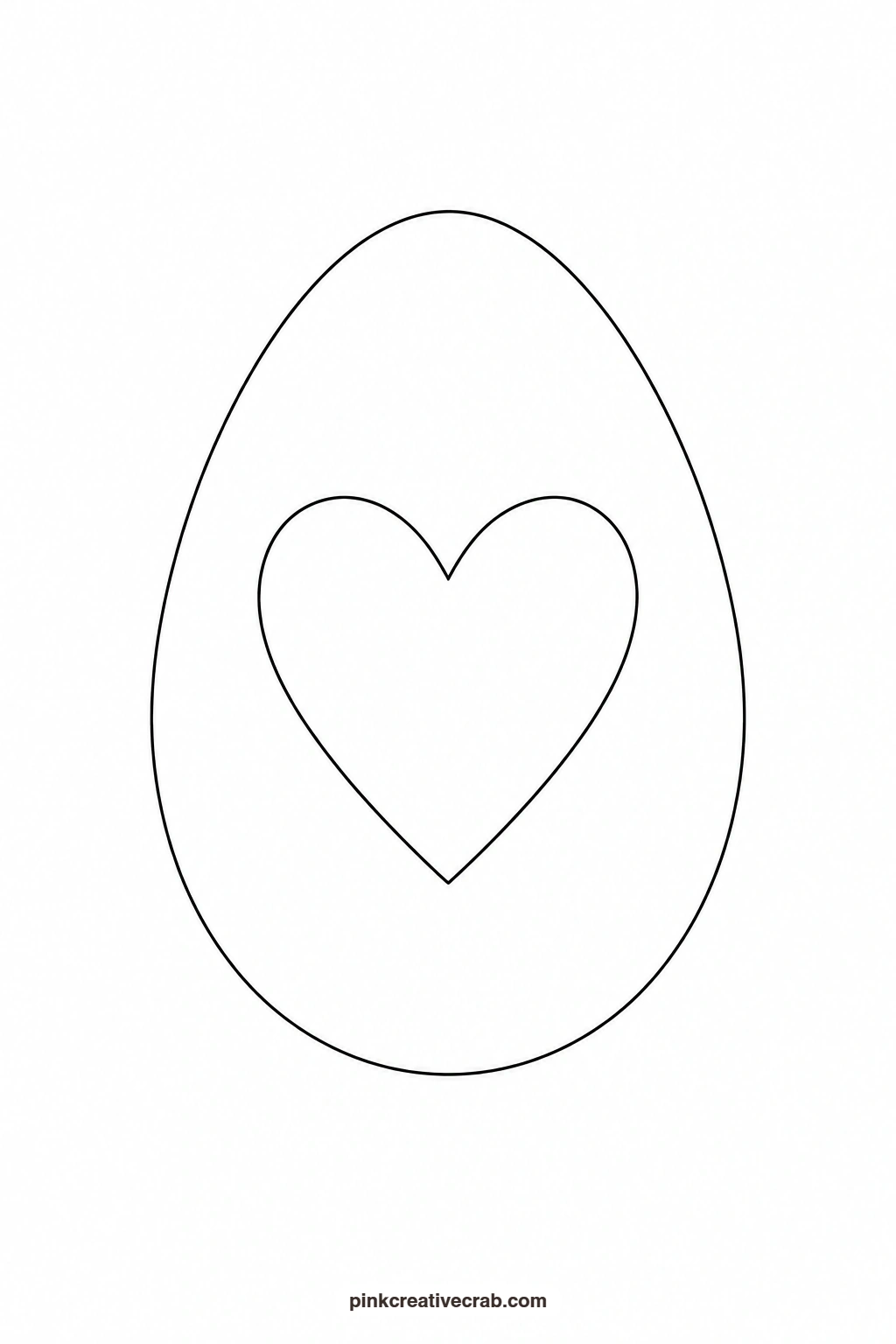
Heart Egg
Wash the egg in a soft pale colour first and let it dry before adding the heart, so the two layers stay distinct. Paint the heart as one flat confident shape in a warm pink or red, working from the centre outward so the colour stays even. Keep everything else on the egg plain, since the whole appeal of this design is one bold heart on an otherwise simple surface.

Palette: Alizarin Crimson,Quinacridone Pink,Naples Yellow
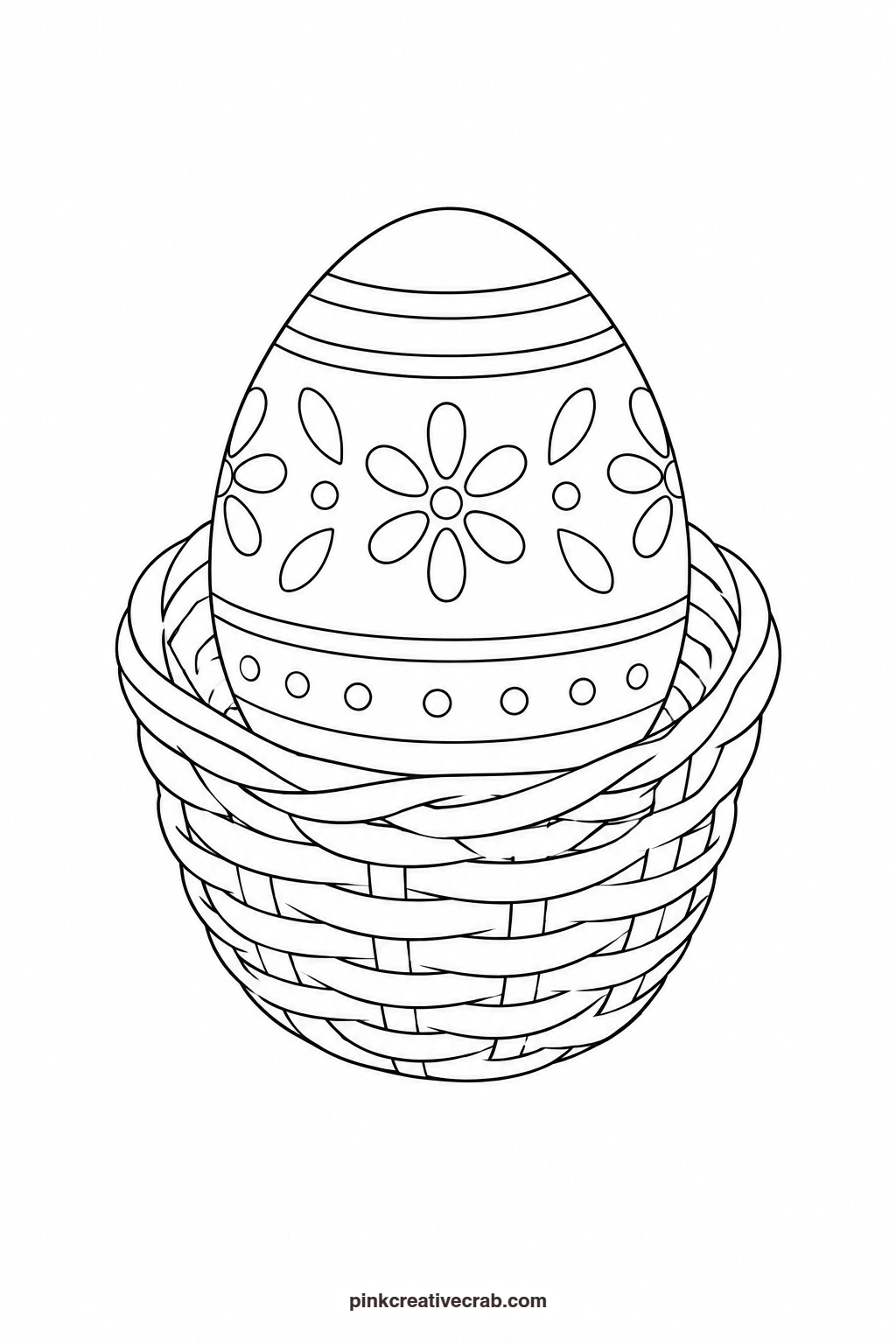
Egg in a Little Basket
Paint the basket first in a warm flat brown, adding a few darker curved lines once it dries to suggest the woven texture without overworking it. Let the basket dry completely before painting the egg sitting inside, so the colours stay separate and clean. Keep the egg’s own pattern simple, a stripe or a dot or two, so the whole piece stays calm and easy to read at a glance.
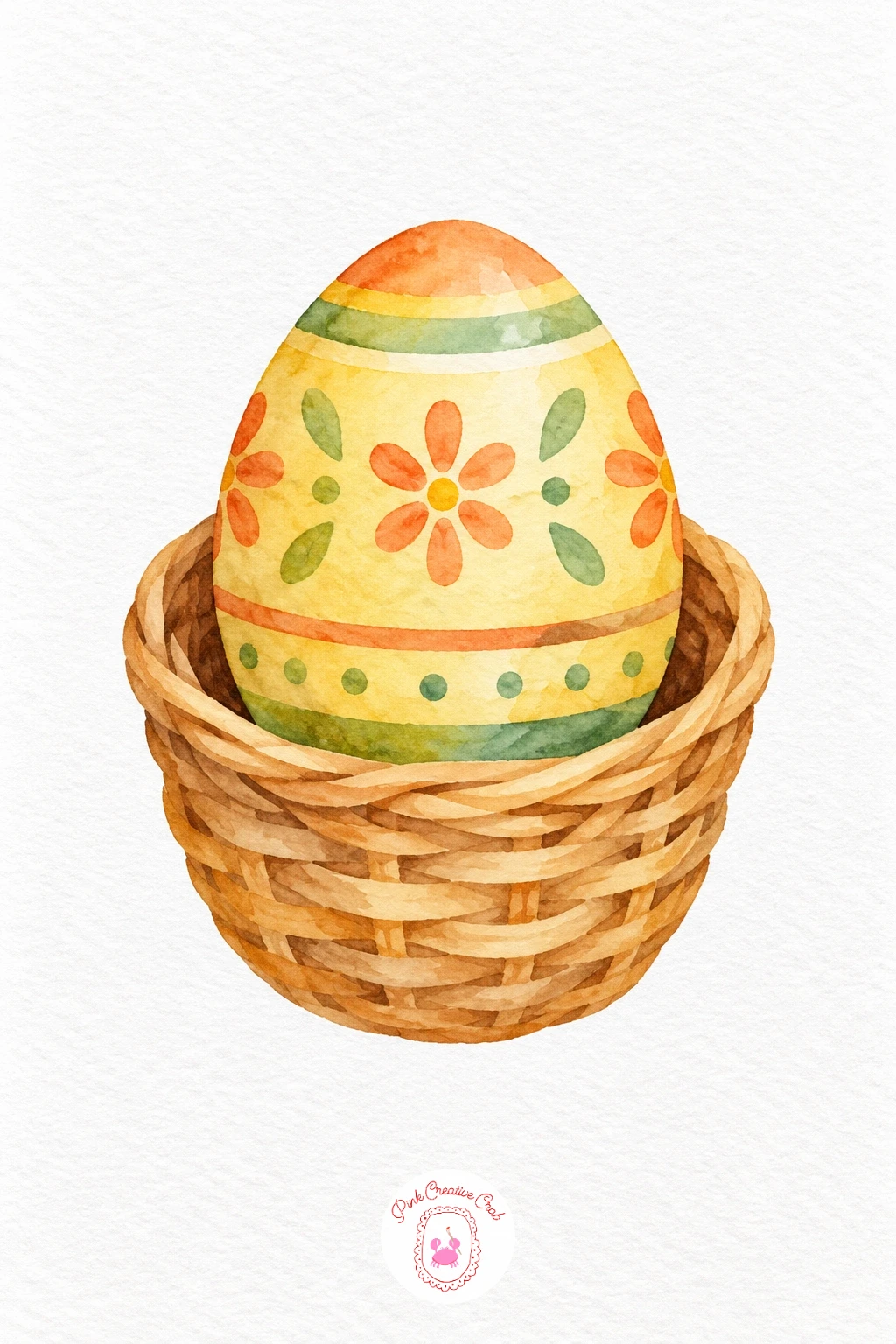
Palette: Burnt Sienna,Raw Umber,Cadmium Orange
For more small spring projects in this same gentle style, the spring art ideas collection is worth a look.
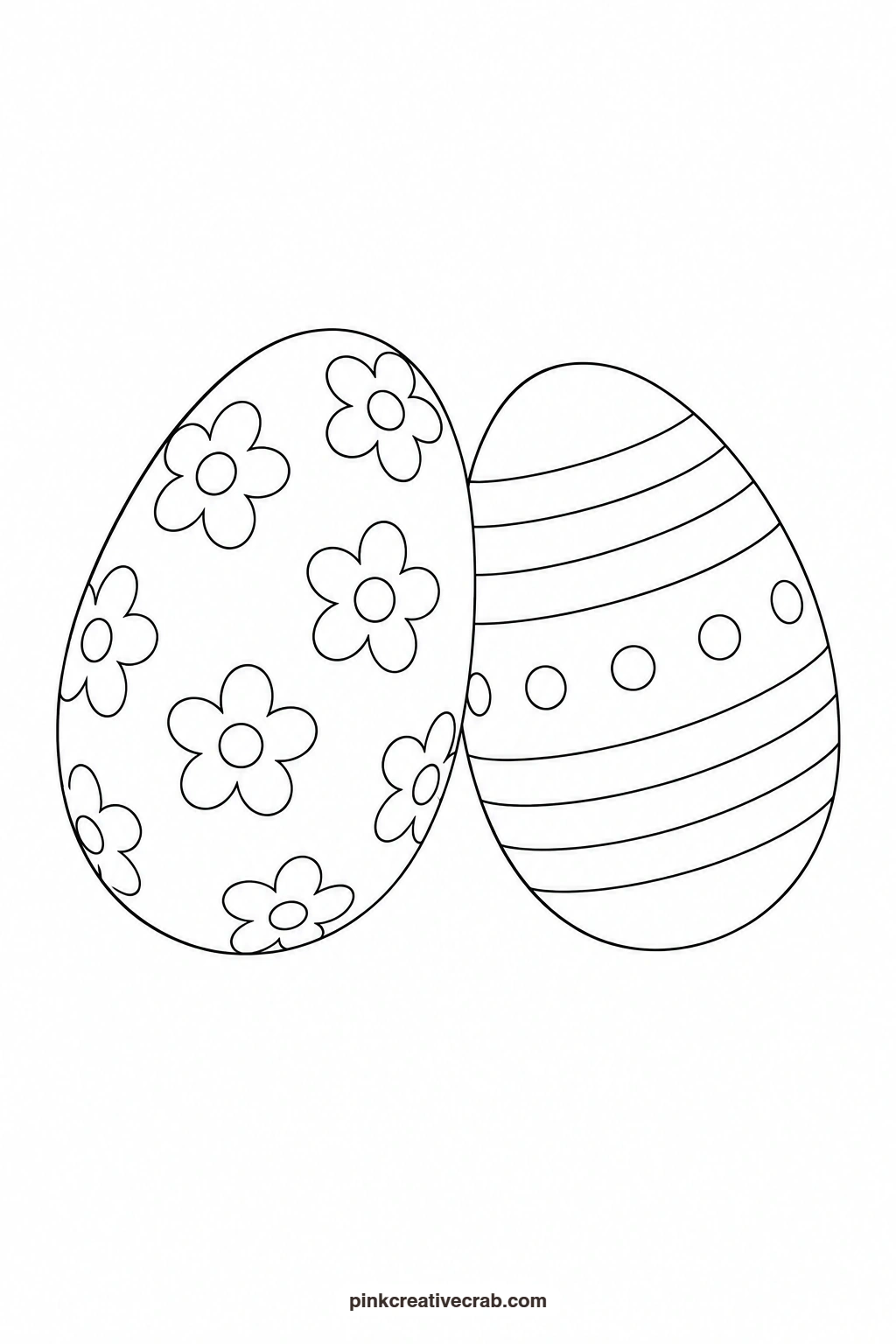
Two Leaning Eggs
Paint one egg fully first and let it dry before starting the second, so leaning them together does not mean fighting wet paint against wet paint. Give each egg a different simple pattern, perhaps one with stripes and one with dots, so they read clearly as a pair rather than a repeat. The small shadow where the two eggs touch, just a thin curved line in a darker tone, is what makes them look like they are truly resting against each other.

Palette: Cerulean Blue,Cadmium Yellow,Quinacridone Pink
Looking for more Easter subjects to pair with these eggs, the Easter drawings collection has lambs and chicks in a similar easy style.
What to Do Next
Print the template that catches your eye first, trace it onto your paper, and keep the finished example close while you paint so you always know where each colour goes next.
Frequently Asked Questions
What size should I print these egg templates at?
Standard letter or A4 size works for every design here. If you want a larger finished painting, enlarge the printout at a copy shop or on a home printer set to fit a bigger sheet before you transfer it.
What paper should I paint these eggs on?
Cold press watercolor paper handles washes and blending without buckling, and it is the easiest surface for beginners to control. Cardstock works fine too if you are colouring with markers or pencils instead.
How do I transfer the outline onto my paper?
Tape the printout and your paper together over a sunny window or a light pad and trace the lines through with pencil. Graphite transfer paper slipped between the two sheets works just as well if you prefer to trace at a table.
Can I colour these instead of painting them?
Yes, every outline here works equally well with coloured pencils or markers. The bold simple shapes were designed to be easy to fill in neatly with any medium you already have on hand.
Do I need to follow the colours shown exactly?
Not at all, the palettes given are a starting suggestion rather than a rule. Swap in whatever colours suit your own Easter table or match paints you already own.
Have any thoughts?
Share your reaction or leave a quick response — we’d love to hear what you think!
-
 0
-
 0
-
 0
-
 0
-
 0
-
 0
