⭐ Key Takeaways
✦ Gouache is incredibly forgiving — mistakes can be painted over easily, making it perfect for beginners who want to experiment without fear.
✦ Starting with simple landscape shapes like rolling hills or flat horizons helps beginners build confidence before tackling complex scenes.
✦ Layering opaque gouache from dark to light is the secret technique that makes beginner landscapes look professionally finished.
Gouache painting landscapes is honestly one of the most joyful things a beginner can try, and you are going to love every single minute of it. There is something almost magical about watching a blank piece of paper transform into rolling hills, glowing sunsets, or misty forests — all with a medium that is forgiving, affordable, and endlessly fun to work with.
However, if you have ever felt intimidated by painting, gouache is here to change your mind completely. Unlike watercolor, it covers mistakes beautifully. Additionally, it dries faster than oils and cleans up with just water. Therefore, whether you have painted before or this is your very first brush stroke, these 26 landscape ideas are designed to meet you exactly where you are — and gently walk you toward something you will genuinely want to hang on your wall.
Table of Contents
- This Sunset Sky Is Almost Too Pretty to Be This Easy
- Rolling Hills So Cozy You Will Want to Paint Them Twice
- How a Few Simple Strokes Become a Stunning Mountain Range
- Meet the Misty Forest Scene of Your Cottagecore Dreams
- Why a Glowing Golden Hour Landscape Is the Most Satisfying Thing You Will Paint Today
- The Dreamy Lavender Field That Belongs on Your Wall
- Everyone Will Think You Bought This Moody Stormy Coastline
- Snowy Pine Trees Have Never Looked This Gorgeous in Gouache
- The Secret to a Perfect Reflective Lake Scene (It Is Easier Than You Think)
- Soft Autumn Foliage That Makes Your Heart Feel Warm Just Looking at It
- You Have Never Seen a Desert Mesa Look This Magical
- A Tiny Farmhouse at Dusk That Feels Like Home
- That Irresistible Cherry Blossom Hillside You Keep Scrolling Past on Pinterest
- Painting a Moonlit Ocean in Gouache Is Easier Than You Think
- Starry Night Over Open Fields — No Experience Required
- 3 Beginner Gouache Landscape Tricks Hidden Inside a Simple Wildflower Meadow
- Effortless Foggy Mountain Layers That Look Seriously Impressive
- Rainforest Canopy Light So Stunning It Barely Feels Real
- The Cozy Cabin in the Snow Scene Every Beginner Should Paint First
- Spring Creek Reflections Are the Most Meditative Gouache Landscape You Will Ever Try
- Dramatic Cliff Faces That Make Gouache Painting Landscapes Feel Like an Adventure
- Why a Simple Horizon Line Sunset Changes Everything About How You See Color
- Soft Pastel Dunes That Feel Like a Warm Breeze on Paper
- That Gorgeous Tuscany Hillside Has Been Waiting for You to Paint It
- Ancient Olive Trees and Golden Light — Your Most Beautiful Gouache Scene Yet
- A Misty Morning Valley So Peaceful You Will Want to Climb Right Into It
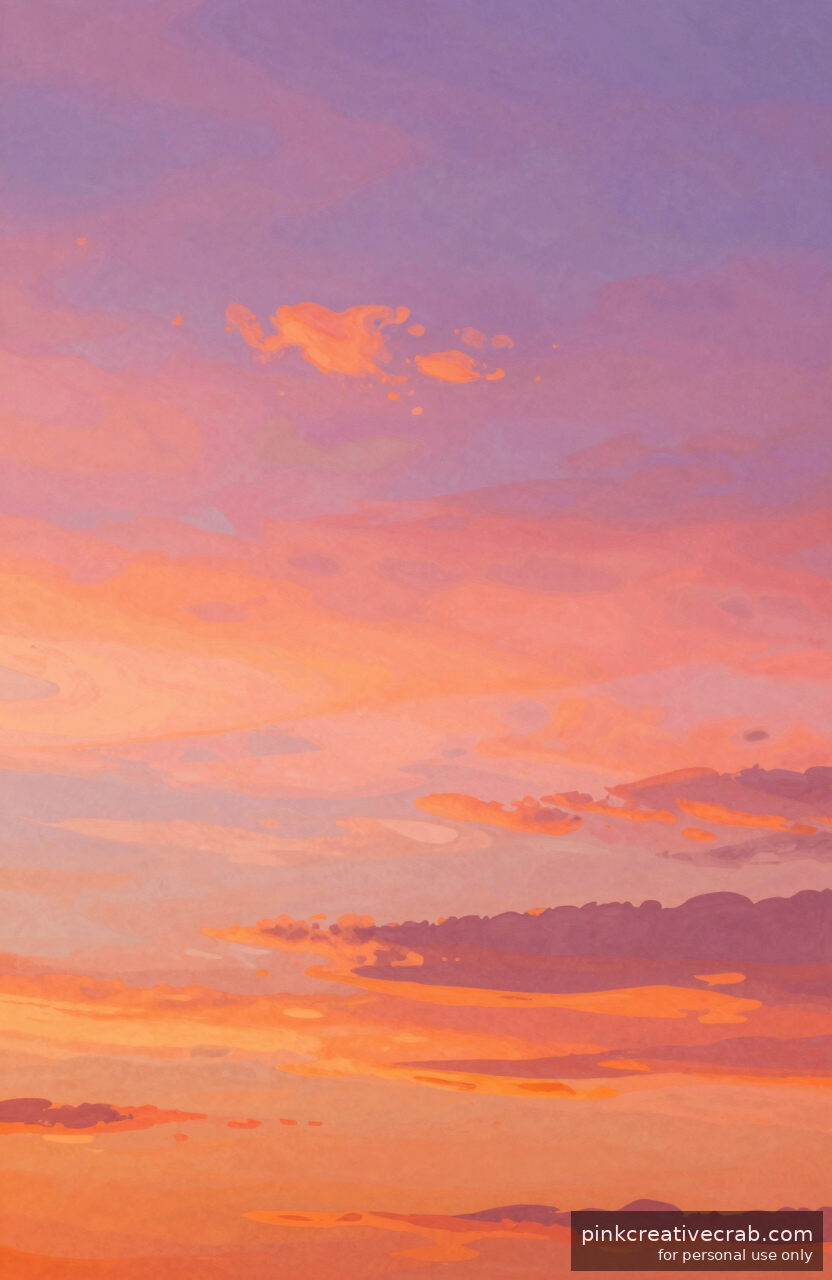
This Sunset Sky Is Almost Too Pretty to Be This Easy
Good news — you do not need any fancy skills to paint a gorgeous sunset sky in gouache. This medium is incredibly forgiving, which means you can layer, adjust, and even paint light colors right over dark ones. That flexibility makes it perfect for beginners who want beautiful results fast.
Start with a warm orange base across your paper. Then blend soft pinks and purples upward using gentle strokes. Gouache dries quickly, so working in small sections helps keep everything smooth. Additionally, a damp brush can feather colors together beautifully if you catch them while still wet.
For supplies, a basic set of warm-toned gouache paints is all you really need to get started. Check out gouache paint sets for beginners to find an affordable option you will love. Meanwhile, if you want to understand how gouache compares to other paints, this painting mediums comparison guide is a wonderful read.
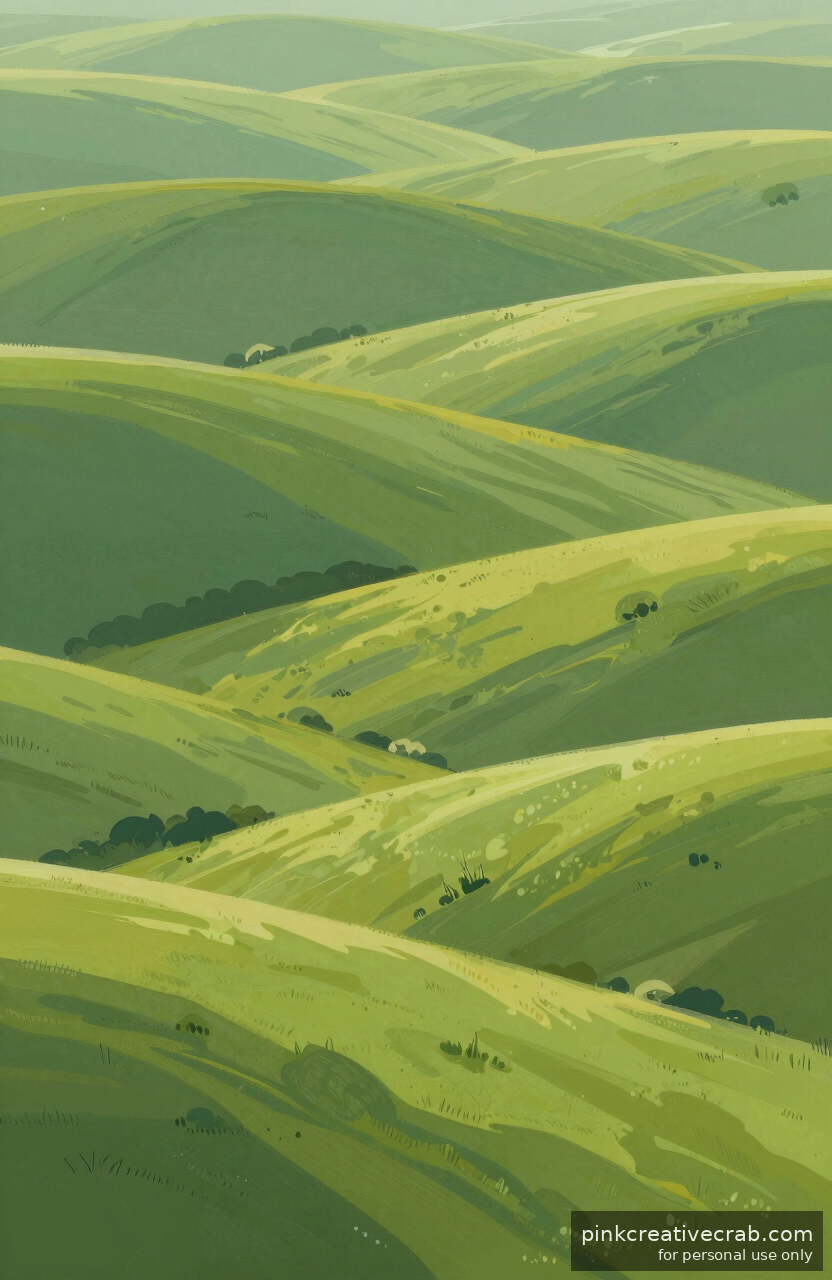
Rolling Hills So Cozy You Will Want to Paint Them Twice
There is something incredibly soothing about soft, rounded hills rolling across a canvas. The shapes are gentle and forgiving, making them ideal for beginner gouache painters who want a relaxing creative session. No straight lines, no tricky details — just lovely flowing curves you can paint freely.
To create depth, simply paint your farthest hills in lighter, cooler greens and bring warmer, richer tones forward. This easy trick makes your landscape feel three-dimensional without any complicated technique. Additionally, small trees or a tiny farmhouse can add charm without requiring advanced skills.
However, if you are unsure about mixing those greens perfectly, do not worry at all. A solid color mixing guide will walk you through everything step by step. For supplies, grab some gouache landscape painting brushes to make those smooth hillside strokes feel effortless and enjoyable.
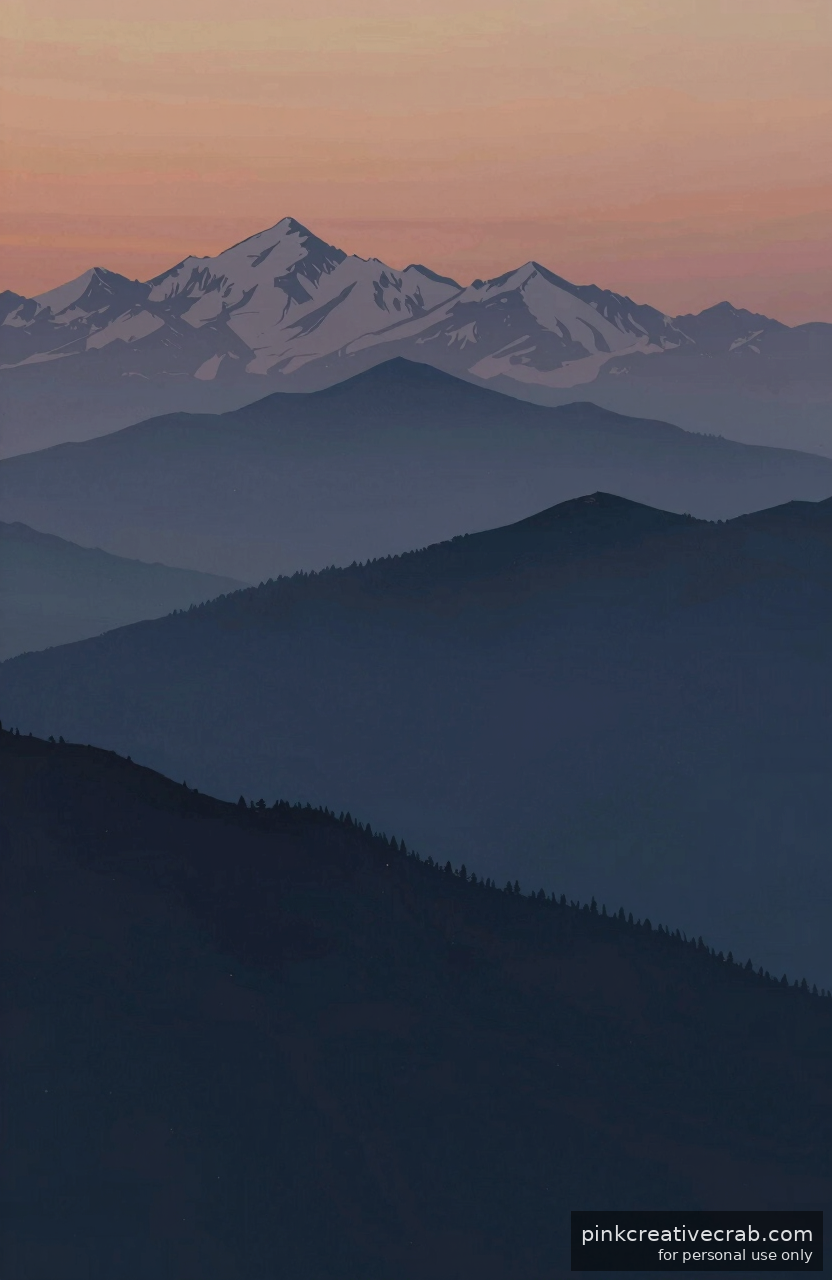
How a Few Simple Strokes Become a Stunning Mountain Range
Mountains look impressive, but here is a secret — they are made of simple triangles and flat shapes. Gouache is honestly the best medium for painting them because its matte finish creates that beautiful, graphic quality you see in so many stunning mountain illustrations. Even beginners can achieve jaw-dropping results.
Start with your sky first, then layer mountain shapes from back to front. Lighter, hazier peaks sit in the distance, while darker, detailed shapes sit up front. Therefore, you are building depth naturally without overthinking it. A few well-placed snow highlights on peaks add magic instantly.
As a result, you end up with something that looks far more advanced than the effort required. If you want to strengthen your overall art foundation before diving in, the Art Fundamentals guide is incredibly helpful. Meanwhile, stock up on supplies with these gouache paints for mountain landscapes to get your colors just right.
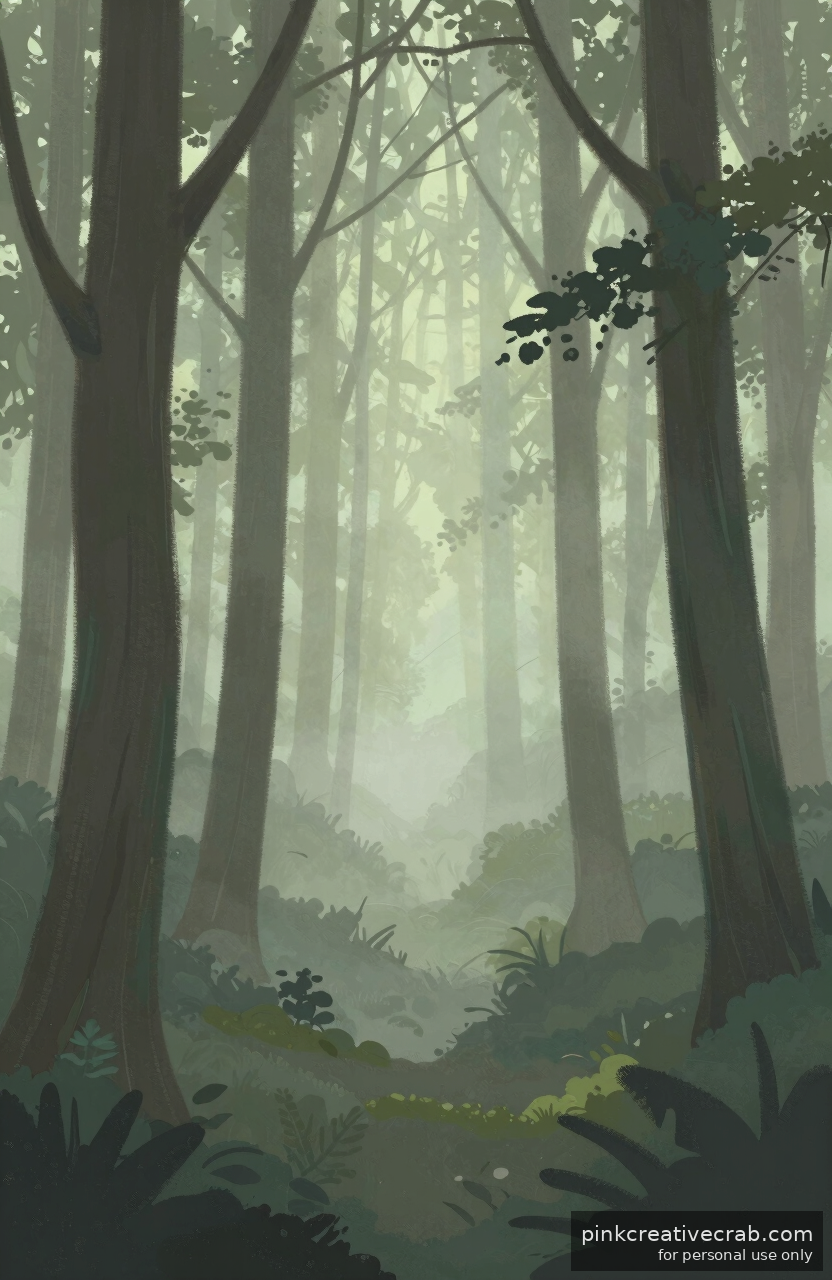
Meet the Misty Forest Scene of Your Cottagecore Dreams
Misty forests feel magical and mysterious, and painting one in gouache is easier than you might think. The hazy, atmospheric effect actually comes from thin, watered-down gouache layers — something that is simple and beginner-friendly. Additionally, soft edges and muted greens give you that dreamy cottagecore aesthetic everyone loves.
Begin by painting a soft, foggy background using pale greys and greens. Then add tree silhouettes from back to front, getting slightly darker and more detailed as you move forward. However, keeping those background trees soft and blurry is what truly sells the misty effect. Less detail is actually more here.
For this project, cold-pressed watercolor paper works beautifully with gouache and gives lovely texture. You can find great options with these watercolor paper pads for gouache painting. Also, if you have dabbled in watercolor before, this complete watercolor beginner guide shows how skills transfer wonderfully between both mediums.
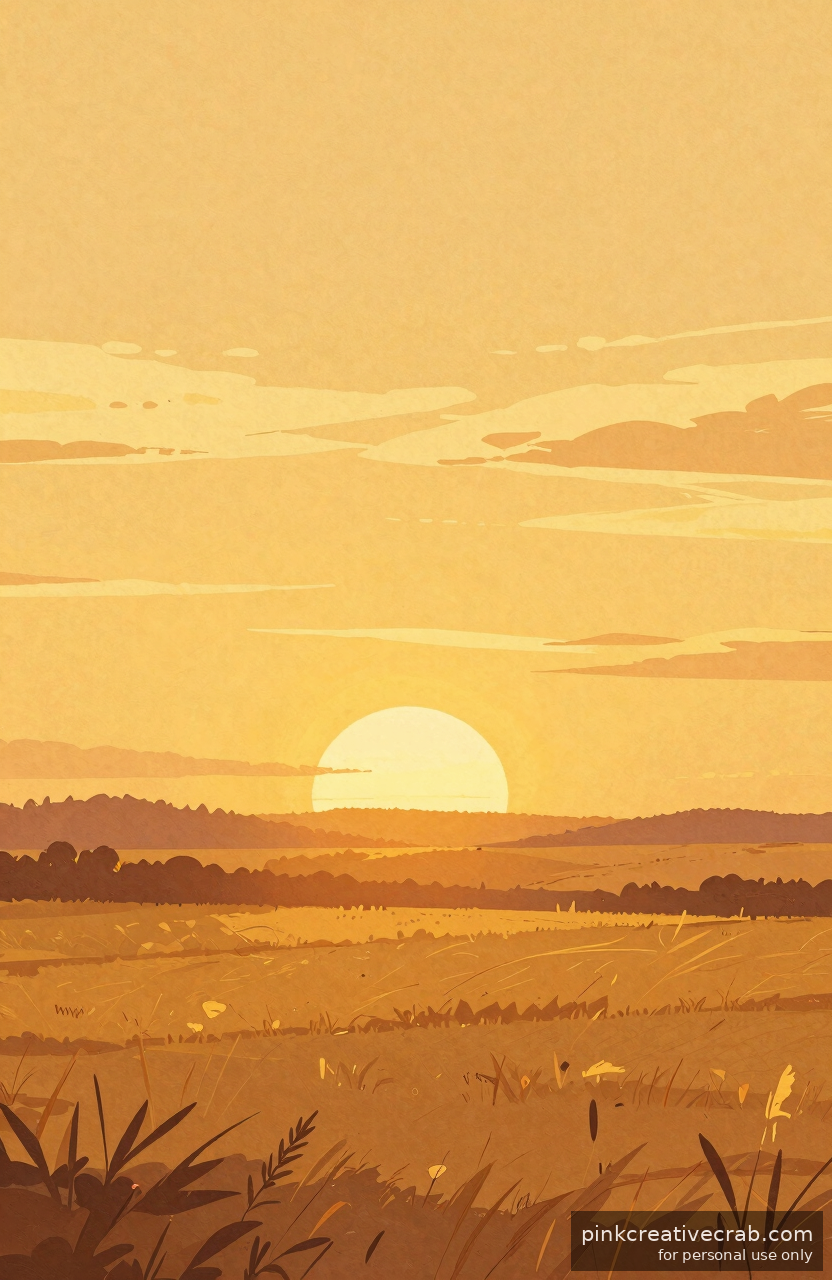
Why a Glowing Golden Hour Landscape Is the Most Satisfying Thing You Will Paint Today
Golden hour light makes everything look like a dream, and capturing it in gouache feels absolutely magical. That warm amber glow spreading across fields and skies is achievable even on your very first attempt. As a result, this project gives beginners an instant confidence boost because the results are genuinely beautiful.
The key is working with a limited warm palette — yellows, oranges, peaches, and deep warm purples for shadows. Gouache handles these colors vividly, and its opacity means highlights pop with stunning brightness. Therefore, even simple compositions look rich and glowing without much effort at all.
Furthermore, keeping your composition minimal actually enhances the golden hour mood — a simple horizon line, soft grassy field, and glowing sky is truly enough. For help understanding paint consistency and layering, the Art Supplies Glossary clears up any confusing terms quickly. Grab some gouache paint tubes in warm colors and start glowing today.
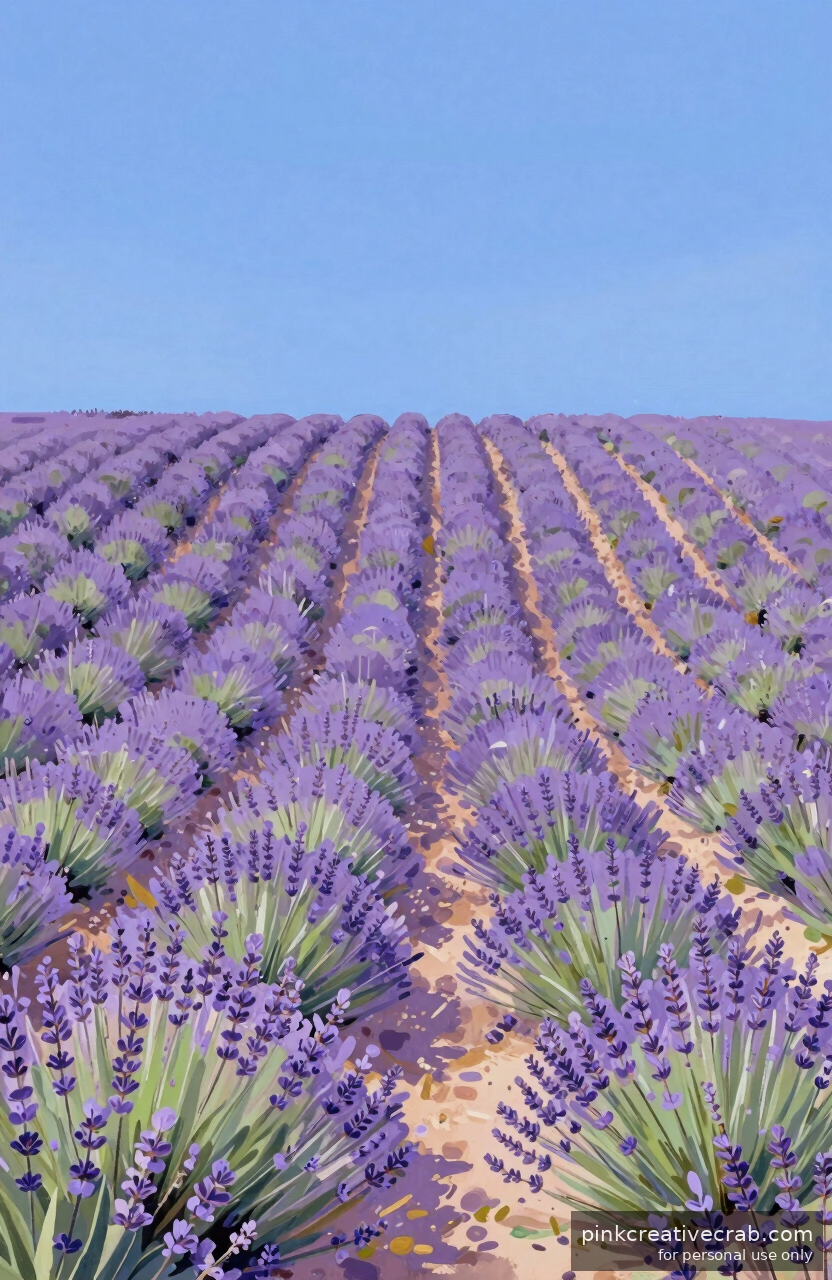
The Dreamy Lavender Field That Belongs on Your Wall
Rows of soft purple lavender stretching toward a blue sky — honestly, is there anything more beautiful to paint? The wonderful thing is that lavender fields are incredibly beginner-friendly in gouache. Repeating simple vertical strokes in purples, blues, and greens creates the whole effect quickly and satisfyingly.
Start with a soft sky, then block in your green ground. After that, use a small flat brush to dab and stroke lavender clusters in loose rows. Varying your purple tones slightly between rows adds depth naturally. Additionally, a tiny farmhouse or distant tree line makes the whole composition feel complete and charming.
However, the color mixing for those lavender purples is where things get fun. Combining blues, pinks, and whites in gouache produces the most gorgeous muted lavender shades. This color mixing guide explains blending techniques beautifully. For supplies, these gouache painting sets with purple tones will make your lavender field absolutely sing.
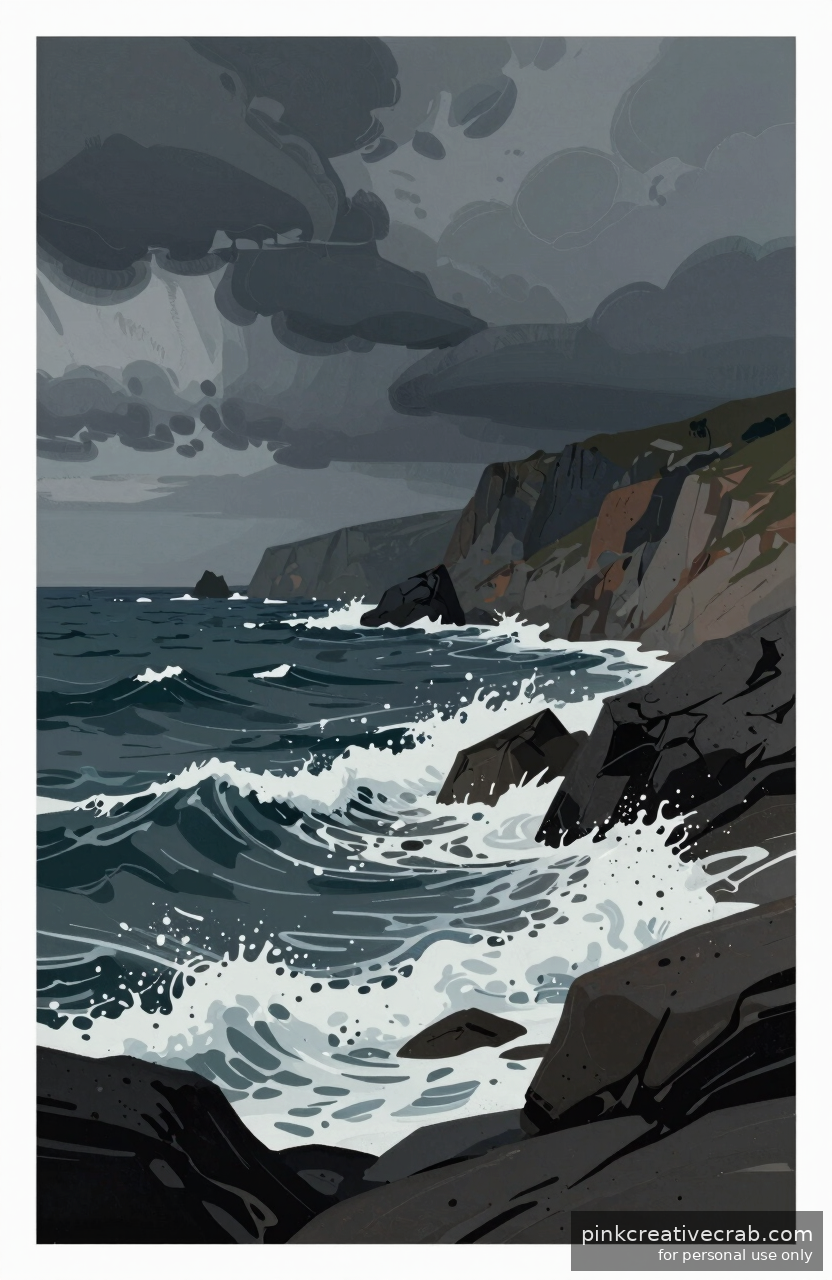
Everyone Will Think You Bought This Moody Stormy Coastline
Dark churning waves, dramatic cloudy skies, and rugged cliffs — a stormy coastline sounds intimidating but is actually one of the most forgiving beginner gouache projects. Because the whole mood relies on loose, energetic brushstrokes rather than precise detail, beginners often produce their best work here. Imperfection is literally part of the style.
Mix your stormy palette from deep blue-greys, moody greens, and soft foamy whites. Gouache’s thick consistency lets you drag and scrape textures into wave crests beautifully. Meanwhile, building up dark clouds with overlapping strokes of grey and navy creates that heavy, dramatic sky effect almost effortlessly.
As a result, the finished piece looks bold, professional, and completely wall-worthy. For artists who want to explore additional painting foundations before tackling complex textures, the Art Fundamentals guide is a genuinely excellent resource. Additionally, pick up some gouache paint sets in blue and grey tones to nail that moody coastal atmosphere perfectly.
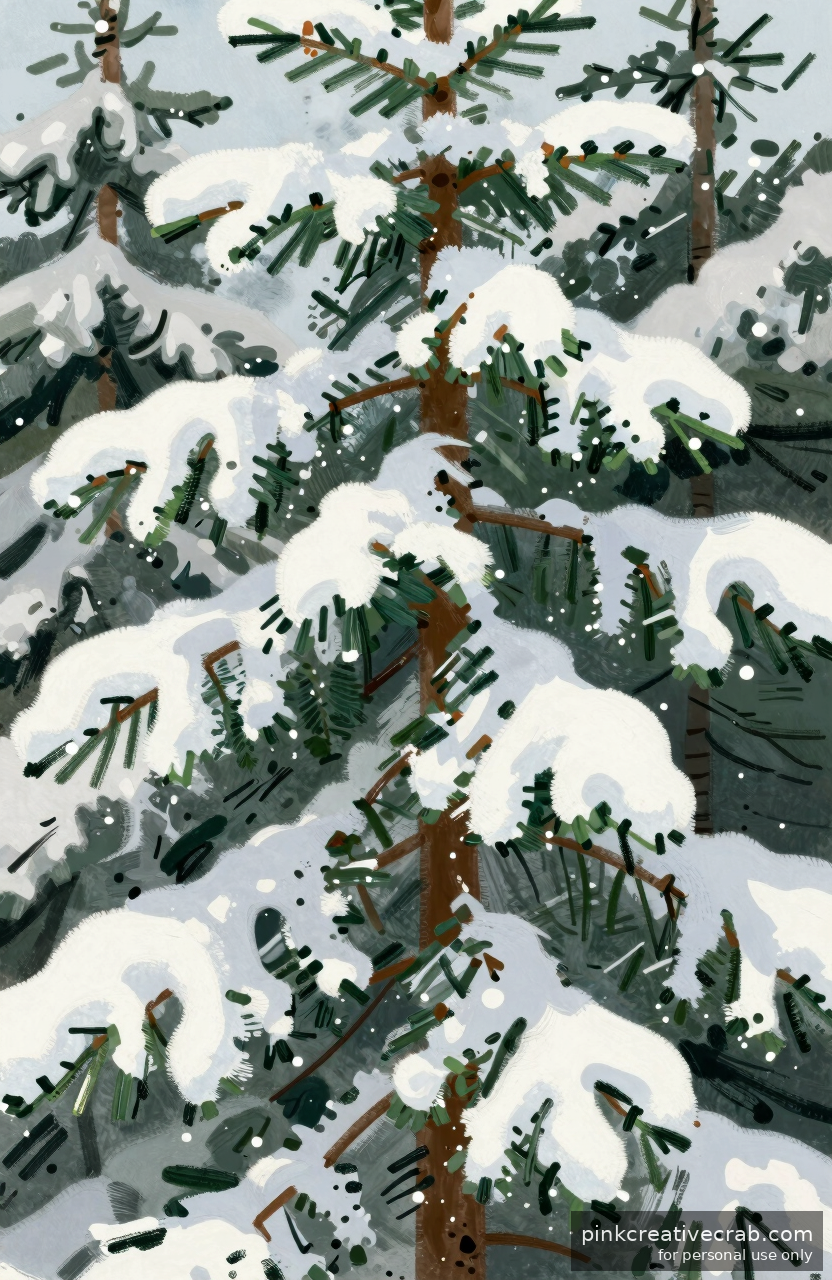
Snowy Pine Trees Have Never Looked This Gorgeous in Gouache
Snowy pine trees are one of the most satisfying subjects you can paint as a beginner. Gouache is absolutely perfect for this scene because its opaque white paint sits beautifully on top of darker colors — just like real snow sitting on dark branches. You will feel so proud when those little white highlights come together.
Start with a deep blue or blue-grey background. Then build your trees in layers, working from dark greens toward lighter tips. The magic happens when you finally dab on that thick, creamy white snow. Each branch feels like a tiny celebration! Additionally, gouache dries quickly, so you can keep adding layers without waiting forever.
For this project, having a good set of gouache paints really makes a difference. Check out these gouache paint sets for beginners to find an affordable option you will love. Meanwhile, if you want to understand how gouache compares to other mediums, the guide on Acrylic vs Watercolor vs Oil vs Gouache is a wonderful read.
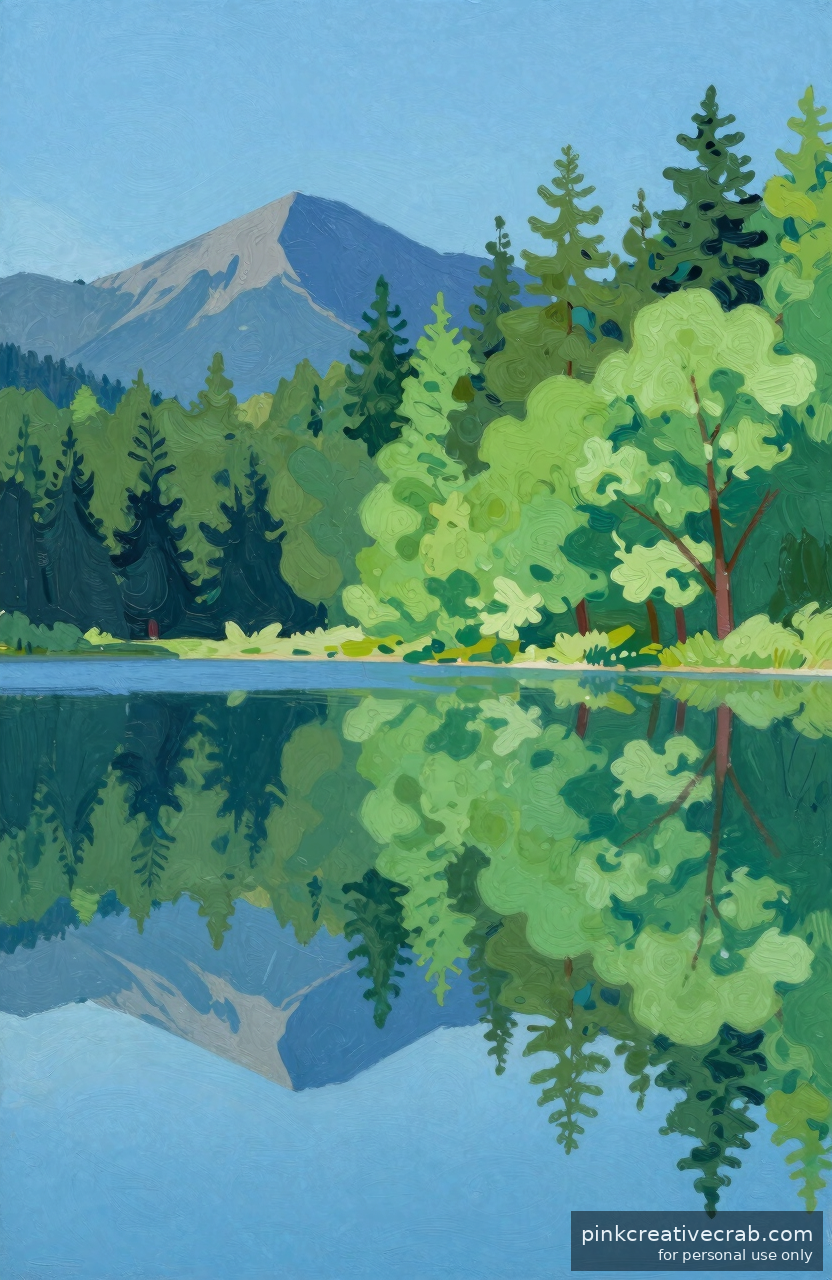
The Secret to a Perfect Reflective Lake Scene (It Is Easier Than You Think)
Reflective water sounds intimidating, but honestly? It is one of the most beginner-friendly landscape techniques in gouache. The secret is simple — whatever colors appear in your sky, just repeat them below with soft horizontal strokes. That is genuinely all there is to it. Your brain does the rest and reads it as water automatically.
Start by painting your sky first. Then, once it dries slightly, mirror those same colors in the lower half of your paper using loose, gentle strokes. Add a few dark horizontal ripple lines to hint at movement. However, do not overwork it! Gouache rewards confidence. A few bold strokes look far more convincing than dozens of anxious little marks.
For smooth, consistent strokes on water reflections, flat brushes are your best friend. Therefore, investing in a decent brush set really pays off. Try these flat watercolor and gouache brushes for beautiful results. Additionally, brushing up on color mixing basics will help you match your sky and water tones perfectly.
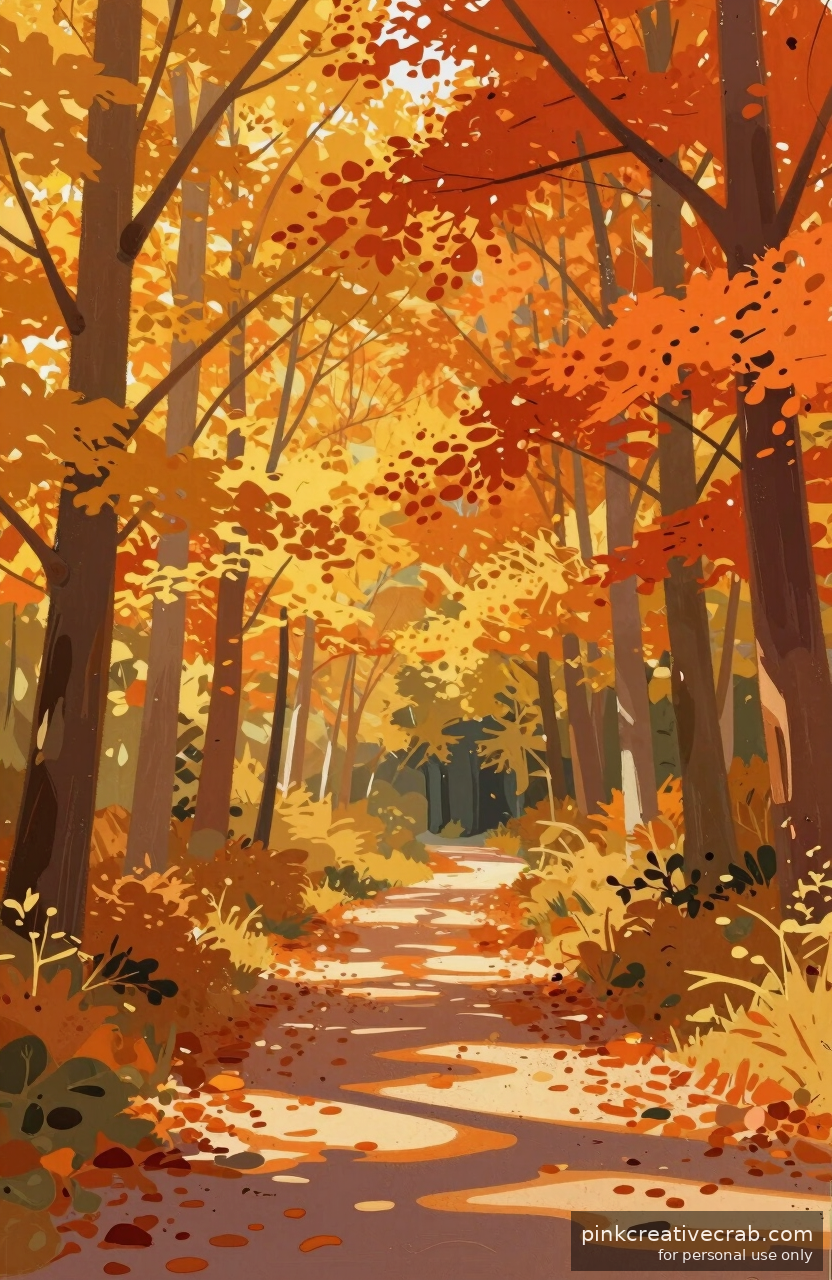
Soft Autumn Foliage That Makes Your Heart Feel Warm Just Looking at It
Autumn landscapes are pure magic in gouache. Those rich oranges, burnt siennas, and golden yellows are honestly some of the most fun colors you will ever mix. The best part? Imperfection actually looks beautiful here. Loose, textured brushwork mimics real leaves perfectly, so beginners often produce stunning results on their very first try.
Begin with a warm sky — a soft peach or pale gold works beautifully. Then build your trees from the darkest tones inward, gradually adding brighter, lighter leaf colors toward the edges. Meanwhile, dabbing with a slightly dry brush creates gorgeous leafy texture without any complicated technique. Trust the process and enjoy every single stroke.
Having a warm autumn color palette really elevates this kind of painting. As a result, using a set with rich earth tones makes mixing so much easier. These warm-toned gouache paint sets are a great starting point. For a deeper understanding of color relationships, the Color Mixing Guide will genuinely change how you see and mix every color.
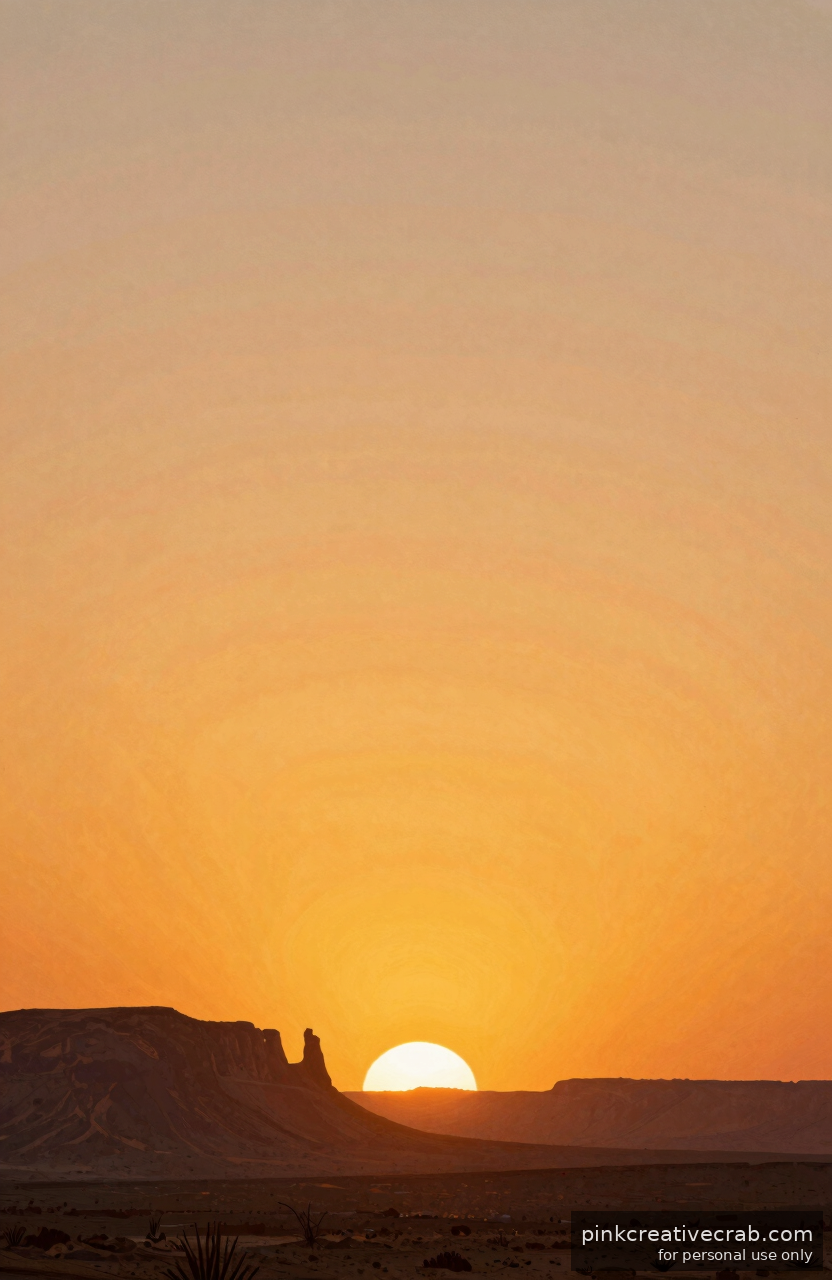
You Have Never Seen a Desert Mesa Look This Magical
Desert landscapes are secretly one of the best subjects for beginner gouache painters. The shapes are bold and simple — flat mesas, wide open skies, and long horizon lines. There is very little fussy detail to worry about, which means you can focus entirely on color and light. As a result, even your very first attempt is likely to look impressively dramatic.
Layering is the key to a glowing desert scene. Start with a vivid sunset sky blending from deep orange at the horizon to a rich violet at the top. Then paint your mesa silhouettes in flat, dark, earthy tones. However, add a thin line of warm light along the mesa edges to suggest that magical golden hour glow. It is a small touch that makes an enormous difference.
For bold, flat color coverage on mesa shapes, high-quality gouache in earthy shades is essential. Check out these earth tone and desert color gouache sets for gorgeous results. Additionally, if you are still finding your footing as a new artist, exploring Art Fundamentals will give you a solid, confidence-building foundation.
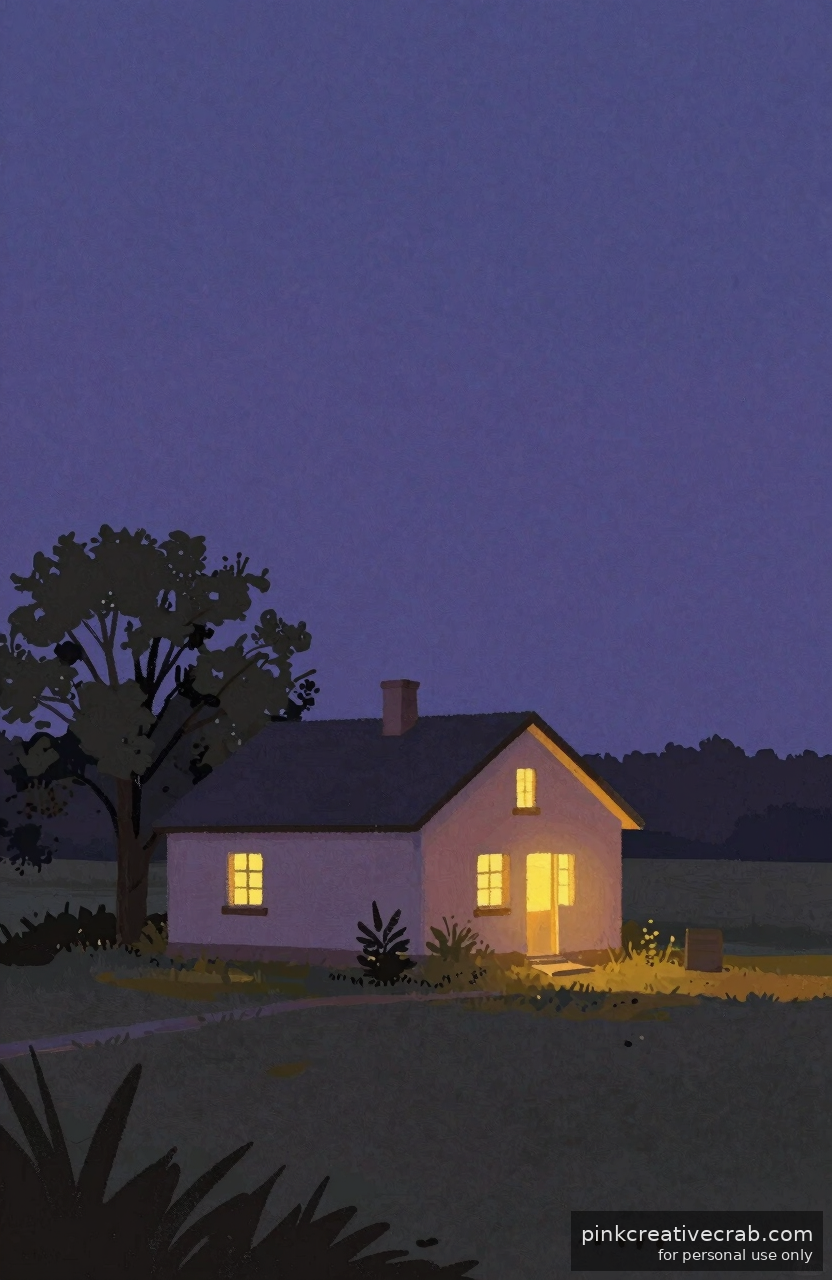
A Tiny Farmhouse at Dusk That Feels Like Home
There is something deeply comforting about painting a little farmhouse glowing warmly at dusk. This scene is wonderful for beginners because the house itself can be very simple — basic shapes with a lit window or two make it feel instantly cozy. Gouache handles that warm interior glow beautifully, because opaque light colors sit perfectly on a dark evening sky.
Begin with a gradient sky moving from deep indigo at the top to a soft purple-pink near the horizon. Then add your simple farmhouse silhouette in dark tones, leaving small rectangles of warm yellow for the windows. Meanwhile, a few simple tree shapes framing the house add depth without complicating things. Finally, a soft pale reflection on a puddle or wet path adds a lovely finishing touch.
Small detail brushes really help when painting those warm little windows. These fine detail gouache and watercolor brushes are affordable and incredibly useful for beginners. Therefore, picking up a multisize set is always a smart move. Additionally, for anyone who loves cozy creative projects, the Junk Journaling Complete Handbook pairs wonderfully with landscape painting for creative evenings at home.
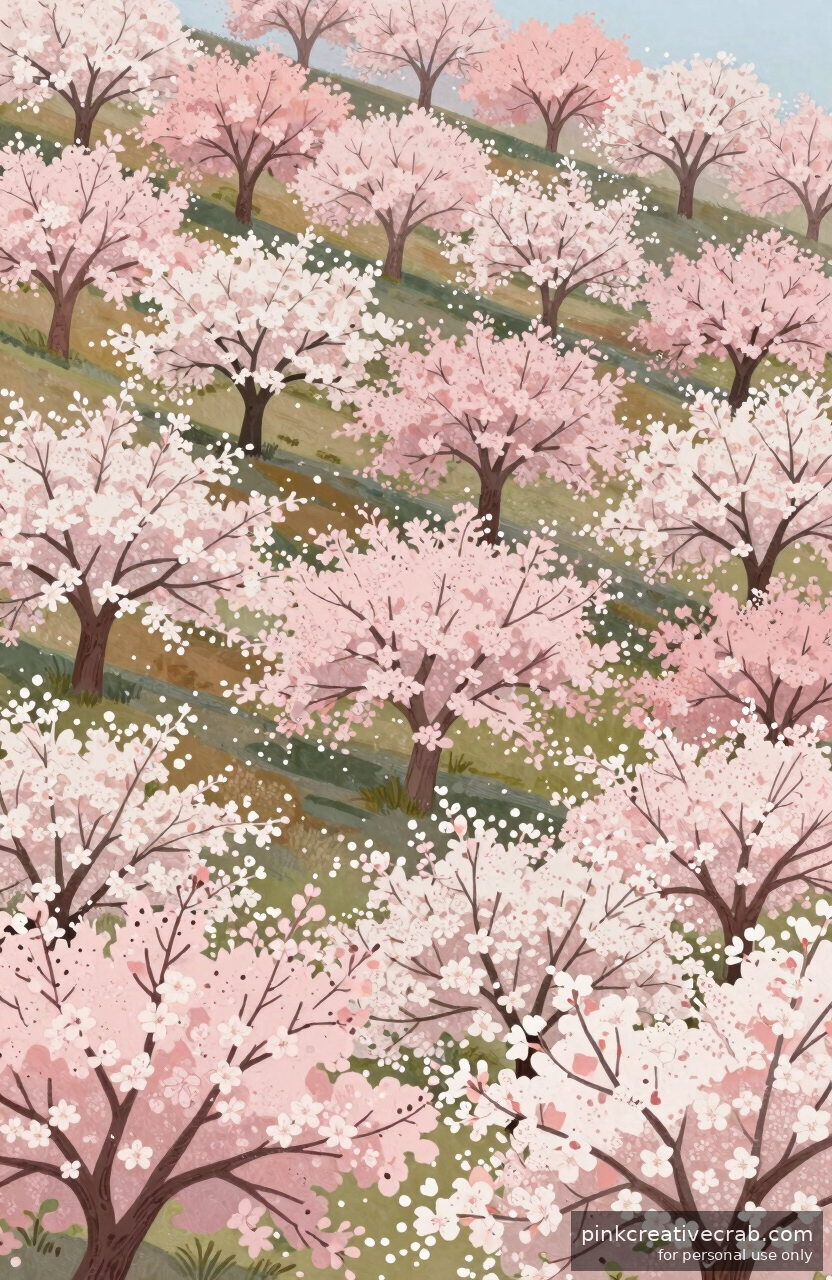
That Irresistible Cherry Blossom Hillside You Keep Scrolling Past on Pinterest
Cherry blossom scenes feel dreamy and romantic, and they are far more achievable than they look. In gouache, those soft pink blossoms come alive beautifully using simple dabbing and stippling techniques. You do not need to paint every single flower — a suggestion of pink clusters reads perfectly as blossoms, and that looseness is part of the charm.
Start with a soft, airy sky in the palest blue or lavender. Then paint your hillside in a gentle green, curving slightly to give a sense of rolling terrain. Next, use a small round brush or even a crumpled piece of plastic wrap to dab on clusters of pale pink and white. However, vary your pressure and angle so the clusters look organic and natural rather than stamped.
For that delicate petal texture, sponge-tipped tools and round brushes are incredibly helpful. These beginner gouache brush and tool sets often include exactly what you need. For anyone who wants to explore more art styles alongside painting, the Watercolor Painting Ultimate Guide is an inspiring companion resource full of beginner-friendly techniques.
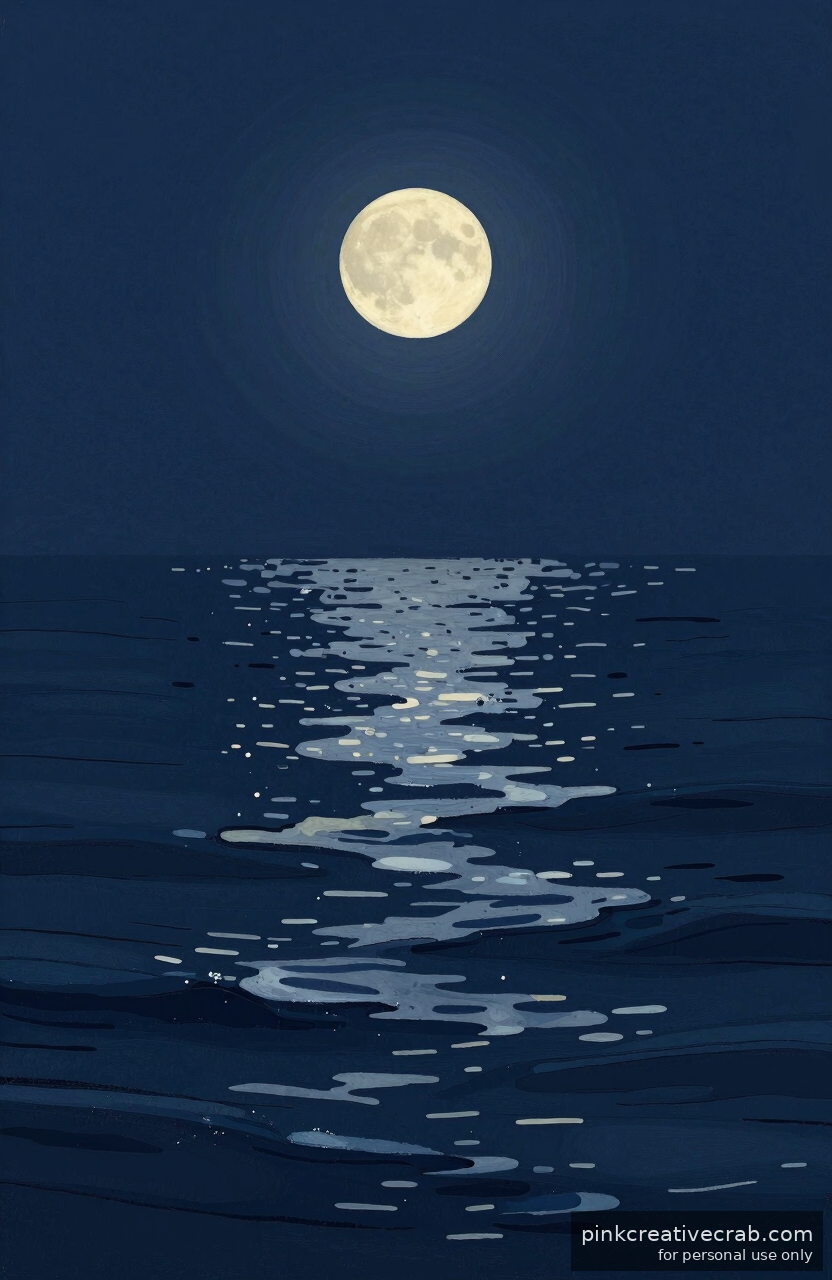
Painting a Moonlit Ocean in Gouache Is Easier Than You Think
A moonlit ocean sounds incredibly advanced, but gouache makes it surprisingly approachable. The whole scene relies on just a few elements — a dark night sky, a glowing moon, and that gorgeous shimmering reflection on the water. Because gouache is opaque, you can paint bright light directly over dark backgrounds, which is honestly one of its greatest superpowers as a medium.
Begin with a very deep navy or blue-black background covering both sky and sea. Then paint your moon as a simple pale yellow or white circle near the top. From there, drag a soft vertical streak of pale color downward through the water area to create the moonlit reflection. Additionally, adding tiny horizontal ripple marks on either side of the reflection gives the water beautiful movement and life.
For achieving smooth dark backgrounds and crisp bright highlights, a quality gouache set with strong pigment coverage is key. These professional-quality beginner gouache sets deliver rich, satisfying results. As a result, your moonlit ocean will truly glow. Also, if you want to keep growing your art skills beyond painting, the Pencil Drawing Complete Beginner to Advanced Guide is a fantastic next step for building your overall artistic confidence.
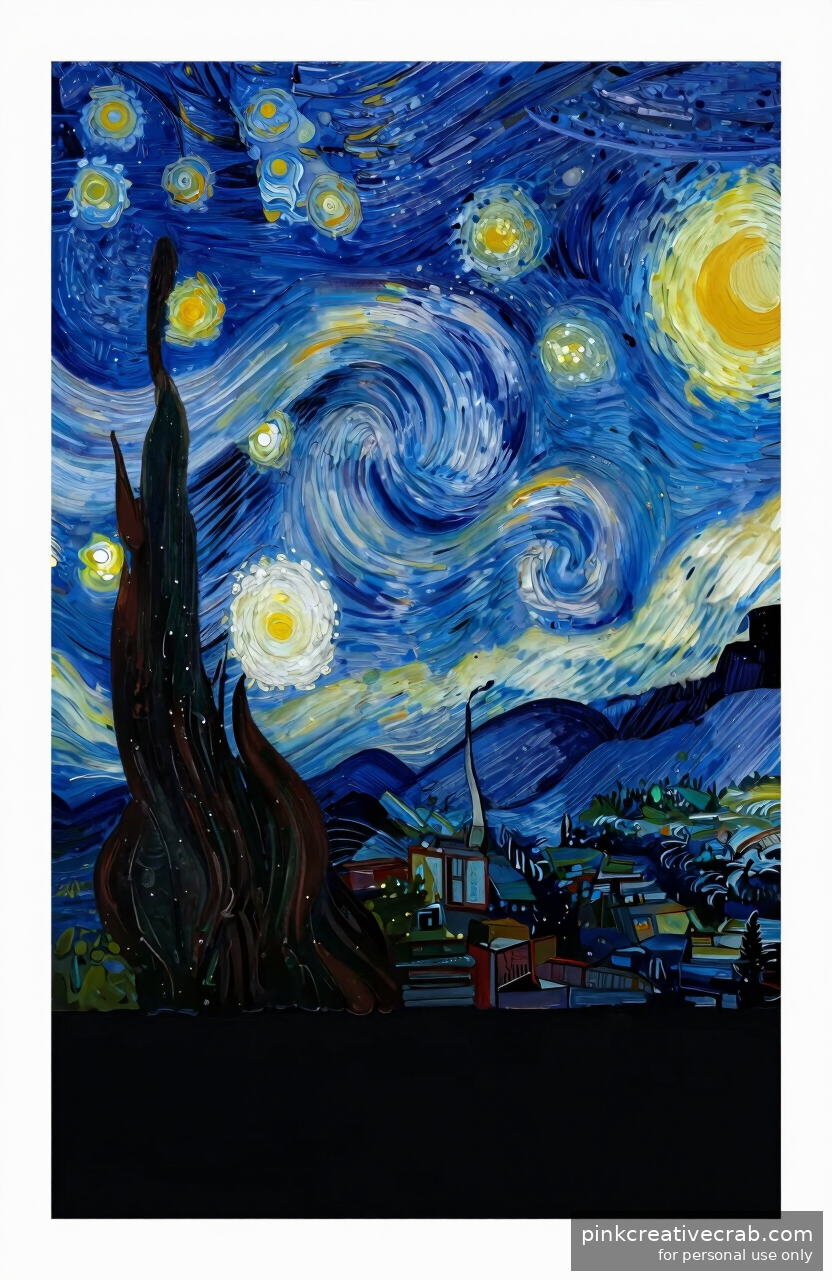
Starry Night Over Open Fields — No Experience Required
A glowing night sky over an open field is honestly one of the most magical things you can paint with gouache — and the best part? You do not need any experience to make it look incredible. Gouache’s beautiful opacity means you can paint bright stars right on top of a dark background, which feels like actual magic the first time you try it. Start with a deep navy or indigo wash across the sky, then layer in your stars with a tiny brush or even a toothbrush flick.
Meanwhile, the field below can be as simple as a few horizontal strokes of dark green and brown. Therefore, the whole painting comes together faster than you might expect. Additionally, small imperfections in your star placement actually make it feel more realistic and alive.
For best results, a quality set of gouache paints with good pigment will make those stars pop beautifully. Try starting with beginner gouache paint set to get a lovely range of deep and bright colors for your night sky scene.
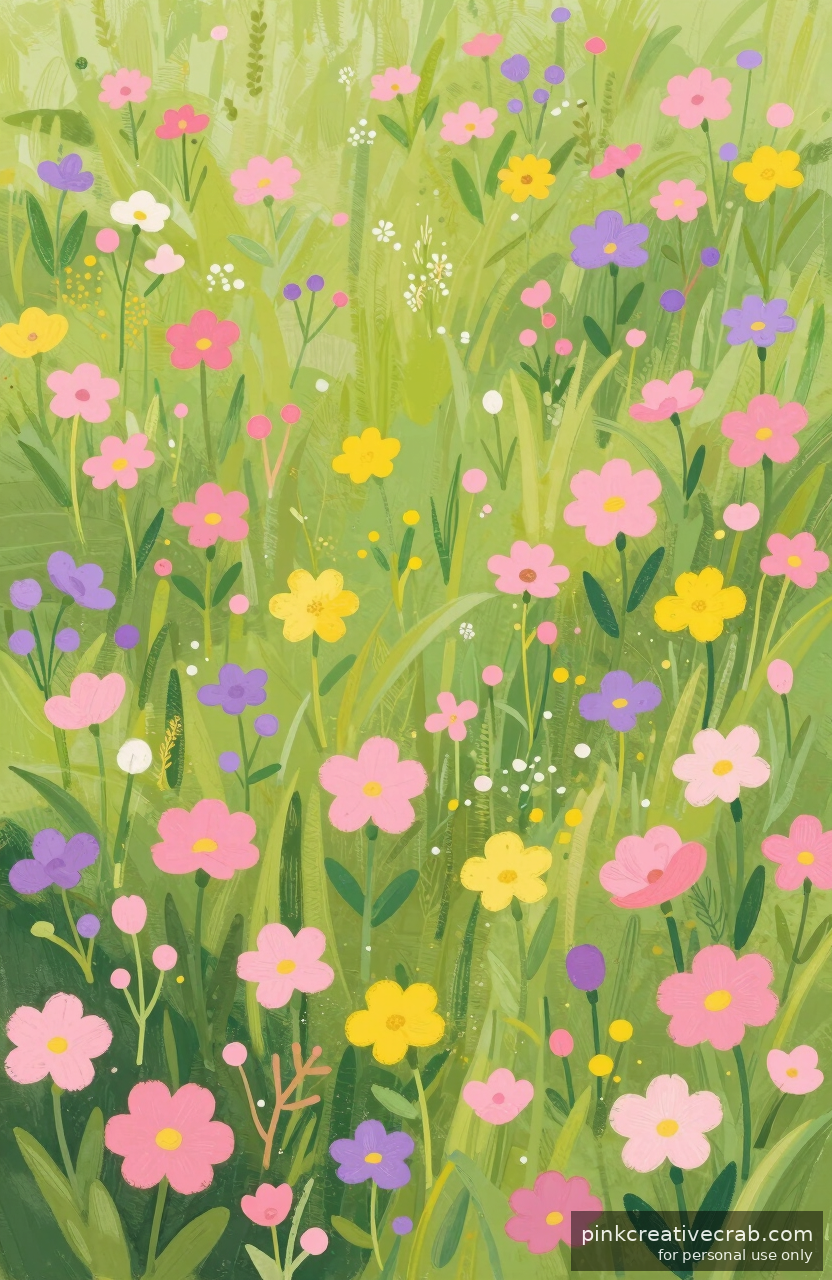
3 Beginner Gouache Landscape Tricks Hidden Inside a Simple Wildflower Meadow
Wildflower meadows look complicated, but they are secretly one of the best beginner landscapes to practice because they teach you three essential skills all at once. First, you will learn how to suggest texture without painting every single petal. Second, you discover how layering colors creates gorgeous depth. Third, you get comfortable with loose, confident brushwork — which is the key to making everything feel free and natural.
However, the most exciting part is how forgiving a meadow painting really is. If a flower looks a little wobbly, it just looks like a different flower! Additionally, warm yellows, soft pinks, and happy purples are incredibly fun colors to mix together. As a result, most beginners feel genuinely proud of their finished meadow, even on their very first try.
Having a good flat brush and a detail brush on hand makes this project so much smoother. Pick up a gouache painting brush set so you have the right tools to dab in those gorgeous wildflower textures with ease.
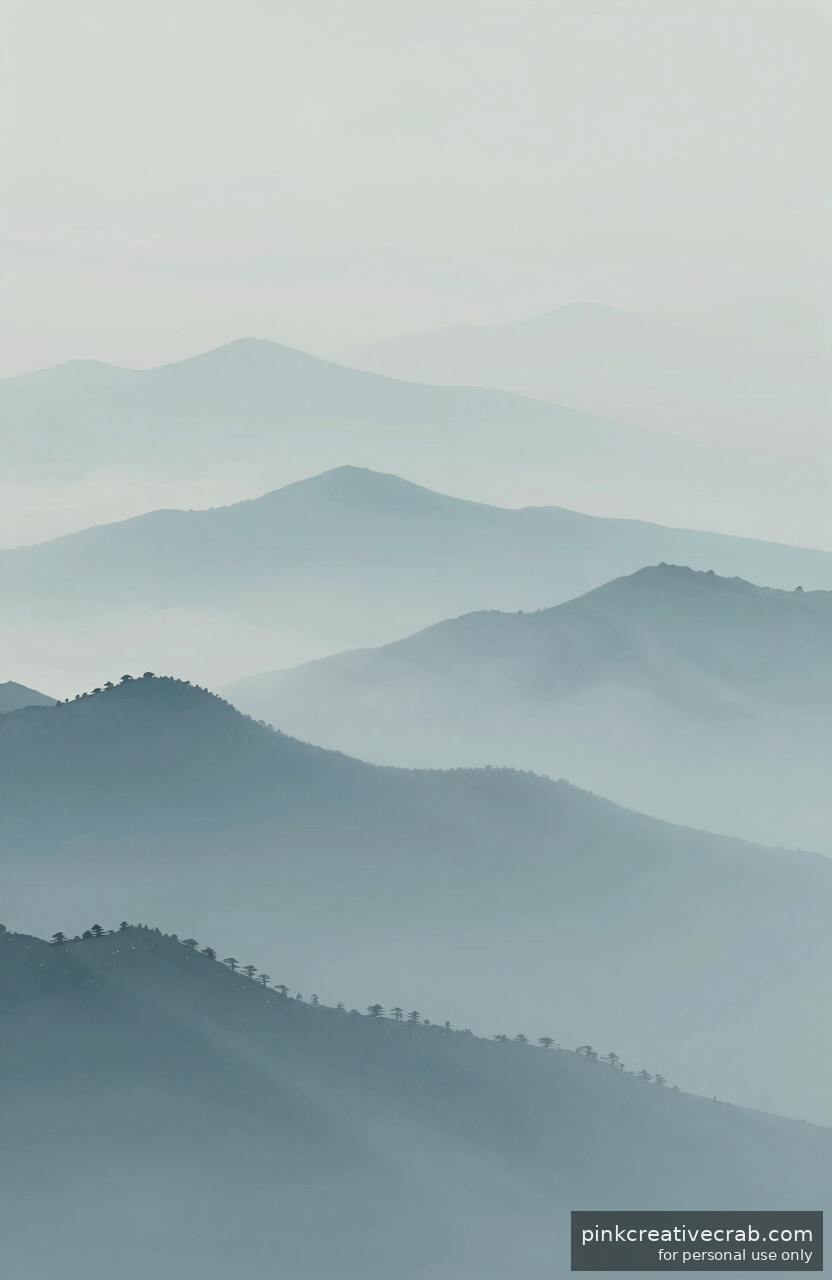
Effortless Foggy Mountain Layers That Look Seriously Impressive
Here is a little secret that experienced gouache painters absolutely love: foggy mountains are actually easier to paint than clear ones. The mist softens every edge, which means you do not have to stress about precision. You simply build up soft, cool layers of grey and blue, letting each one dry before adding the next darker ridge in front. The result looks moody, cinematic, and incredibly impressive for the effort involved.
Transition words aside, the technique itself is beautifully simple. Start light at the top and gradually deepen the values as you move forward in the scene. Additionally, a tiny bit of soft purple mixed into your greys adds an atmospheric glow that looks truly stunning. For example, even just three layers of mountains can create a convincing sense of deep distance.
Good quality watercolor paper works wonderfully for gouache landscapes like this one. Grab some cold press watercolor paper for gouache so your foggy layers dry beautifully without buckling or bleeding unexpectedly.
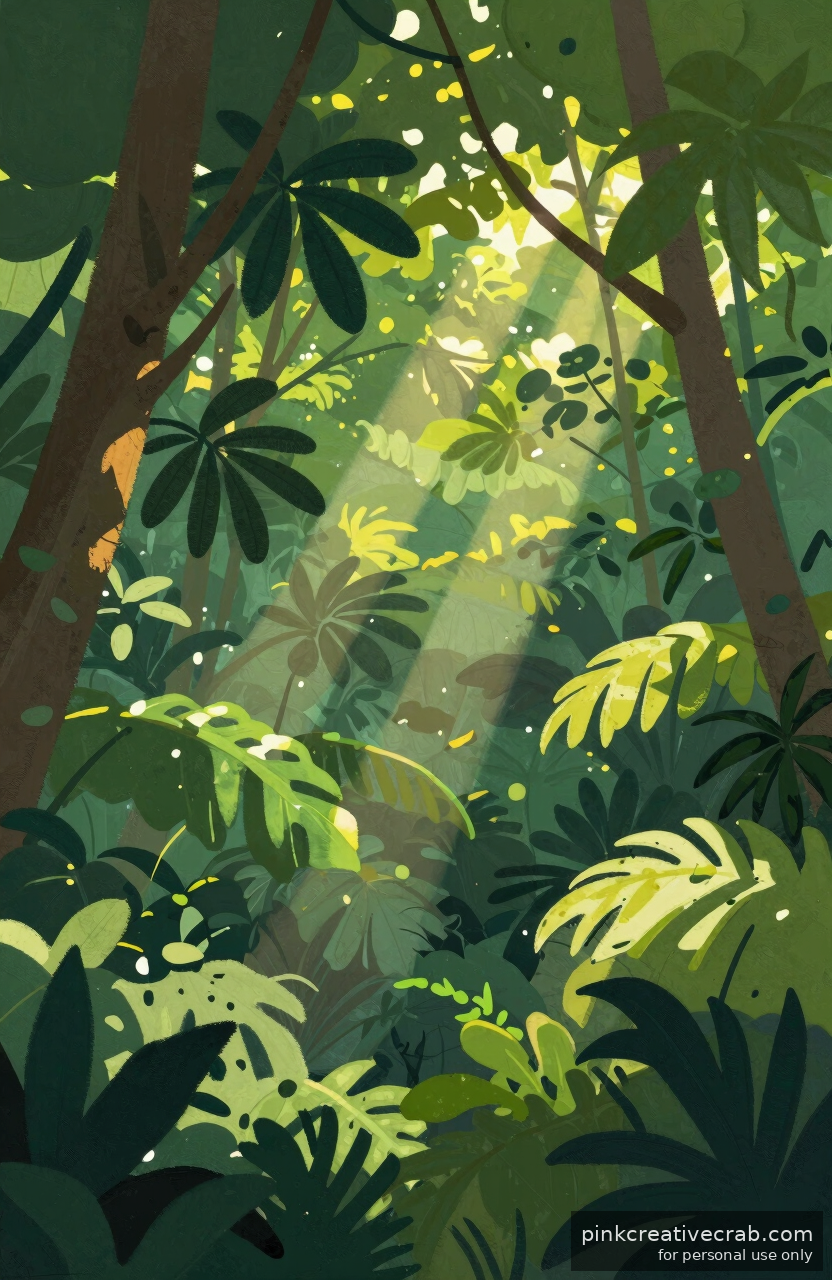
Rainforest Canopy Light So Stunning It Barely Feels Real
Painting light filtering through a rainforest canopy is one of those subjects that makes people stop and say, “Wait, YOU painted that?” The good news is that gouache handles this subject beautifully because you can paint light over dark, which most other mediums simply cannot do as easily. Start with deep, rich greens and shadowy darks, then layer in those glowing beams of yellow-green light on top. It feels so satisfying and looks absolutely breathtaking.
However, the key is not to overwork it. A few confident strokes of bright, warm light are more effective than trying to blend everything perfectly. Therefore, trust yourself and let those light shapes be a little loose and impressionistic. Meanwhile, varying your greens — mixing in teals, olive tones, and bright limes — keeps the foliage from looking flat and monotonous.
For a project like this, a palette with plenty of mixing space is genuinely helpful. Consider a stay-wet palette for gouache painting to keep your lush greens fresh and workable throughout the whole session.
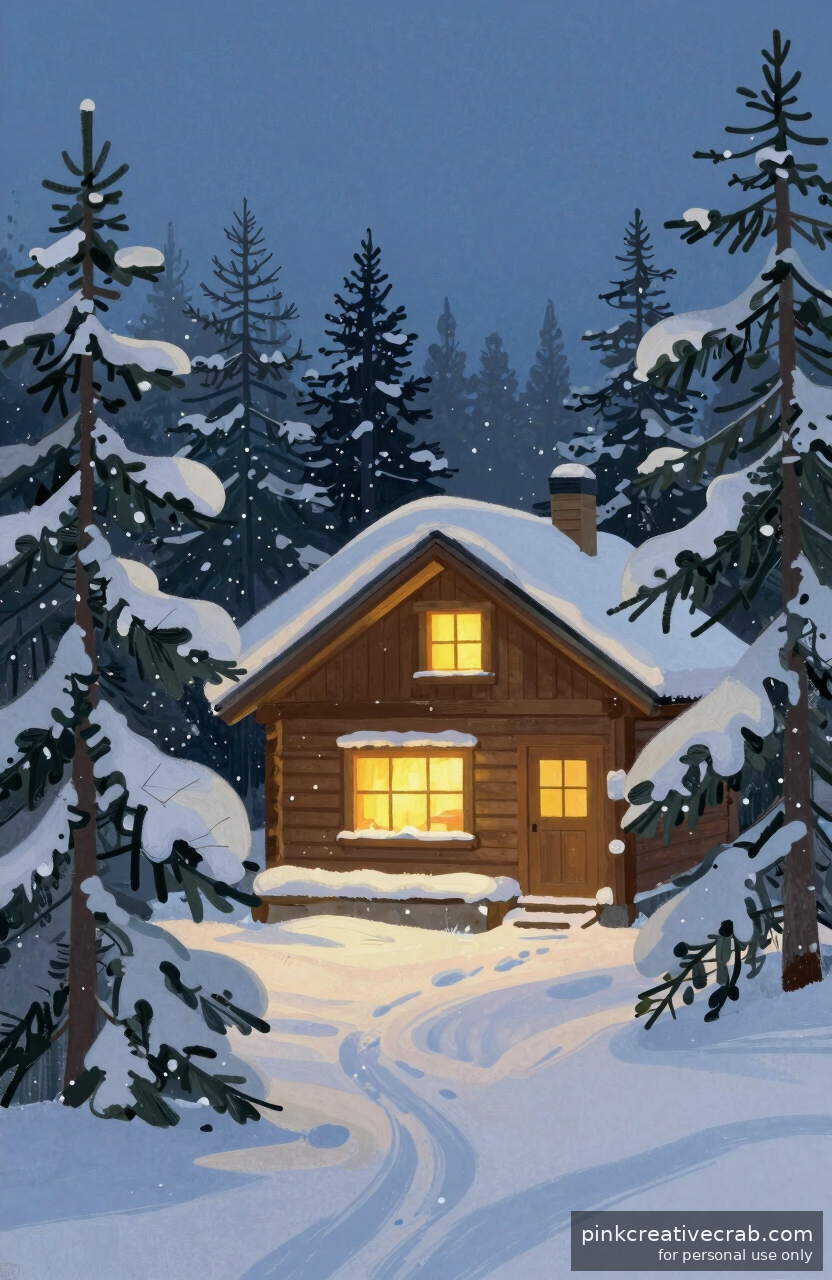
The Cozy Cabin in the Snow Scene Every Beginner Should Paint First
If you are looking for the perfect first gouache landscape, this is genuinely it. A cozy cabin in the snow combines everything beginners need: simple shapes, a clear focal point, and a beautiful contrast between warm glowing windows and cool snowy blues. Gouache is absolutely perfect for snow because white paint applies opaque and bright over any background, so your snowdrifts look crisp and satisfying right away.
Additionally, the warm orange and yellow glow from the cabin windows creates an emotional response that makes the whole painting feel alive and inviting. For example, even a beginner using basic shapes can create a scene that genuinely makes people feel something. As a result, this project gives you a massive confidence boost that motivates you to keep painting more.
If you want to explore how gouache compares to other mediums before diving in, check out this helpful guide on Acrylic vs Watercolor vs Oil vs Gouache: Which Medium Should You Choose?. Then stock up on a great white gouache paint to make your snow scenes absolutely pop.
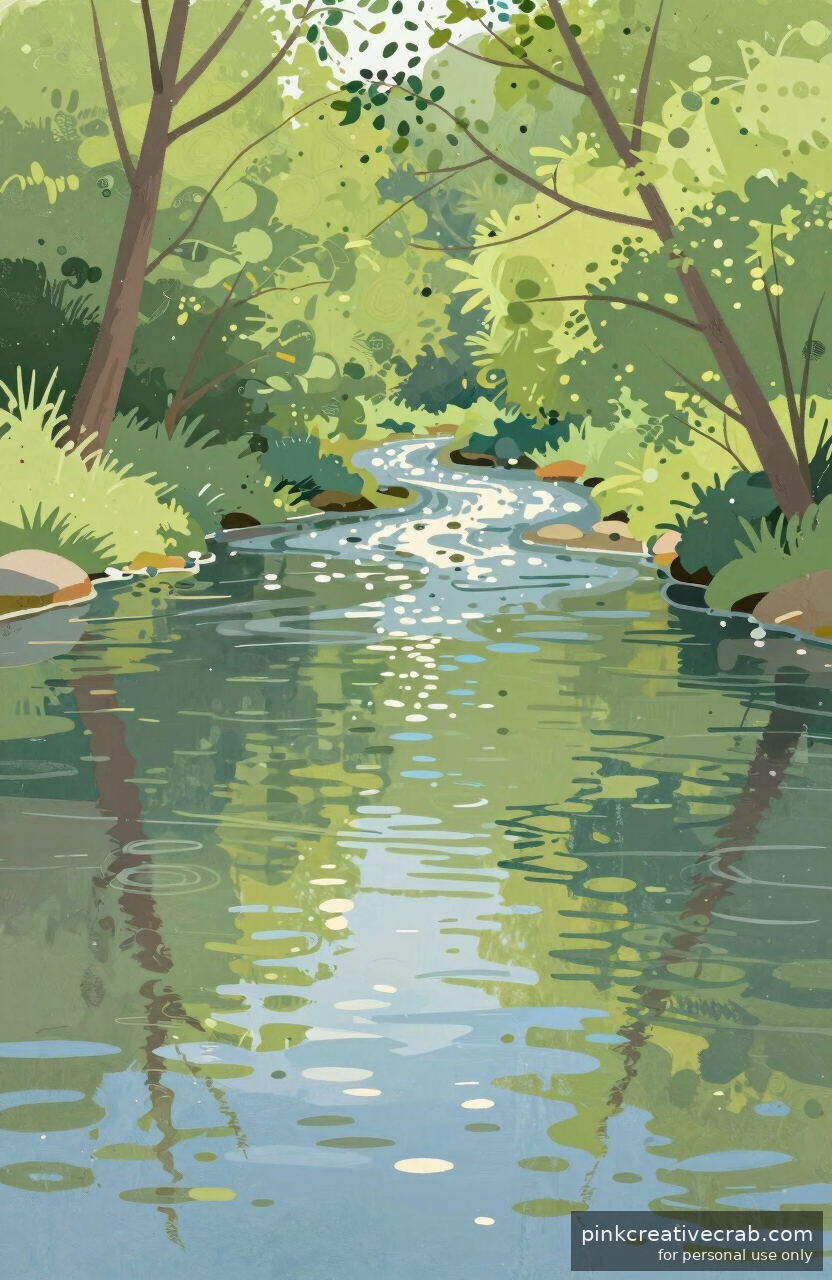
Spring Creek Reflections Are the Most Meditative Gouache Landscape You Will Ever Try
There is something deeply calming about painting water reflections, and a gentle spring creek is the most peaceful version of this subject you can choose. Gouache handles reflections in such a satisfying way — you paint the sky and trees above, then simply mirror those colors in soft, slightly blurred horizontal strokes below. The result is a shimmering, believable reflection that feels almost effortless once you get into the rhythm of it.
Meanwhile, the repetitive nature of painting those soft horizontal water strokes is genuinely meditative. Many artists describe it as one of the most relaxing painting experiences they have ever had. Additionally, the spring palette of soft greens, pale blues, and creamy whites is incredibly fresh and joyful to work with. Therefore, this is a perfect project for a quiet afternoon when you just want to paint and breathe.
Understanding color mixing will help your creek reflections look truly harmonious and natural. The Color Mixing Guide: Everything You Need to Know is a wonderful resource to explore alongside a fresh set of gouache watercolor paint tubes for your spring palette.
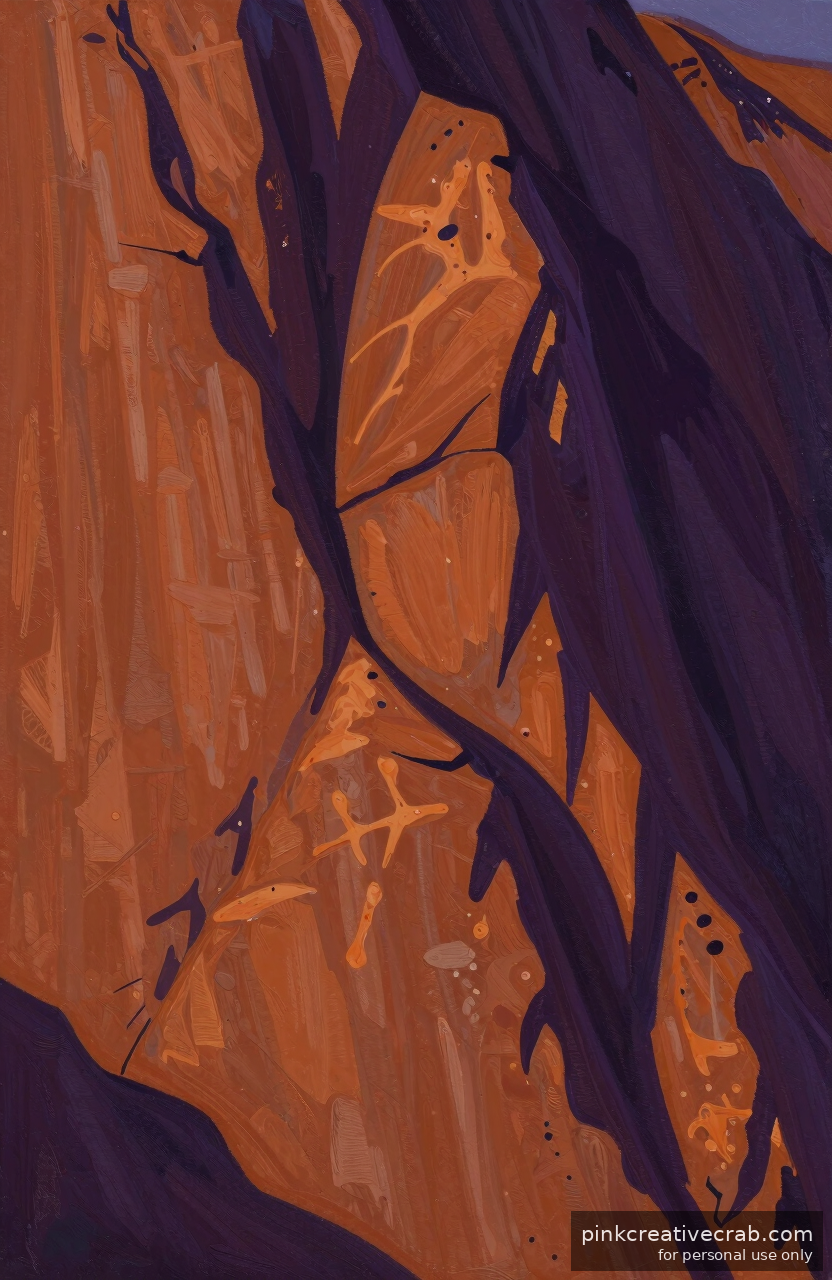
Dramatic Cliff Faces That Make Gouache Painting Landscapes Feel Like an Adventure
Painting dramatic cliff faces with gouache feels like a creative adventure from the very first brushstroke. The bold, blocky shapes of rocky cliffs are actually perfect for beginners because they encourage confident, decisive mark-making rather than timid little strokes. However, the real magic comes from layering warm ochres, rich reds, and cool shadow purples to create a sense of rugged, natural depth that looks genuinely powerful on the page.
For example, start with your lightest cliff color as a base, then build darker tones into the cracks and shadowed faces. As a result, the whole rock face starts to feel three-dimensional surprisingly quickly. Additionally, a little dry-brush texture dragged across the surface suggests rough stone without any fuss. Meanwhile, adding a tiny strip of sky or sea at the top or bottom instantly grounds your composition and makes it feel complete.
Building strong foundational art skills will make ambitious subjects like cliffs feel much more approachable. The Art Fundamentals: Complete Guide to Drawing & Painting Basics is a fantastic companion resource. For your cliff paintings, a set of gouache paints earth tones will give you all those gorgeous rocky colors in one place.
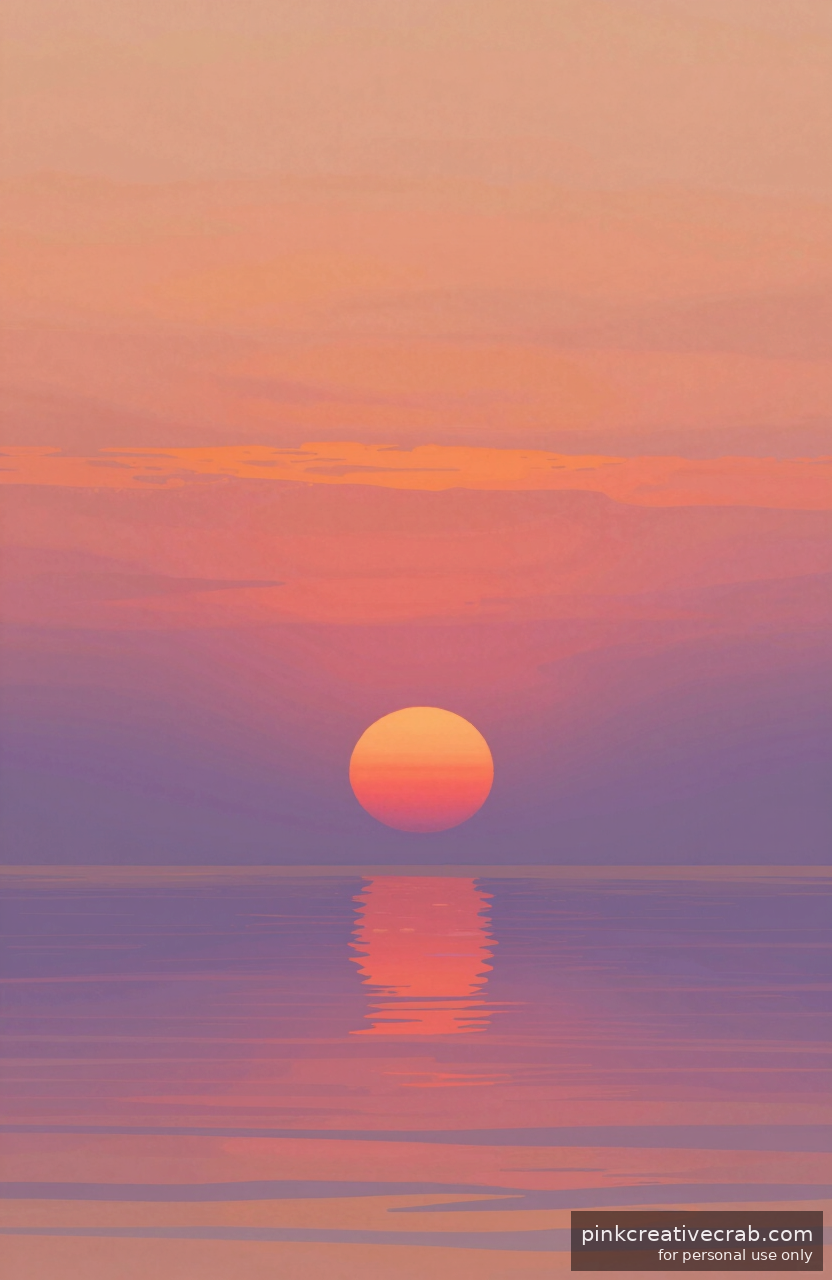
Why a Simple Horizon Line Sunset Changes Everything About How You See Color
A horizon line sunset is honestly one of the most magical first projects you can try in gouache. It sounds almost too simple, right? Just sky, a straight line, and maybe some water below. However, what happens when you start mixing those warm oranges into soft pinks and then gently pulling in purples — that is when something clicks. Suddenly, you start seeing color relationships everywhere in real life.
Gouache is perfect for this because you can layer it beautifully and even go back in with lighter colors on top of darker ones. Therefore, if your first gradient feels a little streaky, no worries at all — just let it dry and add another soft layer. Additionally, playing with reflected light on the horizon teaches you so much about how landscapes actually work. For a deeper understanding of mixing those glowing sunset hues, check out this Color Mixing Guide: Everything You Need to Know.
Ready to jump in? A great starter set makes all the difference. Try the Himi Gouache paint set — it is affordable, vibrant, and genuinely beginner-friendly.
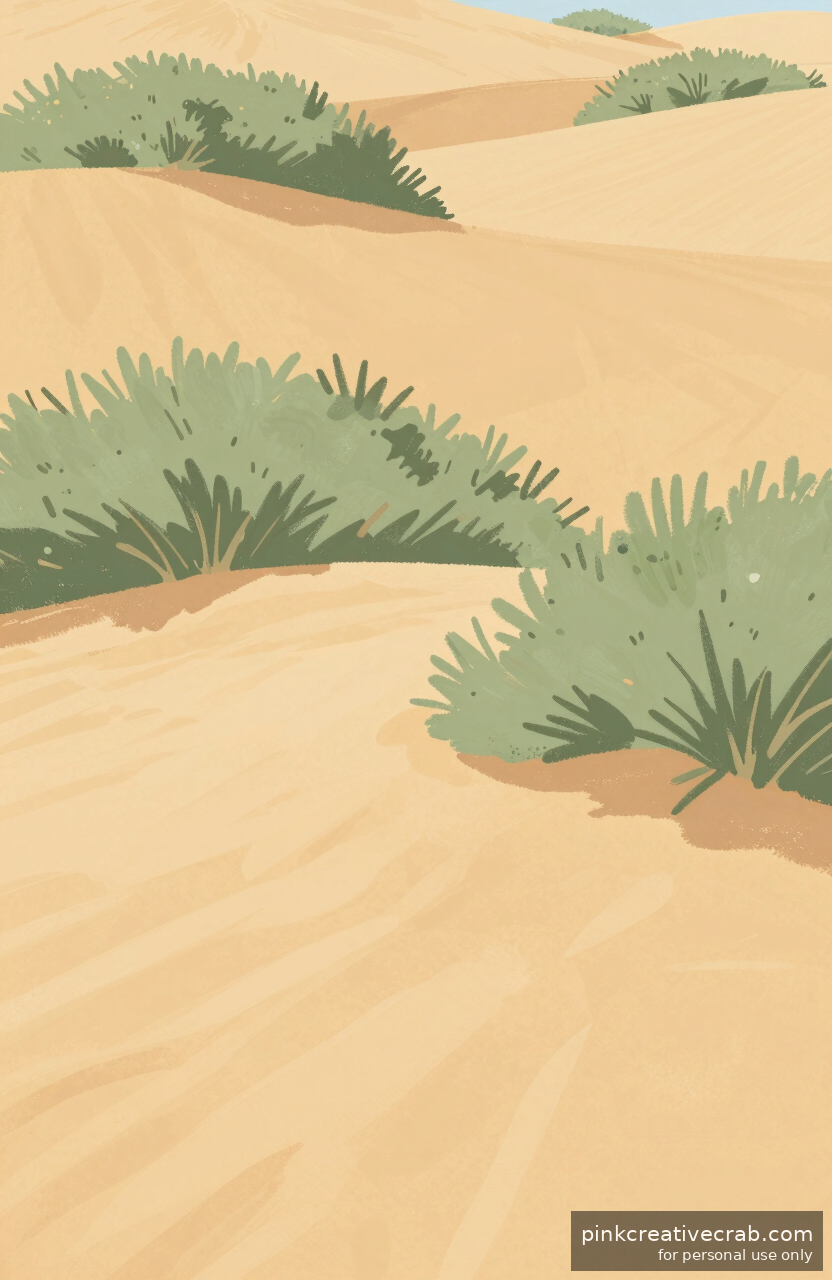
Soft Pastel Dunes That Feel Like a Warm Breeze on Paper
There is something incredibly peaceful about painting sandy dunes in soft, muted gouache tones. Those gentle hills of pale gold, dusty rose, and sage green feel almost meditative to paint. Meanwhile, the forgiving nature of gouache means you can blend edges softly or keep them crisp — totally your call, and both look stunning.
For beginners, dunes are wonderful because the shapes are simple and organic. No need for perfect lines here! Additionally, the limited color palette actually helps you focus on light and shadow rather than getting overwhelmed by too many choices. As a result, you end up with something that feels cohesive and intentional even on your very first try. If you are curious about how gouache compares to other mediums before committing, this Acrylic vs Watercolor vs Oil vs Gouache guide breaks it all down warmly and clearly.
For smooth blending on those soft dune shapes, good quality watercolor paper makes a real difference. Grab some cold press watercolor paper pads and you will love how your gouache sits on the surface.
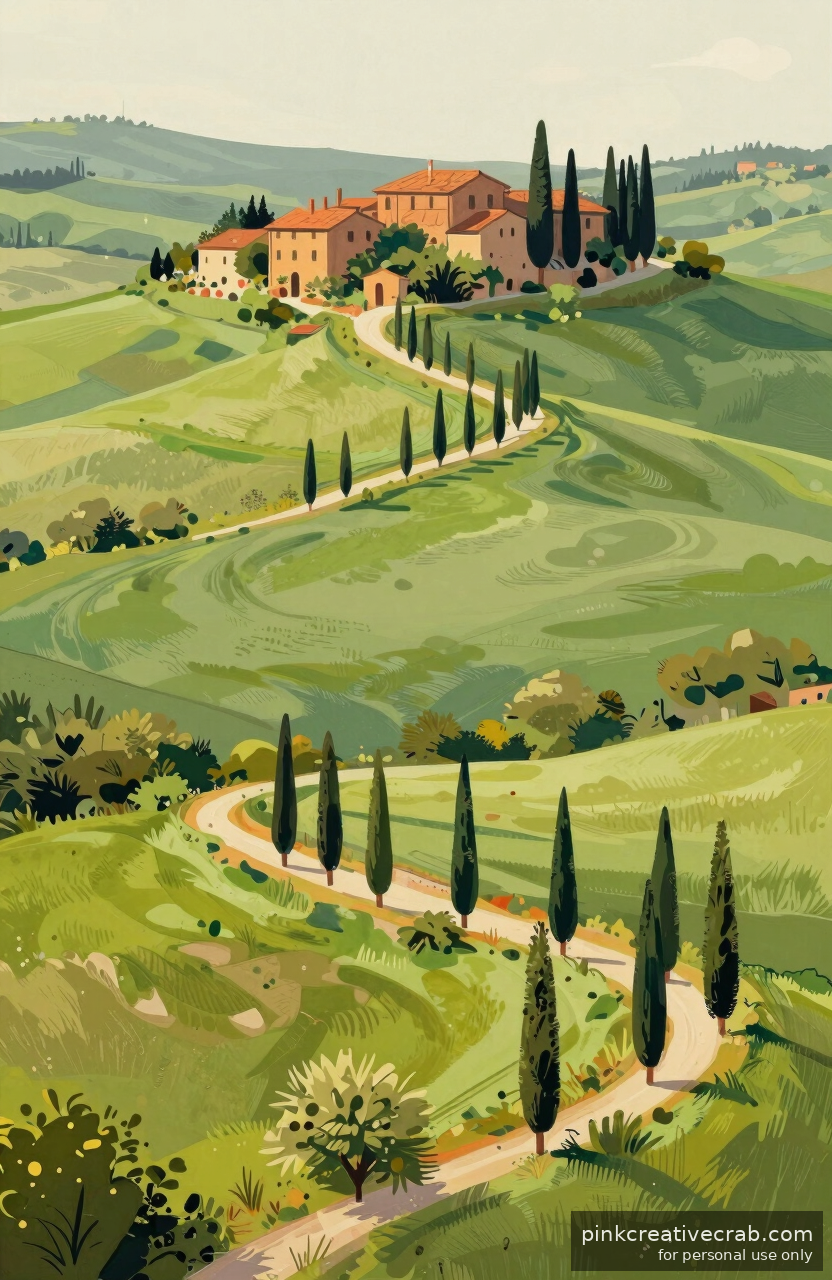
That Gorgeous Tuscany Hillside Has Been Waiting for You to Paint It
Honestly, a rolling Tuscan hillside might look intimidating at first glance. All those layered greens, terracotta rooftops, and winding cypress trees — it feels like a lot. However, here is the secret: you do not need to paint every single detail. Gouache actually rewards you for simplifying. Soft shapes in the background, a little more detail in the foreground, and suddenly your painting has gorgeous depth.
Breaking the scene into simple color zones — sky, distant hills, mid-ground fields, foreground details — makes the whole process feel totally manageable. For example, start with your lightest, haziest background hills using muted greens and lavenders, then gradually add warmer, richer tones as you move forward. This layering approach is one of those small techniques that genuinely transforms beginner paintings. Therefore, do not rush past it!
Having a solid set of gouache brushes truly helps with those varied textures. Check out these gouache painting brush sets to find a great starter collection that handles everything from broad washes to fine cypress tree details.
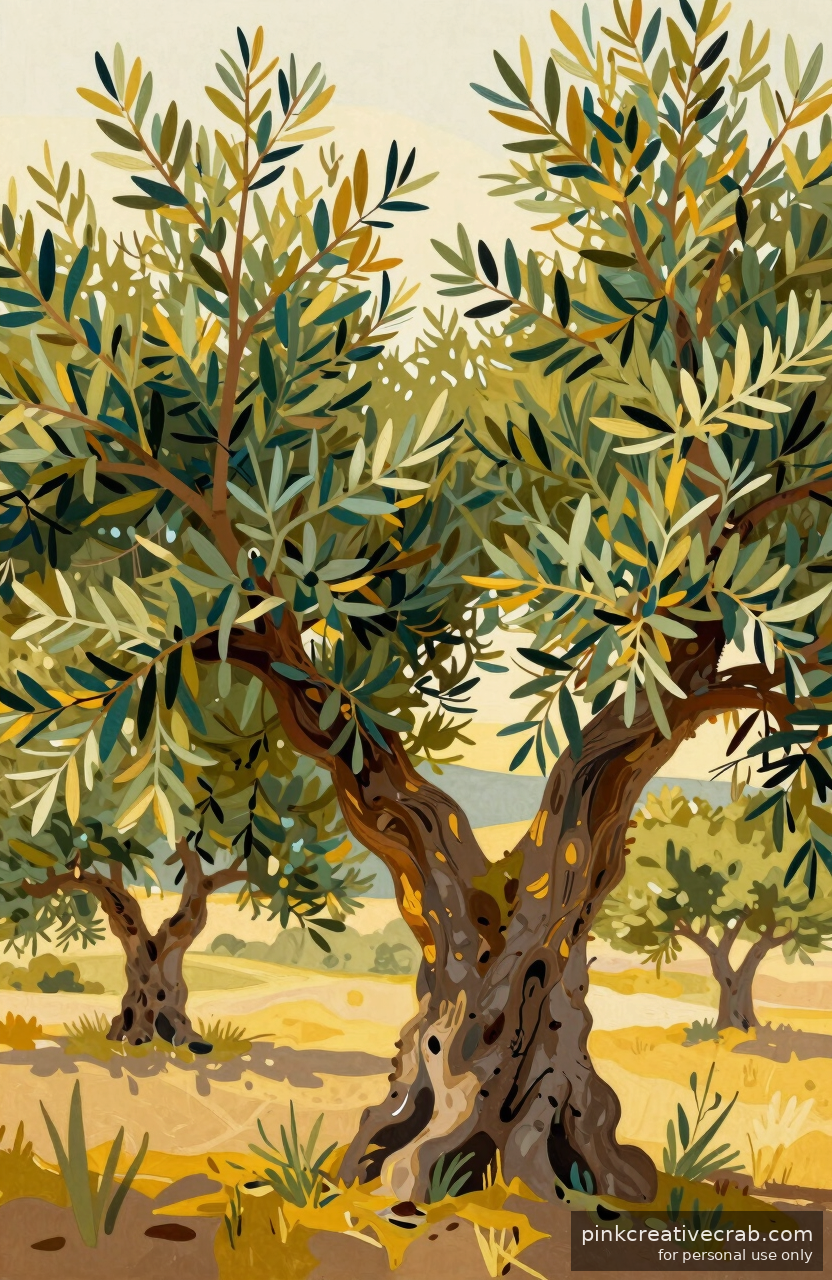
Ancient Olive Trees and Golden Light — Your Most Beautiful Gouache Scene Yet
Olive trees are honestly one of the most character-filled subjects you can paint. Those gnarled, silvery trunks and the soft shimmer of their leaves catching golden afternoon light — it is just gorgeous. The best part for beginners is that imperfection actually works in your favor here. Wonky branches and loose leaf clusters look artistic, not like mistakes.
Gouache handles this kind of textured, layered subject beautifully. You can block in your warm golden background first, then build the tree forms on top with cooler grey-greens and silvery whites. Additionally, dabbing paint loosely for the leaves creates that flickering light effect without any special skill required. For anyone wanting to strengthen their overall understanding of light, shadow, and composition before painting, the Art Fundamentals: Complete Guide to Drawing & Painting Basics is a genuinely wonderful resource.
To get those lovely silvery-green olive tones just right, a quality gouache set with a good range of greens helps enormously. These professional gouache tubes sets offer beautiful muted tones perfect for Mediterranean scenes.
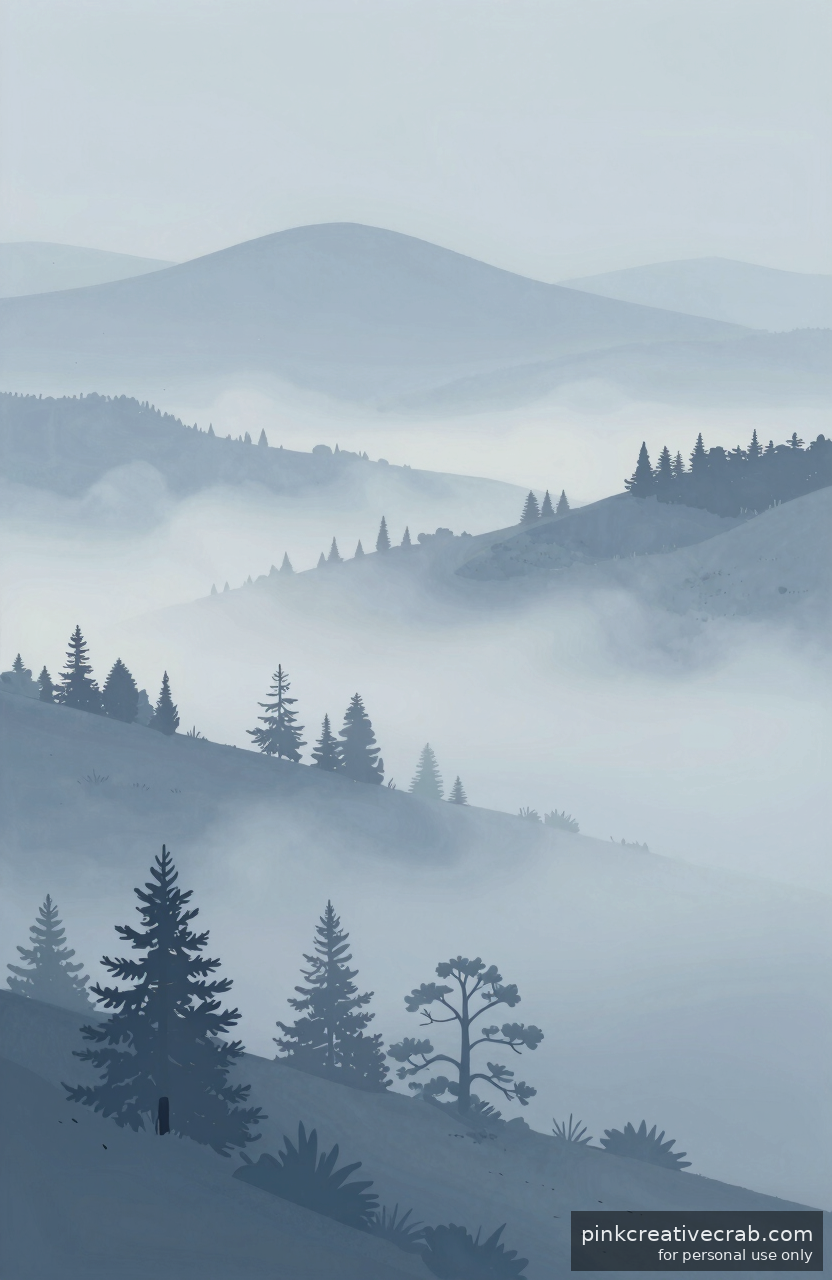
A Misty Morning Valley So Peaceful You Will Want to Climb Right Into It
There is genuine magic in painting a misty valley at dawn. That soft, hazy atmosphere where distant hills dissolve gently into pale blue-grey fog — it feels almost dreamlike. However, it is also one of the most forgiving landscape subjects for beginners because soft edges and blurry shapes are literally the whole point. Therefore, any happy accidents just add to the mood.
Gouache is particularly lovely for atmospheric mist because you can dilute it to a watercolor-like wash for the background and then build thicker, more opaque layers in the foreground. As a result, you naturally create that beautiful sense of depth without overthinking it. Meanwhile, keeping your palette to just a few cool greys, soft blues, and warm ochres prevents overwhelm and keeps that peaceful, unified feeling intact. For additional inspiration on building these kinds of layered atmospheric scenes, the Watercolor Painting: The Ultimate Beginner to Advanced Guide has fantastic insights that translate beautifully to gouache.
A great travel gouache set is perfect for sketching misty mornings outdoors too. Explore these portable gouache sketchbook sets for painting adventures outside your studio.
Final Thoughts
You have just discovered 26 reasons why gouache painting landscapes might become your absolute favorite creative hobby. Every single idea on this list was chosen with you in mind — the beginner who is curious, maybe a little nervous, and completely capable of making something beautiful. So please do not wait for the perfect moment or the perfect supplies. Just start.
Additionally, remember that every painting you make is a win, even the ones that do not go quite as planned. Gouache is so wonderfully forgiving that you can always paint right over a section you do not love and try again. Therefore, there is truly nothing to lose — only gorgeous, peaceful, satisfying landscapes to gain.
Most importantly, have fun with it. Put on your favorite playlist, brew something warm, and let yourself play. The world of gouache painting landscapes is wide open and absolutely waiting for you. We cannot wait to see what you create.
Frequently Asked Questions
What supplies do I need to start gouache painting landscapes as a beginner?
To start gouache painting landscapes, you need a small set of gouache paints, a few brushes in different sizes, and cold-press watercolor paper. Additionally, a simple palette for mixing makes a big difference. However, you do not need expensive supplies at first — an affordable student-grade set works beautifully while you learn the basics.
Is gouache hard to learn for landscape painting?
Gouache is actually one of the most beginner-friendly paints available. Unlike watercolor, it is opaque and forgiving, so mistakes are easy to paint over. Therefore, most beginners find it less stressful than other mediums. Additionally, gouache dries quickly, which means you can layer colors fast and see your landscape come together in a single sitting.
Can I paint gouache landscapes on regular paper?
You can use regular paper in a pinch, however it tends to buckle and warp when wet gouache is applied. Therefore, cold-press watercolor paper or mixed media paper is a much better choice. Additionally, heavier paper (at least 140lb or 300gsm) holds up beautifully to multiple layers, giving your gouache painting landscapes a smoother, more polished result.
How do I stop gouache from cracking when it dries?
Cracking usually happens when gouache is applied too thickly in a single layer. Therefore, try building up your colors in thinner, more transparent layers instead. Additionally, avoid over-diluting your paint with water, as too much water weakens the binder. Working with a creamy, smooth consistency — similar to heavy cream — gives you the best gouache painting landscapes results.
What is the best gouache technique for painting skies in landscapes?
For soft, glowing skies in gouache painting landscapes, try working quickly while the paint is still wet and blending colors directly on the paper. Additionally, painting from light to dark can help you control the gradient. However, if you prefer crisp layered skies, let each layer dry first. Either way, skies are wonderfully forgiving and improve fast with just a little practice.
Have any thoughts?
Share your reaction or leave a quick response — we’d love to hear what you think!
-
 0
0 -
0
-
0
-
0
-
0
-
0


