⭐ Key Takeaways
✦ Gothic oil painting is more forgiving than it looks — dark backgrounds actually hide brushstroke imperfections, making it perfect for beginners.
✦ Starting with a limited palette of blacks, deep purples, and burnt umber helps you master gothic mood without feeling overwhelmed by color mixing.
✦ Layering thin glazes of oil paint builds that signature luminous darkness that makes gothic artwork feel alive and deeply atmospheric.
Gothic oil painting is one of the most magical styles a beginner can explore, and yes — you absolutely can do this. There is something wonderfully freeing about leaning into darkness, drama, and moody beauty right from your very first canvas.
However, what surprises most new painters is how forgiving this style truly is. Dark backgrounds are incredibly beginner-friendly because they hide small mistakes and make every highlight pop with almost effortless drama. Additionally, the gothic aesthetic celebrates imperfection — a slightly uneven brushstroke can look intentionally mysterious rather than wrong. So grab your oils, take a breath, and let’s dive into 18 ideas that will make you fall completely in love with this hauntingly beautiful art form.
Table of Contents
- This Moonlit Gothic Cathedral Is Almost Too Dramatic to Be This Easy
- Why a Single Flickering Candle Makes the Most Satisfying Gothic Oil Painting
- Roses in the Dark — the Moody Floral Everyone Will Think You Spent Weeks On
- How a Few Simple Strokes Become a Stunning Raven on a Midnight Branch
- The Secret to a Perfect Gothic Sky Full of Stormy Clouds (Easier Than You Think)
- Dreamy Skull with Wildflowers That Belongs Absolutely Everywhere on Your Wall
- Paint a Glowing Full Moon Over a Misty Graveyard and Feel Like a Total Pro
- Nobody Will Believe You Painted This Haunted Gothic Archway as a Beginner
- Twisted Bare Trees Against a Purple Dusk — So Gorgeous You Will Paint It Twice
- Meet the Melting Black Candelabra of Your Gothic Oil Painting Dreams
- 3 Layers of Dark Magic That Turn a Plain Canvas Into a Stunning Gothic Portrait
- Irresistible Deep Red Gothic Rose Dripping with the Most Satisfying Texture
- You Have Never Seen a Black Cat Look This Effortlessly Majestic in Oil
- The Moody Lantern-Lit Forest Scene That Feels Like Painting a Fairy Tale
- Fog Rolling Over a Gothic Stone Bridge Is the Most Magical Beginner Win Ever
- Cozy Witch Cottage Window That Makes Dark Aesthetics Feel Like a Warm Hug
- How One Deep Burgundy Underpainting Transforms Every Gothic Oil Painting You Make
- Mysterious Hooded Figure in a Snowstorm — Surprisingly Effortless and Completely Stunning
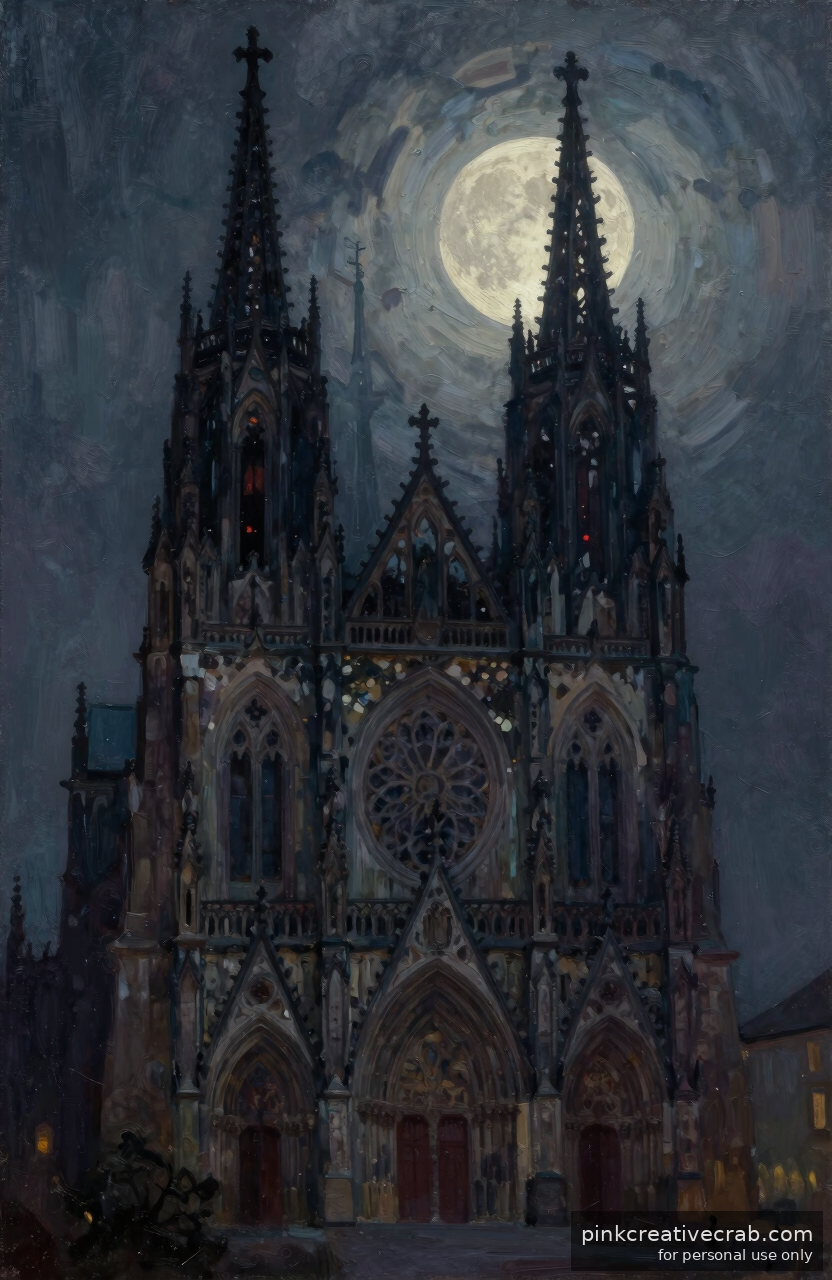
This Moonlit Gothic Cathedral Is Almost Too Dramatic to Be This Easy
A moonlit gothic cathedral sounds intimidating, but here’s the wonderful secret — you’re mostly painting darkness. The cathedral itself is just a silhouette, which means sharp edges and a steady hand matter far more than complicated detail. Beginners absolutely love this because the dramatic effect comes from contrast, not complexity.
Start with a deep, near-black background and build up lighter tones toward the moon. The stained glass windows are simply small rectangles dabbed with warm amber or violet. Additionally, those iconic pointed spires look stunning even when painted loosely. Celebrate every window you add — each one makes the whole piece feel more alive.
For smooth blending on that moody night sky, you’ll want quality brushes and slow-drying oils. However, even student-grade supplies create beautiful results here. Check out gothic cathedral oil painting supplies to get started without breaking your budget. You’ve totally got this.
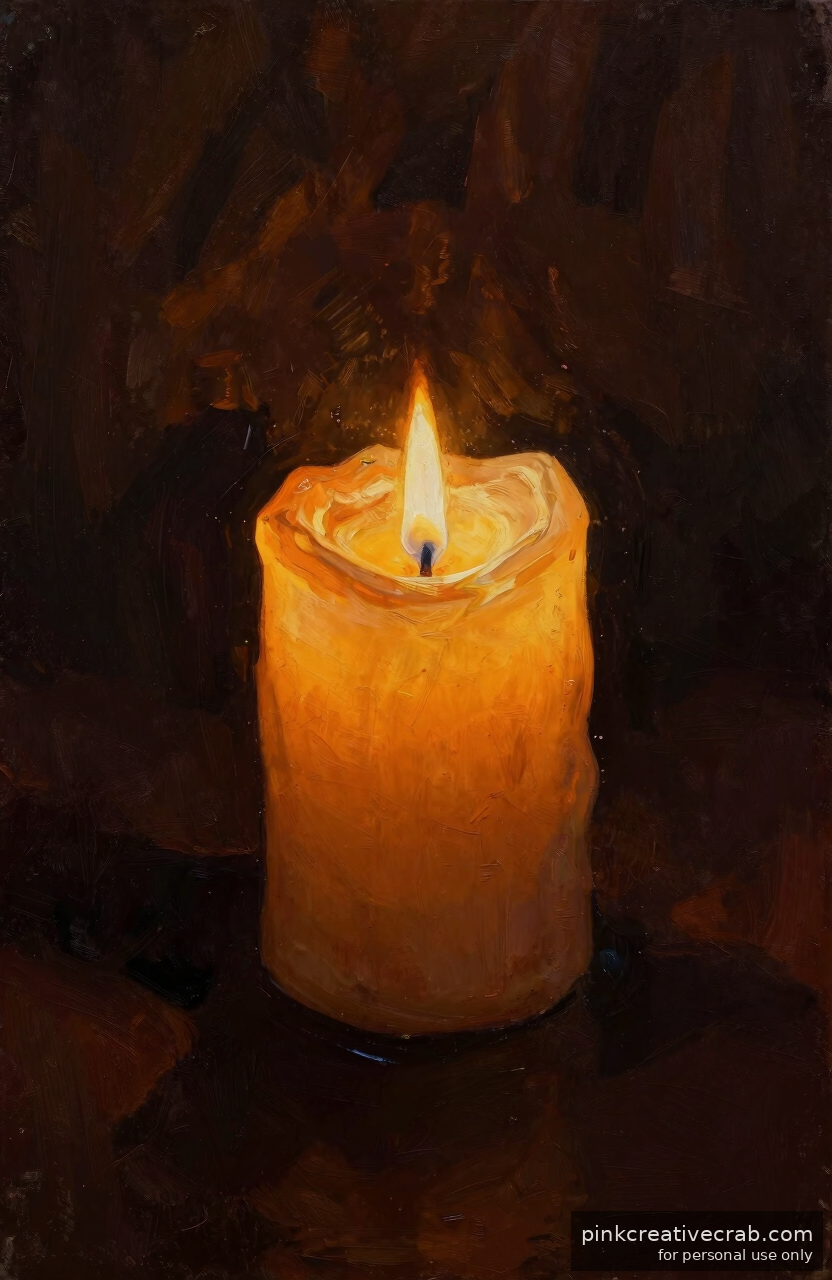
Why a Single Flickering Candle Makes the Most Satisfying Gothic Oil Painting
One candle. That’s genuinely all you need to create a gothic oil painting that stops people in their tracks. The beauty of this subject is that everything outside the flame lives in shadow, so you spend more time blending darkness than wrestling with difficult details. As a result, beginners often finish this piece feeling incredibly proud.
Start by painting your entire canvas a deep warm brown or charcoal grey. Then build the candle shape in the center — it’s just a rectangle with a small teardrop flame on top. Meanwhile, the real magic happens when you feather soft amber and gold outward from that tiny light source. Even imperfect blending looks intentional and atmospheric here.
For capturing that beautiful warm glow, cadmium yellow and burnt sienna are your best friends. Additionally, a soft fan brush helps create that gorgeous light-fade effect. Grab some candle glow oil painting supplies and watch how quickly this moody little masterpiece comes together.
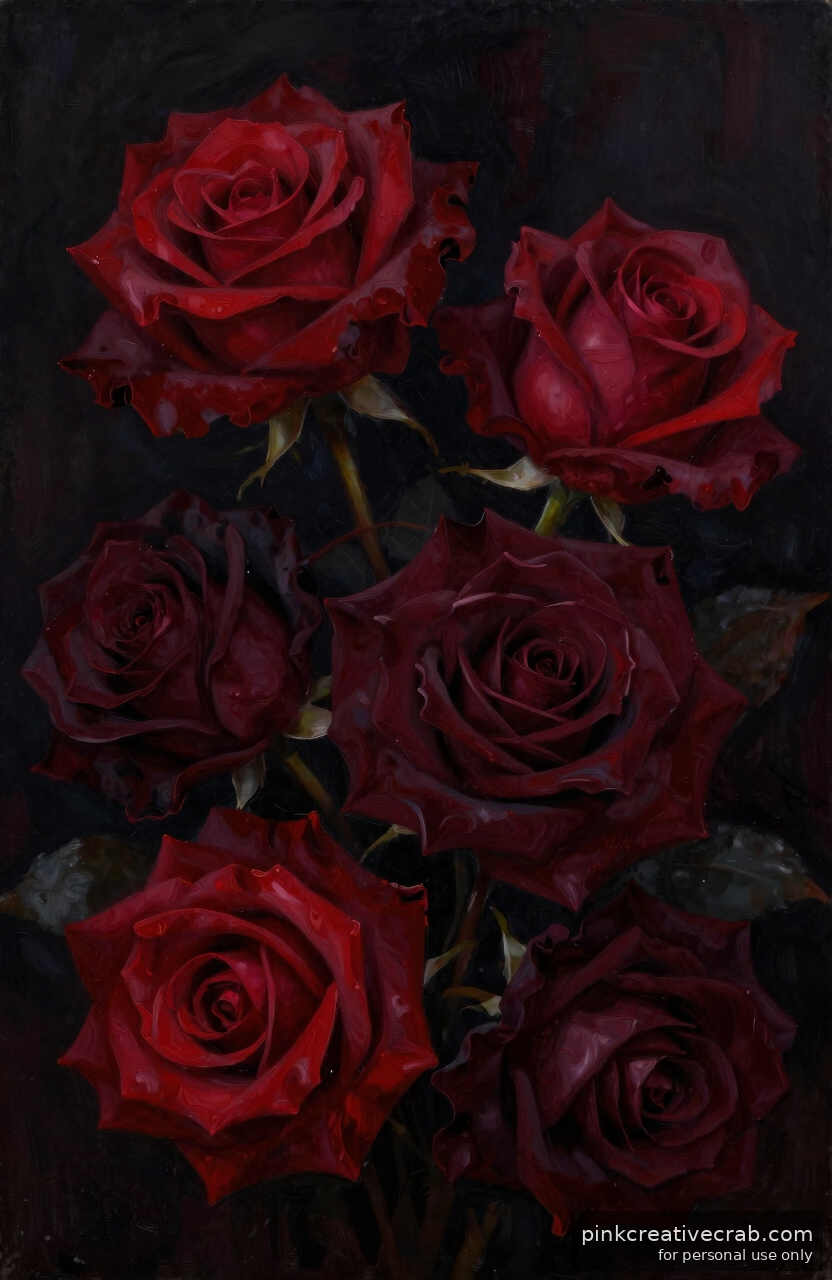
Roses in the Dark — the Moody Floral Everyone Will Think You Spent Weeks On
Dark, velvety roses against a near-black background are one of those paintings that look insanely difficult but are actually beginner-friendly. The deep shadows hide every brushstroke you’re unsure about, which is honestly such a confidence boost. Therefore, this moody floral is a perfect early project when you want stunning results without the stress.
Begin with a rich dark background — think deep burgundy or near-black mixed with a touch of violet. Build your roses using loose, curved strokes rather than trying to paint every petal perfectly. However, the looseness is the whole point. Overlapping warm reds, dusty pinks, and shadow purples creates that romantic, gothic depth naturally. If you want to explore how colors interact before diving in, the Color Mixing Guide: Everything You Need to Know is incredibly helpful.
For petals that feel lush and dimensional, a small filbert brush makes a huge difference. Additionally, slow-drying oils give you time to blend without rushing. Pick up some dark floral oil painting supplies and enjoy every single moody stroke.
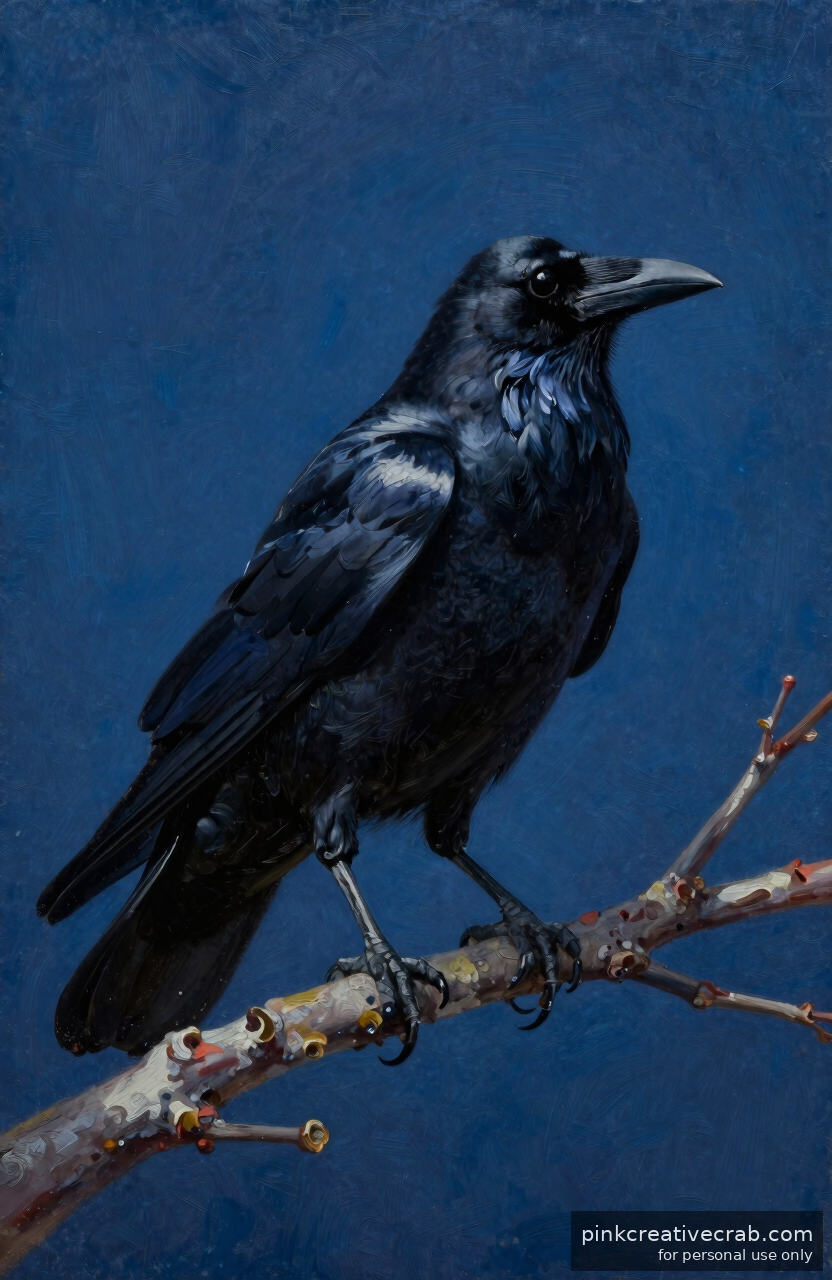
How a Few Simple Strokes Become a Stunning Raven on a Midnight Branch
Ravens are one of the most beginner-friendly gothic subjects out there, and most people are genuinely surprised by this. The bird’s body is mostly one deep, glossy black shape — so you’re really just adding highlights to suggest feathers rather than painting every single one. As a result, a raven on a bare midnight branch is achievable even in your very first oil painting session.
Sketch the basic oval body and branch lightly first. Then fill the raven with a rich black mixed with a touch of dark blue for that iridescent sheen. Meanwhile, a single thin highlight stroke along the wing edge brings the whole bird to life instantly. The bare branch beneath is just a few confident dark lines — loose and organic is perfect here. If you’re still getting comfortable with foundational drawing before you paint, the Pencil Drawing: Complete Beginner to Advanced Guide is a great confidence builder.
To achieve that glossy feather effect, raven oil painting beginner supplies with a good medium will help enormously. You’re going to love this one.
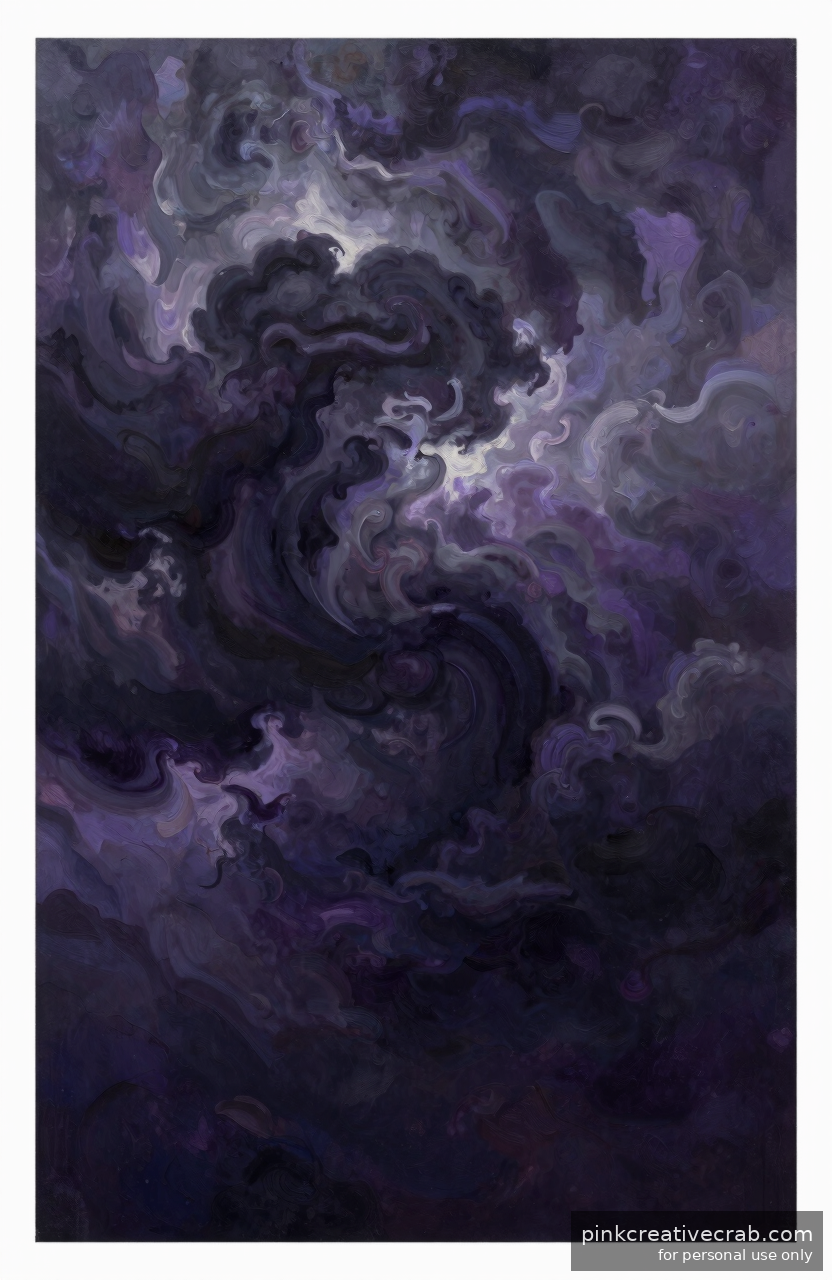
The Secret to a Perfect Gothic Sky Full of Stormy Clouds (Easier Than You Think)
Stormy gothic skies look wildly complex, but here’s the thing — clouds are forgiving. There’s no right or wrong shape, which makes this one of the most relaxing subjects a beginner can tackle. Additionally, the layered dark purples, steel blues, and charcoal greys practically do the dramatic work for you. Every blend looks intentional and atmospheric.
Work wet-into-wet for the best cloud effects, layering your darks first and then pulling lighter greys and muted whites through them with a soft brush. Swirling, circular motions create that turbulent, gothic energy beautifully. However, don’t overwork the paint — knowing when to stop is honestly the biggest skill here, and you’ll develop that intuition faster than you expect. For a deeper understanding of painting basics before you begin, the Art Fundamentals: Complete Guide to Drawing & Painting Basics is packed with useful guidance.
A large flat brush and a quality painting medium are your two best friends for this technique. Try some stormy sky oil painting supplies and enjoy the beautiful mess of it all.
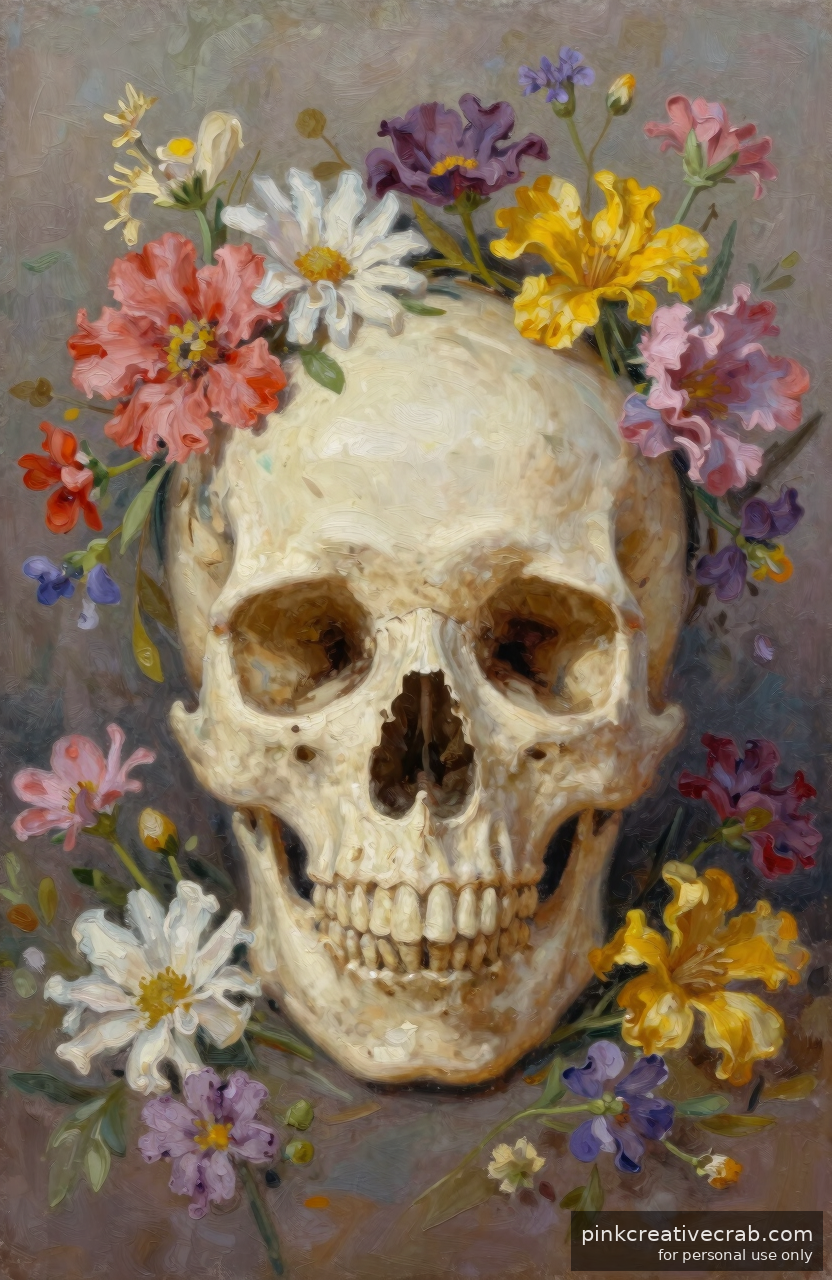
Dreamy Skull with Wildflowers That Belongs Absolutely Everywhere on Your Wall
A skull decorated with wildflowers sounds edgy, but the result is surprisingly soft and beautiful. This subject balances gothic mood with gentle botanical detail, making it one of those pieces that feels personal and totally unique. Moreover, the combination means beginner-friendly smooth shapes sit right next to loose, forgiving flower strokes — so there’s always something that’s easy to tackle next.
Paint the skull first in warm ivory and soft shadow tones rather than stark white — this keeps the whole piece feeling dreamy instead of harsh. Then tuck in small wildflowers around and through the skull using loose, confident little dabs of colour. Additionally, tiny forget-me-nots, poppies, or lavender sprigs work perfectly and don’t require precise detail at all. Every imperfect petal adds charm rather than taking anything away.
For that soft, luminous skull tone, titanium white blended with raw sienna creates a gorgeous warm ivory. Picking up some skull wildflower oil painting supplies will set you up beautifully for this dreamy project. Seriously, you’re going to want to paint multiples of this one.
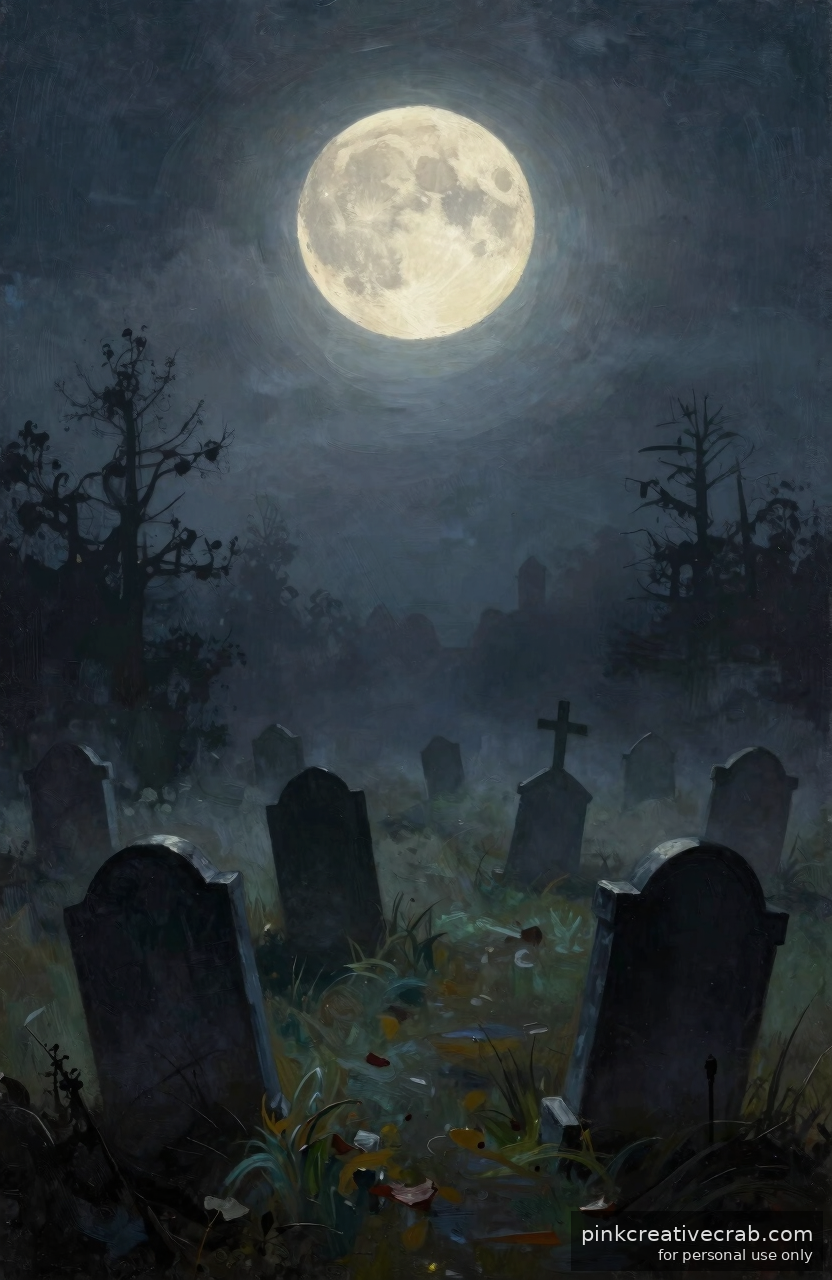
Paint a Glowing Full Moon Over a Misty Graveyard and Feel Like a Total Pro
This is the gothic painting that makes beginners feel like they’ve unlocked a superpower. A glowing moon over misty gravestones looks deeply atmospheric, yet each individual element is remarkably simple to paint. For example, gravestones are just rectangles with rounded tops, and mist is simply soft horizontal strokes of pale grey blended gently into the dark ground. Together, they create something genuinely breathtaking.
Start with that inky night sky and work your moon in first — a soft-edged circle of pale yellow-white with a warm glow halo around it. Then add your gravestones as dark silhouettes in the middle and foreground. Meanwhile, the mist layers over everything using a dry-brush technique that’s incredibly satisfying once you get the feel for it. If you’re curious about how oil compares to other mediums for atmospheric effects, the Acrylic vs Watercolor vs Oil vs Gouache: Which Medium Should You Choose? guide is really worth reading.
A good fan brush makes the mist effect almost effortless. Additionally, picking up a starter set of misty graveyard oil painting supplies means you can dive straight in tonight. This one will absolutely blow you away.
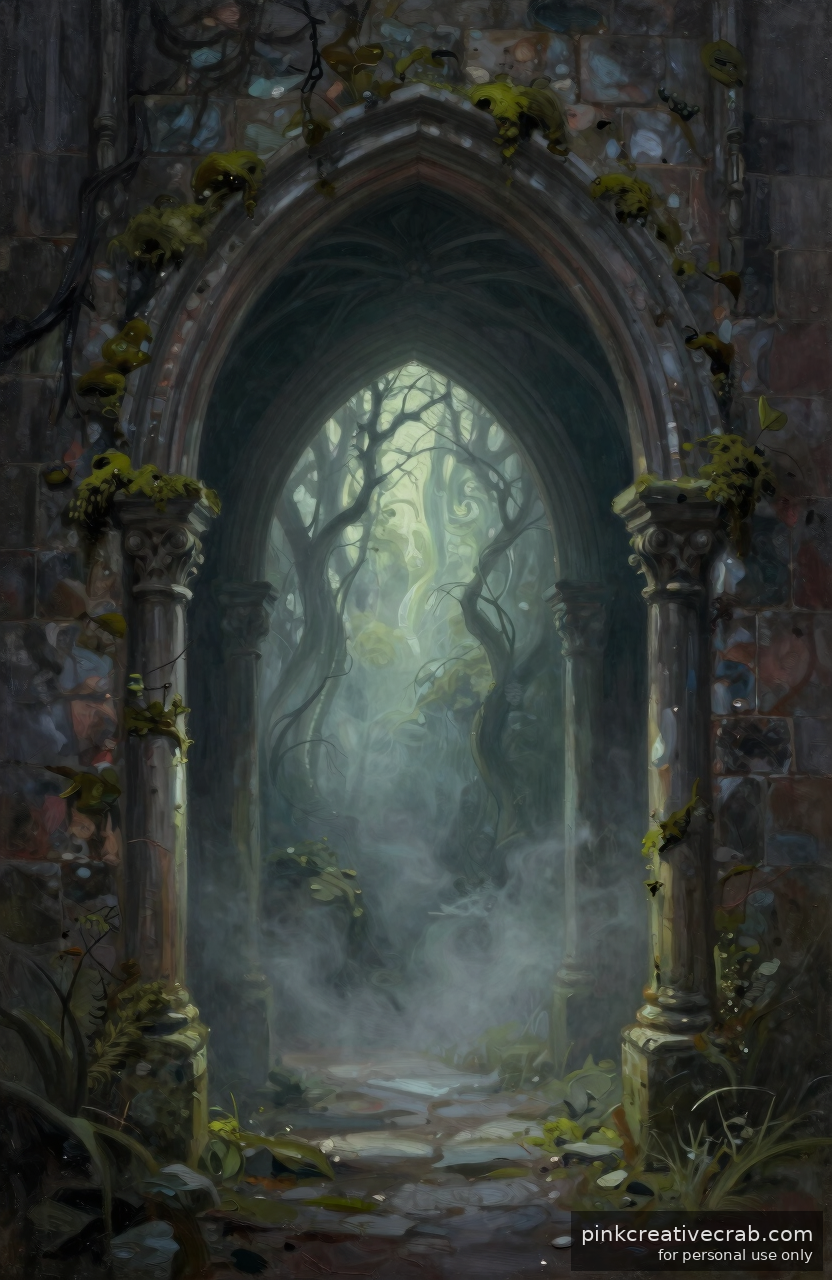
Nobody Will Believe You Painted This Haunted Gothic Archway as a Beginner
A crumbling stone archway draped in shadows sounds intimidating, but here’s the secret — it really isn’t! Gothic architecture is actually beginner-friendly because rough, imperfect edges make the painting look MORE atmospheric. Therefore, every little wobble in your stonework adds character instead of looking like a mistake. How wonderful is that?
Start with a dark background and build your archway using warm grays and muted greens for that aged, mossy feel. Additionally, adding a pale glowing light in the archway’s center creates instant drama. Simple value contrast does almost all the heavy lifting here.
For smooth blending on those moody shadows, a good brush set makes a real difference. Before diving in, understanding your tools helps enormously — check out this Art Supplies Glossary to get comfortable with the basics. Then grab these gothic architecture oil painting brushes to get started confidently.
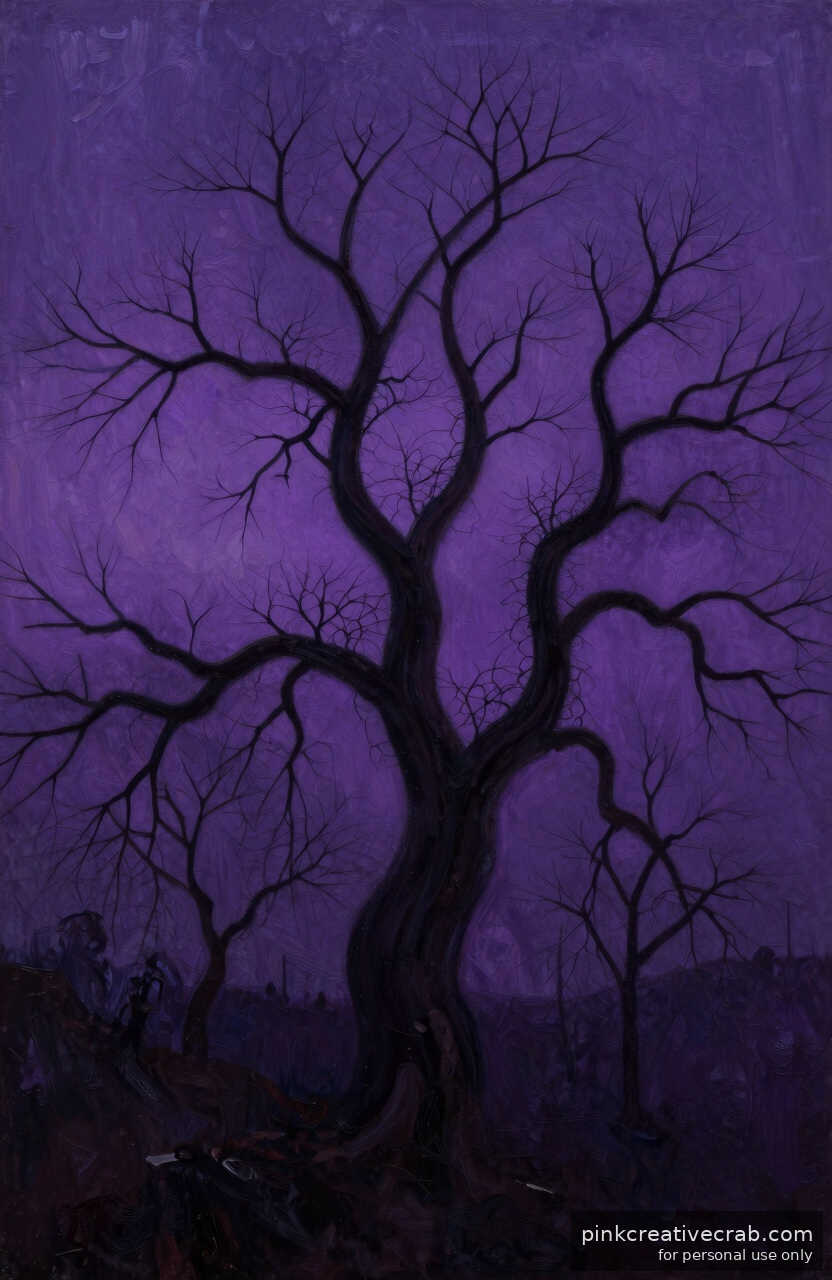
Twisted Bare Trees Against a Purple Dusk — So Gorgeous You Will Paint It Twice
Bare trees silhouetted against a glowing purple sky might just be the most satisfying gothic subject you will ever paint. The shapes are bold and simple, so beginners can absolutely nail this one. Meanwhile, the dramatic color contrast does the storytelling for you without any complicated detail work required.
Building your purple dusk is surprisingly fun — start with deep violet and layer soft pinks and blues wet-into-wet for that dreamy blended sky. However, the real magic happens when you paint those stark black branches last, scratching thin lines with a palette knife or the tip of a brush handle. Each branch feels like a tiny victory!
Getting those purples rich and moody requires understanding how colors mix and interact. The Color Mixing Guide: Everything You Need to Know is a fantastic resource before you begin. Meanwhile, picking up these purple dusk oil painting colors will set your palette up perfectly.
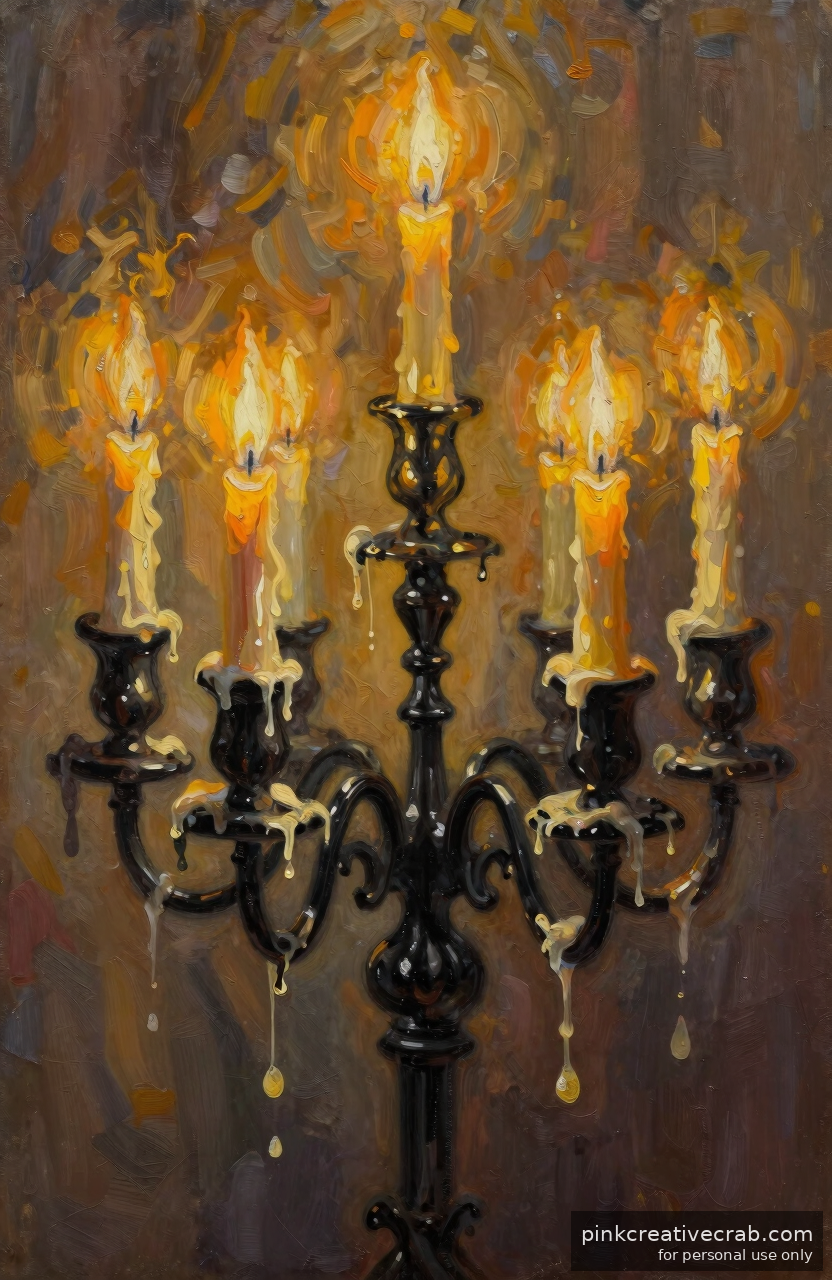
Meet the Melting Black Candelabra of Your Gothic Oil Painting Dreams
A tall black candelabra with dripping melted wax is one of those subjects that looks incredibly complex but is secretly very forgiving. Drips and imperfections are literally part of the design! Therefore, beginners can relax and enjoy the process because happy accidents only make the painting richer and more interesting.
Start by painting your candelabra as a simple dark silhouette shape first. Then, build up warm candlelight glows in amber and gold around each flame. Additionally, the dripping wax details come last — loose, organic strokes in creamy white and pale yellow create that gorgeous melted texture everyone loves.
Oil paint is absolutely perfect for this kind of rich, layered gothic subject. However, if you are still deciding whether oil is the right medium for you, the comparison guide Acrylic vs Watercolor vs Oil vs Gouache: Which Medium Should You Choose? will help you feel confident in your choice. These black candelabra oil painting supplies are a great starting kit.
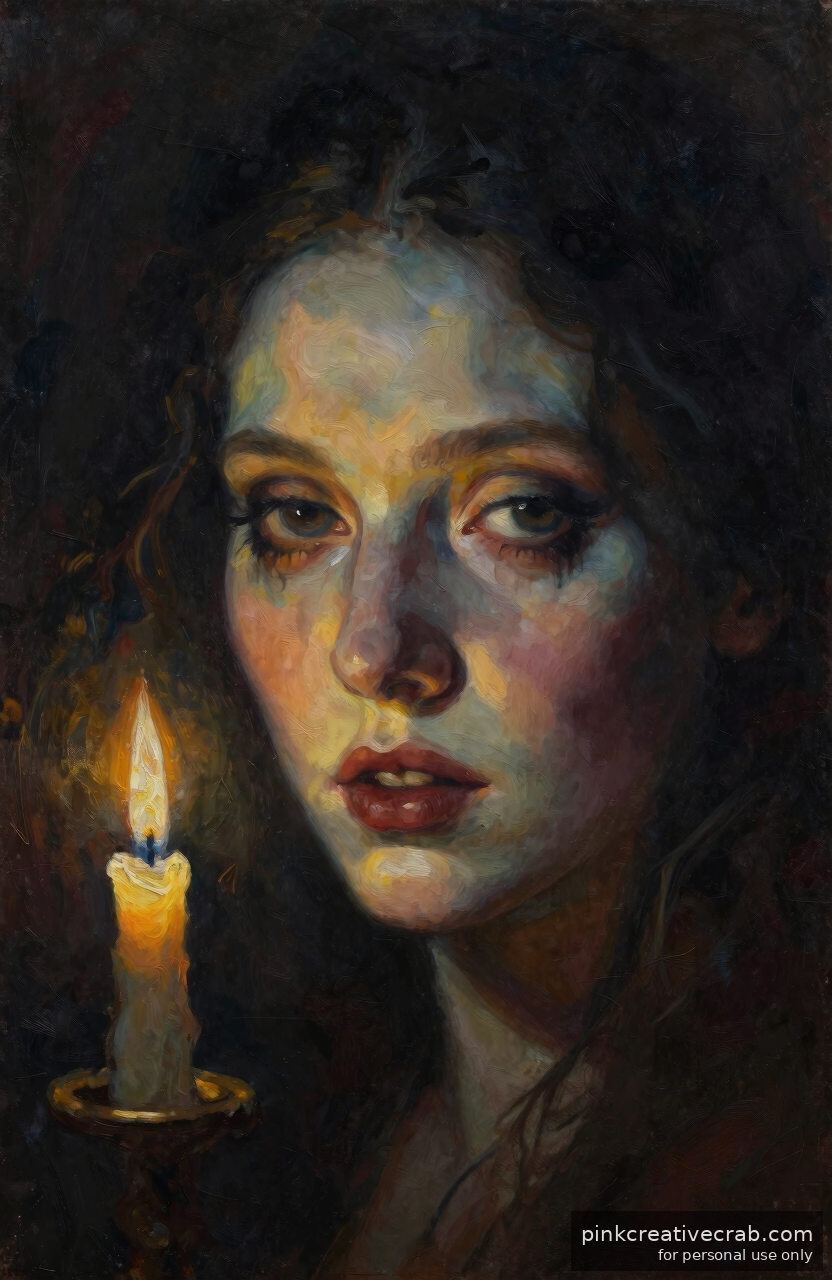
3 Layers of Dark Magic That Turn a Plain Canvas Into a Stunning Gothic Portrait
Building a gothic portrait in just three layers sounds almost too simple, but that is honestly the beauty of it. Layer one is your dark underpainting — a moody brown or deep green base that unifies everything beautifully. As a result, every color you add on top instantly feels rich and atmospheric without extra effort.
Layer two brings in your mid-tones, shaping the face or figure with warm shadows and cool highlights. Gothic portraits love contrast, so don’t be shy about dark darks and light lights. Meanwhile, the third layer is where all the delicious details come in — pale skin, dramatic eyes, and maybe a hint of candlelight catching a cheekbone.
Understanding fundamental art concepts makes this layering approach so much clearer and more intuitive. The Art Fundamentals: Complete Guide to Drawing & Painting Basics is genuinely helpful for beginners tackling portraits. For your layering work, these gothic portrait oil paints give you the perfect tonal range.
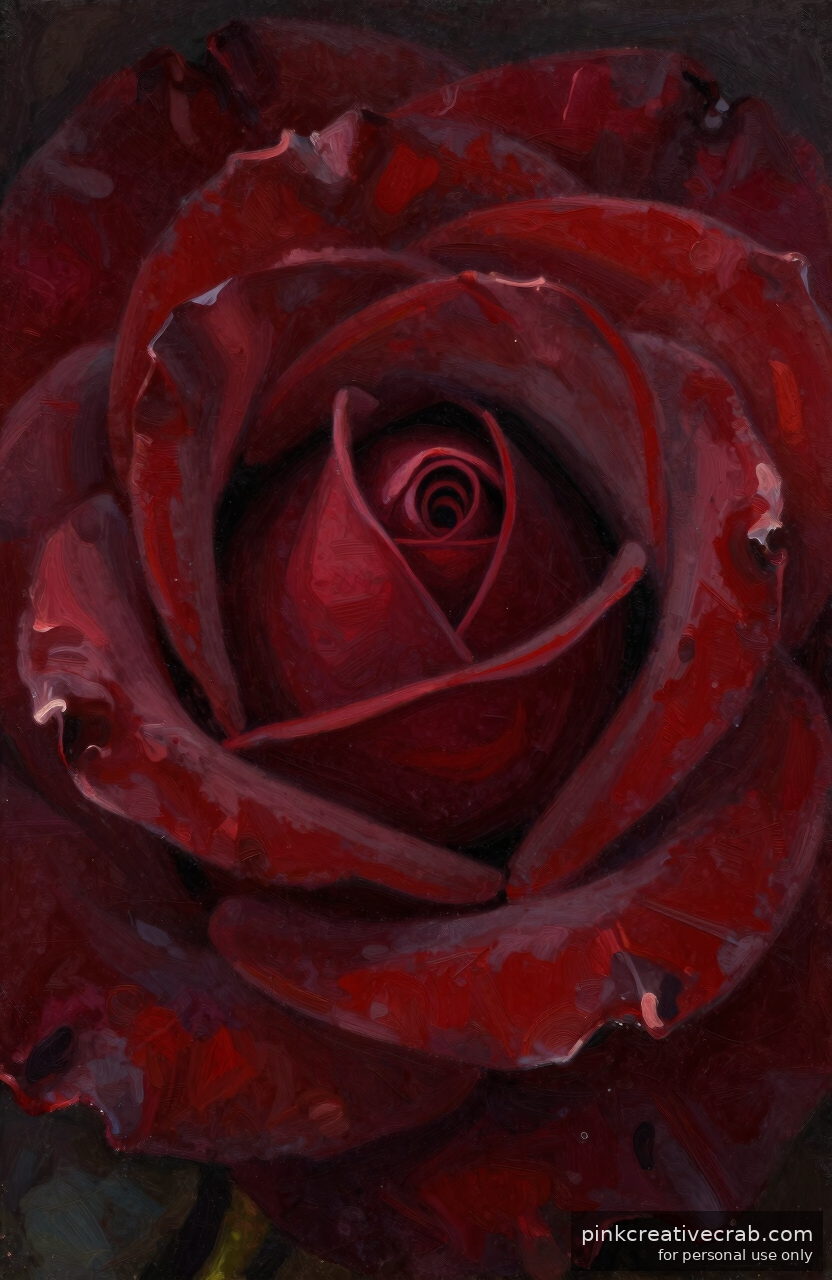
Irresistible Deep Red Gothic Rose Dripping with the Most Satisfying Texture
A deep crimson rose with rich, velvety petals and just a hint of darkness at the edges is genuinely one of the most rewarding things a beginner can paint in oils. The layered petal shapes are forgiving and organic, which means every brushstroke contributes to the overall beauty. Additionally, working wet-into-wet with oils creates those luscious blended edges that make a rose look effortlessly luxurious.
Building your rose starts with a dark burgundy base, then gradually lighting the petal curves with brighter reds and soft pinks. Meanwhile, leaving deep shadow pockets between petals creates that moody gothic depth everybody loves. A touch of near-black at the outer edges pulls the whole composition together dramatically.
Texture is everything in a painting like this, and the right tools make it genuinely fun to create. Before you begin, brushing up on your Pencil Drawing: Complete Beginner to Advanced Guide helps you sketch confident petal shapes first. Then these deep red gothic rose oil paints will make your rose absolutely sing.
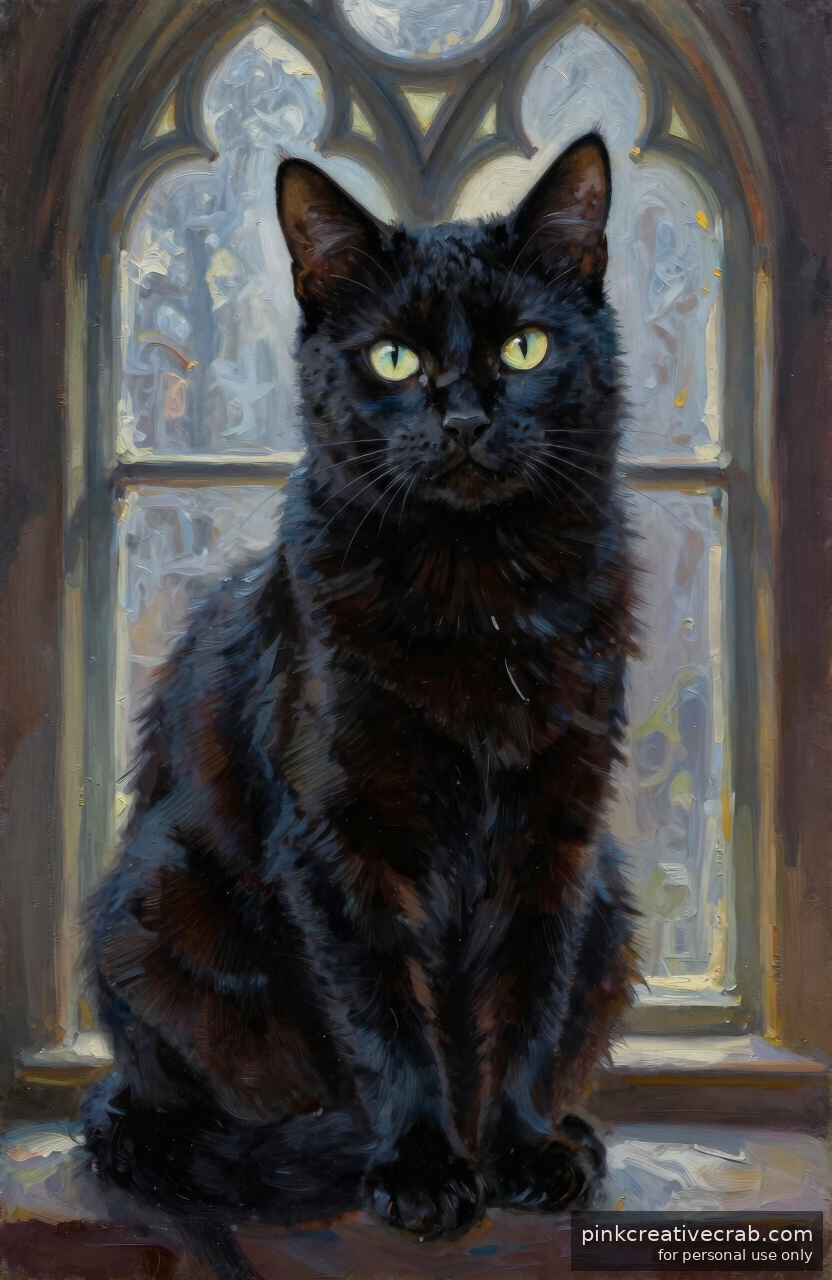
You Have Never Seen a Black Cat Look This Effortlessly Majestic in Oil
Painting a black cat sounds tricky because beginners often wonder — how do you paint something black? The wonderful answer is that you never actually use pure black at all! Instead, build your cat from deep blues, warm charcoals, and subtle purples, and suddenly that fur looks dimensional, alive, and absolutely breathtaking.
Gothic atmosphere comes naturally with a cat subject. Therefore, place your cat in a moody window setting with pale moonlight catching the fur along the spine and ears. That single light source does all the dramatic work for you, and the contrast feels genuinely striking even on a first attempt.
Capturing that gorgeous fur texture is easier with strong foundational drawing skills behind you. The Drawing Techniques Encyclopedia: 50+ Essential Methods has brilliant tips on rendering texture that translate beautifully into oil painting. For achieving that rich dimensional black fur effect, these cat portrait oil painting supplies are exactly what you need.
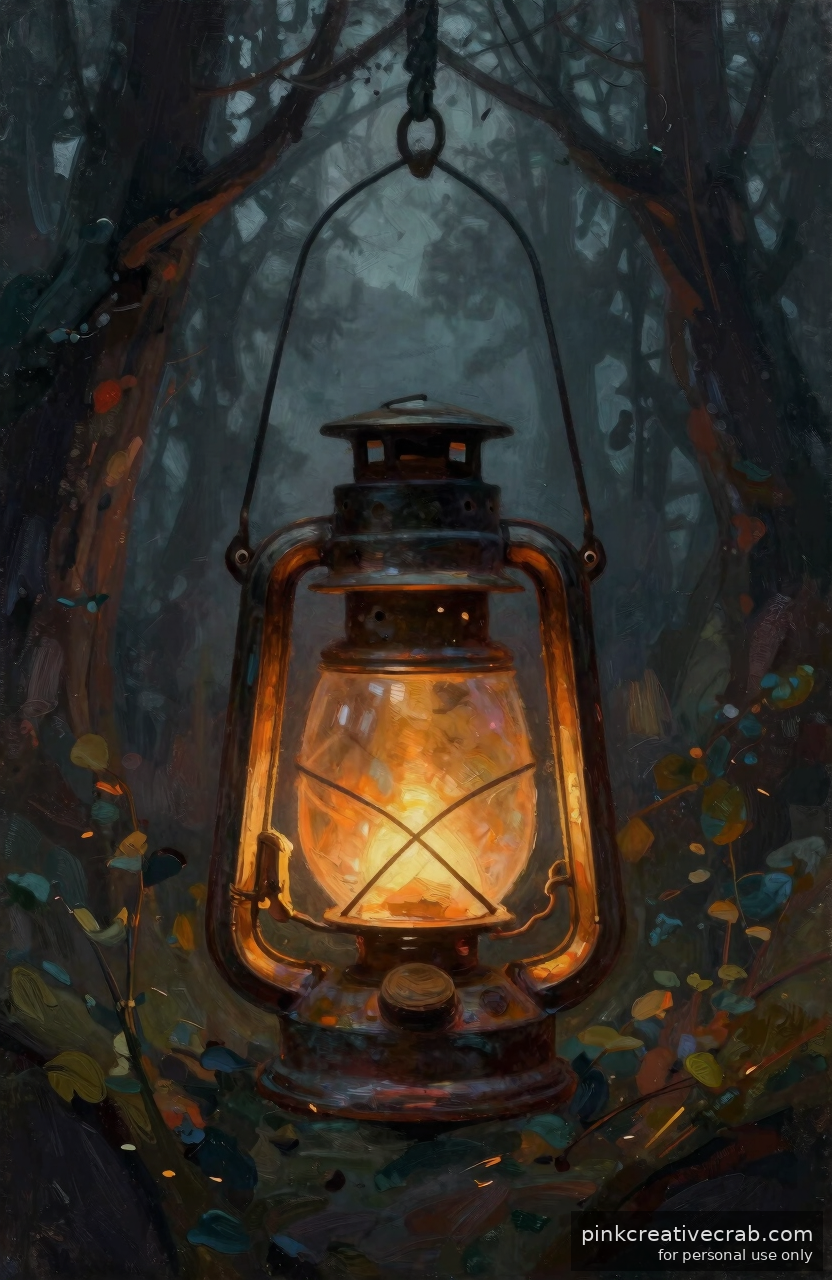
The Moody Lantern-Lit Forest Scene That Feels Like Painting a Fairy Tale
Imagine painting a dark forest where a single glowing lantern hangs between ancient trees, casting warm amber light into the misty darkness. This scene is pure gothic magic, and beginners absolutely love it because the foggy atmosphere hides a multitude of brushstroke imperfections beautifully. As a result, the hazier and dreamier your trees look, the more enchanting the whole painting becomes.
Start by painting the entire canvas in deep forest greens and blacks, then work backwards by adding the glowing lantern light as a warm golden halo. However, the real atmosphere comes from layering soft mist between the tree trunks using a dry brush technique with pale gray-greens. Additionally, keeping some edges soft and lost creates that fairy tale feeling instantly.
Oil painting is wonderfully suited to this kind of atmospheric depth and luminous glow. If you want to explore other mediums that also handle atmospheric scenes beautifully, the Watercolor Painting: The Ultimate Beginner to Advanced Guide is a lovely read. For your forest lantern scene, these atmospheric forest oil painting supplies will bring your fairy tale to life.
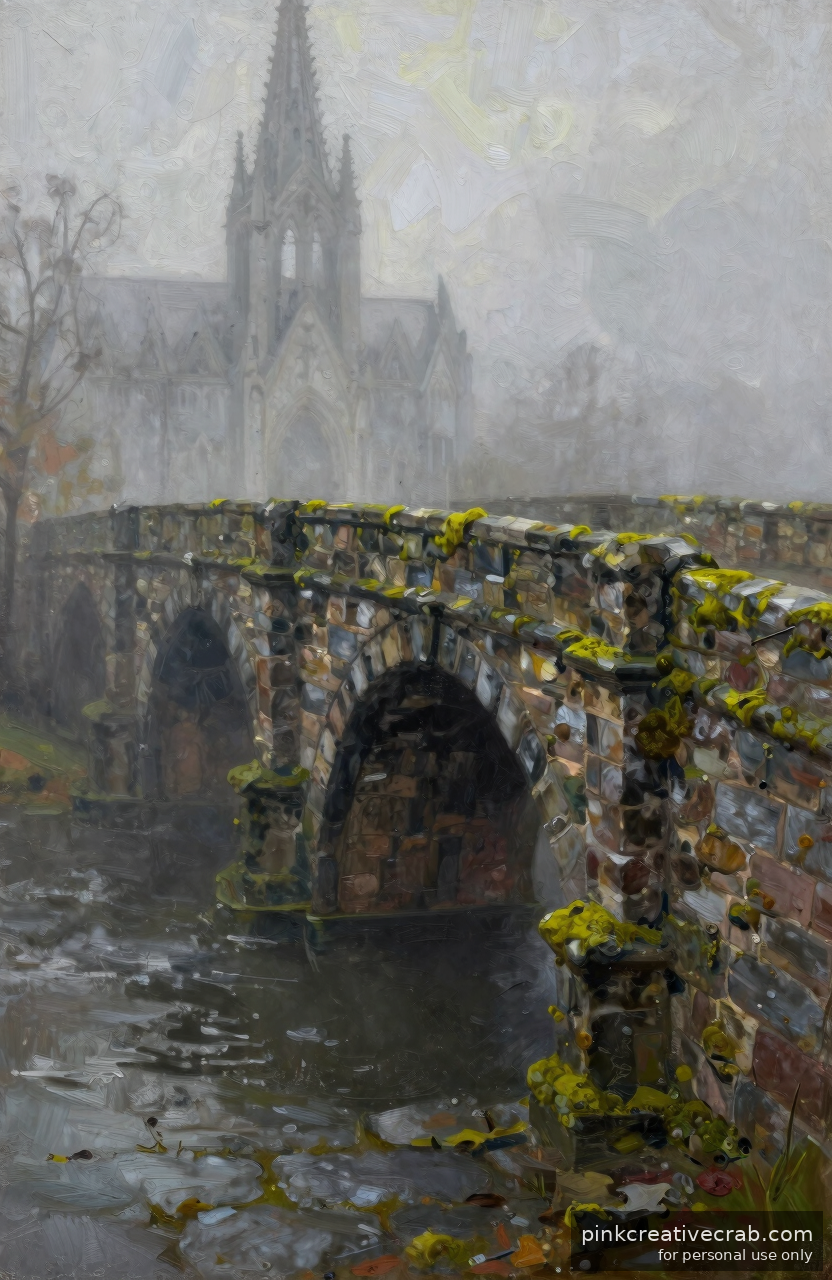
Fog Rolling Over a Gothic Stone Bridge Is the Most Magical Beginner Win Ever
Painting fog sounds complicated, but here’s the secret — it actually hides your mistakes! Soft, blurry edges are exactly what fog looks like, so beginners have a natural advantage here. A mossy stone bridge disappearing into silvery mist creates instant atmosphere without requiring perfect detail work.
Start with a cool grey-blue background and build your bridge with loose, confident strokes. Meanwhile, blend white into the lower sections while the paint is still wet — this creates that dreamy, dissolving effect automatically. You don’t need to overthink it. Additionally, small hints of green moss and dark stone peeking through the fog add just enough contrast to make the whole scene sing.
For smooth blending that makes fog look effortless, you’ll want quality soft brushes. Try these fan brushes for blending fog effects — they’re affordable and genuinely make a difference. Before you begin, check out our Color Mixing Guide for mixing those perfect moody greys.
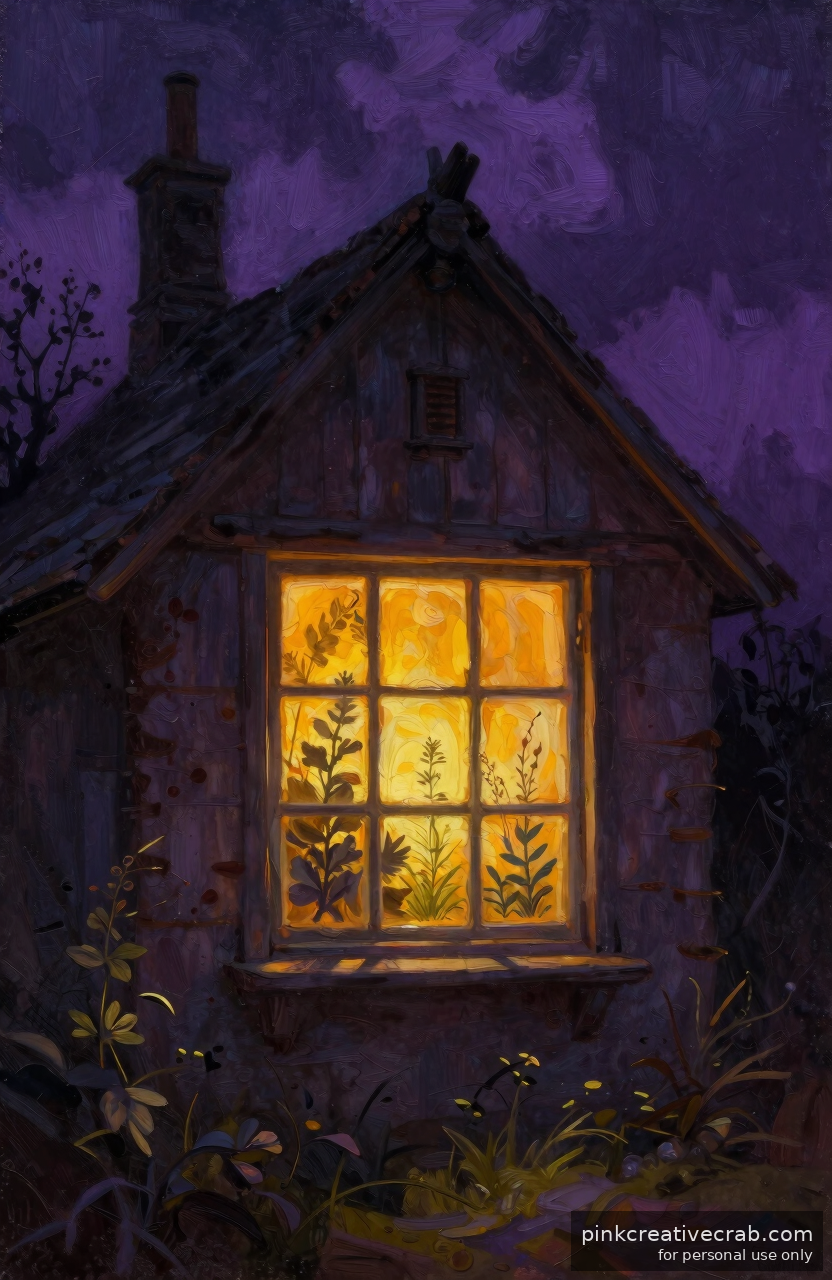
Cozy Witch Cottage Window That Makes Dark Aesthetics Feel Like a Warm Hug
Gothic doesn’t have to feel cold or scary — this project proves it completely! A candlelit cottage window glowing amber against a stormy purple sky is one of the most satisfying beginner subjects you can choose. The contrast between warm interior light and dark exterior creates drama almost automatically.
Start by painting your dark stormy background first. Then, add a golden rectangle for the window glow and let that warmth radiate outward using soft blending strokes. For example, dabbing yellow into dark purple creates a gorgeous natural halo effect. Small details like silhouetted herb bundles or a black cat inside make the scene feel lived-in and magical without requiring advanced skill.
Having the right starter supplies makes this cozy project even more enjoyable. These beginner oil painting sets include everything you need to get started today. Also, our guide on Art Fundamentals covers light and shadow basics that’ll make your glowing window absolutely shine.
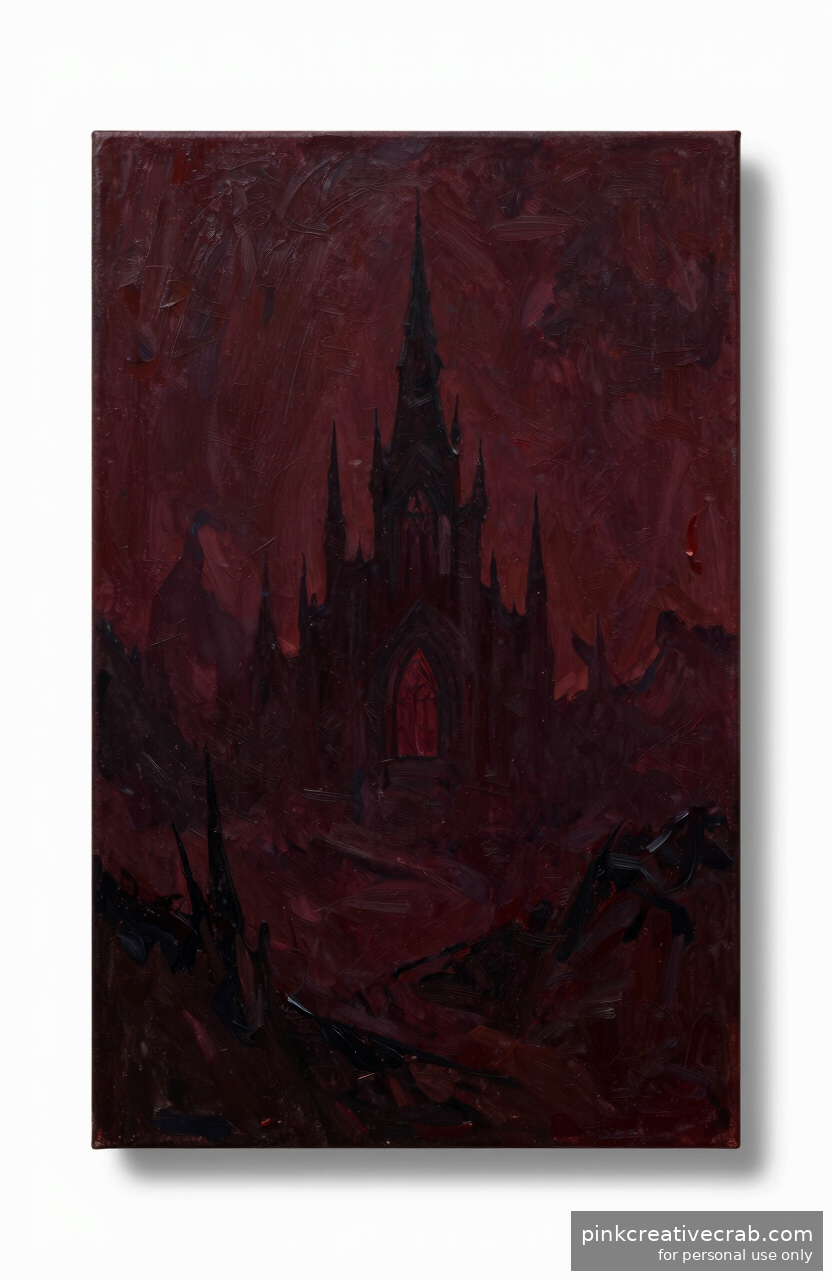
How One Deep Burgundy Underpainting Transforms Every Gothic Oil Painting You Make
Here’s a game-changing technique that professional painters use constantly — and it’s surprisingly beginner-friendly! A deep burgundy underpainting creates a rich, moody foundation that makes every color you layer on top feel darker, more dramatic, and intensely gothic. Even simple subjects suddenly look like they belong in a Victorian museum.
Thin your darkest red-brown paint with medium and cover your entire canvas. Allow it to dry partially, then start painting your subject on top. As a result, any thin areas will glow with that deep red warmth underneath, creating natural depth without extra work. Additionally, leaving small patches of burgundy visible in shadowed areas ties your whole painting together beautifully.
Underpainting works best with quality oil painting mediums that speed drying slightly. Try these oil painting mediums for beginners to get the right consistency. Meanwhile, if you’re still deciding whether oil painting is your medium, our painting mediums comparison guide breaks everything down in the friendliest way possible.
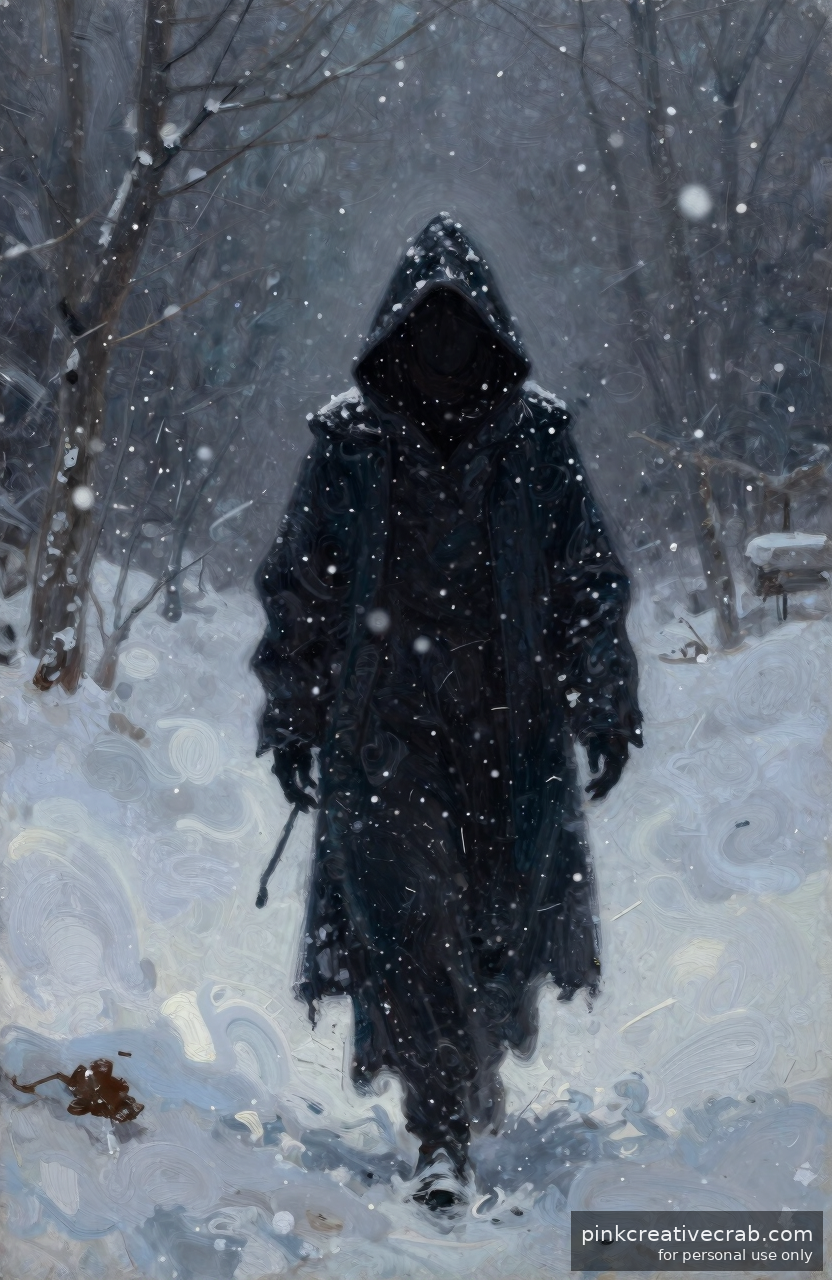
Mysterious Hooded Figure in a Snowstorm — Surprisingly Effortless and Completely Stunning
A lone cloaked figure walking through swirling snow sounds ambitious, but honestly — it might be the most forgiving beginner painting ever! Snow is essentially white paint flicked and dabbed freely across a dark background. The stormy atmosphere means edges stay soft and loose, which is perfect when you’re still building confidence.
Paint a deep grey-blue sky first, then add your dark hooded silhouette using simple, bold shapes. No facial details are needed — the mystery is the whole point! However, the real magic happens when you spatter and dab white paint for snowflakes. Varying dot sizes creates instant depth and movement. Therefore, this technique rewards playfulness over precision, which makes it genuinely fun.
A good rigger or detail brush helps create that cloaked figure with confident single strokes. These detail brushes for oil painting are fantastic for clean silhouette edges. Additionally, if you want to strengthen your drawing foundations before painting, our Pencil Drawing Guide is a wonderful warm-up resource.
Final Thoughts
You have just discovered 18 incredible doorways into the world of gothic oil painting, and the best part? Every single one of them is waiting for you to begin right now. Dark, moody art has this magical ability to make beginners look incredibly skilled, and that is not a trick — that is just the honest beauty of the style.
Therefore, do not overthink your first canvas. Pick the idea that made your heart beat a little faster when you read the title, gather your supplies, and trust yourself. Additionally, remember that every layer of dark paint you add is a small win worth celebrating. Gothic oil painting rewards patience, and even your very first attempt will surprise you.
Most importantly, keep going. Your next painting will be better than your last, and the one after that will be better still. This community of moody, dramatic, wonderfully dark art is so happy to have you in it — now go make something hauntingly beautiful.
Frequently Asked Questions
What oil paints do I need to start gothic oil painting as a beginner?
You really only need a handful of colors to begin. Start with ivory black, titanium white, burnt umber, deep violet, and a rich crimson. These five shades cover almost every gothic scene imaginable. Additionally, a medium like linseed oil helps thin your paint for smooth blending. Winsor & Newton Winton oils are a fantastic affordable starting point.
Do I need expensive supplies to create gothic oil paintings?
Absolutely not — gothic painting is surprisingly budget-friendly because dark palettes require fewer paint colors overall. Therefore, a student-grade oil set works beautifully for beginners. However, investing in one good fan brush for blending dark skies makes a noticeable difference. For example, canvas boards are far cheaper than stretched canvases and perfect for practice pieces.
How long does it take for gothic oil paintings to dry?
Oil paint dries slower than acrylics, which is actually wonderful news for beginners. However, drying time depends on paint thickness and the colors used. For example, thin dark layers can feel dry to the touch within one to three days. Therefore, working in thin glazes speeds up your process considerably. Additionally, alkyd mediums can shorten drying time without sacrificing that rich, luminous gothic finish.
Can I do gothic oil painting on black canvas?
Yes, and honestly it is one of the most exciting shortcuts for beginners. Starting on a pre-toned black canvas eliminates the intimidating white glare and instantly creates gothic atmosphere. Therefore, your highlights become the painting rather than the darks. Additionally, pre-gessoed black canvases are widely available and inexpensive. As a result, you spend less time building darks and more time adding beautiful moody details.
Is gothic oil painting suitable for absolute beginners with no experience?
It is genuinely one of the most beginner-friendly styles you can choose. The dark backgrounds hide imperfect edges, and moody lighting means precise details are not required. However, starting with simple subjects like candles, moons, or bare trees builds confidence quickly. Additionally, gothic aesthetics celebrate texture and imperfection, so your learning strokes actually add character. Therefore, every mistake becomes part of the magic.
Have any thoughts?
Share your reaction or leave a quick response — we’d love to hear what you think!
-
 0
0 -
0
-
0
-
0
-
0
-
0


