⭐ Key Takeaways
✦ Starting with simple single blooms builds confidence faster than complex arrangements — small wins matter!
✦ Layering paint slowly and letting each section dry prevents muddy colors, which is the number one beginner mistake.
✦ Loose, impressionistic brushwork actually looks more beautiful than rigid detail work — so relax and enjoy the process!
Oil painting flowers is honestly one of the most joyful things a beginner can try — and yes, that includes you. There is something almost magical about watching a simple blob of paint slowly become a soft, glowing petal on your canvas. It feels like a little miracle every single time.
However, a lot of beginners assume flowers are too complicated to tackle early on. That could not be further from the truth! Additionally, flowers are incredibly forgiving subjects — loose brushstrokes and imperfect edges actually add charm and life to your work. Therefore, whether you have never picked up a brush before or you have dabbled a little, these 24 ideas are here to meet you exactly where you are. For example, you might start with a single daisy and end up painting a whole garden. Get ready to fall completely in love.
Table of Contents
- This Single Sunflower Is Almost Too Pretty to Be This Easy
- Why Loose Peonies Are the Most Satisfying Thing You Will Paint Today
- Meet the Wildflower Meadow of Your Cottagecore Dreams
- Soft Lavender Stems So Dreamy You Will Want to Frame Them Immediately
- The Secret to Painting Perfect Rose Petals (It Is Easier Than You Think)
- Nobody Will Believe You Painted These Gorgeous Tulips Yourself
- How a Few Simple Strokes Become a Stunning Daisy on Canvas
- Cozy Autumn Chrysanthemums That Feel Like a Warm Hug in Paint Form
- The Dreamy Oil-Painted Magnolia That Belongs Straight on Your Living Room Wall
- Irresistible Poppy Fields That Beginners Can Actually Pull Off
- Paint a Lush Hydrangea Cluster and Watch Your Confidence Explode
- Every Beginner Needs to Try This Effortless Impressionist Flower Bowl
- Blush Ranunculus So Beautiful They Look Like They Came From a Florist
- You Have Never Seen a Simple Pansy Look This Absolutely Gorgeous
- Stunning Cherry Blossoms on Dark Canvas — Easier Than You Ever Imagined
- 5 Brushstrokes Are All You Need for This Magical Cosmos Flower
- The Oil Painting Flowers Technique That Makes Every Petal Glow
- Moody Dark Roses That Make You Feel Like a Professional Artist Immediately
- Cheerful Sunflower Bundles That Will Brighten Your Day and Your Wall
- Forget Perfection — This Whimsical Wildflower Spray Is Pure Joy to Paint
- Silky Iris Blooms That Prove Oil Paint Is Your New Best Friend
- How to Paint Delicate Baby’s Breath Without Losing Your Mind
- Golden Hour Dahlias So Warm and Rich They Almost Glow Off the Canvas
- Grab Your Brush — These Loose Garden Roses Are Calling Your Name
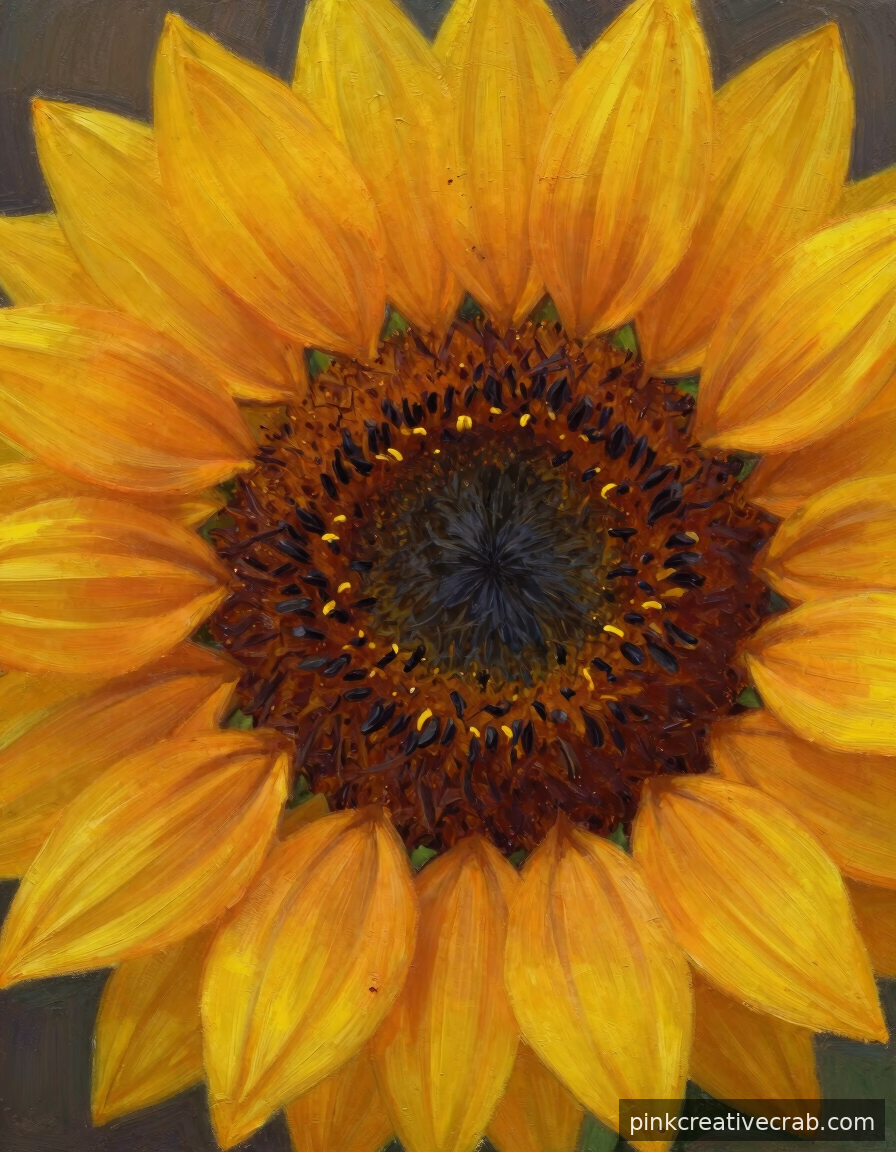
This Single Sunflower Is Almost Too Pretty to Be This Easy
Sunflowers are honestly one of the best first flowers to paint in oil. Their bold shape is forgiving, their colors are warm and cheerful, and even loose brushwork looks intentional. You do not need perfect technique here — just enthusiasm and a willingness to play.
Start with a simple circle for the center, then build your petals outward one at a time. Each petal is just a single confident stroke. Additionally, working wet-on-wet lets the yellows and oranges blend beautifully without much effort. Therefore, do not overthink it — just load your brush and go for it!
For smooth blending and rich color, good brushes make a real difference. Check out these oil painting brushes for beginners to set yourself up for success. Also, if you are still choosing your medium, the guide Acrylic vs Watercolor vs Oil vs Gouache: Which Medium Should You Choose? is a fantastic starting point.
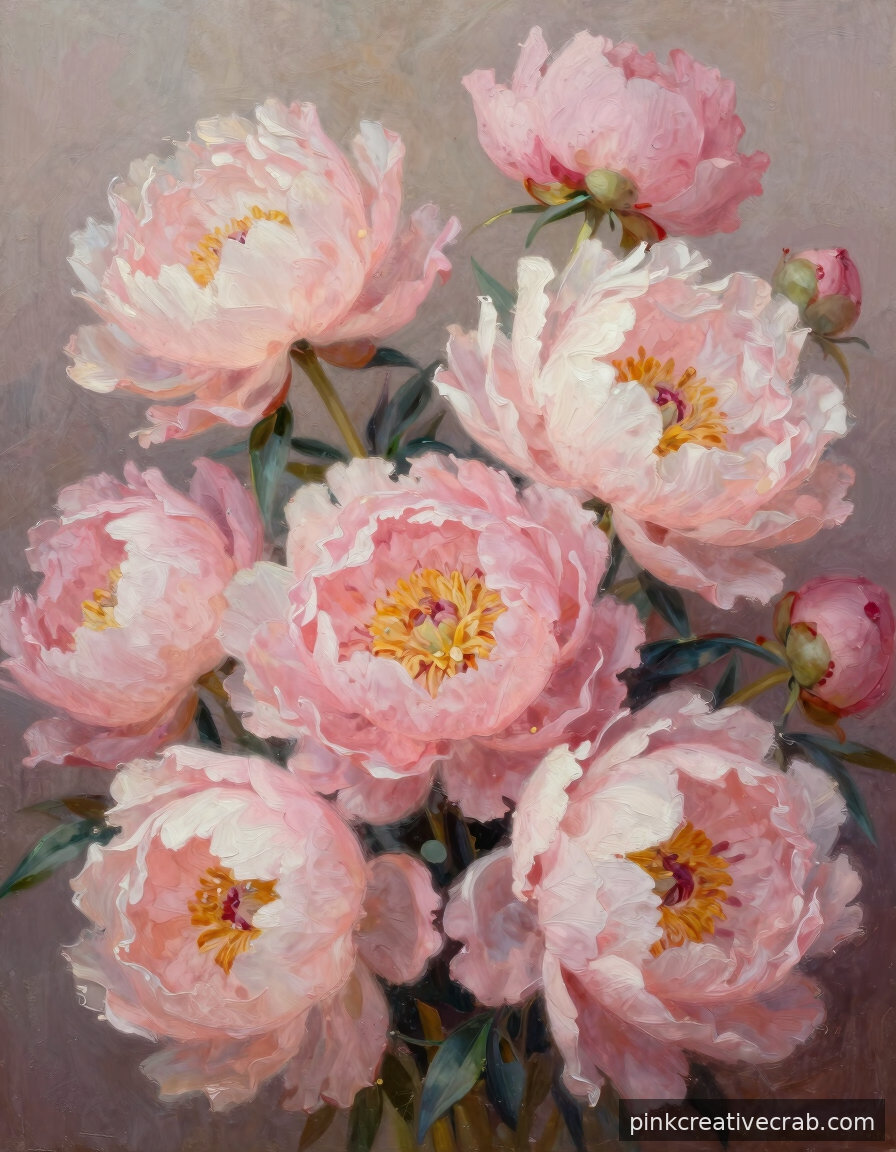
Why Loose Peonies Are the Most Satisfying Thing You Will Paint Today
There is something almost magical about painting peonies in oil. Their fluffy, layered petals look complex, however the secret is that loose, impressionistic strokes actually work better than careful detail. Imperfection is genuinely part of the charm here.
Begin with a soft blob of your base pink, then layer lighter and darker values on top. Meanwhile, do not try to paint every single petal — suggest them instead. A few curved dabs of pale pink against a deeper rose tone instantly reads as a lush, romantic bloom. As a result, your painting feels fresh and alive rather than stiff.
Color mixing is everything with peonies, so building that skill early pays off beautifully. The Color Mixing Guide: Everything You Need to Know will help you create gorgeous petal tones with confidence. For your supplies, these oil paints for beginners give you a wonderful range of pinks and whites to work with.
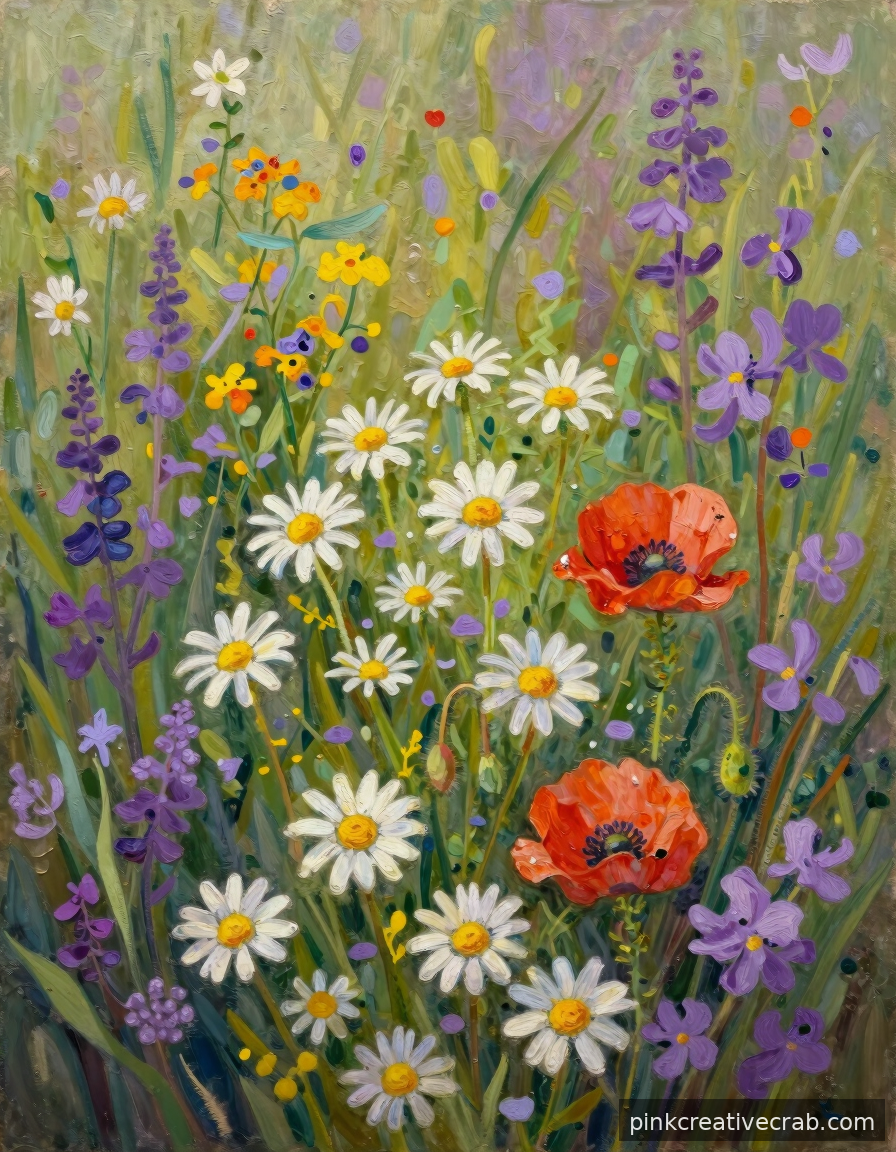
Meet the Wildflower Meadow of Your Cottagecore Dreams
A wildflower meadow painting feels ambitious, but here is the wonderful truth — it is actually very beginner-friendly. Because wildflowers are naturally varied and irregular, there is no such thing as a mistake. Every wonky stem and wobbly petal adds to the charm of the piece.
Start with a simple background wash of soft greens and blues. Then, using small flicks and dabs, build up your flowers from the background forward. Additionally, vary your colors freely — purples, whites, yellows, and pinks all live happily together. For example, tiny dots of bright yellow instantly suggest chamomile or buttercups without any careful drawing required.
Having a solid foundation in art basics truly helps when composing a scene like this. The Art Fundamentals: Complete Guide to Drawing & Painting Basics is a wonderful resource to bookmark. Meanwhile, a good palette knife set for oil painting can help you create beautiful textured wildflower effects effortlessly.
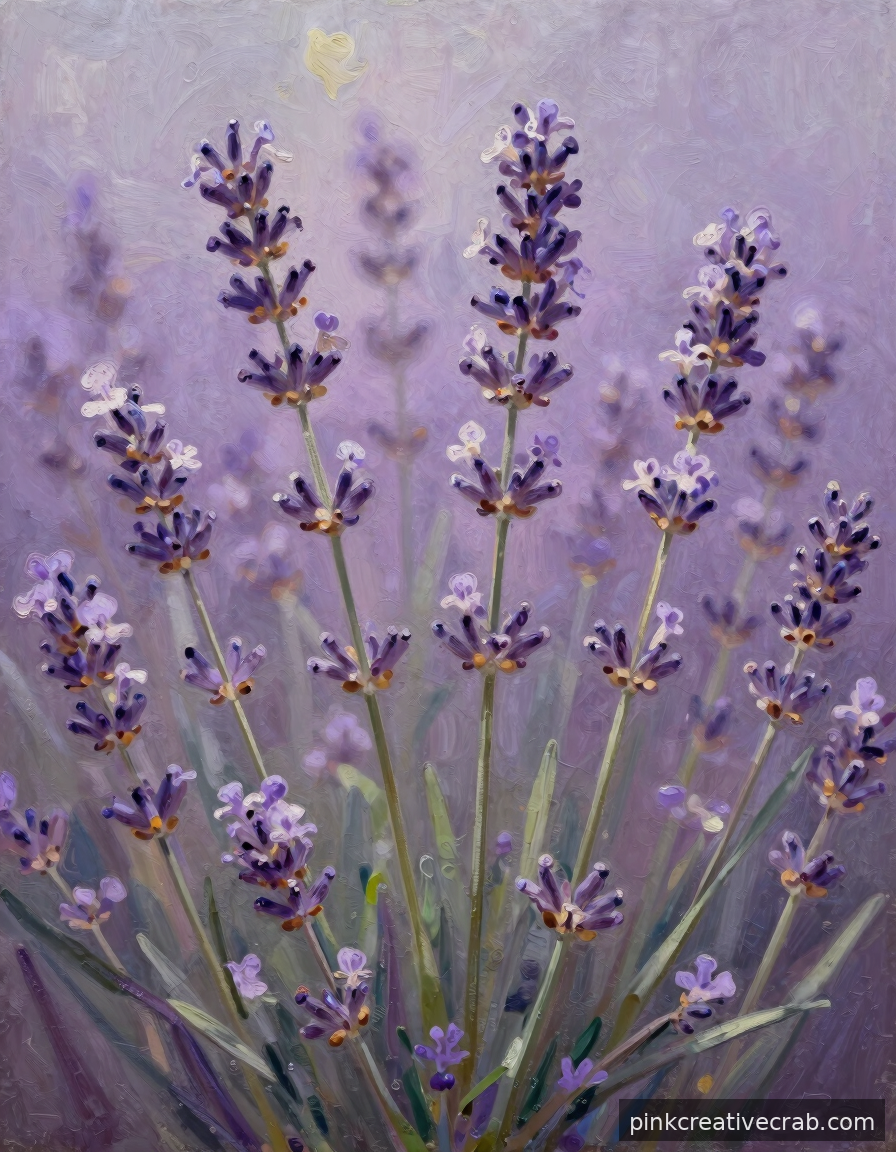
Soft Lavender Stems So Dreamy You Will Want to Frame Them Immediately
Lavender is one of those subjects that looks stunning with very little effort. The key is working in soft, feathery strokes that mimic the natural texture of the stems. Additionally, the limited color palette — purples, greens, and a warm neutral background — keeps things beautifully simple and cohesive.
Begin by painting your stems in a warm earthy green. Then, using a small filbert brush loaded with purple, tap tiny clusters of color along each stem. Do not press too hard — a light touch creates that gorgeous, airy lavender texture effortlessly. Meanwhile, letting your background show through the flower clusters adds wonderful depth.
Framing your finished lavender painting is absolutely worth it — these make gorgeous wall art pieces. However, first you will want great supplies to work with. These oil painting canvas panels for beginners are affordable and perfect for practicing botanical subjects. Also, if you enjoy exploring different art styles, the Watercolor Painting: The Ultimate Beginner to Advanced Guide shows how lavender translates beautifully in another medium too.
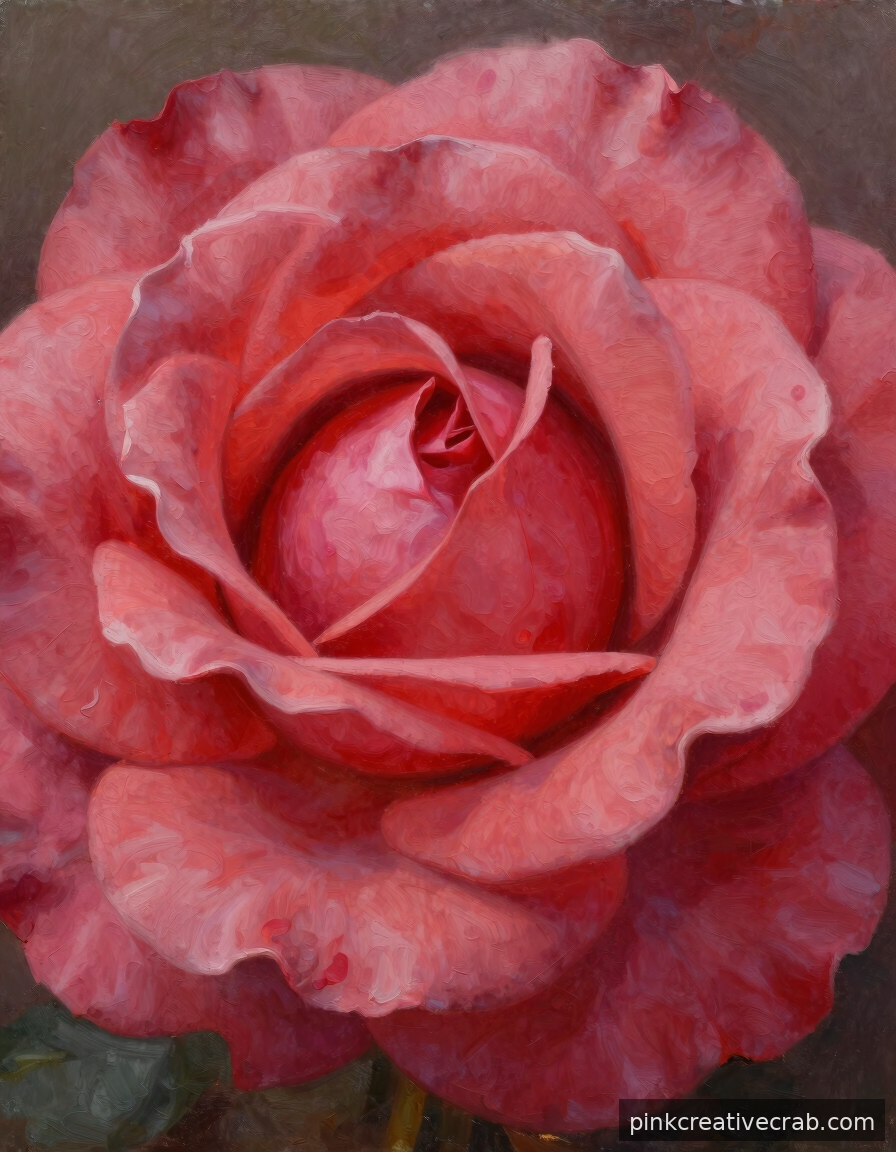
The Secret to Painting Perfect Rose Petals (It Is Easier Than You Think)
Roses have a reputation for being difficult, but that reputation is honestly a little unfair. The secret is thinking of each petal as a simple curved shape rather than trying to replicate a photograph. Once you shift that mindset, everything clicks into place and becomes genuinely enjoyable.
Start from the center of the rose and work outward. Each inner petal is a small tight curve, while outer petals open up wider and more relaxed. Additionally, varying your paint pressure creates natural light and shadow without overcomplicating things. Therefore, trust the process — a few layered strokes build up into something that looks impressively realistic.
Understanding how light and shadow work on curved surfaces is a game changer for roses. The Drawing Techniques Encyclopedia: 50+ Essential Methods covers shading concepts that apply beautifully to painting too. For the richest, most blendable rose tones, try these professional oil paint tubes in reds, pinks, and crimsons.
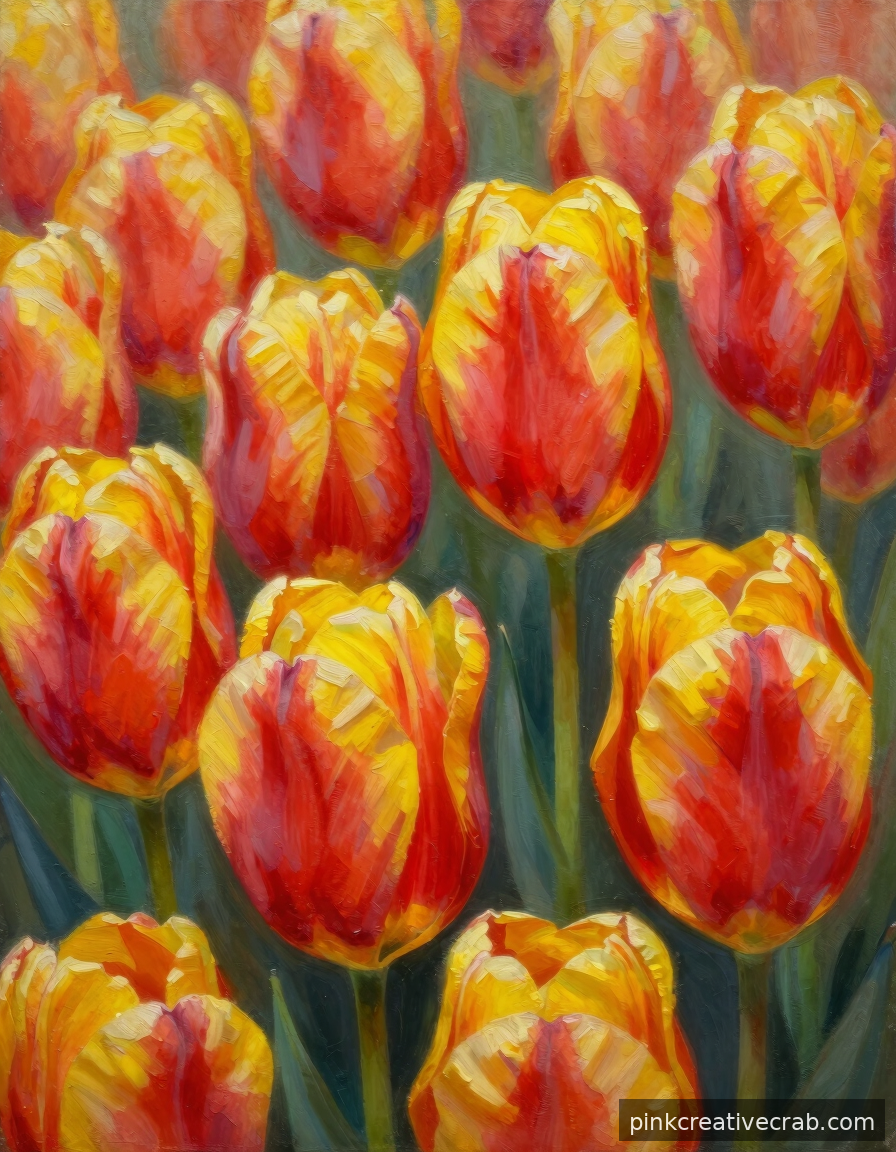
Nobody Will Believe You Painted These Gorgeous Tulips Yourself
Tulips are secretly one of the most beginner-friendly flowers you can tackle in oil. Their smooth, simple petals have clean edges and gentle curves that are easy to follow. However, the finished result always looks elegant and accomplished — which makes them incredibly satisfying to paint.
Choose two or three tulips in complementary colors for a classic composition. Start by blocking in the main shapes with bold color, then refine the edges while the paint is still wet. As a result, wet-on-wet blending gives your petals that gorgeous soft gradient that looks difficult but happens almost automatically. Additionally, a simple dark background makes your tulips pop dramatically.
Getting comfortable with color relationships will take your tulip paintings to the next level. The Color Mixing Guide: Everything You Need to Know is full of practical tips you will use every time you paint. For a complete starter setup, these oil painting starter kits include everything you need to paint gorgeous tulips right away.
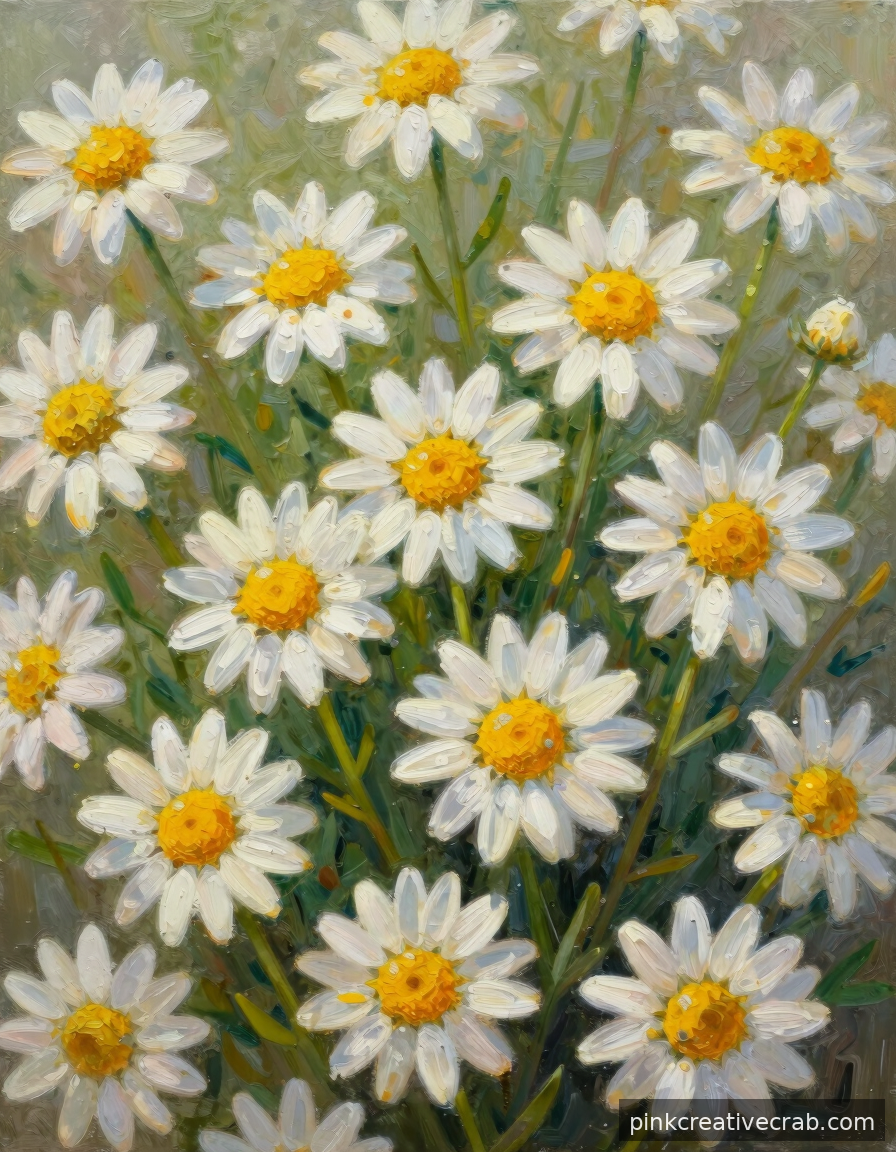
How a Few Simple Strokes Become a Stunning Daisy on Canvas
Daisies are the perfect flower for building real confidence as a beginner painter. Each petal is just one simple stroke — pull from the outside toward the center and you are done. Therefore, even on your very first try, you end up with something that genuinely looks like a daisy. That little win feels amazing.
Start with your yellow center as a loose circle. Then, using a flat brush loaded with white paint, add each petal with a single pull stroke. Additionally, varying the angle and pressure slightly on each petal makes the daisy feel natural and lively rather than mechanical. Meanwhile, a soft blurred green background adds depth without requiring any extra skill.
Building strong foundational skills makes every flower subject easier and more enjoyable over time. For example, the Pencil Drawing: Complete Beginner to Advanced Guide helps you understand form and structure that directly improves your painting. These oil painting brushes in flat and round shapes are ideal for creating those clean, confident daisy strokes.
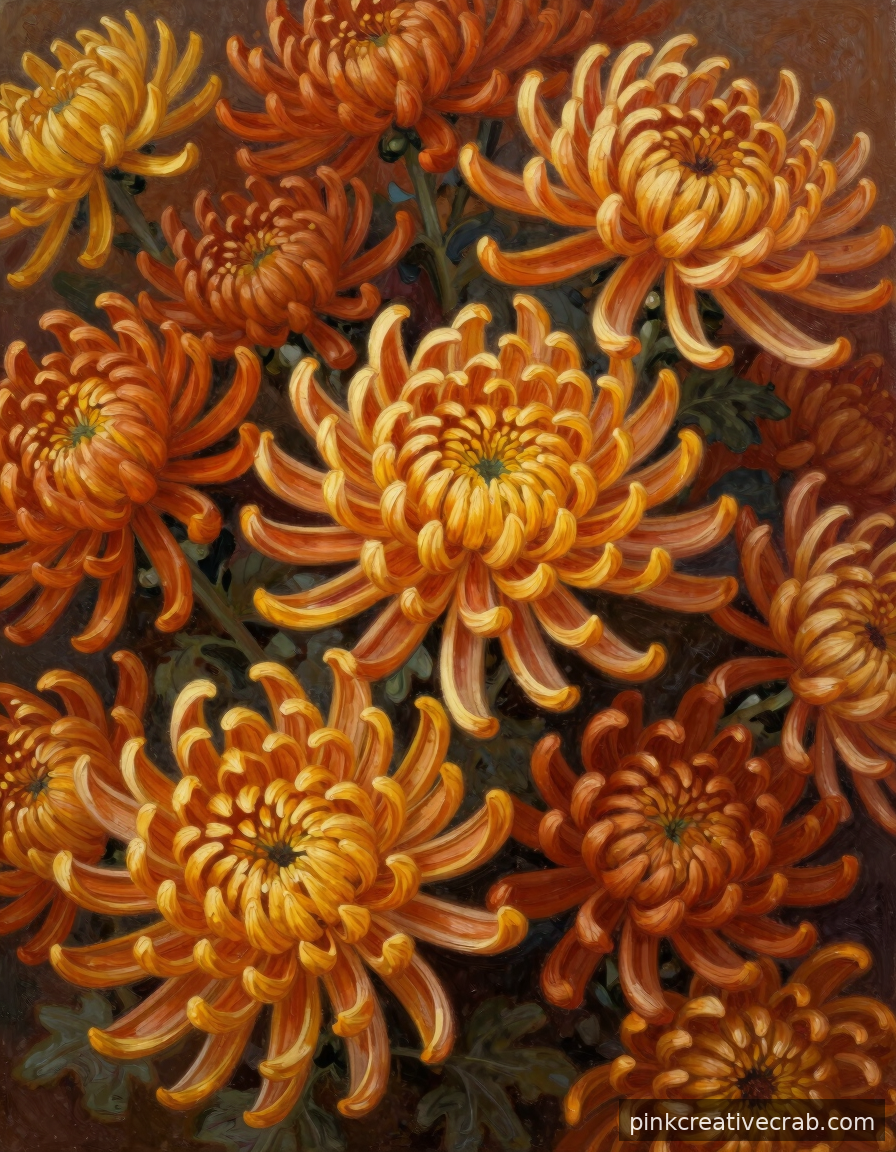
Cozy Autumn Chrysanthemums That Feel Like a Warm Hug in Paint Form
Autumn chrysanthemums are honestly one of the best flowers for beginners. Their petals layer outward in a beautiful, forgiving pattern, so small imperfections just disappear into the texture. Additionally, the warm oranges, rusts, and golds of fall mums are incredibly easy to mix and blend, even on your very first try.
Start with a dark background to make those warm tones glow. Then simply dab and stroke your petals outward from the center, working light over dark as you build. Meanwhile, don’t stress about making every petal perfect — the looseness is what gives your painting that cozy, painterly charm beginners love.
For smooth blending and rich autumn color, you’ll need good brushes and quality paints from the start. Check out these oil painting starter sets for beginners to get everything you need in one easy kit.
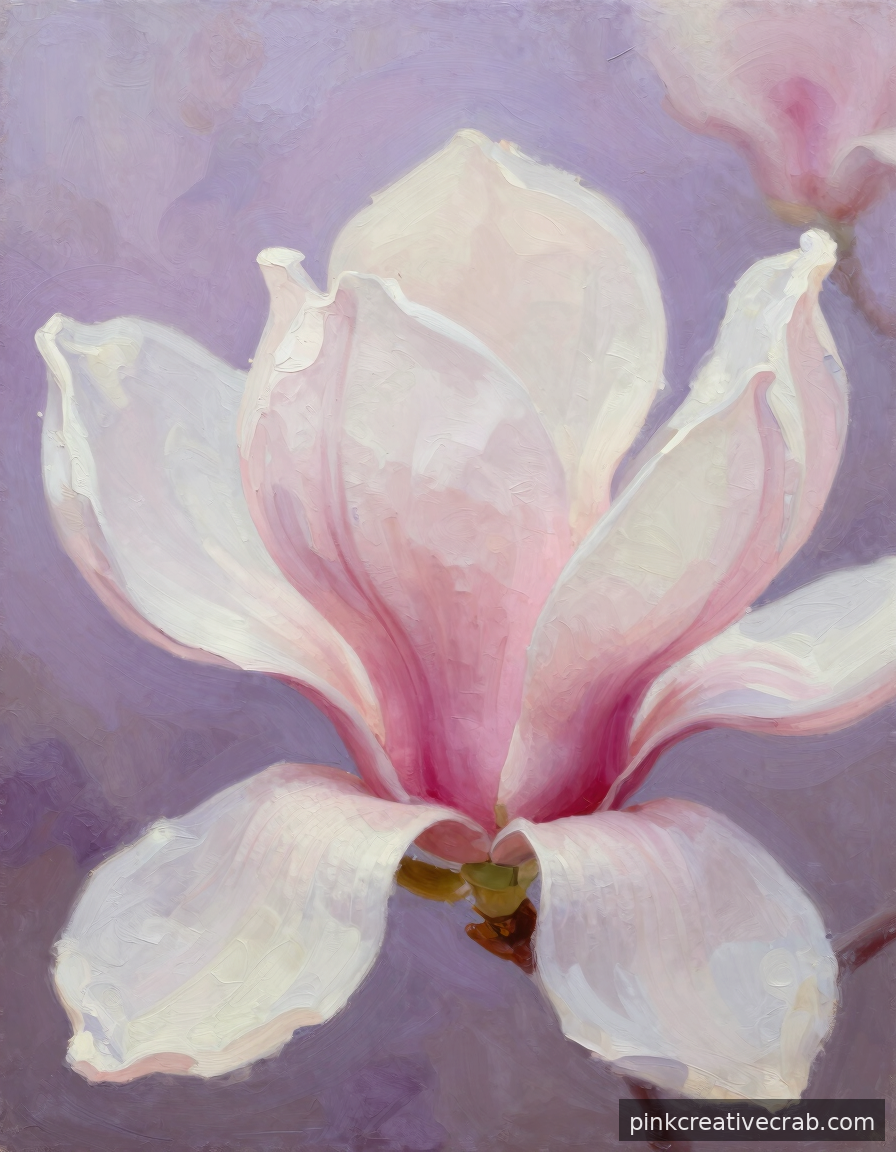
The Dreamy Oil-Painted Magnolia That Belongs Straight on Your Living Room Wall
Magnolias have this natural elegance that makes any painting look sophisticated — and here’s the exciting secret: they are surprisingly beginner-friendly. Their large, simple petals give you plenty of room to practice smooth blending without getting overwhelmed by tiny details. Therefore, this is one of those subjects where your painting genuinely looks impressive from day one.
Focus on creamy whites and soft pinks, letting your brush follow the curve of each petal. However, don’t forget those beautiful shadows in soft lavenders and cool grays — they’re what gives your magnolia that dreamy, dimensional look. As a result, even a loose interpretation reads as polished and gallery-worthy.
Having the right palette of soft, blendable colors makes all the difference here. These white and soft tone oil paints are perfect for getting that luminous magnolia glow every beginner is chasing.
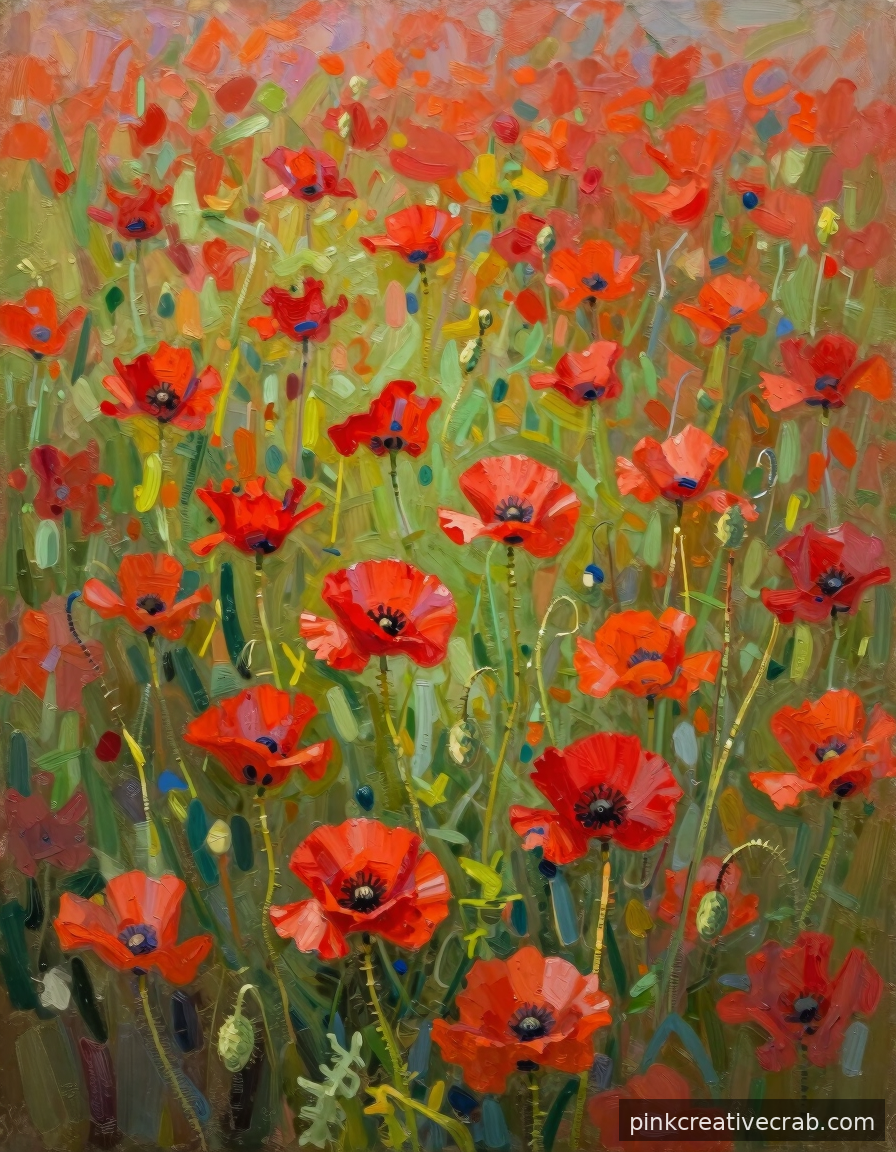
Irresistible Poppy Fields That Beginners Can Actually Pull Off
A poppy field painting feels ambitious, but honestly it is one of the most forgiving compositions you can choose. The loose, impressionistic style means your brushstrokes don’t need to be precise — they need to be energetic and free. Additionally, working with bold reds against soft green fields creates instant visual drama that makes your painting look intentional and alive.
Start by blocking in your background colors first and let them dry slightly. Then dot and stroke your poppy heads in, varying sizes and heights naturally. Meanwhile, a few dark centers added with a small round brush will bring the whole scene together beautifully. For extra help understanding color relationships, the Color Mixing Guide: Everything You Need to Know is a fantastic resource to bookmark.
For painting loose, expressive fields like this, flat and filbert brushes are your best friends. Grab a set of oil painting brushes for beginners and get ready to have a blast.
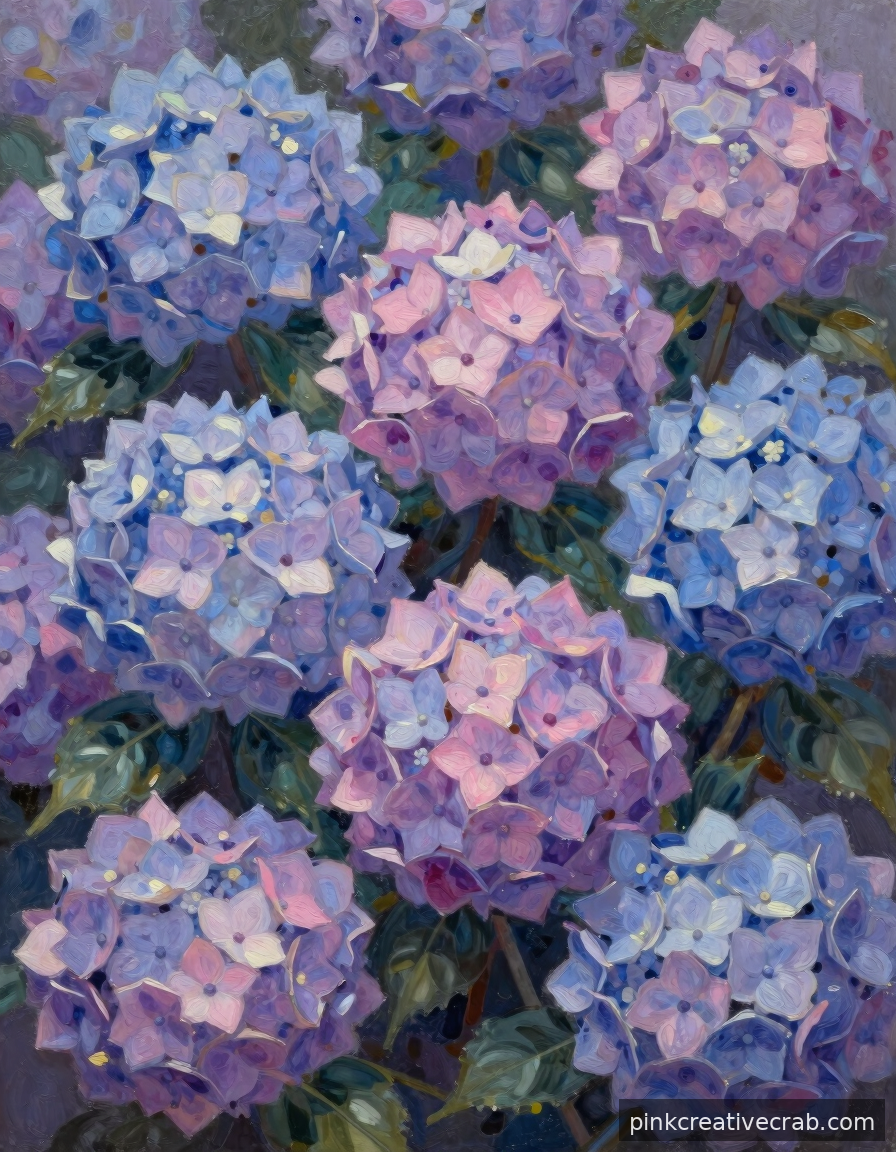
Paint a Lush Hydrangea Cluster and Watch Your Confidence Explode
Hydrangeas are made up of dozens of tiny flower clusters, and that might sound intimidating at first. However, this is actually what makes them so beginner-friendly — each tiny bloom is just a simple four-petal shape, and together they create a beautifully lush, full composition. Therefore, even loose and slightly imperfect marks combine into something that looks genuinely stunning.
Work from the center of the cluster outward, layering your little blooms in purples, blues, and soft pinks. As a result, you naturally build depth without overthinking it. Varying your pressure and letting edges blur softly together is honestly all it takes to nail that voluminous hydrangea look beginners fall in love with.
For this kind of flower painting, having a range of small round brushes is key. These small round detail brushes for oil painting give you exactly the control and flexibility you need to build that gorgeous, full cluster.
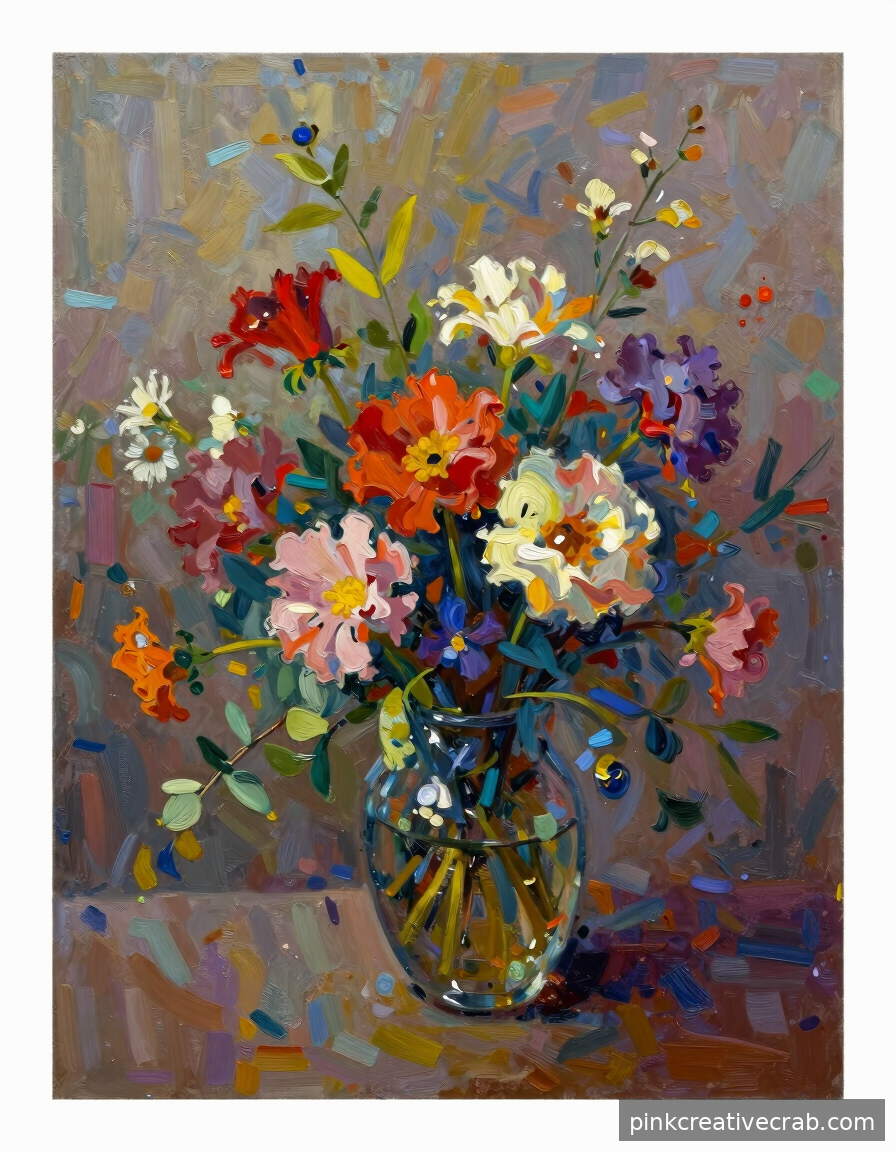
Every Beginner Needs to Try This Effortless Impressionist Flower Bowl
An impressionist flower bowl is one of the most joyful things you can paint as a beginner. Instead of obsessing over perfect details, you’re encouraged to keep your brushwork loose, colorful, and expressive. Additionally, the bowl gives your composition a natural, grounding shape that makes everything come together without needing a complex background.
Think of artists like Monet and Van Gogh as your inspiration here — their flower paintings are bold, gestural, and full of life. For example, short choppy strokes and thick paint create instant texture that photographs beautifully. If you’re curious about how oil compares to other mediums for this kind of expressive work, check out Acrylic vs Watercolor vs Oil vs Gouache: Which Medium Should You Choose? for a helpful breakdown.
Thick, buttery oil paints help you build that signature impressionist texture with ease. These professional-quality oil paints for beginners give you rich, mixable color right out of the tube.
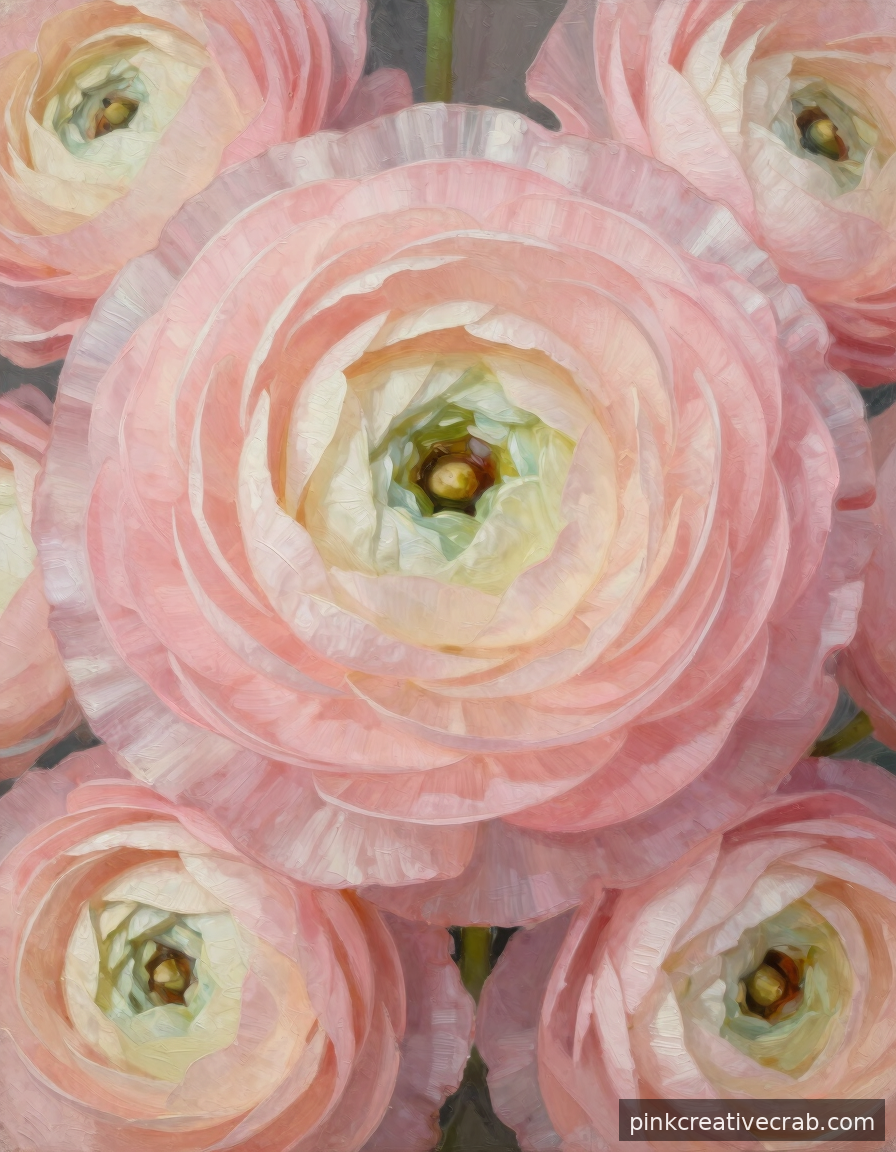
Blush Ranunculus So Beautiful They Look Like They Came From a Florist
Ranunculus are those layered, tissue-paper-delicate flowers that look impossibly fancy in real life. However, in oil paint they become one of the most rewarding beginner projects because the layers of petals are built up gradually and forgivingly. Therefore, even if your first few petals feel wobbly, by the time you finish layering, the whole flower looks lush and professional.
Start with a deep rose or magenta center and work outward, lightening to the palest blush pink at the outer petals. Soft, curved brushstrokes following the natural petal shape are all you need. Additionally, leaving a few tiny highlights of almost-white on the outer petals gives your ranunculus that florist-perfect, luminous quality.
Blending soft pinks and creamy whites smoothly is everything with this flower. These oil paint sets with soft pink and white tones will help you achieve that gorgeous blush palette right from the start.
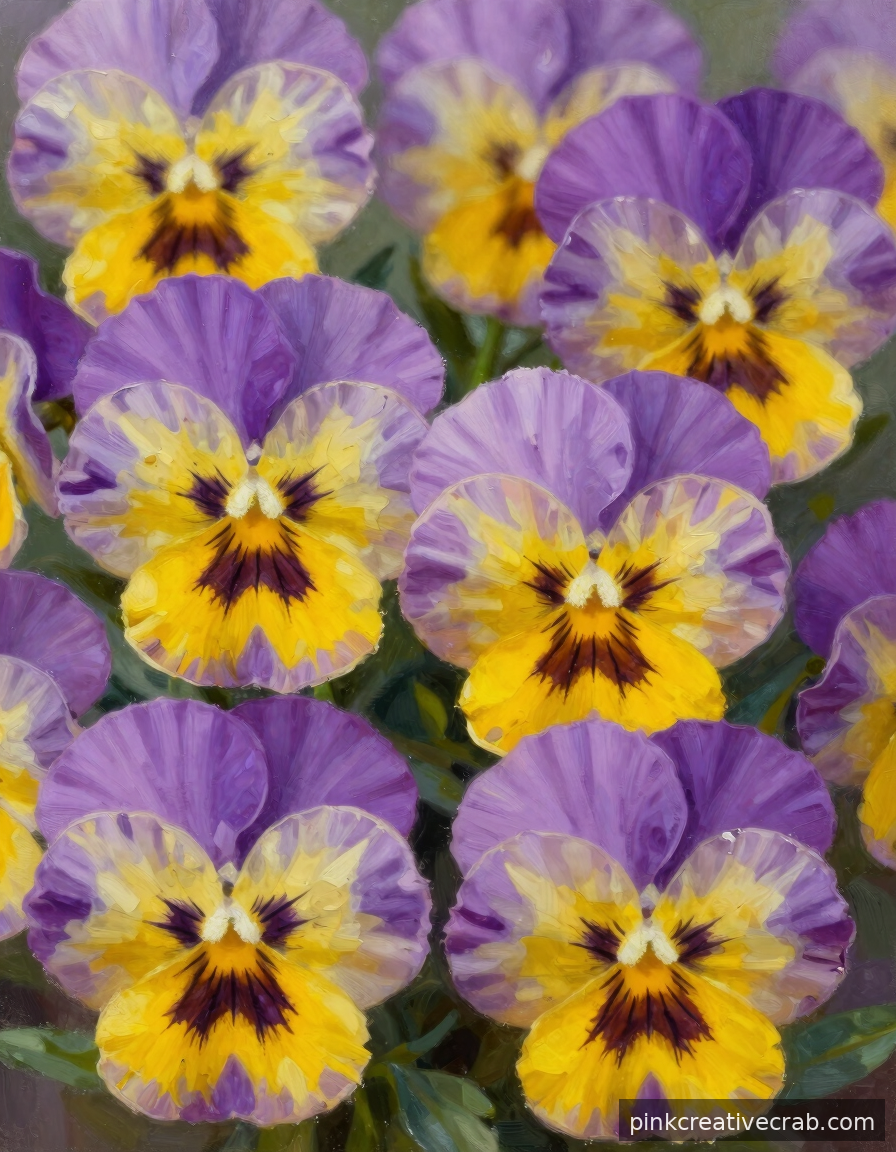
You Have Never Seen a Simple Pansy Look This Absolutely Gorgeous
Pansies are small, cheerful, and absolutely packed with personality — and they are perfect for beginners who want big results fast. Their distinctive face-like markings give you a natural focal point, and their velvety petals blend beautifully in oil. For example, deep purples fading into soft lavender or bright yellows melting into cream create instant drama that looks completely intentional.
Work petal by petal, blending wet-into-wet while your paint is still fresh. However, keep the dark center markings crisp and defined — that contrast is what gives pansies their irresistible charm. As a result, your finished painting has both softness and boldness in perfect balance. For more foundational painting skills, the Art Fundamentals: Complete Guide to Drawing & Painting Basics is a wonderful place to build your confidence further.
For smooth wet-into-wet blending, slow-drying oil paints give you the most working time. These slow-drying oil paints for beginners make blending velvety pansy petals feel effortless and fun.
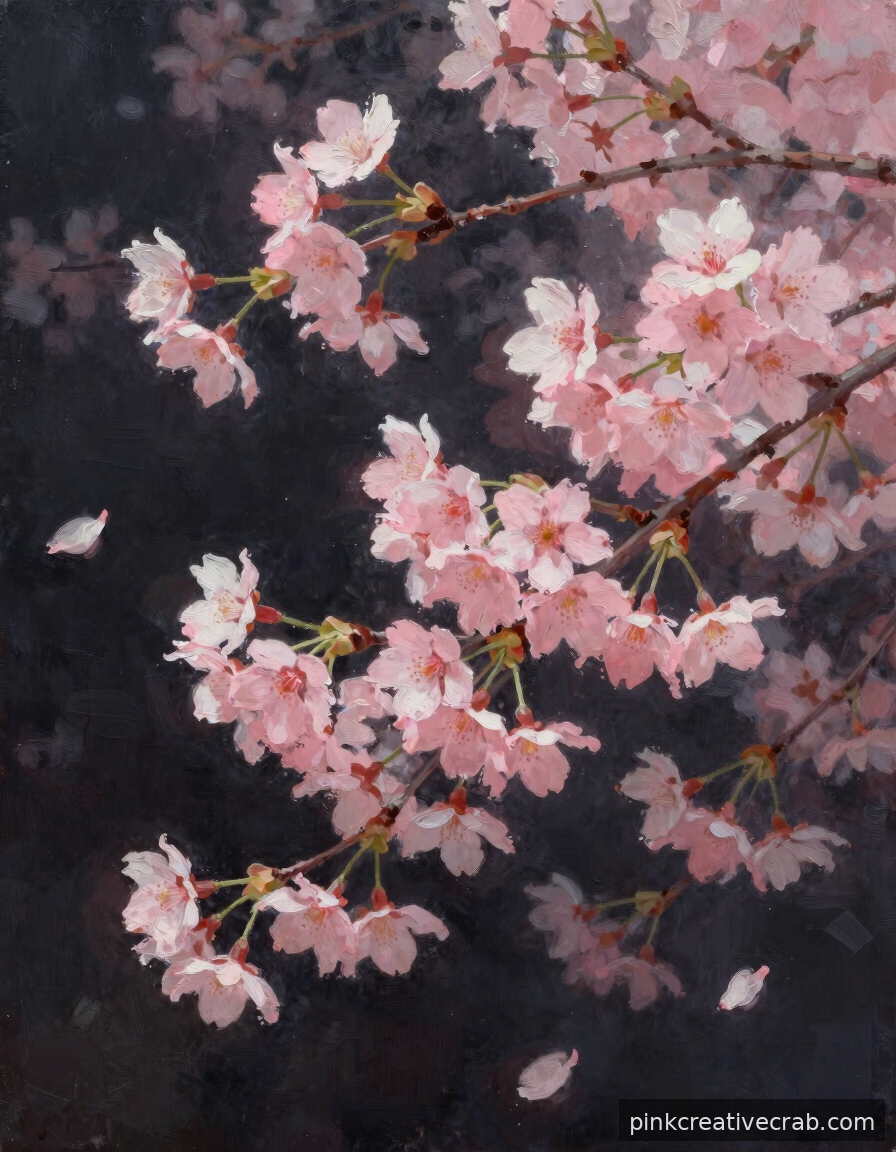
Stunning Cherry Blossoms on Dark Canvas — Easier Than You Ever Imagined
Dark backgrounds are honestly one of the best-kept secrets in beginner oil painting. They make light pink petals pop instantly — no advanced skills required. Additionally, cherry blossoms are forgiving flowers because their shapes are soft and loose. There’s no pressure to be precise here!
Start with a deep navy or black basecoat and let it dry completely. Then dab small clusters of pale pink and white using a round brush. Each tiny petal is just a gentle press-and-lift motion. However, the contrast does all the heavy lifting for you. As a result, even your very first attempt will look dramatic and beautiful.
For this project, a good starter set makes everything easier. Try these oil painting brushes for beginners to get soft, natural-looking petals every time. Meanwhile, if you want to understand how different painting mediums compare before committing, check out this helpful guide: Acrylic vs Watercolor vs Oil vs Gouache: Which Medium Should You Choose?
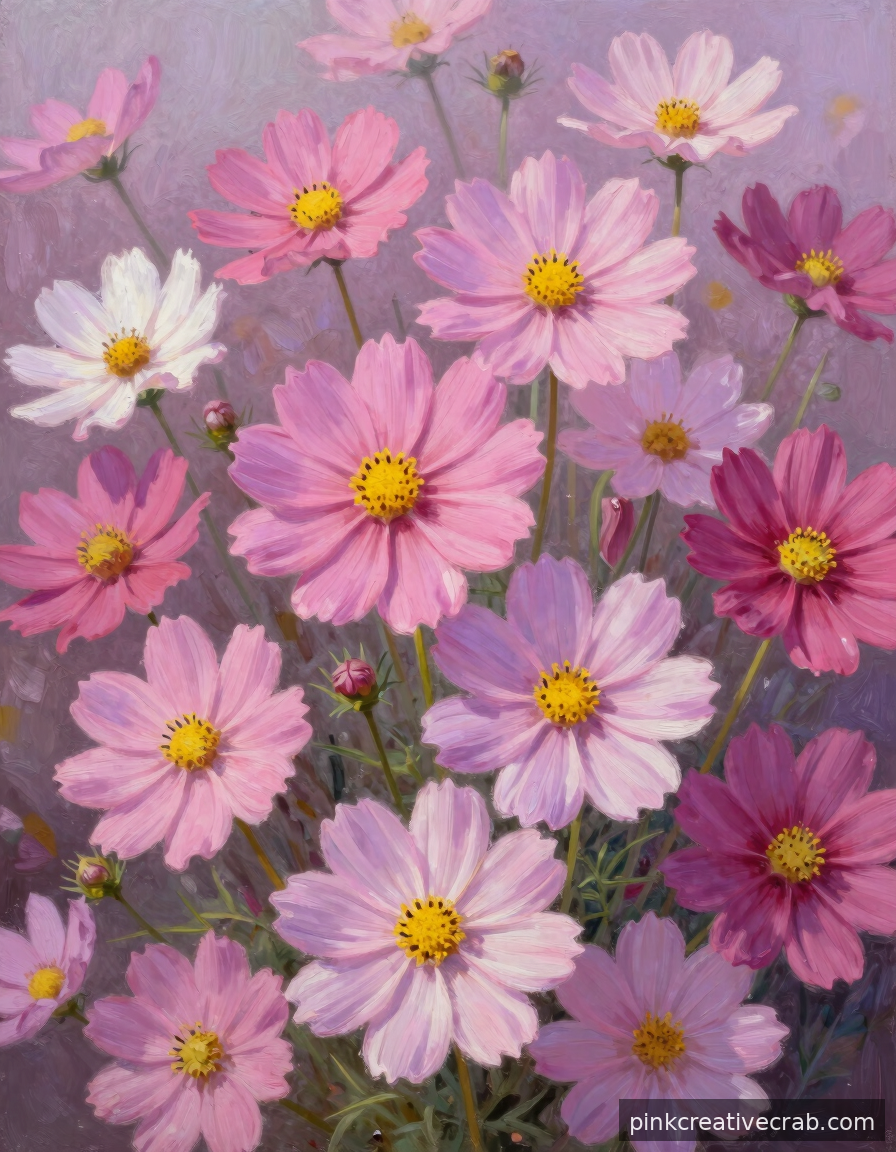
5 Brushstrokes Are All You Need for This Magical Cosmos Flower
Cosmos flowers are basically nature’s gift to beginner painters. Their petals are long, simple, and wonderfully forgiving. Therefore, you only need five confident strokes to capture one — seriously! Each petal flows from the center outward in one smooth motion. You’ll feel amazing when it comes together so quickly.
However, the real magic happens in the color. Cosmos blooms in lavender, pink, magenta, and white, so you have so many gorgeous options. Mix your colors slightly unevenly for a natural, sun-kissed look. Additionally, adding a tiny yellow center at the end ties everything together beautifully. That little pop of warm color makes the whole flower feel alive.
Building confidence with brushwork is everything at this stage. Grab a set of detail brushes for oil painting to practice those smooth petal strokes. For even more foundational support, the Art Fundamentals: Complete Guide to Drawing & Painting Basics is a wonderful companion resource to keep nearby.
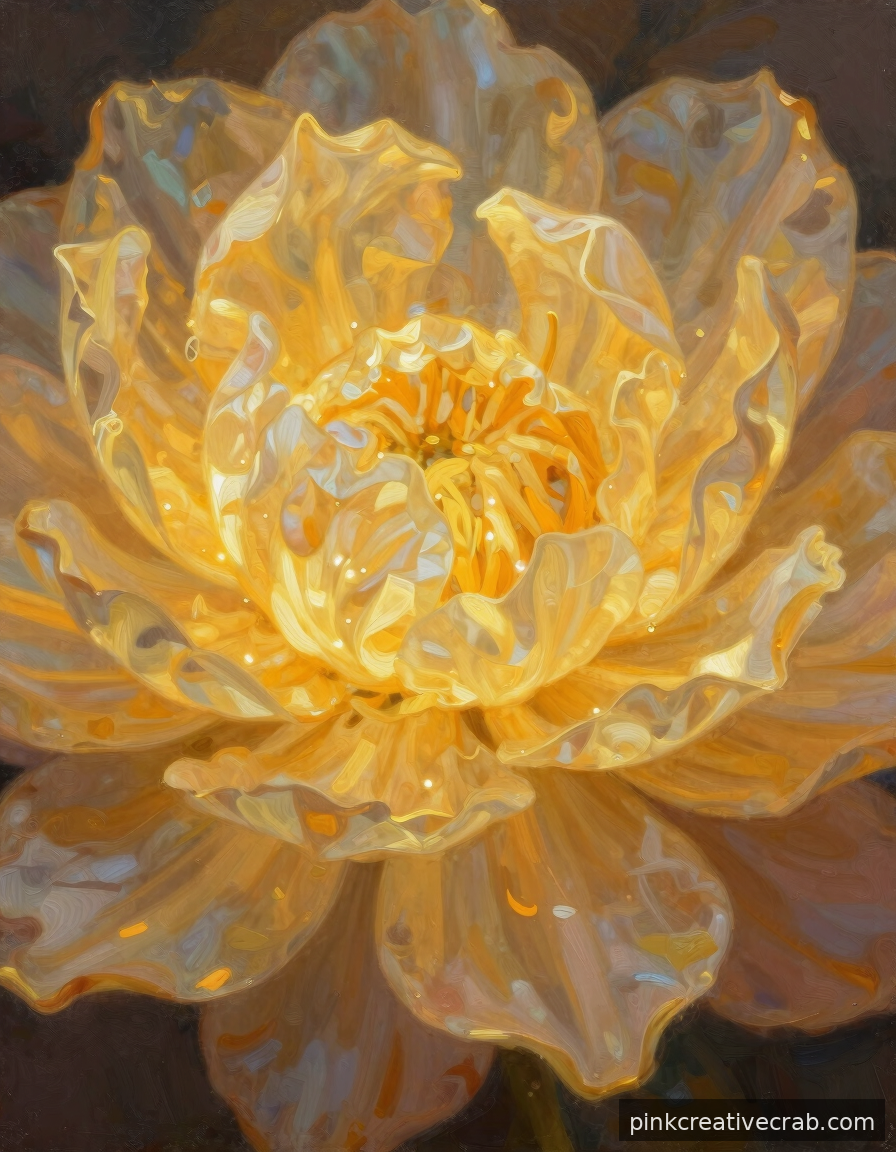
The Oil Painting Flowers Technique That Makes Every Petal Glow
There’s one simple technique that transforms flat-looking flower paintings into something truly luminous — glazing. Basically, you apply thin, transparent layers of oil paint over dried layers beneath. As a result, light passes through each layer and bounces back, creating that gorgeous inner glow. It sounds fancy, but honestly, it’s beginner-friendly once you try it.
Start with a solid opaque base for your petals in a mid-tone color. Then mix a tiny amount of your paint with linseed oil to make it very transparent. However, patience is key — each glaze layer needs time to dry before adding the next. Meanwhile, the buildup of warm and cool tones creates incredible depth naturally.
Getting the right medium makes glazing so much easier. These linseed oil painting mediums are perfect for thinning paint to the ideal glaze consistency. Additionally, understanding color relationships will seriously level up your results — the Color Mixing Guide: Everything You Need to Know explains warm and cool tones in a super approachable way.
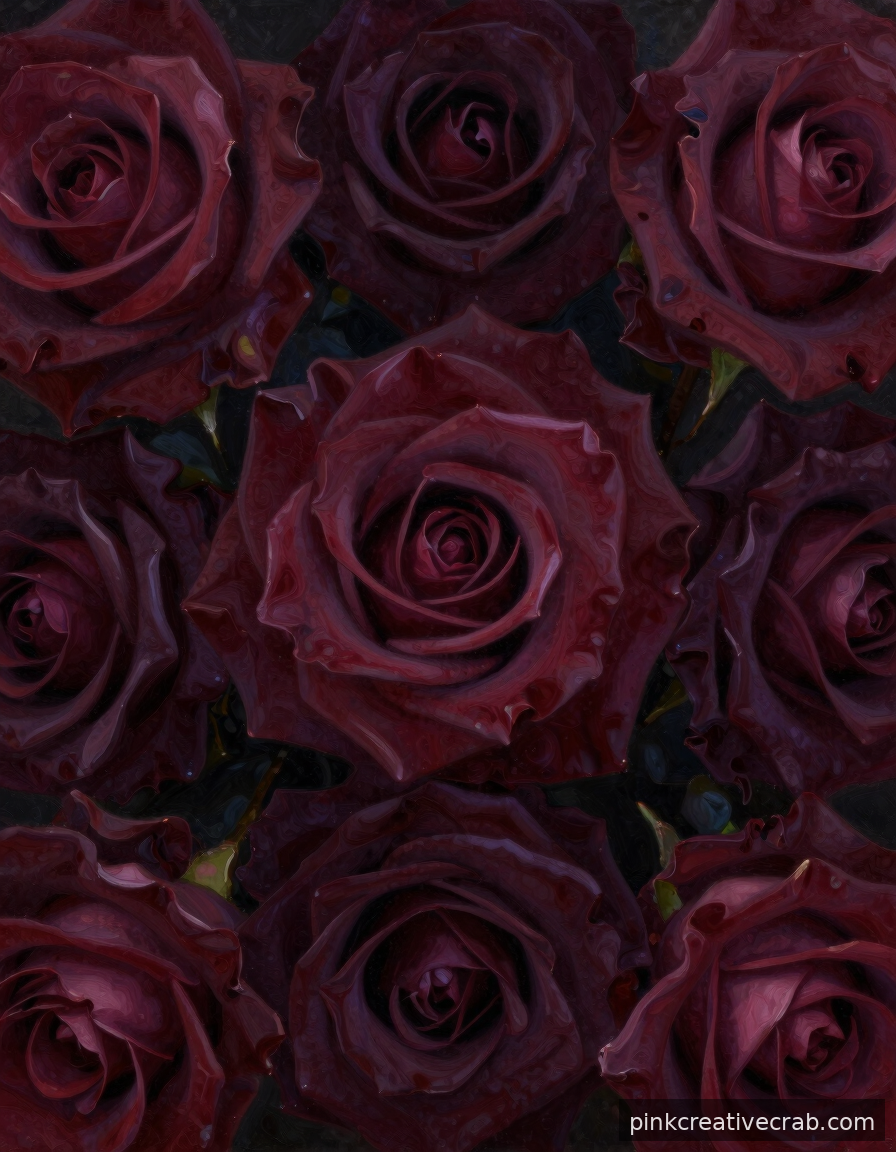
Moody Dark Roses That Make You Feel Like a Professional Artist Immediately
Dark, velvety roses painted in deep burgundy, purple, and near-black tones are absolutely stunning — and surprisingly achievable. The trick is working wet-into-wet, letting your colors blend softly right on the canvas. Therefore, the petals naturally develop that rich, shadowy depth without any complicated technique. You’ll step back after twenty minutes and genuinely impress yourself.
Begin by blocking in your darkest tones first. Then add mid-tones while the paint is still wet, pressing gently so the colors melt together. However, don’t overblend — some visible strokes actually add character and life. Additionally, a tiny highlight of pale pink or cream on one petal edge makes the whole rose feel three-dimensional instantly.
For this moody masterpiece, quality dark pigments make a real difference. These professional oil paints for beginners include gorgeous deep tones perfect for dramatic roses. Meanwhile, if you’re still exploring which art medium feels right for you, the Acrylic vs Watercolor vs Oil vs Gouache: Which Medium Should You Choose? is worth a read.
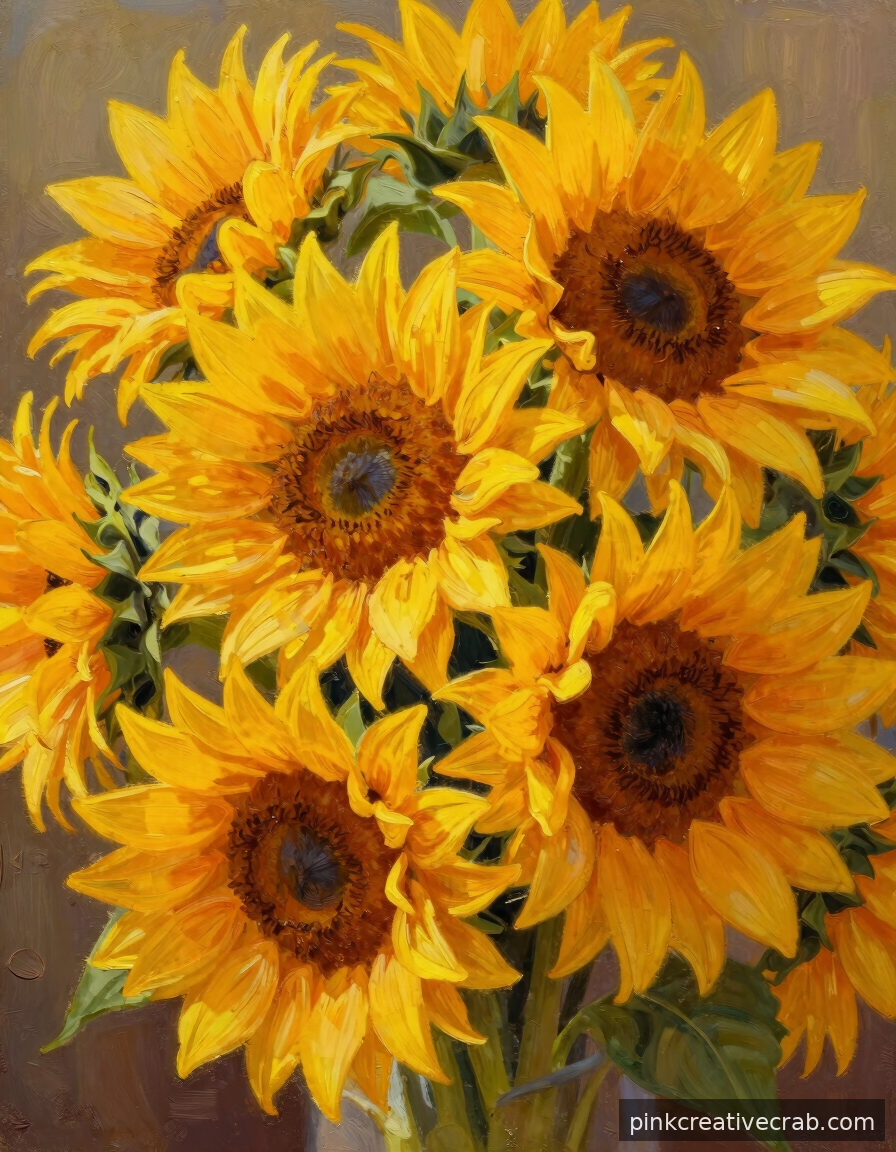
Cheerful Sunflower Bundles That Will Brighten Your Day and Your Wall
Sunflowers might be the most joyful subject you can paint. Their bold yellow petals and dark, textured centers are actually perfect for beginners because the contrast paints itself. Additionally, loose brushwork looks intentional here — a relaxed, impressionistic style suits sunflowers perfectly. So breathe easy and enjoy every stroke!
Start with a warm yellow-orange background to set that sunny mood. Then build your flower heads with confident, outward-stroke petals in cadmium yellow and yellow ochre. However, mixing in some raw sienna at the petal bases adds gorgeous warmth and dimension. As a result, the flowers feel like they’re actually catching afternoon light. Finish with a rich burnt umber center dabbed with texture.
Sunflowers look especially beautiful in bundles, so try painting two or three together. A great palette knife for oil painting can add wonderful textured detail to those seed-filled centers. For extra color guidance, the Color Mixing Guide: Everything You Need to Know has brilliant tips for achieving warm, glowing yellows.
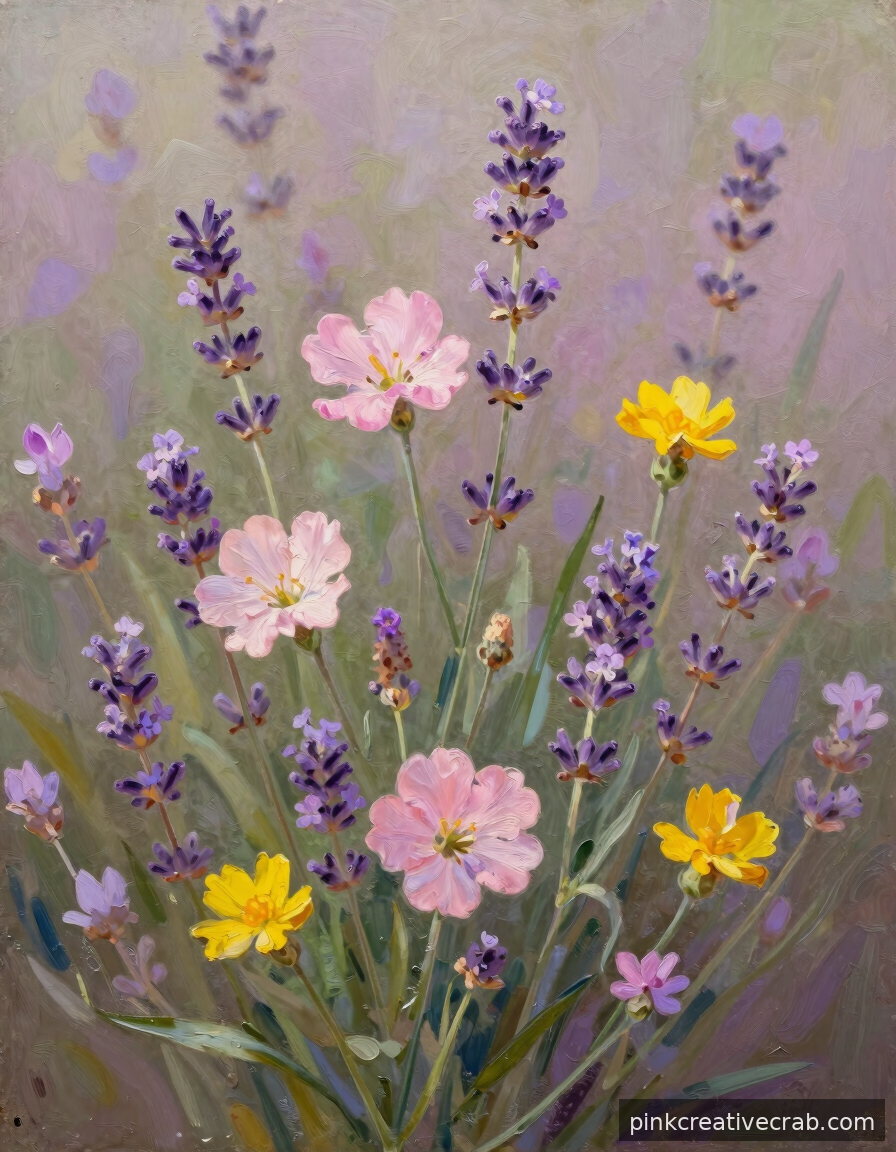
Forget Perfection — This Whimsical Wildflower Spray Is Pure Joy to Paint
Wild, loose, imperfect — and absolutely gorgeous. A wildflower spray painting is the most freeing project a beginner can try. There are no rules about exactly where each bloom goes. Therefore, you simply scatter small flowers, stems, and leaves across your canvas in a joyful, natural way. Mistakes literally become happy accidents here.
Mix a palette of soft lavender, blush pink, buttery yellow, and crisp white. Then use small dabs and flicks of your brush to suggest petals without overworking them. However, the stems and leaves are what tie everything together — thin curving lines create beautiful movement. Additionally, leaving some canvas edges loose and airy makes the whole composition feel like a gentle summer breeze.
This project is genuinely therapeutic and confidence-building all at once. A set of fan brushes for oil painting creates beautiful organic stem and leaf textures effortlessly. Meanwhile, if you want to build your overall art skills further, the Art Fundamentals: Complete Guide to Drawing & Painting Basics is an incredibly encouraging resource for creative beginners.
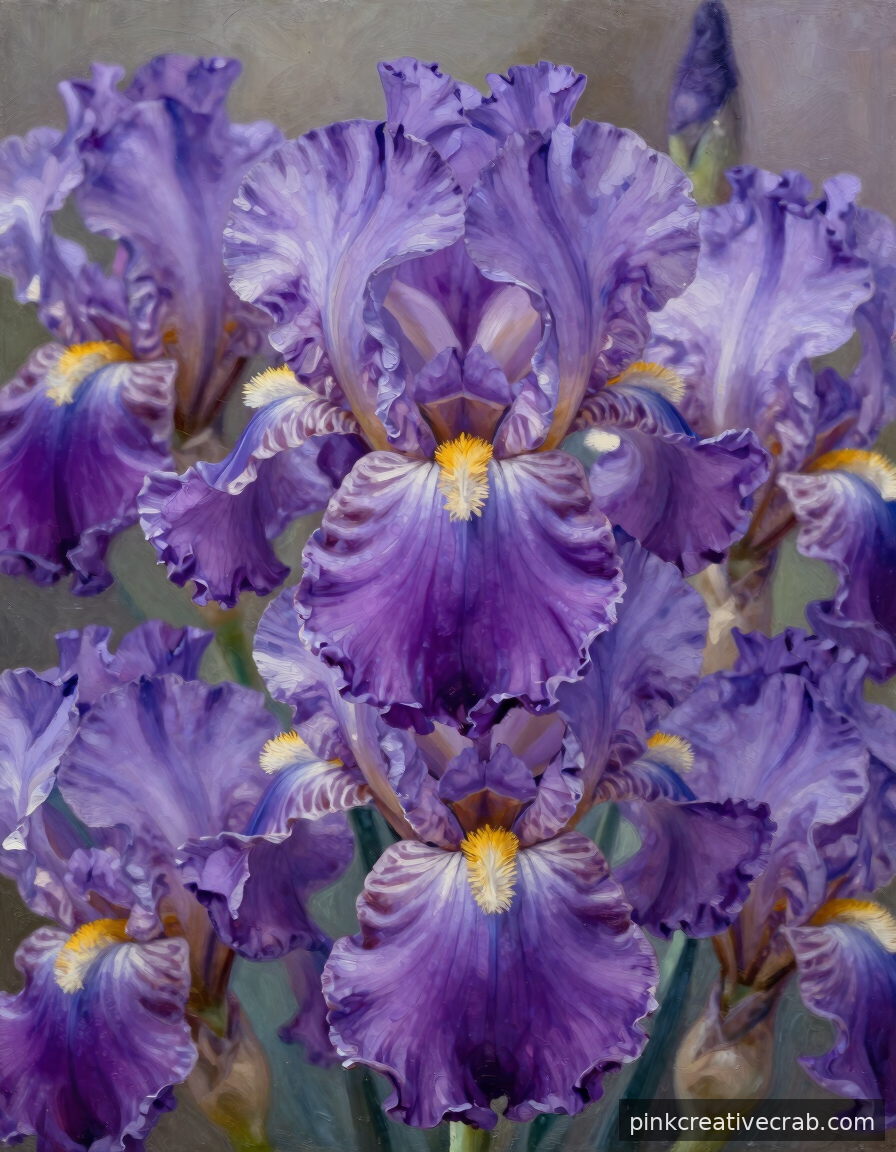
Silky Iris Blooms That Prove Oil Paint Is Your New Best Friend
Irises are showstoppers — and oil paint is genuinely the perfect medium for capturing their silky, ruffled petals. The slow drying time means you can blend those gorgeous purple-to-violet transitions without rushing. Therefore, even beginners can achieve that smooth, velvety quality that makes irises so iconic. You’ll love how naturally the colors flow together.
Begin with a mid-value purple as your base tone for each petal. Then blend deeper violet into the shadowed folds while the paint is still wet. However, don’t forget the lighter lavender highlights — those are what create the silky illusion. Additionally, irises have beautiful yellow and white markings at their centers, which add a lovely warm contrast to all that cool purple. As a result, the finished flower feels rich and painterly.
Having the right brushes for smooth blending truly changes everything on this project. These soft blending brushes for oil paint will help you achieve those seamless petal transitions beautifully. For extra color mixing confidence, the Color Mixing Guide: Everything You Need to Know explains how to mix stunning purples and violets from just a few basic colors.
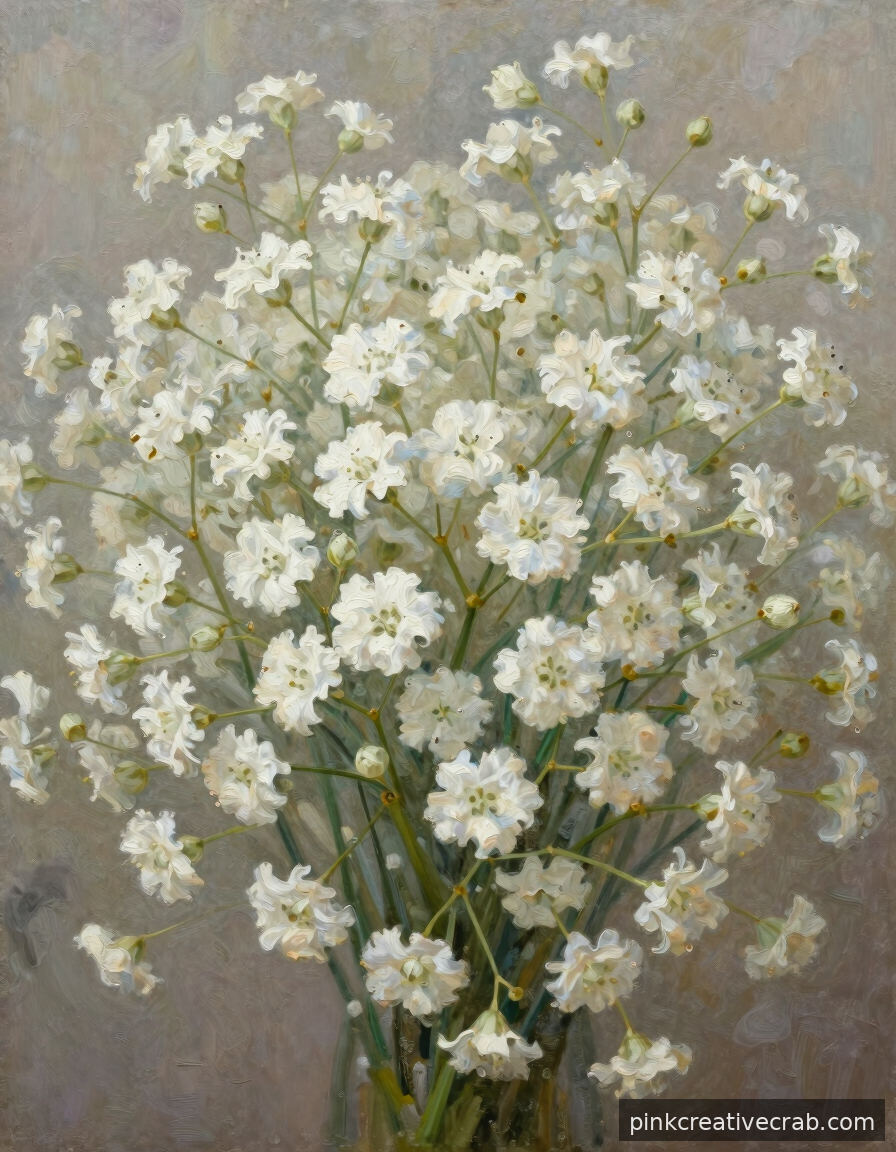
How to Paint Delicate Baby’s Breath Without Losing Your Mind
Baby’s breath looks tiny and fiddly, but here’s the secret — you don’t need to paint every single flower. Instead, think in soft clusters and gentle suggestions. A small round brush and thinned white paint are your best friends here. Meanwhile, a light touch makes all the difference between stiff and dreamy.
Start with a soft background in muted green or dusty lavender. Then, dab small irregular dots of white across your canvas in loose groupings. Don’t overthink the placement — nature is wonderfully imperfect, and so should your painting be. Additionally, varying your pressure creates natural-looking depth without extra effort.
For beginners wanting to build confidence with tiny details, checking out the Color Mixing Guide: Everything You Need to Know helps you nail that soft creamy white tone. A great starter tool is a small round detail brush set — affordable and totally beginner-friendly!
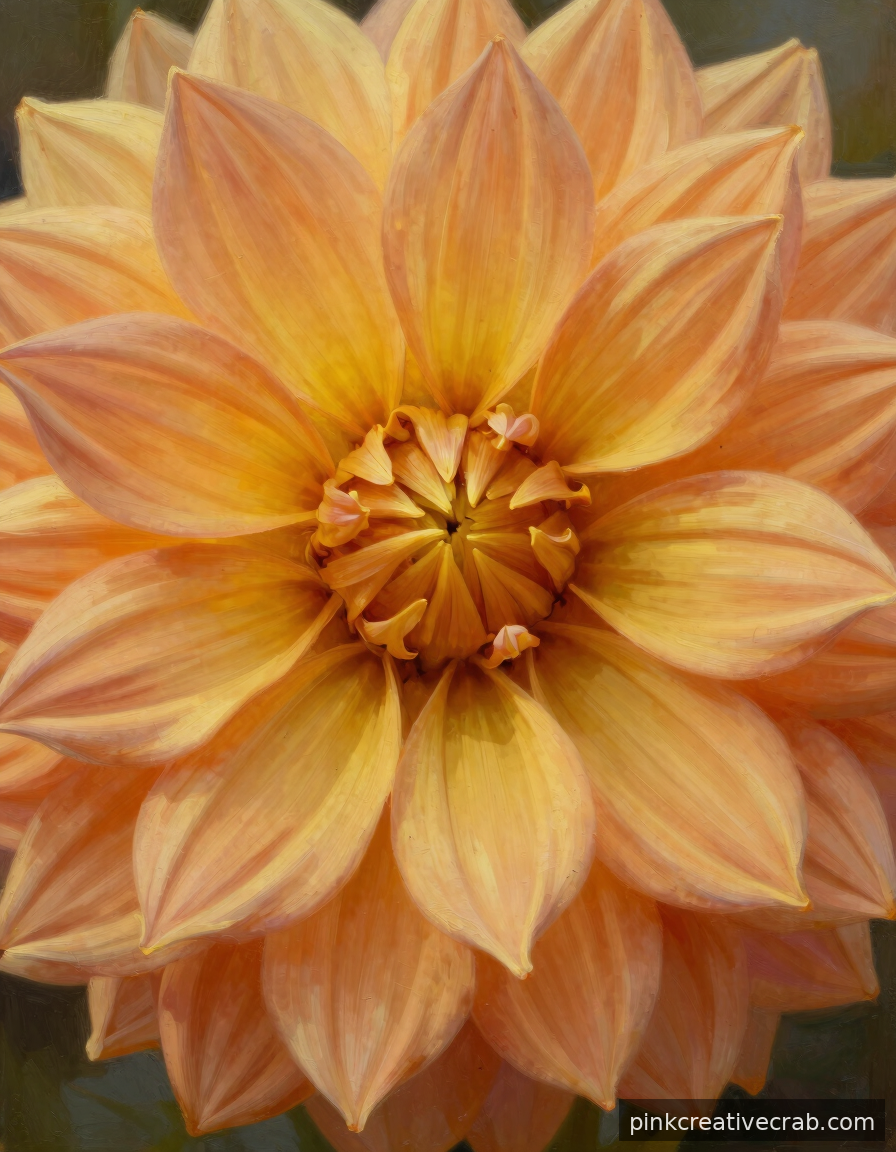
Golden Hour Dahlias So Warm and Rich They Almost Glow Off the Canvas
Dahlias at golden hour feel absolutely magical — all that amber, coral, and deep burnt orange layered together. The good news? Oil paint is perfectly made for this kind of warm, glowing color work. You can blend endlessly, adjusting until the petals literally seem to radiate light. Therefore, dahlias are actually a wonderful subject for beginners willing to embrace slow, satisfying blending.
Begin with a deep ochre or terracotta underpainting. Working outward from the center, layer your petals using short confident strokes. Lighter yellows toward the edges create that signature glowing effect. However, don’t rush — oil paint’s slow drying time is genuinely your superpower here. Additionally, if you’re curious how oil compares to other mediums, Acrylic vs Watercolor vs Oil vs Gouache: Which Medium Should You Choose? is a fantastic read.
As a result, investing in good warm-toned paints pays off beautifully. Try a warm oil paint color set to get those gorgeous golden hues right from the start!
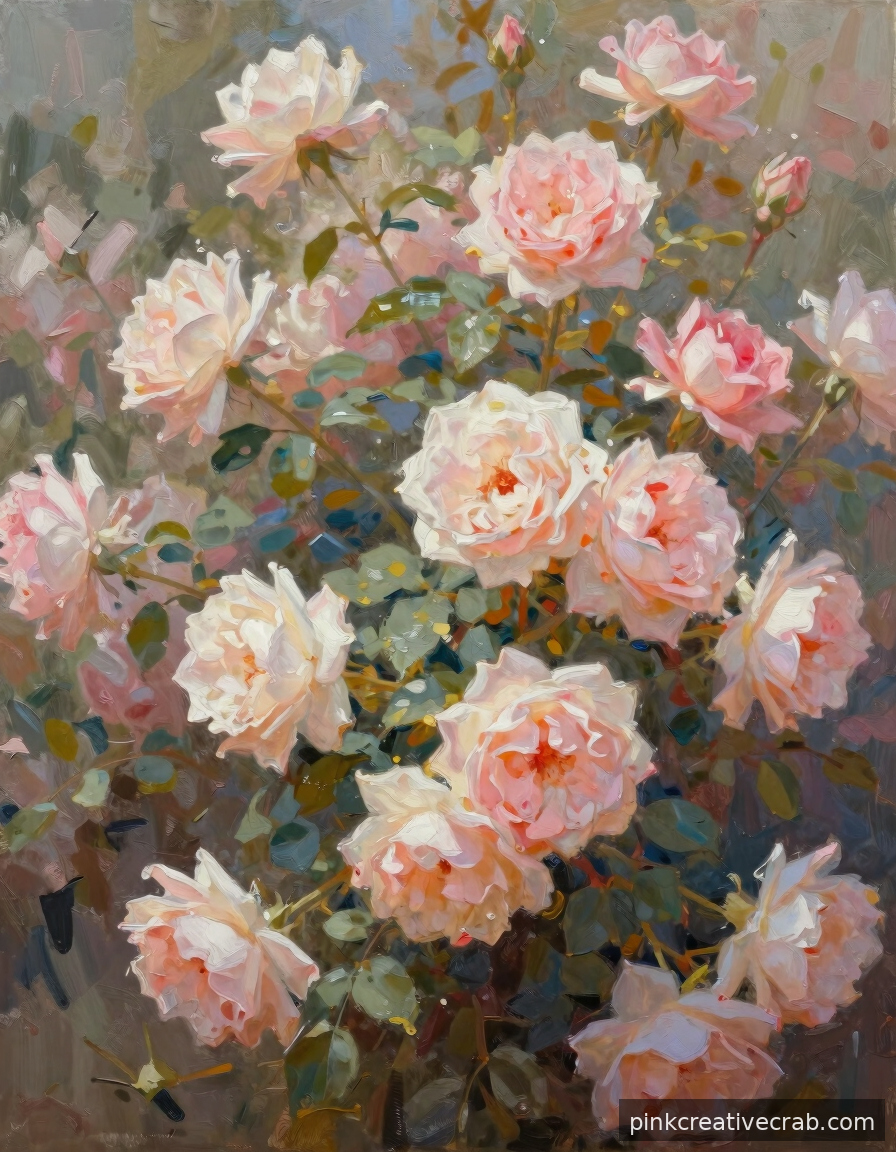
Grab Your Brush — These Loose Garden Roses Are Calling Your Name
Loose, impressionistic roses are honestly one of the most joyful things you can paint. Forget perfectly shaped petals — instead, think swirling curves and confident, carefree strokes. The beauty of loose-style painting is that happy accidents often become the best parts. For example, an unexpected color blend can create a petal that looks more realistic than anything planned.
Start with a soft background wash, then block in your rose shape using a medium filbert brush. Work from dark to light, adding creamy highlights last. Meanwhile, varying your stroke direction keeps the rose feeling alive and natural rather than stiff. If you want extra confidence with brushwork fundamentals, the Art Fundamentals: Complete Guide to Drawing & Painting Basics is wonderfully encouraging for beginners.
Additionally, having the right brush shapes genuinely transforms your experience. A filbert brush set for oil painting gives you that perfect curved edge for building beautiful, soft rose petals every single time!
Final Thoughts
You have just discovered 24 incredible ways to bring oil painting flowers into your creative life — and honestly, the hardest part is simply choosing where to begin. However, there is no wrong starting point. Every single one of these ideas was chosen with you, the beginner, in mind. Therefore, trust yourself, pick a flower that makes your heart happy, and put that first stroke down.
Additionally, remember that every professional artist was once exactly where you are right now — staring at a blank canvas and wondering if they could really do this. The answer, for them and for you, is absolutely yes. Mistakes are not failures; they are just happy little lessons in disguise. For example, a wobbly petal edge can become the most charming part of your whole painting if you let it.
Meanwhile, your creative journey is just getting started. Celebrate every single brushstroke, every finished piece, and every moment you showed up for yourself and made something beautiful. As a result, you will not only grow as a painter — you will fall completely, wonderfully in love with the process. Now go paint something gorgeous. You have totally got this.
Frequently Asked Questions
What supplies do I need to start oil painting flowers as a beginner?
You really do not need much to get started! A basic set of oil paints, a few brushes in different sizes, a small canvas, and some odorless mineral spirits are enough. Additionally, linseed oil helps with blending. For example, many beginners start with a simple beginner oil painting kit that includes everything in one affordable bundle. Keep it simple at first!
How long does it take for oil paint to dry when painting flowers?
Oil paint dries slower than acrylics, which is actually great for beginners! However, drying time depends on the paint thickness and brand. Thin layers may feel dry to the touch within a day or two. Therefore, patience is key — avoid overworking wet layers. Additionally, using a quick-dry medium can speed things up if you prefer faster results.
Can beginners really paint realistic flowers with oil paint?
Absolutely, yes! However, realistic does not have to mean photographic. Loose, impressionistic oil painting flowers can look incredibly beautiful and are much more forgiving for beginners. For example, soft peonies or wildflowers allow you to work freely without worrying about precise detail. As a result, your paintings will have warmth and personality that rigid realism sometimes lacks.
What is the easiest flower to paint with oils for a first-timer?
Sunflowers and daisies are wonderful starting points! They have simple, bold shapes that are easy to block in with basic brushstrokes. Additionally, their bright colors are very forgiving on canvas. Therefore, if you want a confidence boost on your very first session, a single cheerful sunflower is the perfect choice. You will be amazed at how great it looks!
Do I need to sketch my flowers before painting them with oil?
Not necessarily! Many beginners find that a light pencil or charcoal sketch helps them feel more confident before adding paint. However, plenty of artists paint flowers directly without any underdrawing at all. For example, an impressionistic approach means you can block in color shapes freely. Additionally, any sketch lines will disappear once you layer paint over them.
Have any thoughts?
Share your reaction or leave a quick response — we’d love to hear what you think!
-
 0
0 -
0
-
0
-
0
-
0
-
0


