Table of Contents
- Single Red Ornament Ball
- Candy Cane on Snow
- Frosted Pinecone
- Holly Sprig With Berries
- Cinnamon Stick Bundle
- Red Mitten on Snow
- Starry Winter Night Sky
- Single Candle Flame
- Clove Studded Orange
- Snowflake Close Up
- Gingerbread Man Cookie
- Knit Scarf Folded
- Santa Hat on a Shelf
- Mug of Hot Chocolate With Marshmallows
- Wrapped Present With Ribbon
- Striped Stocking Hanging
- Pine Branch With Snow
- Sleigh Bells on Ribbon
- Snow Globe
- Star Tree Topper
- Window Frost Pattern
- Birch Branch in Snow
- Red Cardinal on Snowy Branch
- Vintage Bauble With Reflection
- Paper Star Lantern
- Ice Skates by the Door
- Lit Candle in a Frosted Window
- Potted Christmas Tree
- Fireplace With Stockings
- Row of Snowy Rooftops
- Snowy Pine Forest Silhouette
- Frozen Pond With Skaters
- Horse Drawn Sleigh in the Distance
- Night Sky With Tree and Fairy Lights
- Small Christmas Village Street
- Starlit Church on a Hill
- Frequently Asked Questions
These christmas watercolor ideas are built for one sitting, not a weekend project. Each subject is small on purpose: a single mitten, a candle, a cup of tea by a window, so you can start and finish between dinner and bedtime with a basic set of pans and a few round brushes.
Everything here suits loose, relaxed washes on cold press paper rather than tight detail work. Pick whichever subject matches your mood tonight, keep the palette to three or four colors, and let the paper do some of the softening for you.
Using these images: You are welcome to use the images in this post for personal projects: print them, draw or paint from them, color them, or add them to your own cards, journals, scrapbooks and gifts. Handmade items that include them may be sold in small batches of up to 30 pieces per design. Anything beyond that is commercial use and is not permitted, including selling more than 30 items, selling or sharing the images themselves (as prints, digital files, print-on-demand designs or stock), and presenting the artwork as your own. For any other use, please ask first.
Single Red Ornament Ball
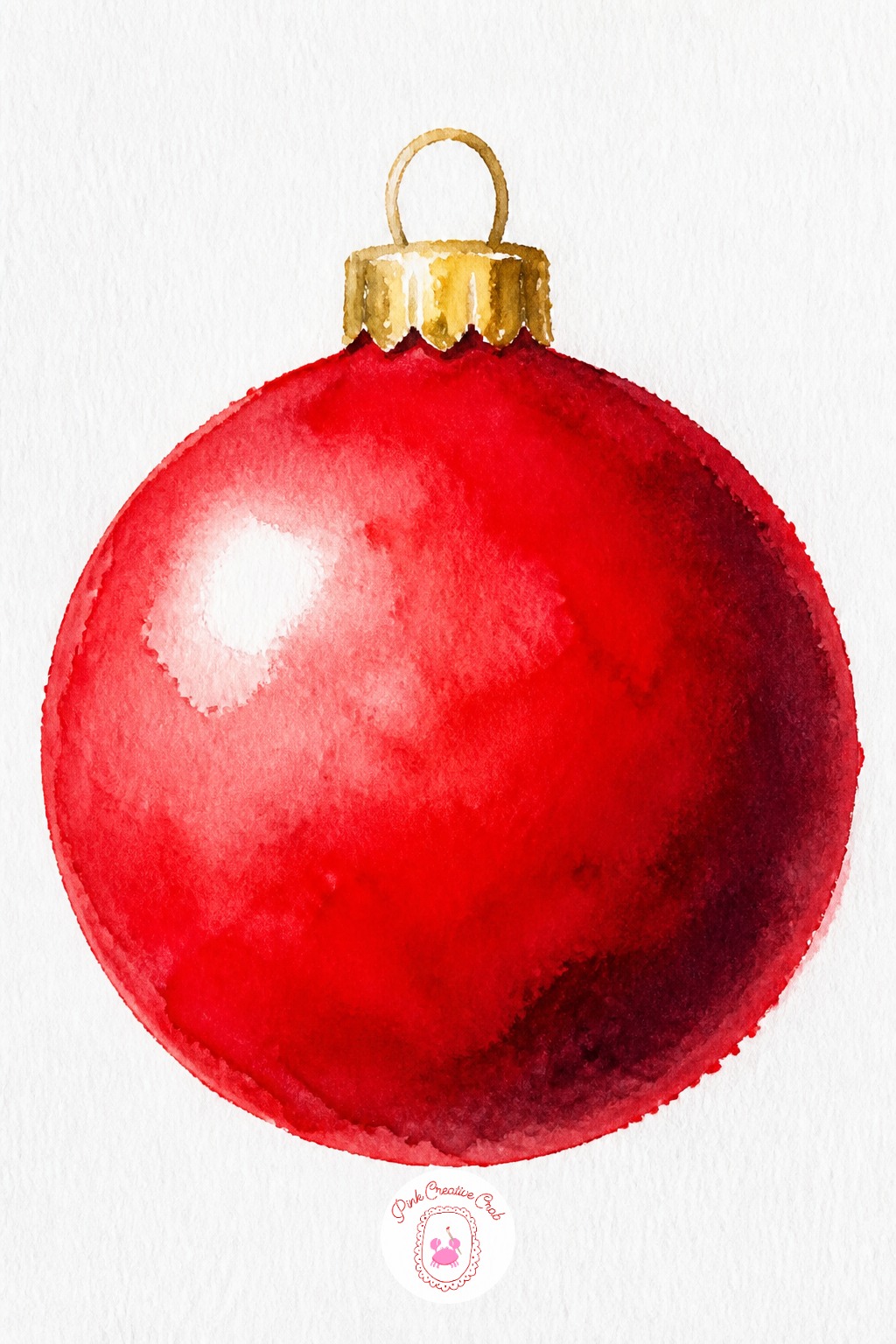
One sphere is the gentlest place to start. Pencil a light circle, then block the base in cadmium red mixed with a touch of alizarin crimson, leaving a small irregular patch of bare paper for the highlight.
While the wash is still damp, drop in a darker maroon along one side so the ball reads as round rather than flat. Add a thin gold cap and a loop of ribbon once dry. The usual mistake is painting the whole ball one even red with no shadow side, so the sphere never feels solid.
Candy Cane on Snow
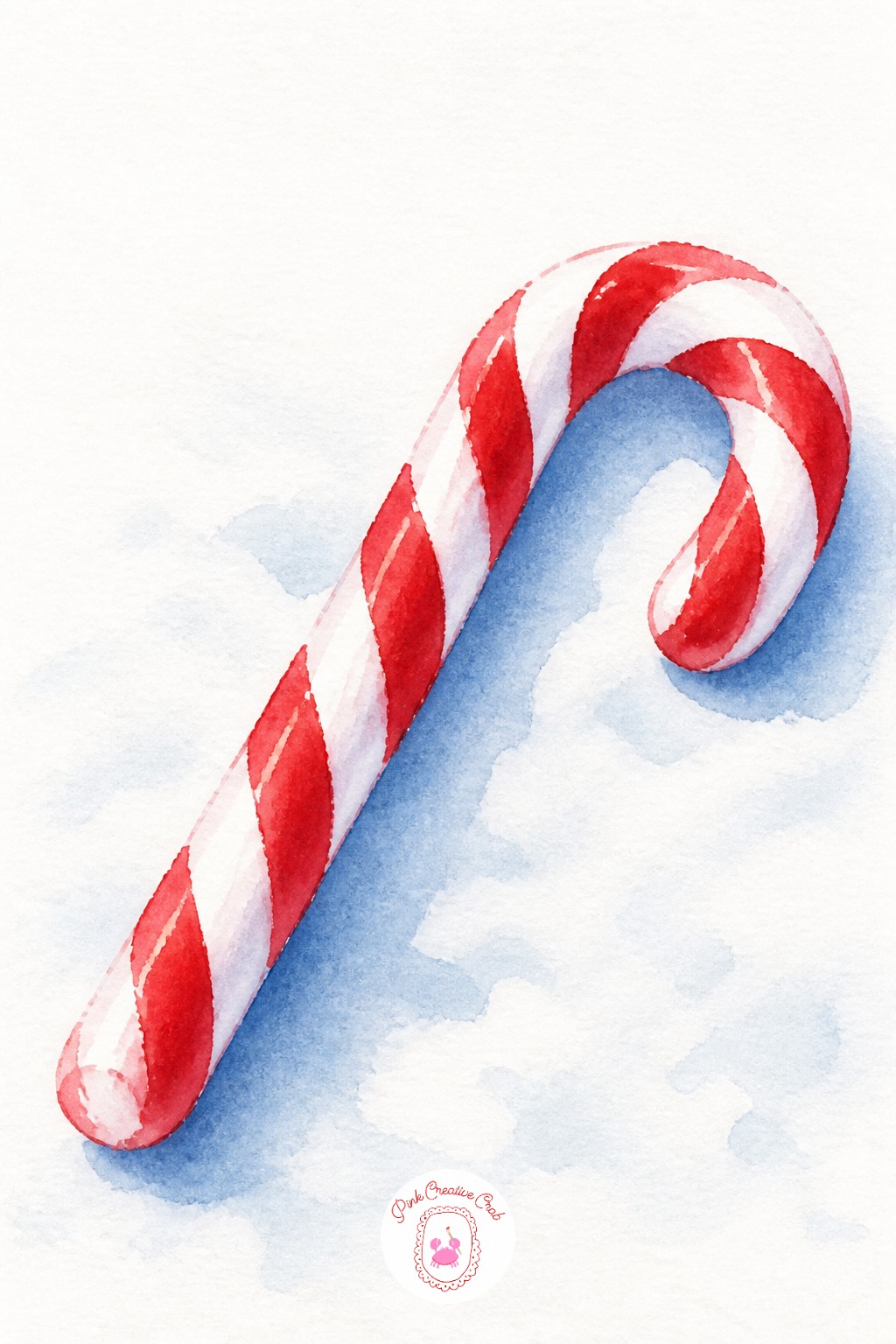
A candy cane is really just a curved shape with stripes, which makes it a relaxed warm-up. Pencil a gentle hook, then paint the red stripes with cadmium red, leaving the paper bare for the white stripes between them.
Add a pale blue-gray shadow beneath the cane where it rests on snow, softened with a damp brush so it fades out. Keep the stripes slightly uneven rather than ruler-straight, since perfectly even stripes make the candy cane look printed instead of hand-painted.
Frosted Pinecone
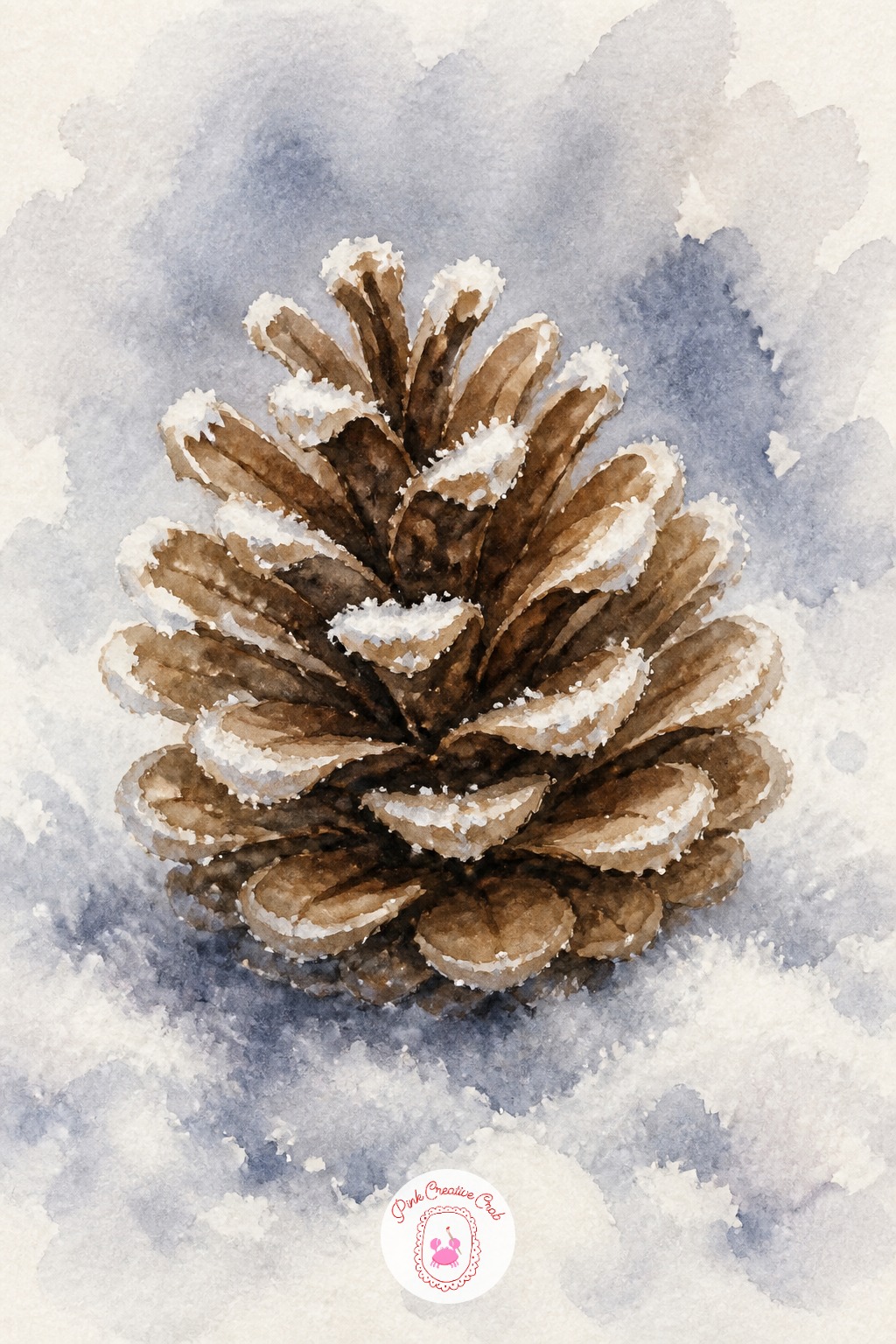
A pinecone gives you texture practice without any hard edges to worry about. Block in the oval shape with a burnt sienna and sepia mix, then drag a dry, half-loaded brush sideways to suggest overlapping scales rather than painting each one.
Once the wash is fully dry, flick or dab tiny touches of white gouache along the top edges for frost. The common error is over-blending the scales until the pinecone looks smooth, so keep those dry-brush strokes visible instead of softening them away.
Holly Sprig With Berries
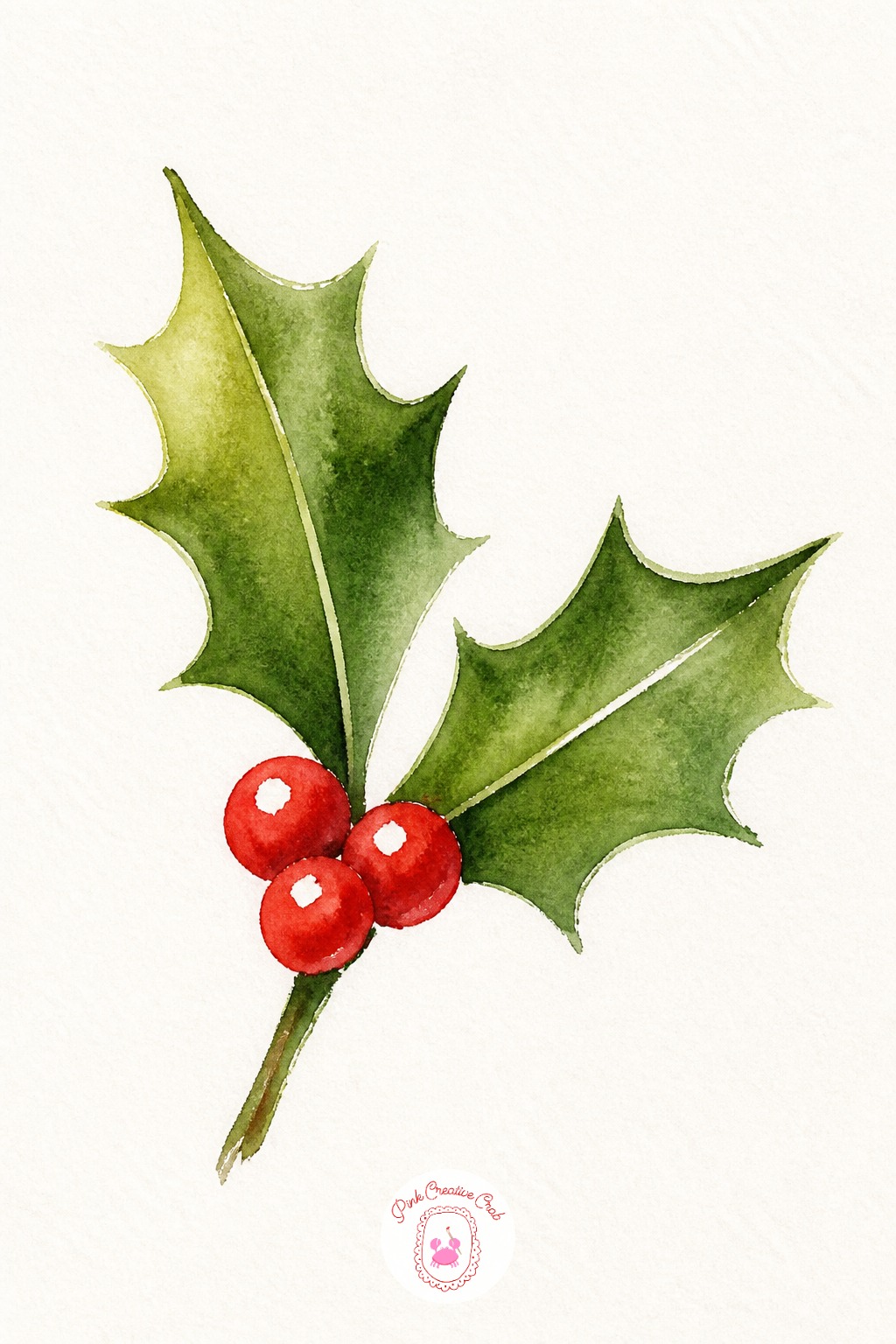
Two or three pointed leaves and a cluster of berries make a quick, satisfying little sprig. Paint the leaves in sap green, adding a darker green vein line down the center of each while the wash is still a little damp.
Paint the berries in bright cadmium red, leaving a tiny white dot unpainted on each one for a highlight. Keep the leaves slightly curved and uneven in size rather than mirror images of each other, which is what makes real holly look natural instead of stamped.
Cinnamon Stick Bundle
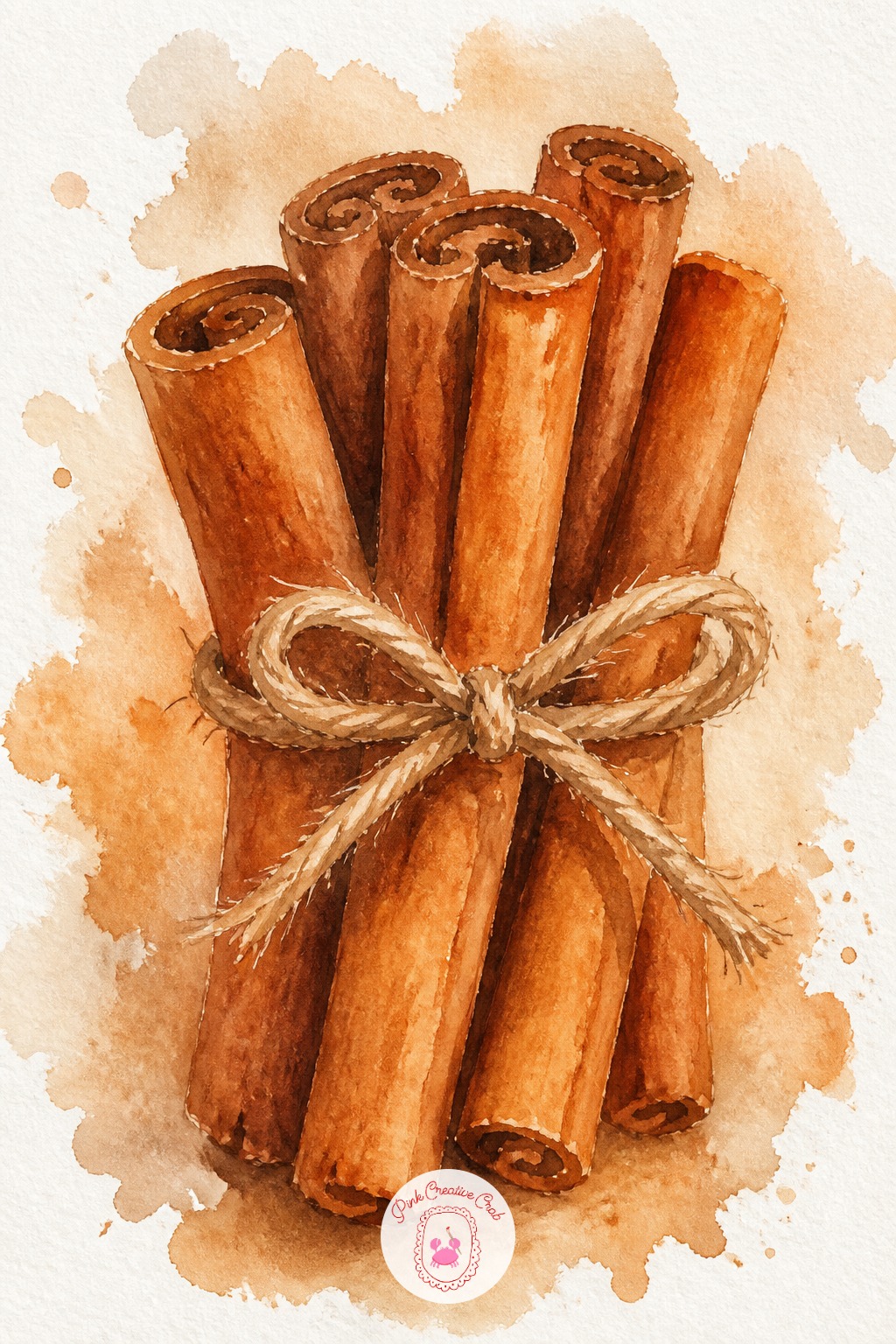
Three or four rolled cinnamon sticks tied with twine sit well on a small square of paper. Paint each stick in burnt sienna with a touch of raw umber, then let a darker line sit right where one stick overlaps another.
Add the twine last in a thin gray-brown line, leaving a gap of white paper where the light catches it. The mistake to avoid is painting every stick the same flat tone, since the overlap lines are what make the bundle look rolled rather than a single flat shape.
Red Mitten on Snow
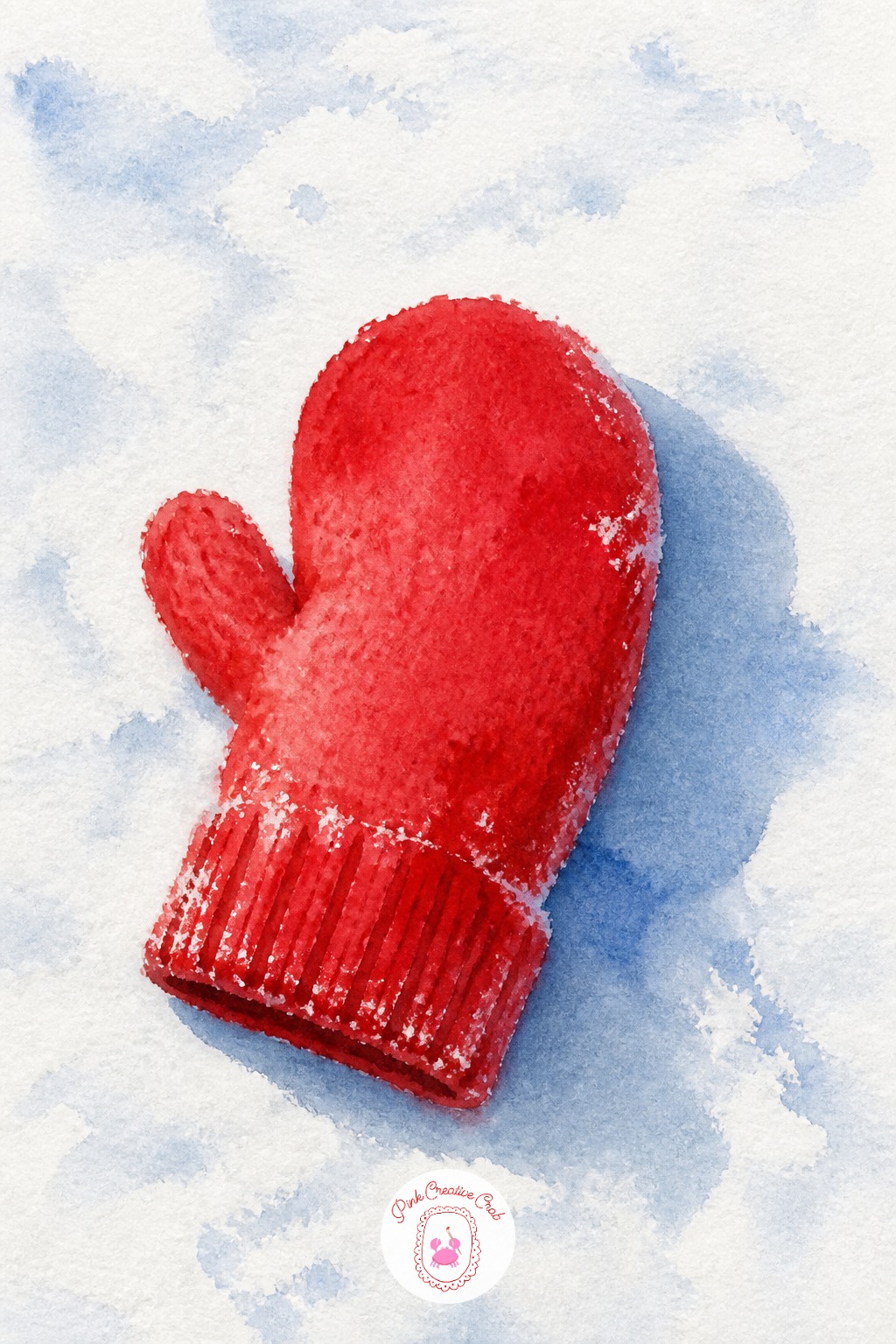
One mitten, slightly tilted, is an easy evening subject with a built-in color story. Block the main shape in cadmium red, then leave thin bare lines across the cuff before the wash dries to suggest ribbed knitting.
Once dry, add a pale blue-gray cast shadow stretching out across the snow beside it, softened with a damp brush at the edges. Keep the mitten’s outline a little soft rather than hard-edged all the way around, which helps it sit into the snow instead of looking cut out and pasted on top.
Starry Winter Night Sky
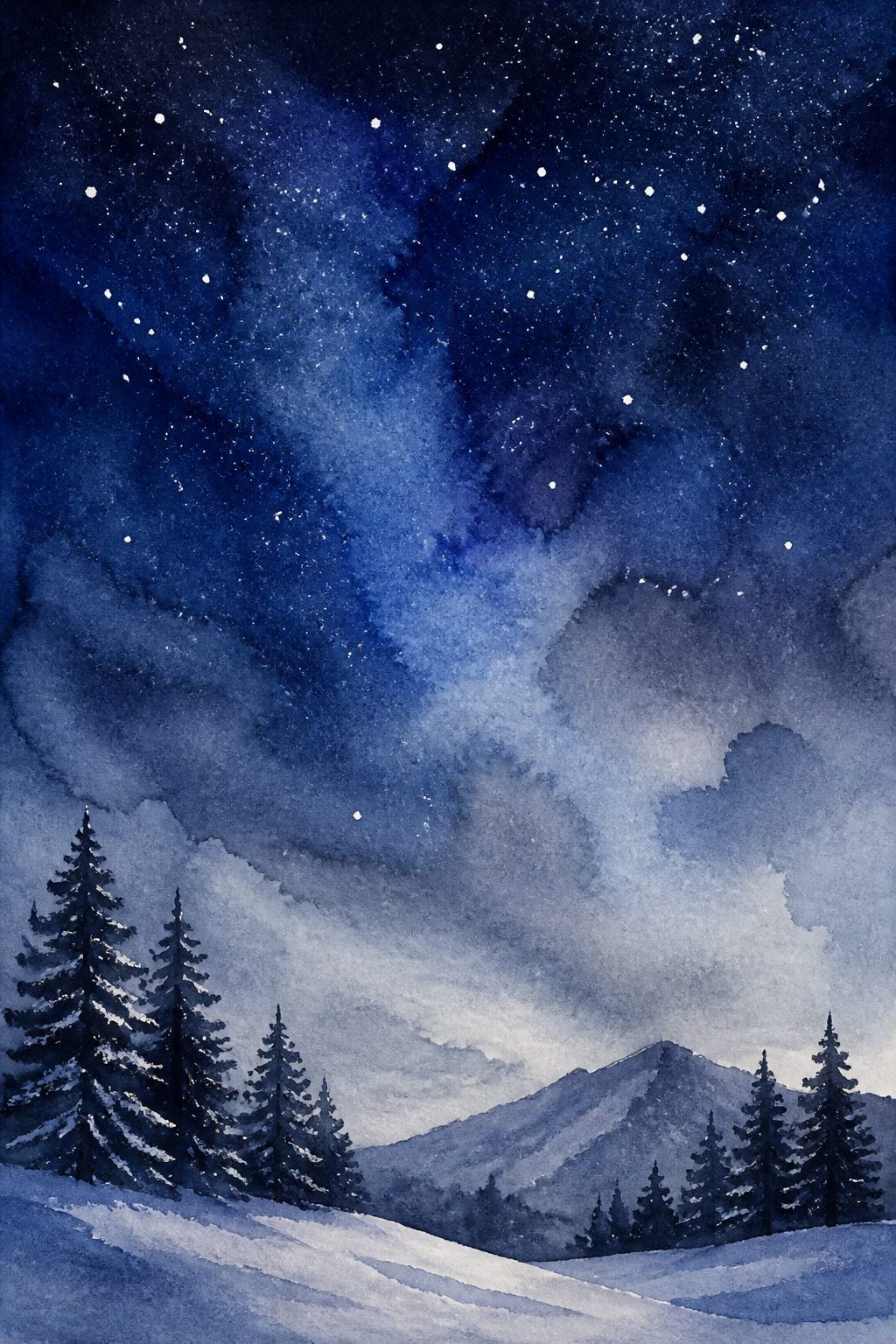
A plain stretch of night sky is forgiving and quick, which makes it a good subject for a tired evening. Wet the paper first, then drop in indigo and a little payne’s gray so the colors bleed softly into one another.
Once fully dry, flick tiny dots of white gouache across the sky for stars, varying the size so a few feel closer. Scatter them unevenly rather than in a grid, since perfectly spaced stars read as fake rather than night. For more sky color ideas, see these easy watercolor skies.
Single Candle Flame
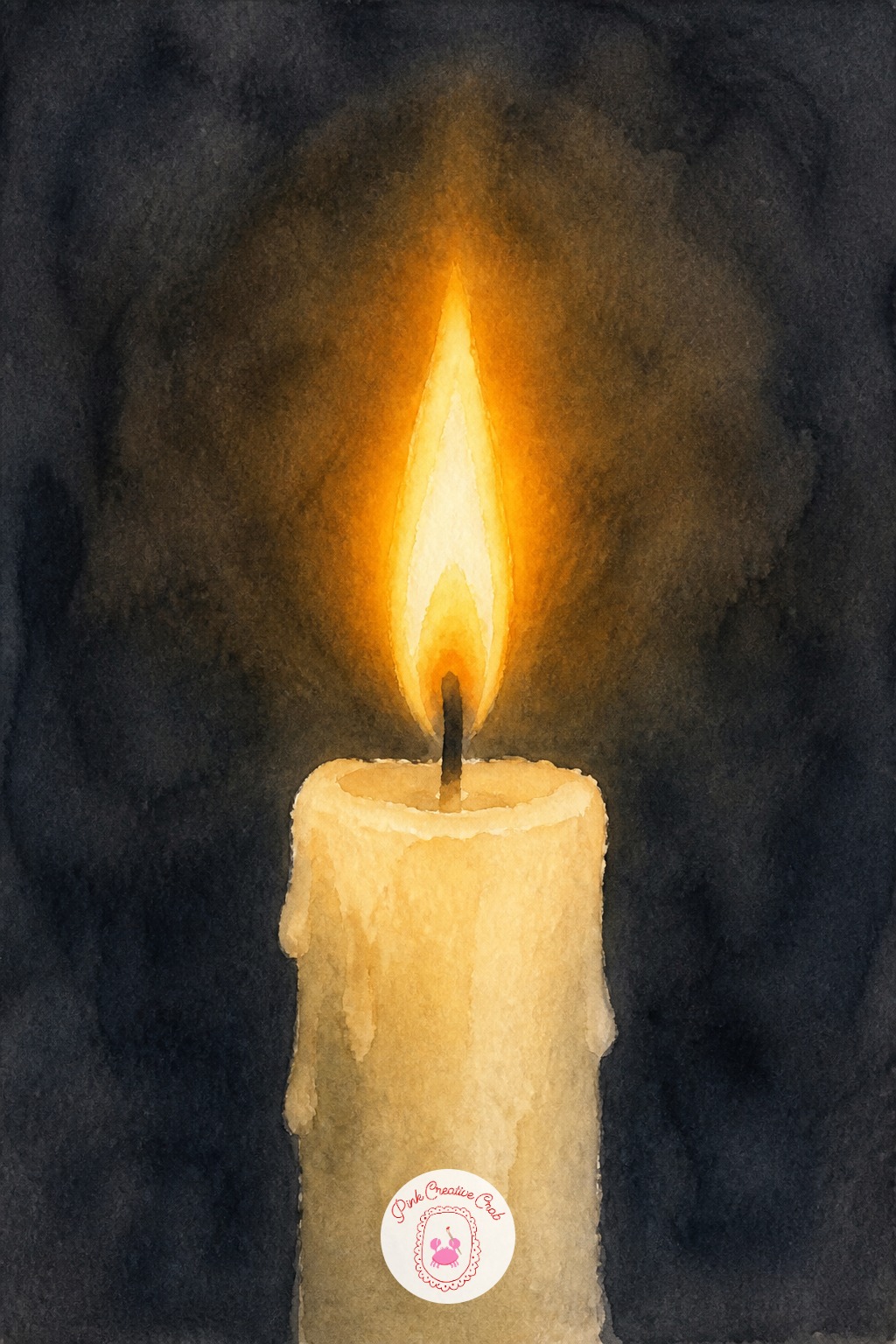
A lit candle is mostly about soft glow rather than detail, which suits a relaxed hand. Wet the paper slightly around the flame area first, then drop in a yellow center fading into orange at the edges so the colors bloom together.
Paint the candle body in a pale ivory wash with a thin pencil line for the wick once dry. The usual mistake is making the flame one solid orange shape, when a soft yellow core with no hard outline is what makes it glow.
Clove Studded Orange
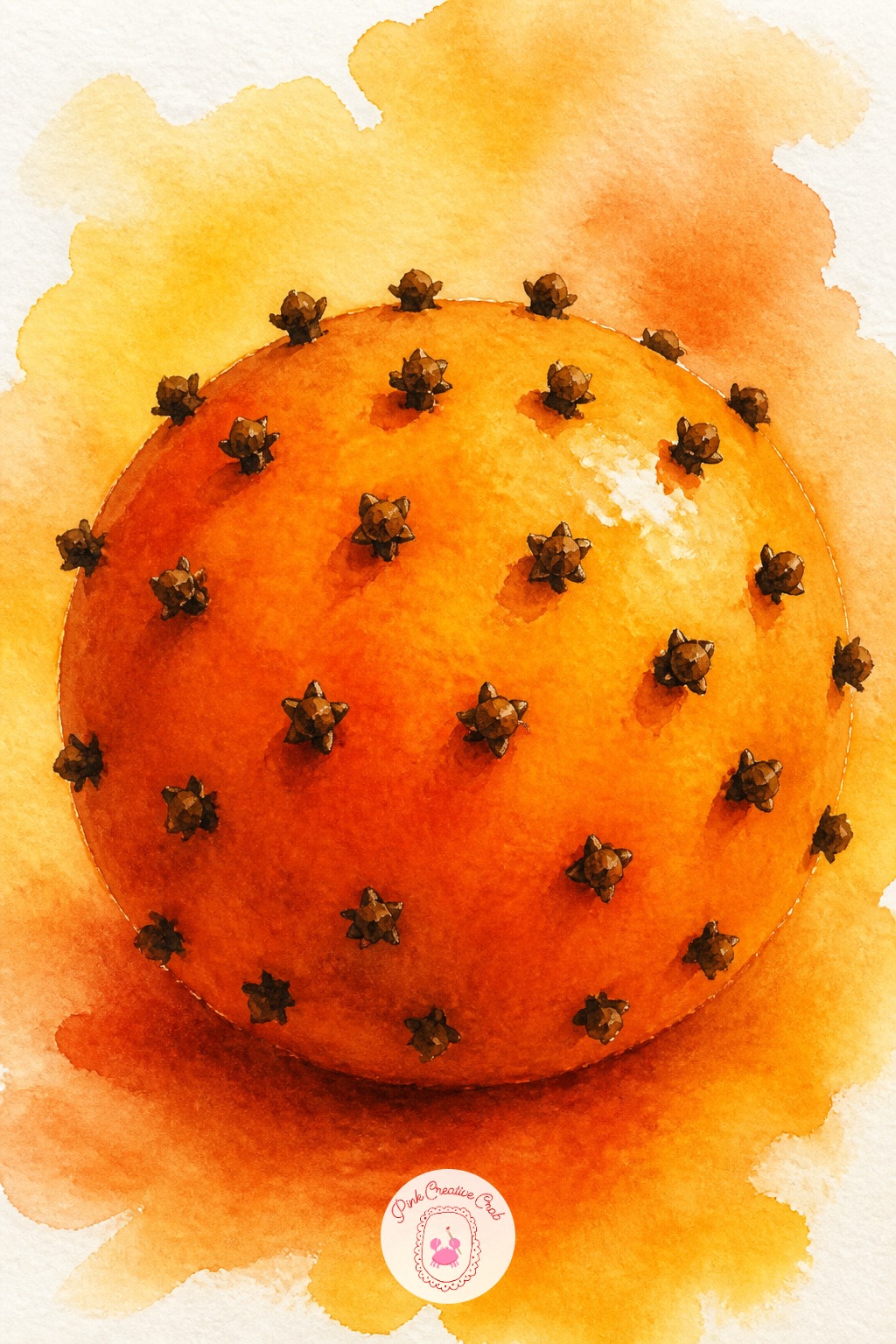
A pomander orange is a round shape with a pattern on top, good practice for controlled dots. Paint the sphere in cadmium orange with a touch of burnt sienna in the shadowed lower half.
Once completely dry, use a fine brush to dot in cloves with a near-black brown, scattering them unevenly across the surface rather than in neat rows. Leave a thin crescent of bare paper on one edge for the highlight, which is what keeps the orange looking round instead of flat.
Snowflake Close Up
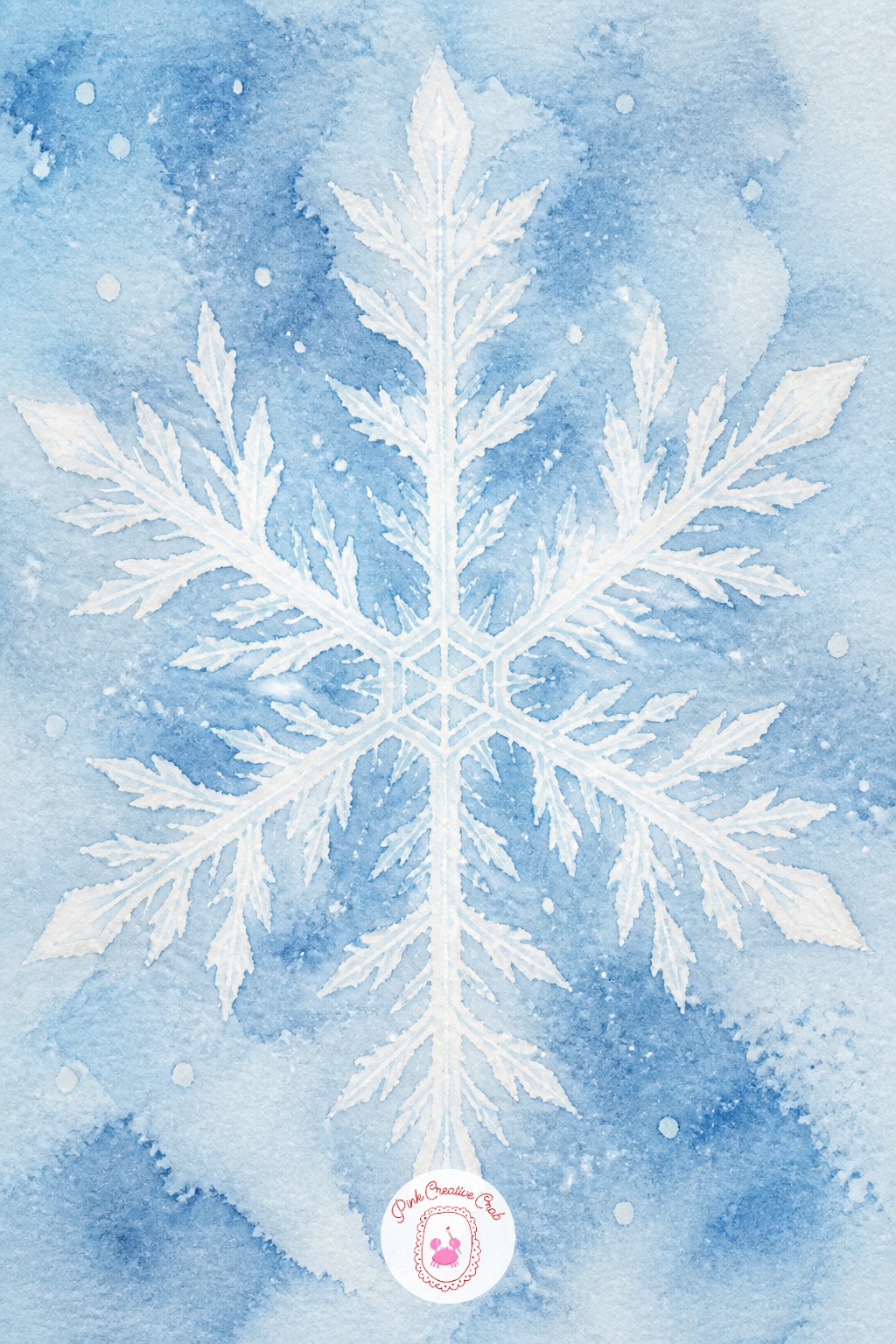
A single large snowflake works as a quiet, almost meditative subject. Paint a soft pale blue wash as the background first and let it dry completely before adding any linework.
Once dry, draw the six-armed pattern with a white gel pen rather than paint, since fine white lines are easier to control than a loaded brush. Lightly fold a scrap of paper into six sections first to use as a placement guide, since freehand snowflakes often come out lopsided without one.
Gingerbread Man Cookie
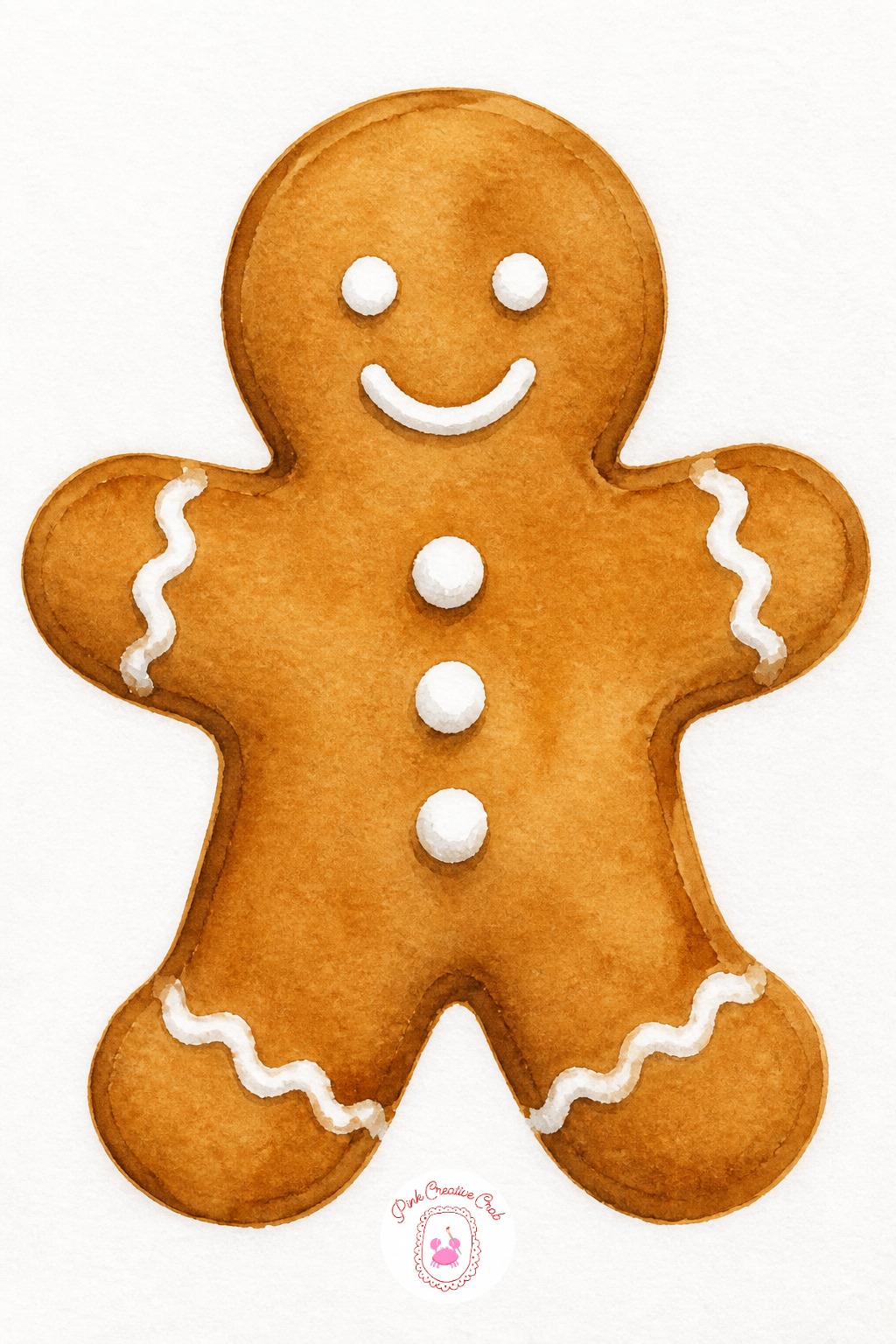
A gingerbread man is a friendly, simple outline shape that reads instantly. Paint the whole body in burnt sienna with a touch of raw sienna, keeping the edges slightly uneven like a real baked cookie.
Once dry, add icing details with white gouache: a line down the center, small dots for buttons, a curved smile. Keep these lines thin and a little wobbly, since perfectly straight icing lines look piped by machine rather than drawn by hand.
Knit Scarf Folded
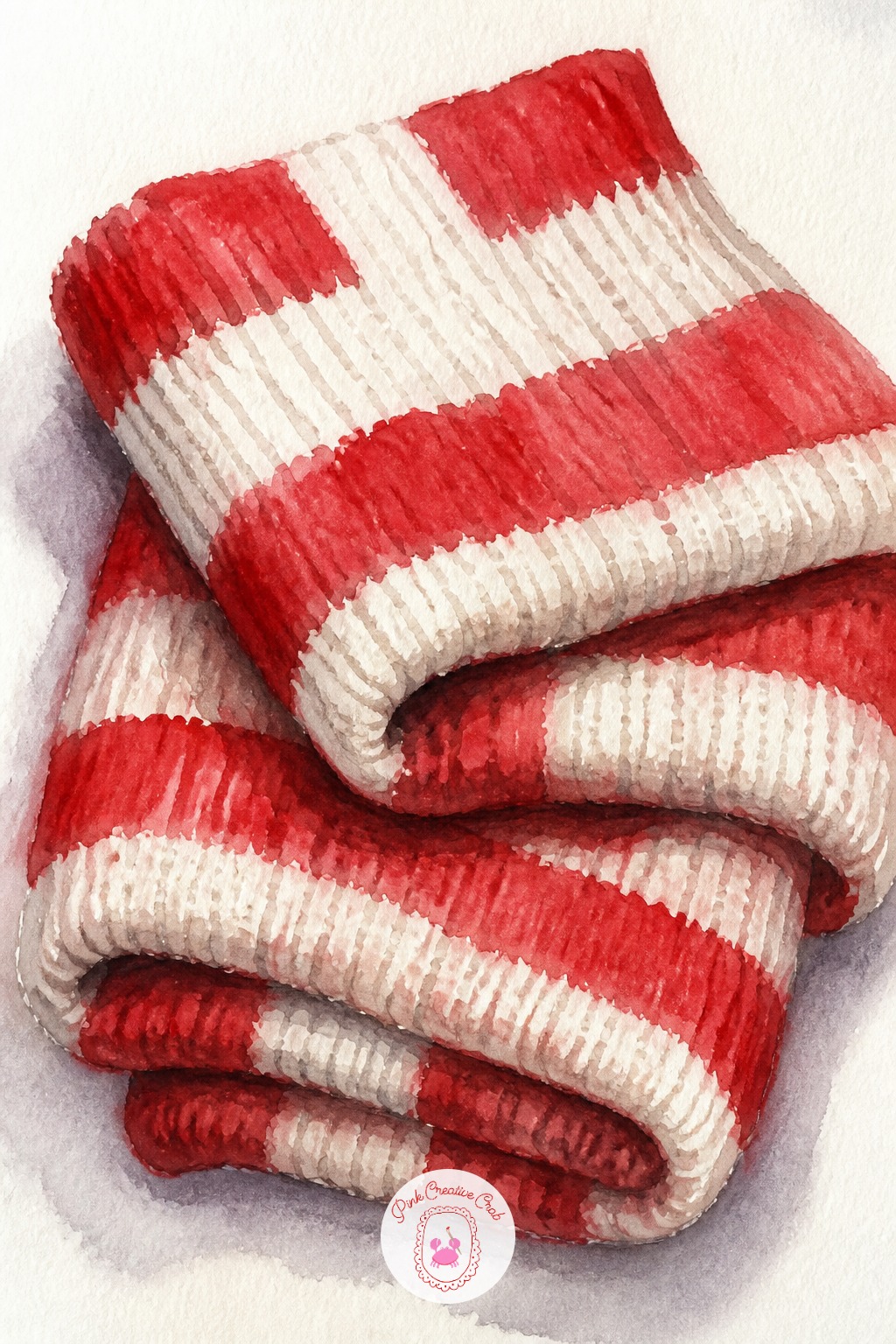
A folded scarf gives you stripes that bend with the fabric instead of running straight, which is good practice for following a form. Pencil in loose folds first, then paint alternating stripes in two colors, curving each stripe to match the fold beneath it.
Add a deeper shade of each color right in the crease of every fold for shadow. The common mistake is painting stripes as flat straight bands that ignore the folds entirely, which flattens the whole scarf instead of letting it feel soft and bunched.
Santa Hat on a Shelf
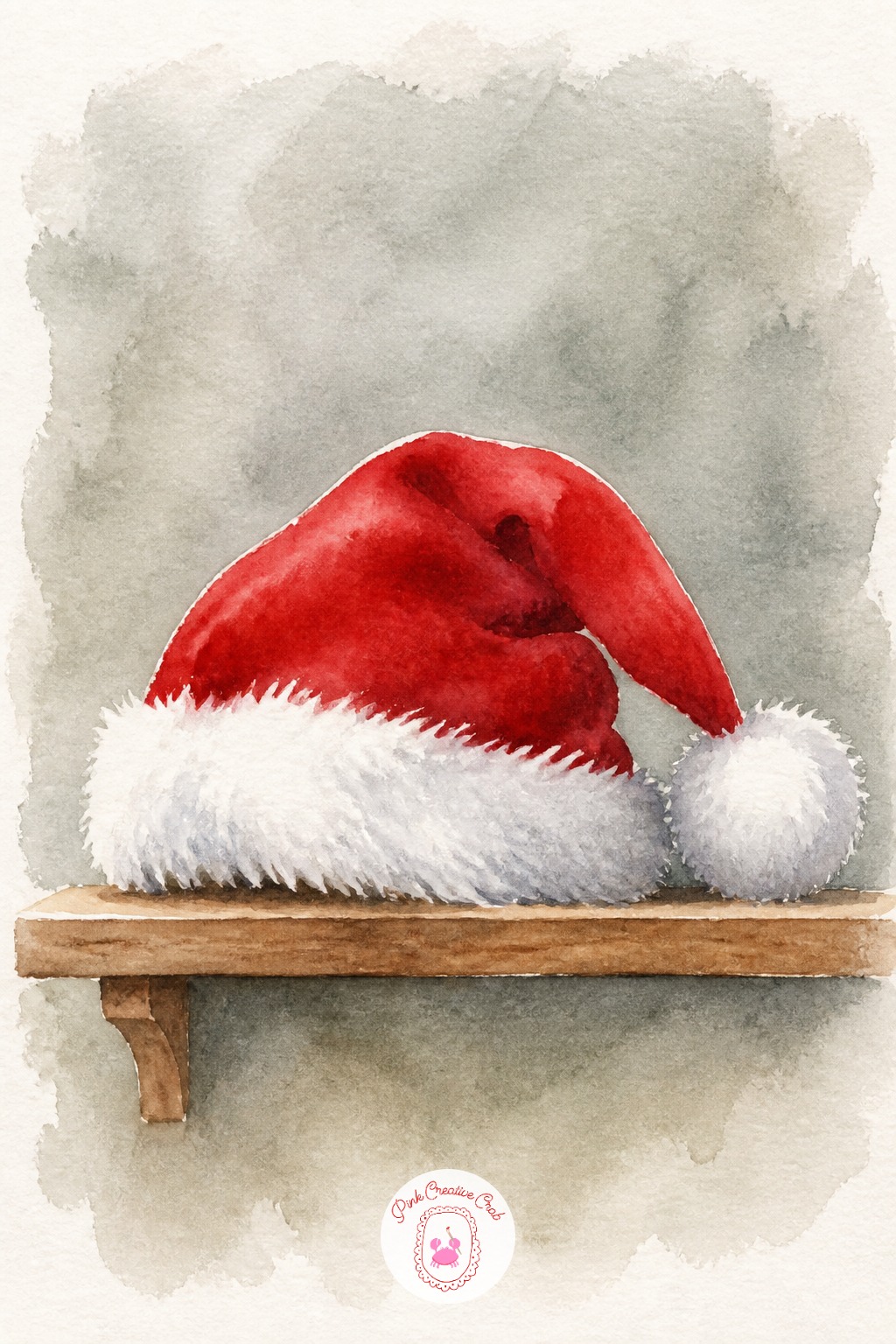
A Santa hat combines a simple red cone with a soft white trim, a nice contrast of textures in one small subject. Paint the red section first in cadmium red, leaving the fur trim and pompom as bare paper.
Once dry, lay a pale gray undertone over the fur areas, then dab white gouache over that with a nearly dry brush for texture. The usual mistake is painting the fur flat white with no shading underneath, which leaves it looking like a smooth blob rather than soft trim.
Mug of Hot Chocolate With Marshmallows
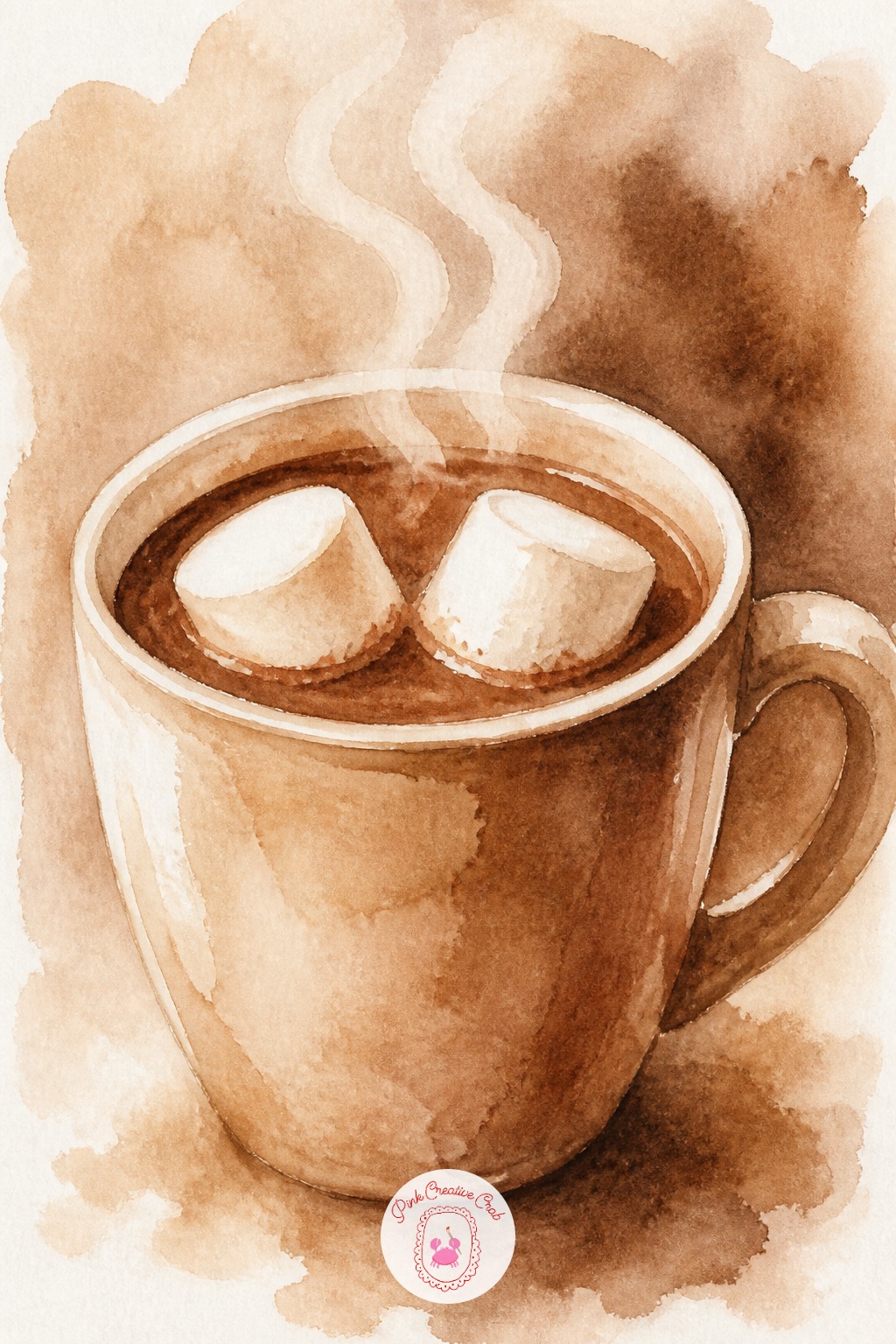
A simple mug shape filled with brown liquid and a few marshmallows is a cozy, quick subject. Paint the mug in a flat neutral color, then fill the inside with a warm burnt umber wash for the chocolate.
Leave two or three circles bare for marshmallows, adding a pale warm gray shadow along their lower edge once dry so they sit into the cup instead of floating. Steam can be suggested with a dry, nearly empty brush lifted upward in soft curved strokes.
Wrapped Present With Ribbon
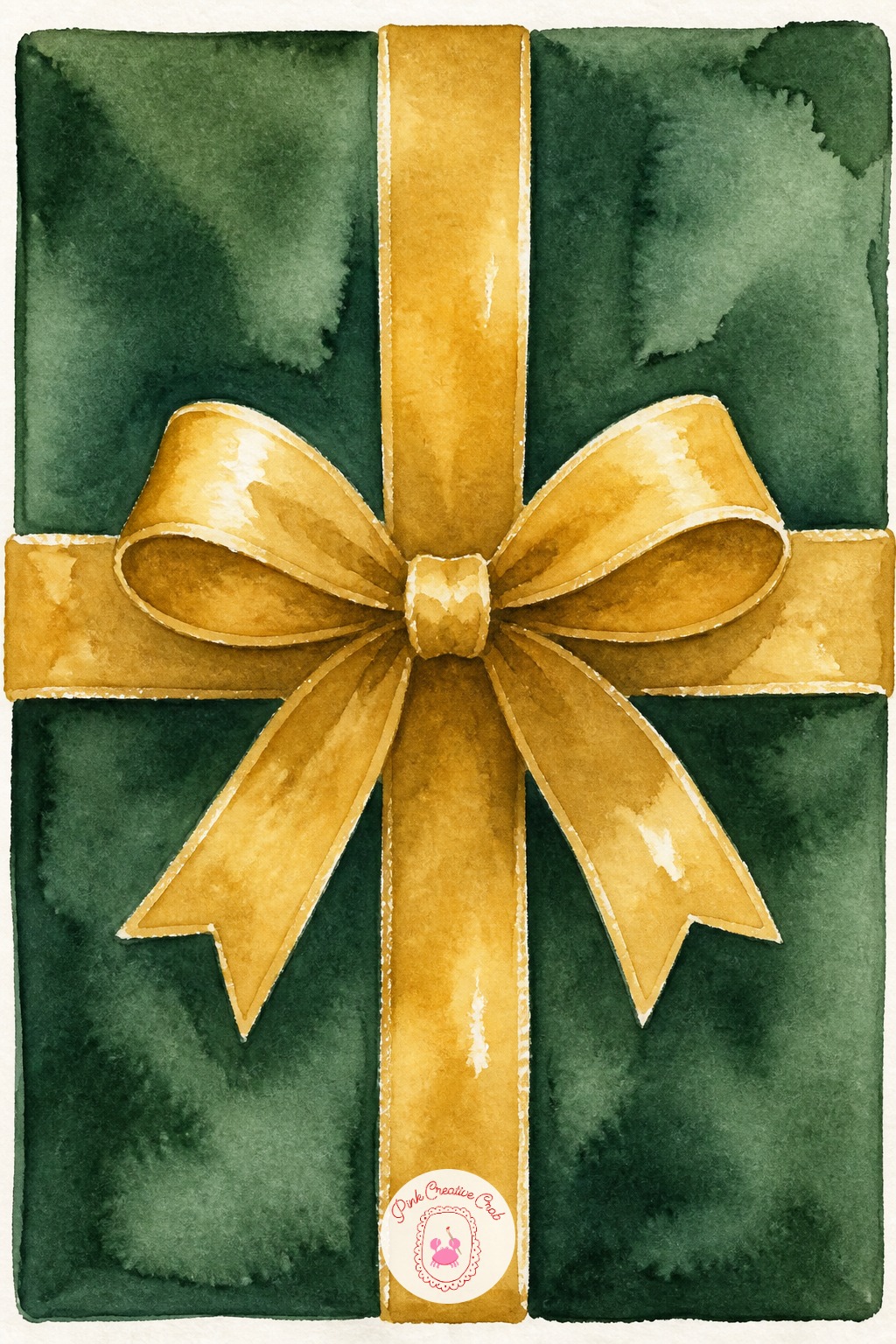
A wrapped box is really two rectangles and a ribbon cross, an easy shape to block in confidently. Paint the box in one flat color first, then leave the ribbon shape as bare paper or a pale gold.
Once the box wash is dry, add a soft shadow line directly under where the ribbon crosses, which is what makes the ribbon look like it sits on top of the box rather than painted flat beside it. Skip fine bow detail and keep the loops simple.
Striped Stocking Hanging
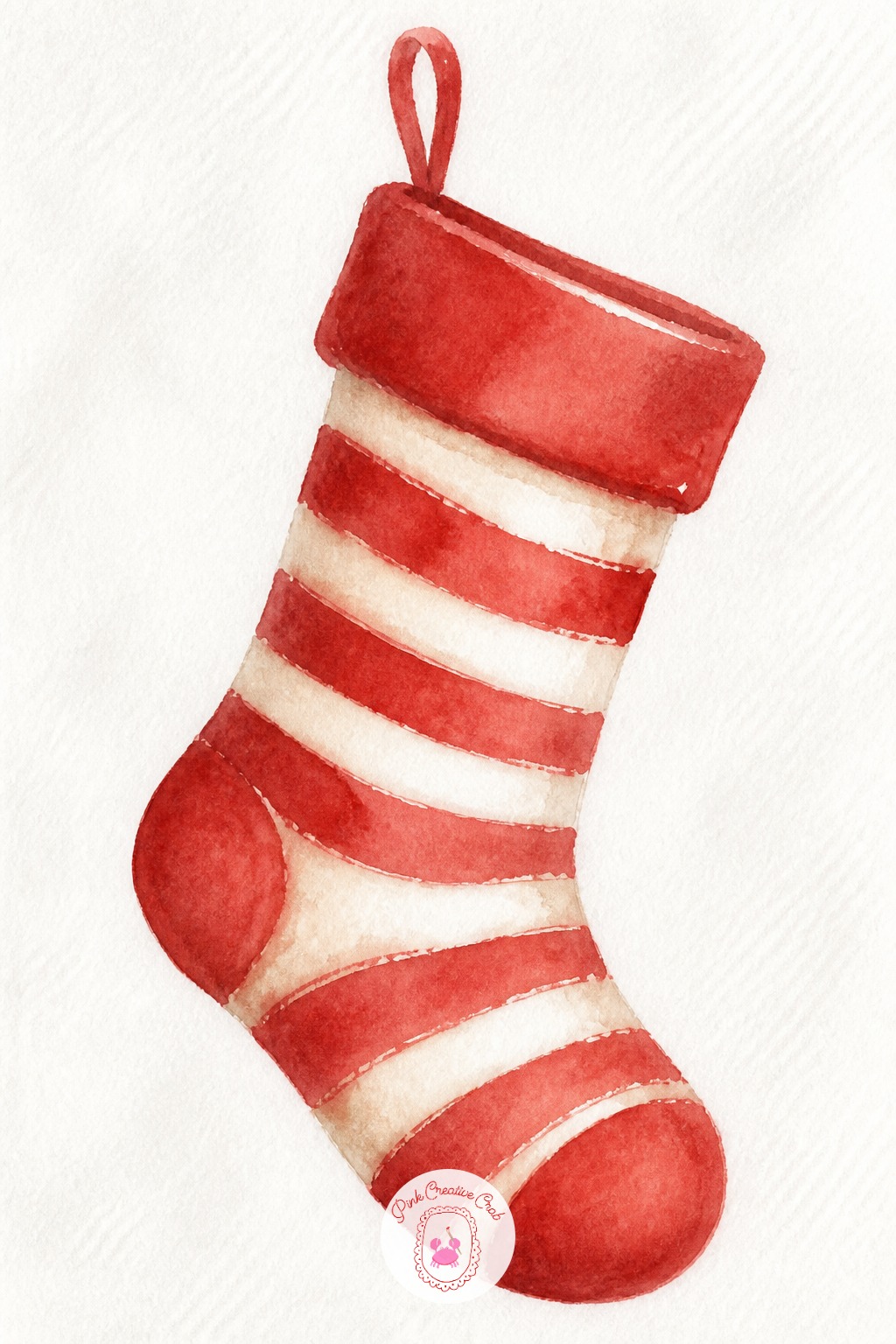
A hanging stocking has a nice curved toe that gives it weight, unlike a flat sock shape. Pencil the outline with a rounded heel and pointed, slightly drooping toe, then paint the body in alternating stripes of two colors.
Add a small hanging loop at the top in a contrasting color. Keep the toe curved downward rather than straight, since a stiff straight toe makes the stocking look empty instead of full and hanging under its own weight.
Pine Branch With Snow
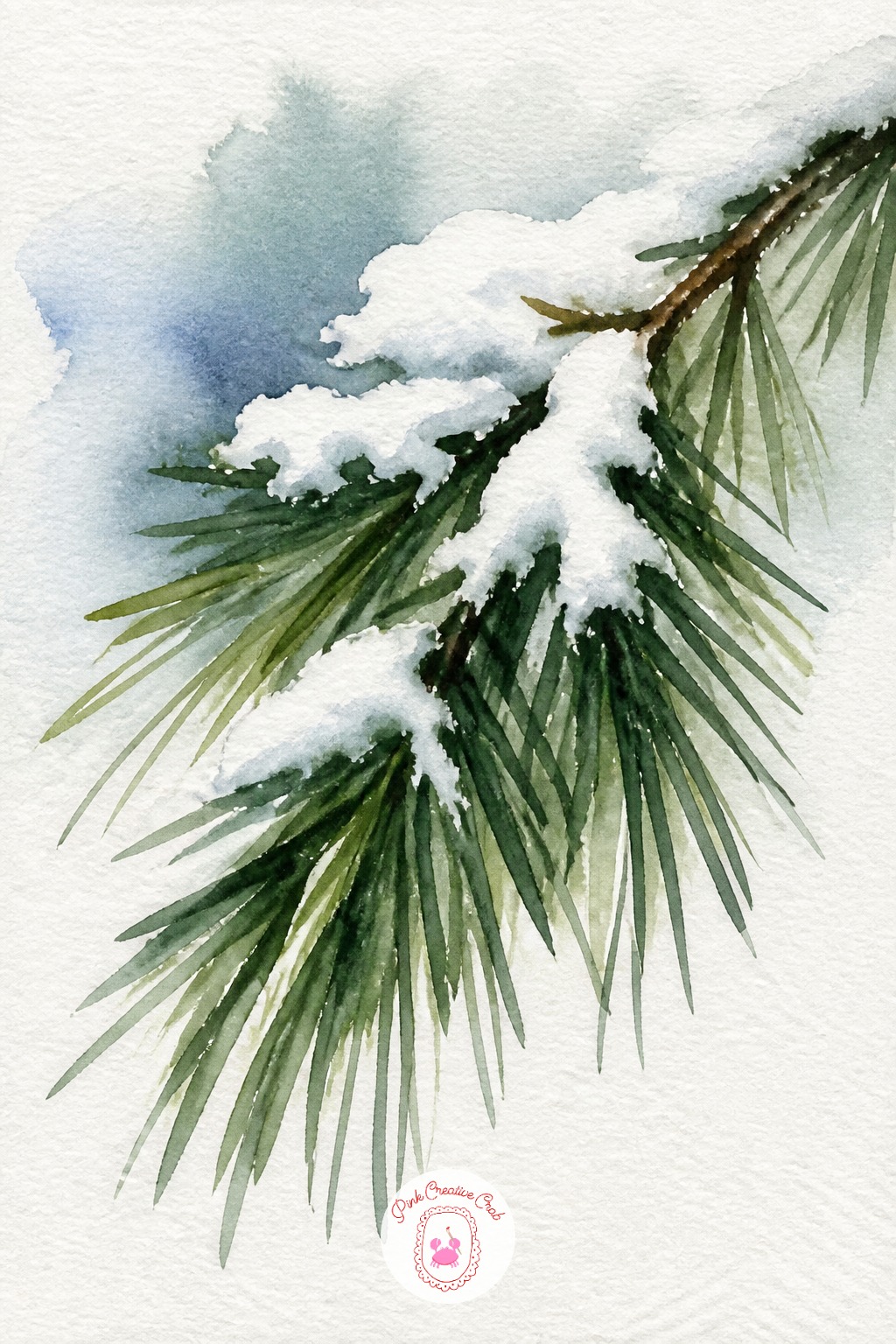
A single pine branch is built from many small needle strokes rather than one big shape, good practice for varied brushwork. Paint clusters of short dark green strokes radiating outward from a thin brown stem, varying their length and angle rather than making them all identical.
Once dry, dab small clumps of white gouache along the top of the branch for snow. The common mistake is painting needles too neatly in rows, which looks more like a fern than a pine branch.
Sleigh Bells on Ribbon
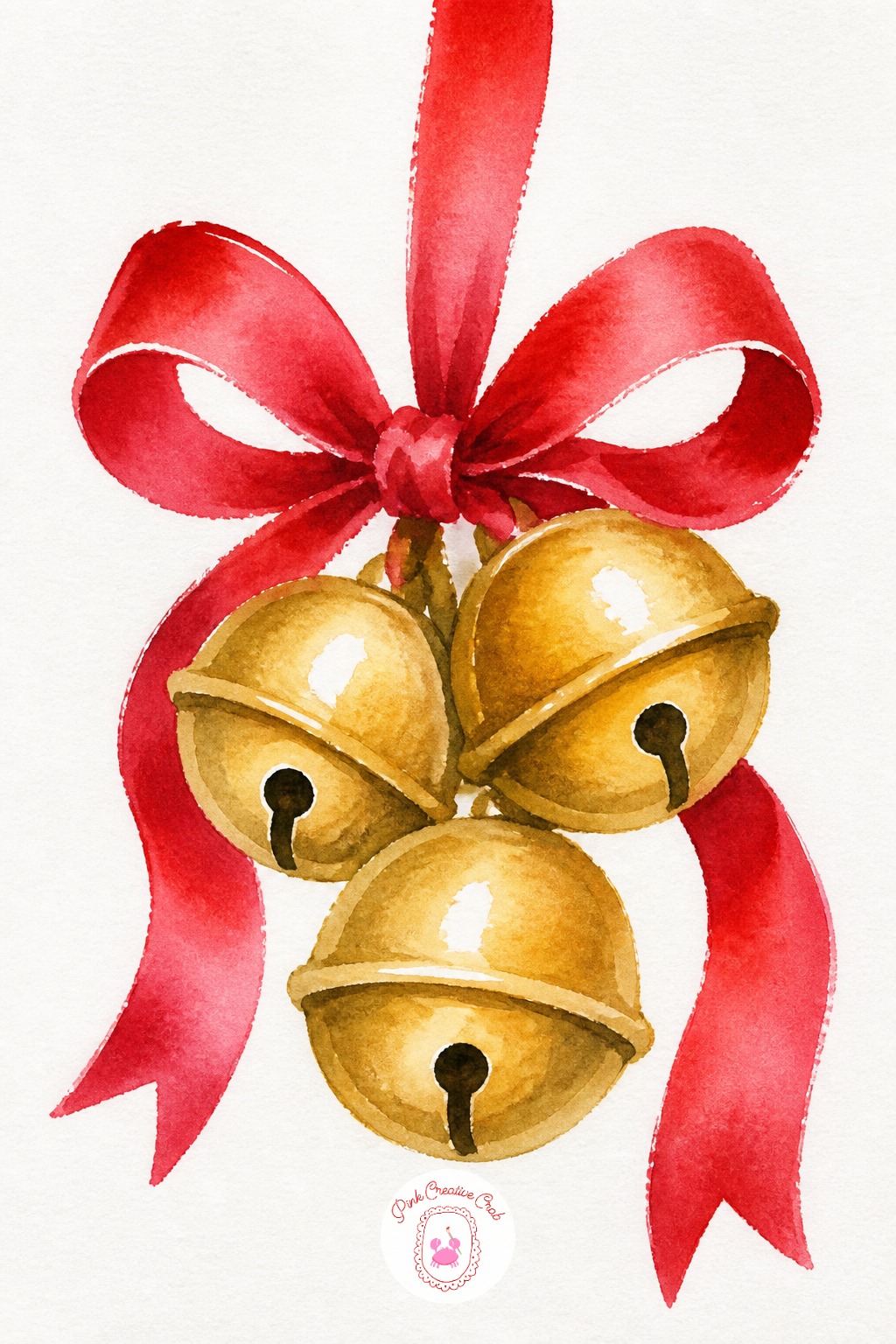
A small cluster of bells tied to a ribbon is a quick study in suggesting metal with very little detail. Paint each bell as a simple circle in yellow ochre, leaving a bare crescent on one side for the shiny highlight.
Add a short dark line near the bottom of each bell for the slit opening. Tie them together with a red ribbon in loose loops. The mistake to avoid is painting the bells perfectly flat and matte, since the untouched highlight is what reads as metal.
Snow Globe
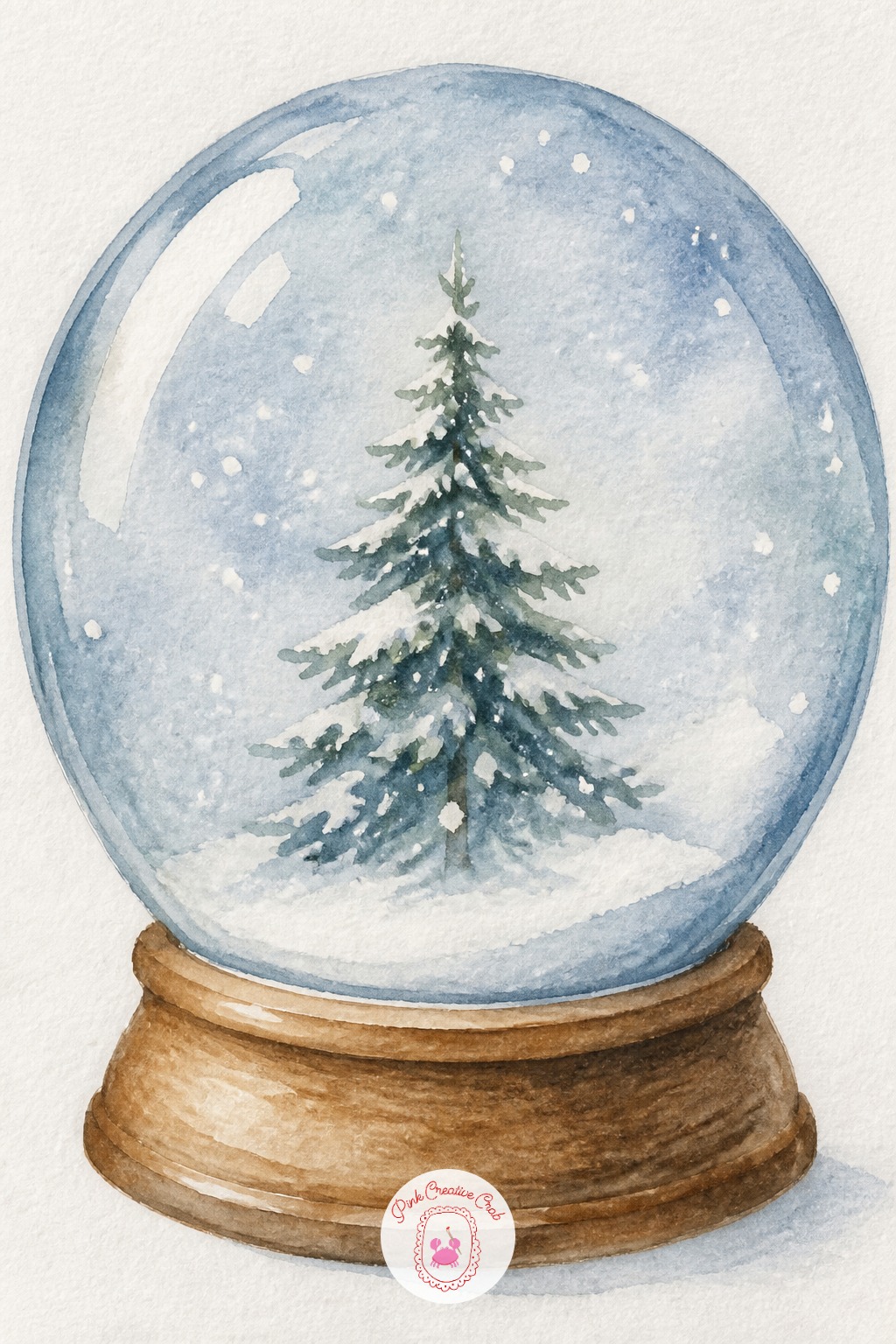
A snow globe is a sphere with a small scene trapped inside it, a fun layered subject for one evening. Pencil the dome and base first, then paint a tiny simplified tree or house inside before adding the glass.
Leave a curved crescent of bare paper across the upper edge of the dome for the glass highlight before you wash over the rest in pale blue-gray. Forgetting that reserved highlight is the biggest mistake, since without it the dome reads as a flat circle rather than glass.
Star Tree Topper
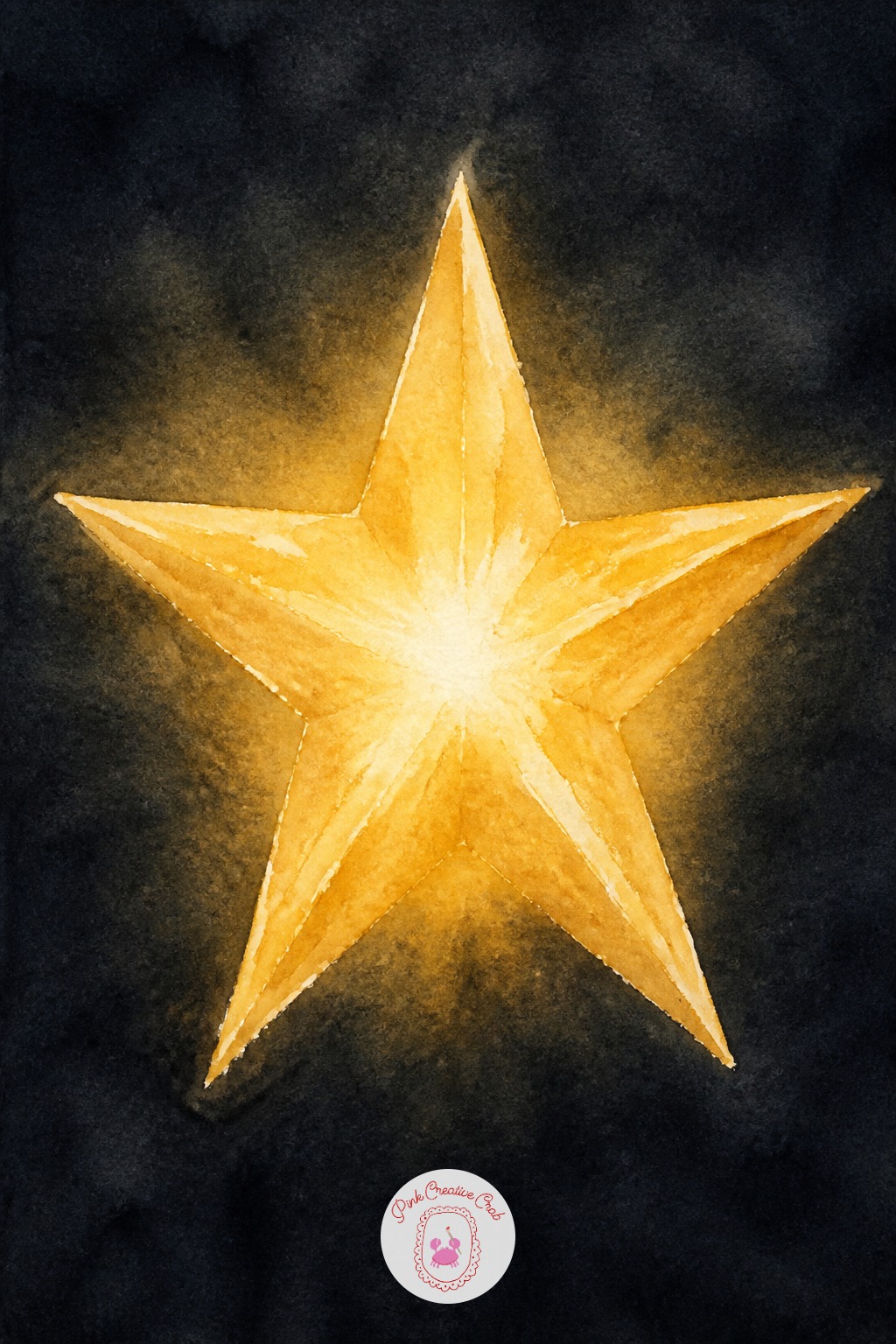
A simple five-point star with a soft glow around it makes a quick, cheerful subject. Pencil the star lightly first to keep the points even, then paint it in a warm gold wash.
While still slightly damp, add a soft yellow halo bleeding outward around the star on wet paper so the glow has no hard edge. If you enjoy planning shapes like this in pencil first, these christmas drawing ideas in pencil are worth a look too. Keep the points slightly uneven rather than perfectly matched.
Window Frost Pattern
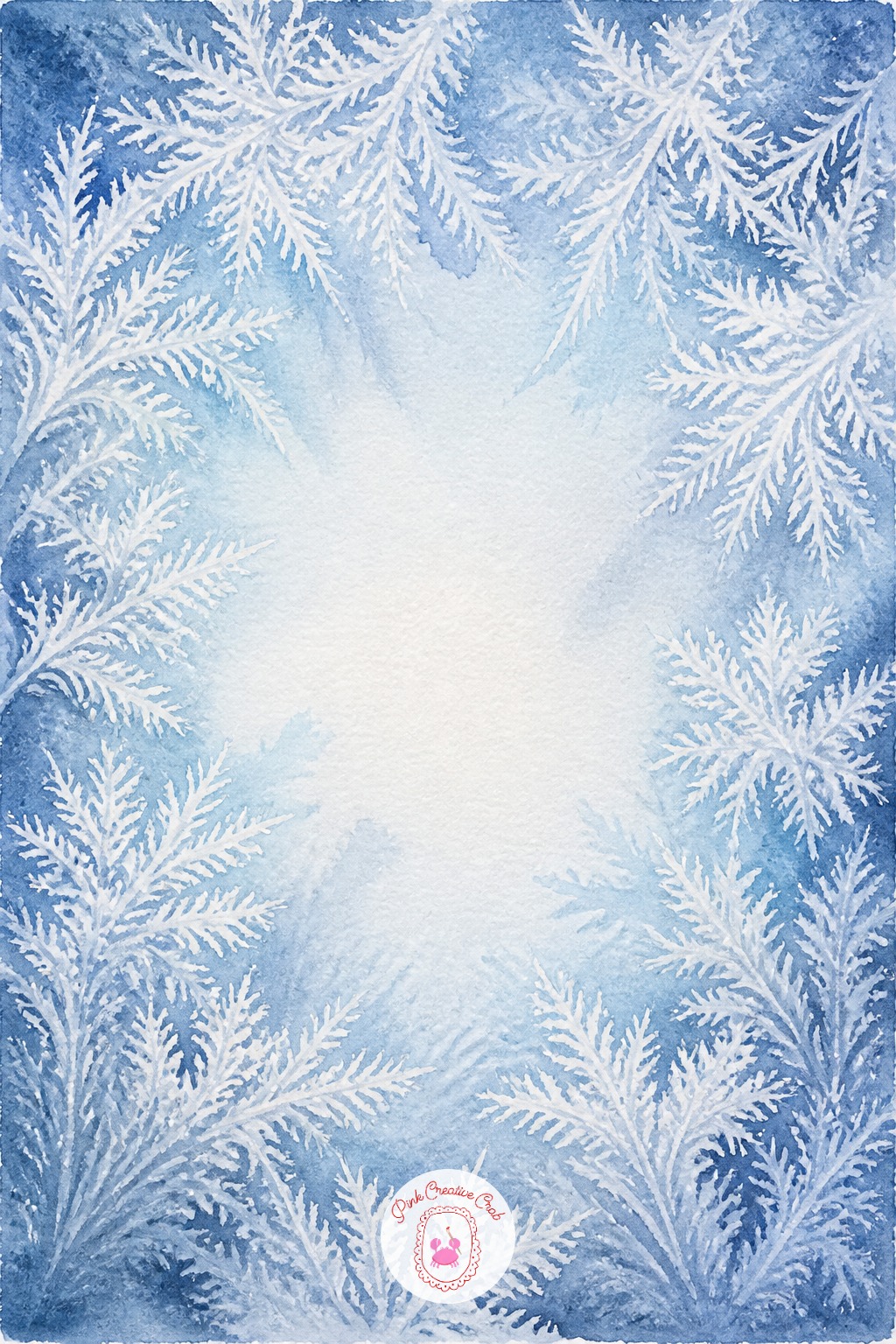
Frost on a windowpane gives you a chance to paint lacy linework over a flat color field. Apply masking fluid in fern-like branching lines across the paper first, then let it dry fully.
Paint a pale blue wash over the whole pane once the fluid is dry, then peel it away once that wash dries to reveal the bare paper frost pattern underneath. Keep the pattern loose around the edges and leave an open patch in the center so there is still a hint of sky showing through.
Birch Branch in Snow
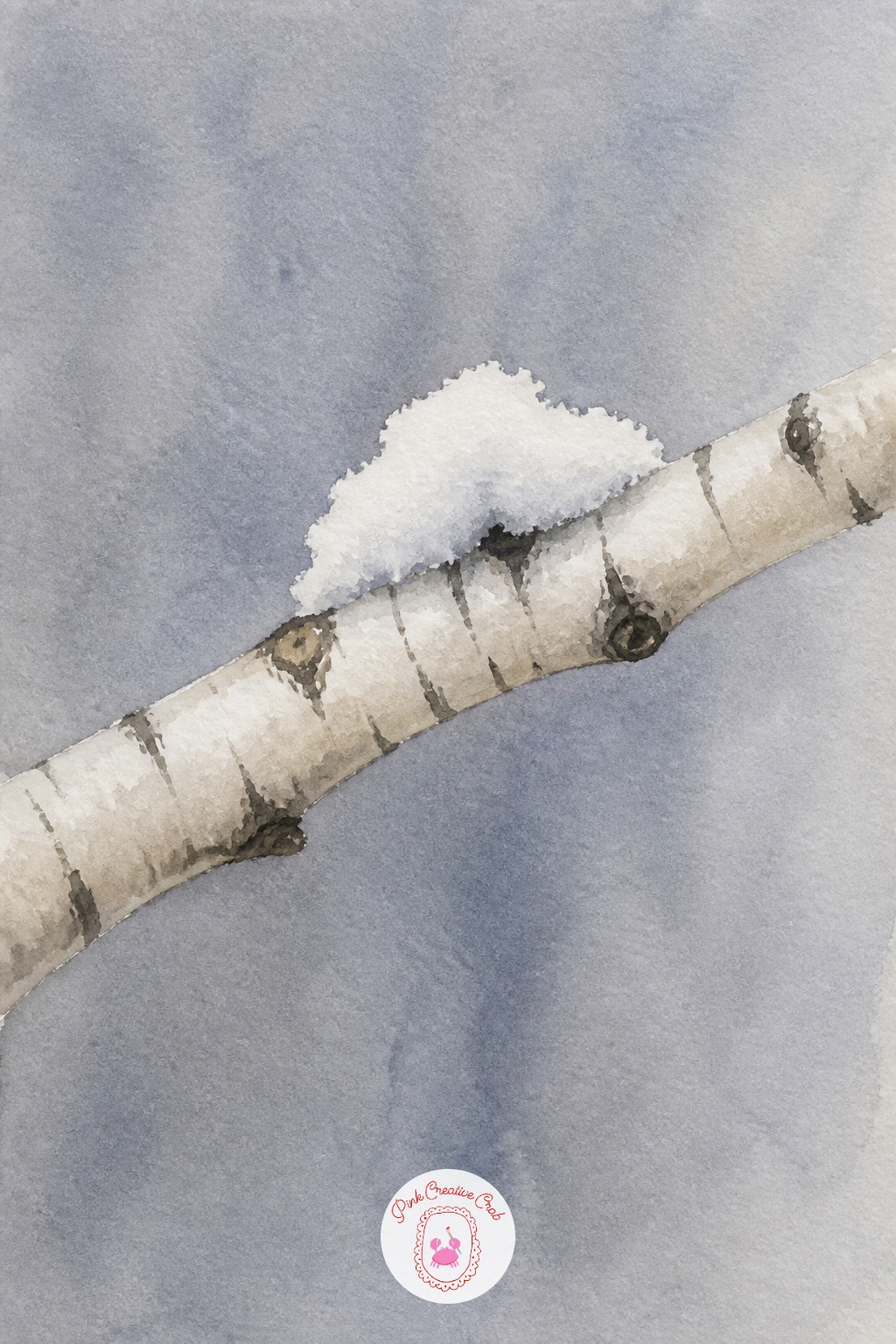
A birch branch relies on contrast rather than color, since the bark itself stays close to bare paper. Paint the branch shape in a very pale gray wash, then once dry add short horizontal dashes of dark gray and black for the bark marks.
Finish with a small clump of white gouache snow sitting on top of the branch. The usual mistake is leaving the bark too plain and white, when those dark horizontal dashes are what make it recognizably birch.
Red Cardinal on Snowy Branch
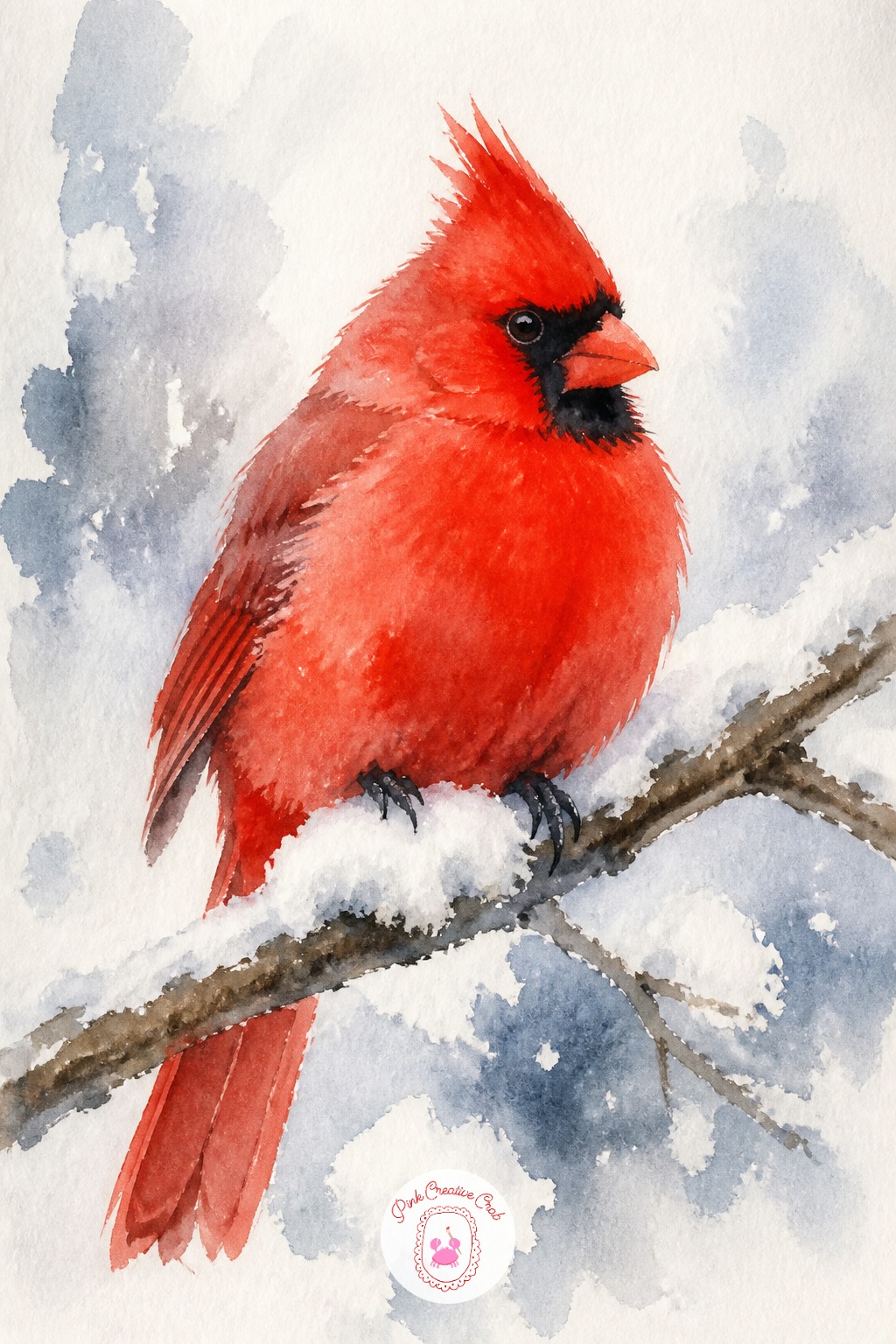
A cardinal gives you a strong shape and a single bright color against a quiet winter scene. Block the body in cadmium red with a rounded chest and a slightly pointed tail, keeping the head small and distinct from the puffed body.
Paint the face mask and beak area in black once the red is dry, and add a thin branch with a small clump of snow beneath the bird’s feet. Keep the body round rather than egg-shaped all over, which is what gives the pose some life.
Vintage Bauble With Reflection
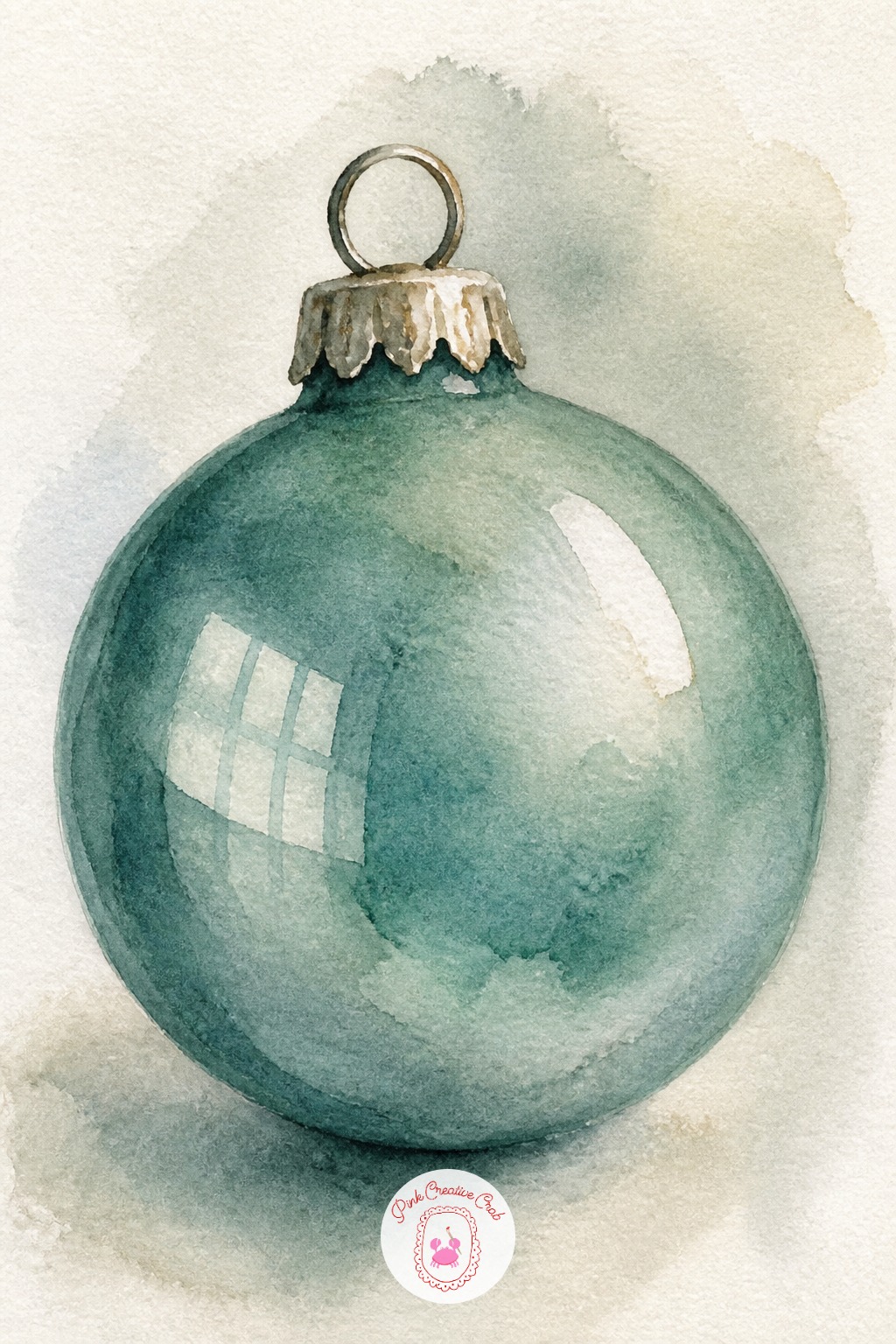
An older-style ornament with a faint reflected window shape is a quieter take on the single bauble idea. Paint the sphere in a muted teal or dusty gold rather than bright red, keeping the overall value soft.
Once the base is dry, add a pale, loosely shaped rectangle suggesting a window reflection on one side, kept soft-edged and faint rather than detailed. Resist adding too much inside that reflection, since a busy reflection competes with the ornament instead of supporting it.
Paper Star Lantern
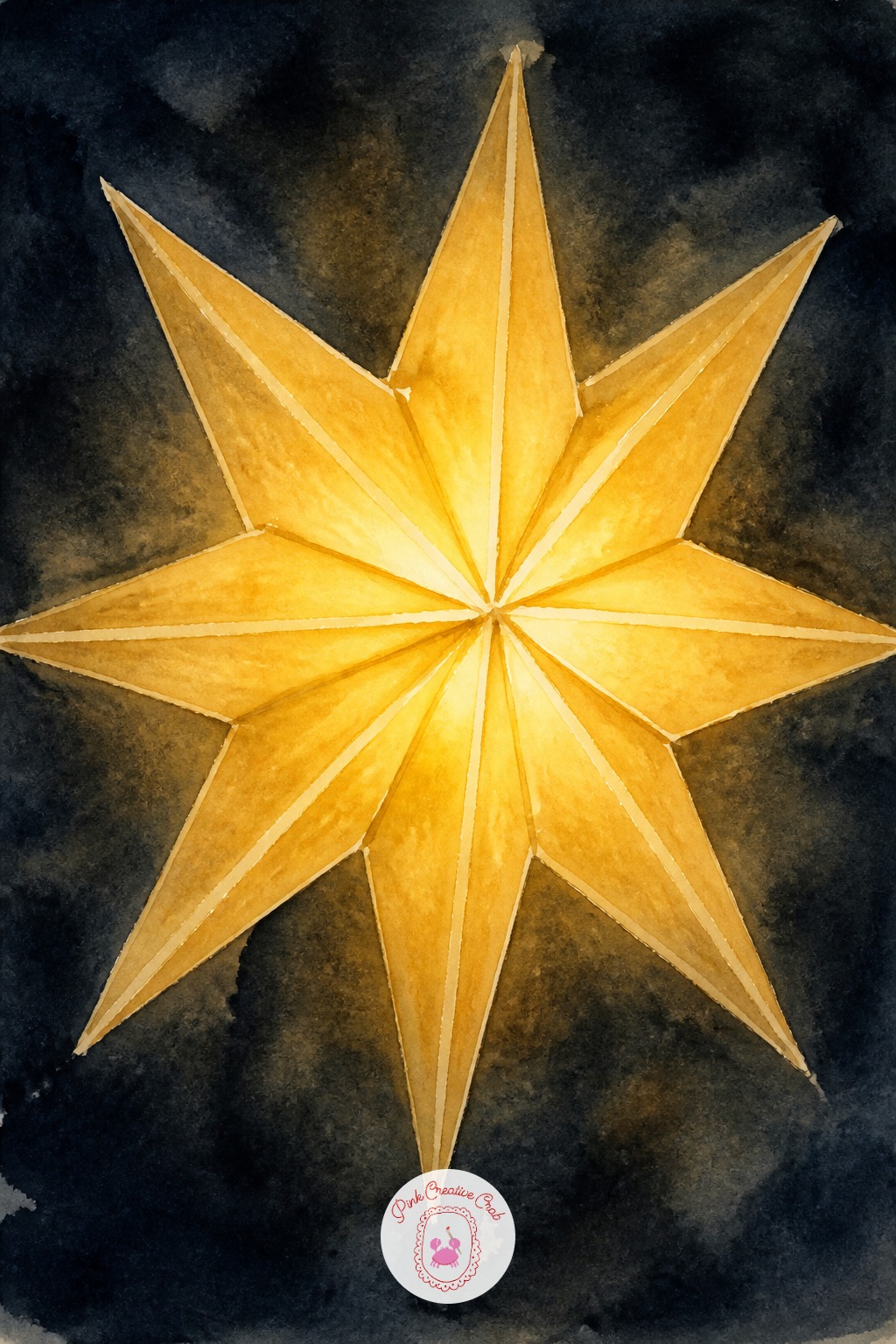
A folded paper star lantern has flat facets and a warm glow from inside, a nice step up in complexity. Apply masking fluid along the star’s point edges first to keep those fold lines crisp and pale.
Paint the body in a warm wash, deeper gold near the edges and paler toward the center where the light glows through. Peel the masking fluid once dry to reveal the thin facet lines. Losing those fold lines is the main risk, since without them the star looks round instead of faceted.
Ice Skates by the Door
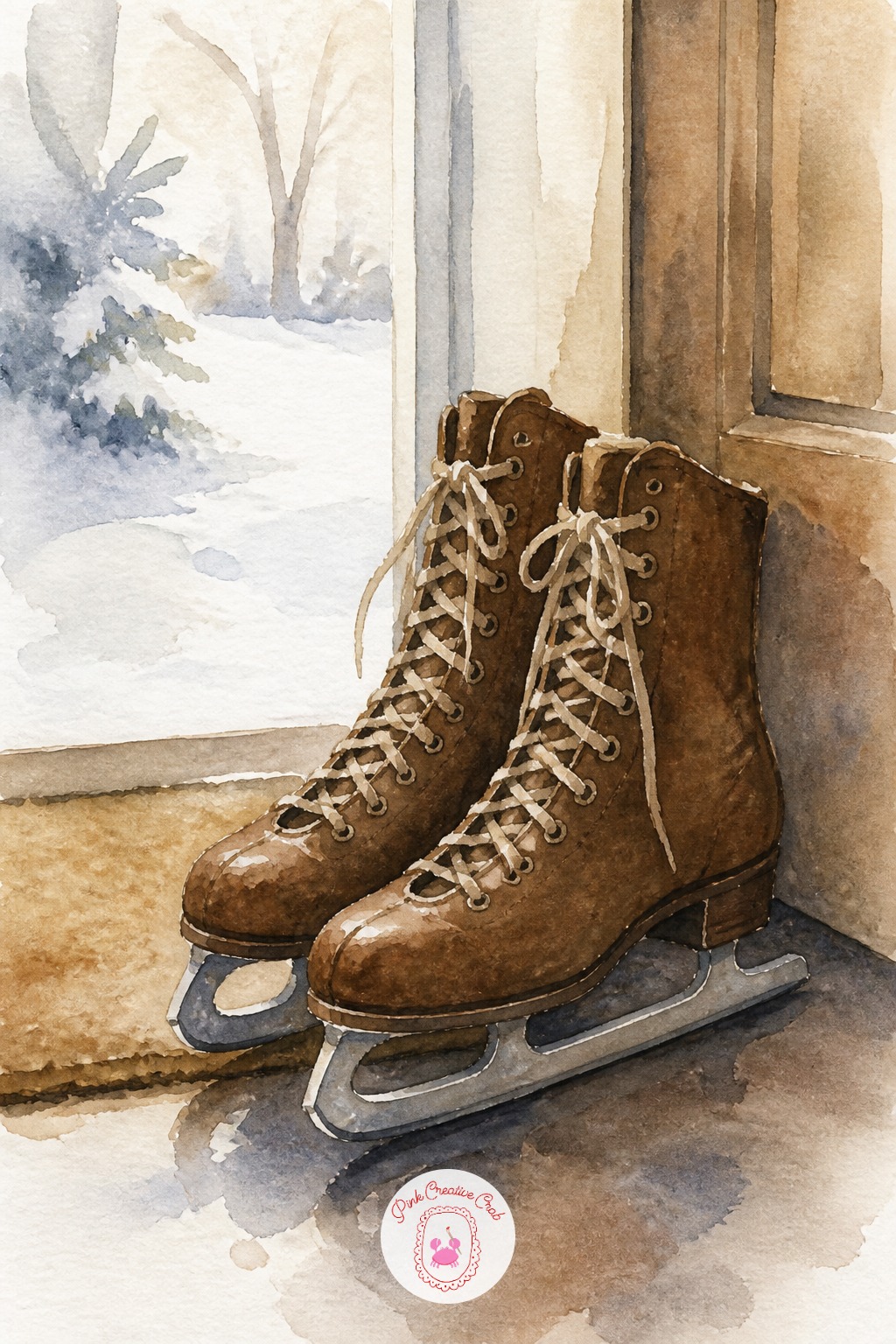
A pair of ice skates leaning together adds a narrative touch without much extra painting. Paint the leather boots in a warm brown, leaving the laces as thin bare lines crossing the front.
Paint the blades in a thin gray-silver line beneath each boot, keeping them fine rather than thick so they read as metal. The usual mistake is painting the blades too wide, which makes them look like wooden runners instead of thin steel.
Lit Candle in a Frosted Window
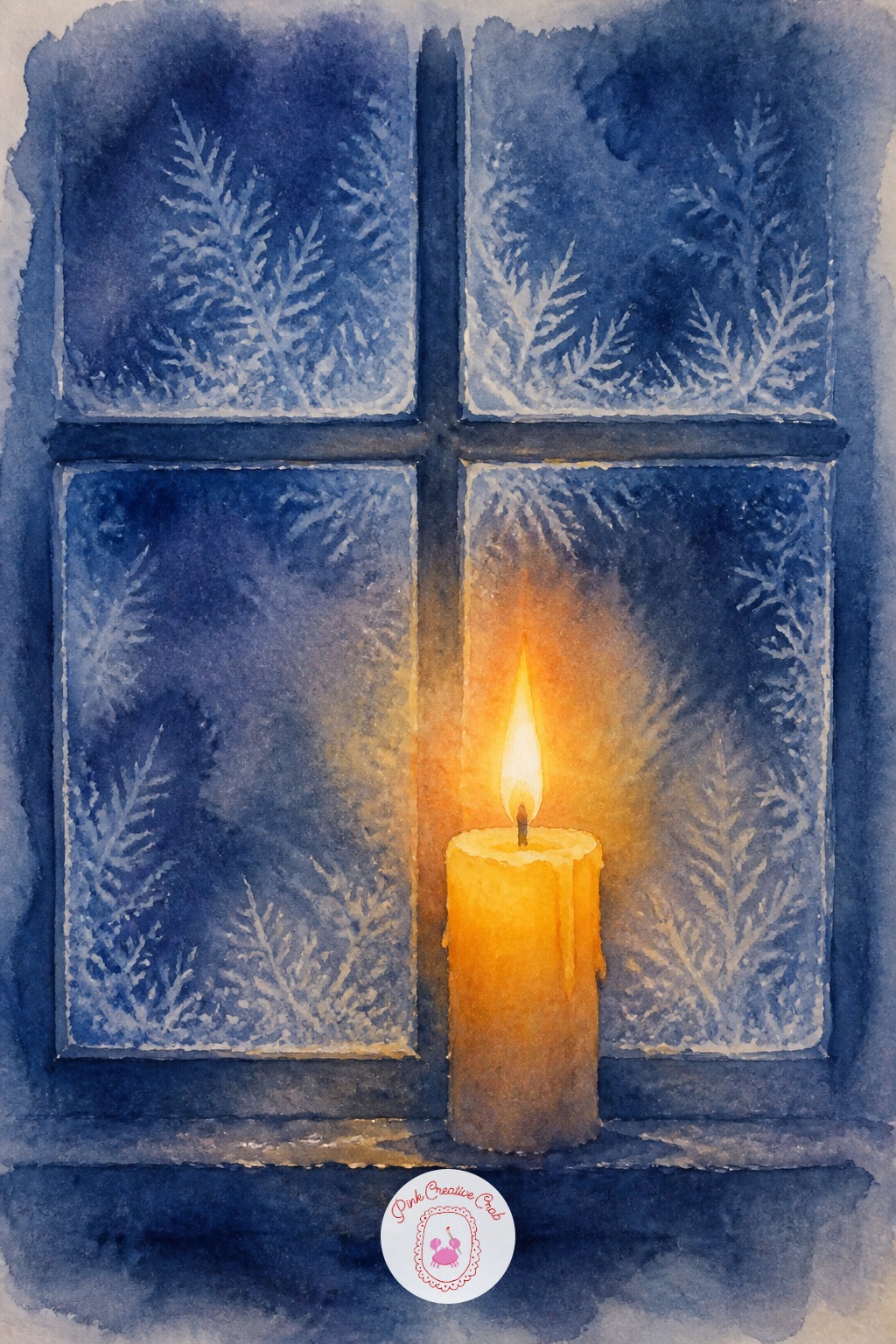
This combines a soft glow with a cooler background, a nice contrast study. Paint the window area first in a deep dusky blue, then once dry lift out a soft rounded patch around where the candle will sit using a damp clean brush.
Paint the candle and its warm halo into that lifted area in yellow and orange. Keeping the glow soft-edged against the sharp blue window is what sells the contrast, so avoid a hard line between the two.
Potted Christmas Tree
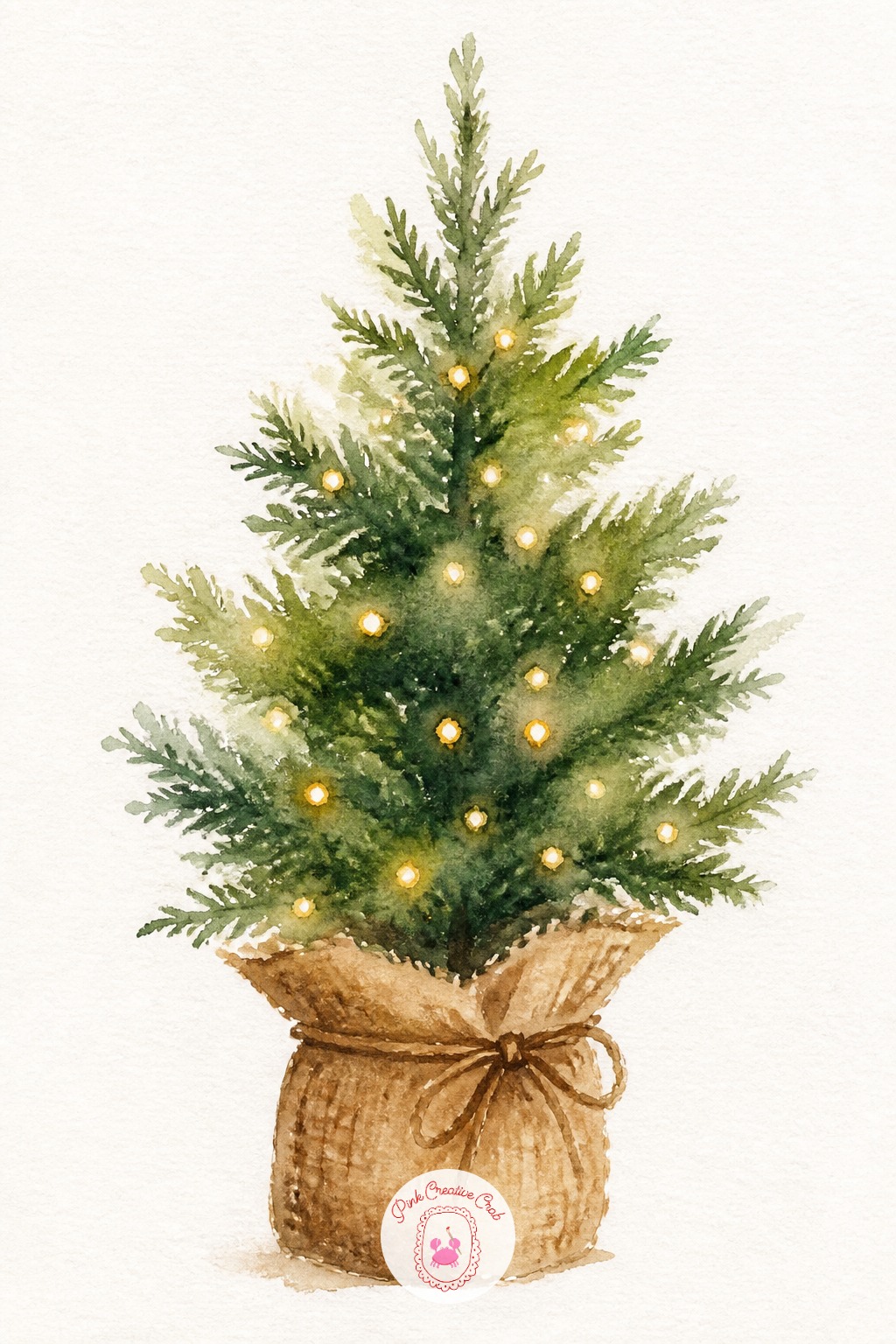
A small tree in a burlap pot is a looser, more forgiving take on tree painting since it sits whole in the frame. Block the tree shape with varied dabs of sap green and a darker pine green, letting individual dabs stay visible rather than blending into one smooth triangle.
Paint the pot in a warm burnt sienna with a rim of darker brown for the burlap texture. Keep the dabs uneven in size, since a perfectly even cone of green looks more like a plastic tree than a real one.
Fireplace With Stockings
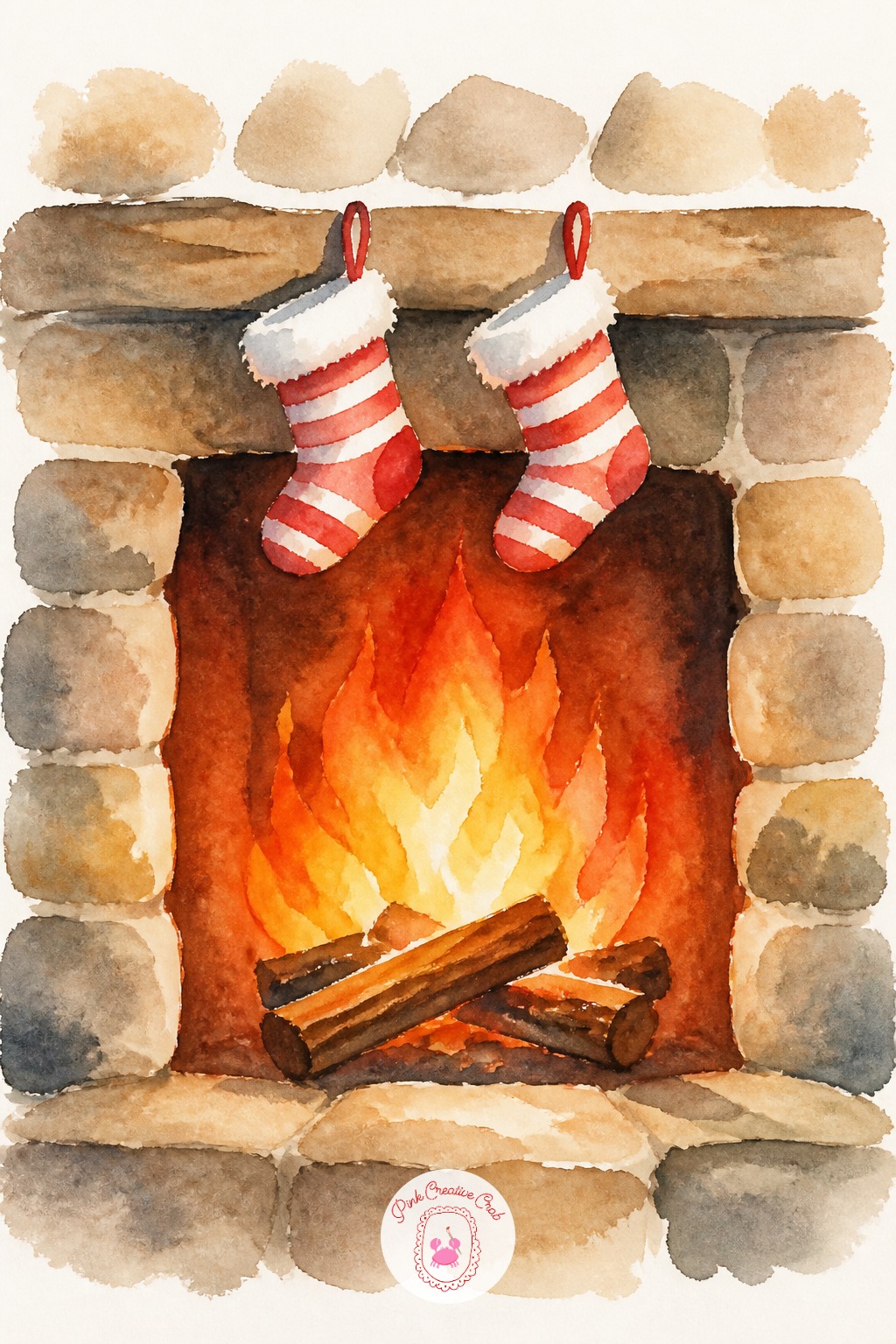
A mantel scene brings in a few different shapes at once: the fire glow, the hanging stockings, and the mantel shelf. Paint the fireplace opening in deep warm orange and red with wet-on-wet blending for the glow.
Keep the brick or stone mantel loose and suggested rather than detailed, with just a few darker lines for texture. Add two small striped stockings hanging from the shelf last. Overworking the mantel texture is the main risk, since it pulls focus from the warm glow below.
Row of Snowy Rooftops
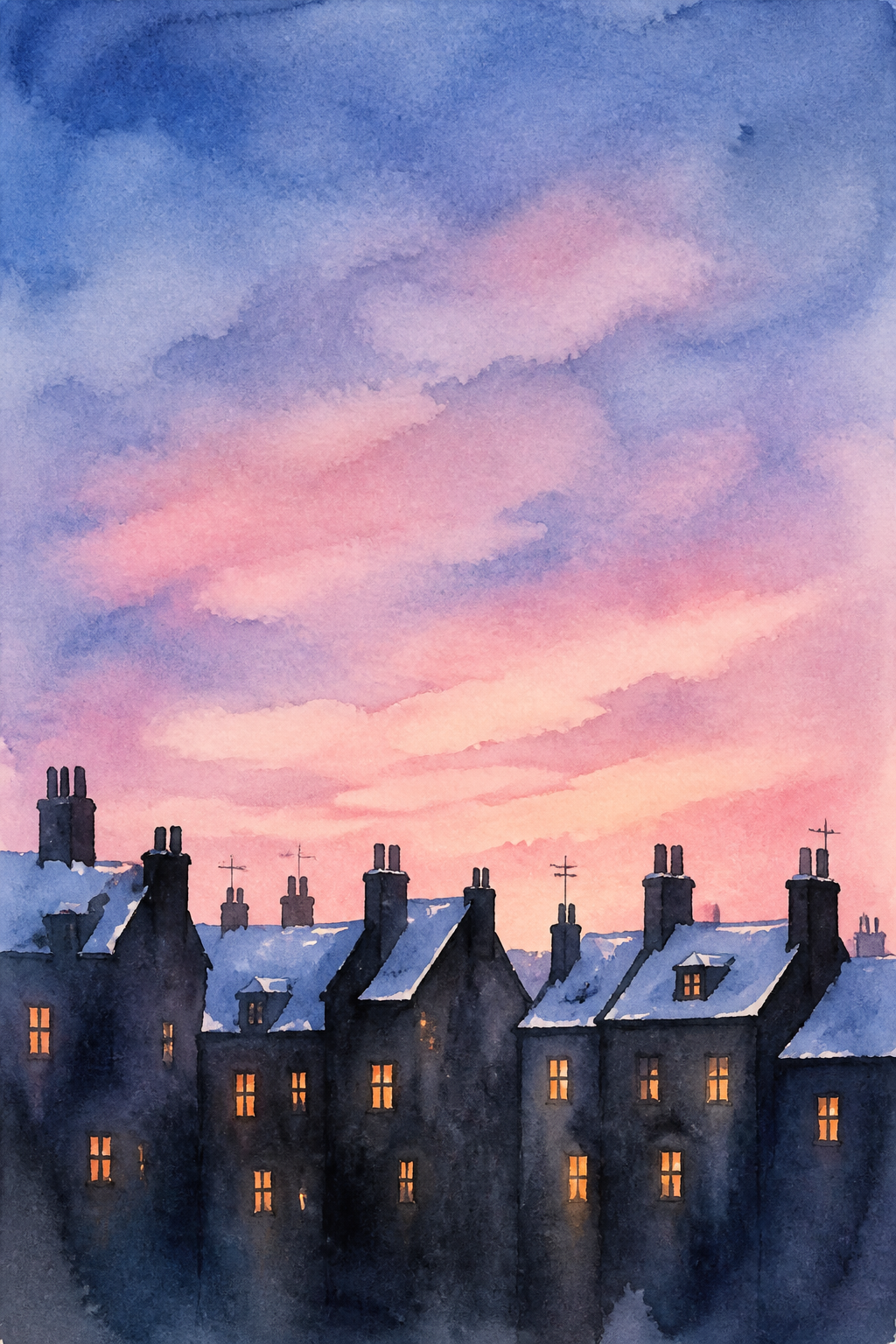
A simple skyline of small rooftops against a dusk sky works well as a loose silhouette study. Wash the sky first in soft pink-orange fading into blue, then once dry paint the rooftops as a single dark silhouette shape with varied roof heights and a few thin chimney lines.
Keep every rooftop at a slightly different height, since a row of identical rooflines looks stamped rather than hand-painted. A few warm window dots scattered through the silhouette add life without much extra work.
Snowy Pine Forest Silhouette
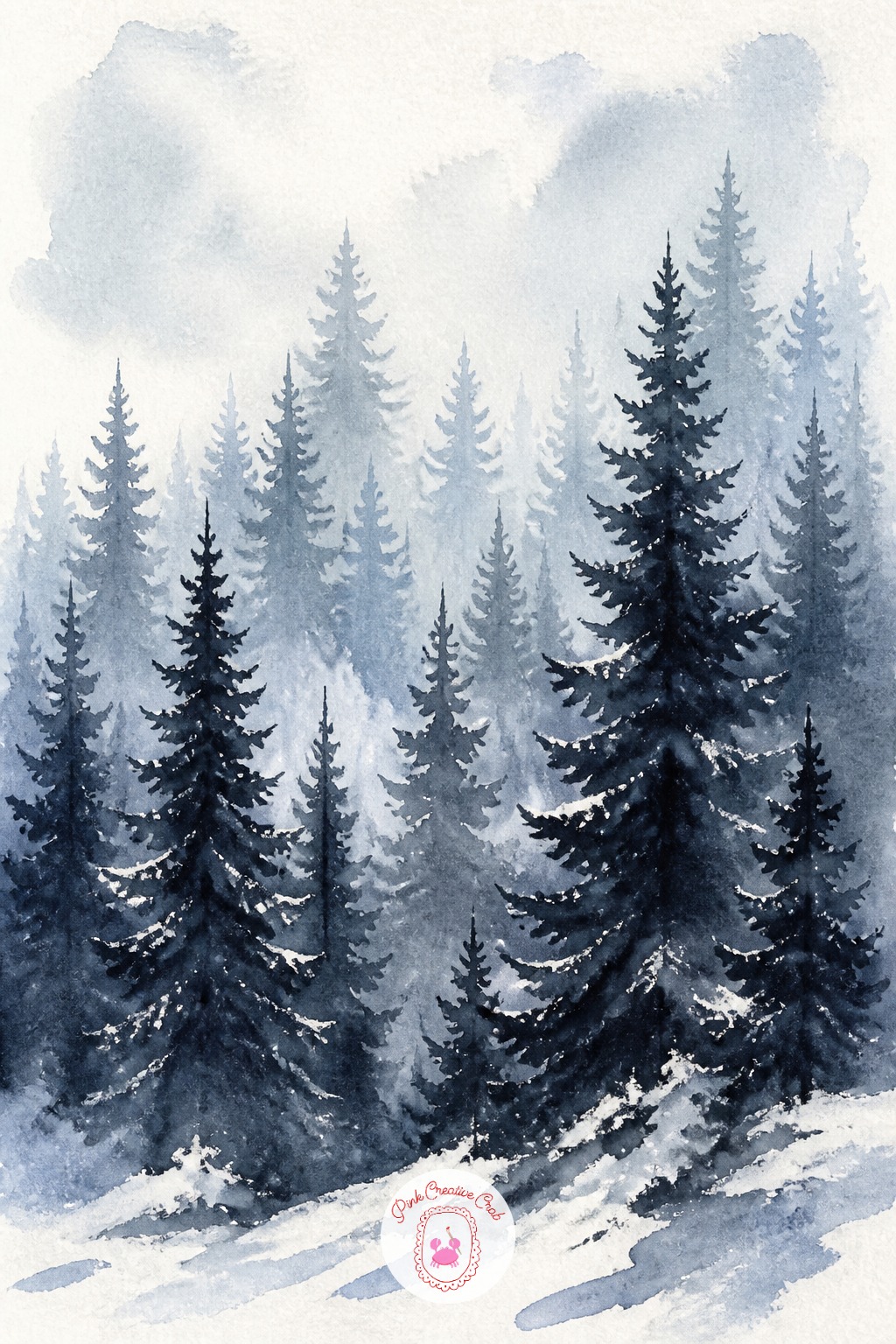
A simple layered forest is a good lesson in pushing distance back with value alone. Paint the farthest trees in a pale blue-gray, the middle row a bit darker, and the closest trees in near-black, all as simple triangle silhouettes.
Add a thin strip of white snow at the base of the nearest trees only. For more ways to build distance like this, these easy watercolor landscapes cover similar layering. Keeping every tree the same dark value flattens the whole scene, so the value shift between layers matters most here.
Frozen Pond With Skaters
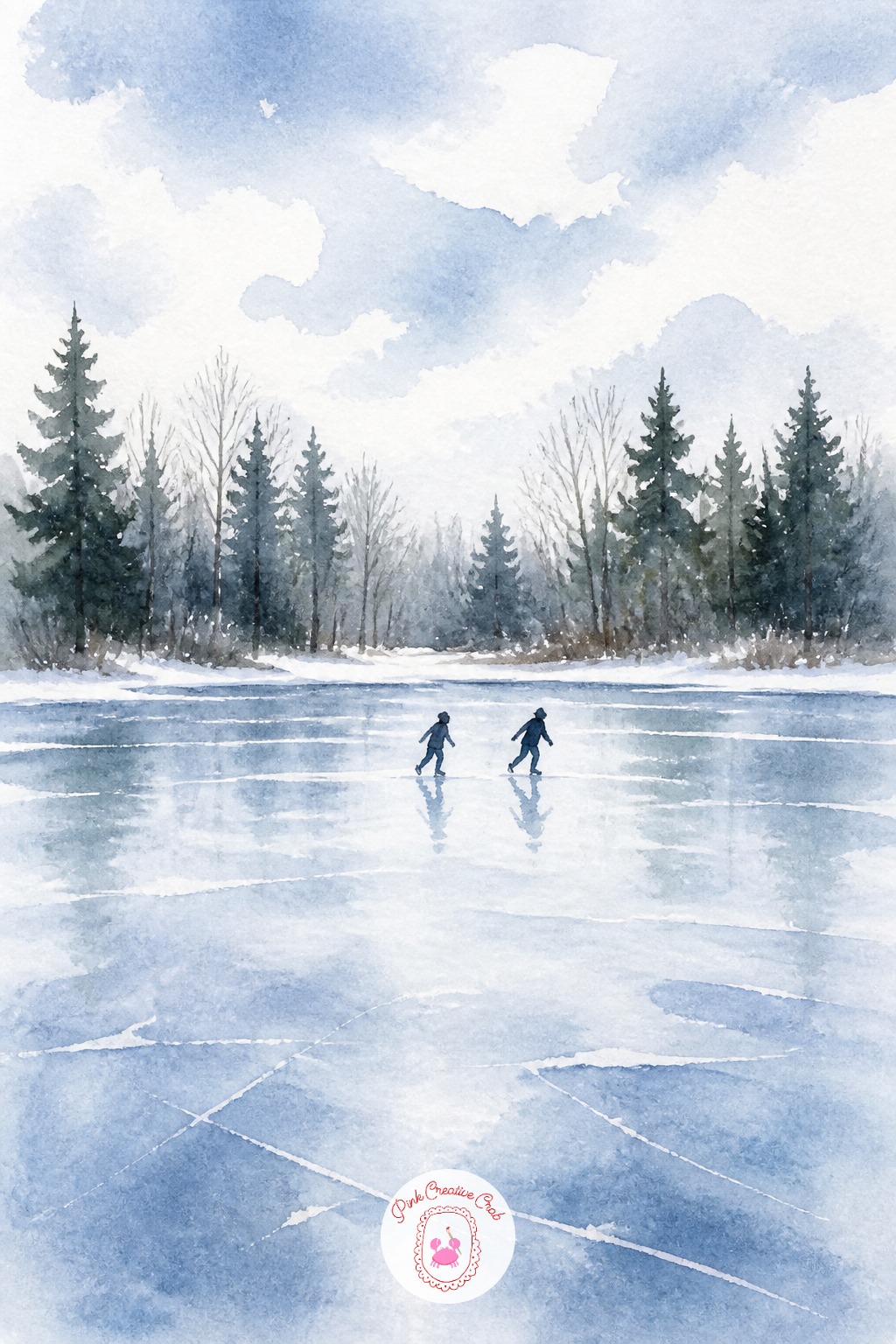
A small frozen pond with a couple of distant figures brings in reflection and scale together. Paint the ice surface in a pale blue-gray wash with a few horizontal streaks of a slightly darker tone for sheen.
Add two or three tiny figure shapes near the center, kept as simple dark dashes rather than detailed people, with a thin tree line behind them. Overdetailing the skaters is the main pitfall, since at this small scale a few confident dashes read better than careful limbs.
Horse Drawn Sleigh in the Distance
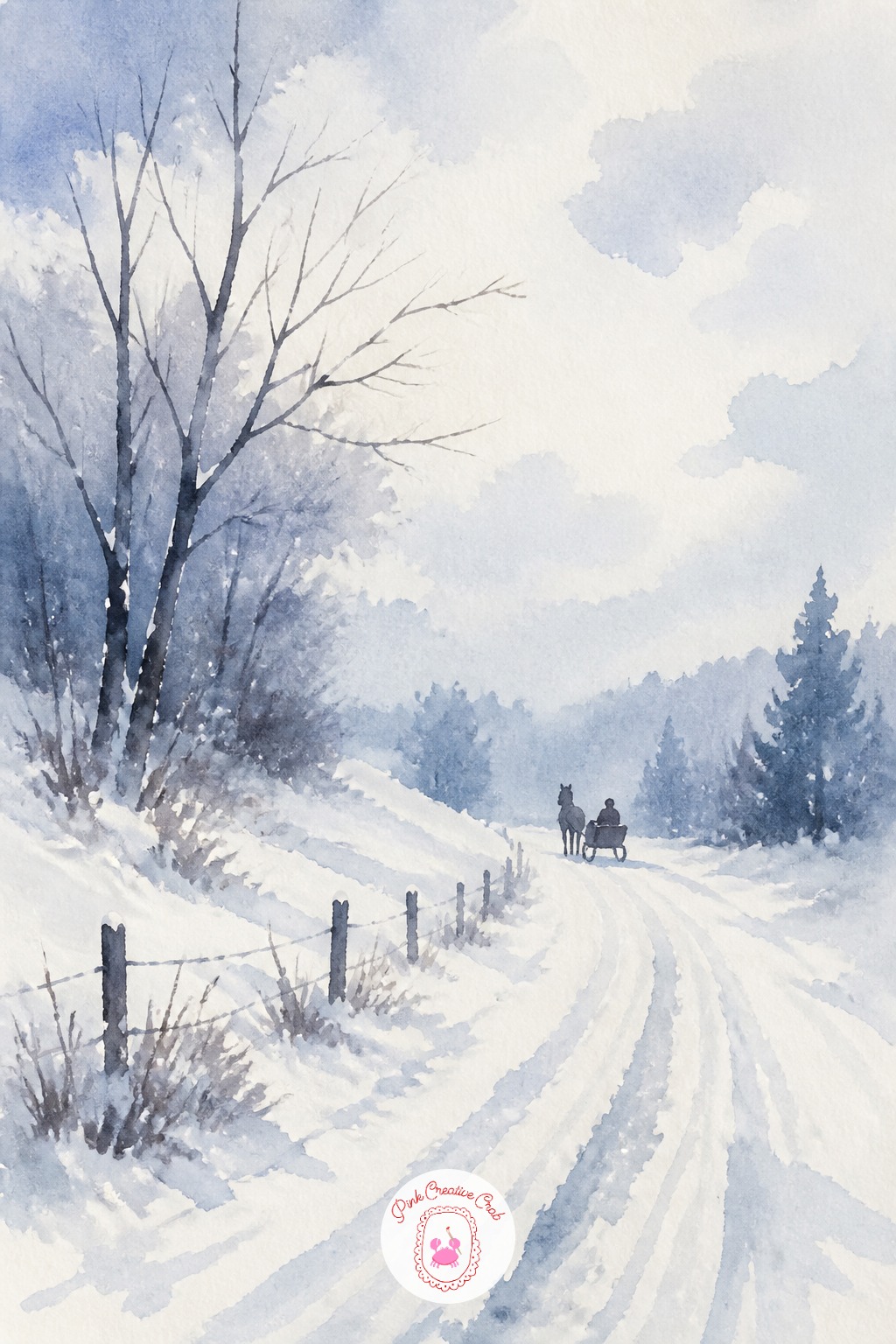
A small sleigh and horse on a snowy road makes a quiet, atmospheric subject with soft edges throughout. Paint the road and surrounding snow in a pale cool wash first, then once mostly dry drop in the sleigh and horse as a single dark silhouette shape rather than two separate outlines.
Keep the whole silhouette slightly soft at the edges, as though seen through light snowfall. A hard, crisp outline here looks cut out rather than distant, so let a damp brush blur the edges just slightly.
Night Sky With Tree and Fairy Lights
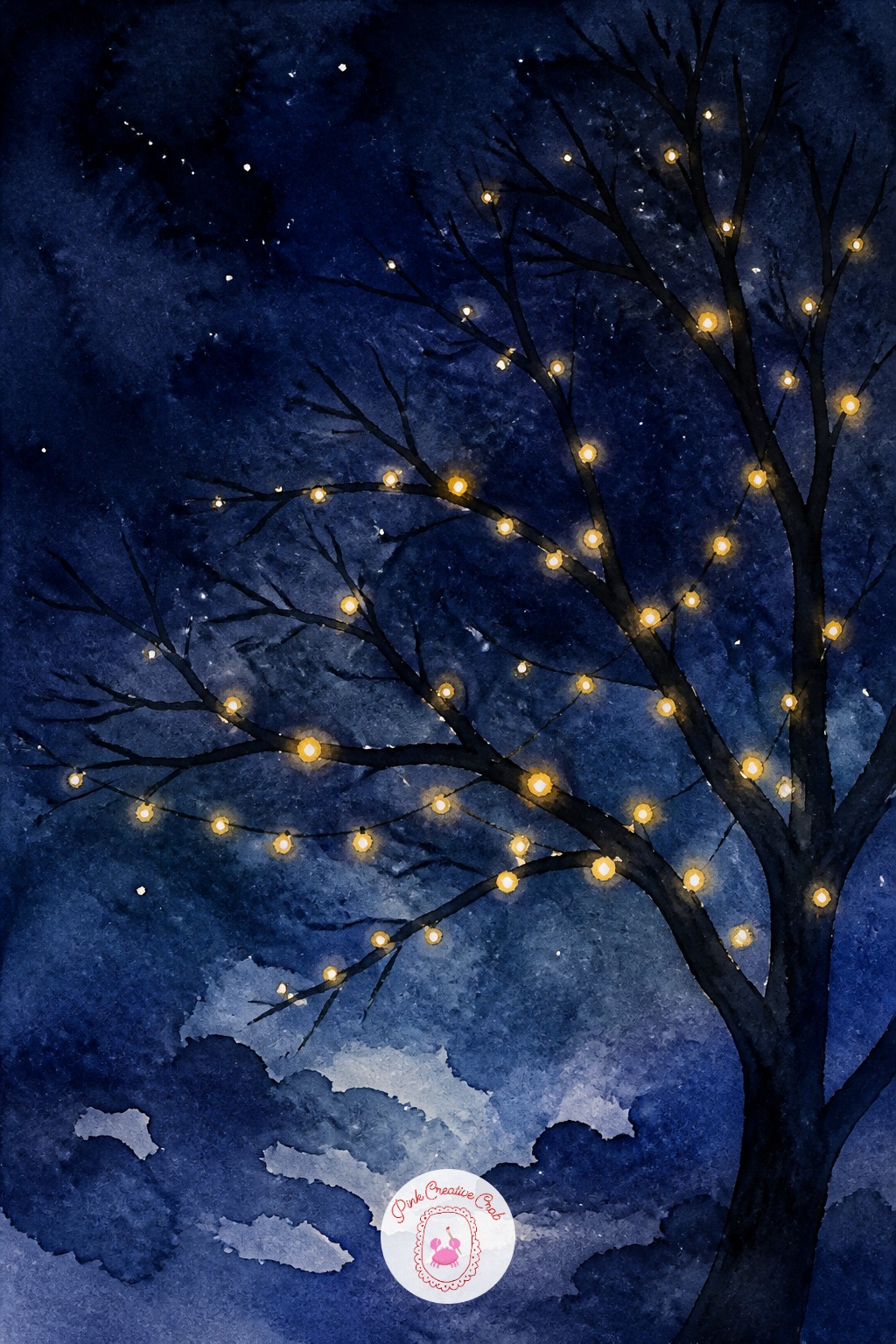
This brings together a dark sky, a tree silhouette, and small warm light dots for a cozy finish to the evening. Wash the sky in deep indigo, then once dry paint a simple dark tree silhouette rising through the lower half.
Add small warm yellow dots of gouache scattered along the tree’s branches for fairy lights, spacing them unevenly rather than in neat rows. Pair this one with a look at these christmas sketching ideas if you want to plan the shapes first in pencil.
Small Christmas Village Street
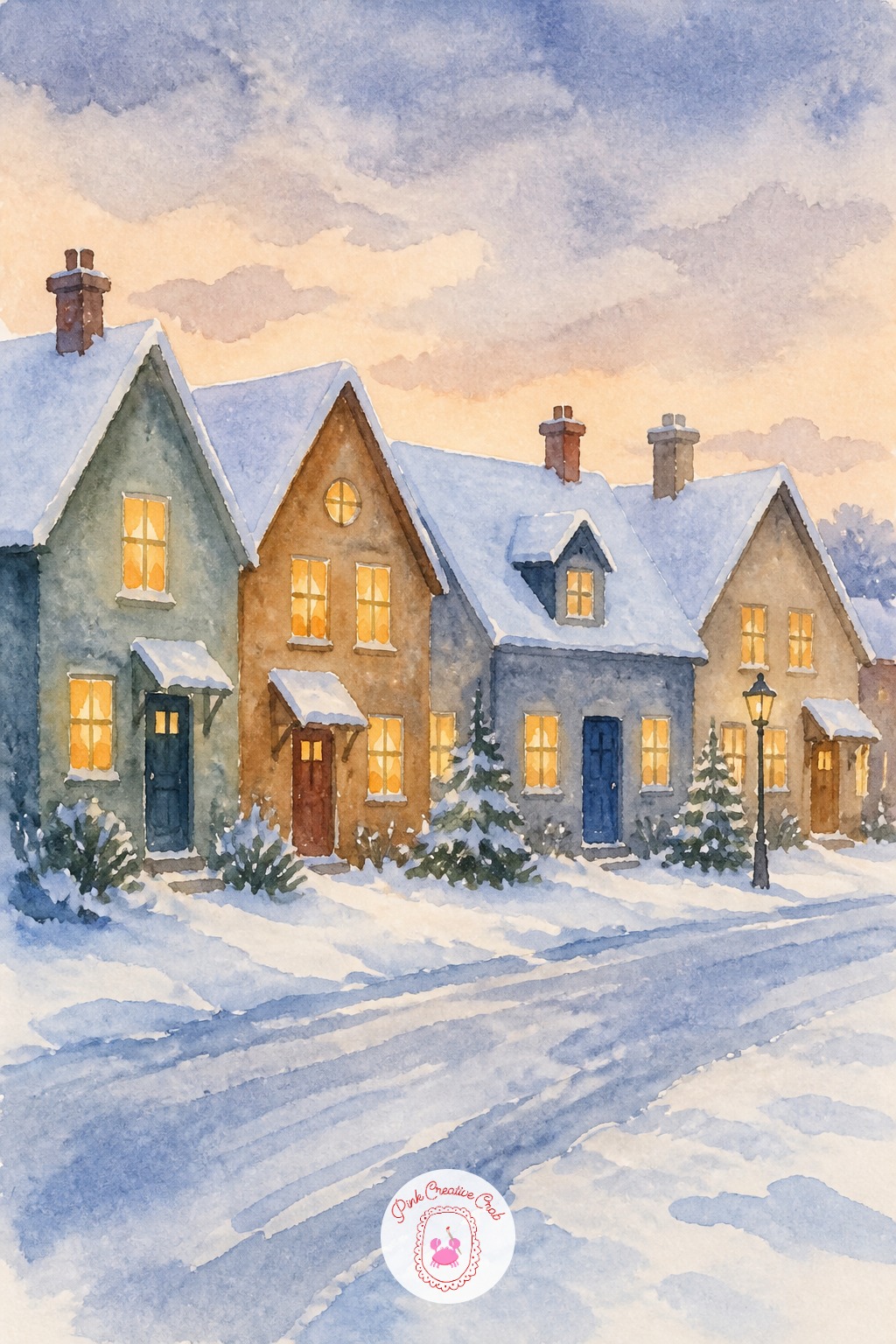
A short row of small buildings with lit windows is the most involved subject here, but each building is still a simple box shape. Pencil three or four basic house shapes of different widths and roof angles first.
Paint each building a different muted color, leaving small squares bare for windows before washing a warm yellow into them once the building color is dry. Keep the street simple with a pale blue-gray snow wash in front, and resist adding too many extra details to any single building so the row reads as a whole scene rather than one busy house.
Starlit Church on a Hill
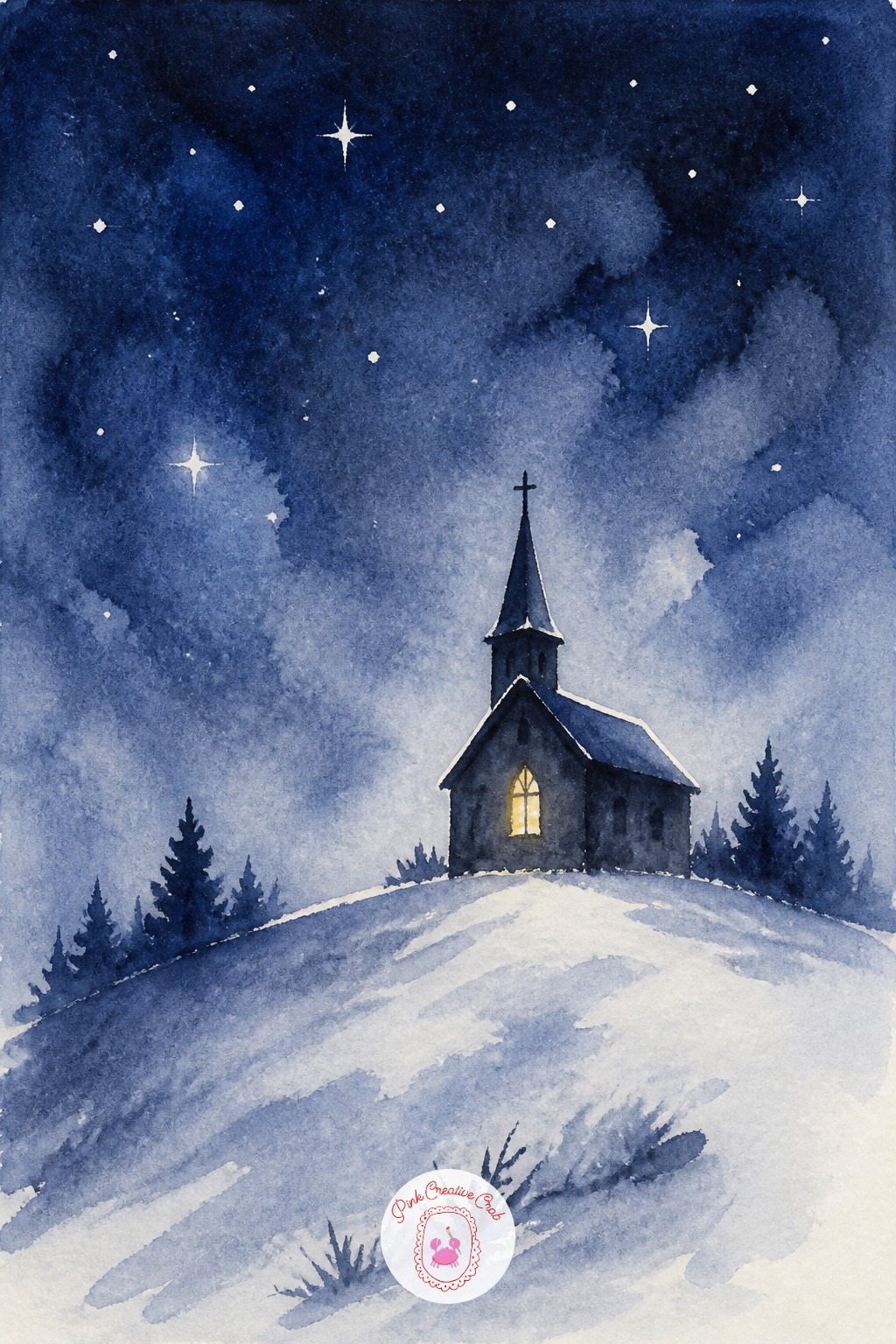
A small church silhouette on a rise of snow, with one lit window and a scattering of stars, makes a satisfying final piece for the evening. Wash the sky first in deep blue fading paler near the horizon, then once dry paint the church as a single dark silhouette with a simple pointed steeple.
Leave one small square unpainted for the lit window, filling it with warm yellow once the silhouette dries. Add a gentle rise of pale snow beneath the church and a few scattered white gouache stars above. Keep the steeple narrow and simple rather than adding too much architectural detail.
What to Do Next
Pick one subject from this list of christmas watercolor ideas, cut a small sheet of cold press paper down to size, and set out just three or four colors before you sit down. Starting small tonight, with a mitten or a single candle, makes it easy to actually finish the piece instead of leaving it half washed in.
Frequently Asked Questions
What colors do I actually need for christmas watercolor ideas like these?
A warm red, a deep green, a burnt sienna or brown, and a blue-gray cover almost every subject in this list. Add a tube of white gouache for snow and highlight details, and you have everything these small paintings ask for without buying a larger set.
Does the paper really matter for small evening paintings?
Yes, cold press paper has enough texture to hold a loose wash without pilling or buckling, which matters more on a quick evening piece with fewer corrections. A smooth hot press paper tends to push paint around rather than letting it settle, which fights against the loose style here.
How do I keep snow looking white instead of gray and muddy?
Leave it unpainted rather than mixing a white paint into it. Bare paper reads as the brightest white in any watercolor, so plan which shapes stay untouched before you start washing in color around them.
Can I paint these christmas watercolor ideas without a reference photo?
Most of them work fine from memory or a quick pencil sketch, since the subjects are simple single objects rather than full scenes. For anything with a figure or a building, a loose reference photo helps with proportion, but exact copying is not necessary at this scale.
How long does one of these paintings usually take?
The simplest subjects, like a single ornament or a candy cane, take about fifteen to twenty minutes including drying time. The more layered scenes near the end of the list, like the village street or the frozen pond, run closer to forty minutes with a short pause for washes to dry.
Have any thoughts?
Share your reaction or leave a quick response — we’d love to hear what you think!
-
 0
0 -
0
-
0
-
0
-
0
-
0


