⭐ Key Takeaways
✦ Simple seasonal subjects like single leaves or acorns are perfect starting points for beginner sketchers — small, familiar shapes build confidence fast.
✦ A cozy whimsical mood is easier to achieve than it looks: rounded shapes, soft lines, and tiny details like dots or cross-hatching instantly add storybook charm.
✦ Sketching outdoors in autumn for even 10 minutes gives you real textures, colours, and proportions to work from — nature is the best free reference around.
These autumn sketching ideas are exactly what you need when the leaves start turning and the air gets that beautiful crisp bite to it. There is something almost magical about autumn — the colours, the textures, the cosy feeling of wrapping up with a sketchbook and a warm drink. Best of all, the season hands you endless inspiration without you having to look very hard.
Whether you have been sketching for years or you just picked up a pencil for the very first time, this list has something for you. Additionally, every idea here has been chosen with beginners in mind, so nothing feels overwhelming or out of reach. Think soft lines, rounded shapes, and that wonderful storybook warmth that makes autumn art feel like a hug on paper. Grab your sketchbook and let’s dive in — you are going to love these.
Table of Contents
- Whimsical Mushroom House
- Drifting Autumn Leaves
- Plump Little Acorn
- Cozy Lantern in Fog
- Hedgehog Among Fallen Leaves
- Rustic Pumpkin Patch
- Bare Twiggy Branch
- Stacked Pinecones
- Enchanted Forest Pathway
- Sleepy Owl on a Branch
- Warm Apple Cider Mug
- Rolled Wool Scarf and Mittens
- Tiny Conker Cluster
- Cozy Woodland Cottage
- Single Maple Seed Pod
- Autumn Sketching Ideas Journal Page
- Harvest Moon Rising
- Bundled Dried Wheat Sheaf
Whimsical Mushroom House
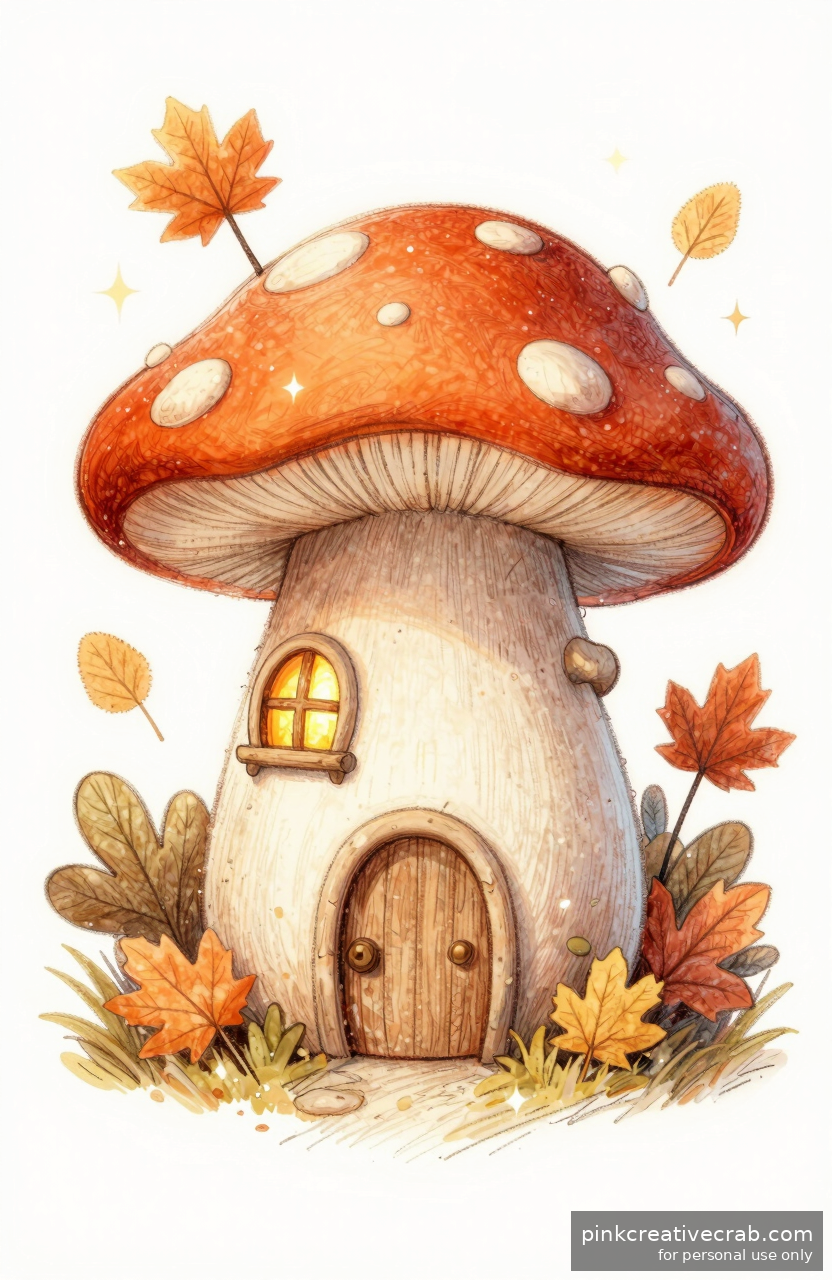
A mushroom house is one of the most magical subjects you can sketch in autumn. Start with a big, round cap — think of it like drawing a dome or an umbrella. Then add a little door and a window beneath it. You really can’t go wrong here, because every wobbly line just adds more charm.
Additionally, autumn gives you so much to decorate around it. Try adding tiny fallen leaves, pebbles, or even a little acorn doorstep. However, keep it simple if you’re just starting out. One cute detail at a time is all you need.
For smooth, confident lines, a set of fineliner pens makes sketching so much easier and more enjoyable. Therefore, consider picking up some fineliner pens for sketching to bring your mushroom house to life with crisp, cozy detail.
Drifting Autumn Leaves
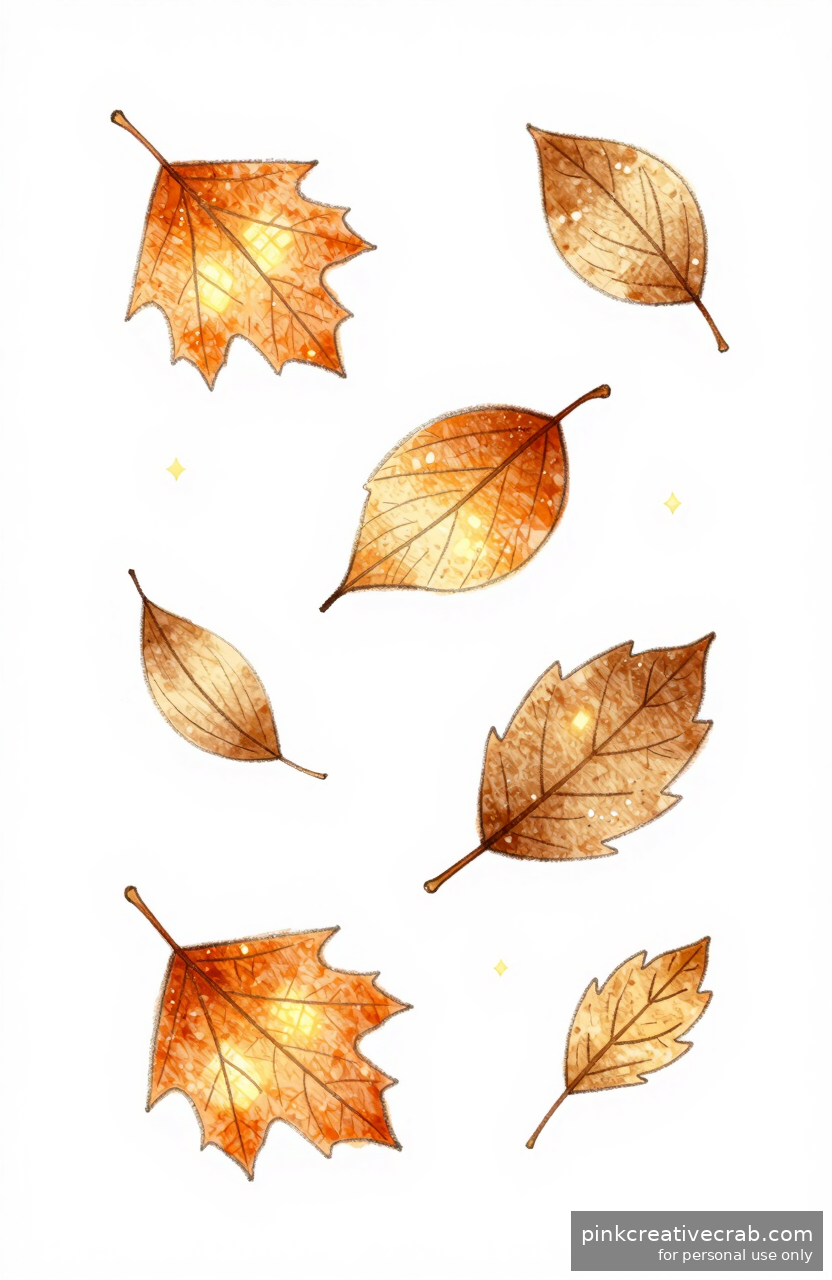
Falling leaves are honestly one of the best subjects for beginner sketchers. Each leaf is its own little shape — some are round, some are pointed, and some are curled at the edges. Try drawing just three or four leaves floating at different angles. That small variety instantly makes your sketch feel alive and full of movement.
Meanwhile, don’t stress about perfect symmetry. Real leaves are beautifully uneven, so embrace those wobbly edges. Additionally, adding a few simple vein lines inside each leaf gives them so much personality with very little effort.
If you’d love to explore adding soft colour to your leaf sketches, check out this Pencil Drawing: Complete Beginner to Advanced Guide for shading tips. A lovely pack of autumn leaf drawing pencils will help you capture every golden detail.
Plump Little Acorn
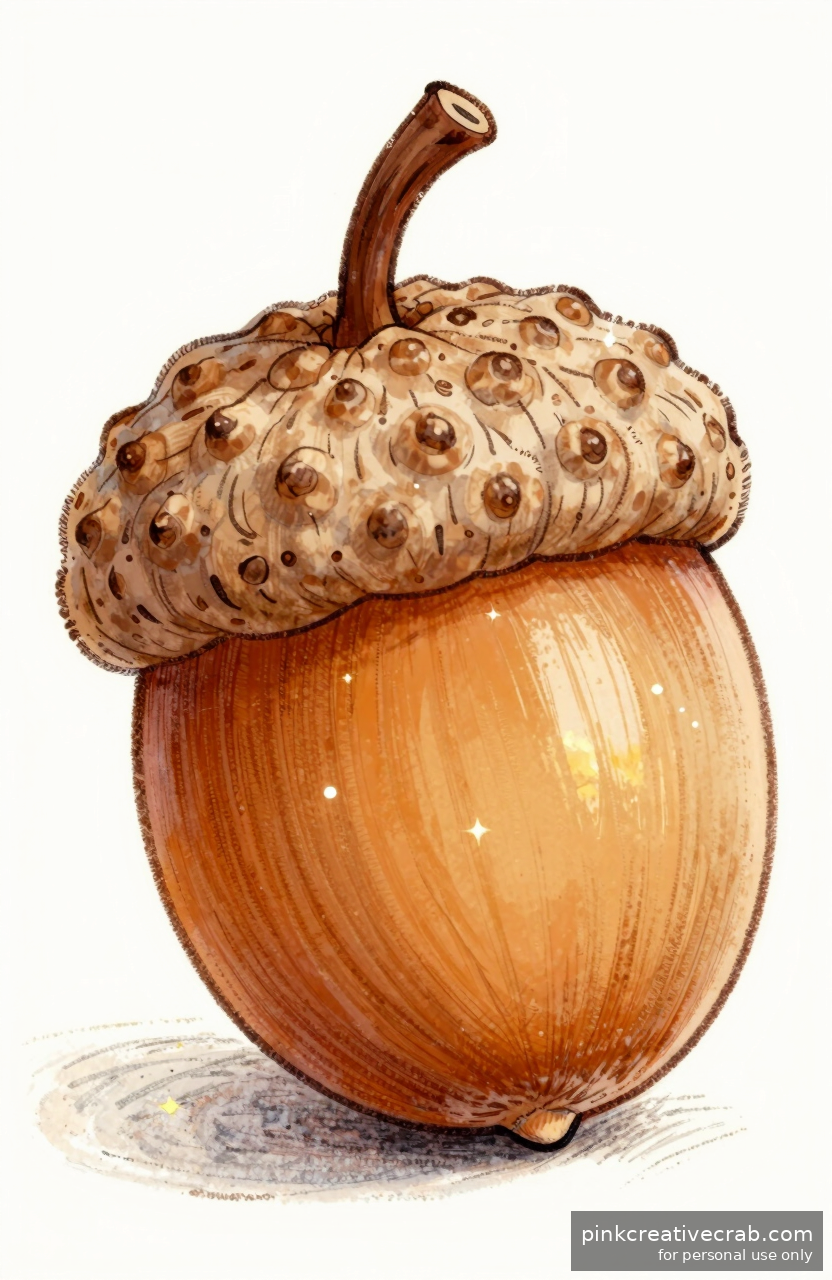
There is something so satisfying about drawing a plump little acorn. It’s basically two simple shapes — a smooth oval for the nut and a bumpy cap sitting on top. That’s truly all there is to it! As a result, this is one of the quickest and most rewarding sketches you can do on a cozy autumn afternoon.
However, the fun really starts when you add texture to the cap. Try tiny crosshatch marks or small curved lines to show the rough, bumpy surface. Meanwhile, keep the nut itself smooth and shiny-looking by leaving a small white highlight spot.
For practicing texture like this, a good sketchbook makes a real difference. Therefore, grab a beginner sketchbook for drawing practice and fill a whole page with acorns in different sizes — it’s wonderfully relaxing and great for building confidence!
Cozy Lantern in Fog
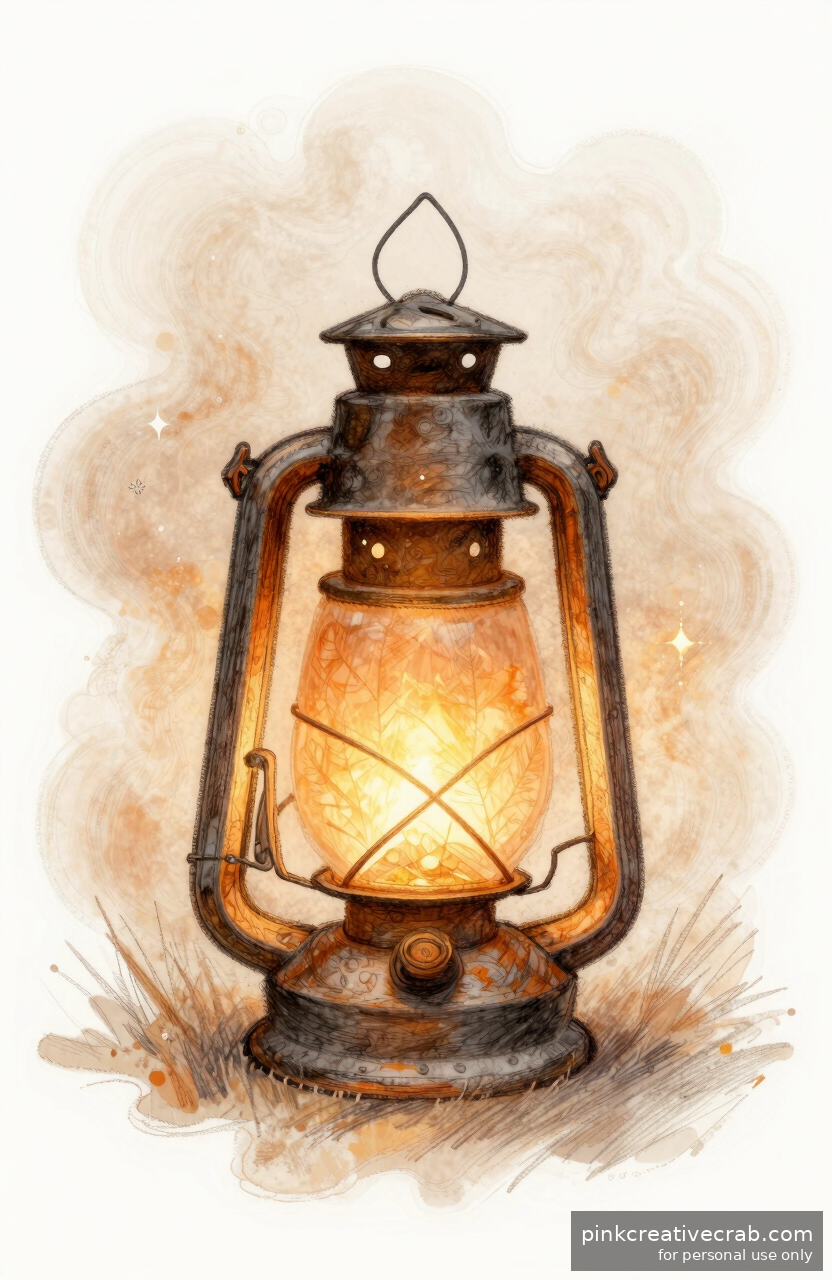
A glowing lantern surrounded by misty fog is such a dreamy autumn sketch idea. Start with the lantern shape — a simple rectangle with a pointed top works perfectly. Then add a few panes of glass inside it using light lines. Even the most basic version of this looks incredibly atmospheric and cozy.
For the fog effect, try smudging soft pencil marks around the outside of the lantern with your finger. Additionally, leaving the area around the light source lighter than the edges creates that beautiful warm glow. As a result, your sketch will feel genuinely moody and magical.
If you want to explore different ways to create soft, blended effects, the Drawing Techniques Encyclopedia: 50+ Essential Methods is a fantastic resource. Meanwhile, a set of blending stumps for pencil drawing will help you nail that foggy glow effortlessly.
Hedgehog Among Fallen Leaves
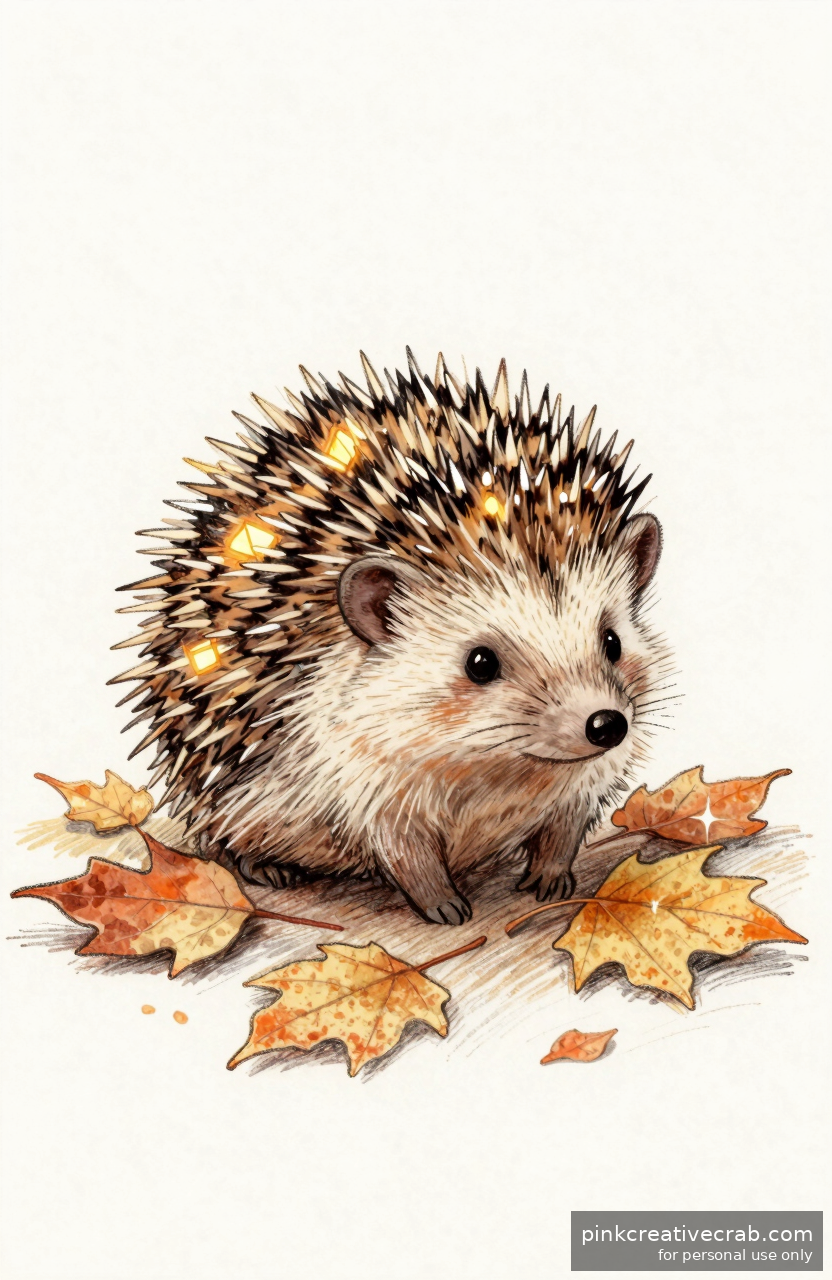
A little hedgehog tucked among fallen leaves might just be the cutest autumn sketch you’ll ever make. Start with a simple oval body shape, then add a pointy little nose poking out from one end. The spines on a hedgehog’s back are surprisingly easy — just draw lots of short, overlapping lines radiating outward. It looks impressive but takes only minutes!
Additionally, surrounding your hedgehog with a few simple leaf shapes instantly sets the autumn scene. However, you don’t need many leaves — even two or three scattered around look wonderful. As a result, the hedgehog stays the star of the composition.
For beginners wanting to feel more confident with animal sketches, the Art Fundamentals: Complete Guide to Drawing & Painting Basics is a brilliant place to start. Therefore, also consider picking up some mechanical pencils for detail drawing for those tiny hedgehog spines!
Rustic Pumpkin Patch
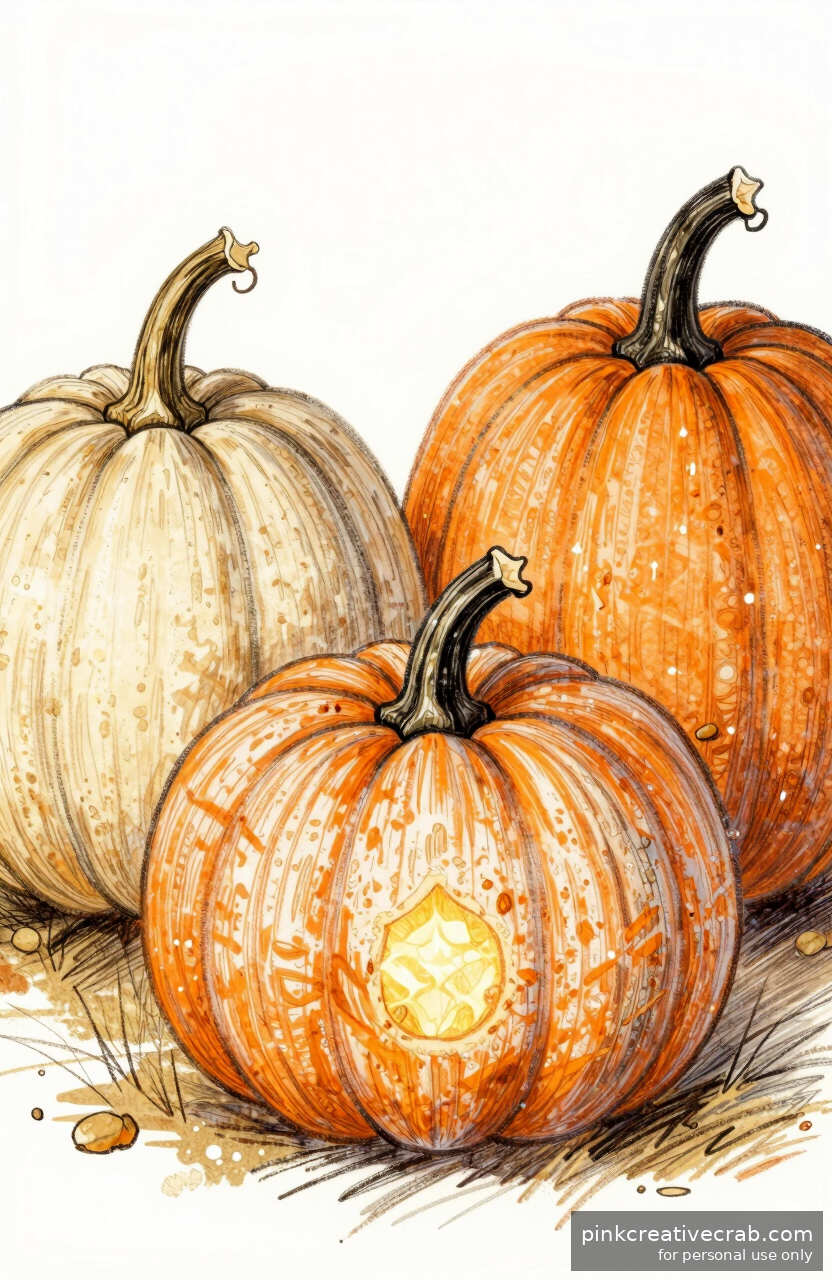
Drawing a little pumpkin patch is such a fun way to celebrate the season. Start with one large pumpkin in the centre — draw a rounded shape with a few curved vertical lines to show the segments. Then add a smaller one beside it, and maybe a tiny one tucked in front. Grouping them in different sizes immediately gives your sketch depth and a lovely, natural feel.
Meanwhile, adding a simple curling stem on top of each pumpkin brings so much character with just one small stroke. Additionally, you can tuck in a few leaf shapes around the base to anchor everything to the ground. However, keeping the background minimal lets your pumpkins really shine.
For adding warm, golden tones to your pumpkin patch, colored pencils for beginners are a wonderful, low-pressure option. Furthermore, the Graphite vs Colored Pencil vs Charcoal: Complete Comparison can help you decide which medium suits your style best.
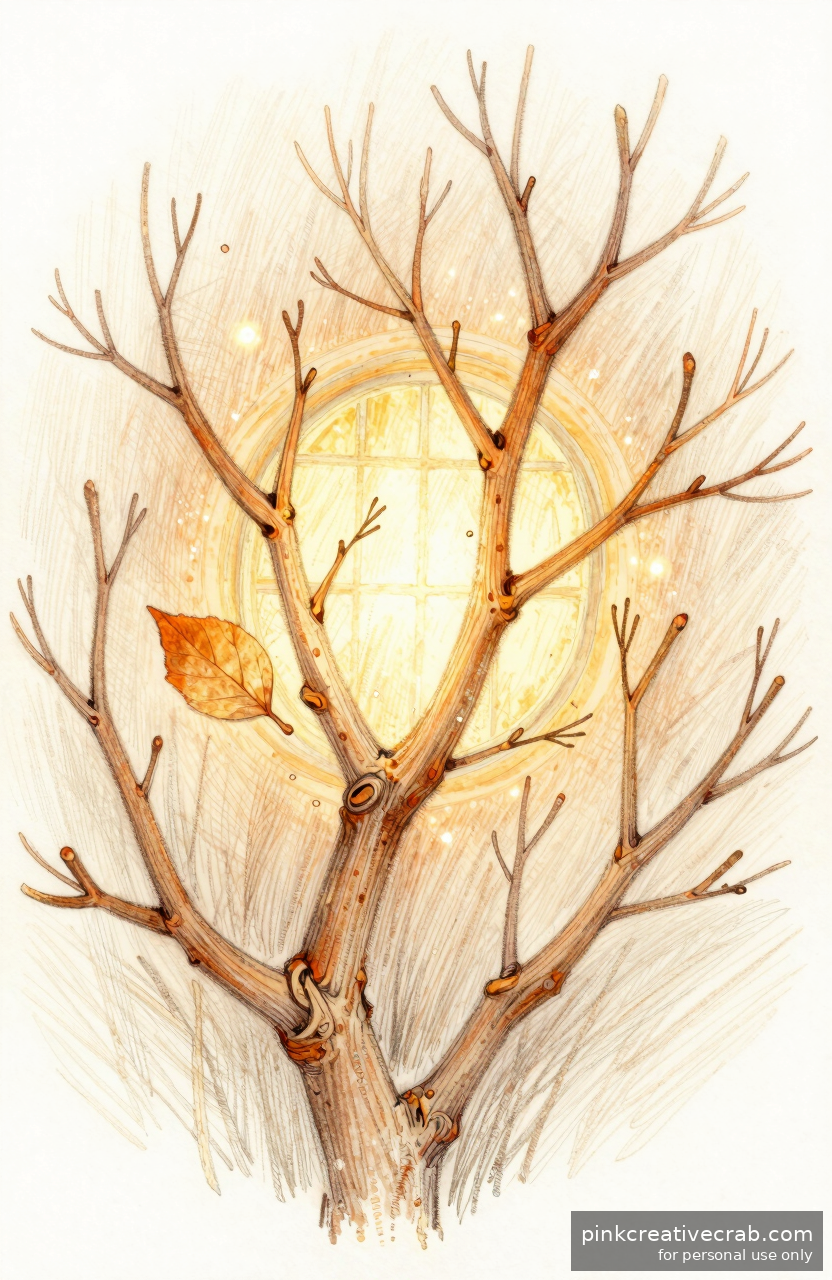
Bare Twiggy Branch
A bare autumn branch might sound simple, but it is genuinely one of the most beautiful subjects you can sketch. Start with one main line for the branch, then let smaller lines fork off from it naturally. Think of it like drawing a river splitting into streams — there’s no wrong way for branches to grow!
Additionally, varying the thickness of your lines adds so much realism. Press a little harder near the base, then lighten your touch toward the tips. Meanwhile, if you want to add a final touch of autumn magic, draw a single remaining leaf clinging to one small twig. As a result, even the most minimal sketch tells a whole seasonal story.
For beginners wanting to grow their sketching skills further, the Pencil Drawing: Complete Beginner to Advanced Guide has wonderful line-work advice. Therefore, pick up a drawing pencil set with varied hardness to explore line weight beautifully.
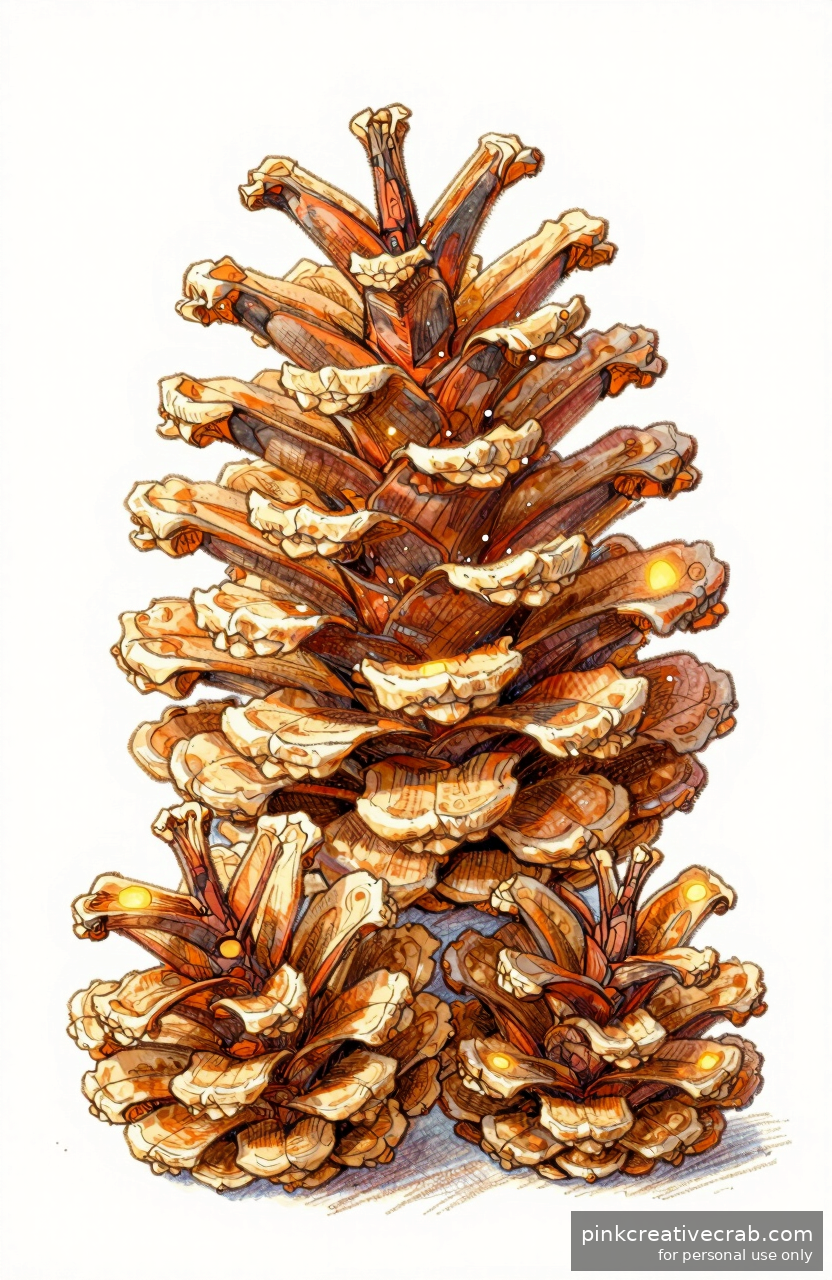
Stacked Pinecones
Pinecones are honestly one of the best subjects for beginner sketchers. Their overlapping scales create a wonderful repeating pattern, and here’s the secret — you don’t have to make every scale perfect. Just suggest the shapes, and your eye fills in the rest. That’s the magic of sketching!
Start with a simple oval for the overall shape of each pinecone. Then lightly add rows of small curved scales from the bottom up. Stack two or three pinecones together for a cozy, layered composition. The gaps and shadows between them add depth without much effort at all.
A good set of pencils with different grades makes shading pinecone textures genuinely enjoyable. Try these drawing pencil sets to get started. For more guidance on using different pencil grades, the Pencil Drawing: Complete Beginner to Advanced Guide is a fantastic resource you’ll return to again and again.
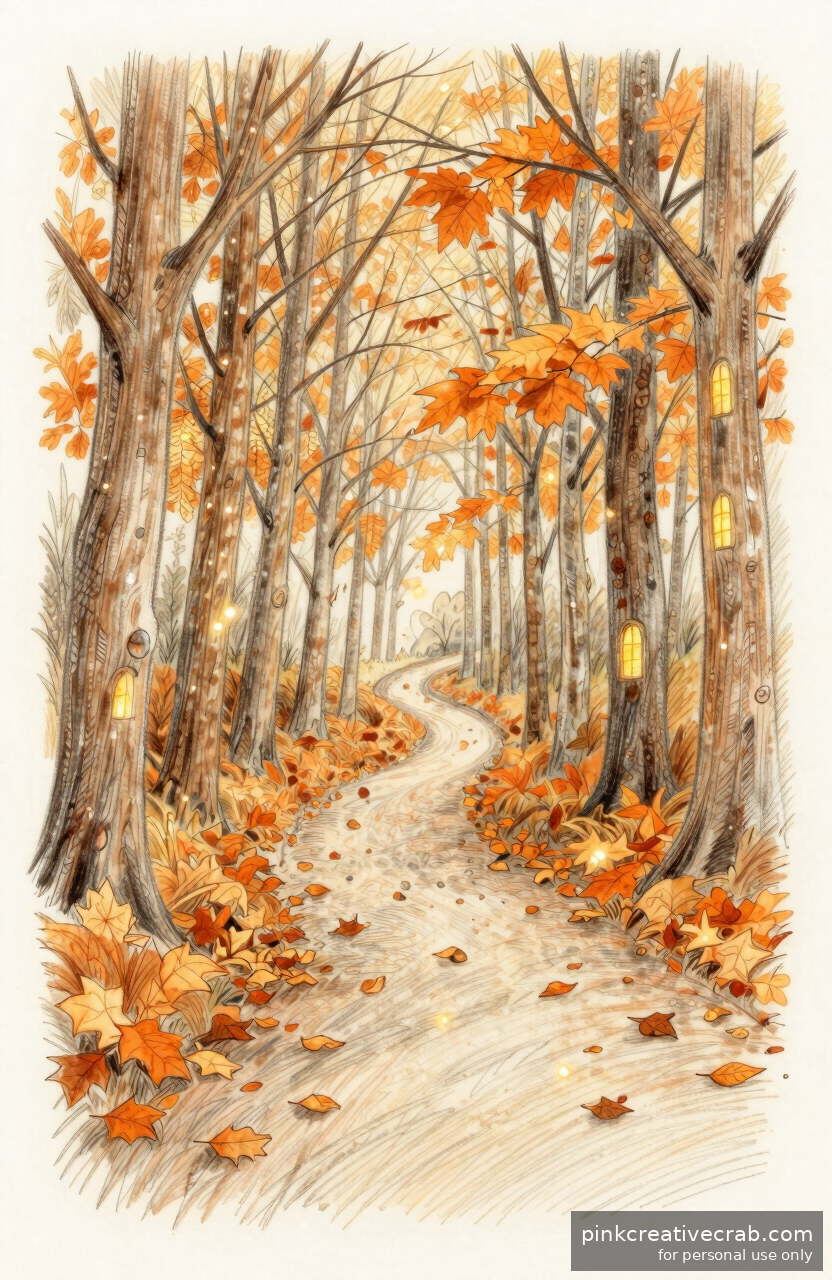
Enchanted Forest Pathway
A winding path disappearing into autumn trees feels almost magical to sketch — and it’s more achievable than it looks. The trick is perspective: make the path wide at the bottom of your page and narrow as it moves upward. That single technique creates instant depth. Suddenly your sketch feels like you could walk right into it!
Add tall, slender trees on either side of the path. Meanwhile, scatter some fallen leaves along the ground. You don’t need perfect leaf shapes — small oval squiggles work beautifully. Bare branches reaching overhead can be drawn with loose, branching lines that grow thinner as they spread outward.
For beginners exploring line variety and shading, the Drawing Techniques Encyclopedia: 50+ Essential Methods is wonderfully helpful. Additionally, a smooth sketchbook makes forest scenes feel effortless to draw. These spiral sketchbooks for beginners are a lovely place to let your enchanted pathway come to life.
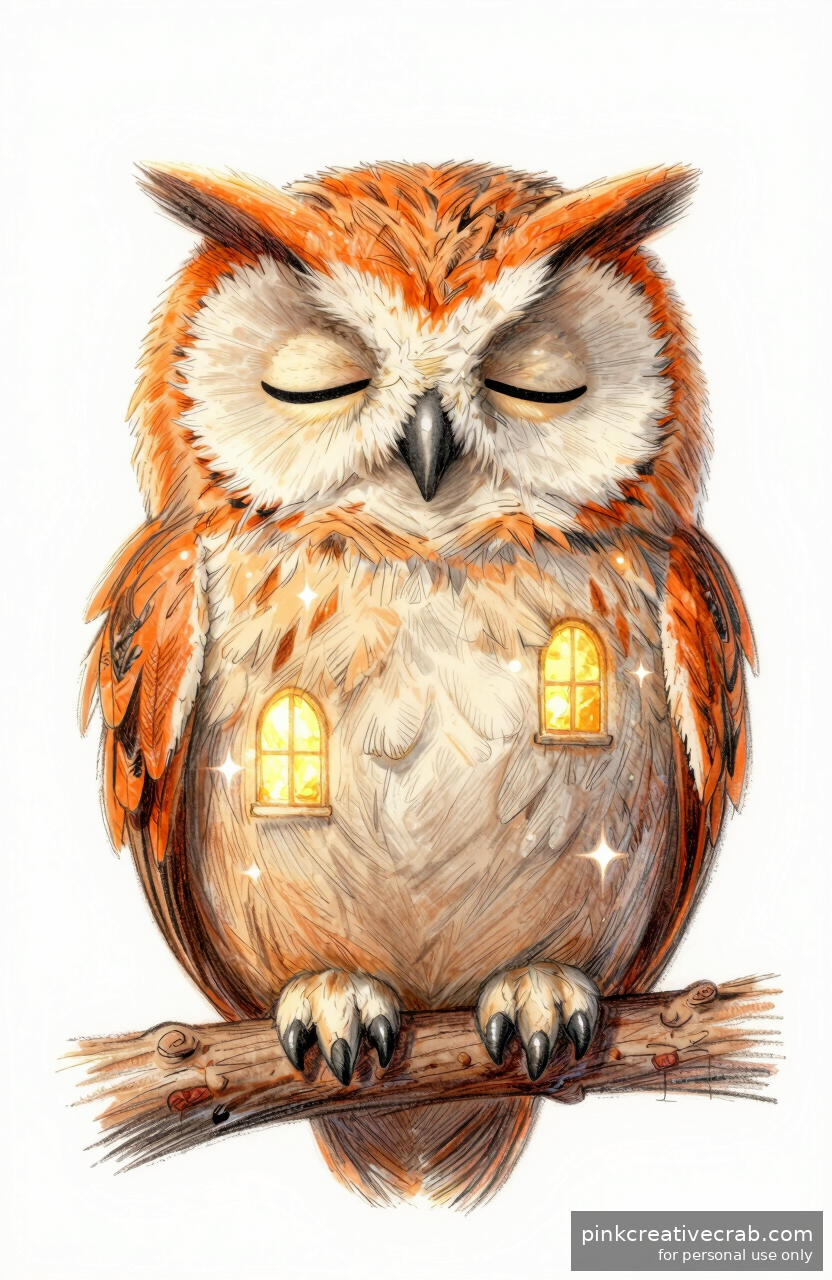
Sleepy Owl on a Branch
Owls are absolutely perfect for autumn sketching, and a sleepy one is even better — those half-closed eyes mean less detail to worry about! Start with a rounded teardrop body shape. Then add two large circles for the facial disc and simple curved wings tucked close to the body. You’ve already got a recognizable owl. How great is that?
The branch beneath your owl can be wonderfully simple. A thick curved line with a few small twigs is more than enough. However, if you want to add charm, tuck a tiny leaf or two near the feet. Feather texture is achieved with short, overlapping curved strokes that flow downward — just like brushing hair.
Soft sketching pencils help capture that fluffy feathered look beautifully. Therefore, consider picking up some soft graphite pencils for blending. For understanding how different graphite grades affect your results, the Graphite vs Colored Pencil vs Charcoal: Complete Comparison guide is genuinely eye-opening.
Warm Apple Cider Mug
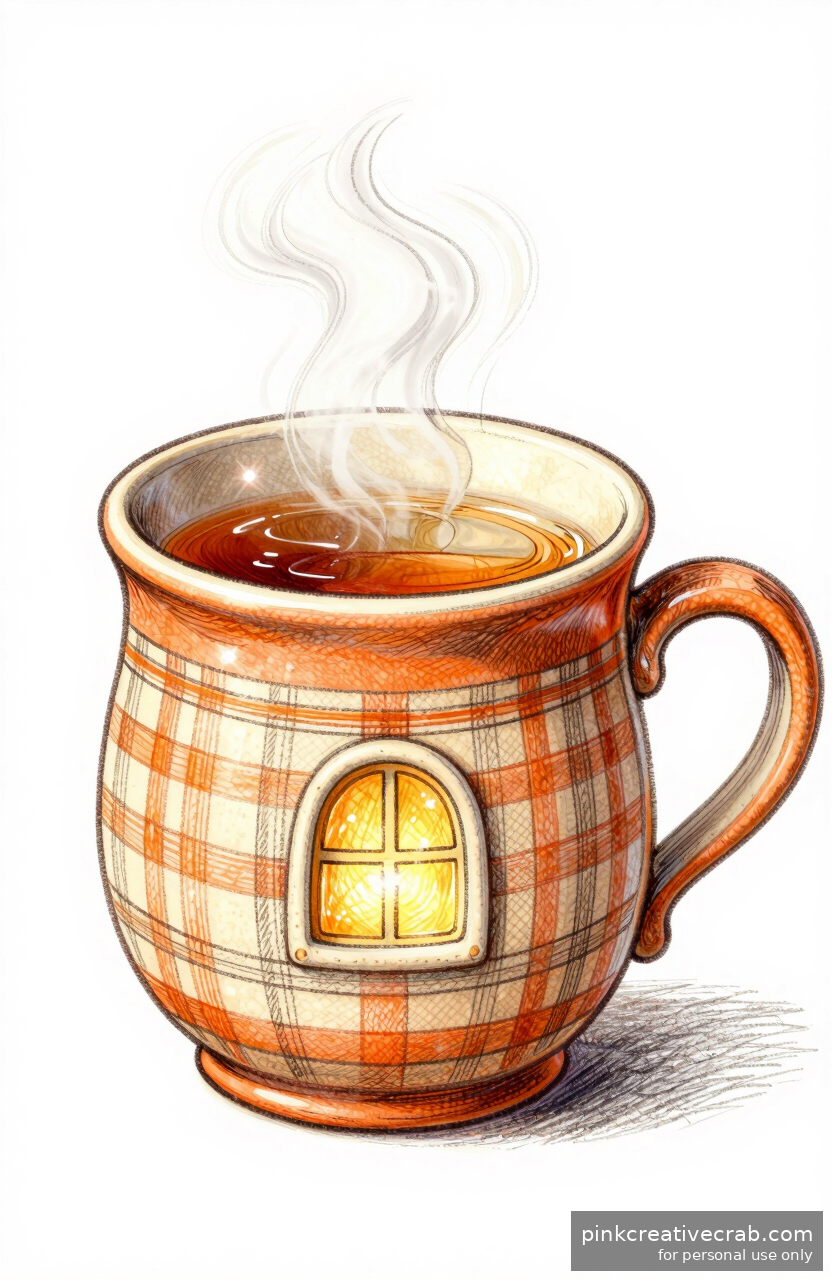
There’s something so satisfying about sketching a cozy mug, especially when you imagine it full of warm apple cider. The great news is that a mug is essentially a cylinder — one of the most beginner-friendly shapes to draw. Start with two slightly curved lines for the sides, add an oval at the top, and your basic mug shape is already there. Easy!
Now for the fun part: details. A curving handle on one side, a few wisps of steam rising from the top, and maybe a small leaf charm on the mug’s surface. Additionally, you can add simple plaid lines or dots to make your mug look extra cozy and handmade. These tiny touches make your sketch feel personal and warm.
For adding gorgeous warm tones to your mug sketch, watercolor pencils are wonderful. Try these watercolor pencils for beginners for soft, blendable color. As a result, your sketches will go from lovely pencil drawings to richly colored artwork — and the Watercolor Painting: The Ultimate Beginner to Advanced Guide will help you every step of the way.
Rolled Wool Scarf and Mittens
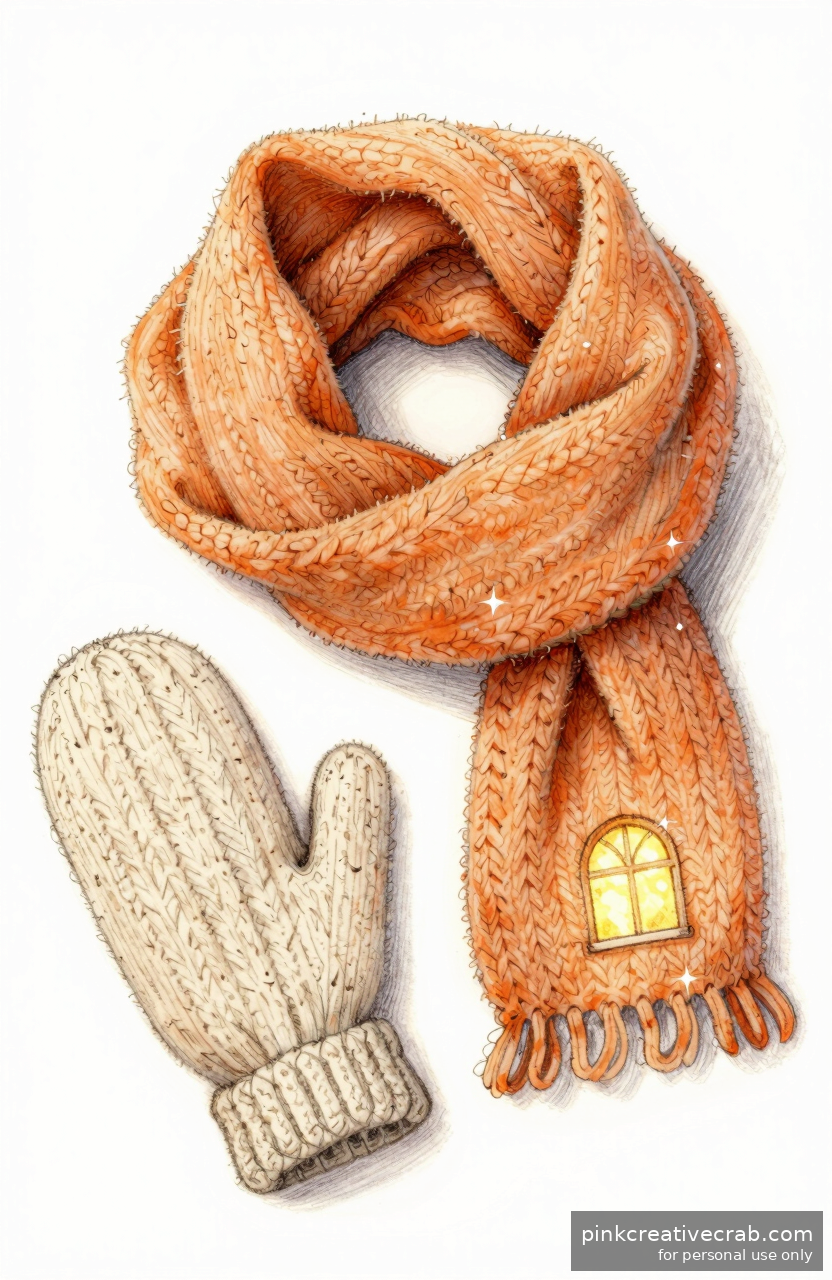
Soft, cozy textures like wool are surprisingly fun to sketch once you know the secret: it’s all about gentle, flowing lines. A rolled scarf looks wonderful drawn as a loose spiral of overlapping fabric folds. Meanwhile, mittens beside it are simply rounded rectangles with a small thumb bump. Together they create the most heartwarming little autumn still life.
Texture is where beginners often worry, but please don’t. Short parallel hatching lines suggest knit fabric beautifully without needing to be precise. For the scarf, let your lines follow the fabric’s curves. As a result, the whole drawing reads as soft and woolen, even with very simple marks. Your hand already knows how to make these lines!
A good kneaded eraser lets you lift highlights and soften edges on fabric textures effortlessly. These kneaded erasers for artists are an essential little tool for your kit. For discovering all the supplies that will support your sketching journey, the Art Supplies Glossary: 200+ Terms Every Artist Should Know is a treasure trove of helpful information.
Tiny Conker Cluster
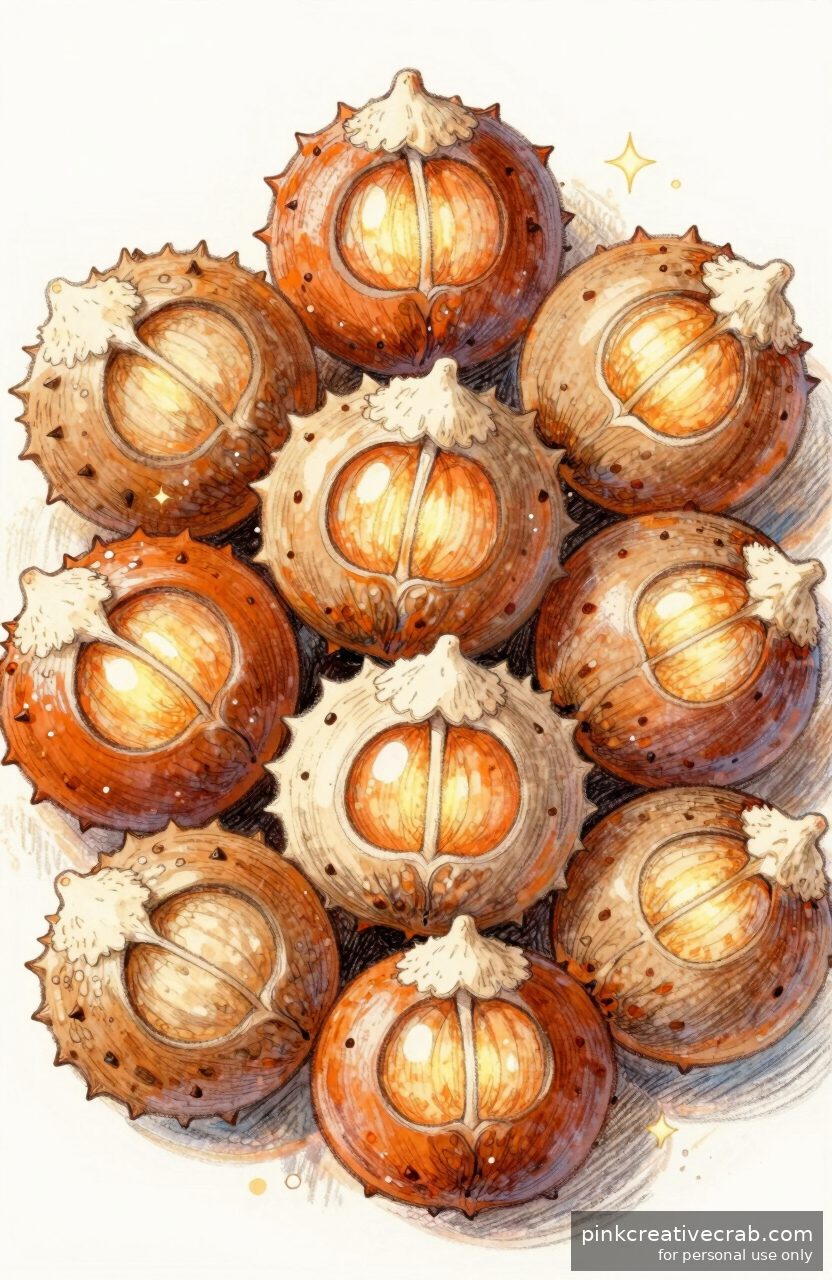
Conkers — those gorgeous shiny horse chestnuts — are one of autumn’s most satisfying things to sketch. Their smooth, round shape is perfect for practicing light and shadow. Start with a simple circle. Then add a slightly lighter area on one side to suggest shine. Suddenly your flat circle becomes a round, glossy conker. That highlight is genuinely magical!
A cluster of three or four conkers nestled together is especially charming. Vary their sizes slightly for a natural look. Additionally, tuck in a spiky open shell or two — those bumpy textures are wonderful contrast to the smooth nuts. The spikes are just short, outward-pointing lines around a curved shape. Truly simple, and truly effective.
Conkers have such beautiful tonal range, making them ideal for practicing shading from light to dark. The Art Fundamentals: Complete Guide to Drawing & Painting Basics covers shading in a wonderfully approachable way. For smooth, gradual blending, these blending stumps for pencil drawing will quickly become your favorite little tool.
Cozy Woodland Cottage
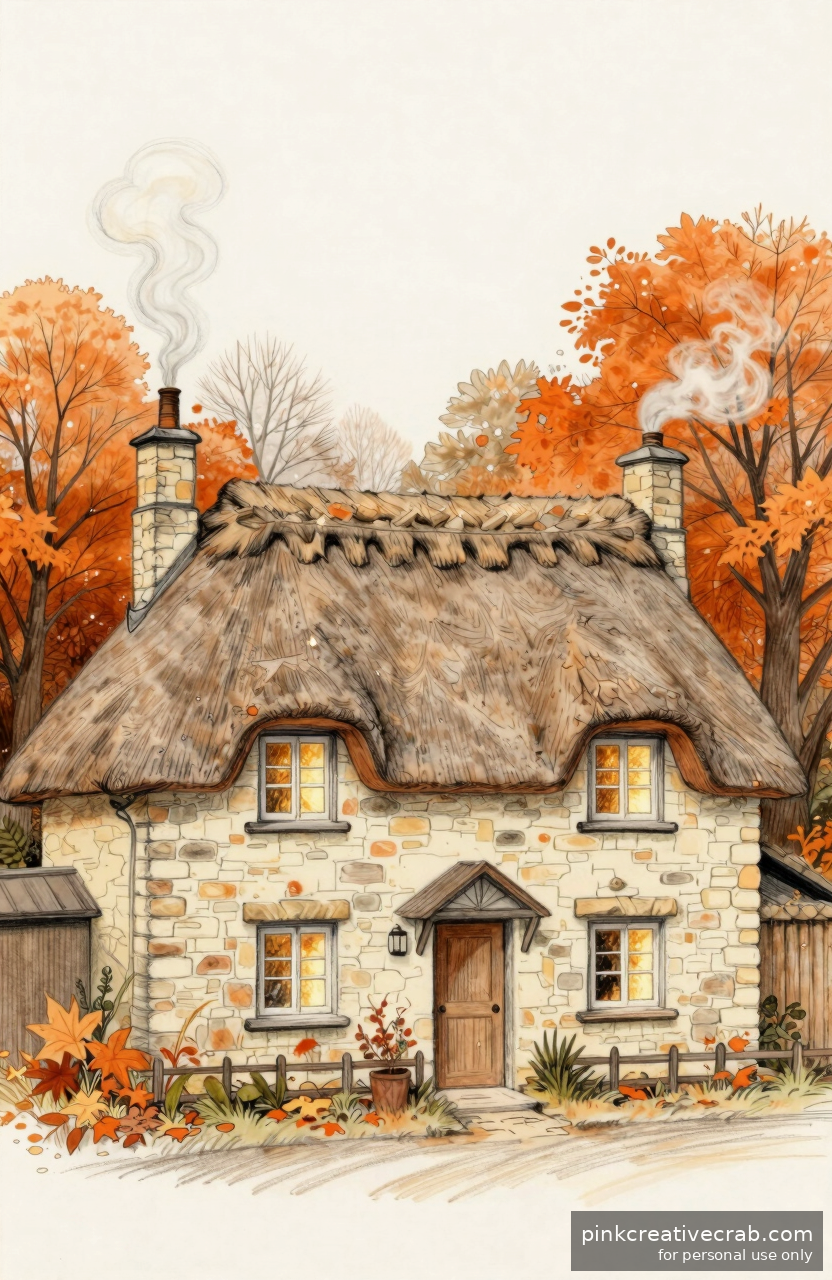
A little cottage tucked into autumn woods is the coziest sketch subject imaginable. The good news for beginners is that cottages are built from simple shapes — rectangles for walls, triangles for rooftops, small squares for windows. Therefore, if you can draw basic geometry, you can absolutely draw a charming cottage. Start there and build up slowly.
Now add the woodland magic. Tall trees on either side, a mossy stone path leading to the door, and smoke curling from the chimney create instant storybook atmosphere. Meanwhile, scattered leaves on the ground and climbing vines on the walls make it feel lived-in and loved. Every detail you add is a small creative win worth celebrating!
For sketching outdoor scenes with this much lovely texture, a mixed media sketchbook holds pencil and light wash beautifully. These mixed media sketchbooks give you wonderful flexibility. Additionally, exploring the Drawing Techniques Encyclopedia: 50+ Essential Methods will give you fun new ways to bring bark, stone, and foliage textures to life in your cottage scene.
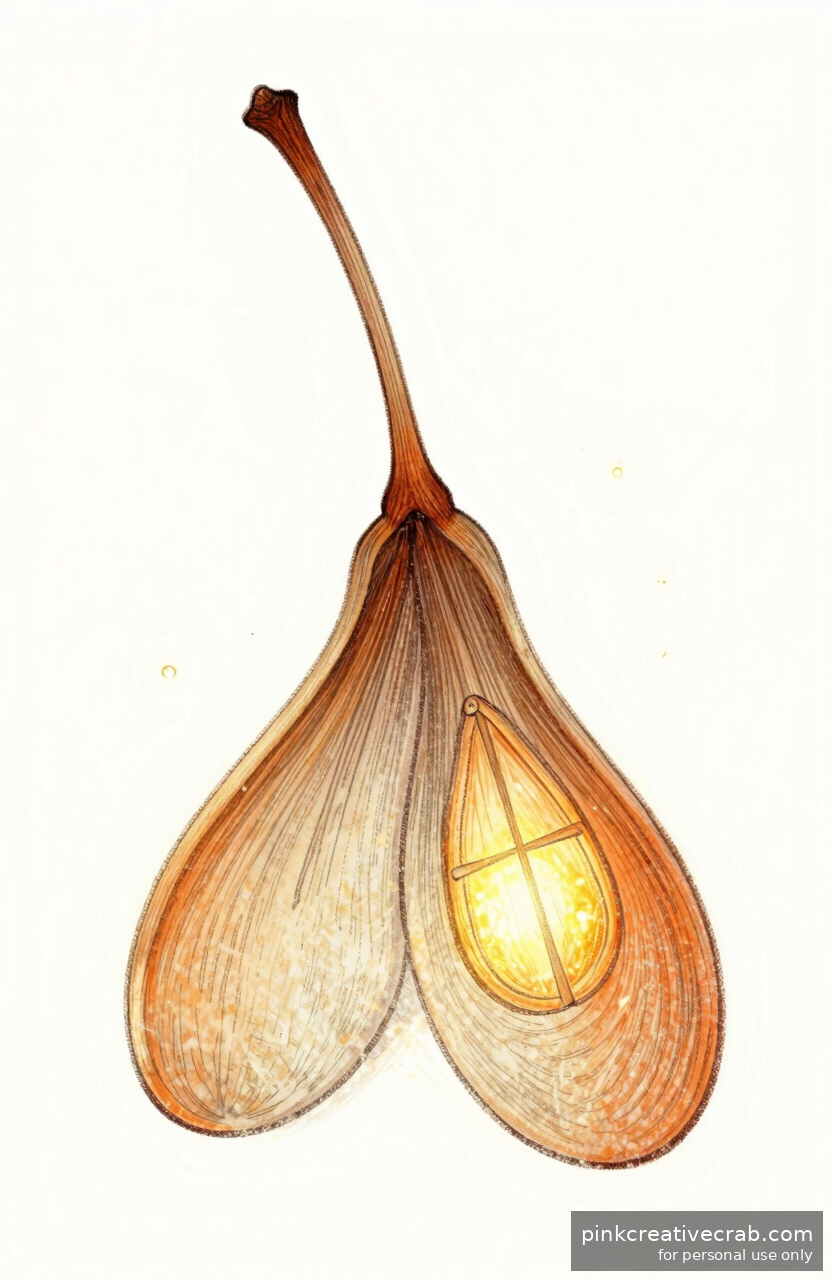
Single Maple Seed Pod
A maple seed pod — sometimes called a samara or helicopter seed — is one of autumn’s most delightful little gifts. However, beginners often overlook it because it seems too small to sketch. Actually, that makes it perfect! You can fill your whole page with just one, really studying every curve and vein.
Start with a light oval for the seed at the bottom, then add the long, thin wing sweeping upward. Notice how the wing isn’t perfectly flat — it has a gentle twist. Additionally, tiny parallel lines along the wing add lovely texture without being complicated. Take your time and enjoy the details.
A smooth sketchbook with good tooth works beautifully for this kind of detailed study. Try a set of maple seed pod drawing pencils to capture those delicate lines with confidence.
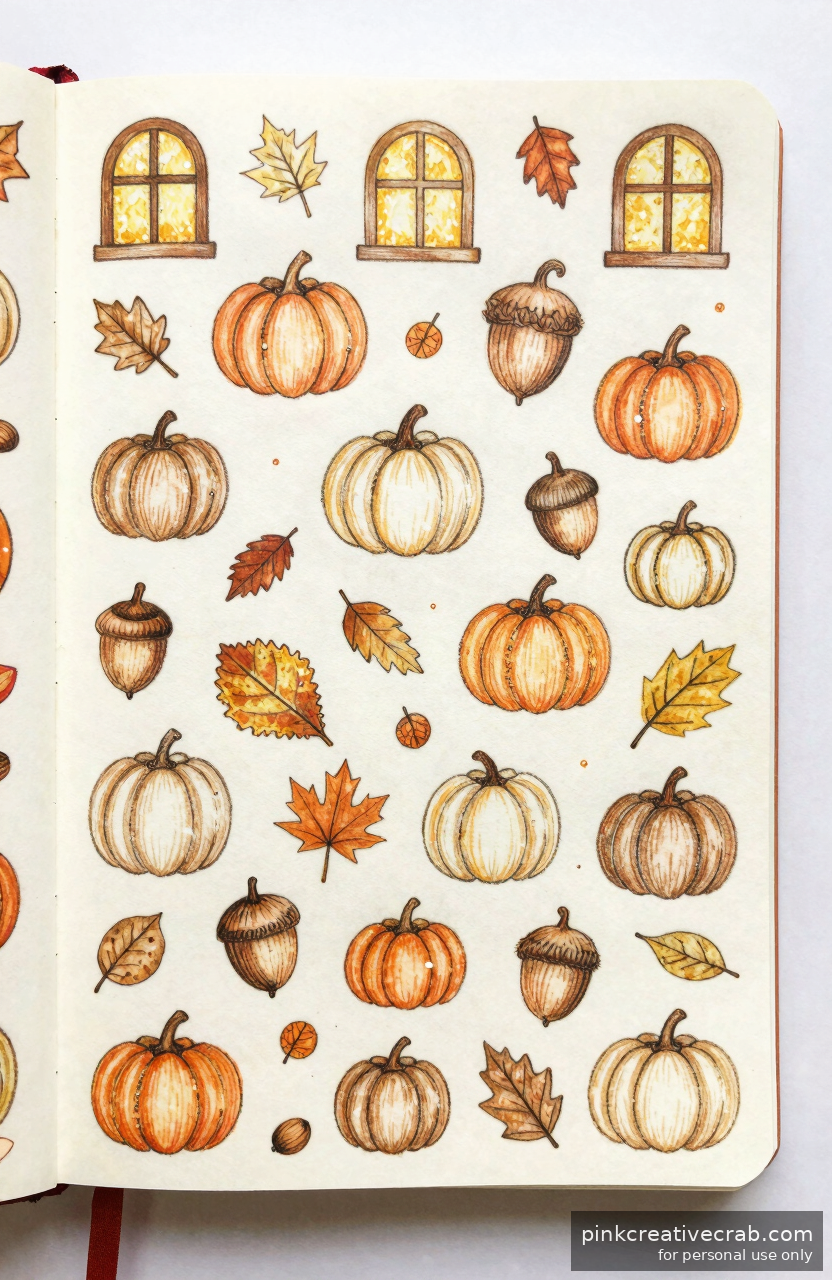
Autumn Sketching Ideas Journal Page
A journal page packed with tiny autumn sketches is such a cozy, satisfying project. Think of it like a nature collection — little acorns here, a curled leaf there, maybe a small pumpkin tucked into one corner. Therefore, you don’t need to commit to one big subject. Instead, scatter mini sketches across the page for a charming, collected look.
Labeling each sketch adds personality too. However, the real joy is simply filling that white space bit by bit. Each small drawing is its own little win, and before you know it, you have a gorgeous page. For helpful techniques on building pages like this, the Drawing Techniques Encyclopedia: 50+ Essential Methods is a wonderful resource.
A dot-grid journal gives gentle structure without strict lines. Consider grabbing a autumn nature sketch journal to keep all your seasonal pages together beautifully.
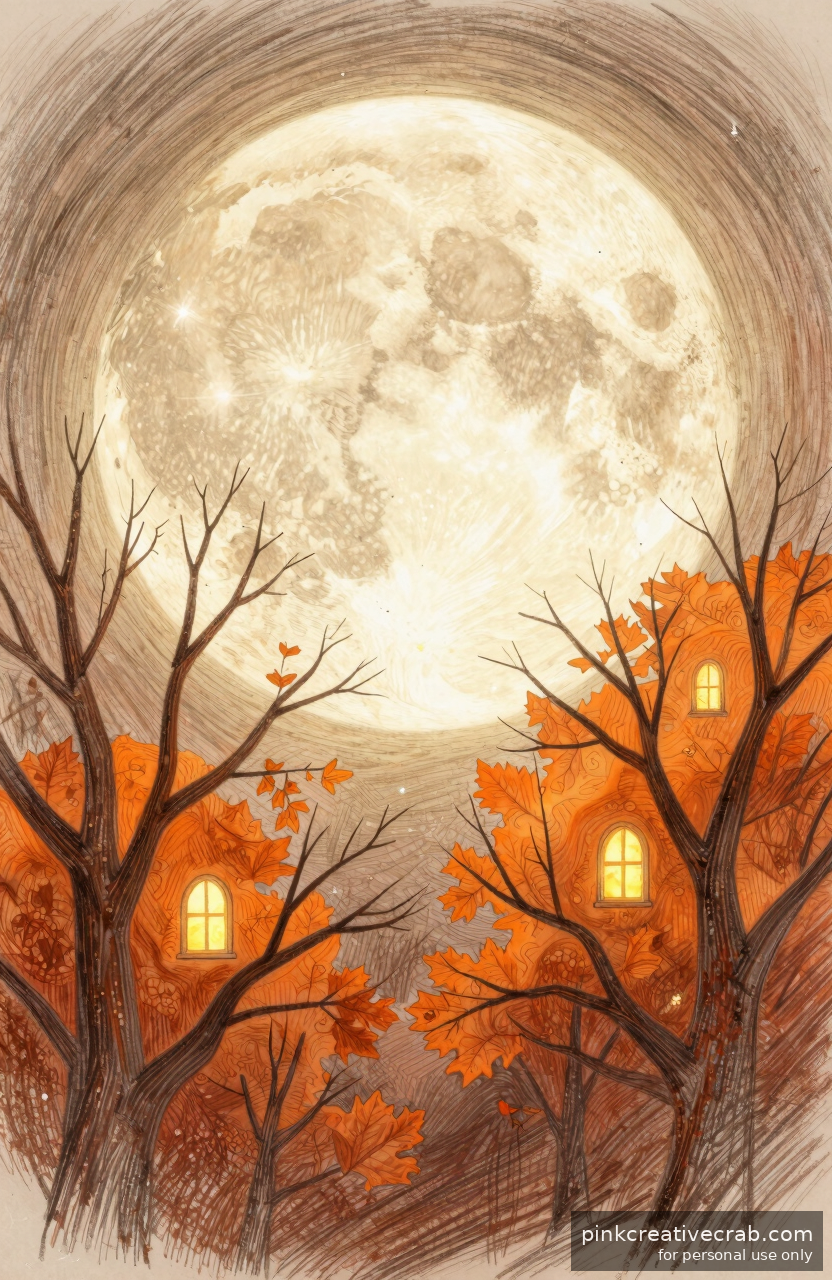
Harvest Moon Rising
A large, glowing harvest moon is surprisingly beginner-friendly to sketch. Start with the smoothest circle you can manage — don’t stress about perfection, because a slightly wobbly moon actually looks more natural and warm. Meanwhile, adding just a few soft craters with light curved lines brings the surface to life without overwhelming detail.
The magic really comes from the sky around it. Therefore, try shading the surrounding area darker with the side of your pencil, letting the moon glow by contrast. Silhouettes of bare branches reaching up from the bottom corners add instant autumn mood. Additionally, keeping the composition simple makes the moon feel truly massive and dramatic.
For building confidence with shading and contrast like this, the Pencil Drawing: Complete Beginner to Advanced Guide is incredibly helpful. A smooth blending stump alongside harvest moon sketching pencils will make your shading look effortlessly professional.
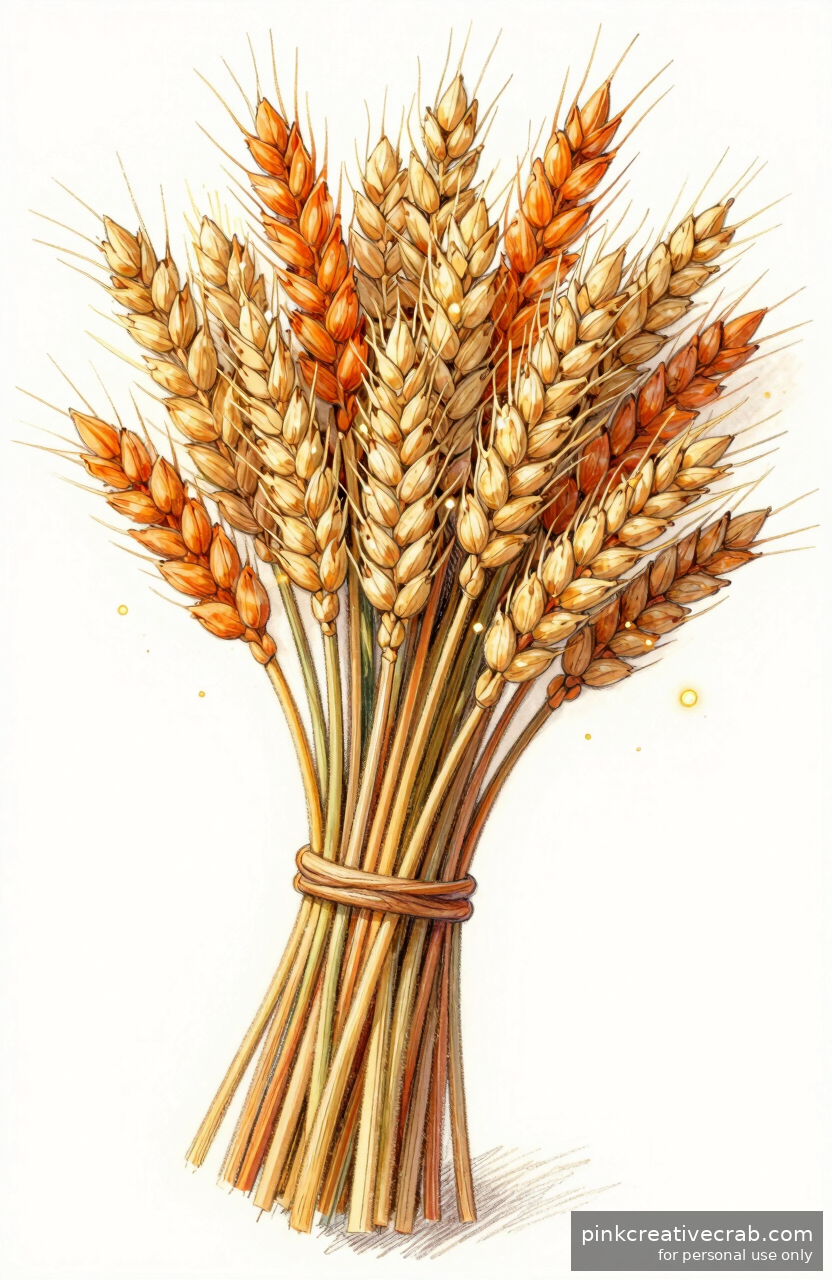
Bundled Dried Wheat Sheaf
A bundled wheat sheaf has that perfectly rustic, harvest-season energy that makes sketching it feel wonderfully cozy. However, it might look complicated at first glance. Break it down simply — draw a loose bundle of vertical lines fanning slightly outward at the top, then add the tied knot in the middle. That’s honestly most of the work!
The grain heads at the top are where the fun begins. Each one is just a small oval with tiny lines extending outward like a bristle brush. Additionally, varying the lengths of your stalks slightly makes the bundle look natural rather than stiff. Meanwhile, a few loose strands escaping the tie add beautiful, relaxed charm.
For understanding how to simplify complex natural subjects like this, the Art Fundamentals: Complete Guide to Drawing & Painting Basics offers fantastic guidance. As a result, you’ll feel much more confident tackling organic shapes. Pick up some wheat sheaf drawing supplies to get started today.
Final Thoughts
Autumn is honestly one of the best seasons to pick up a sketchbook, and these autumn sketching ideas prove that you do not need to be an expert to create something you are truly proud of. Every single subject on this list starts simple. Therefore, even if you have never sketched before, you can absolutely begin today with just a pencil and a piece of paper.
Remember, the goal is never perfection — it is progress and enjoyment. Additionally, small sketches done regularly will build your skills faster than you might expect. Each tiny acorn, each wobbly mushroom house, each softly shaded leaf is a win worth celebrating. So please do not compare your early work to finished illustrations you see online. Your sketchbook is yours alone, and every page you fill is a step forward.
However you choose to start, just start. Pick one idea from this list that makes you smile, find a cosy spot by a window, and let yourself enjoy the process. Autumn does not last forever, but the sketching habit you build this season absolutely can. Happy drawing — you have got this!
Frequently Asked Questions
What supplies do I need for autumn sketching as a beginner?
You really do not need much to get started. A simple HB or 2B pencil and a basic sketchbook are perfect for beginners. Additionally, a fine-tip black pen is great for adding those cosy whimsical details. For colour, watercolour pencils work beautifully for autumn tones. Check out beginner-friendly options like Staedtler pencils or Moleskine sketchbooks to get going.
How do I make my autumn sketches look whimsical and storybook-like?
The secret is in rounded, slightly exaggerated shapes — think plump pumpkins, chunky little mushrooms, and soft curving branches. Additionally, adding tiny details like small dots, cross-hatching, or delicate line patterns creates instant storybook charm. Therefore, do not worry about perfect realism. Lean into the imperfections, because those are exactly what give whimsical art its warmth and personality.
Can I do these autumn sketching ideas without any drawing experience?
Absolutely, yes! Every idea on this list was chosen with complete beginners in mind. For example, a simple acorn or a single leaf involves only basic shapes like ovals and curved lines. Additionally, sketching is a skill that grows with practice, so your first attempt does not need to be flawless. Start small, enjoy the process, and you will be amazed at how quickly your confidence builds.
How long should each autumn sketch take?
There are no rules here, which is one of the best things about sketching. A simple subject like a pinecone or an acorn might take just 10 to 15 minutes, however a more detailed scene like a woodland cottage could take an hour or more. For beginners, shorter sessions are actually ideal. Additionally, small daily sketches build skill faster than occasional long sessions, so even 10 minutes counts.
Where can I find good autumn sketching references for these ideas?
Nature itself is your best reference — therefore, a short walk outside to collect leaves, pinecones, or acorns gives you perfect real-life subjects to sketch from. Additionally, Pinterest and Instagram are wonderful for finding whimsical storybook-style inspiration. You can also check out sites like Unsplash for free high-quality autumn photography to use as a reference at home.
Have any thoughts?
Share your reaction or leave a quick response — we’d love to hear what you think!
-
 0
0 -
0
-
0
-
0
-
0
-
0


